
Related News
- 00
0000-00
Smart Port Systems in Southeast Asia: Investment Priorities and Adoption Barriers - 00
0000-00
Middle East Port Automation: Key Market Drivers, Projects, and Investment Risks - 00
0000-00
How Coastal Cities Can Prioritize Blue Economy Projects for Jobs and Ecosystem Gains - 00
0000-00
How Harbor Construction Solutions Address Wave Loads, Scour, and Vessel Berthing - 00
0000-00
What Is Driving Maritime Infrastructure Growth in Southeast Asia?
Why marine geotechnic risks are rising in port projects
Port expansion is moving into deeper waters, softer sediments, and tighter construction windows, making marine geotechnic uncertainty a growing concern for technical assessors. From dredging-induced slope instability to liquefaction, scour, and foundation performance under automated terminal loads, today’s port projects face risk profiles that are harder to model and costlier to correct. Understanding why these risks are rising is essential for safer design reviews, more resilient equipment deployment, and better investment decisions across modern maritime infrastructure.
For port authorities, EPC contractors, terminal operators, and equipment investors, marine geotechnic risk is no longer a background engineering topic. It now influences berth layout, dredger selection, quay crane rail tolerances, AGV pavement design, and long-cycle capital planning.
Port expansion is pushing projects into more difficult ground conditions
The first reason marine geotechnic risk is rising is simple: many accessible coastal sites have already been developed. New terminals increasingly move toward reclaimed land, deeper approach channels, and estuarine deposits with variable strength.
In practical design reviews, assessors now see soft clay layers exceeding 20–40 meters, loose hydraulic fill, buried channels, and organic sediments. These conditions reduce certainty in settlement prediction, bearing capacity, and slope performance.
Why deeper water changes the risk profile
Deeper berths may require dredging to 15–22 meters or more, depending on vessel class and tidal allowance. Each additional meter can change slope geometry, pore pressure response, and retained structure loading.
Marine geotechnic uncertainty grows when the project combines deep excavation with nearby quay walls, crane foundations, pipelines, or existing navigation assets. A small parameter error can become a major stability issue.
Common ground scenarios technical assessors should flag
- Soft normally consolidated clay with low undrained shear strength, often requiring staged construction or vertical drains.
- Loose sand or silty sand layers susceptible to liquefaction under seismic, wave, or cyclic crane loading.
- Mixed reclamation fill with variable density, creating differential settlement below yards and automated guide paths.
- Scour-prone seabeds near quay toes, turning basins, breakwaters, and propeller wash zones.
These scenarios are not rare edge cases. They are increasingly central to port feasibility because terminal demand is shifting toward larger vessels, higher yard density, and faster equipment cycles.
Dredging and reclamation are creating faster-changing seabed behavior
Marine dredging engineering is essential for port growth, but it also changes the stress state of seabed materials. Excavation, backfilling, and channel widening can trigger instability if sequencing is poorly controlled.
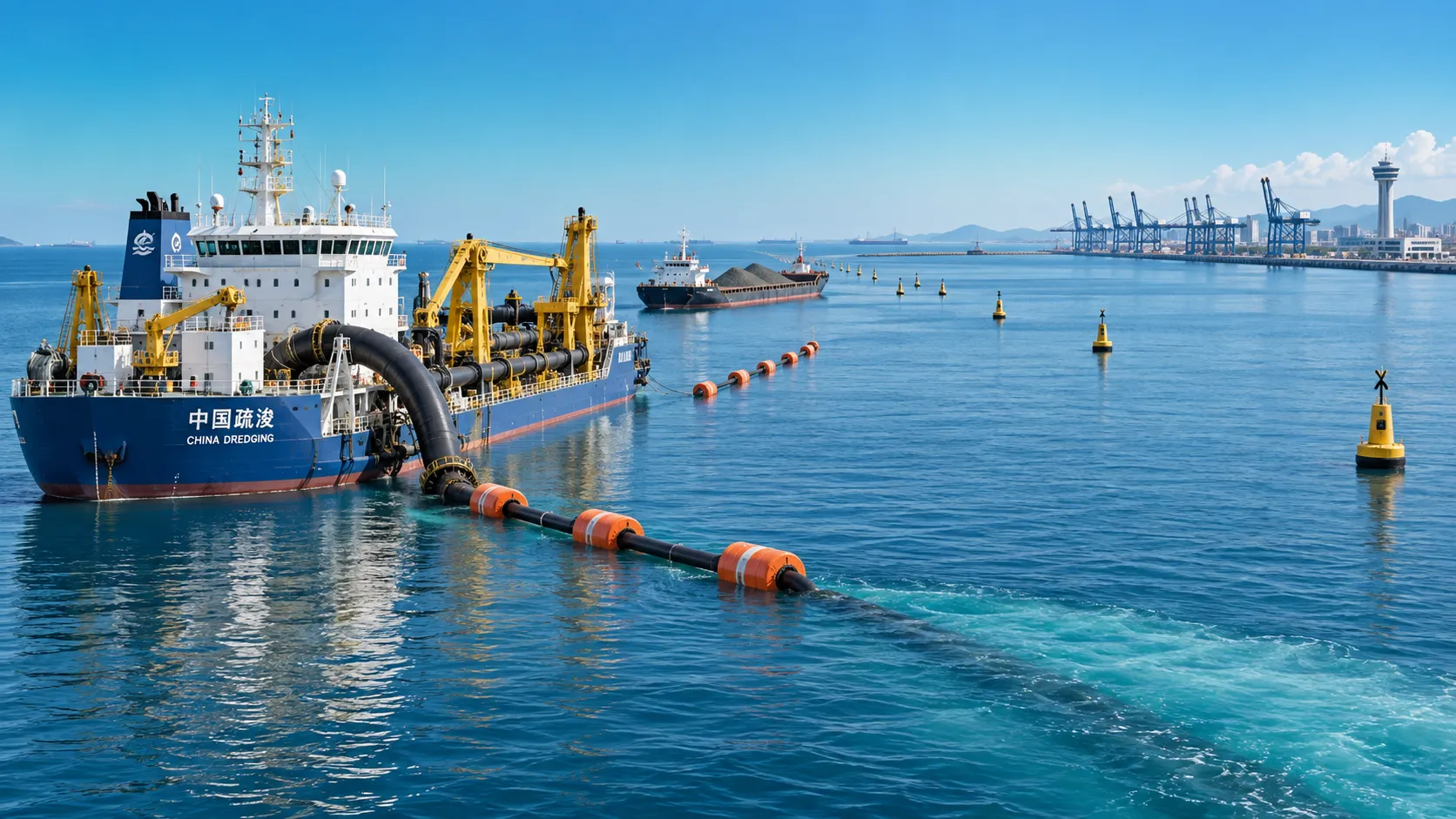
Technical assessors should examine dredging not only as a production activity, but as a marine geotechnic loading event. Cutter suction dredgers, trailing suction hopper dredgers, and backhoe dredgers create different disturbance patterns.
The table below summarizes common mechanisms that can raise marine geotechnic risk during port dredging and reclamation. It is useful for early-stage review workshops and bid clarification meetings.
The key conclusion is that dredging plans and geotechnical models must be reviewed together. A production schedule of 24-hour dredging can be efficient, yet unsafe if instrumentation feedback is delayed.
Construction windows are becoming less forgiving
Many port projects now work inside 6–18 month construction windows tied to shipping demand, concession milestones, or environmental restrictions. This compresses soil investigation, design iteration, and corrective works.
When timelines are compressed, the temptation is to rely on fewer boreholes or generic correlations. That approach may reduce early cost, but it transfers uncertainty into construction and operation.
Automation and heavier terminal gear are changing foundation demand
Modern terminals are not only larger; they are more mechanically and digitally synchronized. Quay cranes, automated stacking cranes, AGVs, shuttle carriers, and high-density yards impose precise performance requirements.
A conventional yard may tolerate limited rutting or uneven settlement. Automated container handling systems often require tighter grade control, predictable wheel paths, and lower vibration variability over years of operation.
From bearing capacity to operational accuracy
Marine geotechnic assessment has moved beyond ultimate limit state checks. Serviceability is now equally important, especially where automated equipment depends on sensors, path planning, and repeatable positioning.
For rail-mounted quay cranes, differential settlement of only a few millimeters per meter can affect alignment, wheel load distribution, and maintenance intervals. For AGV routes, uneven pavement can reduce battery efficiency.
The following table links port equipment categories with foundation and ground performance questions. It helps technical assessors connect machinery procurement with marine geotechnic verification.
The table shows why equipment and ground cannot be evaluated separately. A robust crane specification may still underperform if marine geotechnic inputs are outdated or under-sampled.
Procurement implications for technical teams
- Request ground design assumptions before approving terminal equipment layouts.
- Check whether settlement tolerances are compatible with automation control systems.
- Require interface meetings between geotechnical engineers, structural designers, and equipment suppliers.
- Include monitoring access and adjustment provisions in long-term maintenance budgets.
Climate stress, scour, and seismic exposure are reducing design margins
Another driver is environmental loading. Higher storm intensity, changing wave patterns, stronger currents, and sea-level rise can increase scour, overtopping, and cyclic seabed stress at coastal infrastructure.
A berth designed with narrow freeboard or limited toe protection may meet historical assumptions, yet become vulnerable under 1-in-50 year or 1-in-100 year storm scenarios.
Scour is often underestimated until it becomes visible
Scour near quay walls, piles, and navigation structures can remove support before surface symptoms appear. Propeller wash from larger vessels may accelerate local erosion during frequent berthing cycles.
Marine geotechnic reviews should examine seabed mobility, armor layer sizing, bathymetric survey frequency, and emergency repair access. In active ports, surveys every 3–12 months may be appropriate.
Liquefaction and cyclic softening require scenario-based review
Loose saturated sands, reclaimed fills, and silty deposits can lose strength under earthquakes or repeated cyclic loading. This affects quay walls, crane rails, buried utilities, and yard pavements.
Assessors should not rely only on a single design earthquake value. A staged review often compares operating-level, design-level, and extreme-level events to understand recovery time and business interruption.
Risk indicators worth checking early
- Standard penetration or cone penetration profiles showing loose layers below groundwater.
- Historic reclamation zones where placement records are incomplete or inconsistent.
- Quay structures with limited allowance for lateral spreading or residual deformation.
- Drainage systems that may lose capacity under sedimentation or rising water levels.
Data gaps and model uncertainty are becoming commercial risks
Marine geotechnic risk rises sharply when the ground model is built from limited data. Offshore investigation is expensive, weather-dependent, and sometimes reduced during competitive tendering.
However, the cost of uncertainty often appears later through redesign, dredging delay, additional ground improvement, claims, or equipment commissioning problems. A 2–4 week investigation extension may prevent months of disruption.
What a stronger investigation package should include
A credible investigation plan usually combines boreholes, CPTu testing, laboratory classification, strength tests, consolidation tests, and geophysical profiling. No single method captures all spatial variability.
For major port projects, assessors should look for investigation coverage across quay lines, dredged slopes, reclamation cells, crane rails, heavy lift zones, and utility corridors.
A 5-step review sequence
- Map ground investigation points against operational assets, not only structural boundaries.
- Compare soil parameters with regional experience and identify outliers before modeling.
- Run sensitivity checks for strength, permeability, density, and consolidation assumptions.
- Link geotechnical risks to schedule, equipment installation, and commissioning milestones.
- Define monitoring thresholds, reporting frequency, and decision authority before construction.
This sequence turns marine geotechnic review into a decision tool. It supports investment approval, supplier coordination, and risk allocation among owners, designers, contractors, and operators.
How technical assessors can improve port project resilience
Rising risk does not mean port projects should slow down. It means marine geotechnic thinking must be integrated earlier, measured more continuously, and connected to equipment lifecycle planning.
A practical assessment framework should cover at least 4 dimensions: ground reliability, construction disturbance, asset performance, and monitoring readiness. Each dimension affects cost, safety, and operational continuity.
Selection standards for engineering partners and intelligence sources
Technical teams should favor partners who understand port structures, dredging equipment, automated terminal systems, and coastal economics. Fragmented advice can miss interface risks between machinery and ground response.
Useful deliverables include risk registers, parameter sensitivity matrices, monitoring dashboards, construction hold points, and procurement interface notes. These outputs are more actionable than isolated calculation appendices.
Recommended decision checkpoints
- Feasibility stage: confirm whether the site requires ground improvement, staged loading, or revised berth geometry.
- Basic design stage: validate soil parameters, dredging slopes, and foundation concepts against operational loads.
- Procurement stage: align equipment tolerances with settlement, vibration, and rail or pavement performance.
- Construction stage: monitor pore pressure, displacement, bathymetry, and fill quality against predefined triggers.
- Operation stage: maintain a survey and inspection cycle tied to asset criticality and traffic intensity.
For high-throughput terminals, monitoring should not be treated as a temporary construction item. It becomes part of the port’s operational intelligence layer, especially where automation reduces human observation.
Strategic value for modern maritime infrastructure decisions
Marine geotechnic risk is rising because port projects are larger, faster, deeper, and more automated than before. The consequences now extend from structural safety to equipment uptime and logistics reliability.
For technical assessors, the priority is to challenge assumptions early, connect soil behavior to terminal operations, and require measurable controls throughout design, dredging, reclamation, commissioning, and maintenance.
PS-Nexus supports this decision process by linking heavy terminal gear intelligence, automated handling insights, dredging engineering perspectives, and marine geotechnic analysis into a single port-focused knowledge framework.
If your team is evaluating a port expansion, automated terminal upgrade, dredging package, or foundation risk review, explore PS-Nexus intelligence resources and get a customized solution discussion for your next project.
Related News
Smart Port Systems in Southeast Asia: Investment Priorities and Adoption Barriers
Smart port systems Southeast Asia: discover investment priorities, adoption barriers, and practical steps to build resilient, connected, high-performing terminals.
How to Evaluate Terminal Efficiency Solution Suppliers for High-Throughput Operations
Choose a terminal efficiency solutions supplier with confidence. Explore proven criteria for throughput, integration, lifecycle cost, safety, and reliable delivery.
How to Specify a Quay Crane for Container Terminals by Vessel Size and Throughput?
Quay crane for container terminals: learn how to match outreach, lift height, capacity, automation, and cycle performance to vessel size and throughput goals.
What Dredging Equipment Is Needed for Channel Deepening?
What dredging equipment is needed for channel deepening? Explore dredgers, pipelines, survey tools, and planning strategies for safer, more efficient port access.
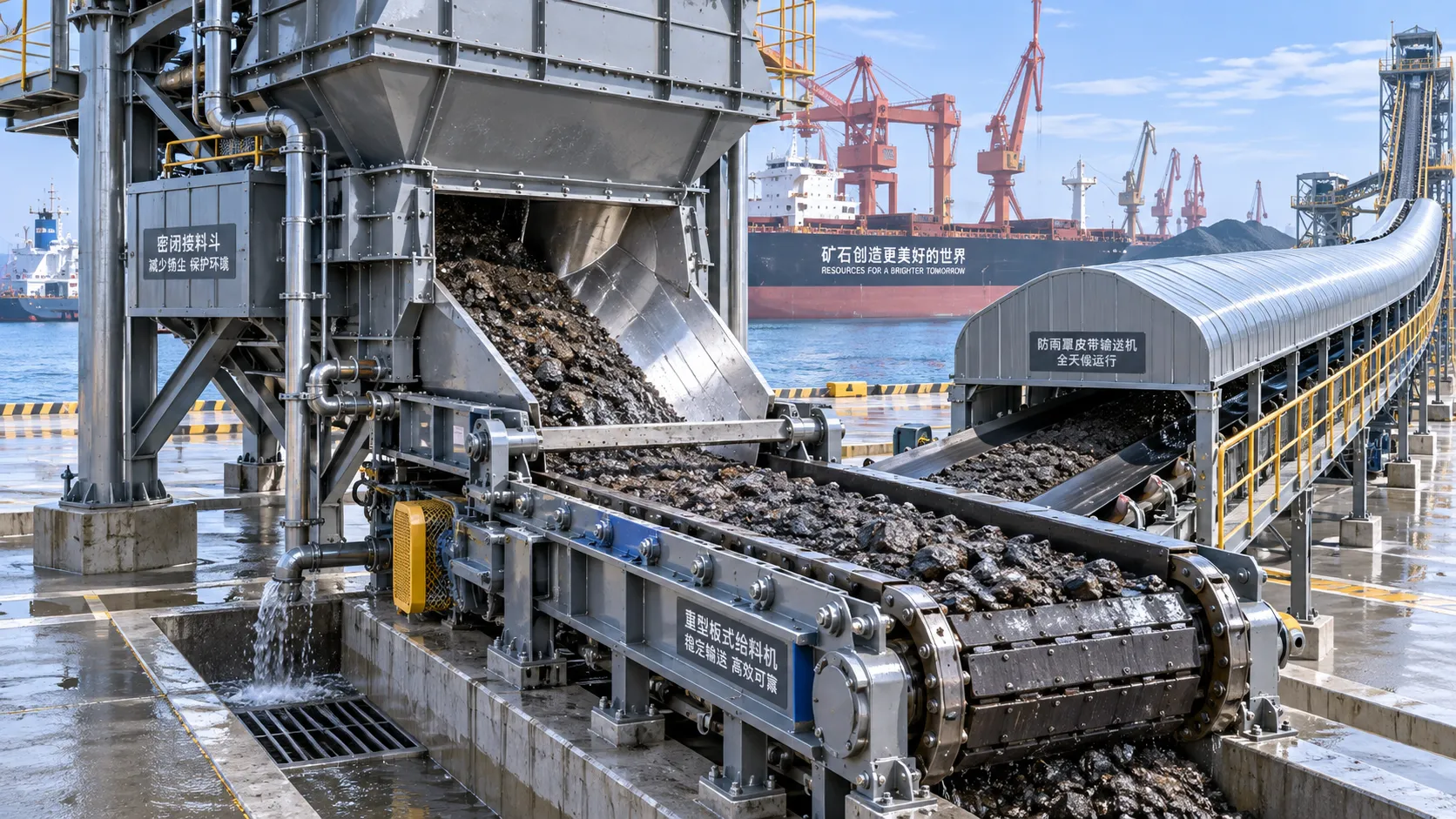
Which Bulk Handling Equipment Suits High-Moisture Cargo?
Which bulk handling equipment suits high-moisture cargo? Compare belt, apron, screw, drag, and slurry systems for reliable flow, less carryback, and higher terminal uptime.
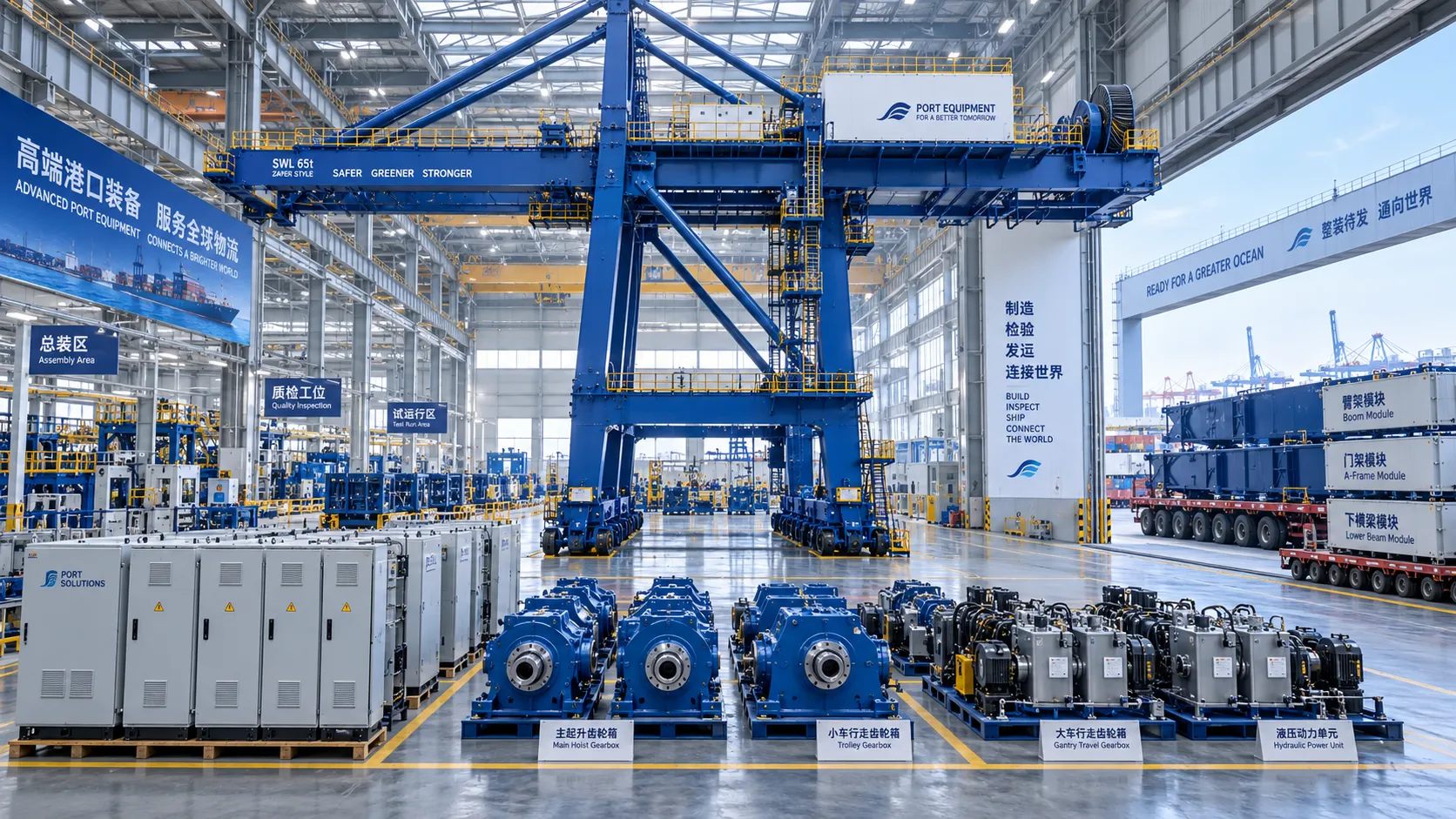
How Can Port Equipment Lead-Time Risk Be Managed?
How can port equipment lead-time risk be managed? Explore practical strategies to control critical paths, suppliers, transport, site readiness, and commissioning delays.
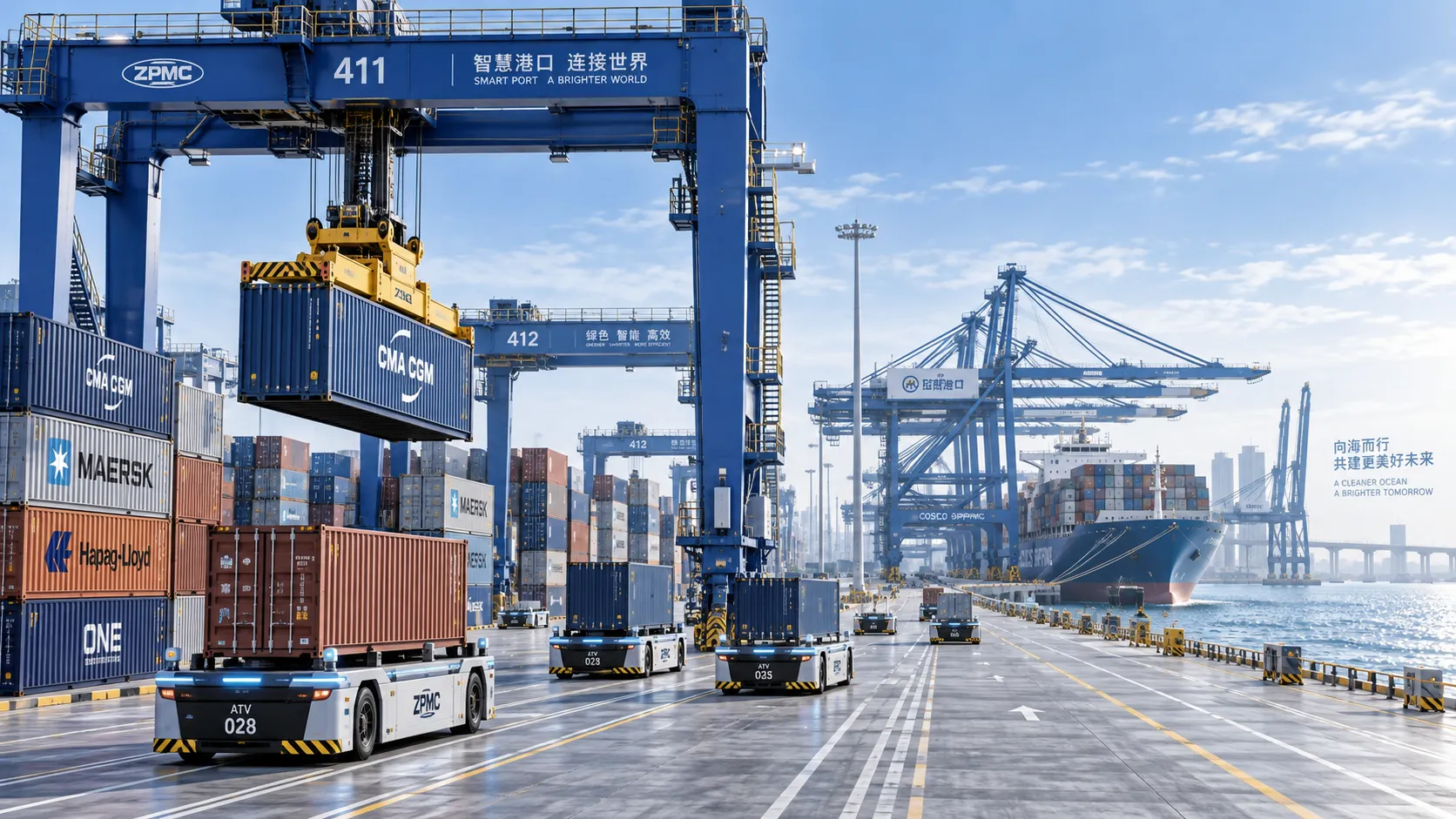
Terminal Automation Technologies That Raise Container Throughput Without Yard Disruption
Terminal automation technology that increases container throughput without disrupting yard flow. Explore smarter integration, resilient workflows, and phased deployment strategies.
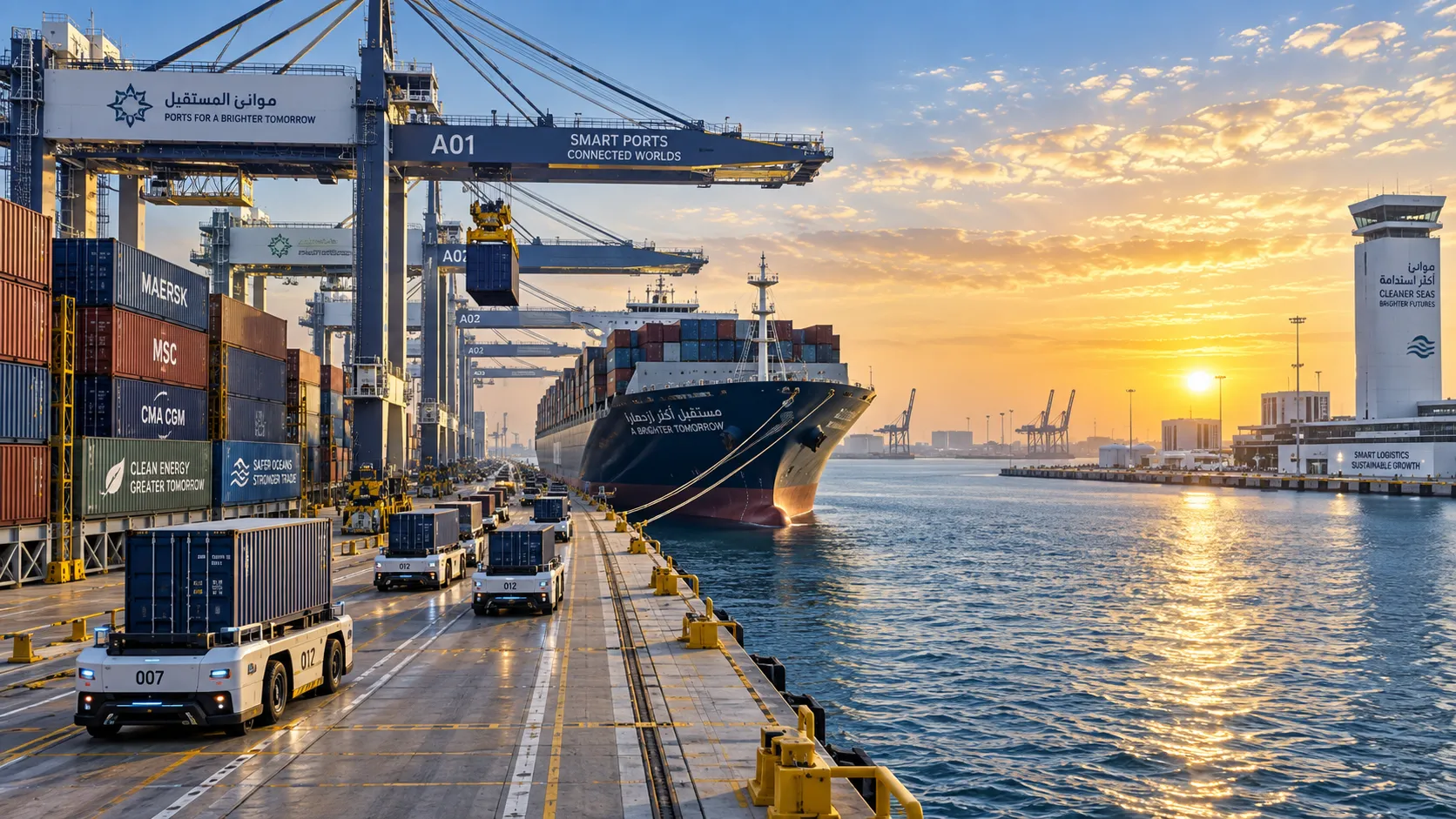
Middle East Port Automation: Key Market Drivers, Projects, and Investment Risks
Port automation systems Middle East: explore market drivers, flagship projects, integration challenges, and investment risks shaping smarter, resilient terminals.
Planning Offshore Dredging Operations: Key Risks, Methods, and Project Controls
Offshore dredging operations demand smart planning. Explore key risks, proven methods, environmental controls, and project strategies for reliable delivery.