Related News
- 00
0000-00
Smart Port Systems in Southeast Asia: Investment Priorities and Adoption Barriers - 00
0000-00
Middle East Port Automation: Key Market Drivers, Projects, and Investment Risks - 00
0000-00
How Coastal Cities Can Prioritize Blue Economy Projects for Jobs and Ecosystem Gains - 00
0000-00
How Harbor Construction Solutions Address Wave Loads, Scour, and Vessel Berthing - 00
0000-00
What Is Driving Maritime Infrastructure Growth in Southeast Asia?
Is aging port infrastructure slowing cargo growth?
Is Aging Port Infrastructure Slowing Cargo Growth?
Aging port infrastructure is becoming a strategic bottleneck for cargo growth, forcing decision-makers to rethink how terminals handle rising vessel sizes, tighter delivery windows, automation demands, and net-zero pressure.
As global trade nodes compete on throughput, resilience, and operational intelligence, outdated quay systems, yard layouts, dredging capacity, and control architecture can quietly erode competitiveness.
The critical question is no longer whether modernization is necessary, but how fast intelligent upgrades must happen to protect future cargo flows.
The Growth Signal Is Clear, but Port Infrastructure Is Uneven
Cargo demand is not moving in a straight line, yet the long-term pressure on terminals remains intense.
Containerized trade, bulk energy flows, project cargo, and coastal redistribution are all reshaping capacity expectations.
However, port infrastructure in many regions was designed for smaller vessels, simpler yards, and less data-intensive operations.
The result is a widening gap between shipping network ambition and physical terminal capability.
When berth depth, crane outreach, yard geometry, and gate systems lag, cargo growth becomes harder to capture.
This is why port infrastructure now sits at the center of logistics competitiveness, not only engineering maintenance.
Why Older Port Infrastructure Turns Into a Cargo Constraint
Cargo congestion rarely starts with one visible failure. It usually appears through small delays across connected assets.
A shallow channel slows vessel scheduling. A weak quay limits crane deployment. A narrow yard increases rehandling.
Outdated port infrastructure also reduces operational flexibility during demand surges, labor shortages, and weather disruption.
These limitations explain why modern port infrastructure planning must combine civil works, equipment renewal, and digital architecture.
Mega Vessels Are Exposing Structural Weakness
Larger vessels promise slot efficiency, but they concentrate cargo into sharper peak loads.
This creates intense pressure on quay cranes, horizontal transport, yard blocks, customs interfaces, and inland connections.
If port infrastructure cannot absorb these peaks, the economics of larger ships move downstream as congestion costs.
Crane outreach is one visible issue, but peak exchange capacity is the deeper concern.
A berth may accept a large vessel, while yard flow still fails to support rapid cargo evacuation.
This mismatch turns port infrastructure into a system-level question, not a single-asset upgrade decision.
The new capacity benchmark is synchronized throughput
Modern terminals need synchronized crane moves, AGV or truck dispatch, yard stacking, gate release, and rail transfer.
Cargo growth depends on how smoothly these layers interact under real-time operating conditions.
Therefore, port infrastructure performance should be measured by flow continuity, not only nominal berth capacity.
Automation Raises the Standard for Port Infrastructure
Automation is often treated as a software transition, but its foundation is physical and electrical readiness.
Automated stacking cranes, remote-controlled quay cranes, AGVs, sensors, and digital twins require dependable operating environments.
Older port infrastructure may lack fiber networks, stable power distribution, sensor mounting points, and safe automation corridors.
Without these foundations, automation projects become expensive overlays on unstable terminal geometry.
- Remote crane control needs low-latency communications and accurate machine vision support.
- AGV fleets require predictable pavement conditions, safe routing, and clear positioning signals.
- Automated yards need consistent block design, power availability, and resilient control rooms.
- Digital dredging monitoring needs reliable sensor data and integrated maintenance logic.
The automation wave therefore strengthens the case for comprehensive port infrastructure modernization.
Dredging Capacity Is Becoming a Strategic Differentiator
Channel depth is one of the most decisive, yet often under-discussed, cargo growth factors.
When dredging capability lags vessel evolution, terminals face draft restrictions, tidal limitations, and lower schedule reliability.
This makes marine dredging equipment part of the broader port infrastructure competitiveness equation.
Smart dredging also supports climate resilience, sediment management, and long-term coastal economics.
Ports that integrate dredging data with berth planning can better forecast access risks and maintenance needs.
In this sense, port infrastructure is no longer static construction. It is a continuously measured operating system.
Net-Zero Pressure Is Changing Upgrade Priorities
Environmental targets are making aging assets more expensive to operate and harder to justify.
Diesel handling fleets, inefficient electrical systems, and energy-intensive yard movements all affect terminal emissions profiles.
Future-ready port infrastructure must support electrification, shore power, energy monitoring, and cleaner equipment cycles.
Net-zero strategies also depend on accurate operational data, not only cleaner machinery.
A terminal cannot reduce what it cannot measure across cranes, vehicles, lighting, pumps, and vessel interfaces.
This places digital control systems at the core of sustainable port infrastructure investment.
Where the Impact Is Felt Across the Cargo Chain
The effects of outdated port infrastructure spread beyond the quay.
They influence vessel planning, cargo dwell time, inland transport reliability, storage economics, and regional industrial confidence.
For container operations, the main impact is often congestion during peak vessel exchanges.
For bulk handling, equipment reliability and stockyard design become decisive for continuous transfer.
For project cargo, quay strength, lifting capacity, and access routes determine whether opportunities can be accepted.
For dredging and coastal works, outdated port infrastructure can delay expansion even when demand is visible.
Signals That Modernization Can No Longer Wait
Not every old asset is a bottleneck, and not every new system creates value.
The priority is to identify where port infrastructure weakness directly restricts cargo flow or future adaptability.
- Berth occupancy remains high while actual crane productivity stays below target.
- Vessels face repeated draft limits, tidal delays, or channel access constraints.
- Yard rehandling rises during import peaks or export cut-off windows.
- Control systems cannot provide real-time equipment and cargo visibility.
- Energy consumption rises faster than cargo volume or operating hours.
- Automation pilots require repeated redesign because physical layouts are unsuitable.
These signals show that port infrastructure risk has moved from maintenance budgets into strategic growth planning.
A Practical Framework for Future-Ready Port Infrastructure
Modernization should avoid isolated upgrades that solve one constraint while creating another.
A better approach links asset condition, cargo forecast, automation roadmap, dredging needs, and emission goals.
This framework turns port infrastructure investment into a staged competitiveness program.
The Next Advantage Will Come From Intelligent Synchronization
The next generation of port infrastructure will not be defined only by bigger cranes or deeper channels.
It will be defined by synchronized mechanical power, algorithmic scheduling, and resilient marine engineering.
This is where terminal gear, automated container handling, bulk machinery, and dredging equipment converge.
Cargo growth will favor hubs that can sense disruption early and adjust operations before congestion compounds.
Port infrastructure intelligence will therefore become as important as concrete, steel, engines, and pumps.
Platforms such as PS-Nexus track these shifts through sector news, equipment trends, and strategic maritime intelligence.
Action Steps for Protecting Cargo Growth
The most effective response is to treat port infrastructure as a living performance network.
Start with bottleneck mapping, then connect physical constraints with operational data and cargo forecasts.
- Audit berth, yard, channel, equipment, power, and control-system readiness together.
- Prioritize upgrades that unlock measurable throughput, reliability, or emission gains.
- Use digital models to test vessel peaks, yard density, and dredging scenarios.
- Phase automation only after physical layouts and connectivity can support it.
- Align investment timing with trade route changes, vessel trends, and net-zero targets.
Aging port infrastructure does slow cargo growth when modernization is delayed or fragmented.
Yet the same challenge creates a strategic opening for smarter, cleaner, and more synchronized maritime logistics.
For organizations planning the next upgrade cycle, the priority is clear: connect assets, data, and marine capacity before demand outpaces readiness.
Related News
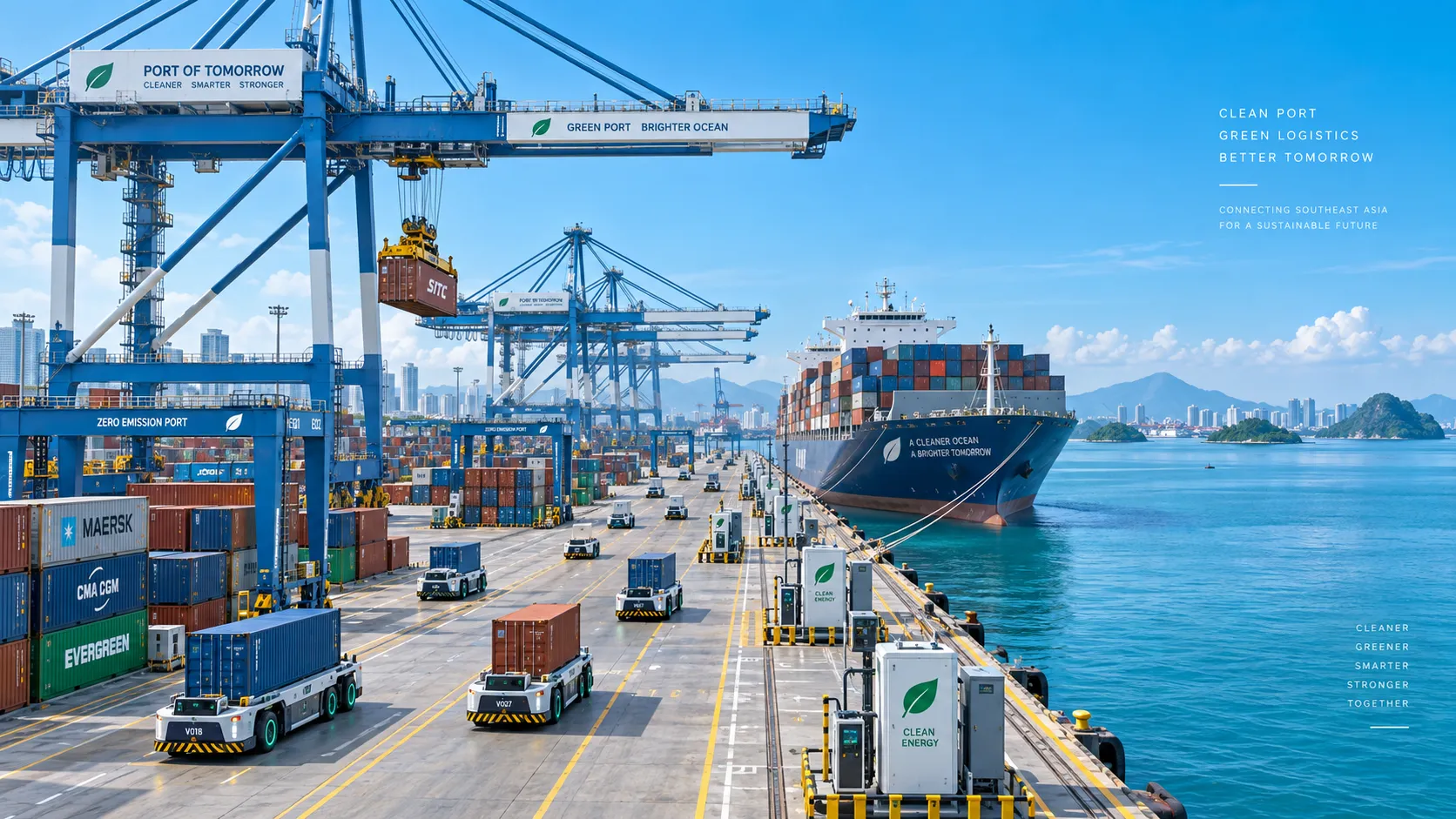
Smart Port Systems in Southeast Asia: Investment Priorities and Adoption Barriers
Smart port systems Southeast Asia: discover investment priorities, adoption barriers, and practical steps to build resilient, connected, high-performing terminals.
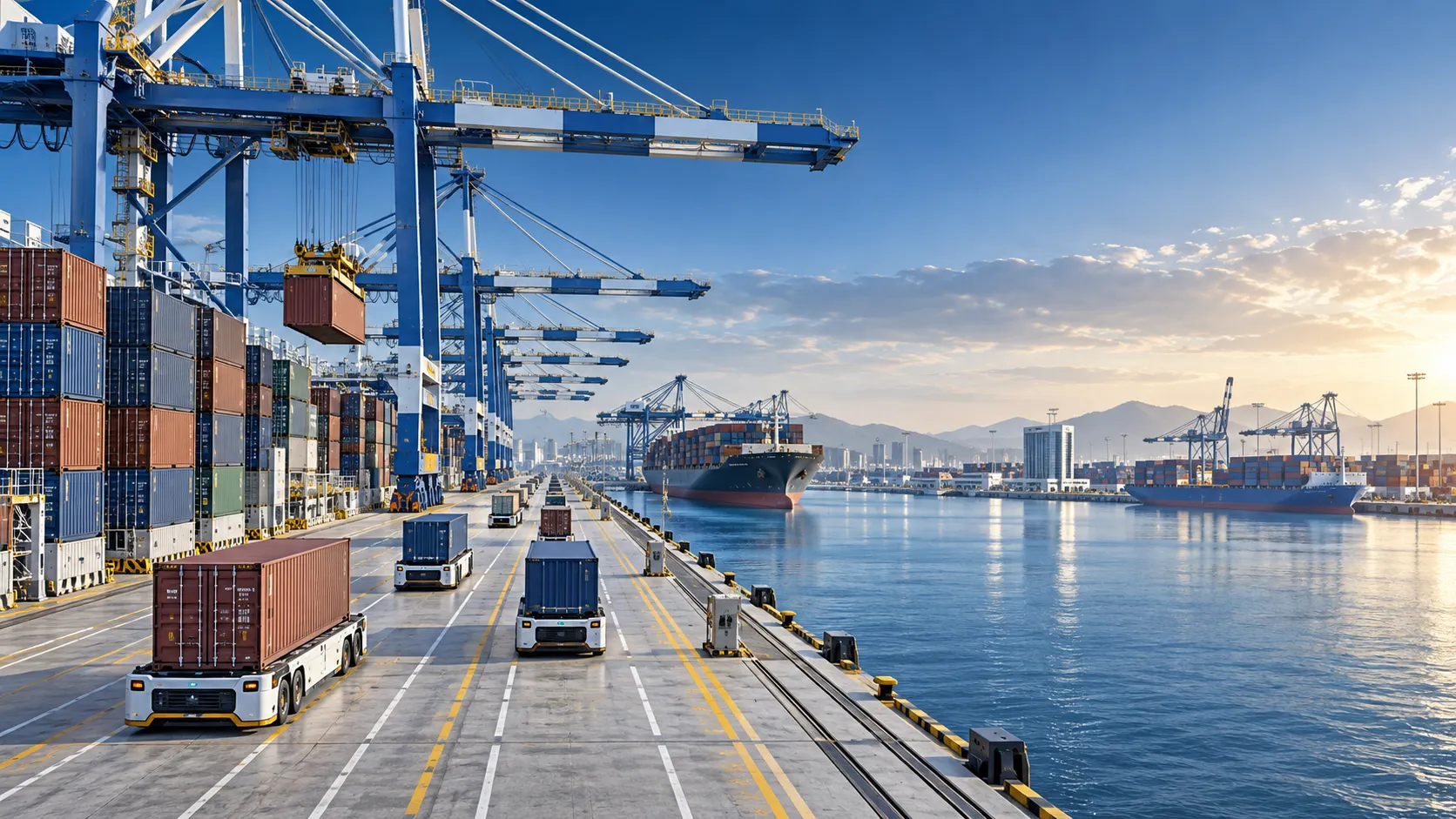
How to Evaluate Terminal Efficiency Solution Suppliers for High-Throughput Operations
Choose a terminal efficiency solutions supplier with confidence. Explore proven criteria for throughput, integration, lifecycle cost, safety, and reliable delivery.
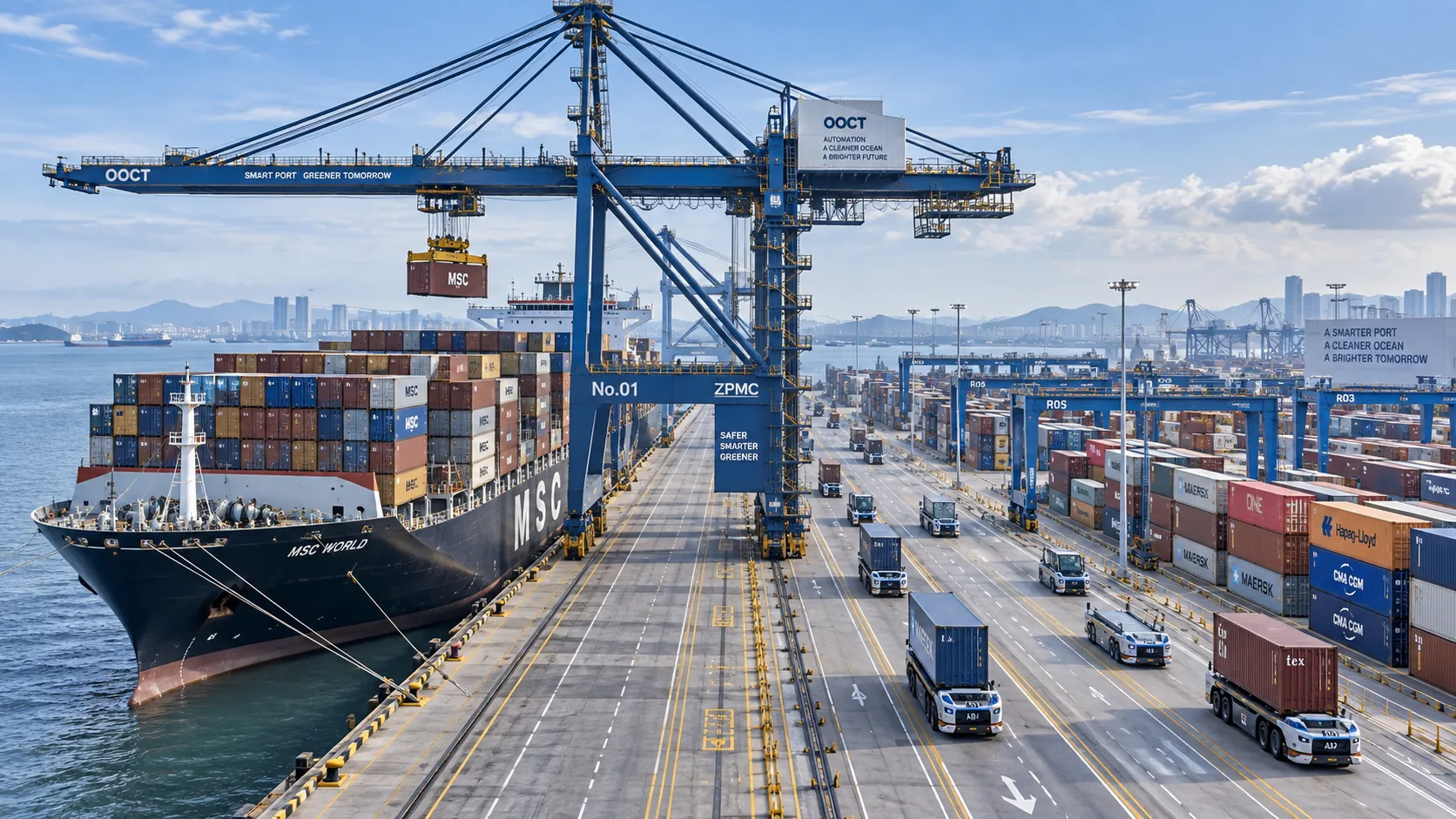
How to Specify a Quay Crane for Container Terminals by Vessel Size and Throughput?
Quay crane for container terminals: learn how to match outreach, lift height, capacity, automation, and cycle performance to vessel size and throughput goals.
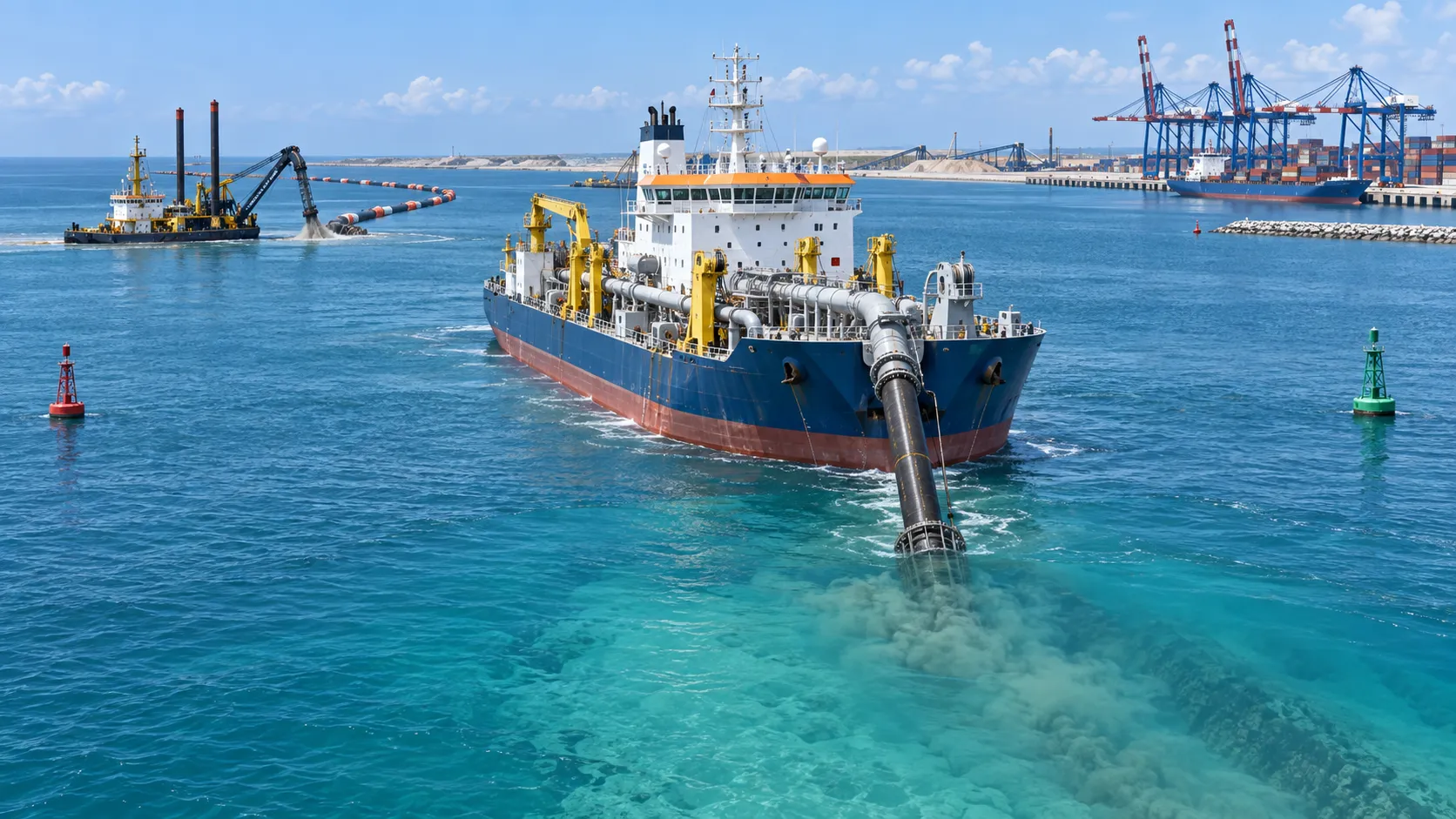
What Dredging Equipment Is Needed for Channel Deepening?
What dredging equipment is needed for channel deepening? Explore dredgers, pipelines, survey tools, and planning strategies for safer, more efficient port access.
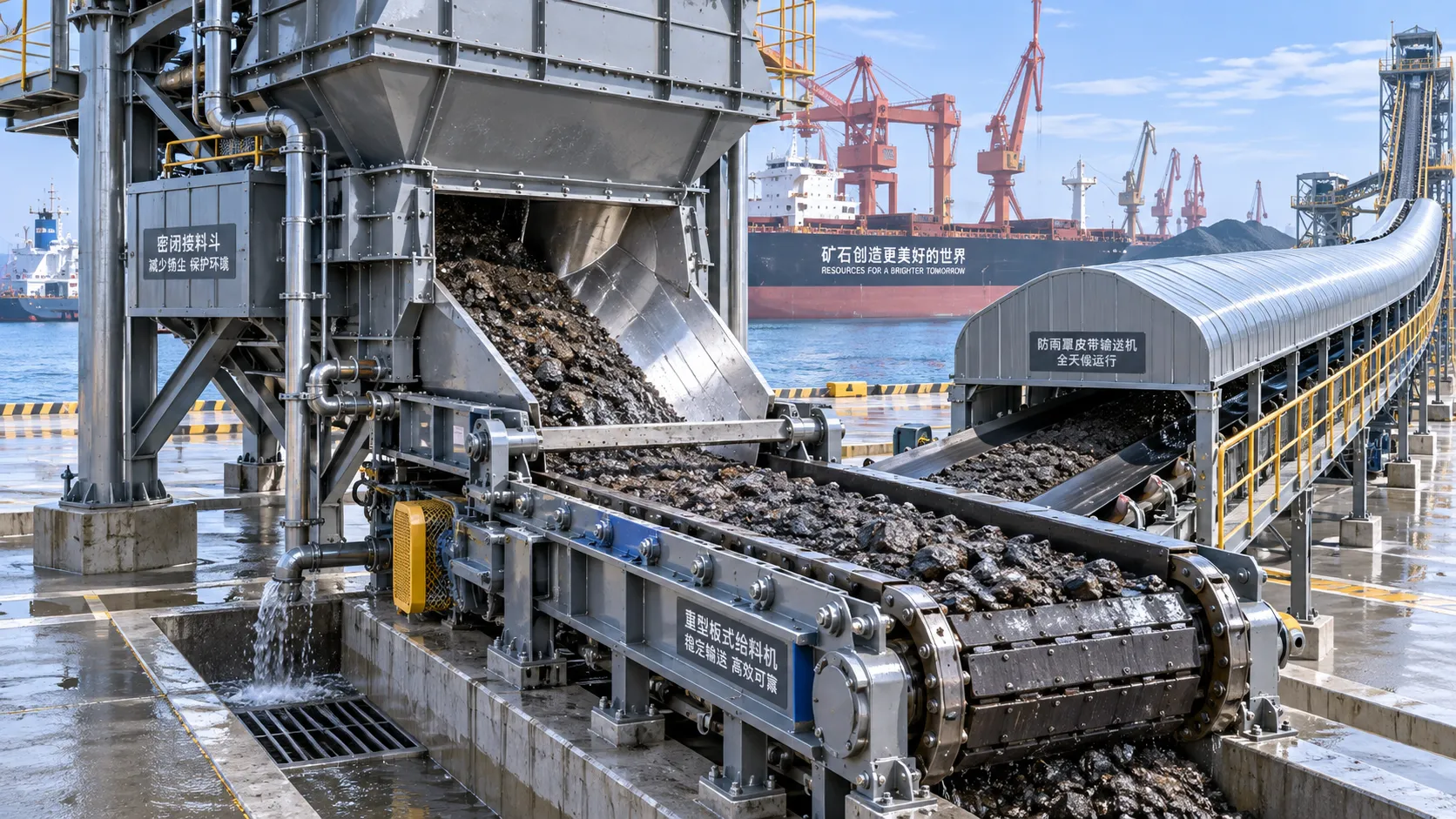
Which Bulk Handling Equipment Suits High-Moisture Cargo?
Which bulk handling equipment suits high-moisture cargo? Compare belt, apron, screw, drag, and slurry systems for reliable flow, less carryback, and higher terminal uptime.
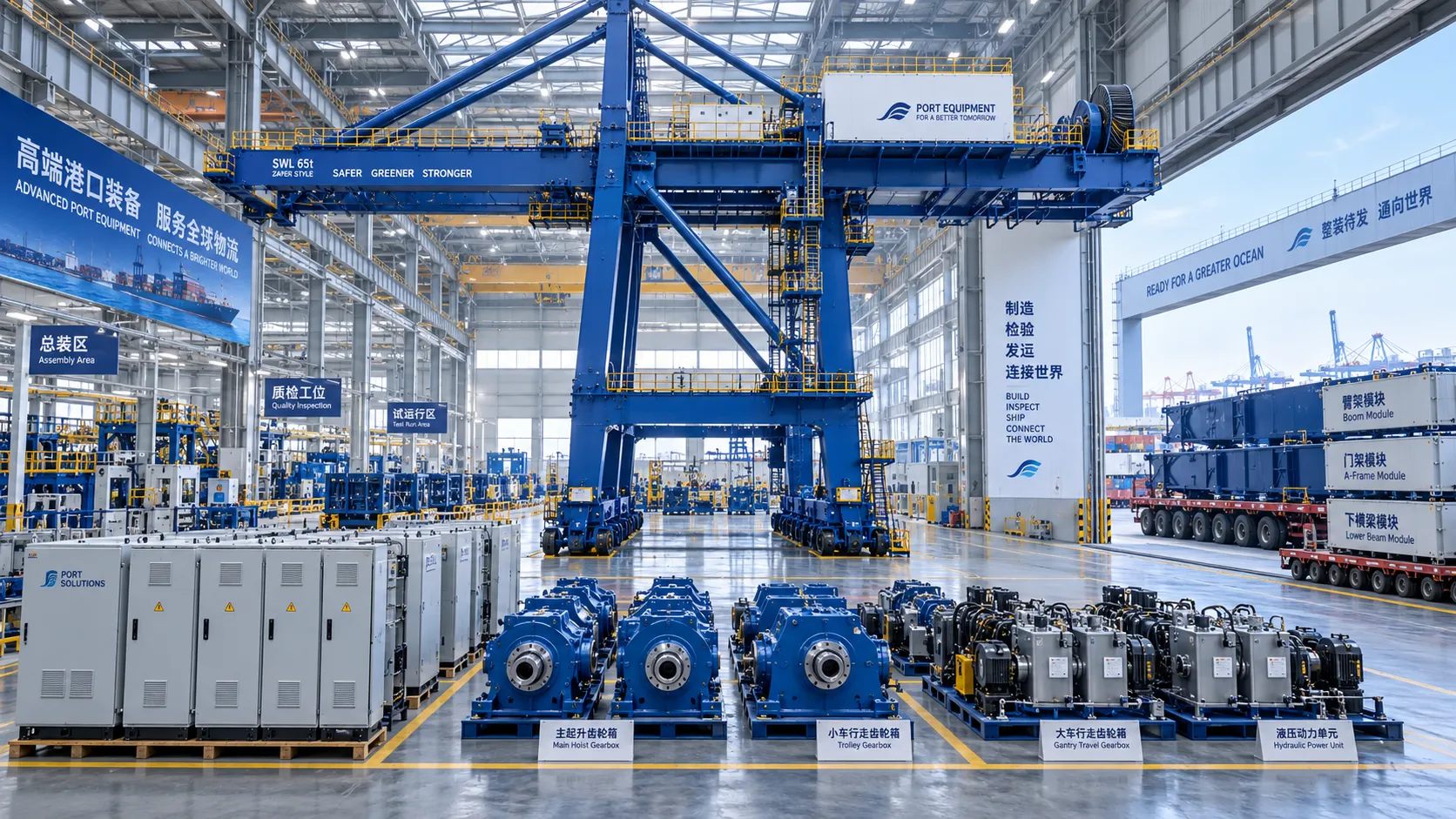
How Can Port Equipment Lead-Time Risk Be Managed?
How can port equipment lead-time risk be managed? Explore practical strategies to control critical paths, suppliers, transport, site readiness, and commissioning delays.
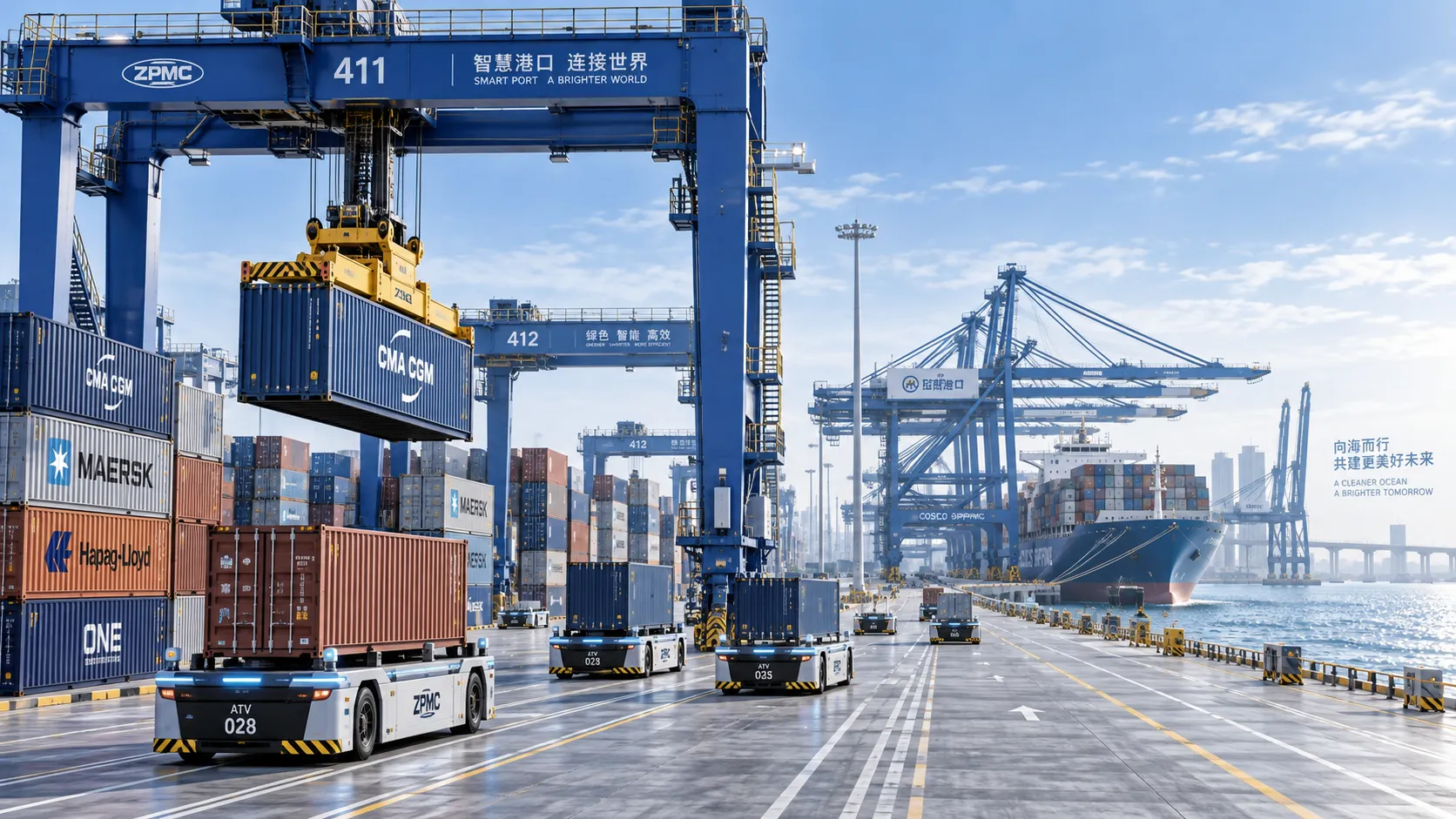
Terminal Automation Technologies That Raise Container Throughput Without Yard Disruption
Terminal automation technology that increases container throughput without disrupting yard flow. Explore smarter integration, resilient workflows, and phased deployment strategies.
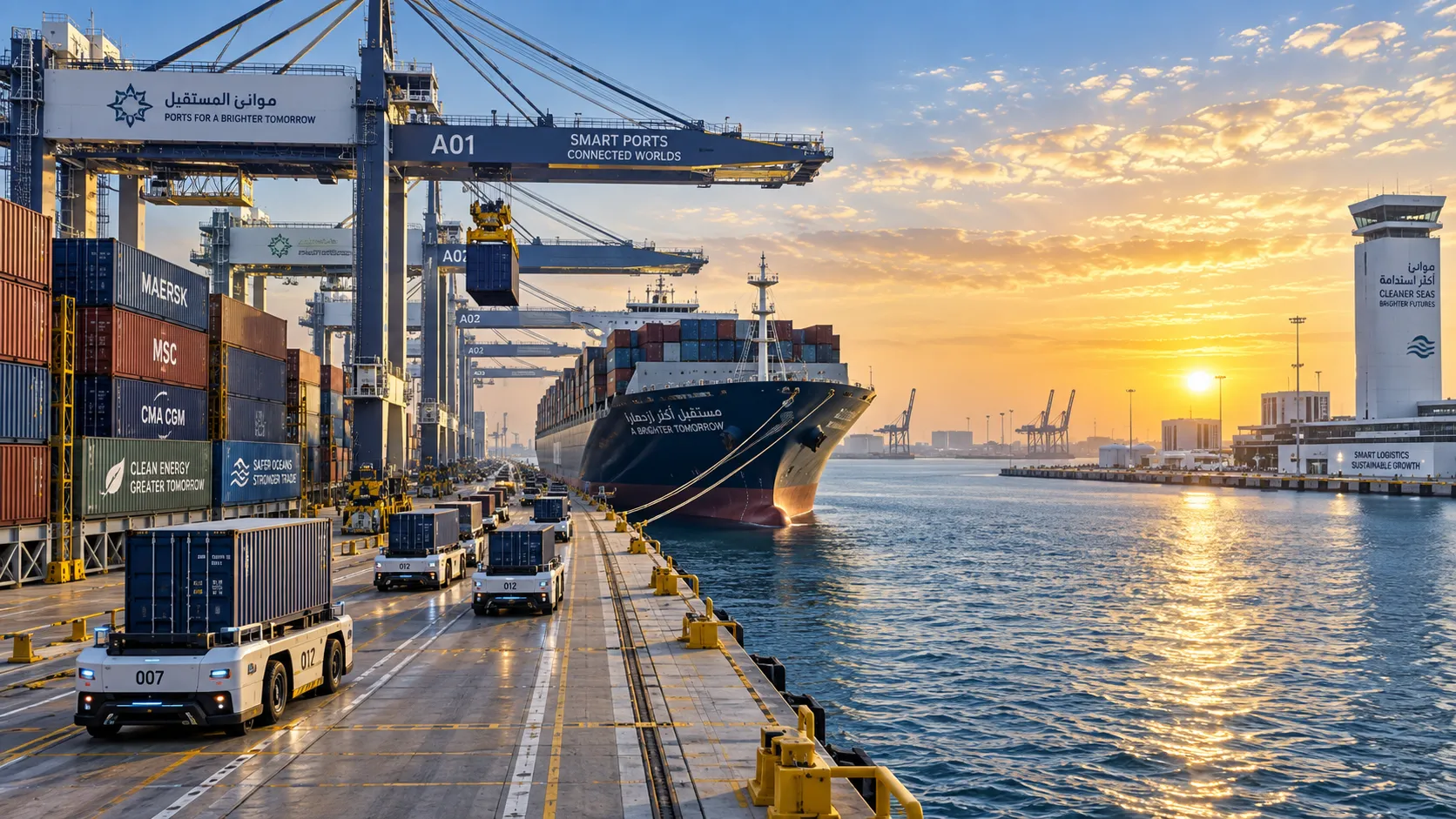
Middle East Port Automation: Key Market Drivers, Projects, and Investment Risks
Port automation systems Middle East: explore market drivers, flagship projects, integration challenges, and investment risks shaping smarter, resilient terminals.
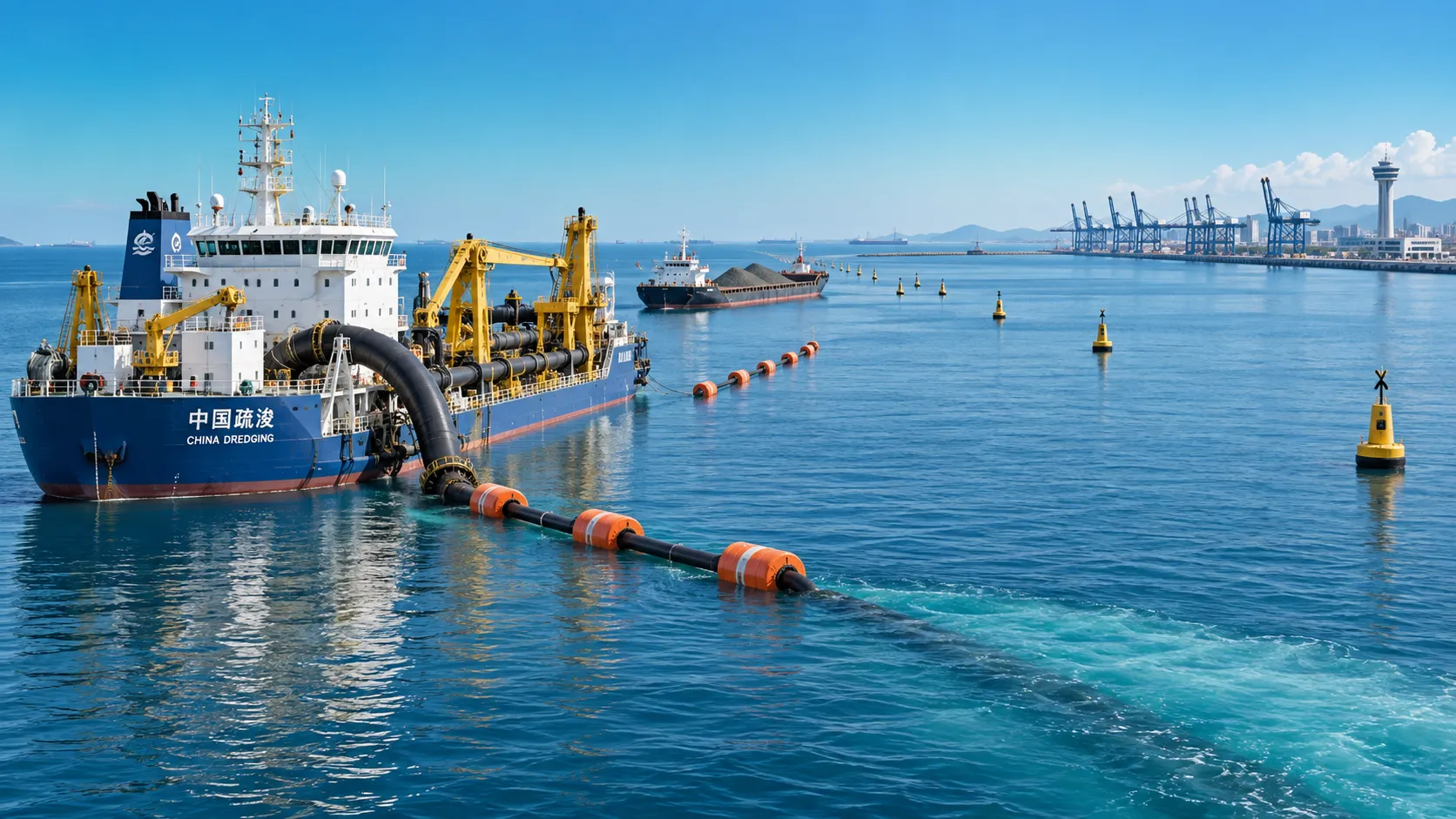
Planning Offshore Dredging Operations: Key Risks, Methods, and Project Controls
Offshore dredging operations demand smart planning. Explore key risks, proven methods, environmental controls, and project strategies for reliable delivery.