Related News
- 00
0000-00
Smart Port Systems in Southeast Asia: Investment Priorities and Adoption Barriers - 00
0000-00
Middle East Port Automation: Key Market Drivers, Projects, and Investment Risks - 00
0000-00
How Coastal Cities Can Prioritize Blue Economy Projects for Jobs and Ecosystem Gains - 00
0000-00
How Harbor Construction Solutions Address Wave Loads, Scour, and Vessel Berthing - 00
0000-00
What Is Driving Maritime Infrastructure Growth in Southeast Asia?
Which evolutionary trends are changing market choices
Which evolutionary trends are changing market choices in maritime logistics and port infrastructure? The answer is no longer limited to price, capacity, or brand reputation.
Today, evolutionary trends are redefining how assets are evaluated, how risks are priced, and how long-term competitiveness is measured across global port ecosystems.
For PS-Nexus, these shifts connect terminal machinery, automation systems, bulk handling, and dredging engineering into one strategic intelligence framework.
Understanding these evolutionary trends helps organizations judge whether an investment will remain productive, adaptable, and compliant in a rapidly changing trade environment.
Defining evolutionary trends in port and maritime markets
In this sector, evolutionary trends are long-cycle shifts that alter demand patterns, operating logic, and capital allocation across maritime logistics and coastal infrastructure.
They emerge from technology progress, trade route adjustments, environmental regulation, labor dynamics, and the growing importance of data-based operational control.
Unlike temporary market noise, evolutionary trends influence equipment specifications, control architectures, maintenance strategies, and expected asset life value.
This is especially visible in quay cranes, yard automation, conveyor systems, dredging fleets, and integrated software for terminal orchestration.
PS-Nexus tracks these evolutionary trends because strategic purchasing now depends on interoperability, emissions performance, remote diagnostics, and throughput resilience.
Current market signals shaping selection logic
Several visible signals explain why evolutionary trends are changing market choices faster than in previous port investment cycles.
- Larger vessels demand higher berth productivity and faster cargo exchange windows.
- Volatile trade flows require flexible equipment deployment and modular automation upgrades.
- Energy transition rules increase pressure for electrification and lower lifecycle emissions.
- Digital operations now require low-latency connectivity and real-time control visibility.
- Infrastructure owners increasingly compare total operating efficiency instead of simple acquisition cost.
These signals show that evolutionary trends are not abstract ideas. They directly affect which technologies receive attention and which systems lose relevance.
The core evolutionary trends changing market choices
Automation is moving from optional to structural
One of the strongest evolutionary trends is the normalization of automated handling across container yards, gates, and vessel interfaces.
Automation now influences market choices because it improves repeatability, labor safety, asset utilization, and operating continuity during demand spikes.
Remote-controlled cranes, AGVs, and terminal operating systems are increasingly assessed as one integrated productivity environment.
Intelligence layers are becoming decision-critical
Another important set of evolutionary trends involves data fusion, predictive maintenance, and algorithmic scheduling.
Equipment is no longer judged only by lifting force or moving speed. It is also judged by sensing accuracy, response time, and software openness.
This shift favors systems that can connect machine health, traffic flow, and berth planning into a unified intelligence loop.
Bulk handling efficiency is gaining strategic value
For energy, minerals, grain, and industrial feedstocks, evolutionary trends point toward cleaner, faster, and more controllable bulk handling systems.
Dust control, continuous flow management, and downtime reduction now influence market choices as much as nominal capacity.
Ports handling strategic commodities increasingly prefer machinery with monitoring tools, modular expansion options, and lower maintenance burden.
Dredging is shifting toward measurable intelligence
Dredging innovation is another field where evolutionary trends are changing market choices in a visible way.
Projects now require better sediment visibility, pump condition monitoring, route precision, and environmental compliance documentation.
As a result, selection logic increasingly favors dredging equipment with digital controls, accurate reporting, and adaptable engineering performance.
Business value behind these evolutionary trends
The practical value of tracking evolutionary trends lies in better capital timing, stronger operational planning, and reduced exposure to technological obsolescence.
In port infrastructure, short-term savings can create long-term inefficiencies if assets cannot integrate with future control systems or stricter environmental rules.
This is why market choices are increasingly based on total lifecycle logic rather than isolated purchase metrics.
- Higher throughput resilience during traffic surges
- Better cost predictability through preventive diagnostics
- Improved compliance with emissions and safety frameworks
- Greater asset relevance across longer infrastructure cycles
- Stronger data support for future modernization phases
For PS-Nexus, these evolutionary trends also explain why strategic intelligence has become central to equipment evaluation and commercial positioning.
Typical scenarios where market choices are being reshaped
The impact of evolutionary trends differs by operating context, but several common scenarios show how selection criteria are evolving.
Across these scenarios, evolutionary trends reward solutions that combine mechanical strength with software adaptability and measurable operating intelligence.
Practical guidance for evaluating changing market choices
A useful evaluation process should translate evolutionary trends into specific technical and commercial checkpoints.
- Check interoperability with existing terminal software and future upgrades.
- Measure lifecycle efficiency, not only purchase price or rated capacity.
- Review latency, remote control stability, and cybersecurity readiness.
- Compare maintenance visibility, spare part logic, and failure prediction tools.
- Assess emissions profile and energy transition compatibility.
- Validate scalability for vessel growth, yard density, or channel depth requirements.
These steps make evolutionary trends actionable. They also reduce the risk of selecting assets that perform well today but underperform in future network conditions.
Reliable market choices increasingly depend on evidence from operational data, engineering fit, and long-term infrastructure strategy.
Strategic next steps for decision support
The most important response to current evolutionary trends is to build evaluation frameworks that join machinery, software, energy performance, and trade outlooks.
PS-Nexus supports this approach by connecting heavy terminal gear intelligence, automation analysis, bulk handling insights, and dredging engineering observation.
When evolutionary trends are interpreted through verified sector intelligence, market choices become more disciplined, more future-ready, and more aligned with global logistics transformation.
The next practical step is clear: compare assets through a strategic lens that values adaptability, measurable efficiency, and synchronized port ecosystem performance.
Related News
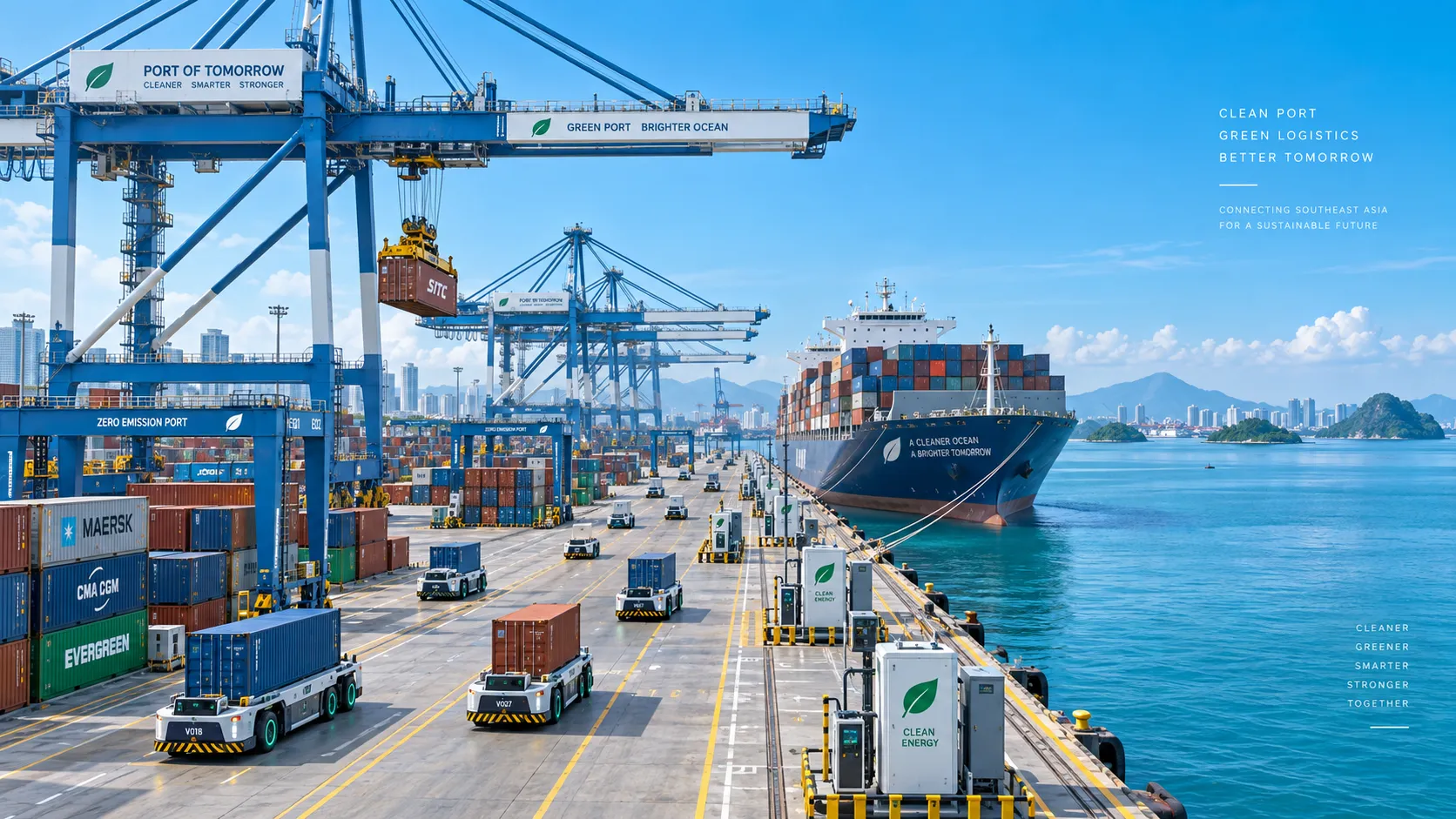
Smart Port Systems in Southeast Asia: Investment Priorities and Adoption Barriers
Smart port systems Southeast Asia: discover investment priorities, adoption barriers, and practical steps to build resilient, connected, high-performing terminals.
How to Evaluate Terminal Efficiency Solution Suppliers for High-Throughput Operations
Choose a terminal efficiency solutions supplier with confidence. Explore proven criteria for throughput, integration, lifecycle cost, safety, and reliable delivery.
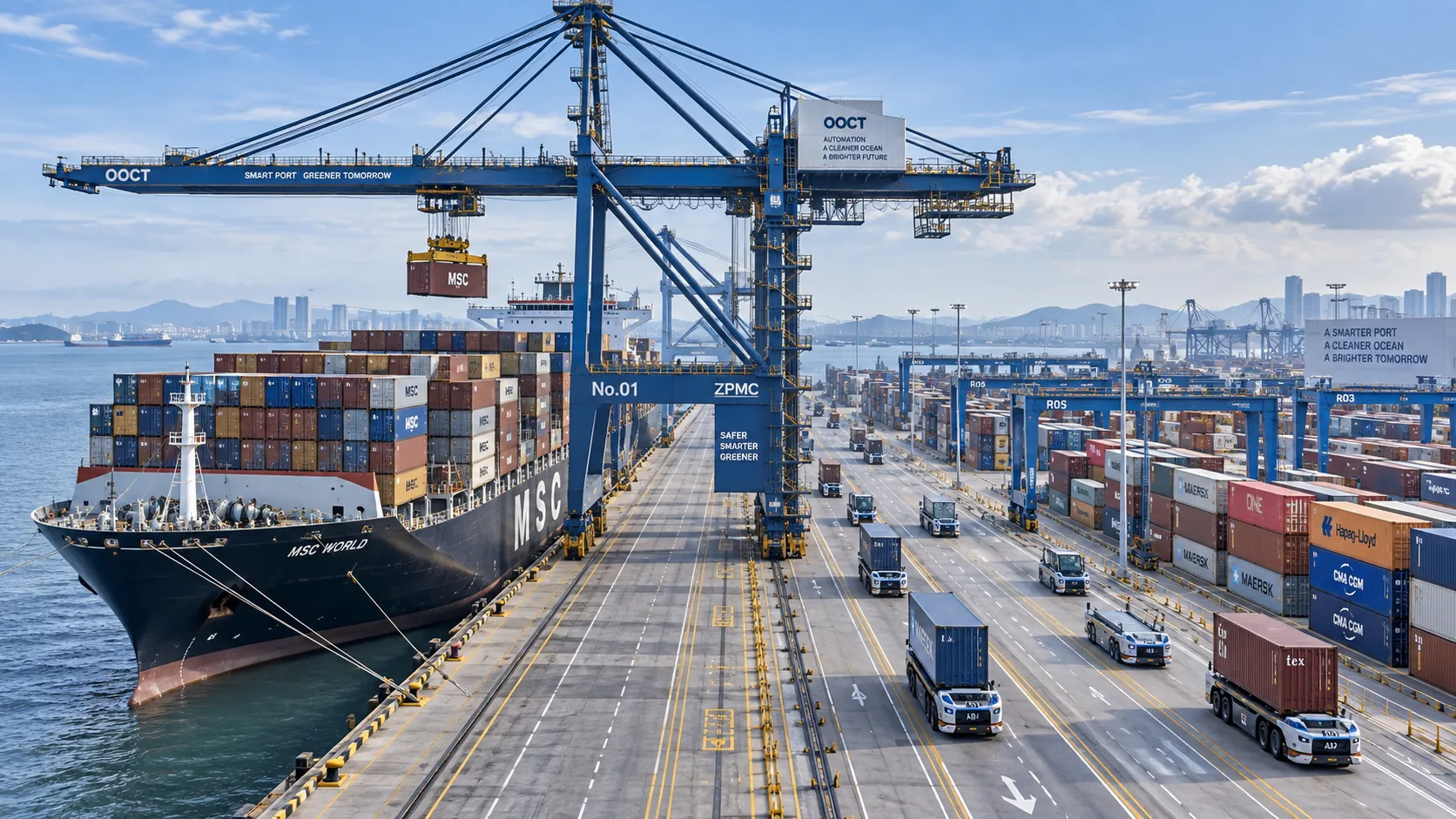
How to Specify a Quay Crane for Container Terminals by Vessel Size and Throughput?
Quay crane for container terminals: learn how to match outreach, lift height, capacity, automation, and cycle performance to vessel size and throughput goals.
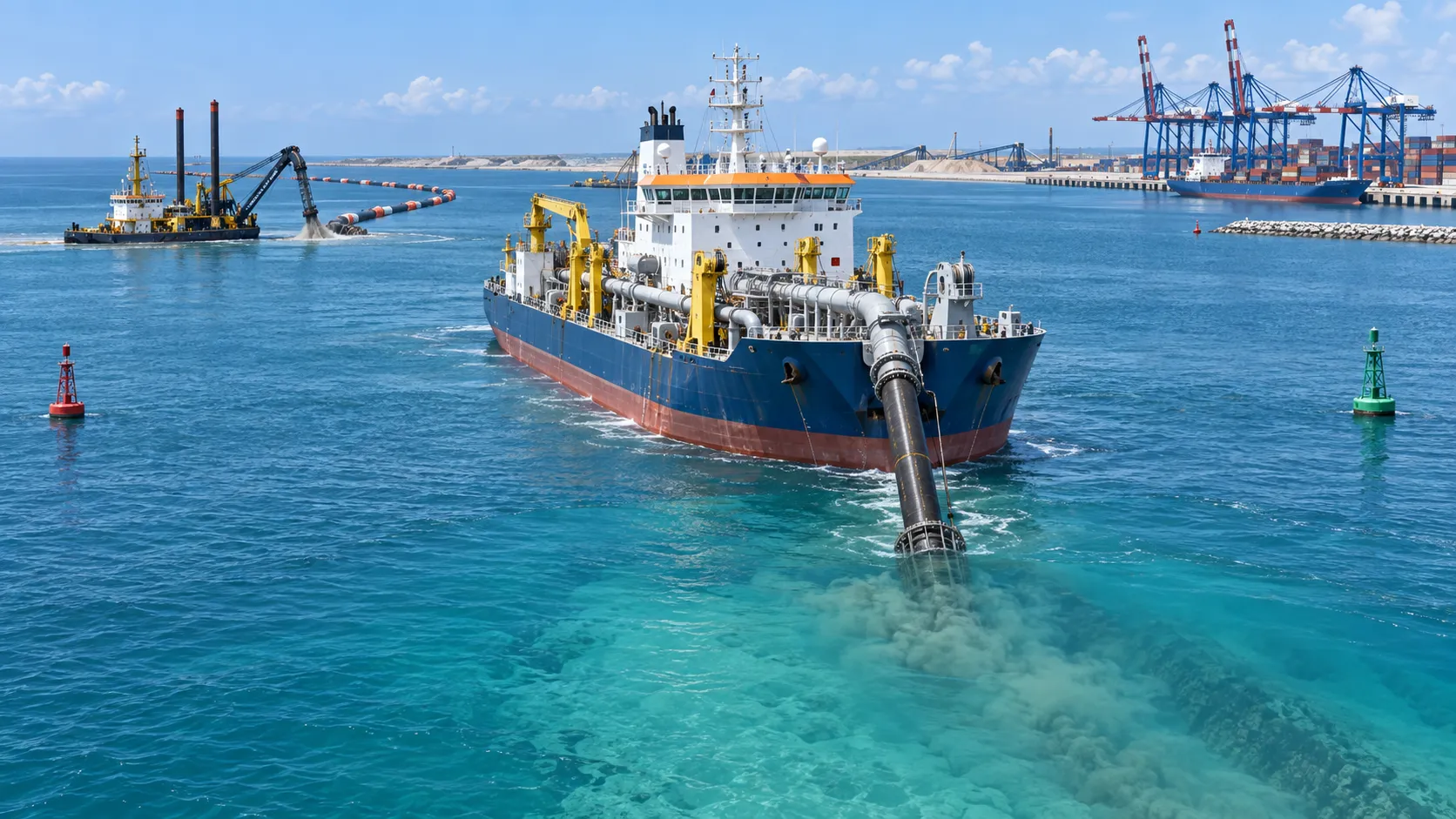
What Dredging Equipment Is Needed for Channel Deepening?
What dredging equipment is needed for channel deepening? Explore dredgers, pipelines, survey tools, and planning strategies for safer, more efficient port access.
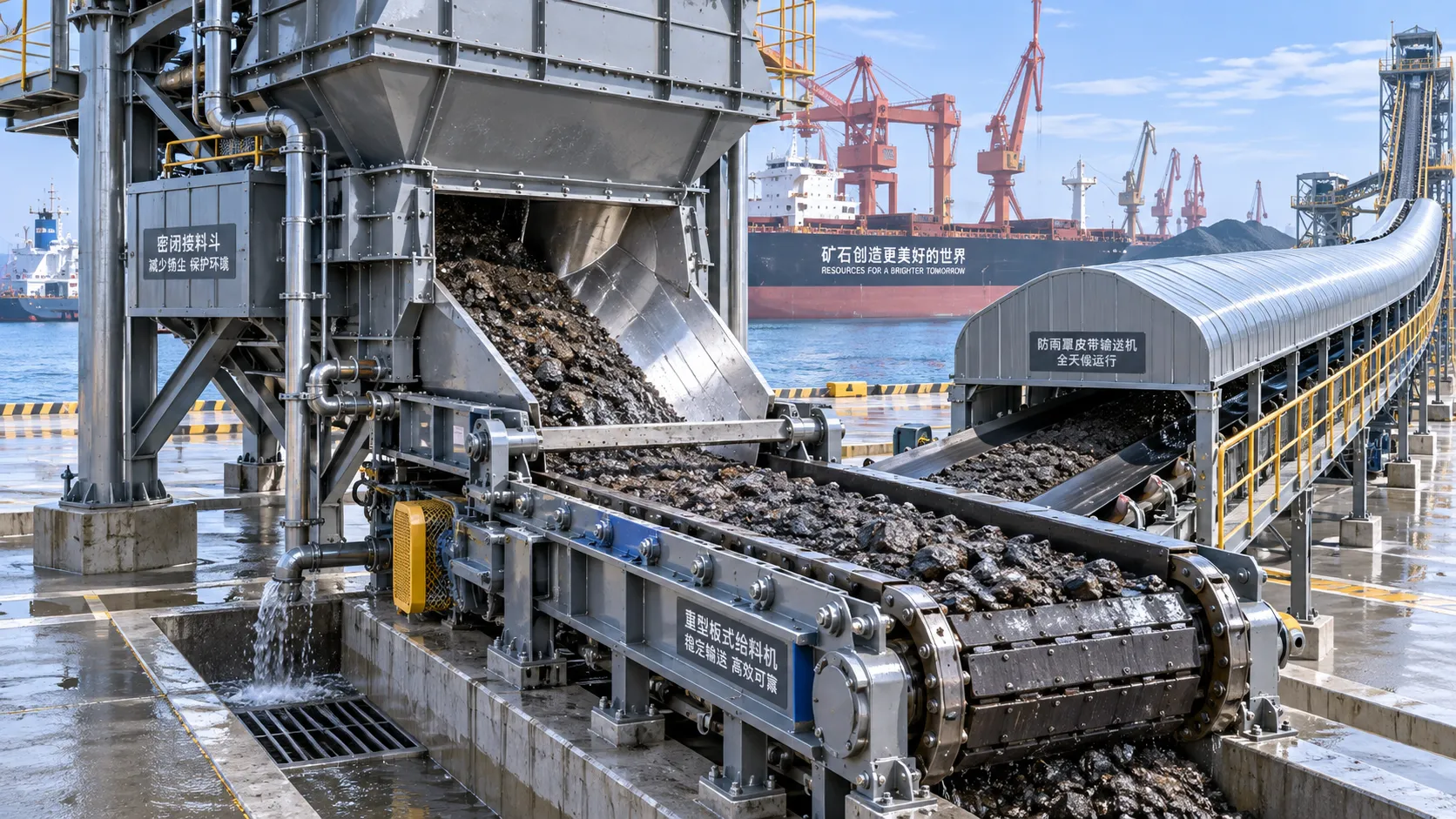
Which Bulk Handling Equipment Suits High-Moisture Cargo?
Which bulk handling equipment suits high-moisture cargo? Compare belt, apron, screw, drag, and slurry systems for reliable flow, less carryback, and higher terminal uptime.
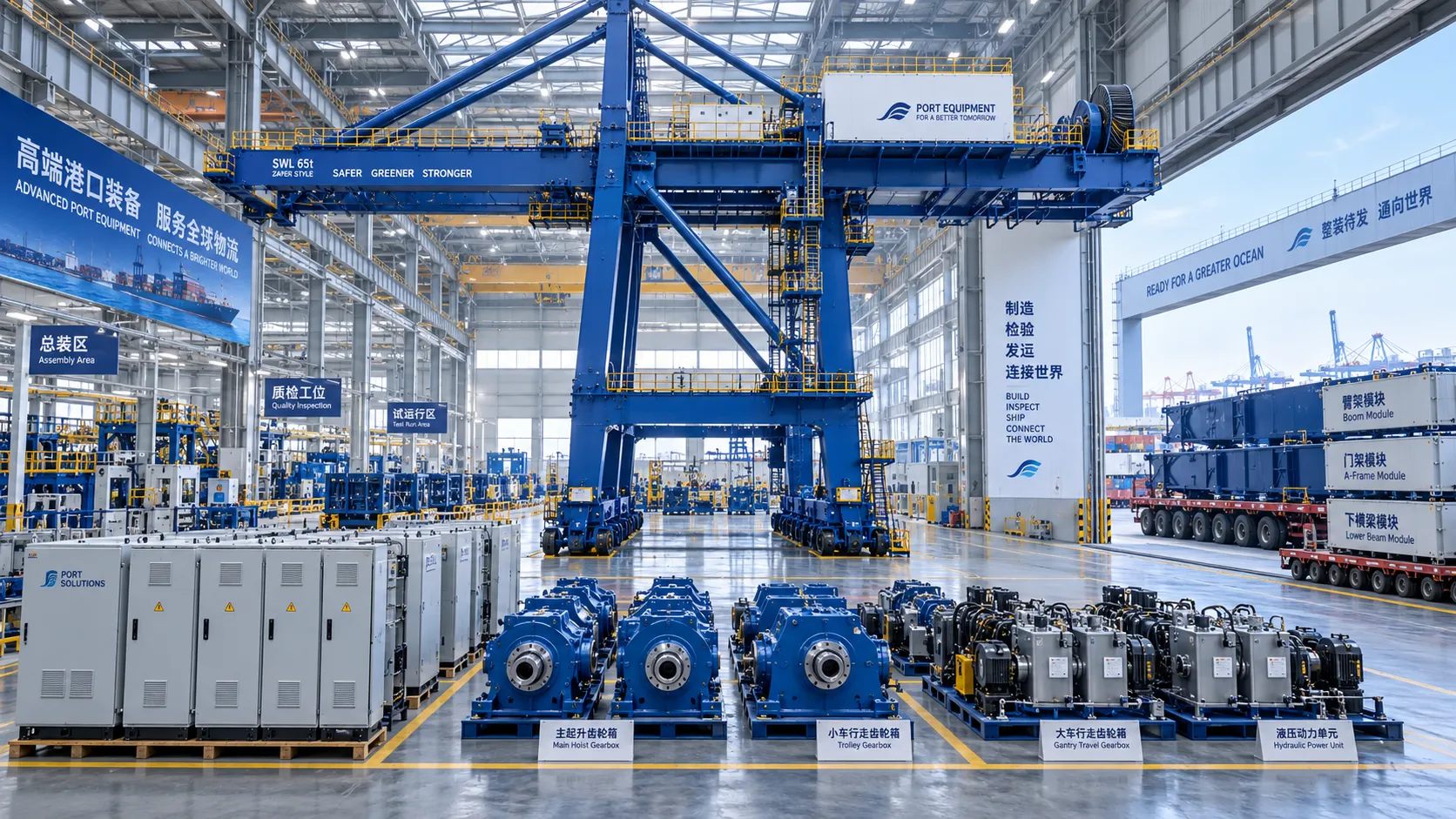
How Can Port Equipment Lead-Time Risk Be Managed?
How can port equipment lead-time risk be managed? Explore practical strategies to control critical paths, suppliers, transport, site readiness, and commissioning delays.
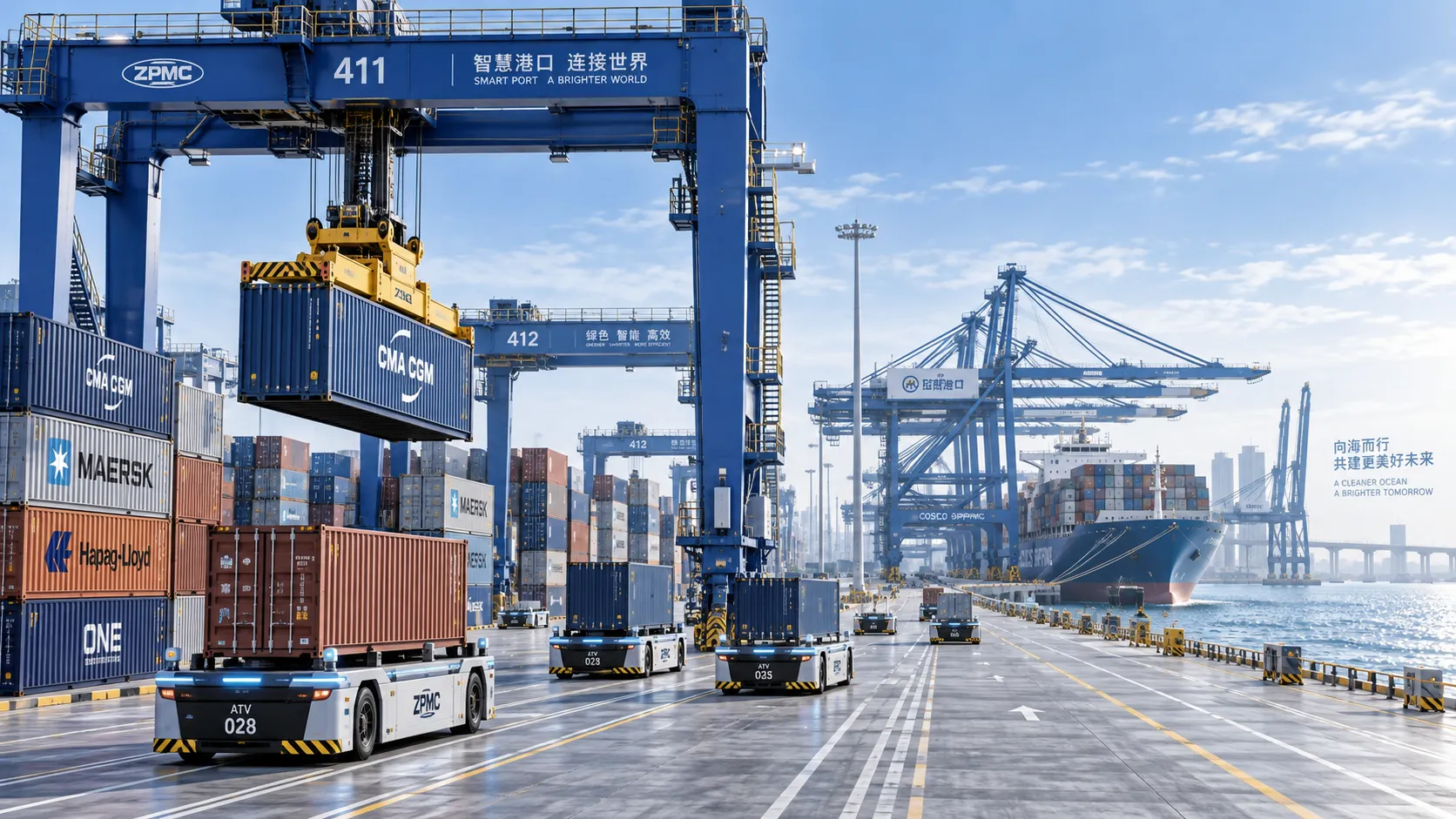
Terminal Automation Technologies That Raise Container Throughput Without Yard Disruption
Terminal automation technology that increases container throughput without disrupting yard flow. Explore smarter integration, resilient workflows, and phased deployment strategies.
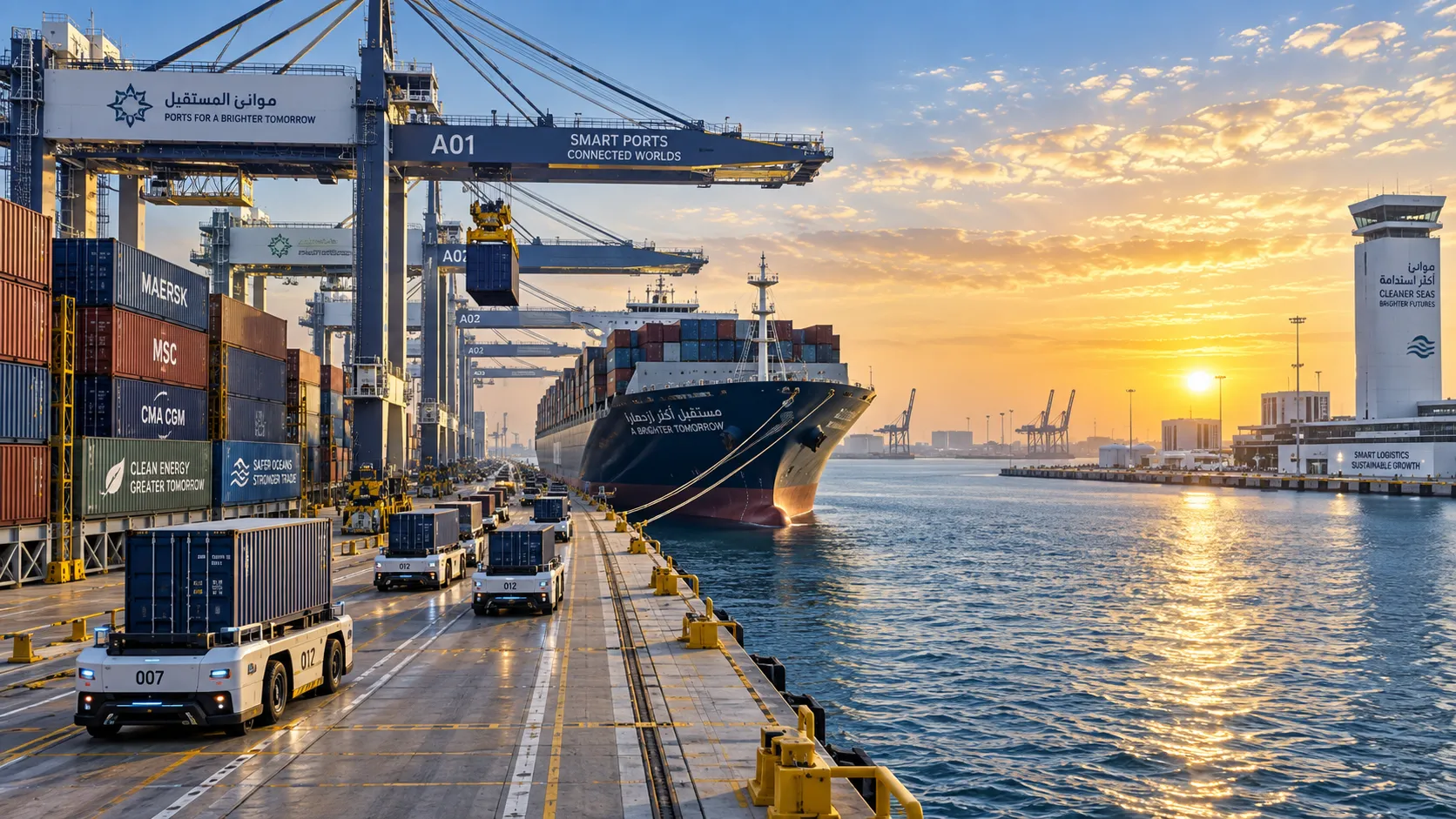
Middle East Port Automation: Key Market Drivers, Projects, and Investment Risks
Port automation systems Middle East: explore market drivers, flagship projects, integration challenges, and investment risks shaping smarter, resilient terminals.
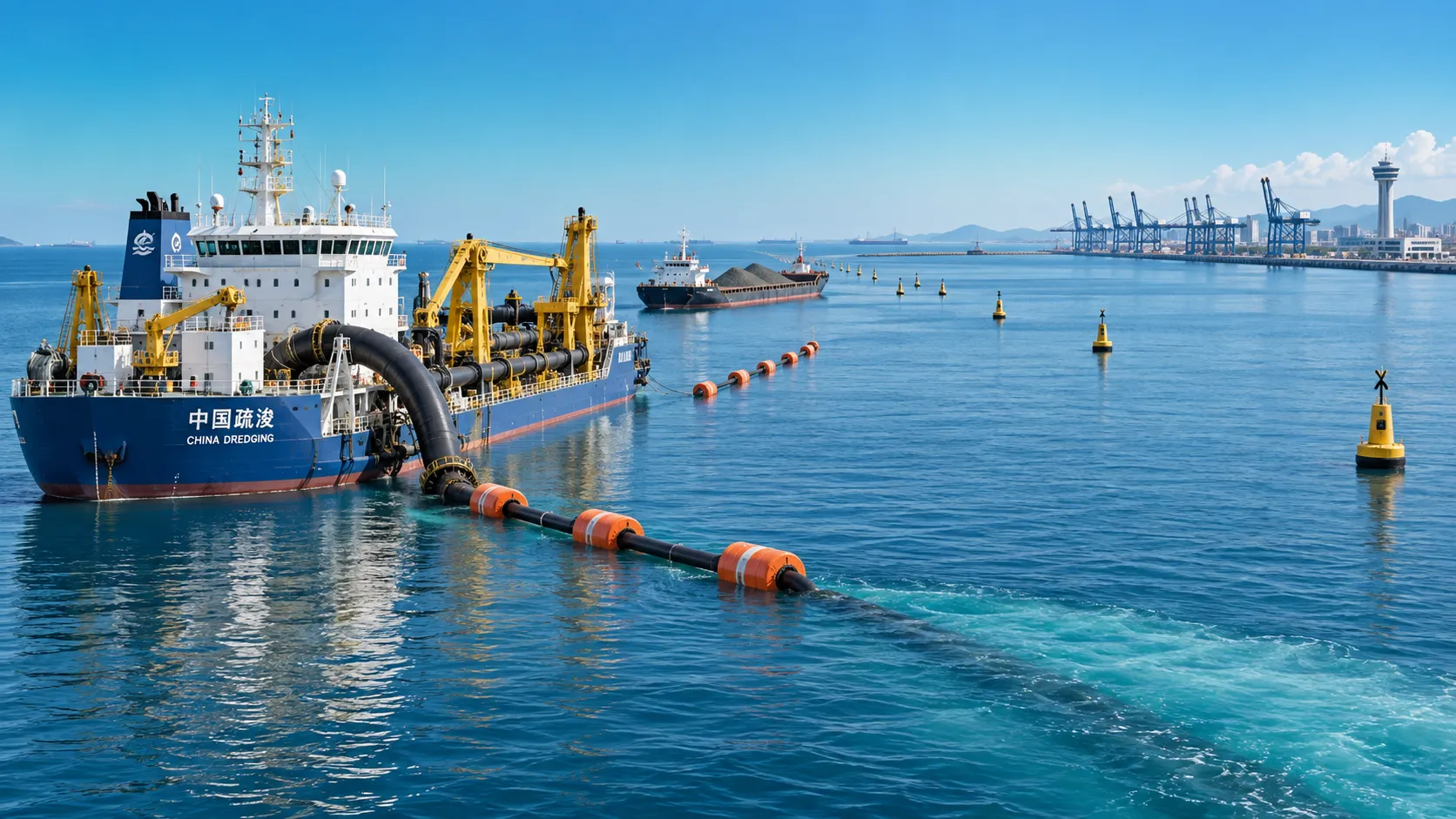
Planning Offshore Dredging Operations: Key Risks, Methods, and Project Controls
Offshore dredging operations demand smart planning. Explore key risks, proven methods, environmental controls, and project strategies for reliable delivery.