Related News
- 00
0000-00
Smart Port Systems in Southeast Asia: Investment Priorities and Adoption Barriers - 00
0000-00
Middle East Port Automation: Key Market Drivers, Projects, and Investment Risks - 00
0000-00
How Coastal Cities Can Prioritize Blue Economy Projects for Jobs and Ecosystem Gains - 00
0000-00
How Harbor Construction Solutions Address Wave Loads, Scour, and Vessel Berthing - 00
0000-00
What Is Driving Maritime Infrastructure Growth in Southeast Asia?
Why logistics node dynamics matter in peak seasons
In peak seasons, logistics node dynamics decide whether cargo keeps moving or terminal pressure escalates into delay, demurrage, and unstable service windows.
For port infrastructure, bulk handling, container yards, and dredging operations, these shifts are not abstract market signals. They are operating conditions that reshape equipment loads, routing logic, and berth productivity.
PS-Nexus tracks logistics node dynamics as an intelligence layer connecting heavy terminal gear, automation systems, marine engineering, and global trade timing. That connection becomes most valuable when demand spikes.
Why peak-season logistics node dynamics create different operating realities
Peak seasons rarely produce uniform congestion. Instead, logistics node dynamics emerge unevenly across ports, inland hubs, rail links, feeder networks, and channel access points.
A terminal may have strong quay crane capacity, yet lose throughput because yard transfer cycles slow down. Another port may have open storage space, yet suffer draft limits after weather-driven sediment buildup.
This is why logistics node dynamics matter. They reveal where capacity exists, where flow breaks, and where engineering intervention or scheduling revision will protect volume.
For integrated supply chains, the key question is not only demand growth. The real question is which node becomes the governing constraint first.
What changes when node behavior becomes volatile
- Berth windows become less reliable.
- Yard density increases faster than dispatch capacity.
- Remote-controlled and automated assets face higher scheduling complexity.
- Maintenance windows shrink under sustained equipment utilization.
- Dredging and channel readiness can directly affect vessel size and rotation plans.
Scenario one: container terminals face yard pressure before berth pressure
In many peak periods, the first stress point is not vessel arrival volume. It is the mismatch between discharge pace and yard evacuation speed.
Here, logistics node dynamics appear inside the terminal. Quay cranes may perform well, while AGV routing, stacking crane cycles, and gate processing become the throughput ceiling.
This scenario matters because local inefficiency quickly amplifies network disruption. A short dwell-time increase can trigger stack reshuffles, missed truck appointments, and vessel departure risk.
Core judgment points in this scenario
- Yard occupancy trends versus planned discharge volume.
- AGV idle time versus queue time.
- Rehandle frequency by block and container class.
- Truck turnaround time and gate slot utilization.
When these indicators move together, logistics node dynamics signal internal congestion even before berth productivity visibly drops.
Scenario two: bulk cargo flows depend on synchronized mechanical and maritime capacity
Bulk ports often experience peak pressure differently. Throughput depends on the balance between unloaders, conveyors, stockyard systems, reclaimers, and outbound transport.
In this setting, logistics node dynamics are strongly mechanical. A conveyor bottleneck or stockpile allocation error can reduce the value of available berth time.
Marine access also matters. If channel maintenance lags, larger vessels may face draft restrictions, slowing cargo concentration strategies during high-demand periods.
Core judgment points in this scenario
- Mechanical availability of unloaders and transfer systems.
- Stockyard turnover speed and blending constraints.
- Rail or barge clearance rate after cargo discharge.
- Fairway depth reliability and siltation risk.
This is where logistics node dynamics connect bulk machinery with dredging engineering, not as separate disciplines, but as one throughput system.
Scenario three: automated terminals gain speed only when control logic adapts fast enough
Automation can raise consistency, yet peak demand exposes whether control systems can absorb volatility. Static rules often struggle when vessel sequence, yard priorities, and landside arrivals change together.
In this scenario, logistics node dynamics are algorithmic. The issue is less about having assets and more about assigning them in the right order, at the right latency.
Low-latency communication for remote cranes, adaptive AGV path planning, and resilient exception handling become operational safeguards rather than technical upgrades.
Core judgment points in this scenario
- System response time under high task density.
- Task reassignment speed after disruptions.
- Conflict frequency in automated routing paths.
- Control room visibility across berth, yard, and gate layers.
Strong logistics node dynamics intelligence helps operators see where software logic, not hardware shortage, is limiting actual throughput.
How different peak-season scenarios require different responses
Not every congested period should trigger the same action. The response must match the dominant node behavior, or interventions may add cost without restoring flow.
This comparison shows why logistics node dynamics should guide decisions at the operating layer, not only in monthly performance reviews.
Practical adaptation strategies for resilient peak-season performance
The most effective strategy is to combine equipment intelligence, scheduling visibility, and marine infrastructure awareness into one decision loop.
- Map all critical nodes, including berth, yard, gate, channel, and inland transfer interfaces.
- Set threshold alerts for occupancy, queue growth, equipment downtime, and draft variance.
- Use scenario-based dispatch rules rather than fixed peak-season assumptions.
- Link maintenance planning to forecasted node pressure, not only calendar intervals.
- Incorporate dredging data where channel reliability affects vessel planning.
For PS-Nexus, this is the value of intelligence stitching. It turns separate technical signals into a coordinated view of logistics node dynamics.
Common mistakes when interpreting logistics node dynamics
A frequent mistake is assuming that higher berth output always means healthier operations. In reality, faster discharge can worsen downstream congestion.
Another mistake is treating dredging, automation, and heavy gear maintenance as separate planning topics. During peaks, their interaction defines effective capacity.
A third mistake is relying on average utilization figures. Logistics node dynamics often change within hours, so averages may hide urgent imbalance.
- Do not judge capacity by quay output alone.
- Do not ignore inland and channel-side constraints.
- Do not assume automation automatically resolves demand spikes.
- Do not delay action until vessel schedules visibly fail.
What to do next when peak pressure begins to build
Start with a live review of the nodes most likely to constrain flow within the next seven to fourteen days. Focus on interaction, not isolated metrics.
Then align heavy terminal gear status, yard scheduling logic, channel readiness, and outbound transport assumptions into one response plan.
If better visibility is needed, intelligence platforms like PS-Nexus can support earlier judgment by tracking global shipping rates, equipment trends, and logistics node dynamics together.
Peak seasons reward those who detect node shifts early. When logistics node dynamics are understood in time, resilience becomes a managed result rather than a costly surprise.
Related News
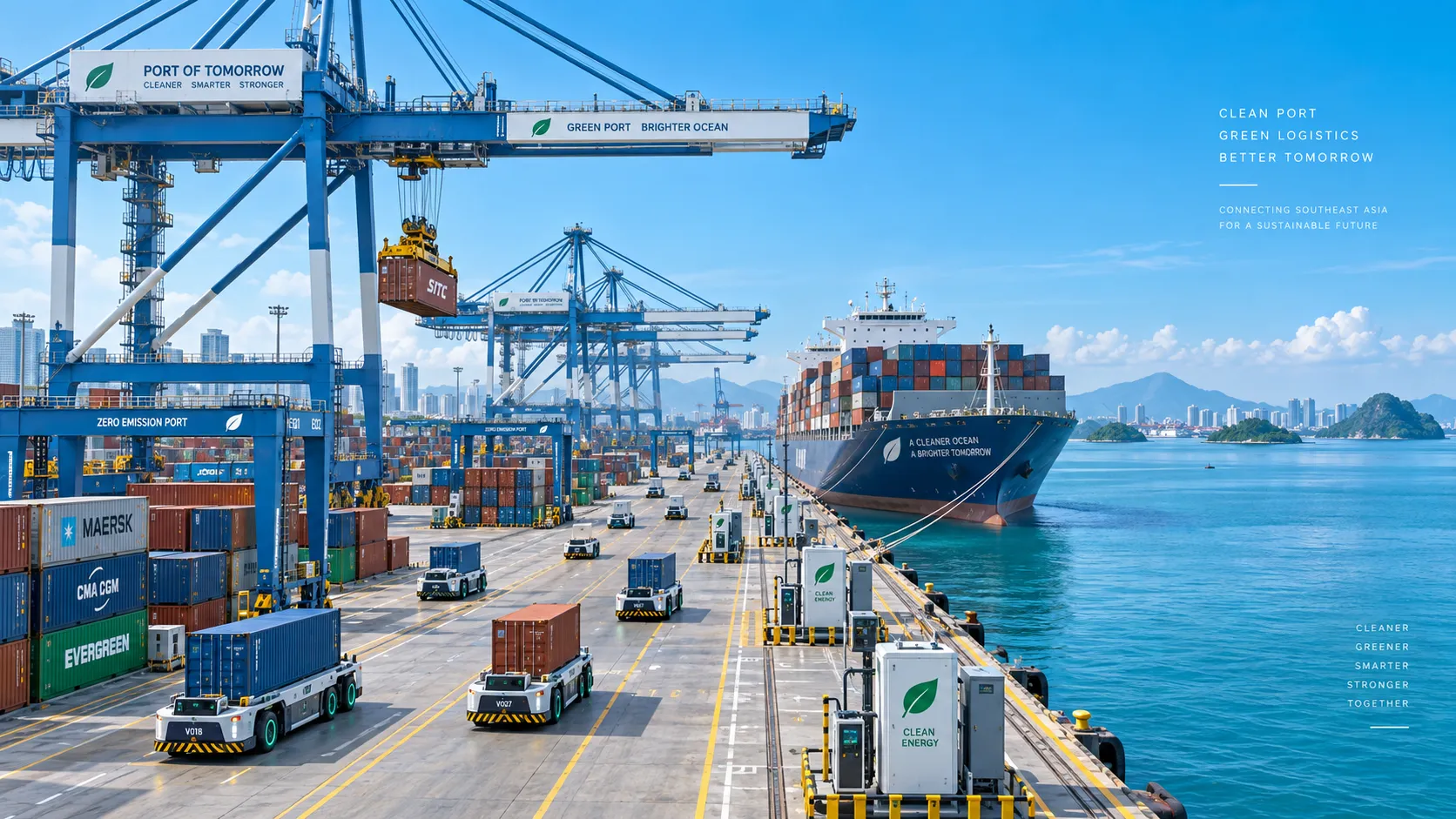
Smart Port Systems in Southeast Asia: Investment Priorities and Adoption Barriers
Smart port systems Southeast Asia: discover investment priorities, adoption barriers, and practical steps to build resilient, connected, high-performing terminals.
How to Evaluate Terminal Efficiency Solution Suppliers for High-Throughput Operations
Choose a terminal efficiency solutions supplier with confidence. Explore proven criteria for throughput, integration, lifecycle cost, safety, and reliable delivery.
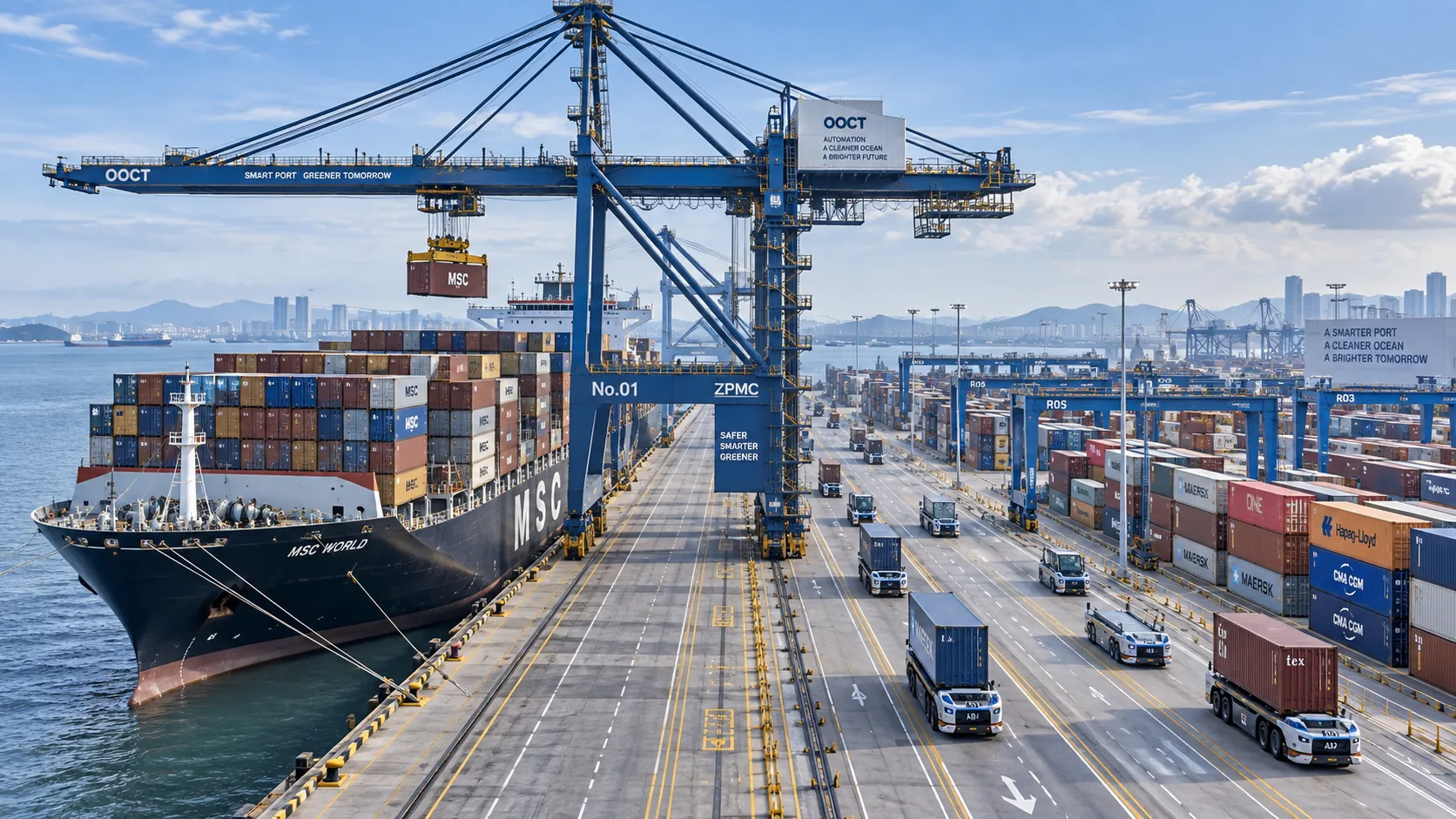
How to Specify a Quay Crane for Container Terminals by Vessel Size and Throughput?
Quay crane for container terminals: learn how to match outreach, lift height, capacity, automation, and cycle performance to vessel size and throughput goals.
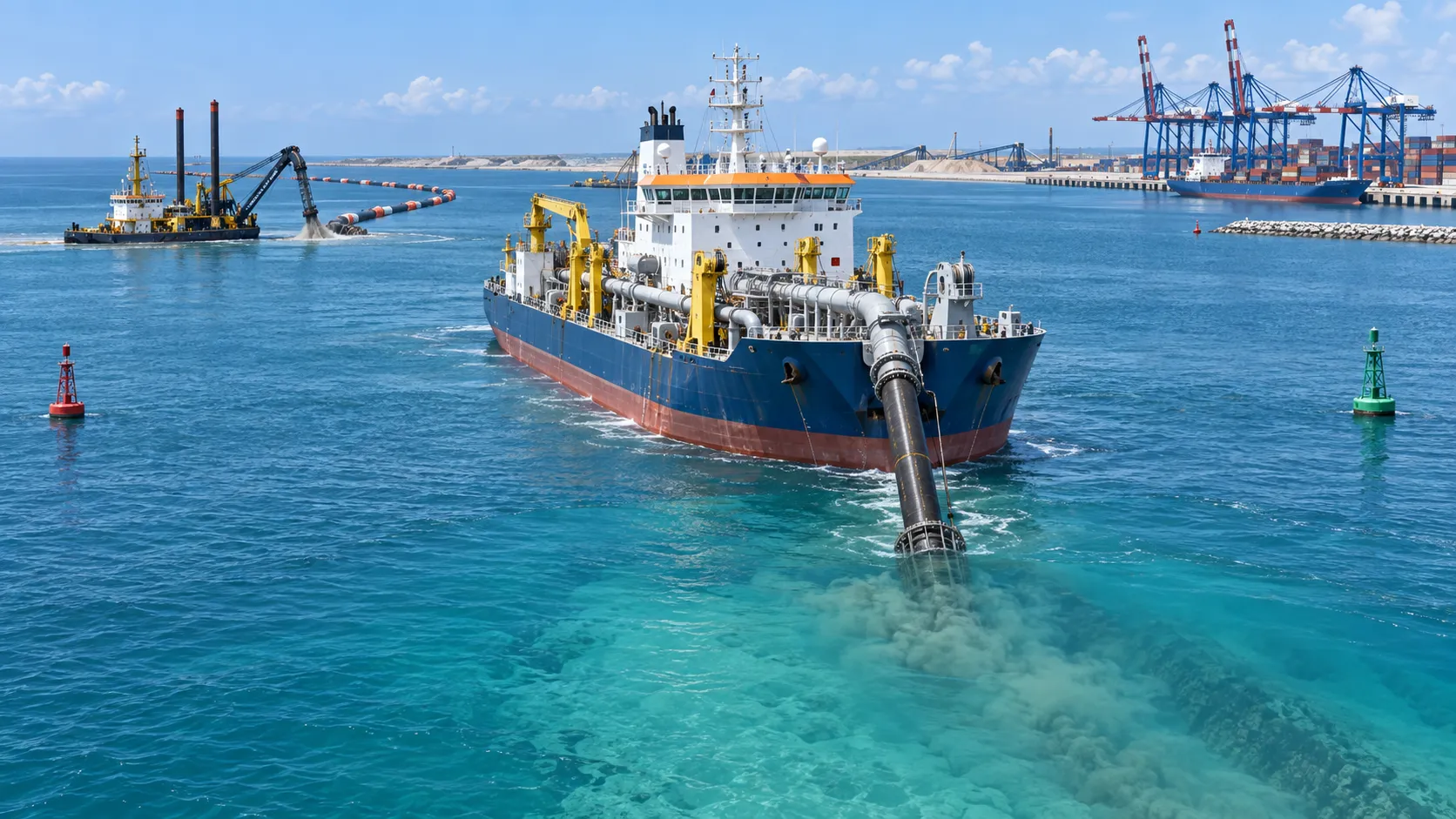
What Dredging Equipment Is Needed for Channel Deepening?
What dredging equipment is needed for channel deepening? Explore dredgers, pipelines, survey tools, and planning strategies for safer, more efficient port access.
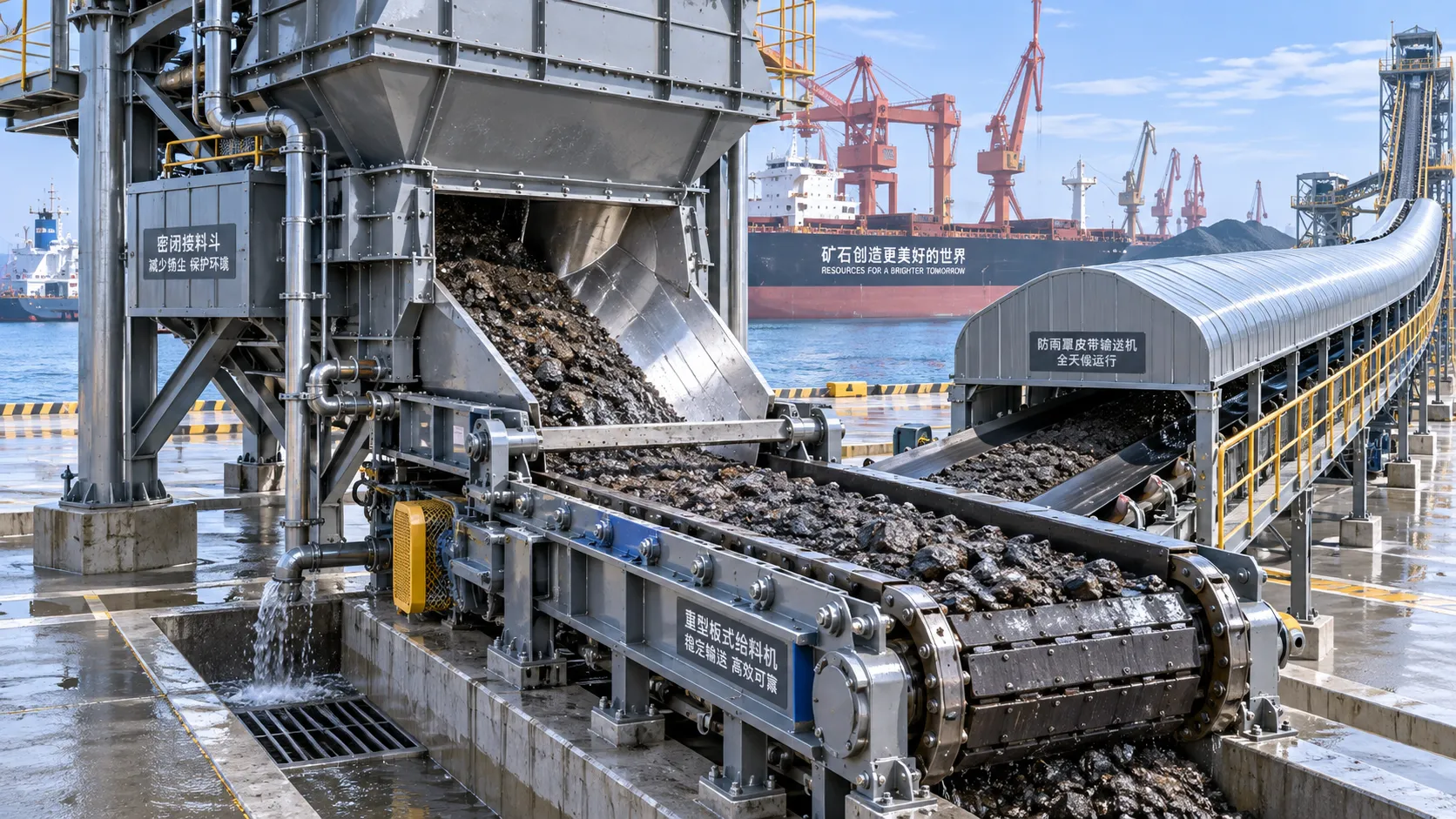
Which Bulk Handling Equipment Suits High-Moisture Cargo?
Which bulk handling equipment suits high-moisture cargo? Compare belt, apron, screw, drag, and slurry systems for reliable flow, less carryback, and higher terminal uptime.
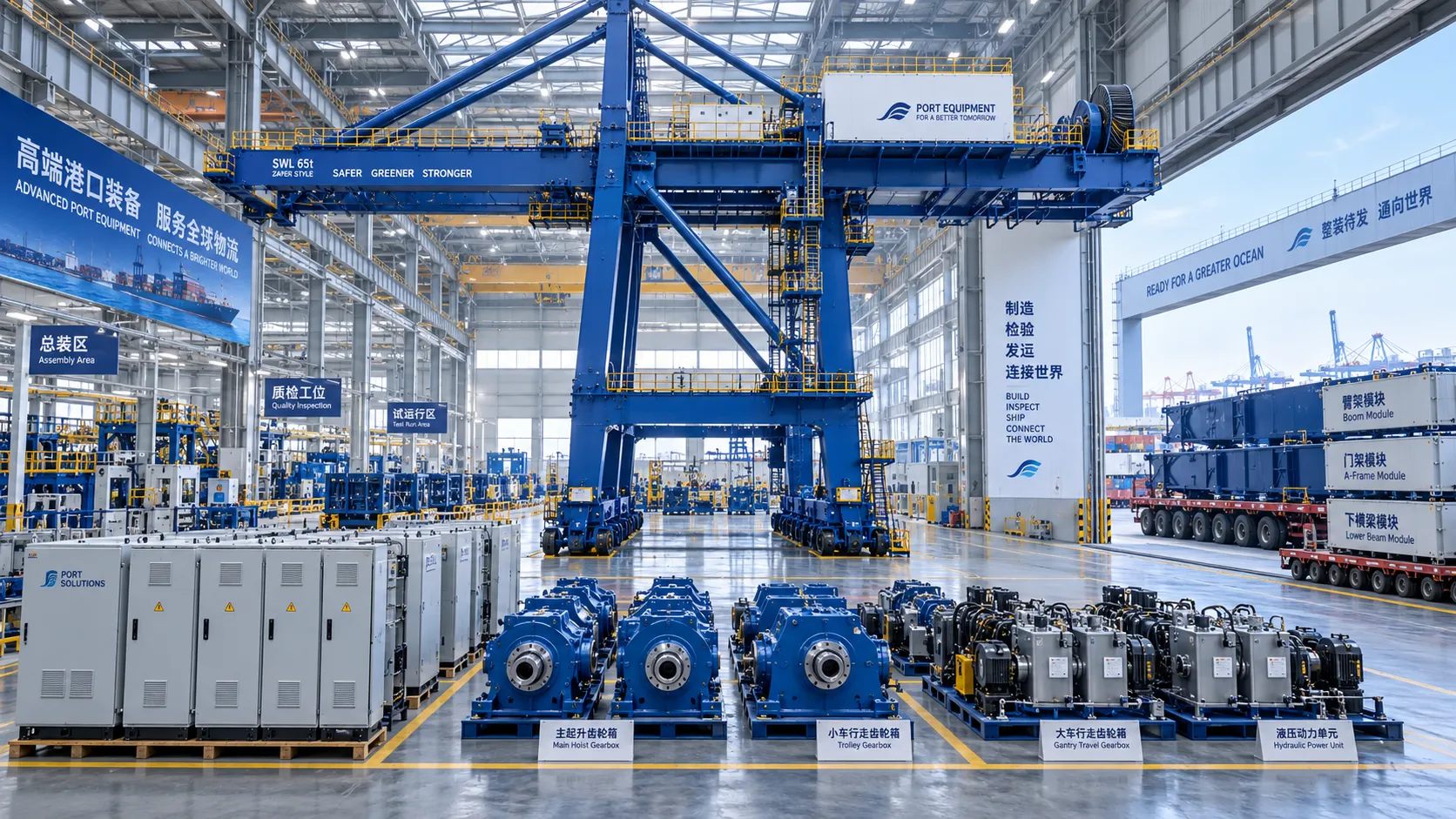
How Can Port Equipment Lead-Time Risk Be Managed?
How can port equipment lead-time risk be managed? Explore practical strategies to control critical paths, suppliers, transport, site readiness, and commissioning delays.
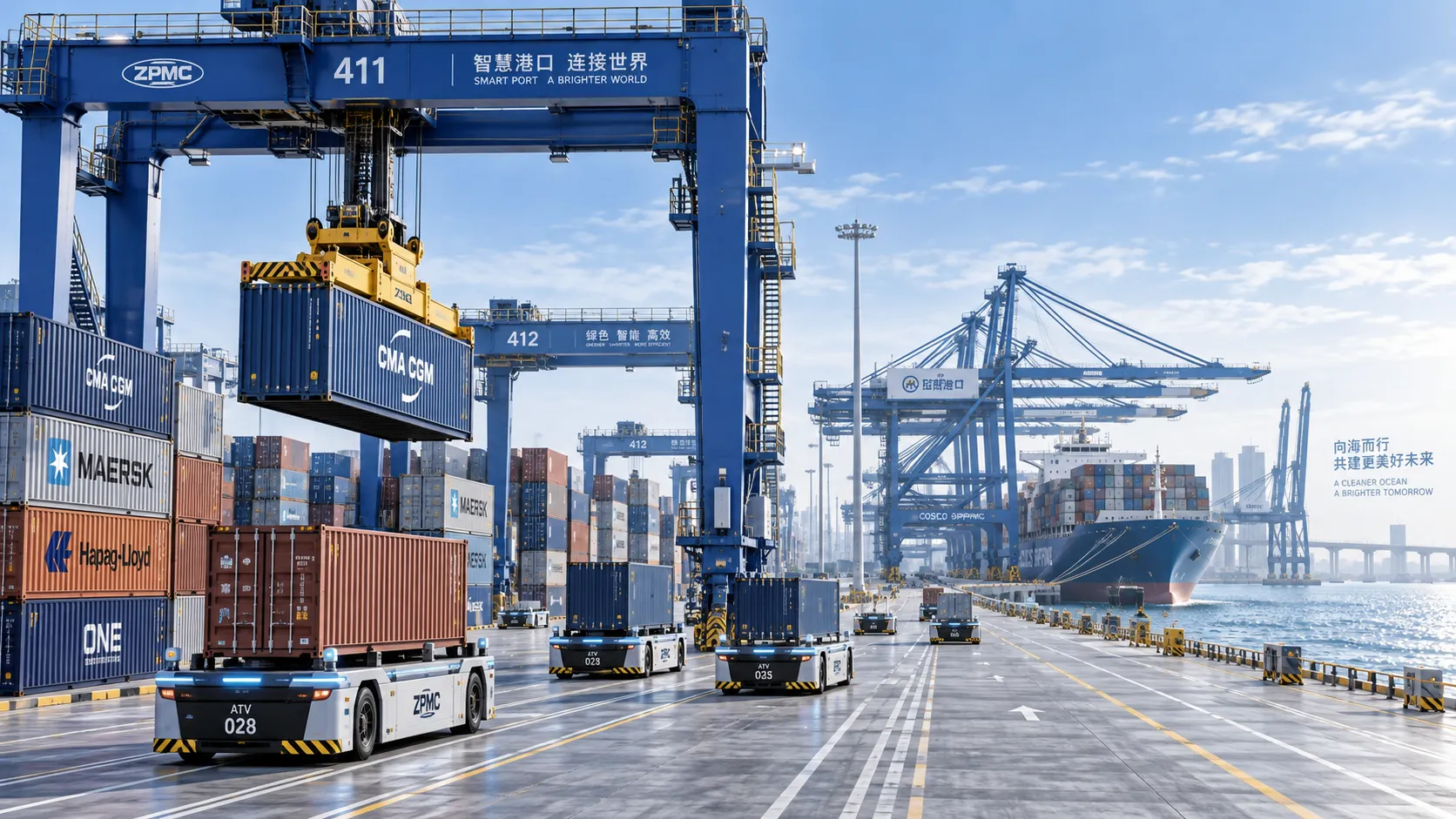
Terminal Automation Technologies That Raise Container Throughput Without Yard Disruption
Terminal automation technology that increases container throughput without disrupting yard flow. Explore smarter integration, resilient workflows, and phased deployment strategies.
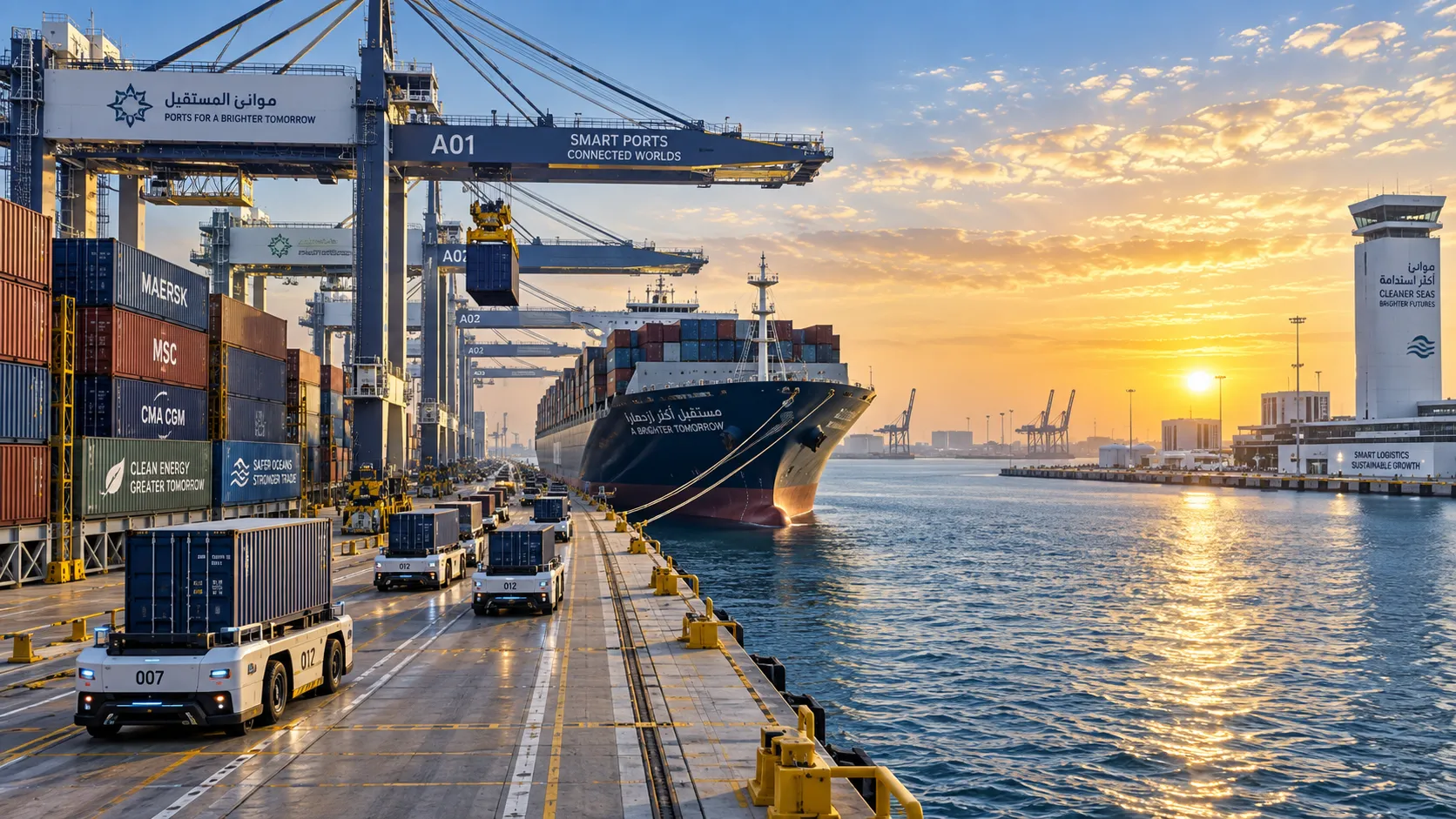
Middle East Port Automation: Key Market Drivers, Projects, and Investment Risks
Port automation systems Middle East: explore market drivers, flagship projects, integration challenges, and investment risks shaping smarter, resilient terminals.
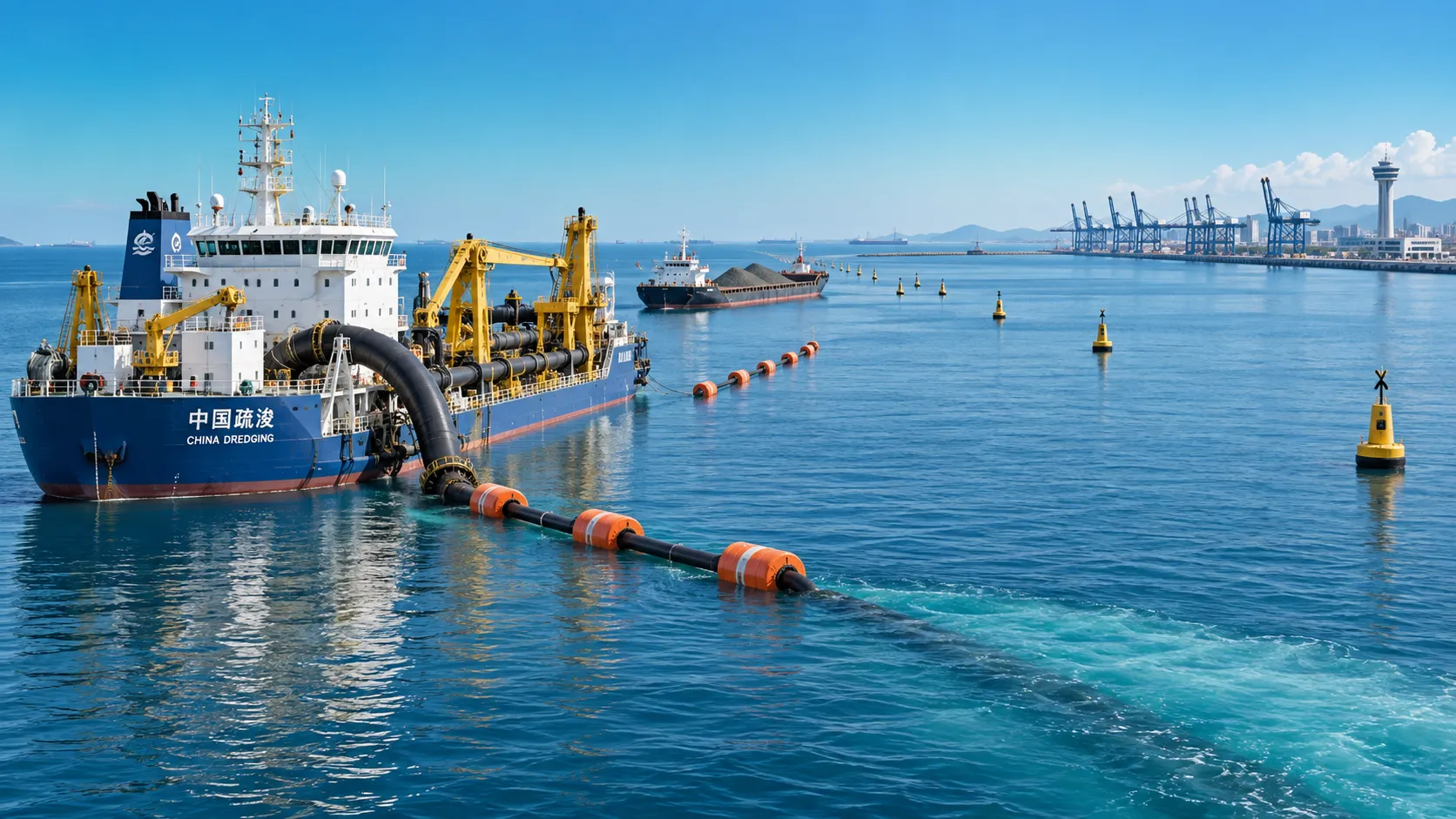
Planning Offshore Dredging Operations: Key Risks, Methods, and Project Controls
Offshore dredging operations demand smart planning. Explore key risks, proven methods, environmental controls, and project strategies for reliable delivery.