Related News
- 00
0000-00
Smart Port Systems in Southeast Asia: Investment Priorities and Adoption Barriers - 00
0000-00
Middle East Port Automation: Key Market Drivers, Projects, and Investment Risks - 00
0000-00
How Coastal Cities Can Prioritize Blue Economy Projects for Jobs and Ecosystem Gains - 00
0000-00
How Harbor Construction Solutions Address Wave Loads, Scour, and Vessel Berthing - 00
0000-00
What Is Driving Maritime Infrastructure Growth in Southeast Asia?
What port technology trends matter most in 2026?
As global trade corridors evolve, port technology trends are becoming decisive for capacity, resilience, and competitiveness in 2026. From automated container handling and AI-driven scheduling to low-latency crane control and smarter dredging systems, the next wave of port innovation is reshaping how terminals move cargo and manage risk. This guide highlights the developments that matter most for research, planning, and practical decision-making across maritime logistics and coastal economics.
Why a checklist is the best way to read port technology trends in 2026
Not every innovation deserves equal attention. Some technologies improve headlines but not throughput. Others quietly change berth productivity, yard balance, vessel turnaround, and emissions performance.
A checklist helps separate real port technology trends from isolated pilots. It also connects hardware, control software, communications, dredging, and energy systems into one operational view.
For 2026, the most important question is simple: which technologies improve cargo flow, resilience, and return on infrastructure without creating new bottlenecks elsewhere?
Core checklist: the port technology trends that matter most
- Prioritize terminal operating systems that unify berth planning, yard allocation, gate flow, and equipment dispatch in near real time across container, bulk, and mixed cargo environments.
- Evaluate AI scheduling tools by measurable gains in crane intensity, truck turn time, and rehandle reduction, not by dashboard complexity or generic automation claims.
- Adopt low-latency wireless networks for remote crane control, machine vision, and AGV coordination where signal stability directly affects safety margins and cycle consistency.
- Expand automated container handling only when yard geometry, stack strategy, and exception management processes are mature enough to avoid hidden throughput losses.
- Track electrification and hybrid power systems as strategic port technology trends because energy architecture increasingly shapes uptime, compliance, and operating cost exposure.
- Integrate digital twins that mirror quay, yard, channel, and asset conditions so planners can test congestion scenarios before they disrupt vessel windows.
- Strengthen predictive maintenance with sensor-based monitoring for spreaders, drives, pumps, cables, and dredging components where failures can halt entire logistics chains.
- Measure cybersecurity maturity alongside automation growth since connected cranes, gates, and control rooms create wider attack surfaces and higher recovery costs.
- Upgrade emissions monitoring and reporting systems to link fuel use, equipment utilization, and berth activity with practical decarbonization actions.
- Review dredging intelligence tools that combine bathymetric data, pump monitoring, and sediment modeling to keep channels reliable as vessel sizes and tidal risks increase.
How these port technology trends apply in different operating scenarios
Container terminals
For container terminals, the leading port technology trends are automation depth, orchestration quality, and exception handling. Automated stacking cranes and AGVs matter only when the control layer can absorb vessel bunching and gate surges.
The strongest gains come from connecting quay moves with yard logic. AI should reduce unproductive travel, improve twin-lift sequencing, and prevent stack conflicts before they slow the berth.
Bulk and energy terminals
In bulk operations, port technology trends focus less on full autonomy and more on flow visibility. Conveyor analytics, stockyard positioning, dust control, and predictive condition monitoring often deliver faster returns.
Here, digitalization should target continuity. If reclaimers, ship loaders, and transfer stations share reliable data, terminals can reduce stoppages that ripple through mining, utilities, and commodity shipping schedules.
Dredging and channel maintenance
Dredging is now central to the port technology trends discussion because berth depth and channel reliability determine whether larger vessels can call safely and consistently.
Smart dredging systems use digital pump monitoring, sediment mapping, and production analytics to optimize cut depth, fuel use, and maintenance intervals. This improves both navigational assurance and project economics.
Intermodal and landside interfaces
Many ports still lose value outside the quay. Gate automation, appointment systems, OCR lanes, and rail synchronization are important port technology trends because they remove landside friction.
If truck queues and rail handoffs remain unstable, quay automation alone cannot protect overall velocity. The winning model connects maritime, terminal, and inland data into one decision rhythm.
Commonly overlooked risks behind port technology trends
- Ignore integration debt. New cranes, sensors, and software often fail to deliver because interfaces between legacy systems remain fragile or manual.
- Underestimate latency. Remote operations depend on stable communications. Minor delays can weaken safety response, operator confidence, and move consistency.
- Chase full automation too early. Partial automation with strong process discipline may outperform ambitious deployments built on weak data standards.
- Miss workforce transition needs. Automation success requires simulator training, control room redesign, and new maintenance capabilities, not only machine procurement.
- Treat cybersecurity as an add-on. As port technology trends expand connectivity, recovery planning becomes as important as perimeter defense.
- Separate sustainability from operations. Energy systems, idle time reduction, and asset dispatch logic should be managed together.
Practical execution steps for 2026
Start with a port-wide baseline. Measure berth productivity, dwell time, yard density, truck turn time, equipment availability, and channel reliability before selecting technologies.
Then map dependencies. The most valuable port technology trends usually sit between systems, such as TOS plus AI dispatch, or dredging analytics plus hydrographic monitoring.
Pilot in constrained zones first. Test one berth cluster, one yard block, one gate corridor, or one dredging workflow. Use short cycles and compare against pre-pilot baselines.
Define clear thresholds for scale-up. These can include crane moves per hour, reduced rehandles, lower fuel burn, fewer communication faults, or improved draft reliability.
Finally, review governance. Assign one cross-functional decision team to operations, engineering, IT, and sustainability data so upgrades support the same throughput and resilience objectives.
Summary and next action
The most important port technology trends in 2026 are not isolated machines. They are coordinated systems that connect automation, communications, intelligence, maintenance, energy, and channel management.
Focus first on technologies that remove bottlenecks across the cargo chain. Verify them with operational metrics, integration readiness, and resilience under disruption.
A practical next step is to build a 12-month review matrix covering terminal software, remote control networks, AI scheduling, predictive maintenance, emissions visibility, and dredging intelligence. That approach turns broad port technology trends into an actionable infrastructure roadmap.
Related News
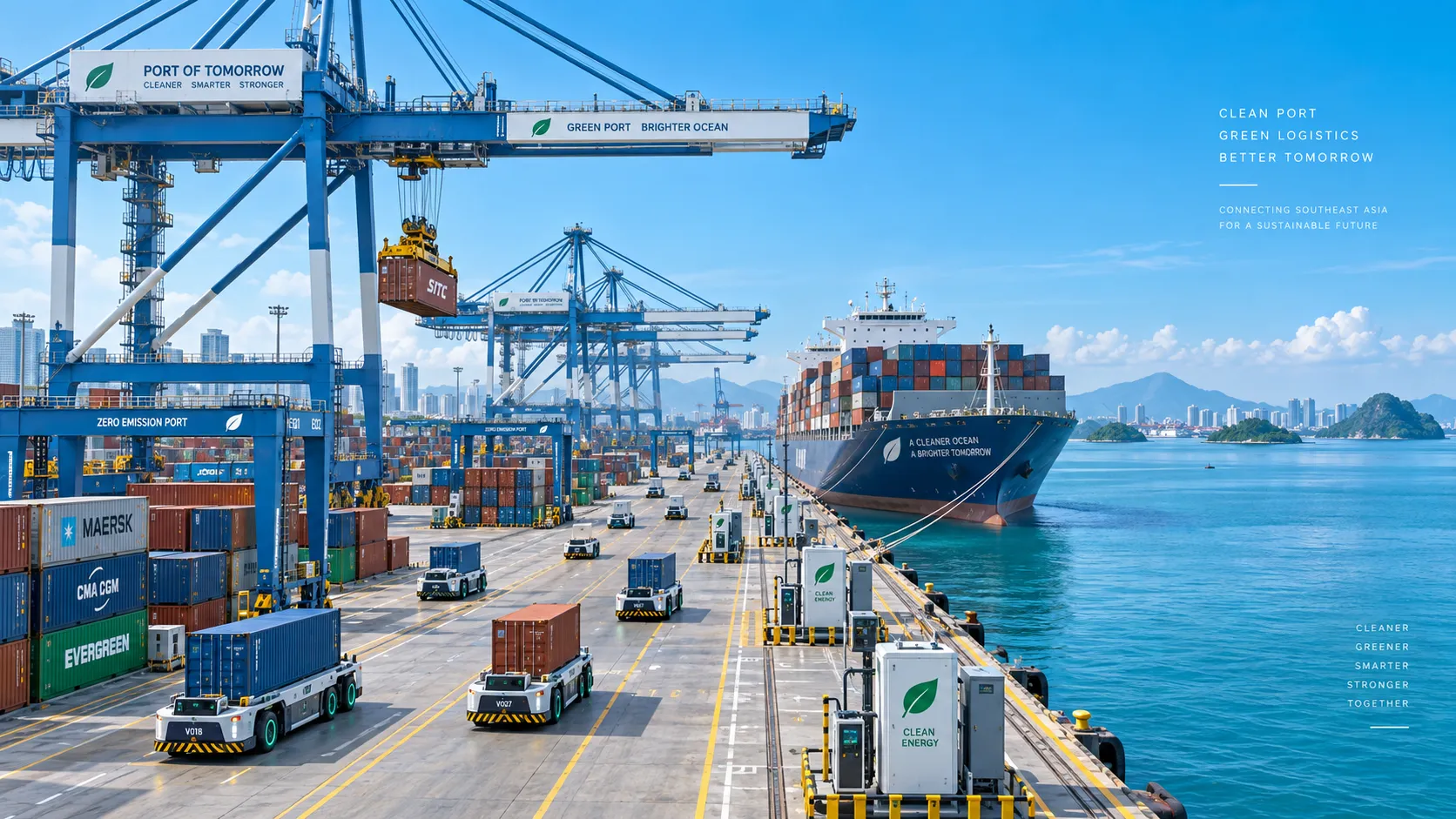
Smart Port Systems in Southeast Asia: Investment Priorities and Adoption Barriers
Smart port systems Southeast Asia: discover investment priorities, adoption barriers, and practical steps to build resilient, connected, high-performing terminals.
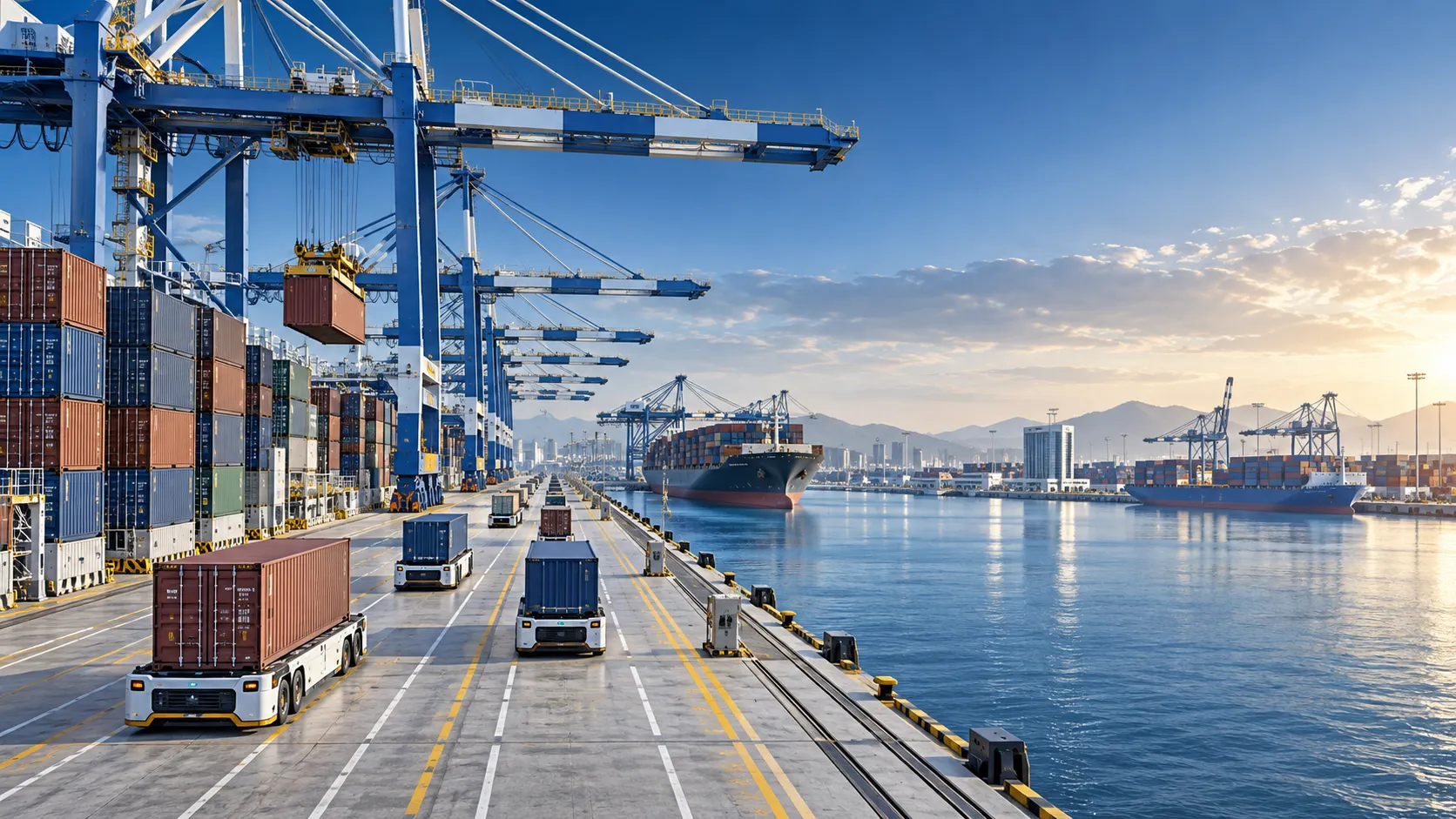
How to Evaluate Terminal Efficiency Solution Suppliers for High-Throughput Operations
Choose a terminal efficiency solutions supplier with confidence. Explore proven criteria for throughput, integration, lifecycle cost, safety, and reliable delivery.
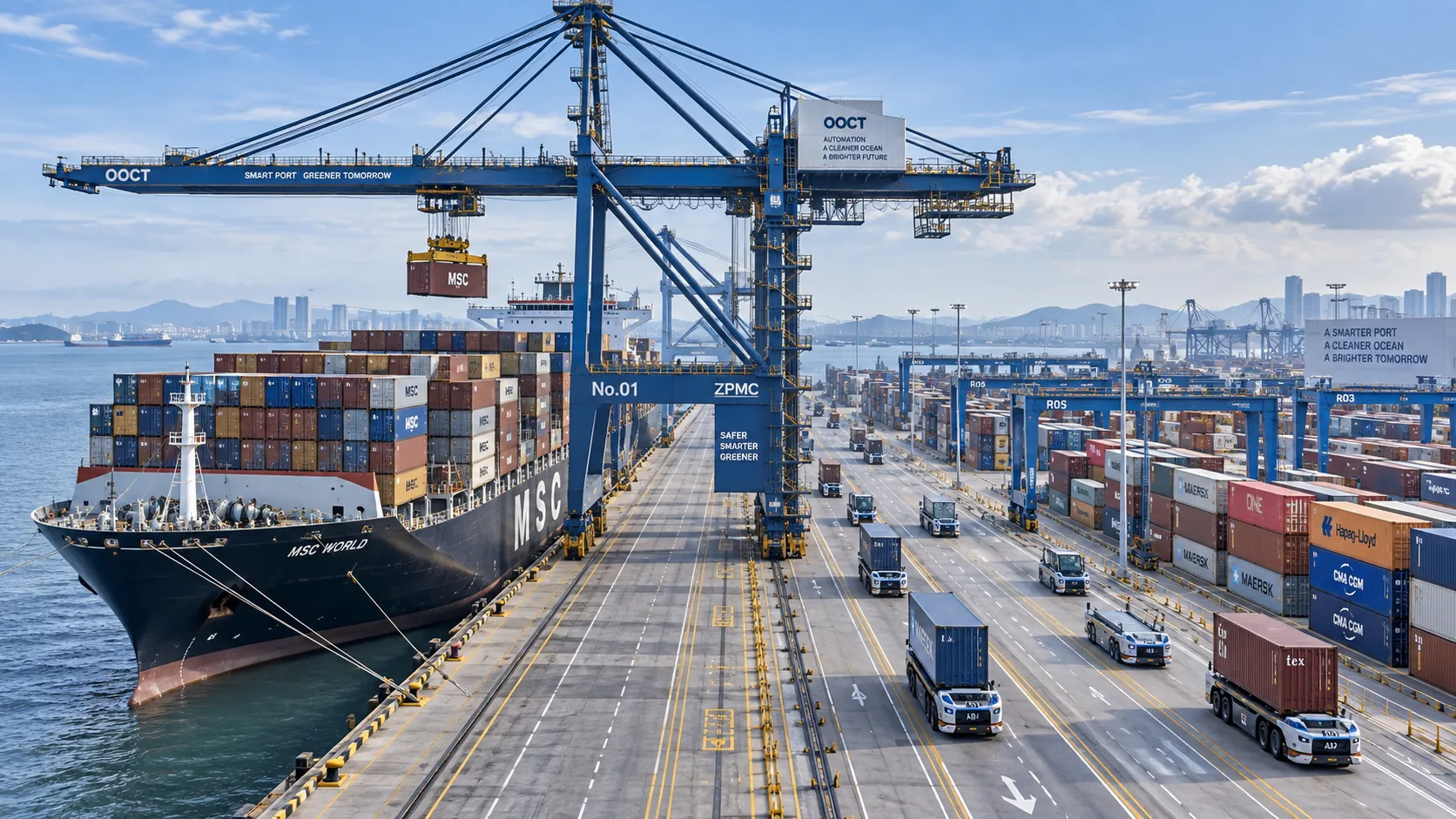
How to Specify a Quay Crane for Container Terminals by Vessel Size and Throughput?
Quay crane for container terminals: learn how to match outreach, lift height, capacity, automation, and cycle performance to vessel size and throughput goals.
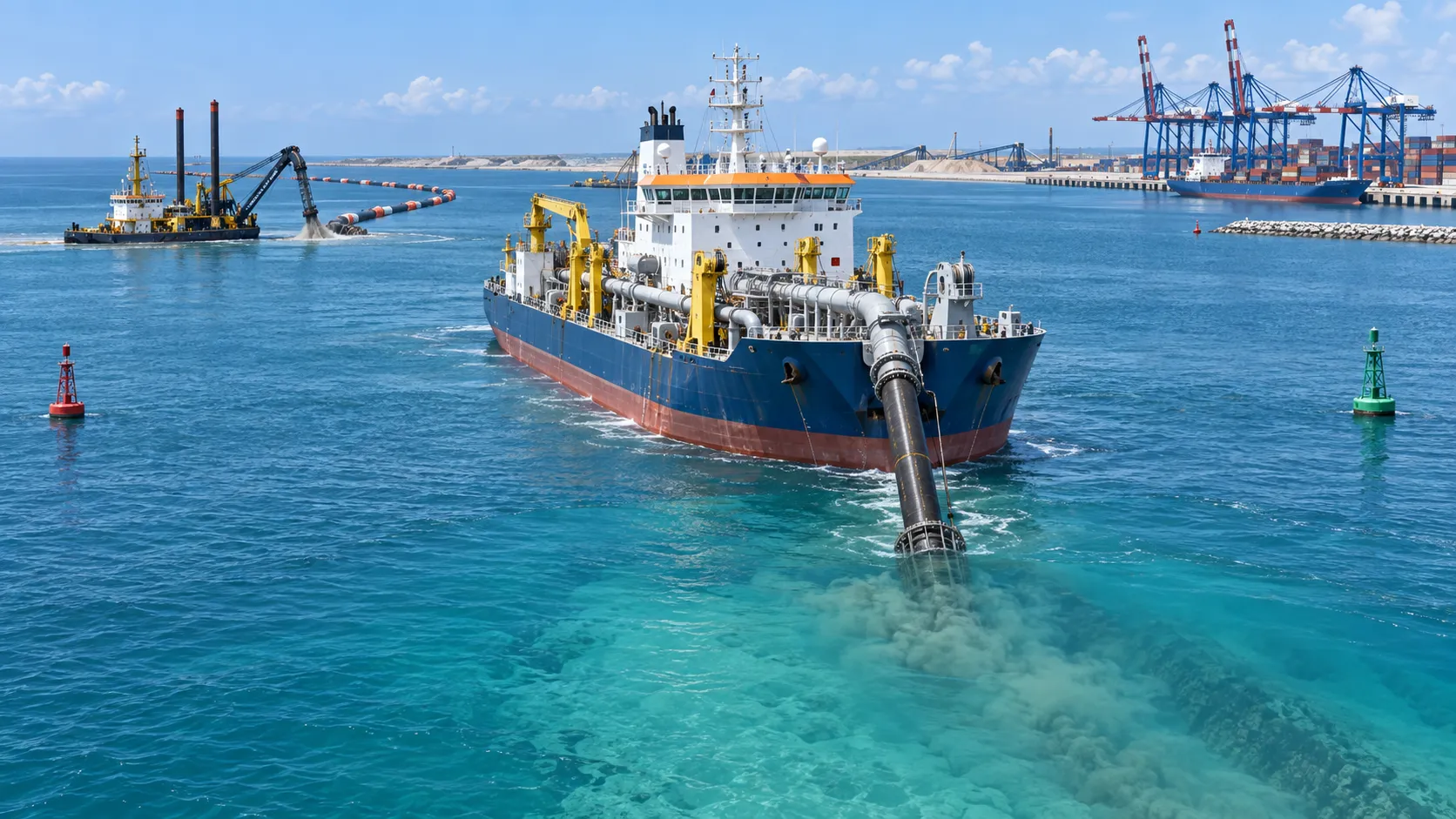
What Dredging Equipment Is Needed for Channel Deepening?
What dredging equipment is needed for channel deepening? Explore dredgers, pipelines, survey tools, and planning strategies for safer, more efficient port access.
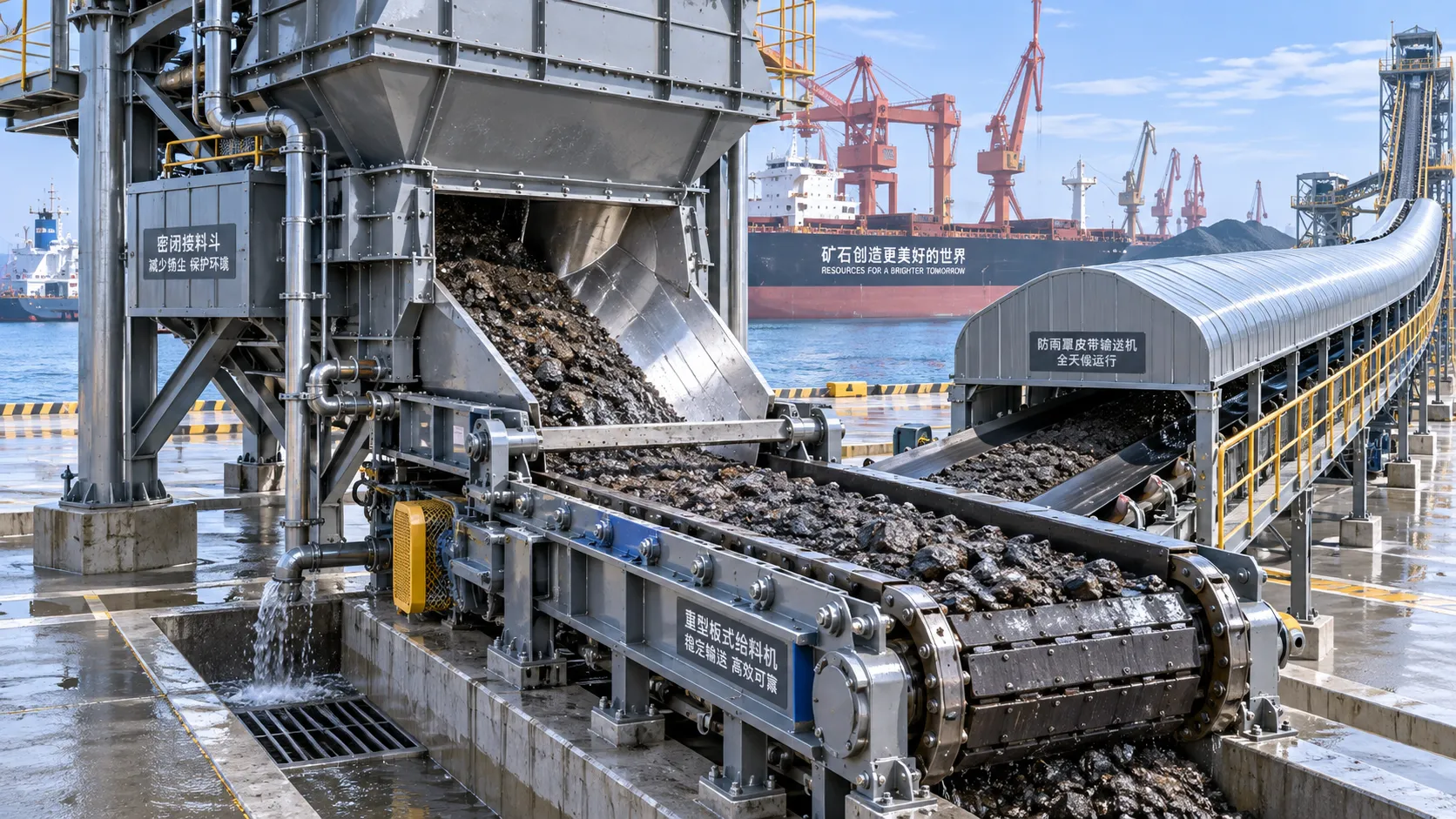
Which Bulk Handling Equipment Suits High-Moisture Cargo?
Which bulk handling equipment suits high-moisture cargo? Compare belt, apron, screw, drag, and slurry systems for reliable flow, less carryback, and higher terminal uptime.
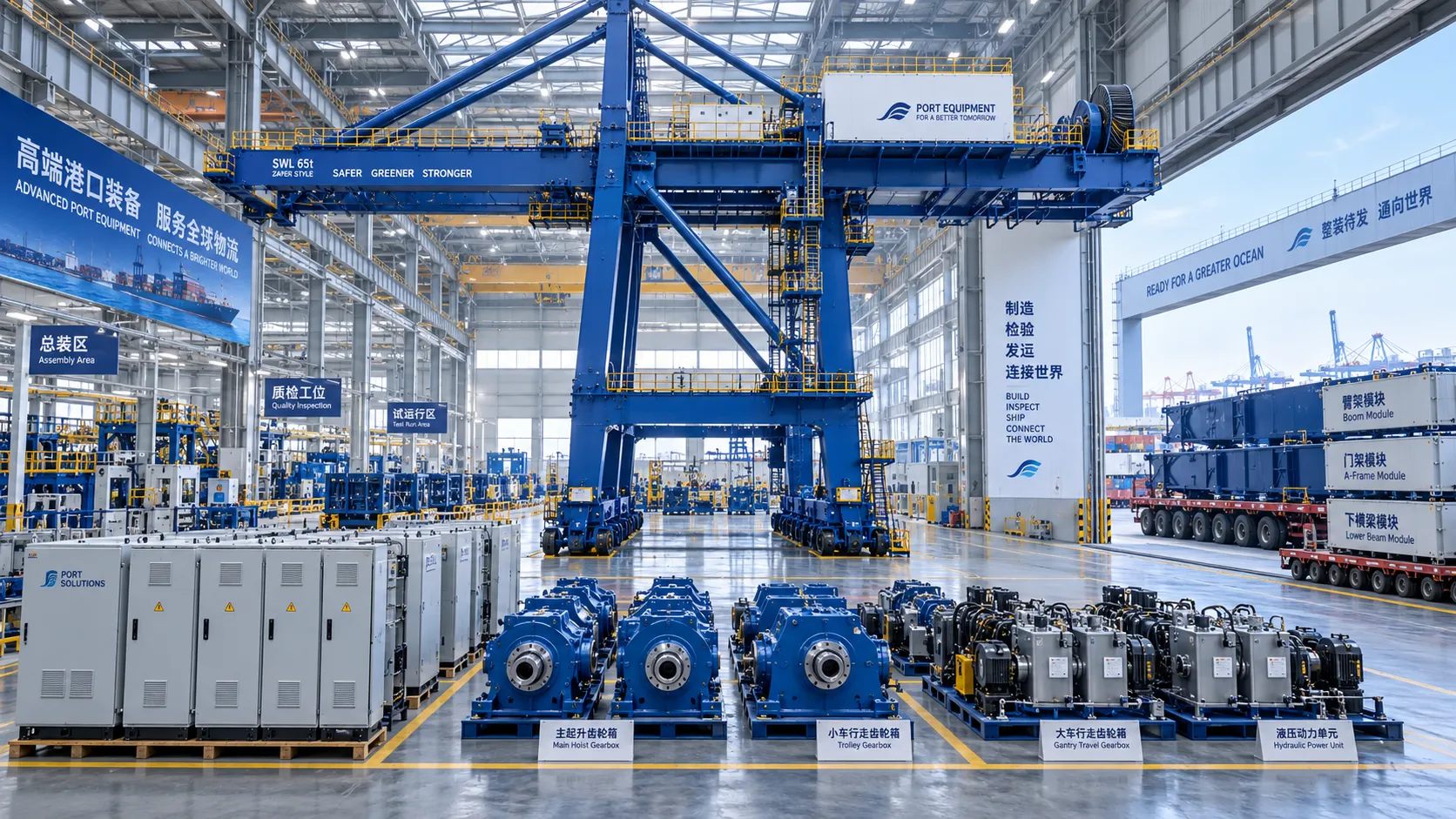
How Can Port Equipment Lead-Time Risk Be Managed?
How can port equipment lead-time risk be managed? Explore practical strategies to control critical paths, suppliers, transport, site readiness, and commissioning delays.
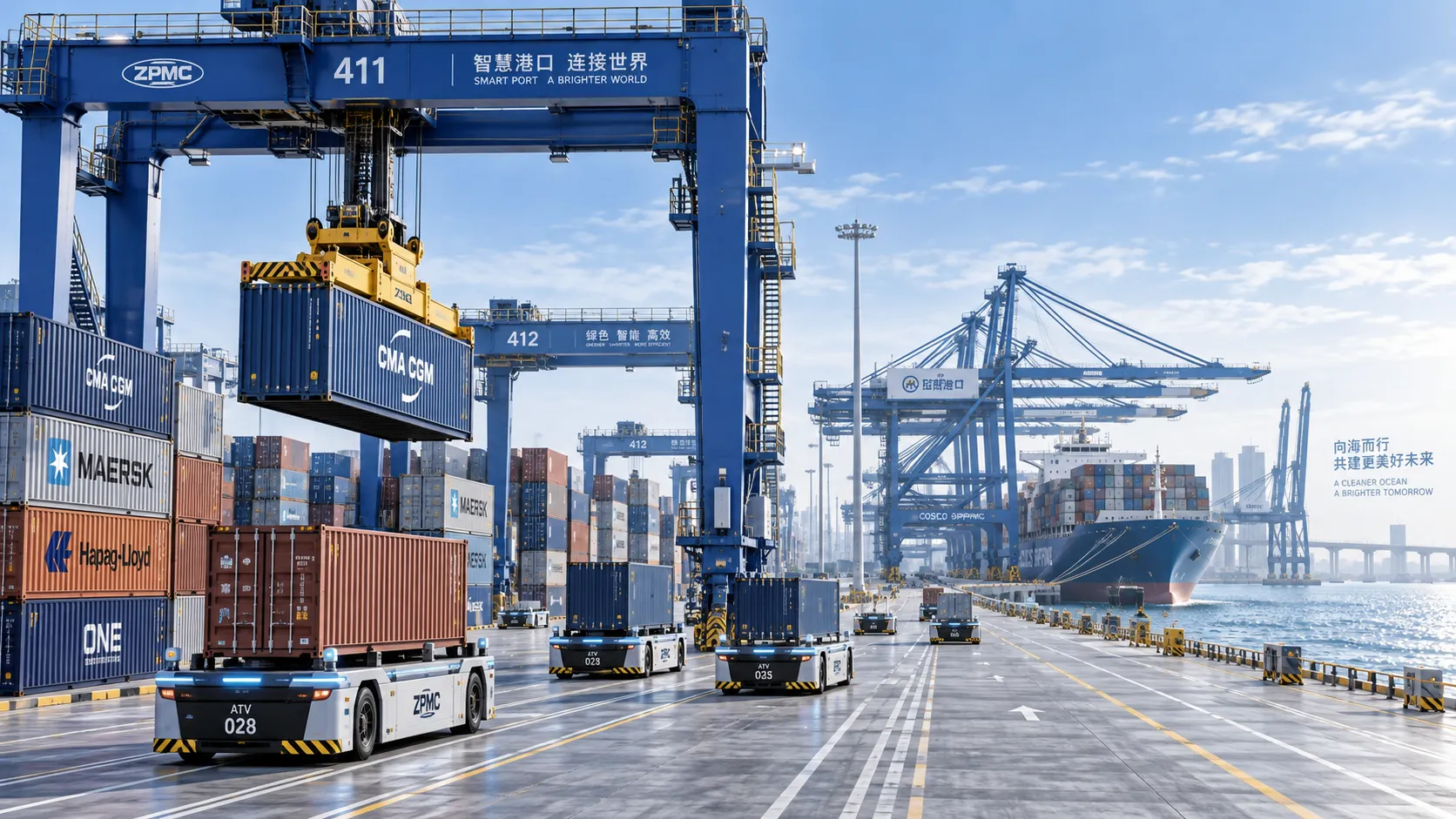
Terminal Automation Technologies That Raise Container Throughput Without Yard Disruption
Terminal automation technology that increases container throughput without disrupting yard flow. Explore smarter integration, resilient workflows, and phased deployment strategies.
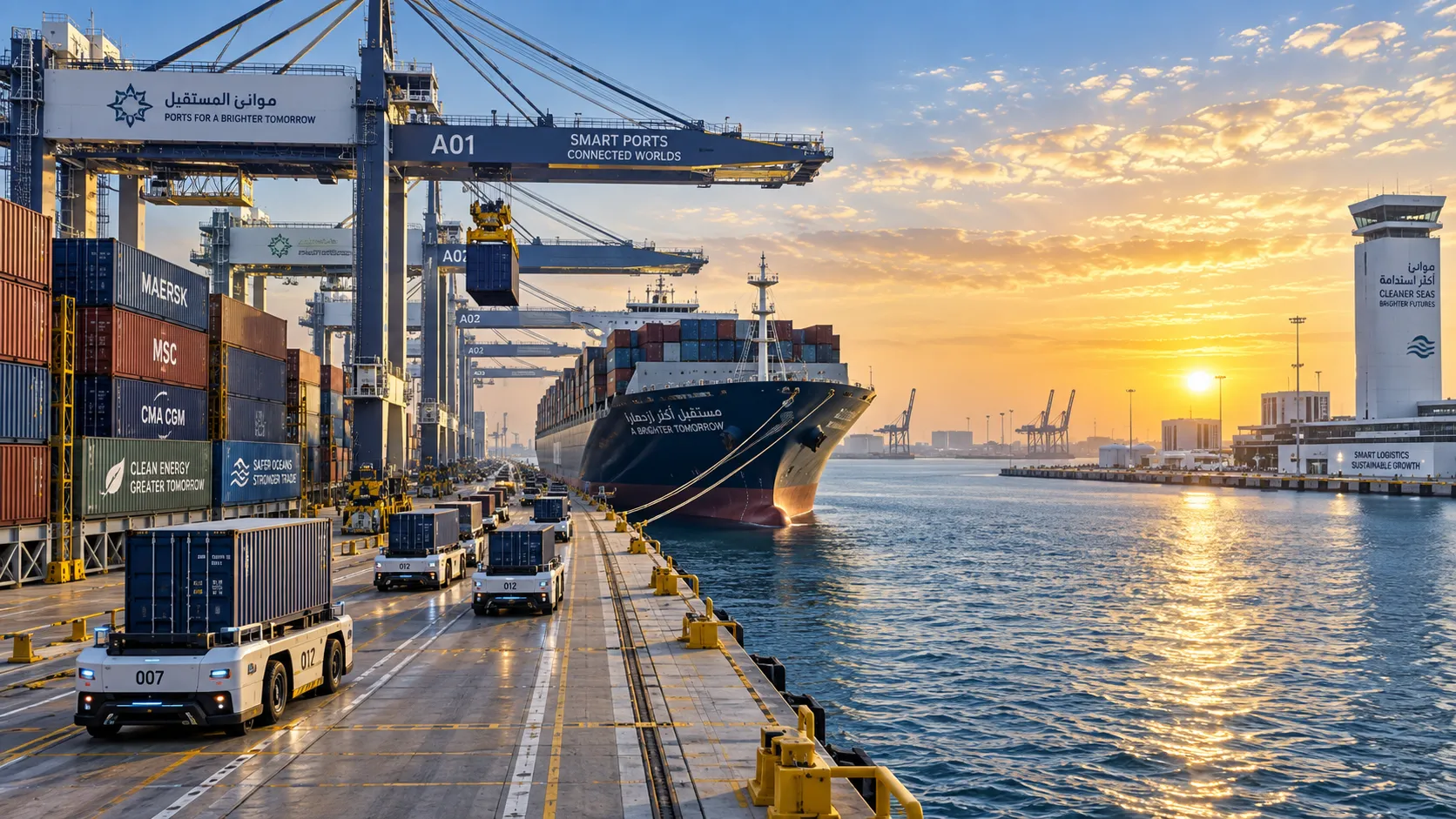
Middle East Port Automation: Key Market Drivers, Projects, and Investment Risks
Port automation systems Middle East: explore market drivers, flagship projects, integration challenges, and investment risks shaping smarter, resilient terminals.
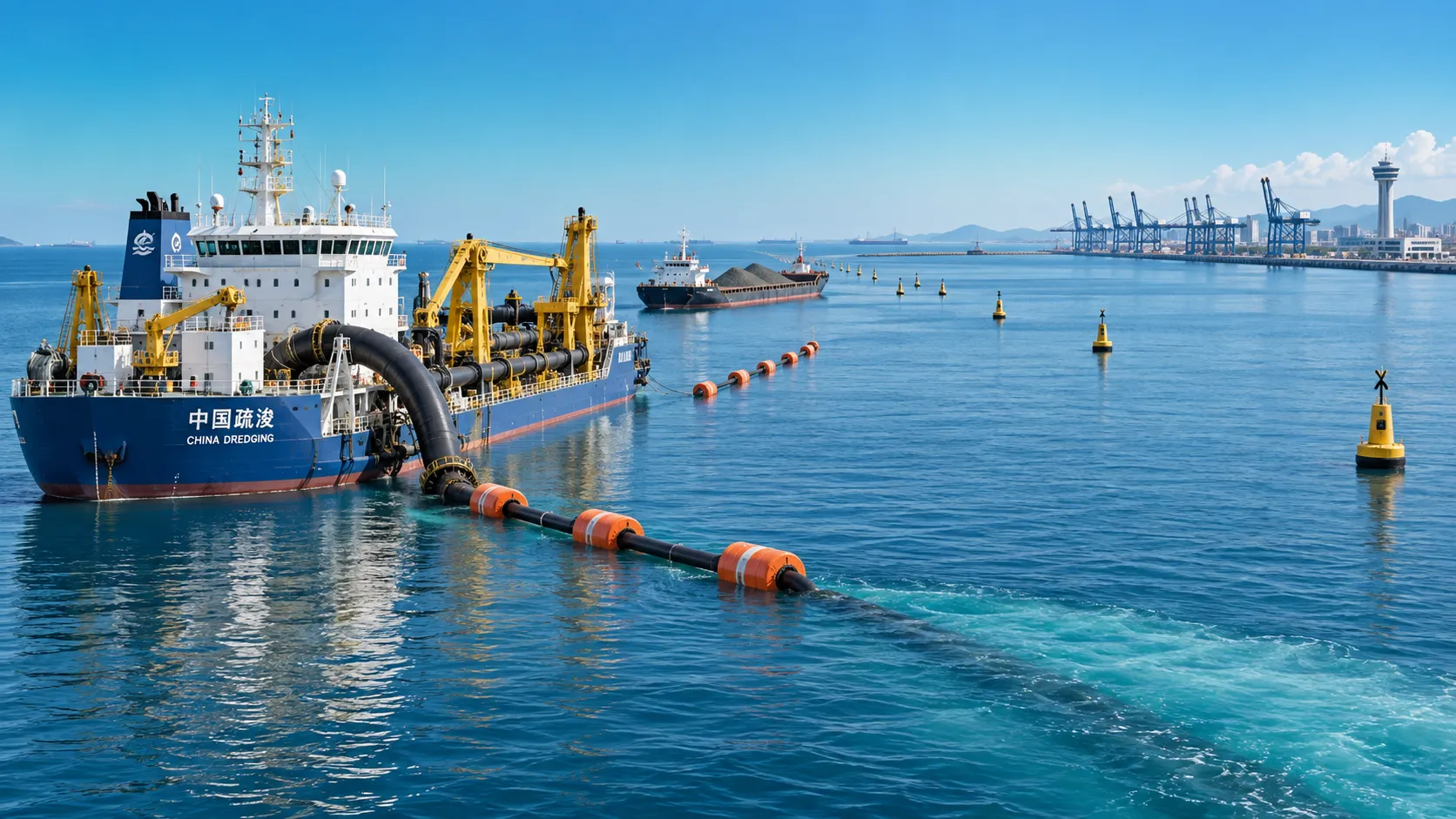
Planning Offshore Dredging Operations: Key Risks, Methods, and Project Controls
Offshore dredging operations demand smart planning. Explore key risks, proven methods, environmental controls, and project strategies for reliable delivery.