Related News
- 00
0000-00
Smart Port Systems in Southeast Asia: Investment Priorities and Adoption Barriers - 00
0000-00
Middle East Port Automation: Key Market Drivers, Projects, and Investment Risks - 00
0000-00
How Coastal Cities Can Prioritize Blue Economy Projects for Jobs and Ecosystem Gains - 00
0000-00
How Harbor Construction Solutions Address Wave Loads, Scour, and Vessel Berthing - 00
0000-00
What Is Driving Maritime Infrastructure Growth in Southeast Asia?
Why maritime trade analytics matters more in volatile markets
In volatile markets, maritime trade analytics has become essential for business evaluators who need clearer signals behind freight swings, port congestion, equipment demand, and supply chain risk.
By turning fragmented shipping, terminal, and coastal infrastructure data into actionable intelligence, organizations can assess resilience, spot investment openings, and respond faster to disruption.
That is why maritime trade analytics now matters more than ever.
Volatility has changed the rules of maritime decision-making
Global trade no longer moves in smooth cycles. It reacts to sanctions, weather shocks, rerouted cargo, labor shortages, financing pressure, and sudden policy shifts.
In this environment, delayed information becomes costly. A rate spike, anchorage queue, or dredging bottleneck can quickly reshape fleet deployment and terminal utilization.
Maritime trade analytics helps reveal what is changing, where pressure is building, and how those signals may affect cargo flow, asset demand, and coastal economics.
For intelligence-led platforms such as PS-Nexus, the value lies in connecting port machinery trends with shipping behavior and infrastructure readiness.
The market now rewards visibility over simple volume tracking
Traditional trade monitoring focused on headline throughput and broad freight indexes. Those metrics still matter, but they are no longer enough.
Today, maritime trade analytics must track the interaction between vessels, terminals, inland links, equipment uptime, and channel accessibility.
A port may show healthy annual volume while suffering declining crane productivity, rising yard dwell time, or draft constraints from insufficient dredging.
These hidden conditions often appear before official reports. That makes maritime trade analytics a forward-looking discipline, not only a reporting tool.
Key trend signals gaining importance
- Shorter demand visibility windows for bulk, container, and project cargo.
- Higher sensitivity to port congestion and berth productivity changes.
- Growing influence of automation readiness on terminal competitiveness.
- More frequent rerouting caused by geopolitics and climate exposure.
- Stronger links between infrastructure bottlenecks and freight pricing.
Why maritime trade analytics is becoming a strategic necessity
The rise of maritime trade analytics is not accidental. Several structural drivers are making deeper intelligence indispensable across the broader maritime economy.
These drivers show why maritime trade analytics is now tied to strategic timing, not just market awareness.
The impact reaches far beyond shipping lines
Market volatility affects every layer of maritime logistics. The consequences extend to infrastructure planning, equipment demand, maintenance cycles, and capital allocation.
When maritime trade analytics detects demand migration, terminal operators may need faster yard redesign, revised berth planning, or automation upgrades.
When analytics identifies deeper draft requirements, dredging engineering priorities can shift quickly toward access expansion and navigational resilience.
Business areas most affected
- Terminal capacity planning and crane deployment.
- Bulk handling system utilization and maintenance scheduling.
- Container yard automation and control logic performance.
- Dredging investment timing and fairway expansion programs.
- Commercial positioning for long-cycle port infrastructure trade.
This broader impact explains why maritime trade analytics increasingly supports both daily operations and long-horizon strategic evaluation.
What high-value maritime trade analytics should actually include
Not all analytics create usable insight. High-quality maritime trade analytics should combine market data with operational and engineering context.
That is especially true in complex port ecosystems where equipment, software, and marine infrastructure directly shape trade performance.
Core intelligence layers
- Freight and route signals, including corridor volatility and vessel deployment shifts.
- Port node performance, including turnaround, berth occupancy, and congestion patterns.
- Equipment productivity, especially quay cranes, yard systems, and bulk handling assets.
- Automation indicators, such as remote operations stability and scheduling efficiency.
- Dredging and channel status, including depth constraints and expansion readiness.
PS-Nexus stands out because it frames these layers as one connected system instead of isolated data points.
That stitched perspective makes maritime trade analytics more relevant for evaluating hidden constraints and untapped growth opportunities.
Where smarter interpretation creates competitive advantage
The real advantage is not simply owning more data. It is understanding which signals matter first and how they interact under stress.
For example, rising vessel calls may look positive. Yet combined with declining yard velocity, they can indicate upcoming service disruption and equipment strain.
Likewise, stronger cargo forecasts may not convert into throughput gains if channel depth, dredging cycles, or crane control systems are lagging.
Effective maritime trade analytics helps separate superficial growth from durable operational readiness.
Priority watchpoints in unstable markets
- Congestion that shifts from temporary backlog to structural delay.
- Automation projects that improve labor efficiency but create integration risk.
- Dredging postponements that limit future vessel class access.
- Bulk flow changes that alter machinery replacement demand.
- Freight rebounds unsupported by inland or port-side capacity.
How to respond with sharper judgment and better timing
In uncertain conditions, the goal is not perfect prediction. The goal is faster interpretation and more disciplined response.
This is where maritime trade analytics becomes a practical management tool rather than a passive dashboard.
The next step is building intelligence that matches market speed
Volatile trade conditions reward those who understand ports as interconnected systems of cargo, machinery, software, and marine engineering.
Maritime trade analytics matters more in volatile markets because it turns complexity into timing, and timing into stronger decisions.
Platforms like PS-Nexus support that shift by linking freight intelligence with heavy terminal gear, automation logic, and dredging realities.
The most effective next move is to review current visibility gaps, define the signals that drive exposure, and adopt maritime trade analytics that explains causes, not just outcomes.
In unstable markets, clearer maritime trade analytics is no longer optional. It is the foundation for resilient trade evaluation and better long-term positioning.
Related News
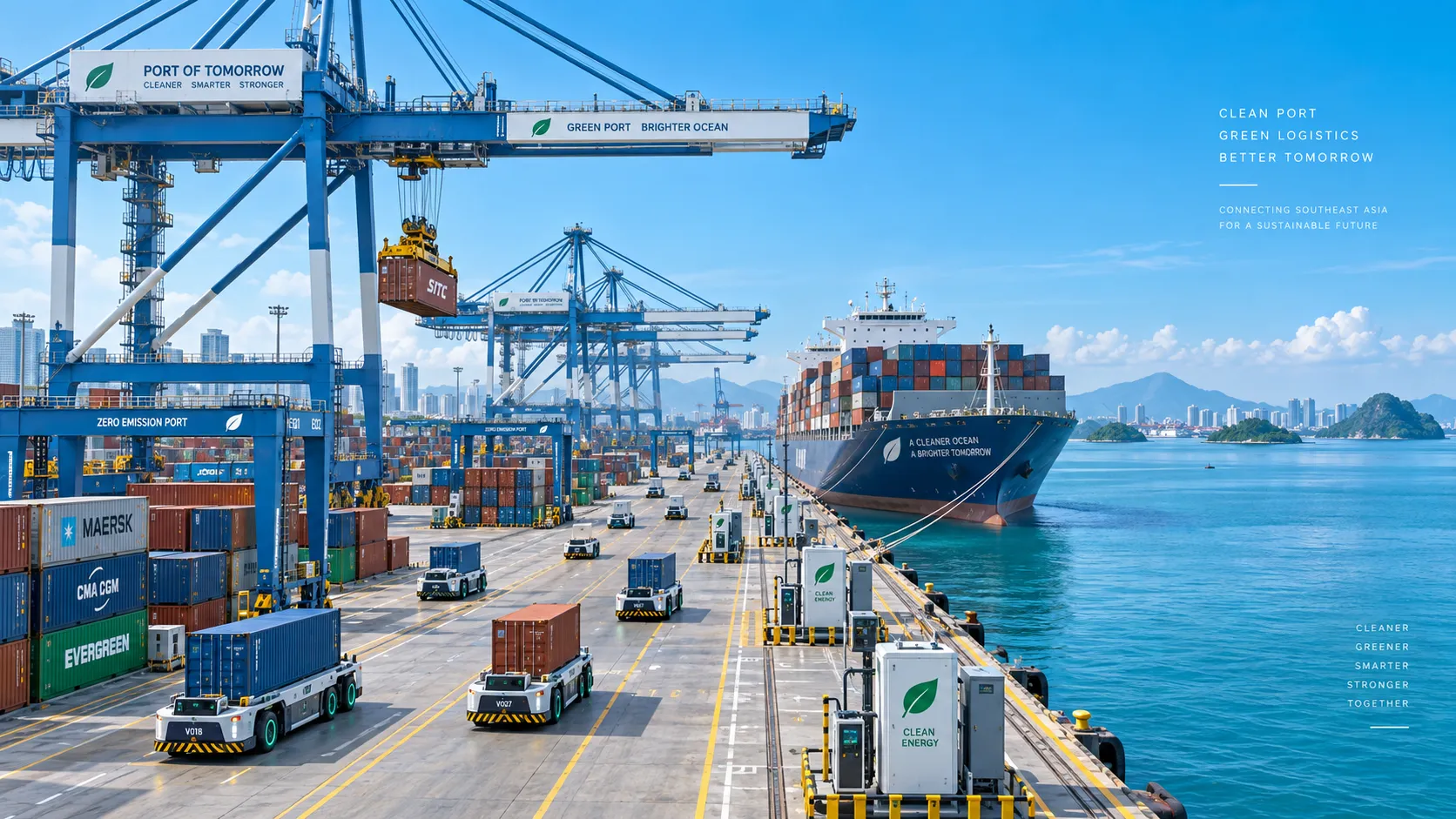
Smart Port Systems in Southeast Asia: Investment Priorities and Adoption Barriers
Smart port systems Southeast Asia: discover investment priorities, adoption barriers, and practical steps to build resilient, connected, high-performing terminals.
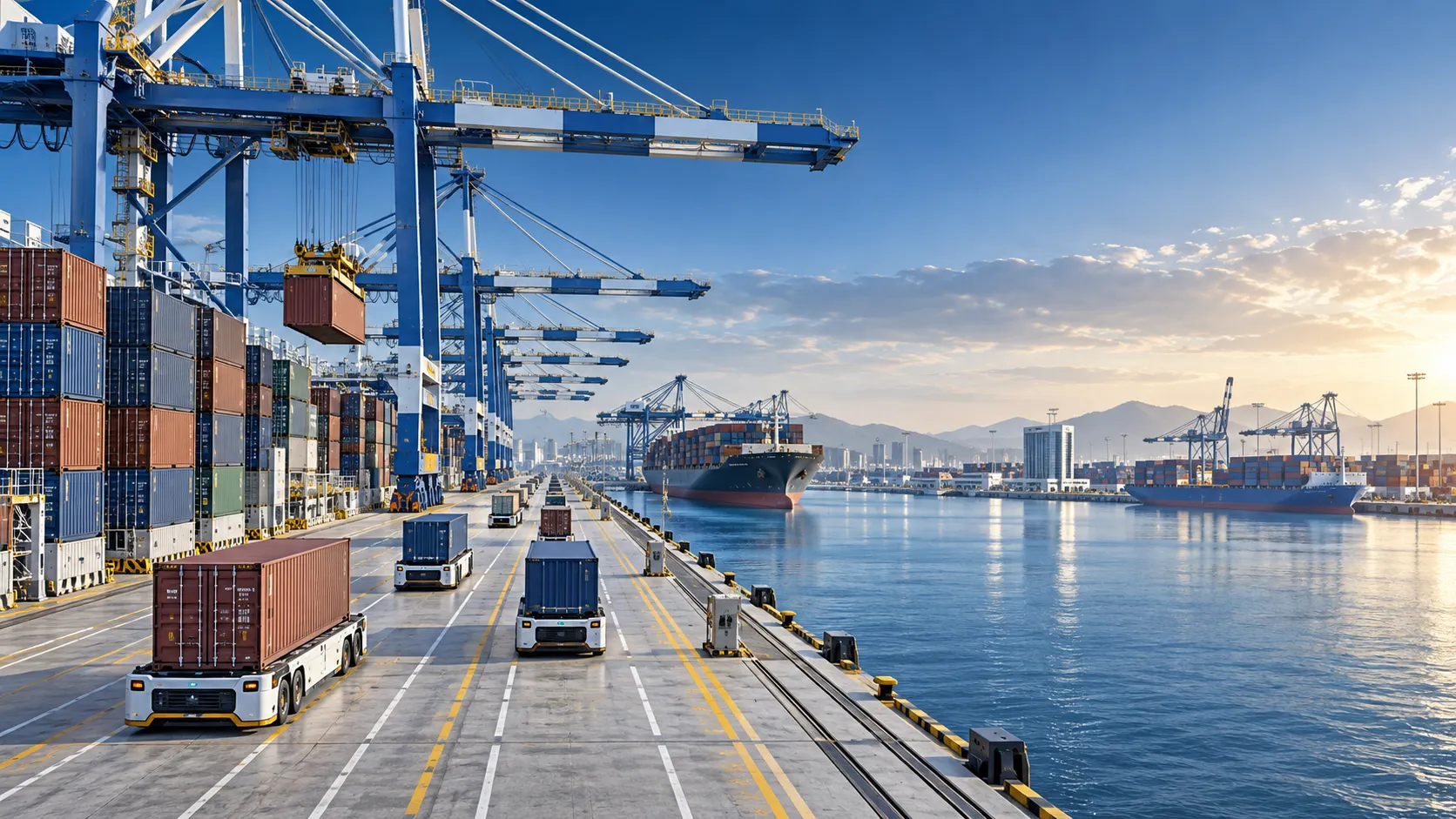
How to Evaluate Terminal Efficiency Solution Suppliers for High-Throughput Operations
Choose a terminal efficiency solutions supplier with confidence. Explore proven criteria for throughput, integration, lifecycle cost, safety, and reliable delivery.
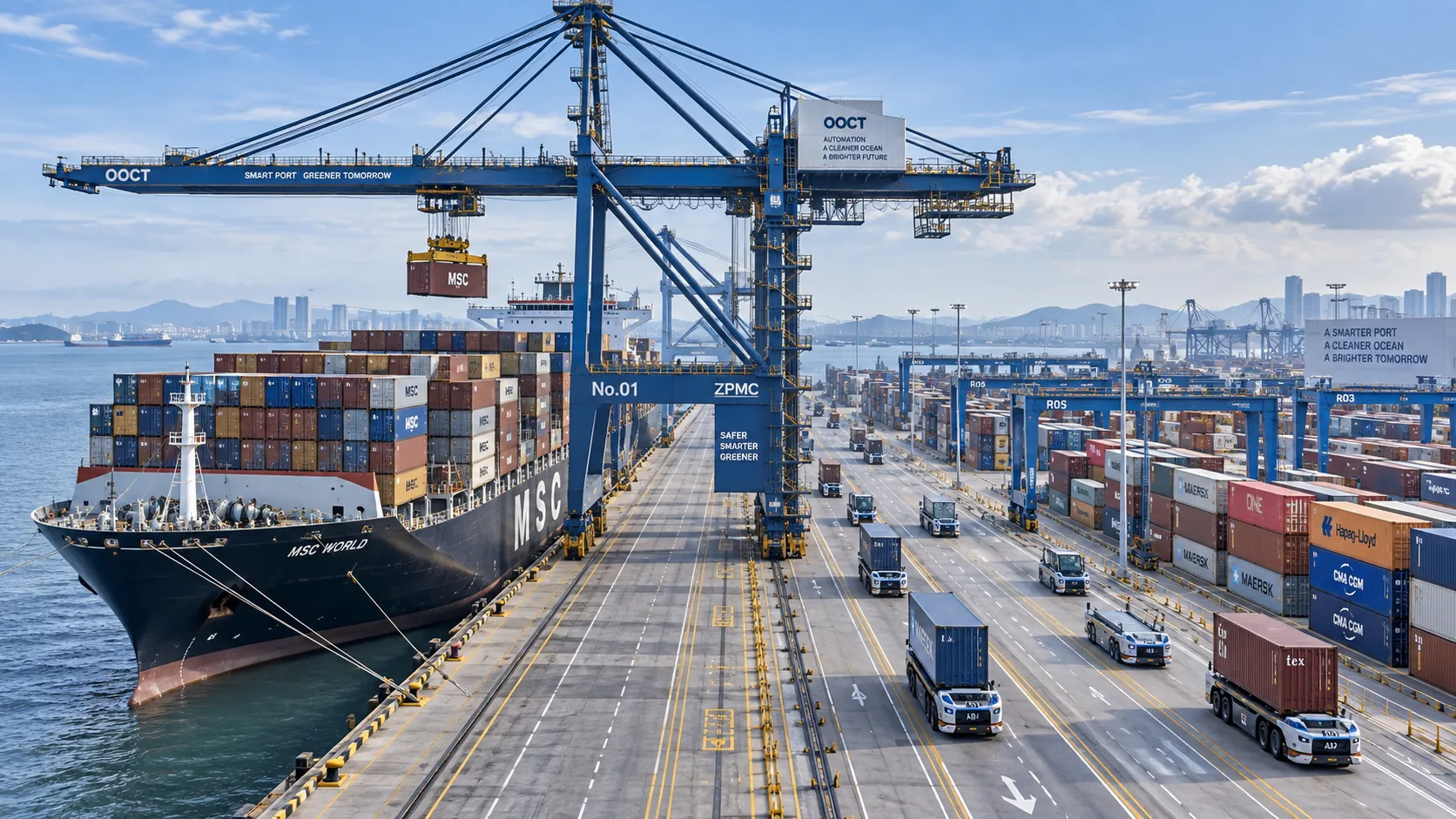
How to Specify a Quay Crane for Container Terminals by Vessel Size and Throughput?
Quay crane for container terminals: learn how to match outreach, lift height, capacity, automation, and cycle performance to vessel size and throughput goals.
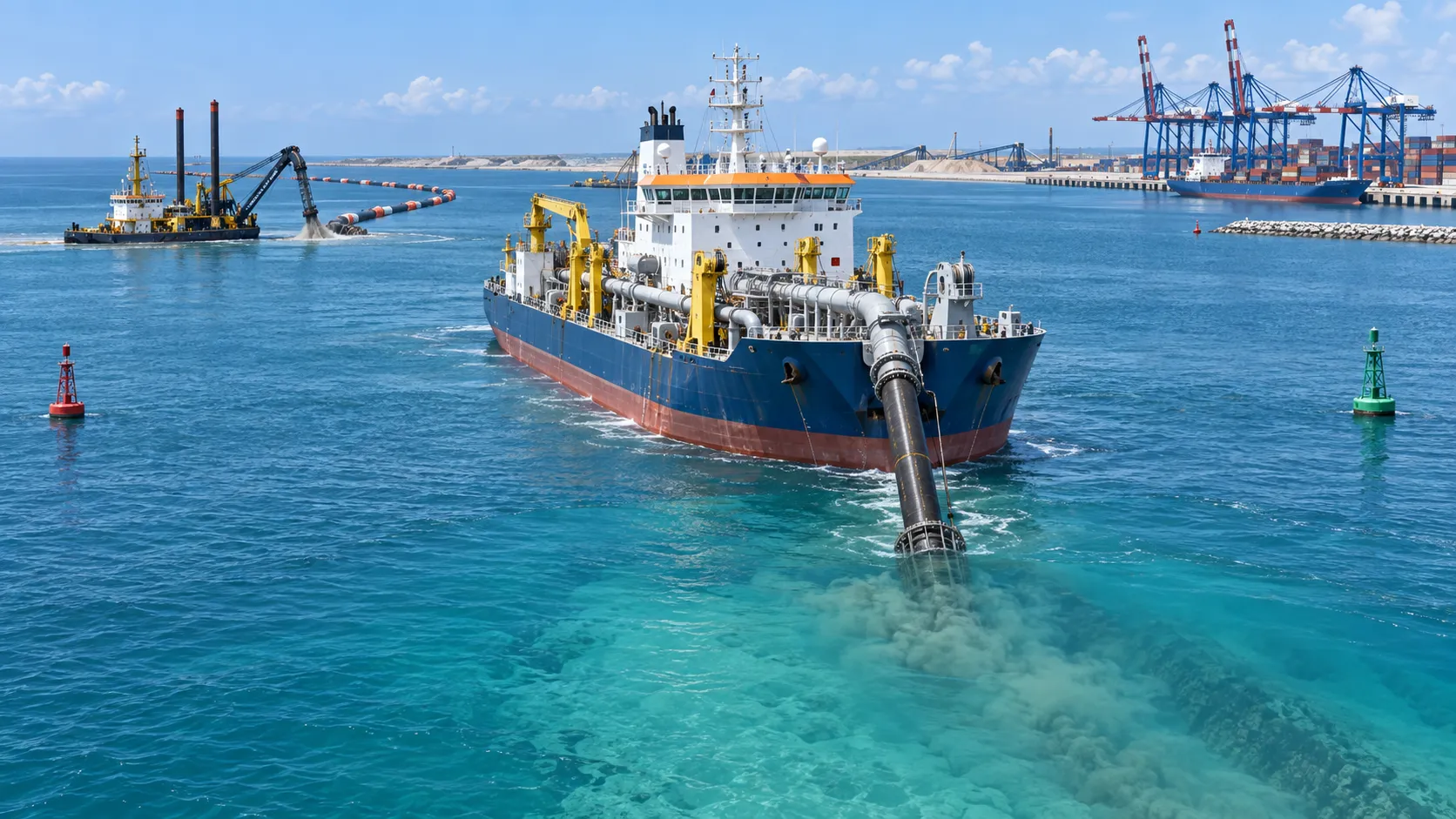
What Dredging Equipment Is Needed for Channel Deepening?
What dredging equipment is needed for channel deepening? Explore dredgers, pipelines, survey tools, and planning strategies for safer, more efficient port access.
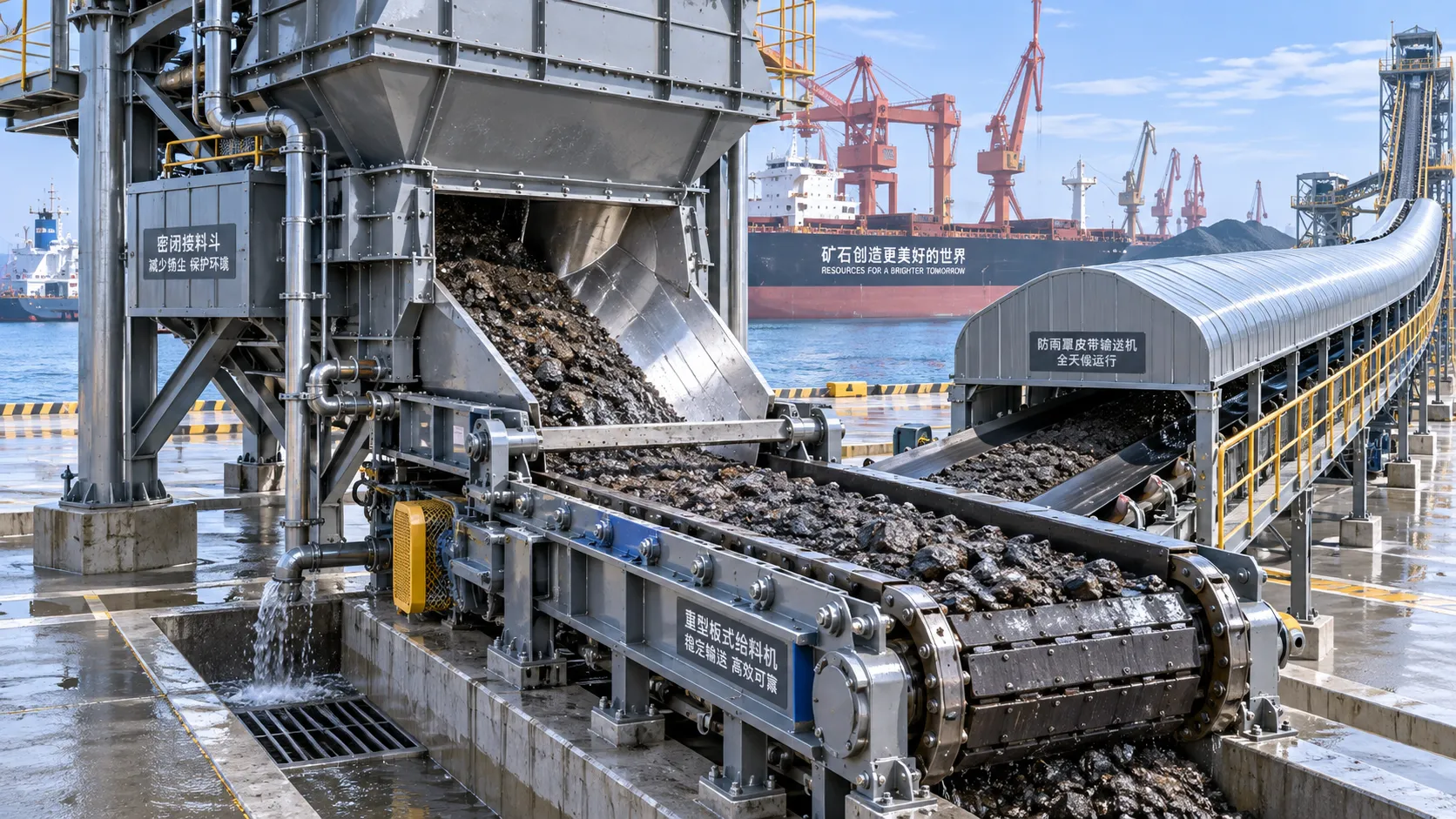
Which Bulk Handling Equipment Suits High-Moisture Cargo?
Which bulk handling equipment suits high-moisture cargo? Compare belt, apron, screw, drag, and slurry systems for reliable flow, less carryback, and higher terminal uptime.
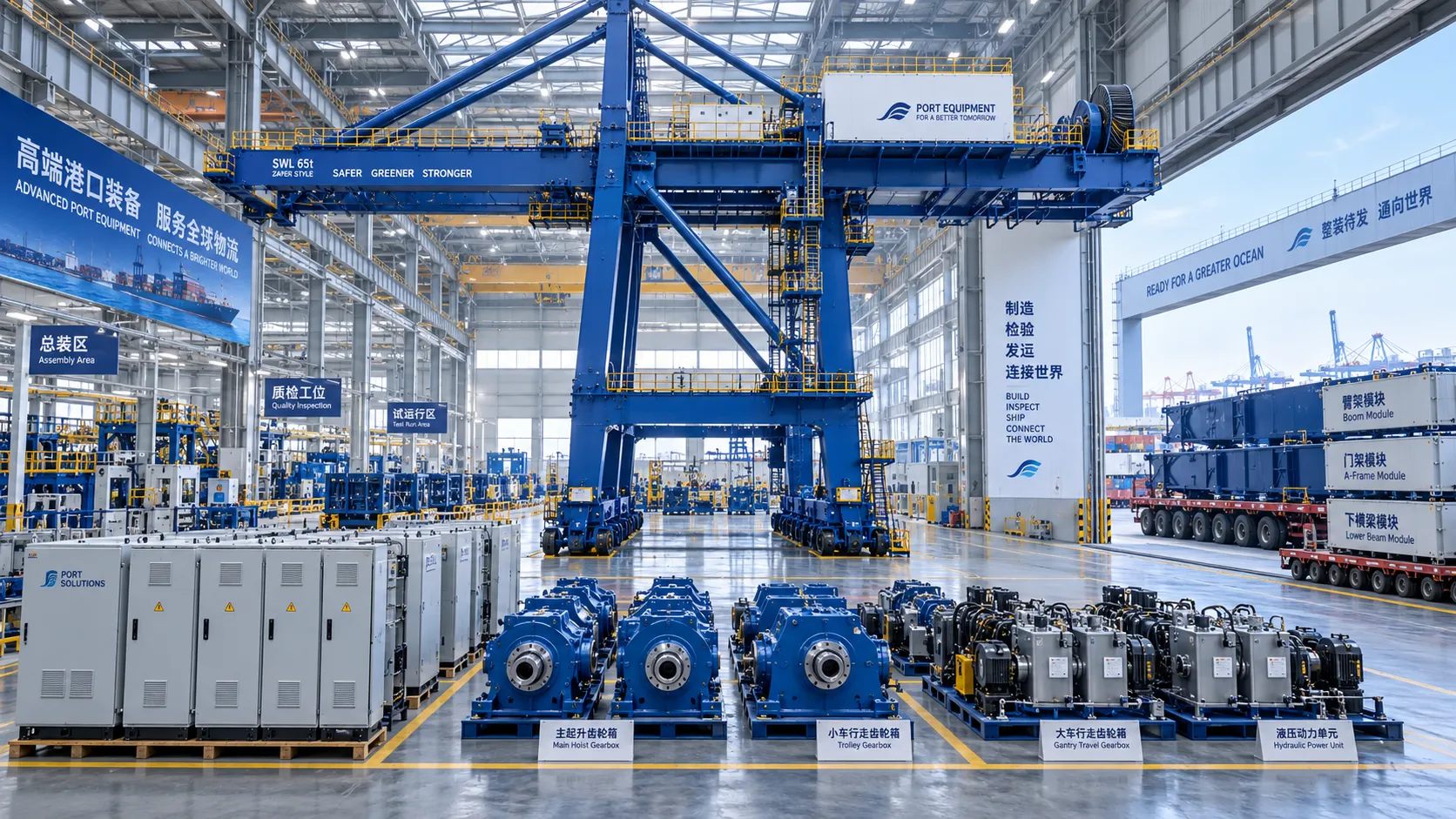
How Can Port Equipment Lead-Time Risk Be Managed?
How can port equipment lead-time risk be managed? Explore practical strategies to control critical paths, suppliers, transport, site readiness, and commissioning delays.
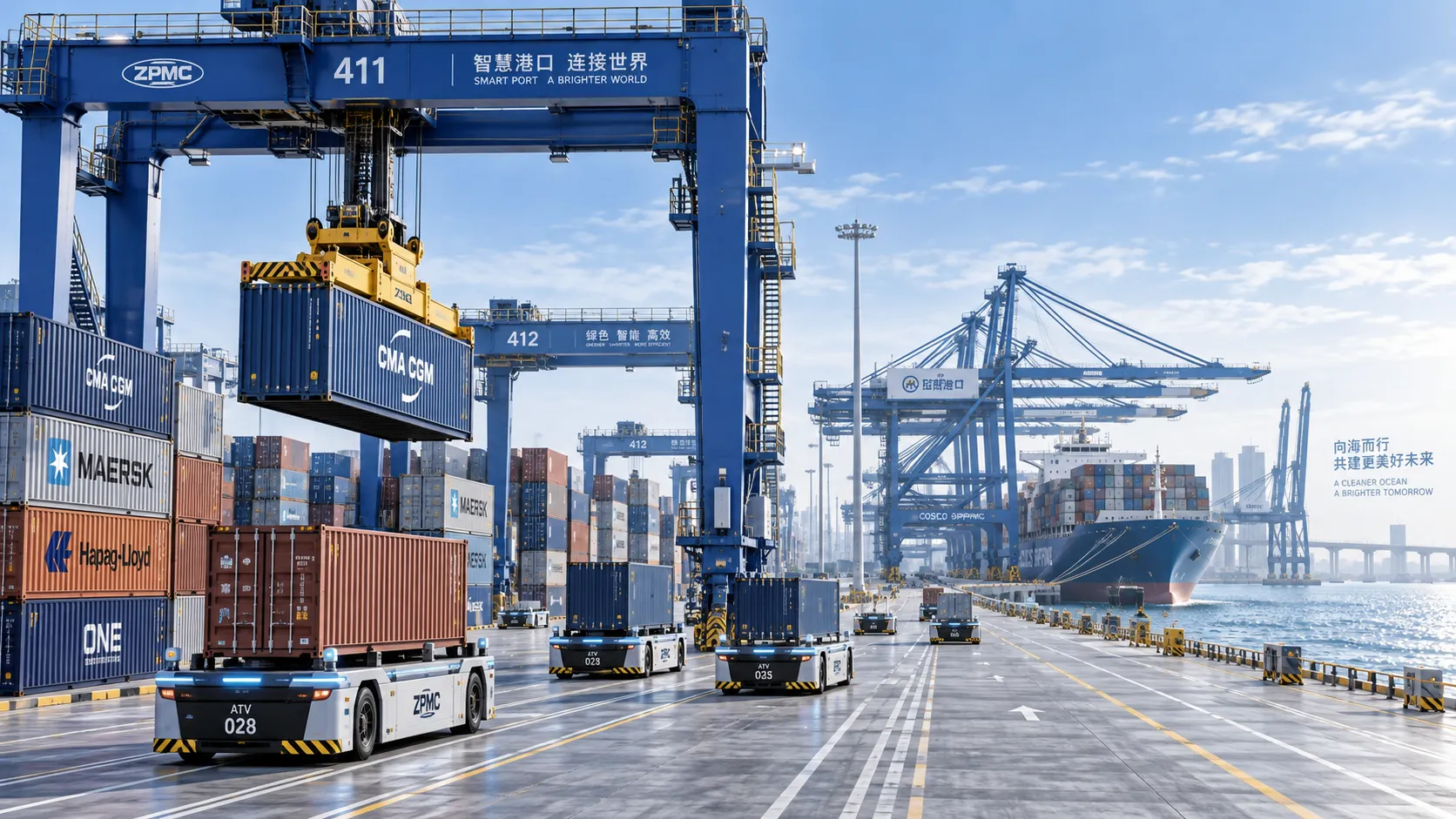
Terminal Automation Technologies That Raise Container Throughput Without Yard Disruption
Terminal automation technology that increases container throughput without disrupting yard flow. Explore smarter integration, resilient workflows, and phased deployment strategies.
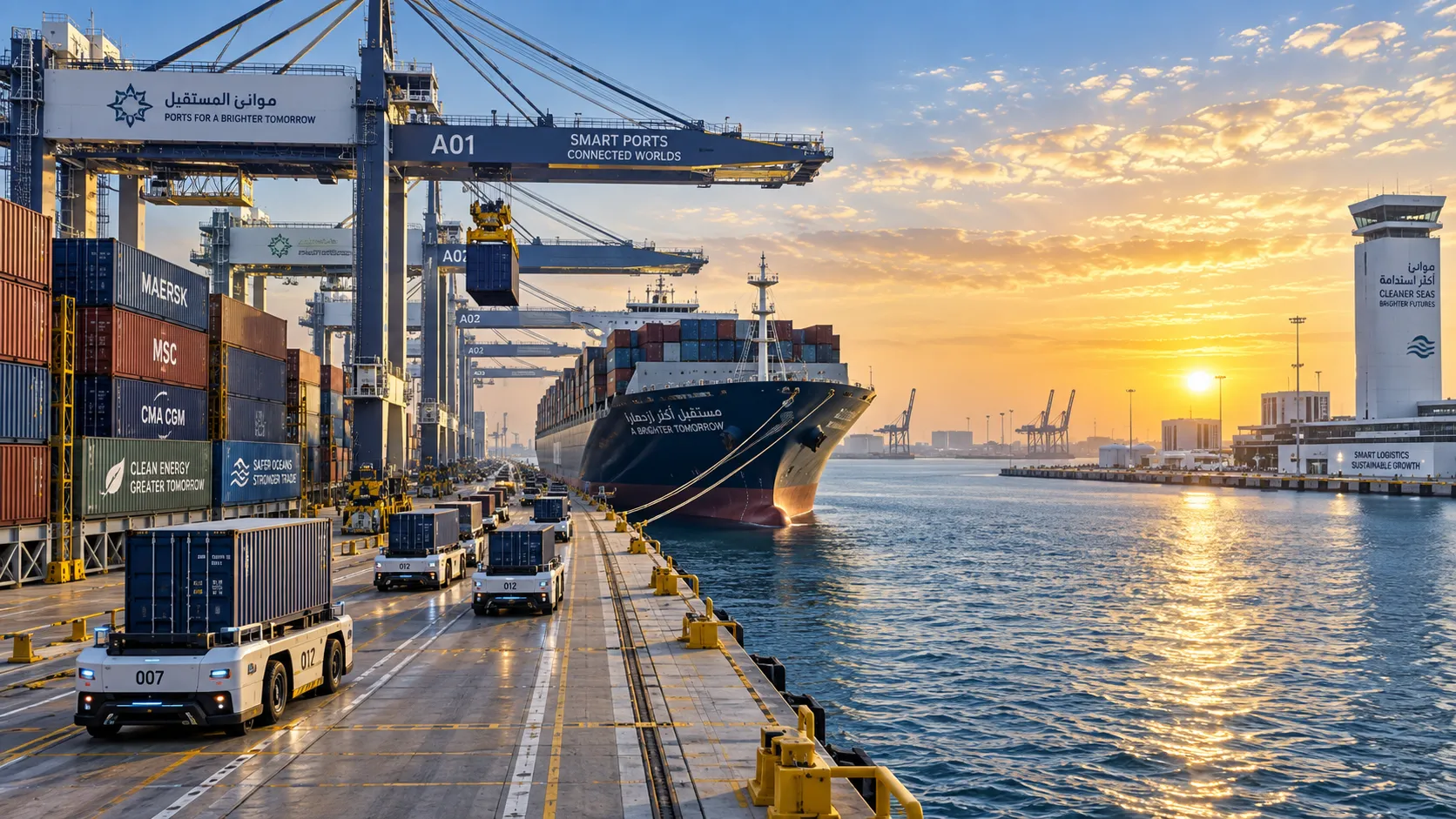
Middle East Port Automation: Key Market Drivers, Projects, and Investment Risks
Port automation systems Middle East: explore market drivers, flagship projects, integration challenges, and investment risks shaping smarter, resilient terminals.
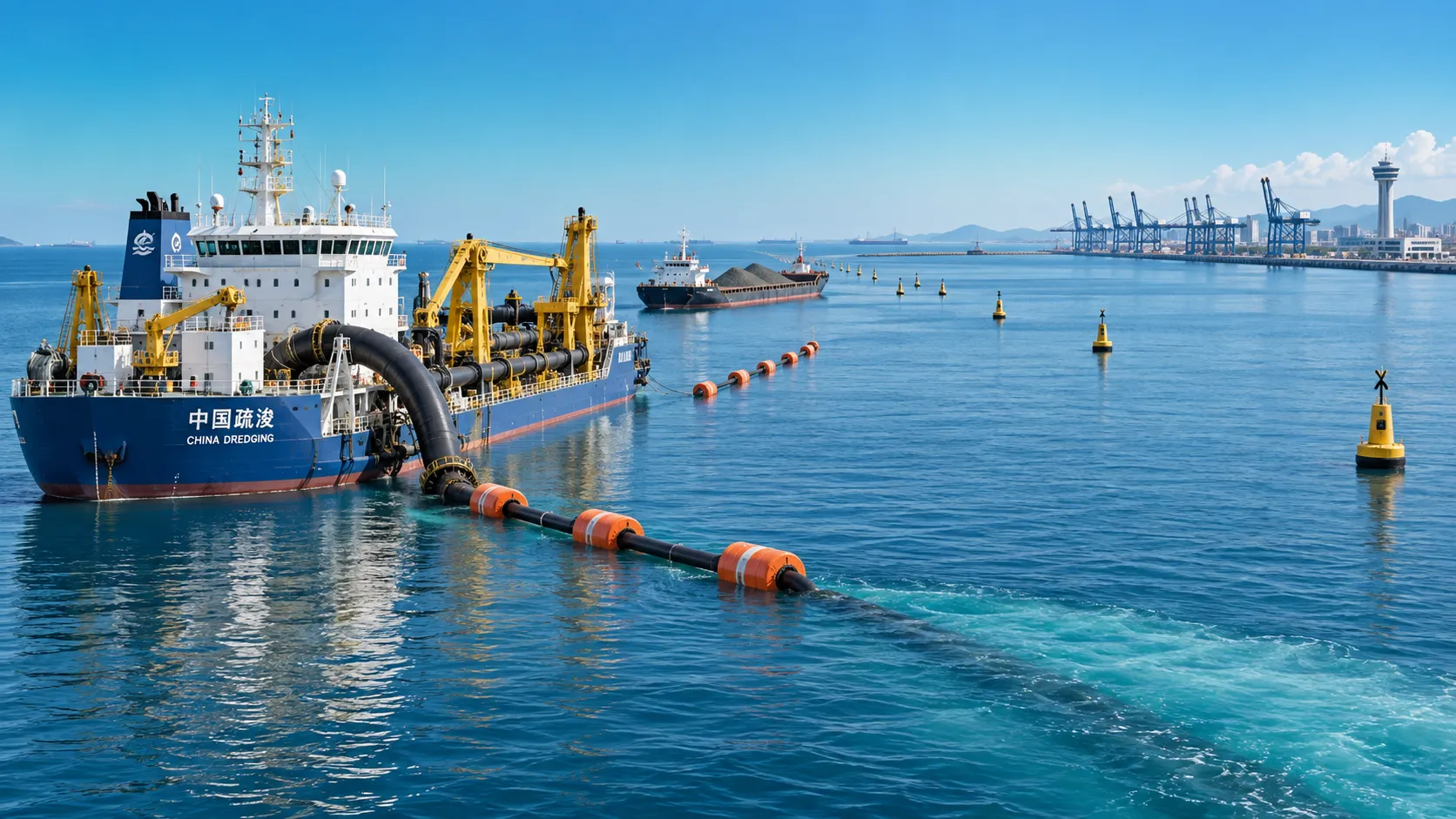
Planning Offshore Dredging Operations: Key Risks, Methods, and Project Controls
Offshore dredging operations demand smart planning. Explore key risks, proven methods, environmental controls, and project strategies for reliable delivery.