Related News
- 00
0000-00
Smart Port Systems in Southeast Asia: Investment Priorities and Adoption Barriers - 00
0000-00
Middle East Port Automation: Key Market Drivers, Projects, and Investment Risks - 00
0000-00
How Coastal Cities Can Prioritize Blue Economy Projects for Jobs and Ecosystem Gains - 00
0000-00
How Harbor Construction Solutions Address Wave Loads, Scour, and Vessel Berthing - 00
0000-00
What Is Driving Maritime Infrastructure Growth in Southeast Asia?
What port infrastructure development means for cargo delays
For business decision-makers navigating volatile supply chains, port infrastructure development is no longer a background issue—it is a direct lever on cargo delays, vessel turnaround, and trade resilience. From terminal automation to dredging capacity and smarter yard coordination, understanding how ports evolve helps leaders anticipate bottlenecks, protect margins, and make better logistics, sourcing, and investment decisions.
Why port infrastructure development deserves a checklist approach
Cargo delays rarely come from one visible failure. They emerge from quay congestion, shallow drafts, weak gate systems, labor imbalance, and poor data coordination.
That is why port infrastructure development should be evaluated through a practical checklist. A structured review helps separate cosmetic upgrades from capacity changes that reduce dwell time.
In broad industry terms, stronger port assets improve berth productivity, yard fluidity, landside evacuation, and schedule reliability. Those four elements directly shape whether cargo moves or waits.
Core checklist: what port infrastructure development means for cargo delays
Use the following checklist to judge whether a project will likely reduce delays or simply shift congestion from one node to another.
- Assess berth depth and dredging frequency to confirm larger vessels can enter, turn, and depart without tidal restrictions or waiting windows.
- Verify quay crane reach, lift speed, and redundancy so vessel exchanges continue even during maintenance events or peak call bunching.
- Measure yard layout efficiency, stack density, and rehandle rates because poor storage design often creates hidden delays after discharge.
- Check gate automation, OCR, appointment systems, and truck staging capacity to prevent landside queues from blocking terminal throughput.
- Review rail links, inland barge access, and highway connectivity since port infrastructure development fails when evacuation capacity stays constrained.
- Confirm terminal operating systems can integrate vessel plans, yard moves, and equipment dispatch in near real time.
- Examine AGV routing, automated stacking logic, and exception handling because automation without recovery protocols can amplify disruption.
- Track power resilience, substation capacity, and backup energy design as electrified ports depend on stable utility performance.
- Test maintenance readiness for cranes, conveyors, pumps, and control systems because uptime matters more than nominal installed capacity.
- Evaluate customs interfaces, inspection zones, and document digitization to avoid regulatory friction erasing physical infrastructure gains.
- Compare project phasing plans with current traffic levels so construction itself does not trigger the very cargo delays being addressed.
- Quantify turnaround improvements using berth moves per hour, truck turn time, dwell days, and schedule recovery metrics.
How the impact changes across operating scenarios
Container terminals
In container gateways, port infrastructure development usually affects delays through crane intensity, yard orchestration, and gate flow. Bigger ships create sharp cargo surges rather than steady volume.
If berth expansion happens without yard automation or stronger truck interfaces, discharge speed improves briefly, then boxes pile up inland of the quay.
Bulk and energy terminals
For dry bulk or energy cargo, delays often hinge on dredged access, conveyor reliability, stockyard geometry, and weather exposure. One bottleneck can idle an entire vessel parcel.
Here, port infrastructure development must connect marine access with continuous material handling. Faster unloading means little if reclaiming, blending, or outbound transfer stays unstable.
Emerging and expansion ports
At newer ports, the main issue is not only capacity but operational maturity. Equipment may be modern, while dispatch logic, data discipline, and maintenance systems still lag.
In these cases, port infrastructure development reduces delays only when civil works, digital systems, and operator training are commissioned as one integrated program.
Common blind spots that keep cargo delays in place
Ignoring dredging as a recurring capacity issue
Some reviews treat channel depth as a one-time project. In reality, sedimentation can quietly reduce vessel access and recreate waiting time within one operating season.
Equating automation with immediate speed
Automated terminals need stable software, tuned rules, and disciplined exception management. Without that, remote operations may increase handoff errors and recovery time.
Underestimating landside constraints
A port can handle ships efficiently yet still suffer cargo delays if trucks, rail slots, or depot capacity cannot absorb discharge peaks.
Overlooking construction-phase disruption
Temporary berth closures, rerouted traffic, and equipment commissioning delays often create short-term congestion. Transition planning is as important as the final design.
Focusing on asset count instead of operational logic
More cranes or more yard blocks do not guarantee smoother flow. What matters is synchronized dispatch, predictable sequencing, and balanced utilization across the terminal.
Practical execution steps for evaluating port infrastructure development
- Map the cargo journey from channel entry to final gate-out, then mark every handoff where time is lost.
- Separate marine, yard, landside, and regulatory delay drivers instead of treating all congestion as one capacity problem.
- Request performance evidence, including berth productivity, dwell time, crane uptime, and truck turn-time trends before and after upgrades.
- Stress-test peak scenarios such as weather disruption, vessel bunching, labor shortfalls, and IT outages.
- Prioritize projects that remove system bottlenecks, not those that only improve one visible asset category.
- Link infrastructure review with sourcing, routing, and inventory policy so decisions reflect total supply chain exposure.
What stronger port infrastructure development ultimately signals
Port infrastructure development is not just about bigger terminals. It signals whether a trade gateway can absorb larger ships, manage volatility, and recover quickly after disruption.
When development is balanced across dredging, equipment, automation, and inland connectivity, cargo delays usually fall because the system gains both speed and resilience.
The next step is simple: build a port review using the checklist above, compare weak nodes across key gateways, and rank actions by delay reduction potential rather than headline scale. That is where port infrastructure development becomes a measurable business advantage.
Related News
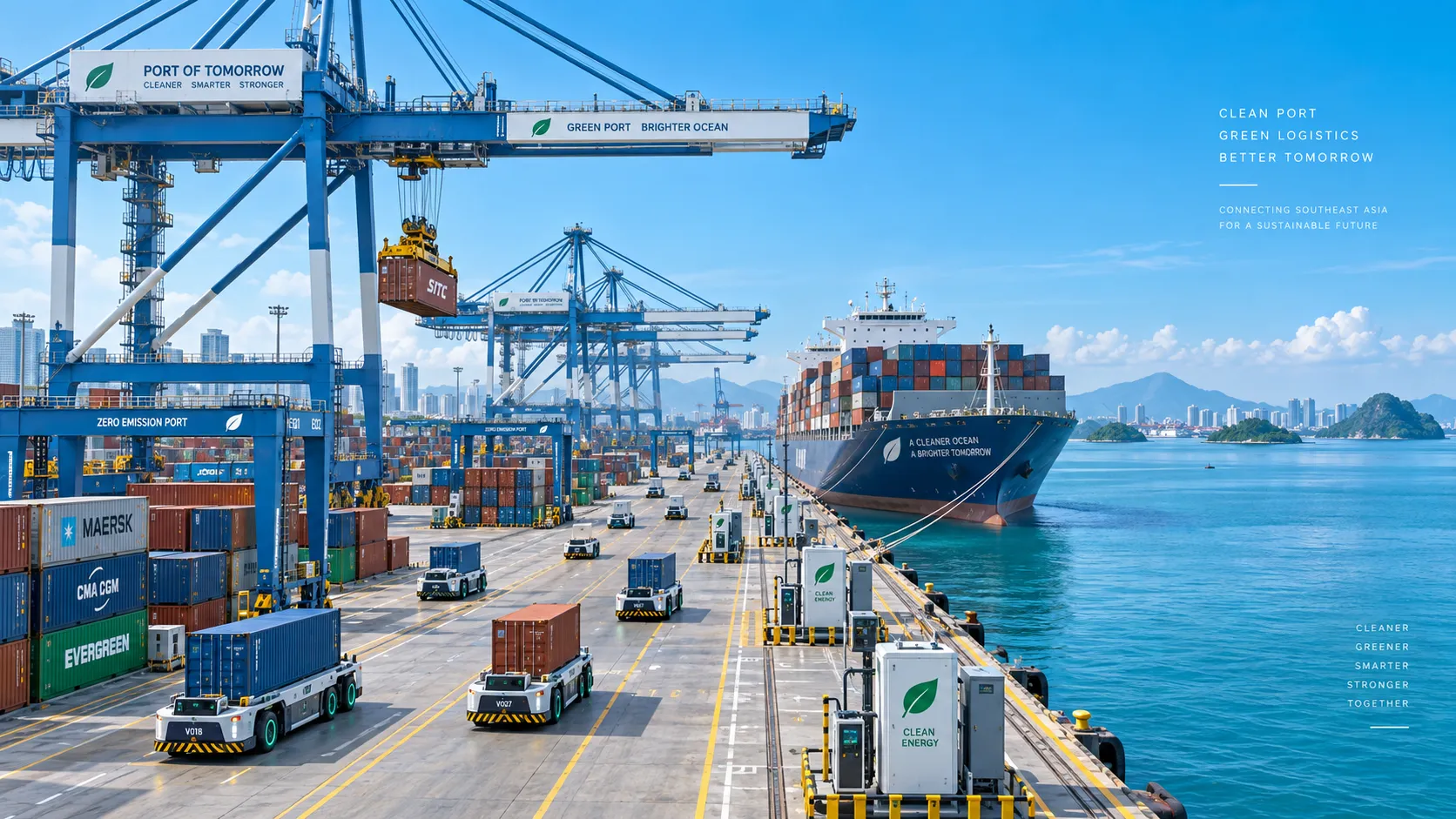
Smart Port Systems in Southeast Asia: Investment Priorities and Adoption Barriers
Smart port systems Southeast Asia: discover investment priorities, adoption barriers, and practical steps to build resilient, connected, high-performing terminals.
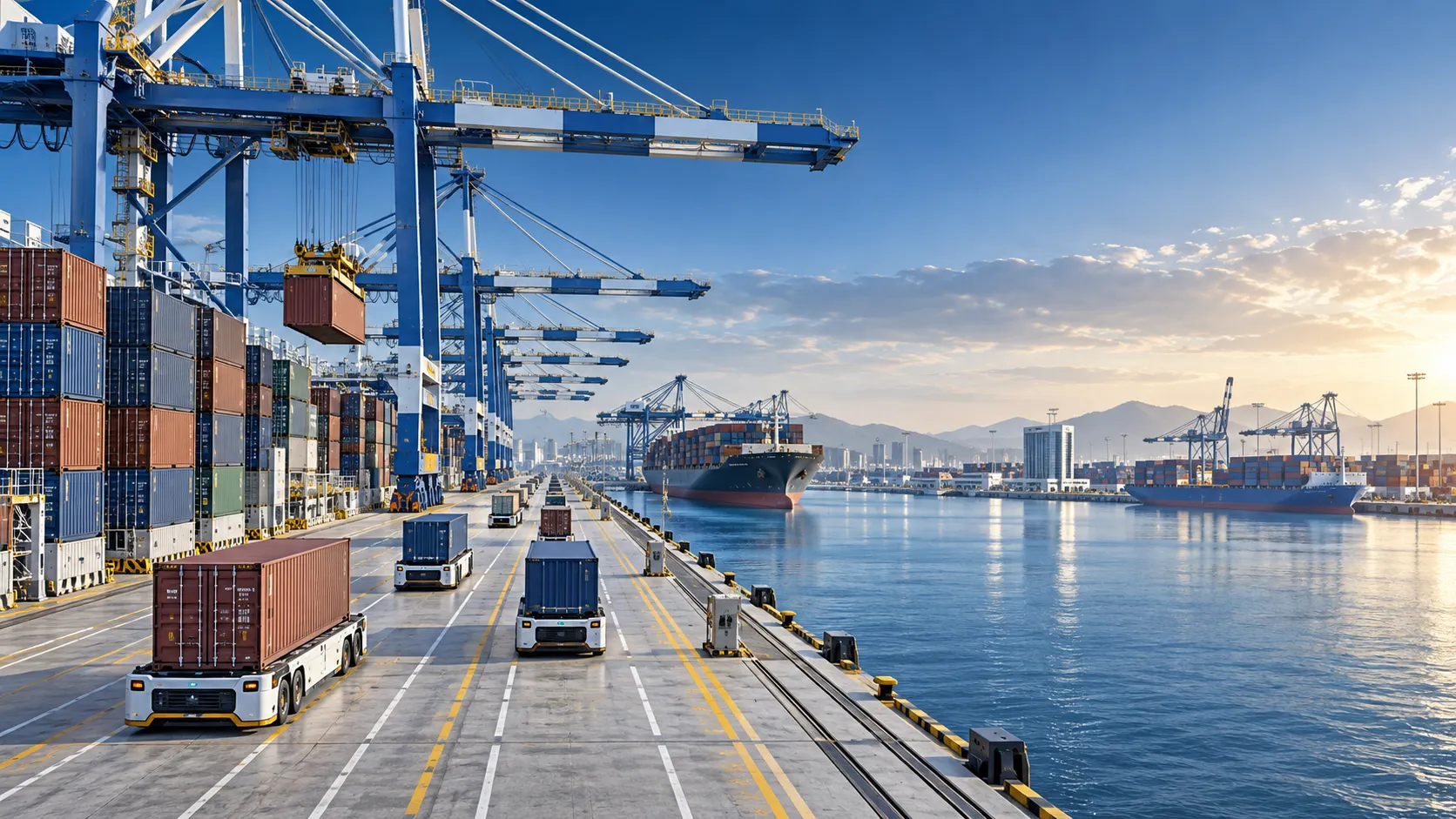
How to Evaluate Terminal Efficiency Solution Suppliers for High-Throughput Operations
Choose a terminal efficiency solutions supplier with confidence. Explore proven criteria for throughput, integration, lifecycle cost, safety, and reliable delivery.
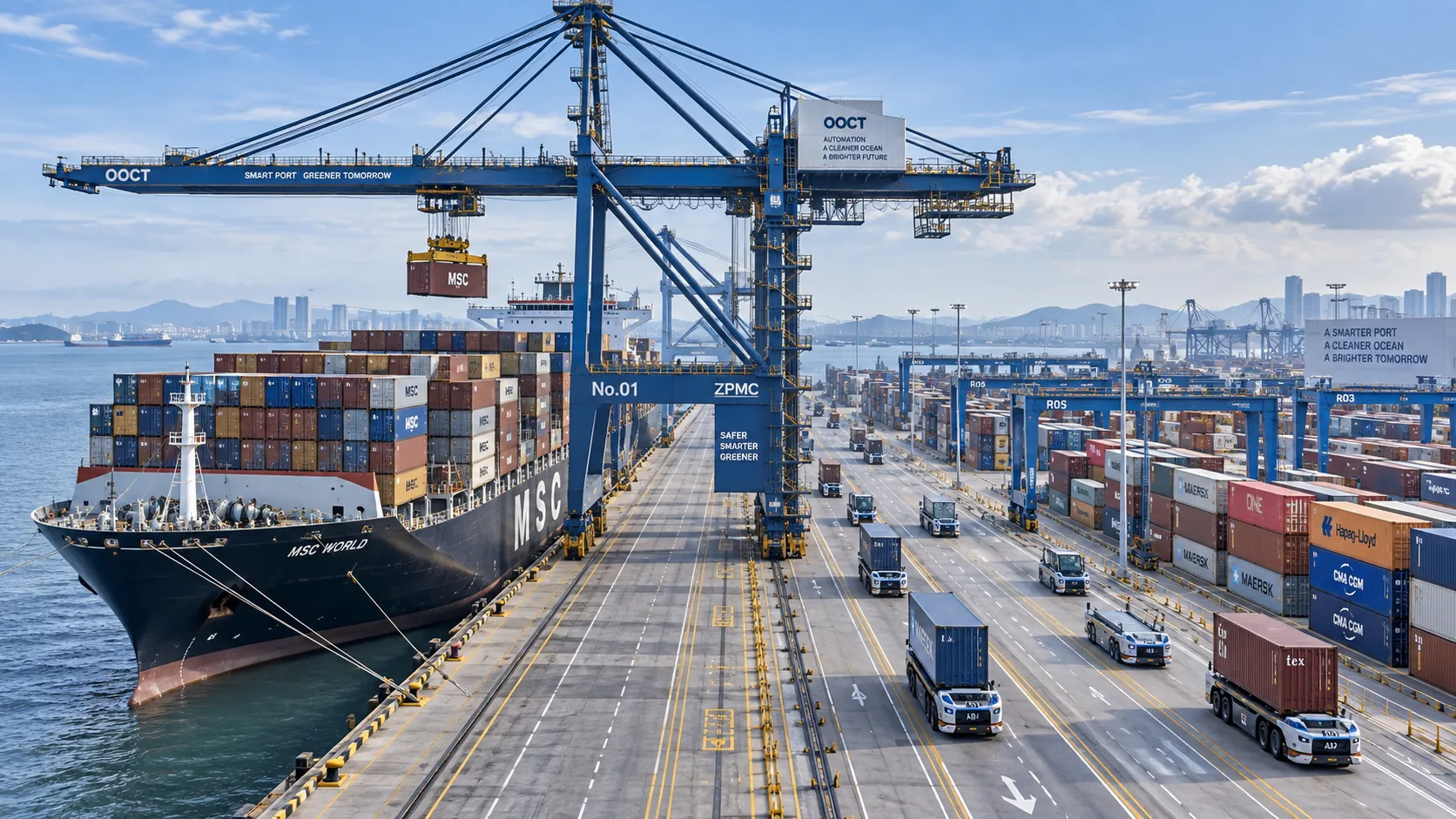
How to Specify a Quay Crane for Container Terminals by Vessel Size and Throughput?
Quay crane for container terminals: learn how to match outreach, lift height, capacity, automation, and cycle performance to vessel size and throughput goals.
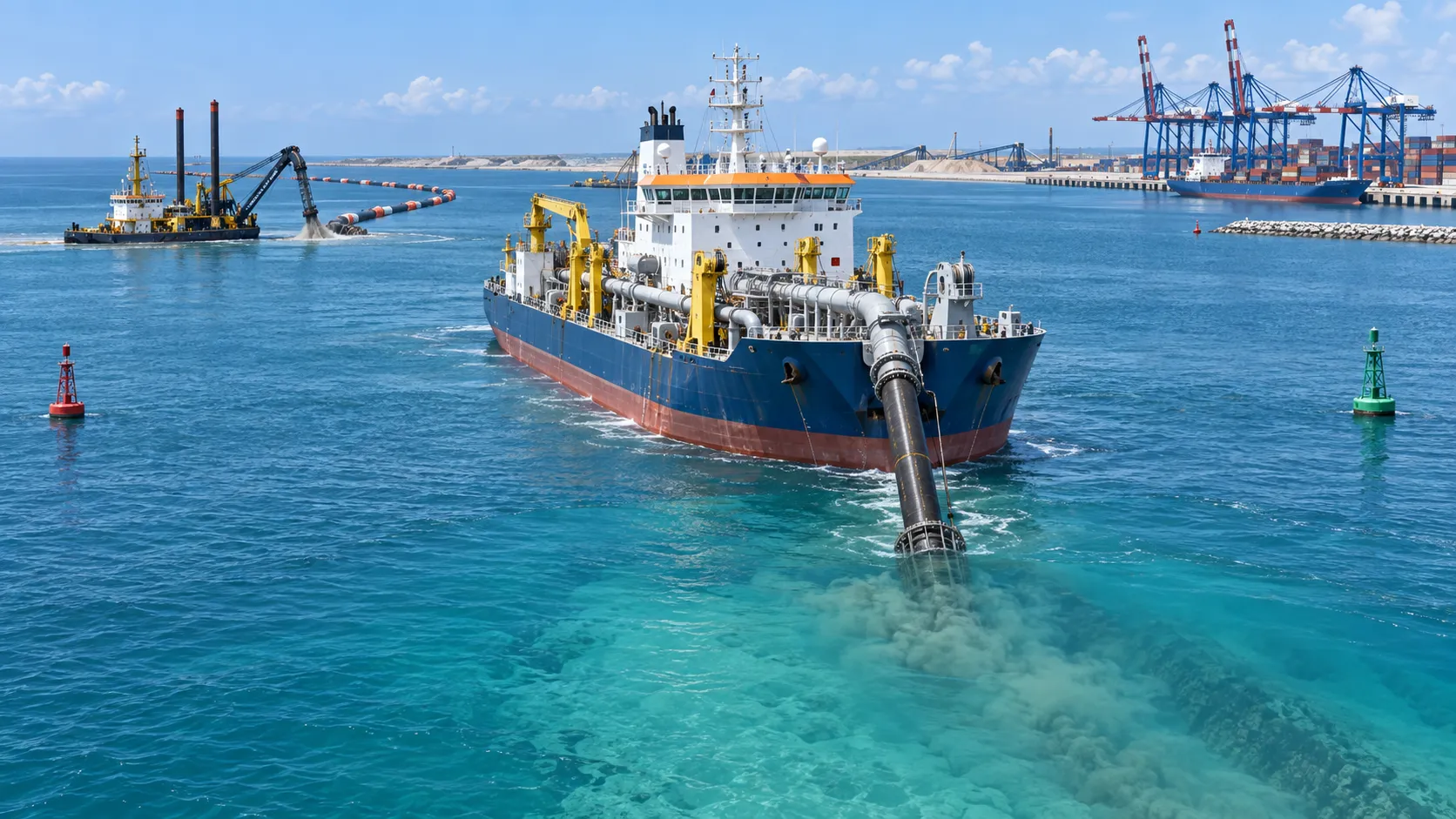
What Dredging Equipment Is Needed for Channel Deepening?
What dredging equipment is needed for channel deepening? Explore dredgers, pipelines, survey tools, and planning strategies for safer, more efficient port access.
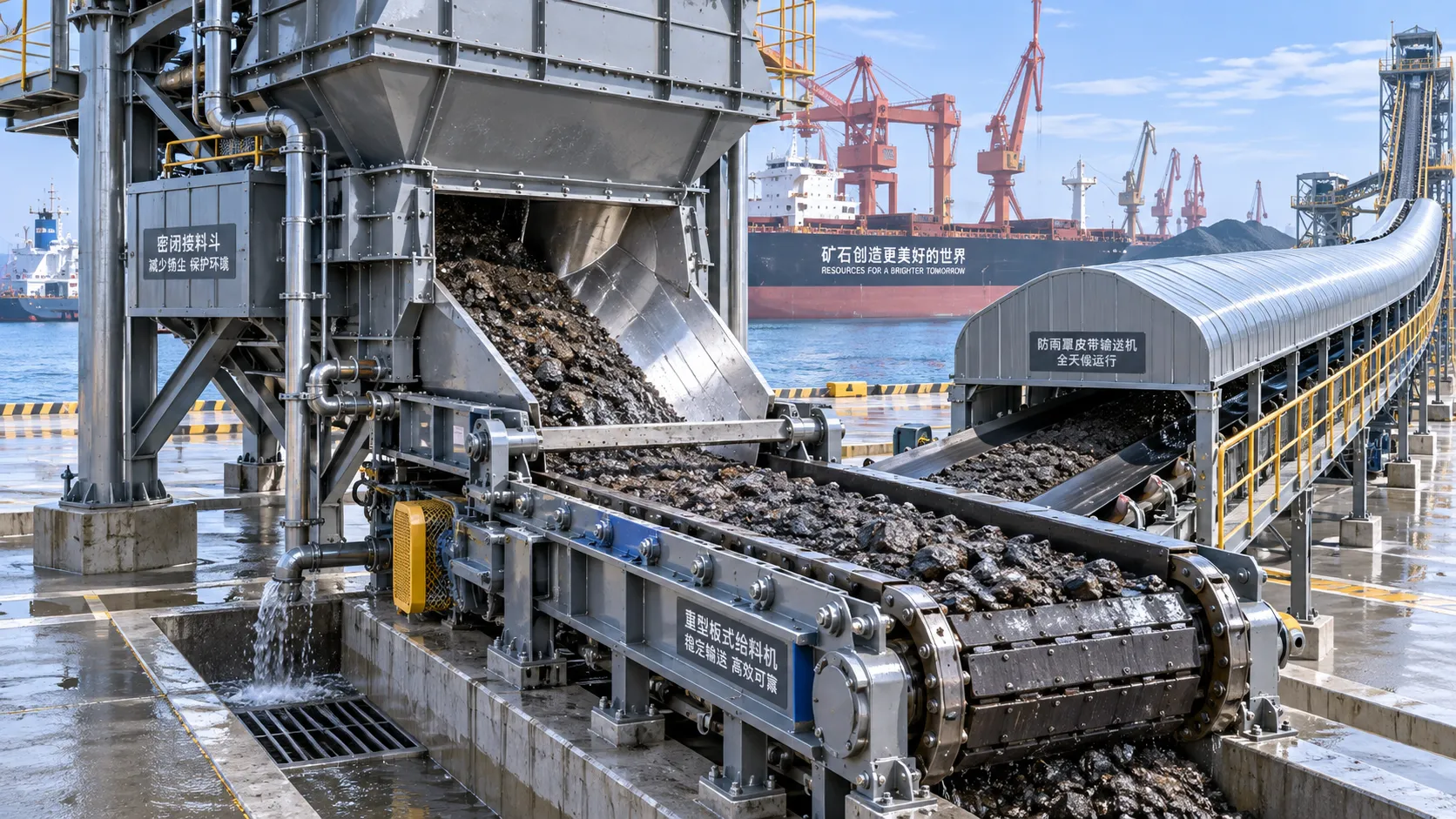
Which Bulk Handling Equipment Suits High-Moisture Cargo?
Which bulk handling equipment suits high-moisture cargo? Compare belt, apron, screw, drag, and slurry systems for reliable flow, less carryback, and higher terminal uptime.
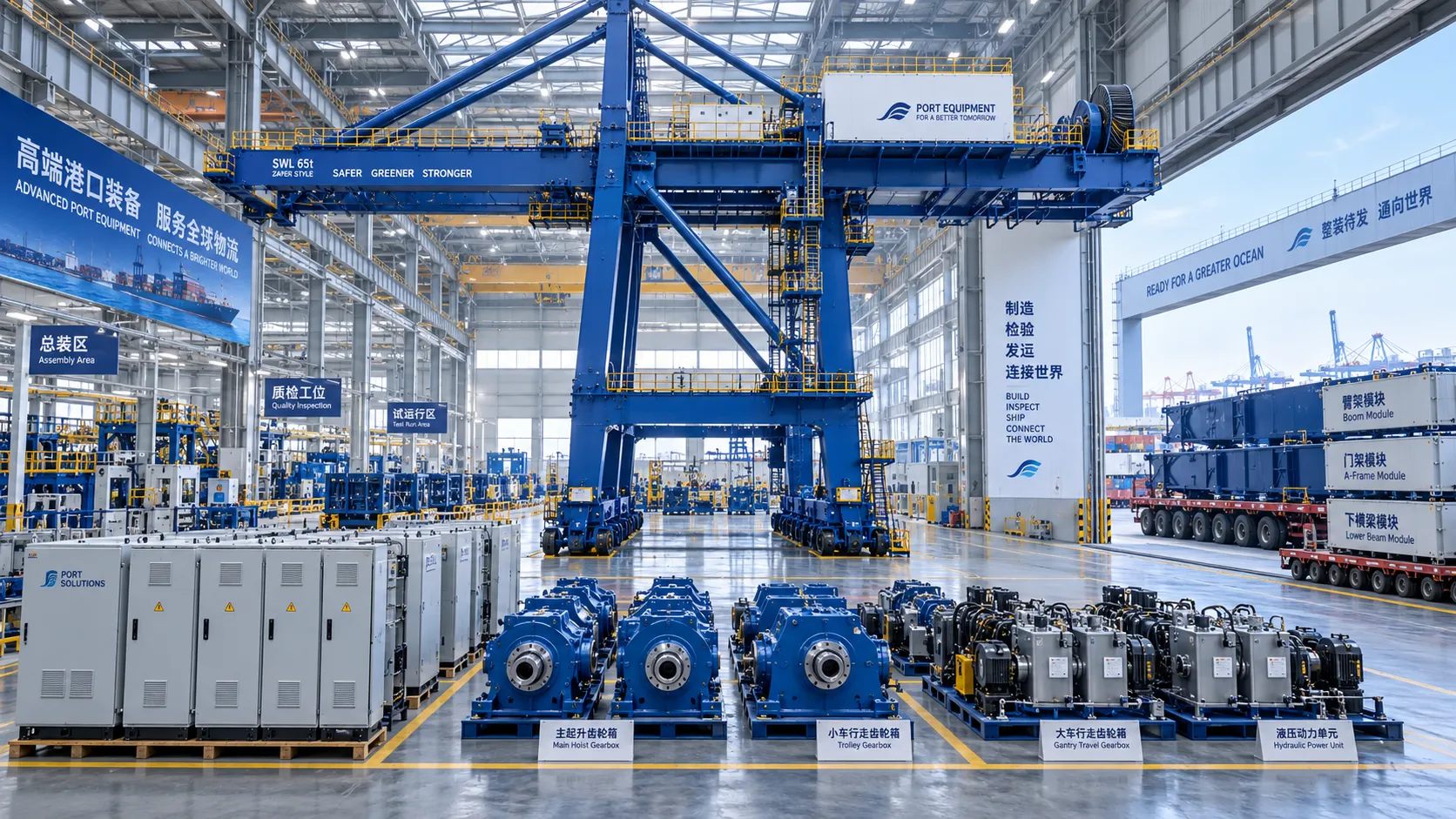
How Can Port Equipment Lead-Time Risk Be Managed?
How can port equipment lead-time risk be managed? Explore practical strategies to control critical paths, suppliers, transport, site readiness, and commissioning delays.
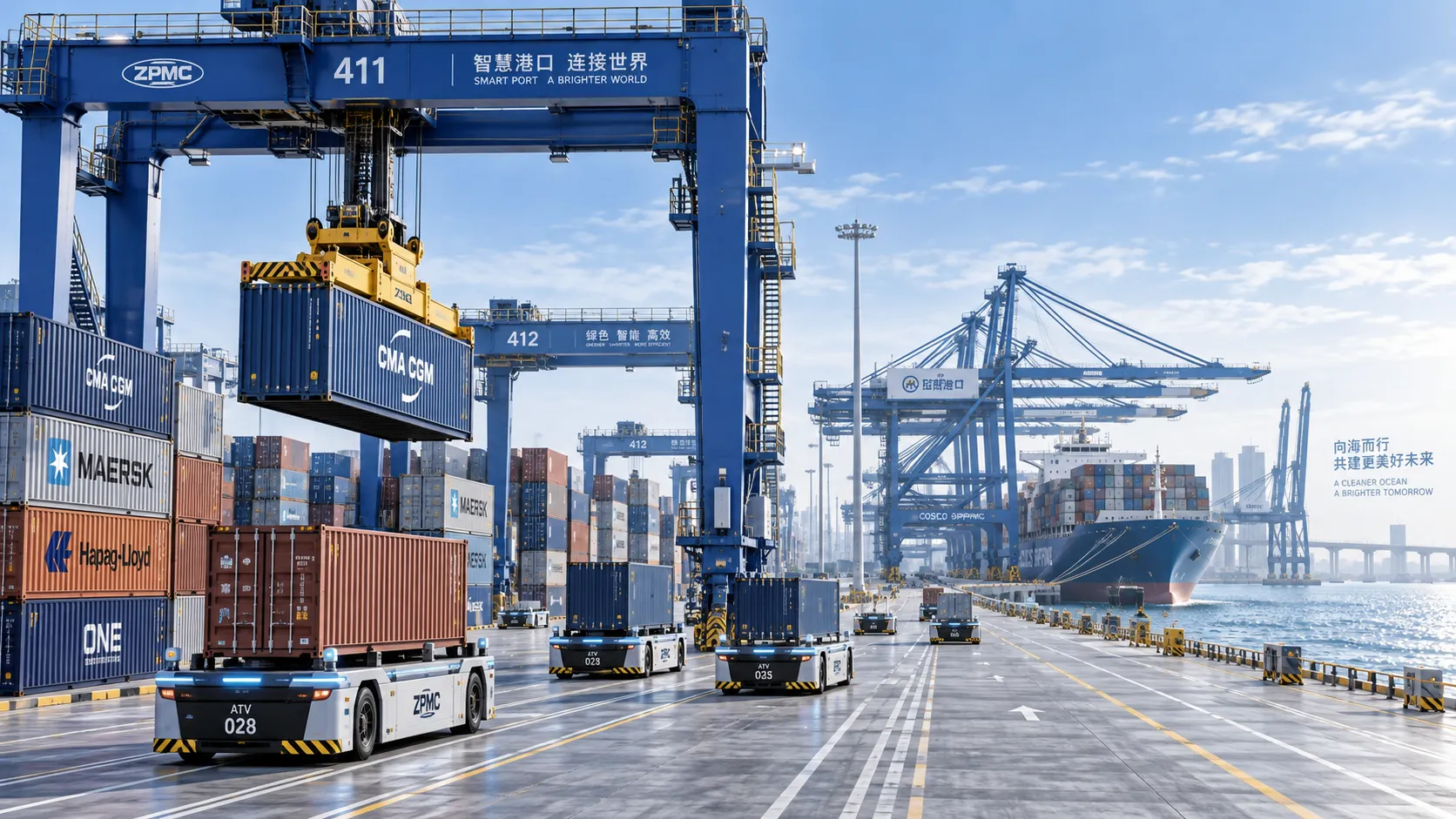
Terminal Automation Technologies That Raise Container Throughput Without Yard Disruption
Terminal automation technology that increases container throughput without disrupting yard flow. Explore smarter integration, resilient workflows, and phased deployment strategies.
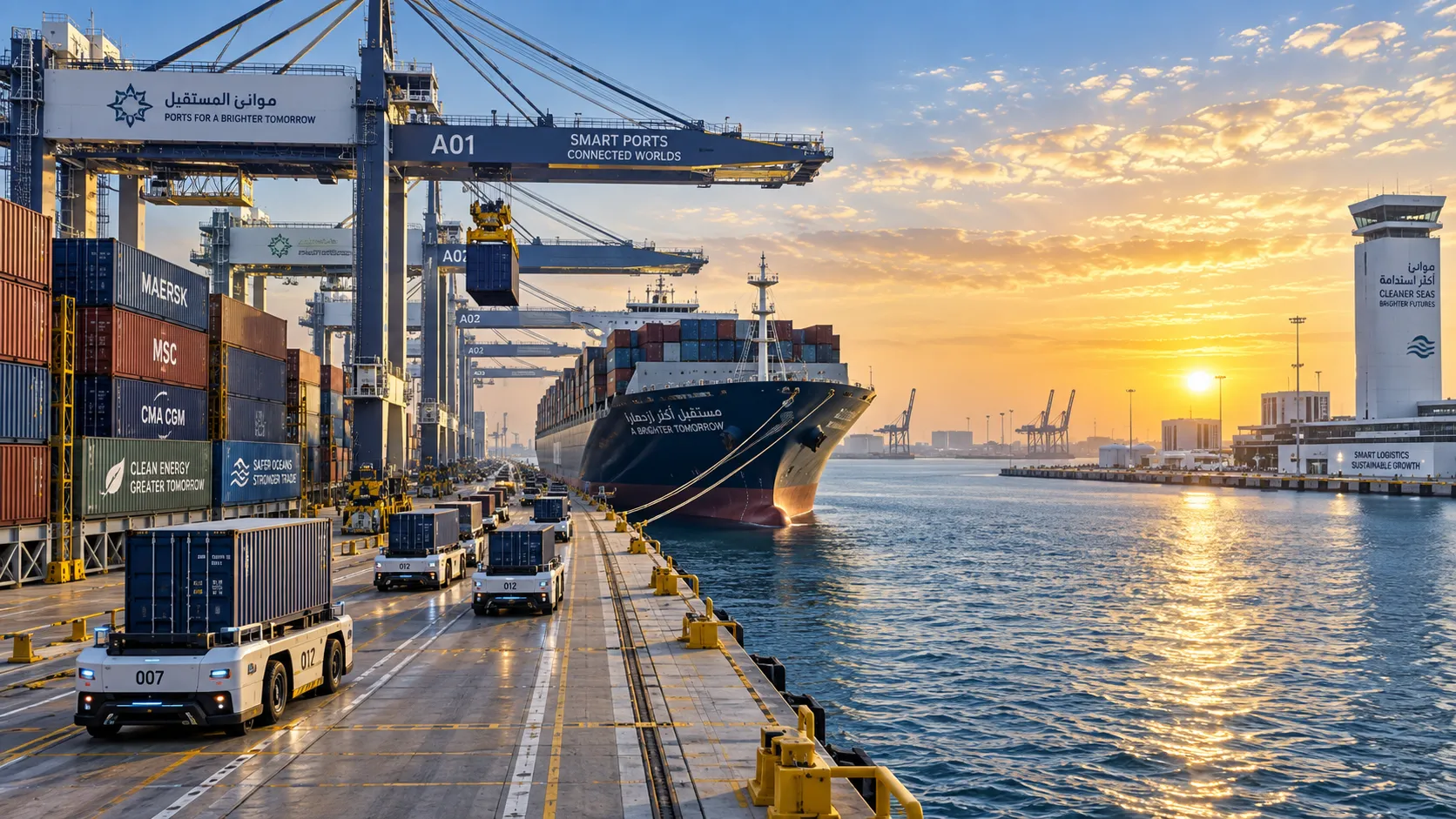
Middle East Port Automation: Key Market Drivers, Projects, and Investment Risks
Port automation systems Middle East: explore market drivers, flagship projects, integration challenges, and investment risks shaping smarter, resilient terminals.
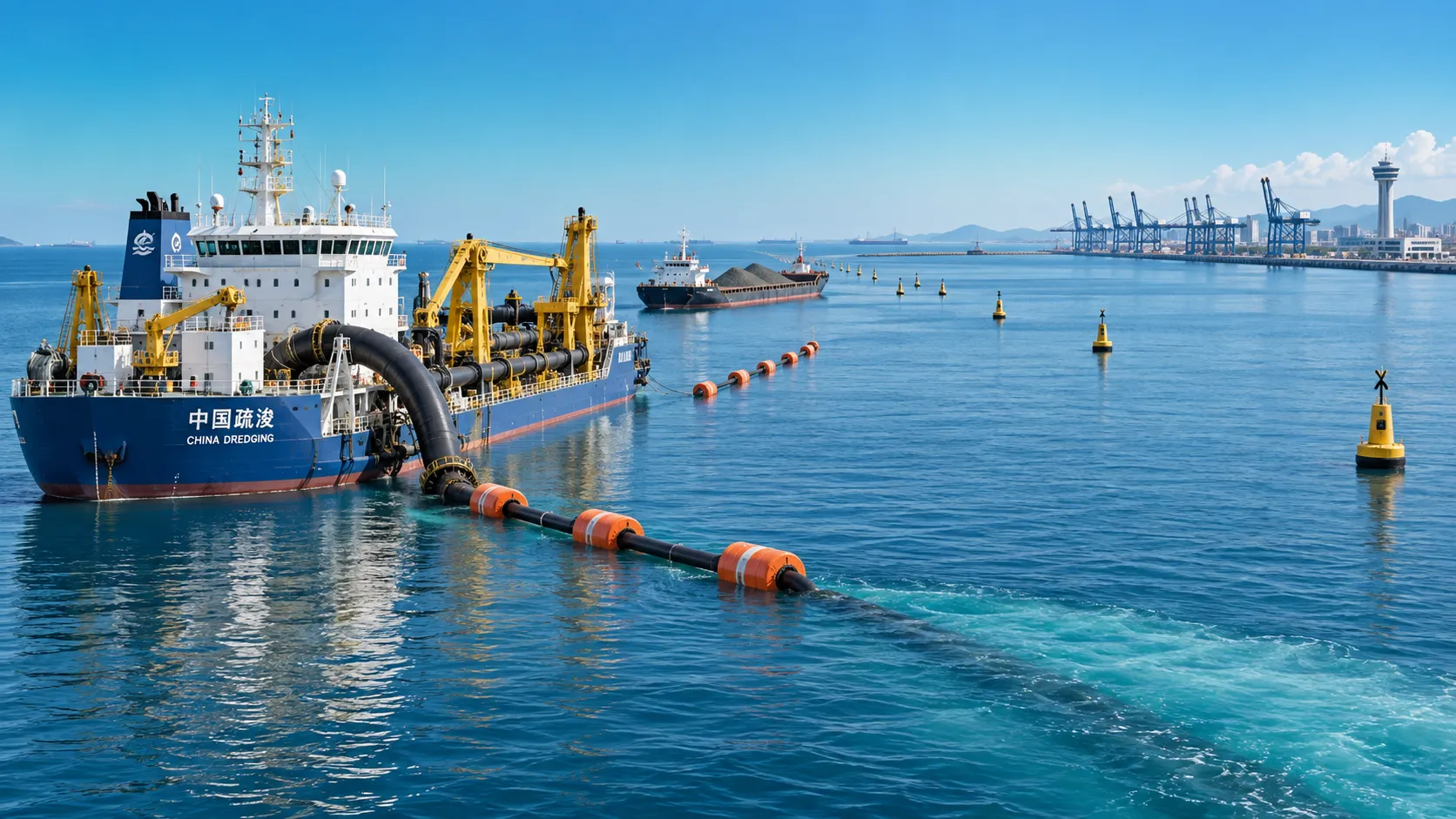
Planning Offshore Dredging Operations: Key Risks, Methods, and Project Controls
Offshore dredging operations demand smart planning. Explore key risks, proven methods, environmental controls, and project strategies for reliable delivery.