Related News
- 00
0000-00
How to Specify a Quay Crane for Container Terminals by Vessel Size and Throughput? - 00
0000-00
Which Bulk Handling Equipment Suits High-Moisture Cargo? - 00
0000-00
Terminal Automation Technologies That Raise Container Throughput Without Yard Disruption - 00
0000-00
Planning Offshore Dredging Operations: Key Risks, Methods, and Project Controls - 00
0000-00
Where Do Automated Guided Vehicles Deliver the Fastest Warehouse Gains in the Middle East?
Terminal Operating Systems Selection Guide: Functions, Integration Points, and Vendor Checklist
Terminal Operating Systems Selection Guide: Functions, Integration Points, and Vendor Checklist
Selecting the right terminal operating systems is a strategic decision for ports facing tighter schedules, higher automation targets, and rising integration complexity.
For technical evaluation teams, the challenge is rarely about features alone.
The real question is whether terminal operating systems can support live operations, connect cleanly with equipment, and remain stable during future expansion.
In modern terminals, software now shapes berth productivity, yard balance, labor efficiency, and equipment response.
That makes terminal operating systems a core infrastructure choice, not a back-office procurement item.
This guide reviews essential functions, key integration points, and a practical vendor checklist for confident selection.
Why terminal operating systems matter more now
From recent market shifts, one signal stands out.
Ports are expected to handle greater volume variability without sacrificing predictability.
At the same time, terminals are adding automated cranes, AGVs, OCR gates, digital twins, and remote-control workflows.
This also means terminal operating systems must coordinate physical assets and data flows in near real time.
A weak platform creates fragmented visibility, manual exceptions, and unstable yard plans.
A strong platform improves vessel turnaround, stack density, truck cycle time, and operational resilience.
For ports following the PS-Nexus view of smart maritime logistics, system fit must be measured against long-cycle infrastructure goals.
Core functions to evaluate first
Not all terminal operating systems deliver the same operational depth.
Start with the functions that affect daily terminal control.
Vessel and berth planning
The platform should support berth windows, quay crane allocation, stowage coordination, and discharge sequencing.
Look for conflict detection, schedule revision handling, and clear visual planning tools.
Yard planning and inventory control
This is where many terminal operating systems prove their real value.
The system should optimize slotting, rehandles, dwell-time risk, and segregation rules for hazardous or refrigerated units.
Strong yard logic supports both dense storage and smooth retrieval under pressure.
Gate, rail, and inland coordination
Truck appointments, gate OCR, customs release status, and rail loading should sit inside one operational picture.
If landside workflows remain separate, congestion often shifts rather than disappears.
Equipment dispatch and exception management
Terminal operating systems should dispatch moves intelligently, not just record them.
Check support for job interleaving, priority overrides, outage handling, and operator alerts.
Analytics and decision support
Reporting is not enough anymore.
Modern terminal operating systems should expose live KPIs, predictive congestion signals, and operational replay for root-cause analysis.
Integration points that shape project risk
In actual terminal projects, integration quality often decides whether deployment succeeds.
Even capable terminal operating systems can underperform when interfaces are shallow, rigid, or poorly documented.
Equipment control systems
Quay cranes, RTGs, RMGs, straddle carriers, AGVs, and ASC fleets all need reliable command and feedback loops.
Ask whether the vendor has proven interfaces for mixed fleets and phased automation environments.
ERP, billing, and finance systems
Operational events eventually drive invoicing, service validation, and customer reporting.
Terminal operating systems should integrate cleanly with billing engines and enterprise master data.
Customs, shipping line, and community platforms
Data exchange with authorities and external partners remains critical.
Support for EDI, API-based messaging, event subscriptions, and audit trails reduces manual coordination risk.
IoT, telemetry, and maintenance platforms
As ports digitalize, data from sensors and machine health systems becomes operationally useful.
This matters for predictive maintenance, power usage analysis, and asset availability planning.
Cybersecurity and identity layers
A connected terminal cannot ignore security architecture.
Review identity management, access segregation, logging, encryption, and incident response design.
Questions that reveal real platform fit
Feature lists can look similar.
A better selection process tests how terminal operating systems behave under realistic operating conditions.
- Can the system handle dual transactions, transshipment peaks, and late vessel changes without manual replanning?
- How does it perform with mixed manual and automated equipment in the same yard block?
- What happens when communications drop between the platform and field controllers?
- How quickly can business rules be changed for new services, tariffs, or cargo types?
- Does the vendor provide a tested migration path from legacy terminal operating systems?
- Can the data model support expansion into rail, depot, barge, or multi-terminal operations?
These questions expose maturity faster than generic demonstrations.
Practical vendor checklist for technical selection
A structured checklist keeps terminal operating systems selection grounded in evidence.
In practice, request evidence for every item.
That includes architecture diagrams, interface samples, test cases, outage scenarios, and reference visits.
Common selection mistakes to avoid
Several recurring mistakes slow down terminal operating systems projects.
- Choosing by brand reputation without validating local operating fit
- Underestimating integration effort with automation and legacy platforms
- Ignoring master data quality before migration
- Scoring demos higher than live reference performance
- Treating change management as separate from system design
More importantly, avoid selecting terminal operating systems for today’s volume only.
Ports evolve through equipment refresh cycles, trade shifts, and deeper automation layers.
The chosen platform should support that journey without forcing major architectural resets.
How to make the final decision
A solid final decision combines technical scoring with operational realism.
- Define the future operating model, not just current pain points.
- Rank must-have functions for berth, yard, gate, and automation layers.
- Test terminal operating systems through scenario-based workshops.
- Validate integration design before commercial negotiation closes.
- Check vendor delivery strength across deployment and support phases.
- Use total lifecycle value, not license price, as the decision anchor.
The best terminal operating systems are the ones that keep operations synchronized while leaving room for smarter expansion.
For terminals navigating automation, energy efficiency, and rising service complexity, this choice directly shapes competitiveness.
Use a function-first, integration-aware, vendor-tested approach, and the selection process becomes far more defensible.
That is the practical path to choosing terminal operating systems that fit real port operations and future maritime growth.
Related News
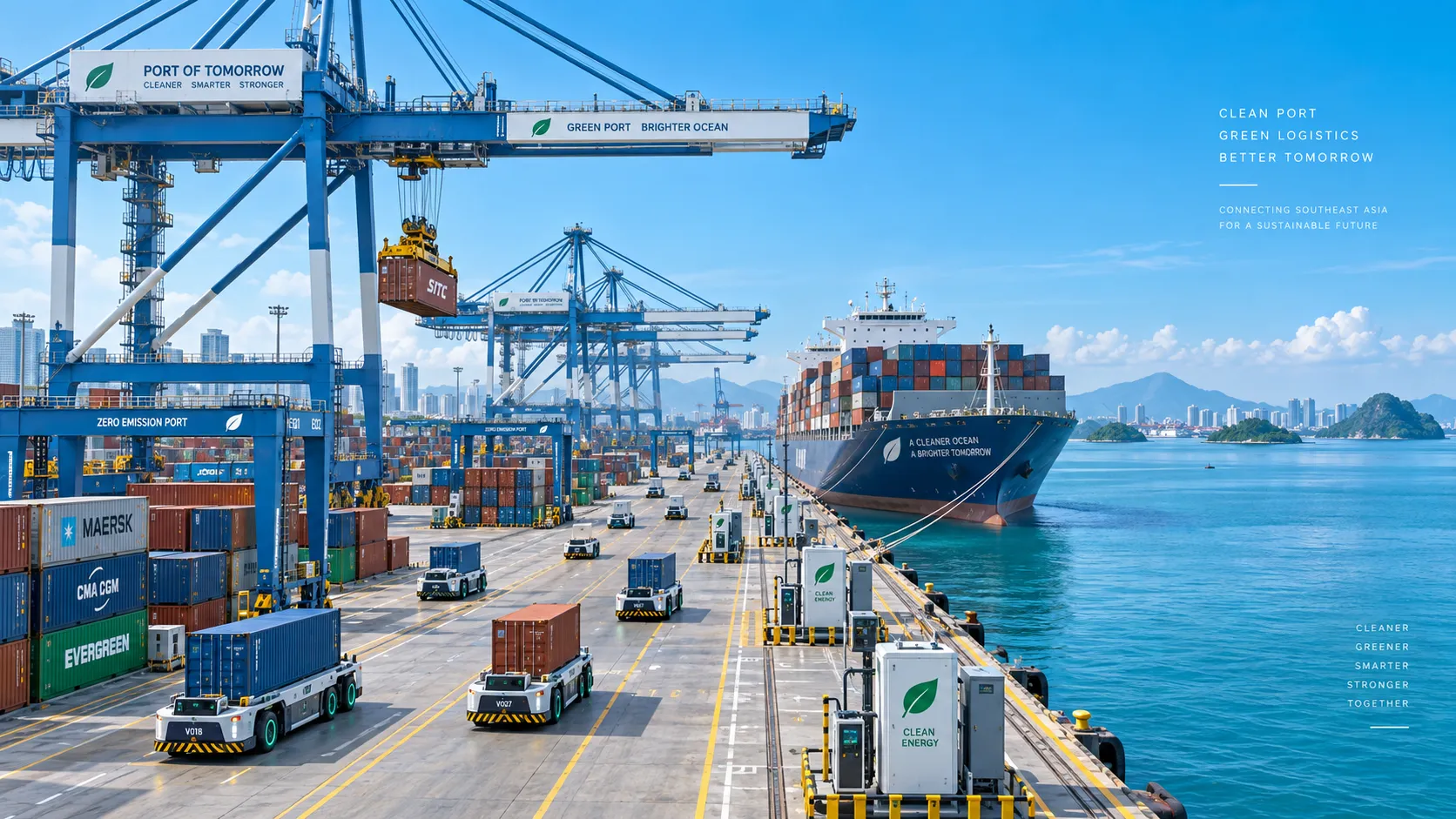
Smart Port Systems in Southeast Asia: Investment Priorities and Adoption Barriers
Smart port systems Southeast Asia: discover investment priorities, adoption barriers, and practical steps to build resilient, connected, high-performing terminals.

How to Evaluate Terminal Efficiency Solution Suppliers for High-Throughput Operations
Choose a terminal efficiency solutions supplier with confidence. Explore proven criteria for throughput, integration, lifecycle cost, safety, and reliable delivery.
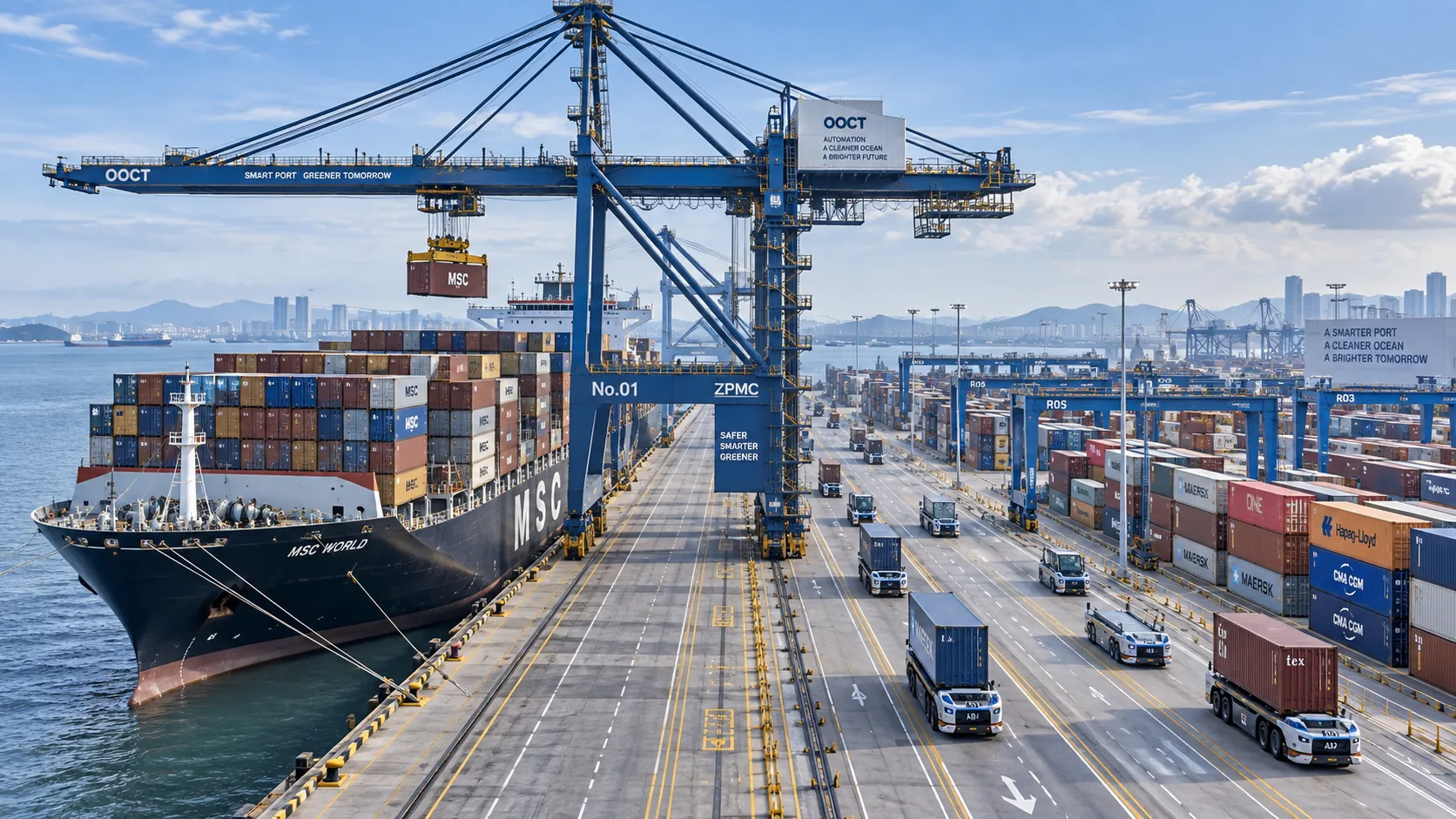
How to Specify a Quay Crane for Container Terminals by Vessel Size and Throughput?
Quay crane for container terminals: learn how to match outreach, lift height, capacity, automation, and cycle performance to vessel size and throughput goals.
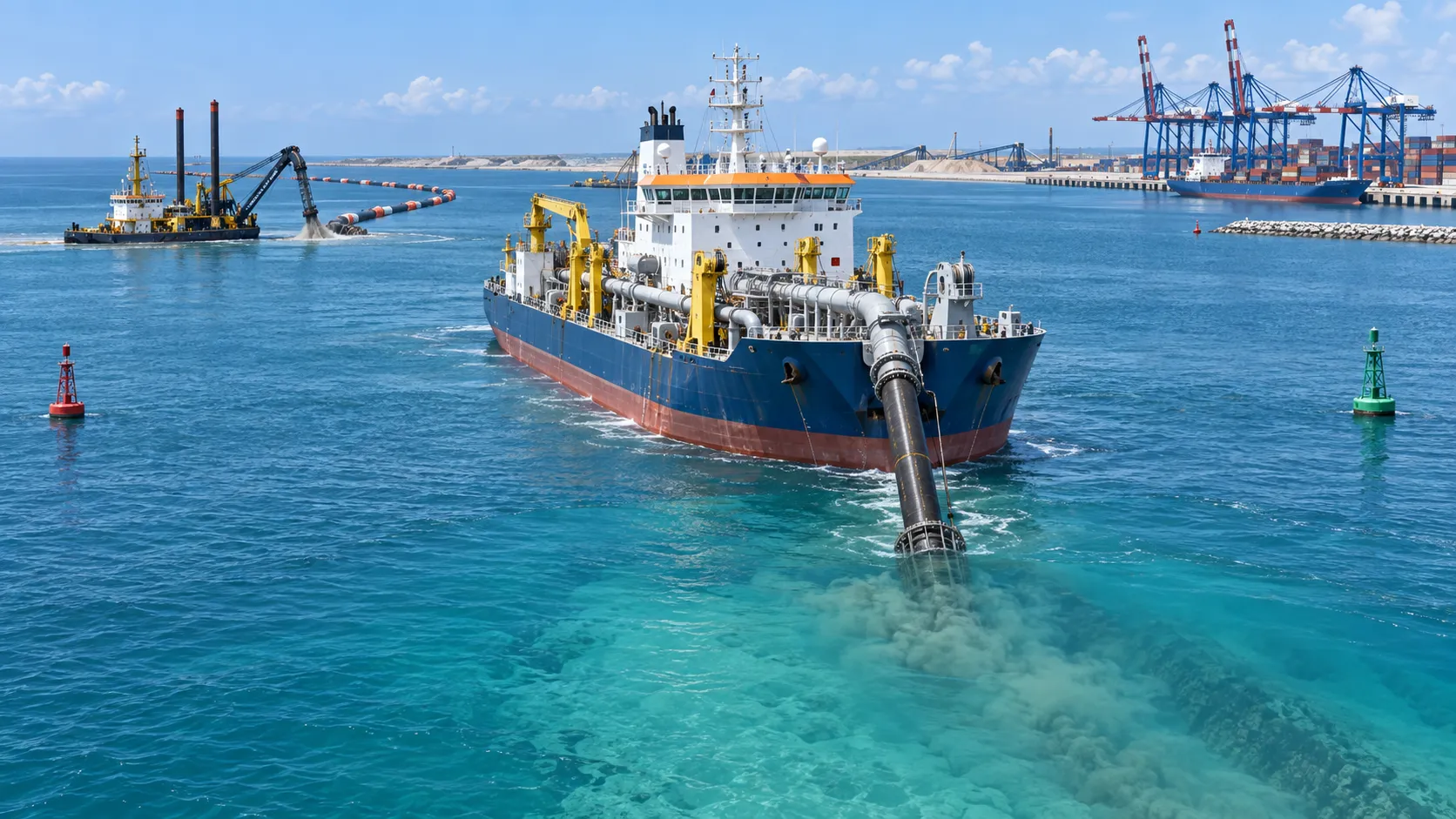
What Dredging Equipment Is Needed for Channel Deepening?
What dredging equipment is needed for channel deepening? Explore dredgers, pipelines, survey tools, and planning strategies for safer, more efficient port access.
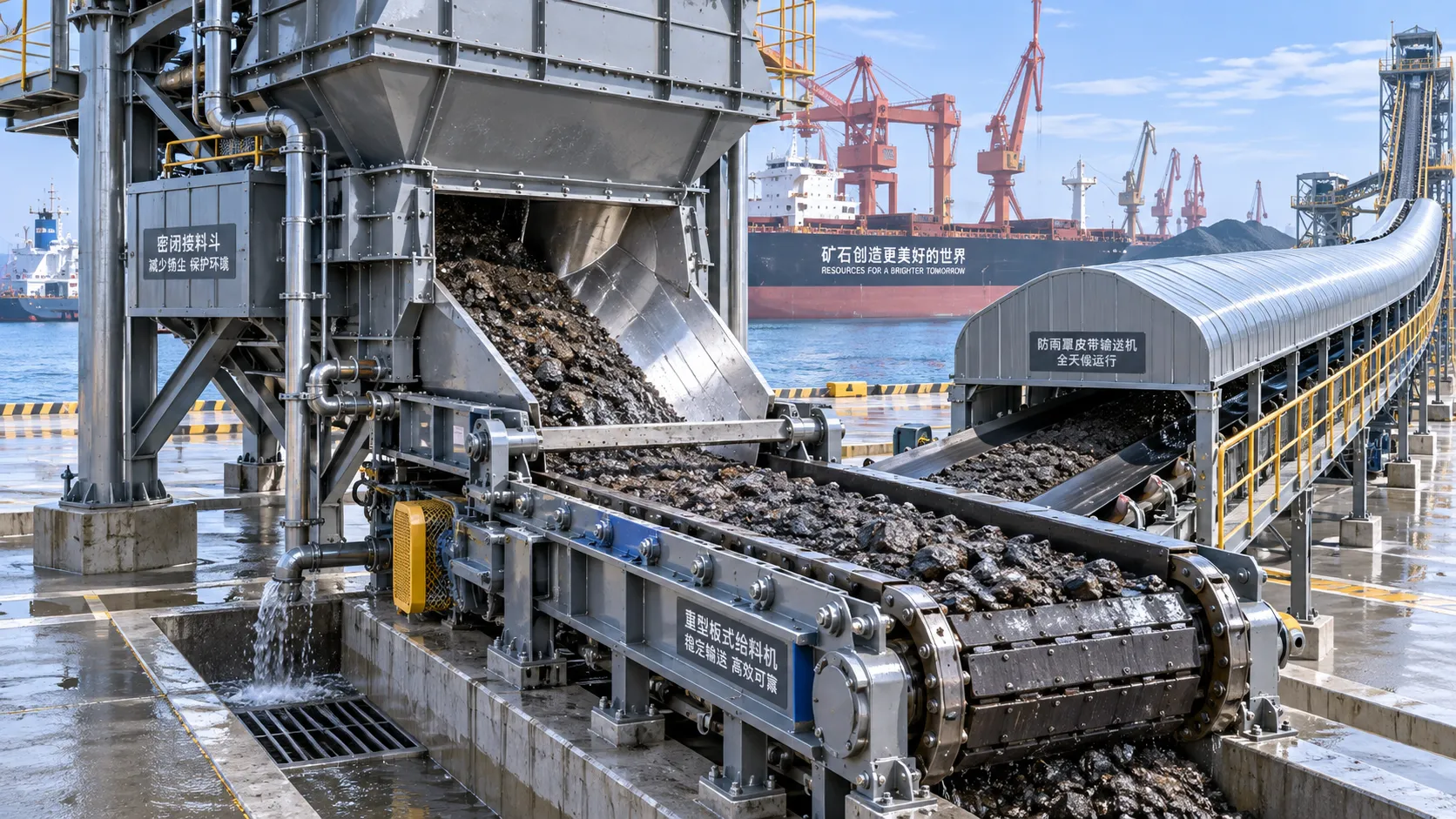
Which Bulk Handling Equipment Suits High-Moisture Cargo?
Which bulk handling equipment suits high-moisture cargo? Compare belt, apron, screw, drag, and slurry systems for reliable flow, less carryback, and higher terminal uptime.
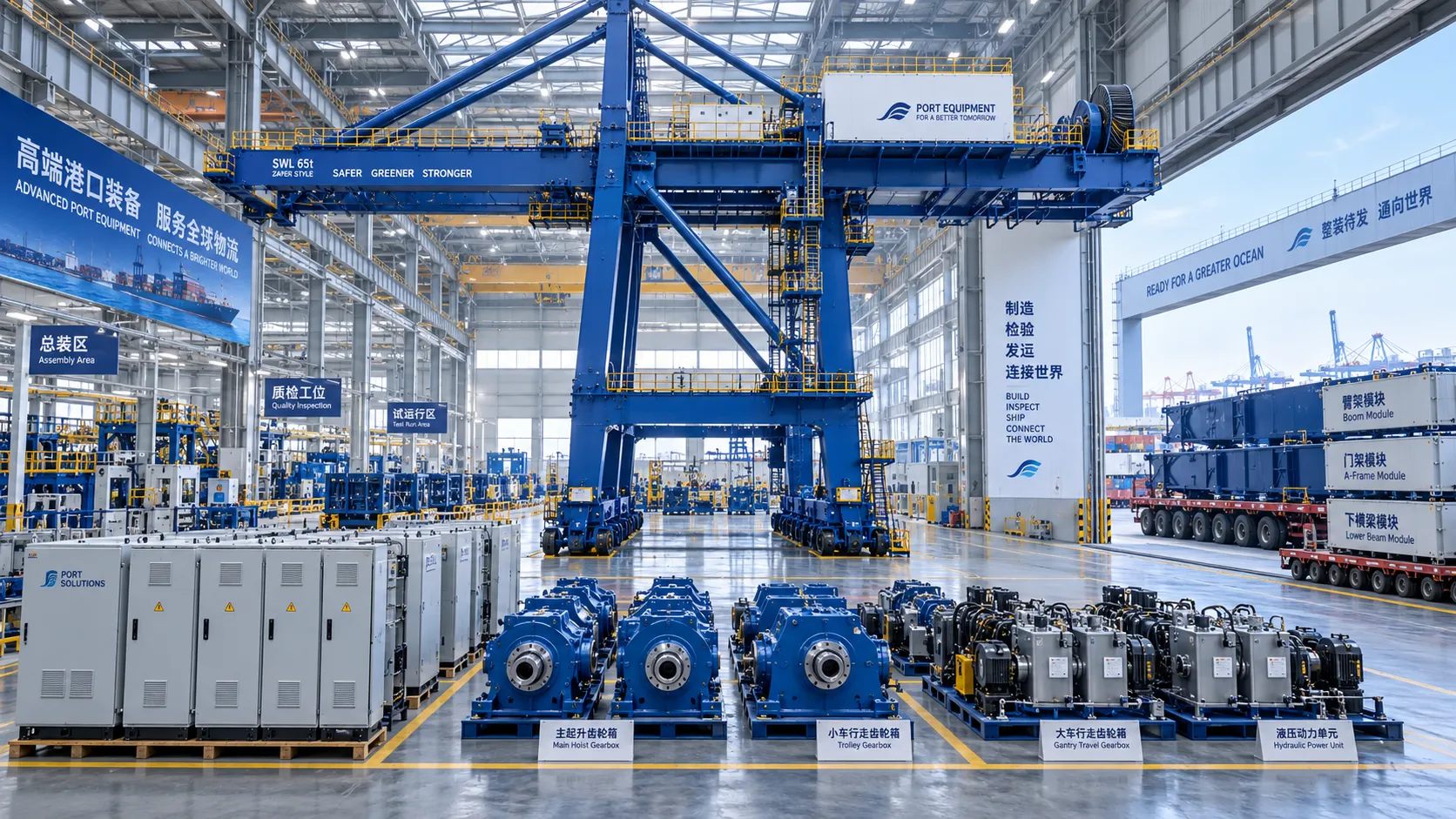
How Can Port Equipment Lead-Time Risk Be Managed?
How can port equipment lead-time risk be managed? Explore practical strategies to control critical paths, suppliers, transport, site readiness, and commissioning delays.
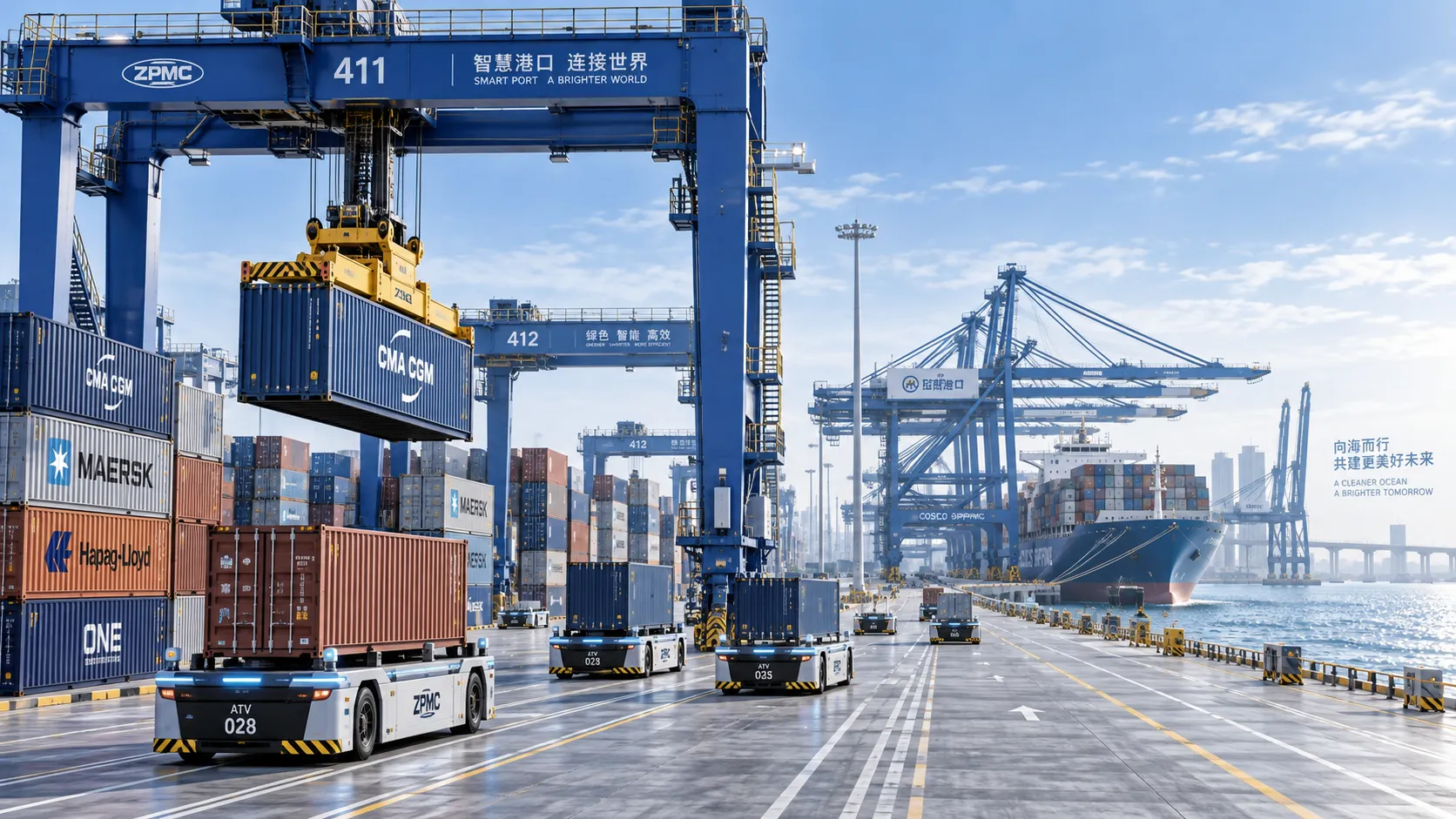
Terminal Automation Technologies That Raise Container Throughput Without Yard Disruption
Terminal automation technology that increases container throughput without disrupting yard flow. Explore smarter integration, resilient workflows, and phased deployment strategies.
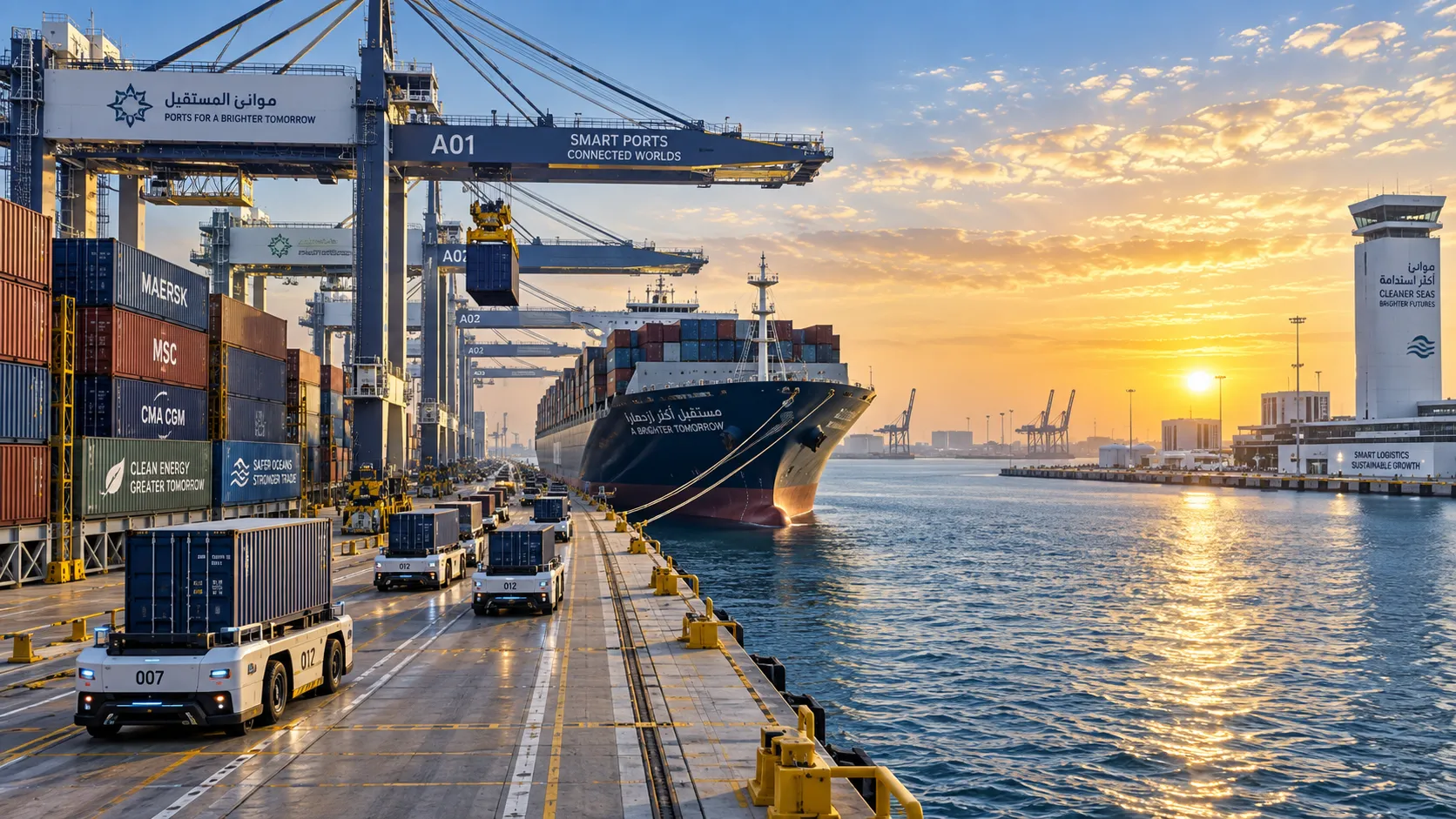
Middle East Port Automation: Key Market Drivers, Projects, and Investment Risks
Port automation systems Middle East: explore market drivers, flagship projects, integration challenges, and investment risks shaping smarter, resilient terminals.
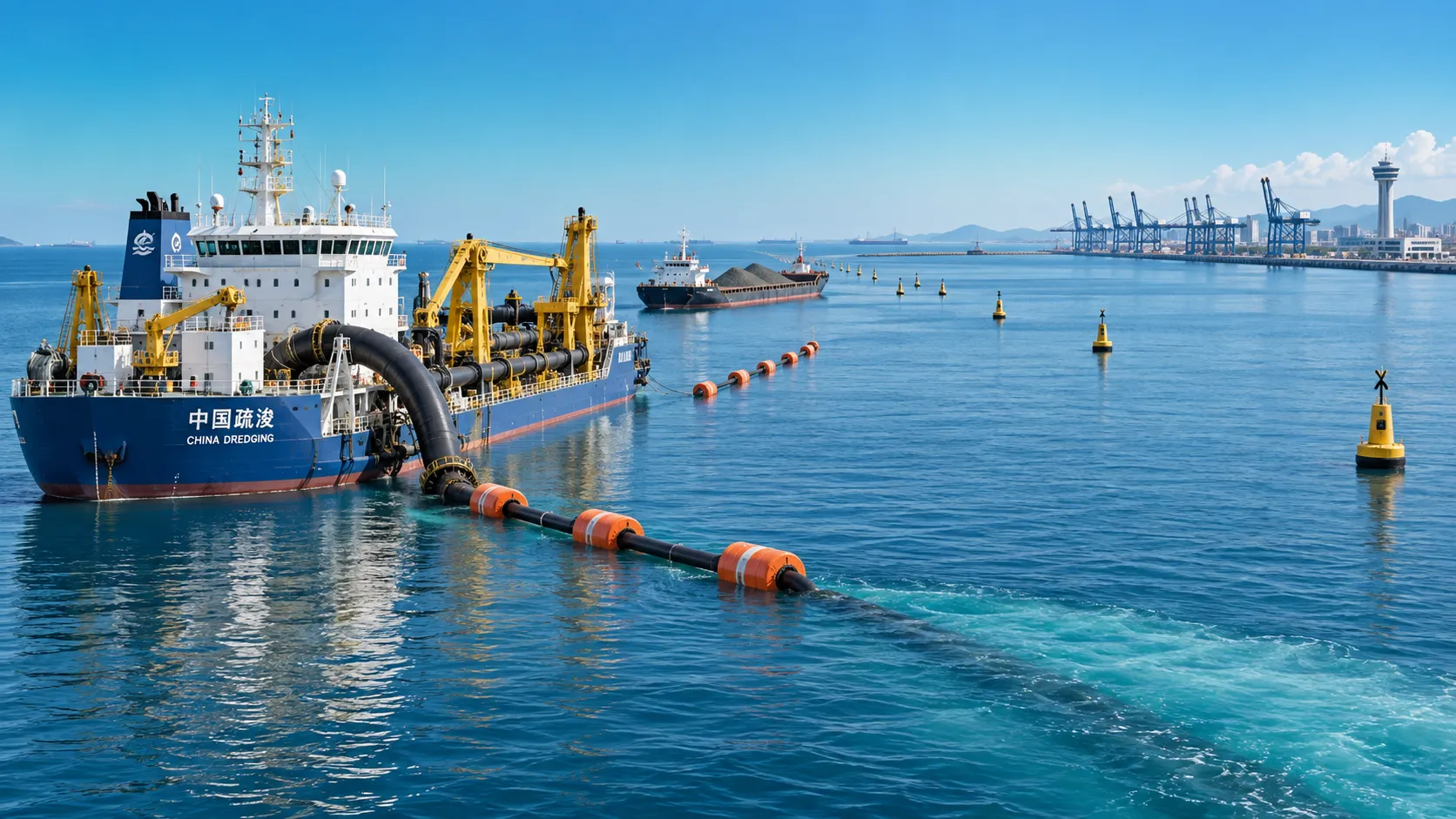
Planning Offshore Dredging Operations: Key Risks, Methods, and Project Controls
Offshore dredging operations demand smart planning. Explore key risks, proven methods, environmental controls, and project strategies for reliable delivery.