Related News
- 00
0000-00
Smart Port Systems Pricing: How to Compare Lifecycle Costs and ROI by Terminal Scale - 00
0000-00
What Drives Bulk Material Handling Pricing in Large Conveyor System Projects? - 00
0000-00
How Shipping Rate Analytics in Europe Help Importers Predict Costs and Route Risk - 00
0000-00
What Buyers Check When Reviewing Used PVC Coating Line Output and Condition - 00
0000-00
Automated Port Systems Cost Breakdown: CAPEX, Integration, and Maintenance Factors
Port Infrastructure Development Costs: What Buyers Should Review Before Budget Approval
Port Infrastructure Development Costs: What Buyers Should Review Before Budget Approval
Before budget approval, headline CAPEX is never enough.
Port infrastructure development usually hides cost exposure in design, dredging, utilities, equipment interfaces, and compliance.
That is why strong review discipline matters early.
A project can look affordable at approval stage, then become difficult once marine works, automation scope, or throughput assumptions change.
In practical terms, buyers should test whether spending supports long-term cargo growth, operational resilience, and asset compatibility.
This review is especially important when projects involve heavy terminal gear, automated container handling, and dredging engineering.
The smarter question is not only “How much does port infrastructure development cost?” but also “What exactly are we buying, maintaining, and carrying as risk?”
Start With the True Cost Structure
A solid approval process separates visible costs from embedded costs.
For port infrastructure development, visible costs usually include civil works, berth construction, yard paving, cranes, and utility connections.
Embedded costs are easier to miss.
These often include channel deepening, soil stabilization, corrosion protection, software integration, training, contingency buffers, and phased commissioning support.
If these items sit outside the initial model, the budget may appear stronger than reality.
At minimum, cost review should cover:
- Marine construction and quay wall engineering
- Dredging volume, disposal, and repeat dredging exposure
- Terminal equipment procurement and installation
- Power supply, substations, and backup systems
- IT, automation, sensors, and control software
- Permits, environmental mitigation, and legal compliance
- Training, testing, spare parts, and early operations support
This wider view creates a more realistic base for budget approval and reduces late-stage funding pressure.
Review Dredging and Marine Works Before Anything Else
Many port projects underestimate dredging.
Yet dredging can change the economics of port infrastructure development more than any visible yard asset.
Depth targets, sediment type, tidal conditions, and disposal restrictions all affect cost.
In some ports, capital dredging is only the opening bill.
Maintenance dredging can become a recurring operating burden for years.
Before approving budgets, check these questions:
- Is the dredging estimate based on current hydrographic data?
- Does the budget include contaminated sediment handling?
- Are disposal sites secured and legally approved?
- Has seasonal weather disruption been priced in?
- Is future maintenance dredging included in lifecycle analysis?
This is where engineering intelligence matters.
A low first quote can quickly lose value if fairway depth cannot be sustained at the planned vessel class.
Check Whether Equipment Fits the Terminal Model
Port infrastructure development is not just a construction project.
It is also a system design exercise.
Cranes, bulk handling machinery, AGVs, RTGs, gate systems, and control platforms must work as one operating environment.
That means equipment cost should never be reviewed in isolation.
A cheaper machine can become more expensive if it forces retrofits, slower cycle times, or interface failures.
Focus on compatibility across five layers:
- Mechanical fit with berth design, rail gauge, yard geometry, and pavement loading
- Electrical fit with voltage, charging systems, and substation capacity
- Digital fit with TOS, PLC logic, remote control, and cybersecurity protocols
- Operational fit with cargo mix, vessel size, and peak-hour handling targets
- Service fit with local maintenance capability and spare parts availability
This is a common blind spot in port infrastructure development reviews.
Budget approval should depend on total system performance, not isolated unit pricing.
Model Automation Costs Beyond the Pilot Phase
Automation often enters the budget as a productivity story.
That is true, but only partly.
In port infrastructure development, automation also changes network architecture, staffing models, training needs, redundancy planning, and maintenance practices.
From recent market shifts, this is becoming a bigger budget issue.
Remote-controlled cranes, path-planning software, and low-latency communication systems require more than license fees.
The review should include:
- Integration cost between automation vendors and legacy systems
- Cybersecurity hardening and data resilience spending
- Simulation, testing, and commissioning time
- Operator retraining and control room redesign
- Software updates, support contracts, and future scaling
A pilot may perform well in a narrow zone.
The real approval question is whether the automation model stays economical at full terminal scale.
Stress-Test Throughput Assumptions and Revenue Logic
Cost review should always connect to demand realism.
Some port infrastructure development projects look viable because projected throughput is too optimistic.
That creates approval risk, especially when trade routes, vessel patterns, or commodity flows are changing.
A stronger model uses multiple cargo scenarios instead of one best-case volume forecast.
Review at least three cases:
- Base case with normal market growth
- Downside case with delayed shipping demand or route shifts
- Upside case with stronger transshipment or gateway expansion
Then connect each case to berth productivity, yard dwell time, truck turn time, and equipment utilization.
This makes the budget discussion more grounded.
In real buying decisions, the best port infrastructure development plans are the ones that remain defensible under weaker trade conditions.
Account for Regulation, Sustainability, and Delay Risk
Regulatory friction can reshape total project cost.
This is especially true in port infrastructure development involving shoreline change, dredging disposal, emissions targets, and habitat impact.
More projects now also face pressure to support net-zero pathways.
That can affect equipment selection, shore power planning, fuel strategy, and reporting obligations.
Budget approval should test whether the estimate covers:
- Environmental studies and permit timing
- Noise, emissions, and water-quality mitigation
- Carbon-reduction upgrades and electrification needs
- Claims exposure from contractor delay or redesign
- Insurance, dispute management, and contingency reserves
If these items are lightly treated, the initial price may not represent the real investment commitment.
Use a Practical Approval Checklist
A useful budget review process should be simple enough to apply, but strict enough to expose weak assumptions.
Before signing off on port infrastructure development, confirm these points:
- The scope includes marine works, utilities, automation, and commissioning.
- Dredging assumptions use verified survey and sediment data.
- Equipment choices match terminal layout and operating strategy.
- Lifecycle OPEX is modeled alongside upfront CAPEX.
- Throughput forecasts include downside scenarios.
- Permit, compliance, and sustainability costs are priced realistically.
- Contingency levels reflect design maturity and contractor risk.
- Return logic is tied to measurable operational gains.
This kind of checklist improves discipline without slowing decisions.
It also helps compare competing proposals on operational value, not just headline price.
Final Takeaway
Smart budget approval for port infrastructure development starts with sharper questions.
Buyers should review dredging exposure, equipment compatibility, automation scale-up, regulatory risk, and throughput realism before releasing funds.
That approach protects capital and improves long-term terminal performance.
It also aligns spending with the real demands of maritime logistics and coastal trade growth.
When port infrastructure development is reviewed as a full operating system, not a simple build cost, approval decisions become far more reliable.
Related News
Smart Port Systems in Southeast Asia: Investment Priorities and Adoption Barriers
Smart port systems Southeast Asia: discover investment priorities, adoption barriers, and practical steps to build resilient, connected, high-performing terminals.
How to Evaluate Terminal Efficiency Solution Suppliers for High-Throughput Operations
Choose a terminal efficiency solutions supplier with confidence. Explore proven criteria for throughput, integration, lifecycle cost, safety, and reliable delivery.
How to Specify a Quay Crane for Container Terminals by Vessel Size and Throughput?
Quay crane for container terminals: learn how to match outreach, lift height, capacity, automation, and cycle performance to vessel size and throughput goals.
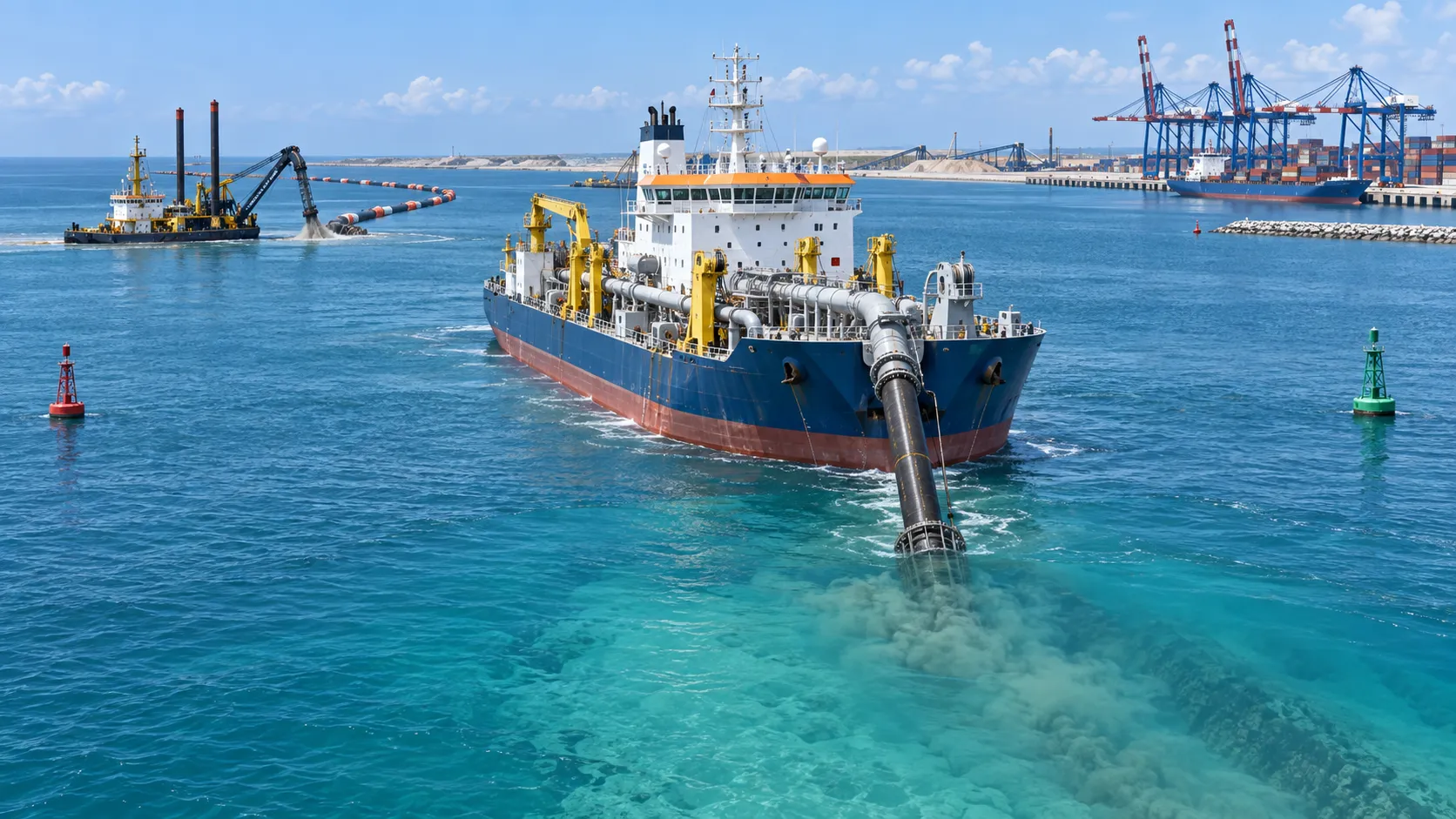
What Dredging Equipment Is Needed for Channel Deepening?
What dredging equipment is needed for channel deepening? Explore dredgers, pipelines, survey tools, and planning strategies for safer, more efficient port access.
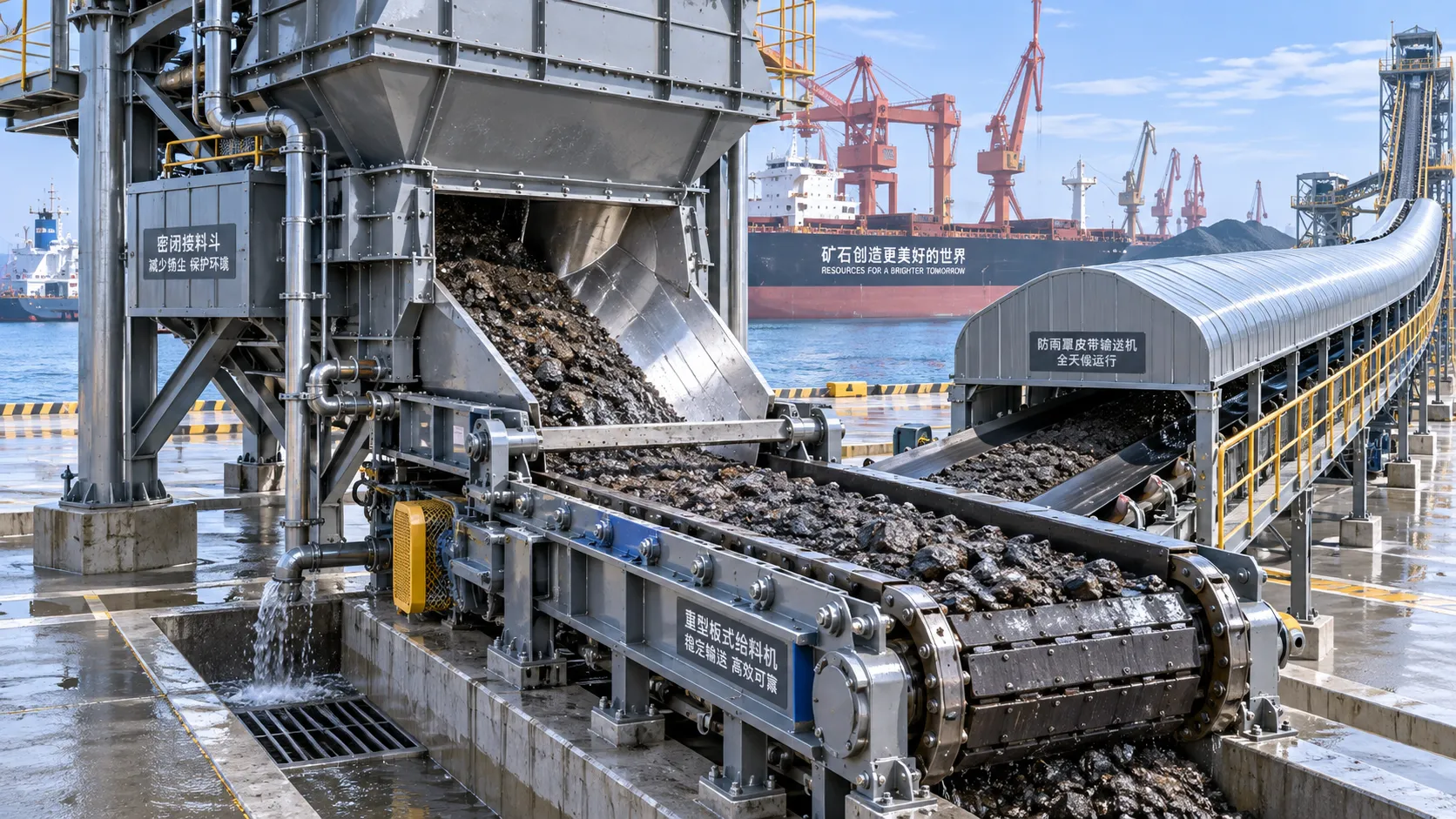
Which Bulk Handling Equipment Suits High-Moisture Cargo?
Which bulk handling equipment suits high-moisture cargo? Compare belt, apron, screw, drag, and slurry systems for reliable flow, less carryback, and higher terminal uptime.
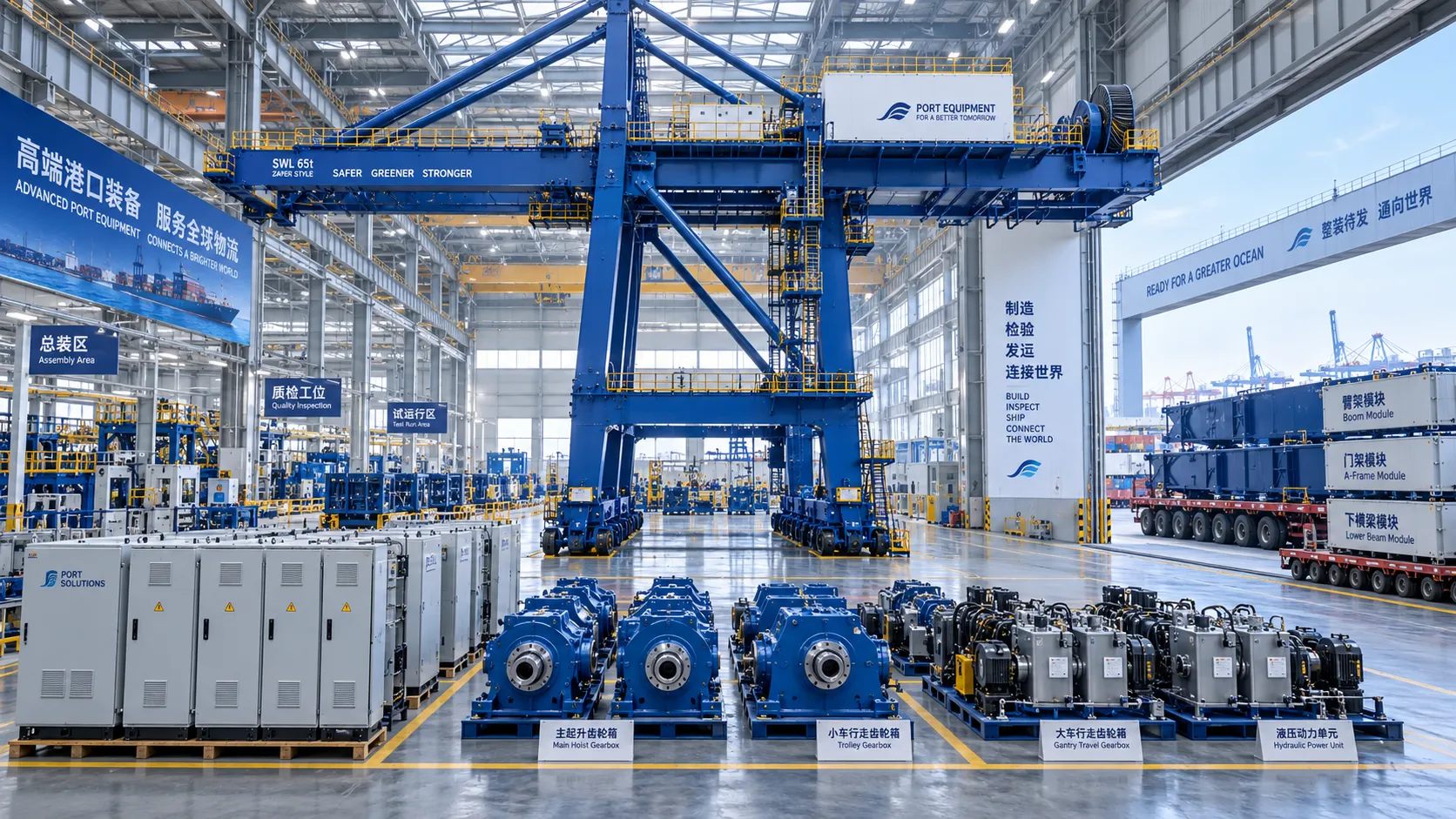
How Can Port Equipment Lead-Time Risk Be Managed?
How can port equipment lead-time risk be managed? Explore practical strategies to control critical paths, suppliers, transport, site readiness, and commissioning delays.
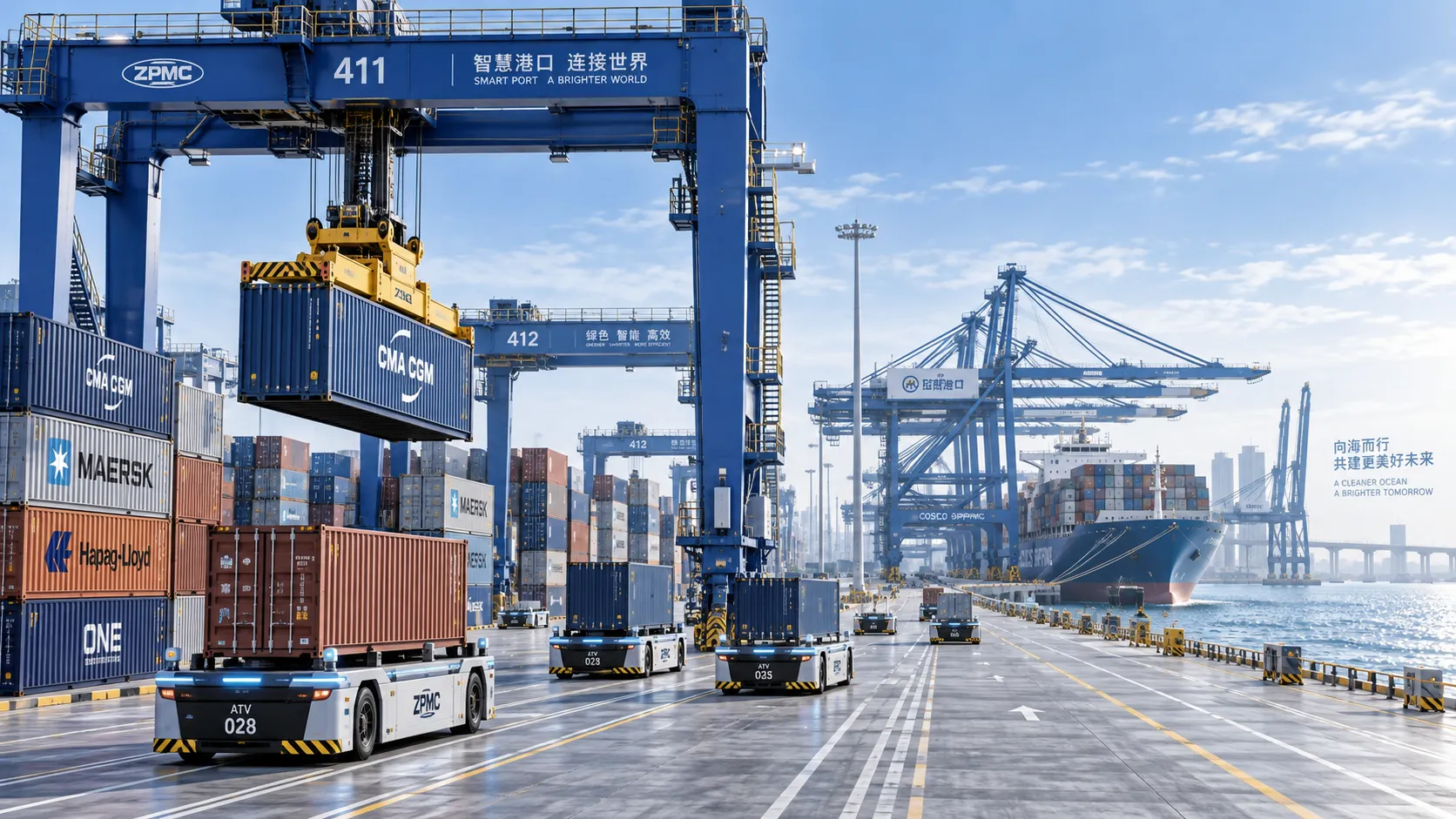
Terminal Automation Technologies That Raise Container Throughput Without Yard Disruption
Terminal automation technology that increases container throughput without disrupting yard flow. Explore smarter integration, resilient workflows, and phased deployment strategies.
Middle East Port Automation: Key Market Drivers, Projects, and Investment Risks
Port automation systems Middle East: explore market drivers, flagship projects, integration challenges, and investment risks shaping smarter, resilient terminals.
Planning Offshore Dredging Operations: Key Risks, Methods, and Project Controls
Offshore dredging operations demand smart planning. Explore key risks, proven methods, environmental controls, and project strategies for reliable delivery.