What Drives Global Shipping Rates? Key Cost Factors and Contract Risks
For procurement teams, global shipping rates are more than a line item; they shape supplier choices, landed cost, inventory timing, and contract exposure.
Port congestion, fuel volatility, equipment availability, regulatory changes, and geopolitical disruption continue to influence freight markets and buyer negotiations.
This article explains the main cost drivers behind ocean freight pricing and the contract risks buyers should review before committing capacity.
What Procurement Teams Are Really Trying to Understand
Most buyers searching global shipping rates are not looking for a textbook definition of freight pricing or generic market commentary.
They want to know why quoted rates move, which charges are negotiable, and how much risk sits inside a logistics contract.
For procurement, the central question is practical: can the business secure reliable capacity without overpaying or accepting hidden exposure?
The answer depends on understanding both market-level forces and shipment-level variables that carriers, forwarders, and terminals use when pricing freight.
A useful rate analysis should therefore connect ocean cost drivers with sourcing decisions, inventory policy, supplier terms, and contract governance.
The Big Market Forces Behind Global Shipping Rates
Global shipping rates are shaped first by supply and demand across major trade lanes, not simply by the cost of moving one container.
When vessel capacity is tight and cargo demand rises, carriers gain pricing power and spot rates can increase quickly.
When capacity exceeds demand, carriers compete for volume, blank sailings increase, and procurement teams may see stronger negotiating conditions.
Seasonality also matters. Retail peaks, agricultural cycles, project cargo deadlines, and pre-holiday inventory builds can all lift freight demand.
Procurement teams should compare current quotes against trade-lane trends, not only against last month’s internal benchmark or budget assumption.
A rate that looks expensive against history may still be reasonable if capacity is constrained across the entire lane.
Fuel, Energy Costs, and Bunker Adjustment Exposure
Fuel is one of the largest variable costs in ocean shipping, especially on long-haul routes with high vessel utilization.
Carriers usually recover fuel changes through bunker adjustment factors, low-sulfur surcharges, or formulas embedded inside service contracts.
For buyers, the issue is not only whether fuel surcharges exist, but how they are calculated and updated.
A transparent formula linked to recognized fuel indexes is easier to audit than a discretionary surcharge applied after booking.
Procurement teams should ask whether bunker charges are included, floating, capped, or subject to retroactive adjustment during the contract period.
This is especially important for heavy equipment, machinery components, and bulk-related shipments where freight spend can materially affect landed cost.
Port Congestion and Terminal Productivity Can Change the Real Cost
Ocean freight prices are strongly influenced by port performance, even when the quoted rate appears to cover only the sea leg.
Congested terminals slow vessel rotations, delay container availability, and increase the operational cost that carriers eventually pass to shippers.
For procurement teams, congestion risk can appear as higher freight rates, demurrage, detention, storage, missed production windows, or expedited recovery freight.
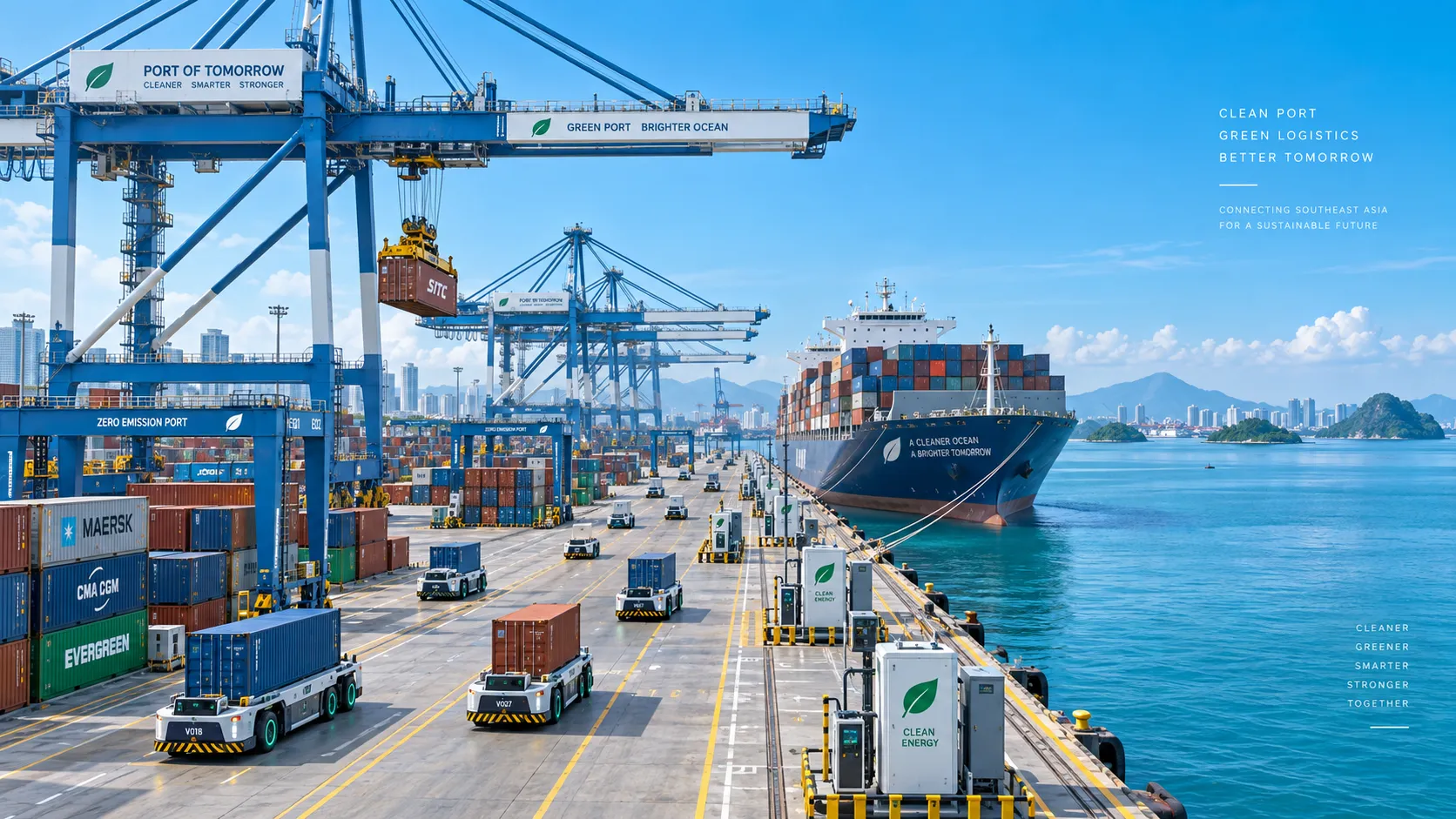
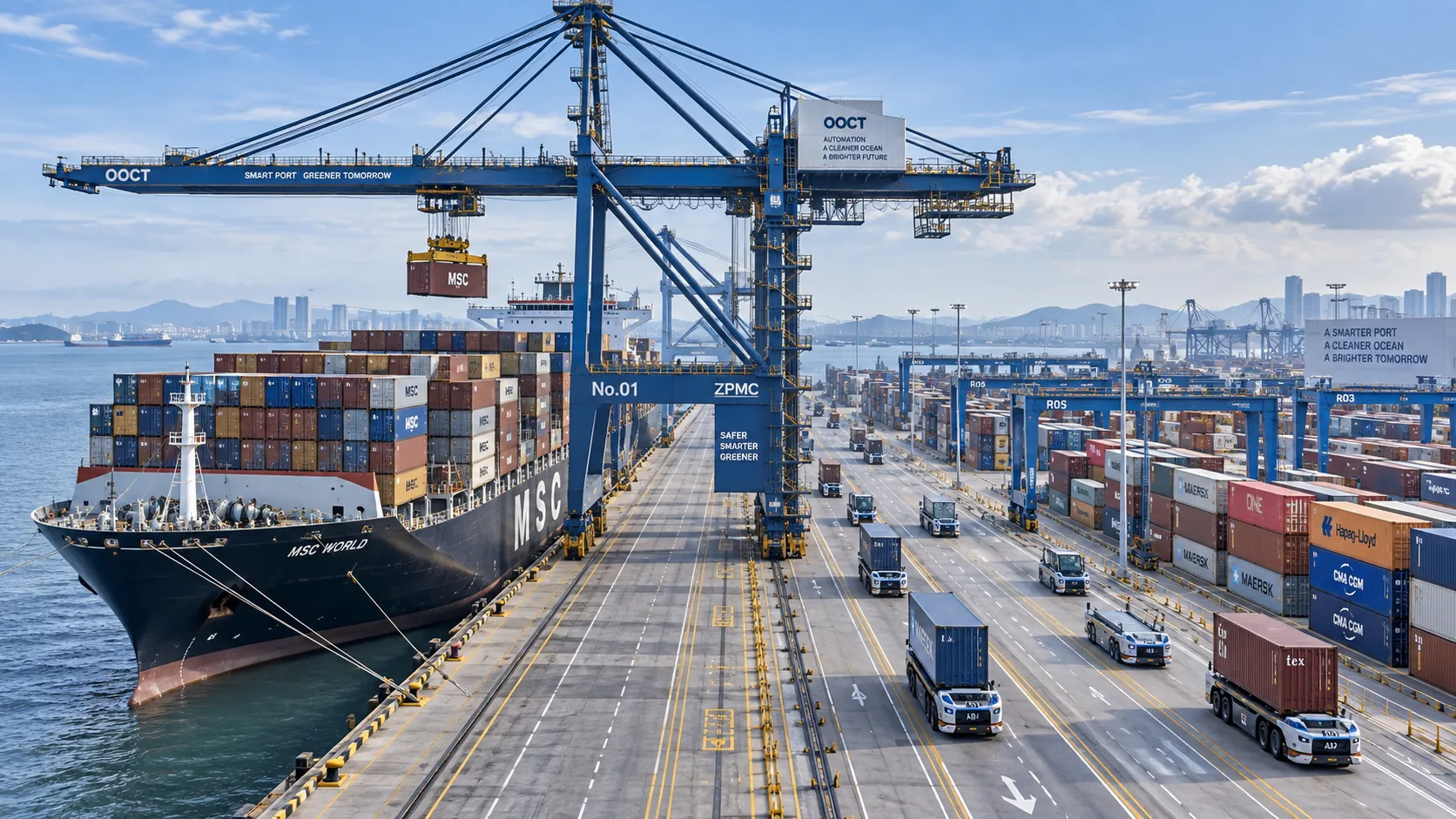
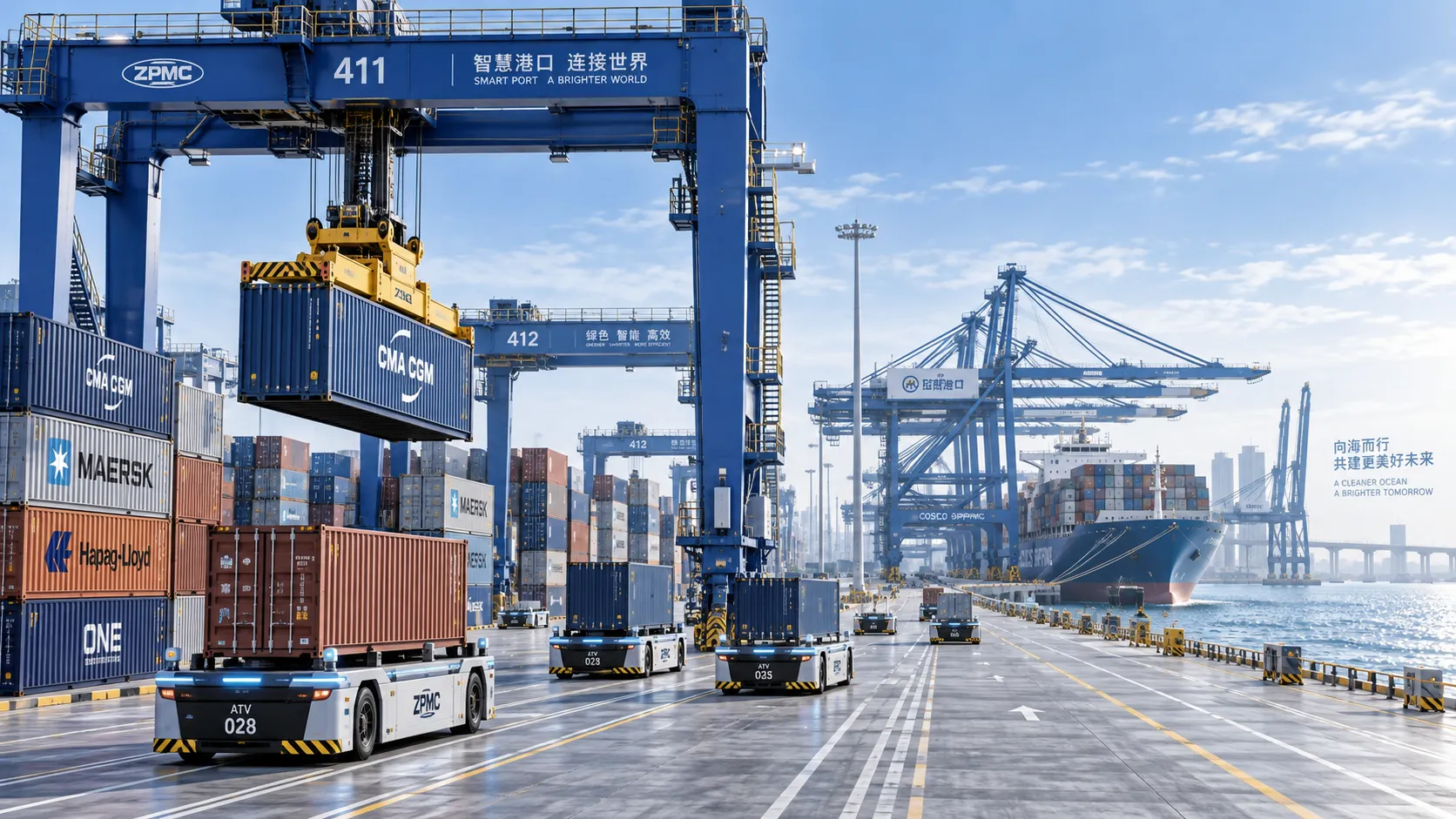
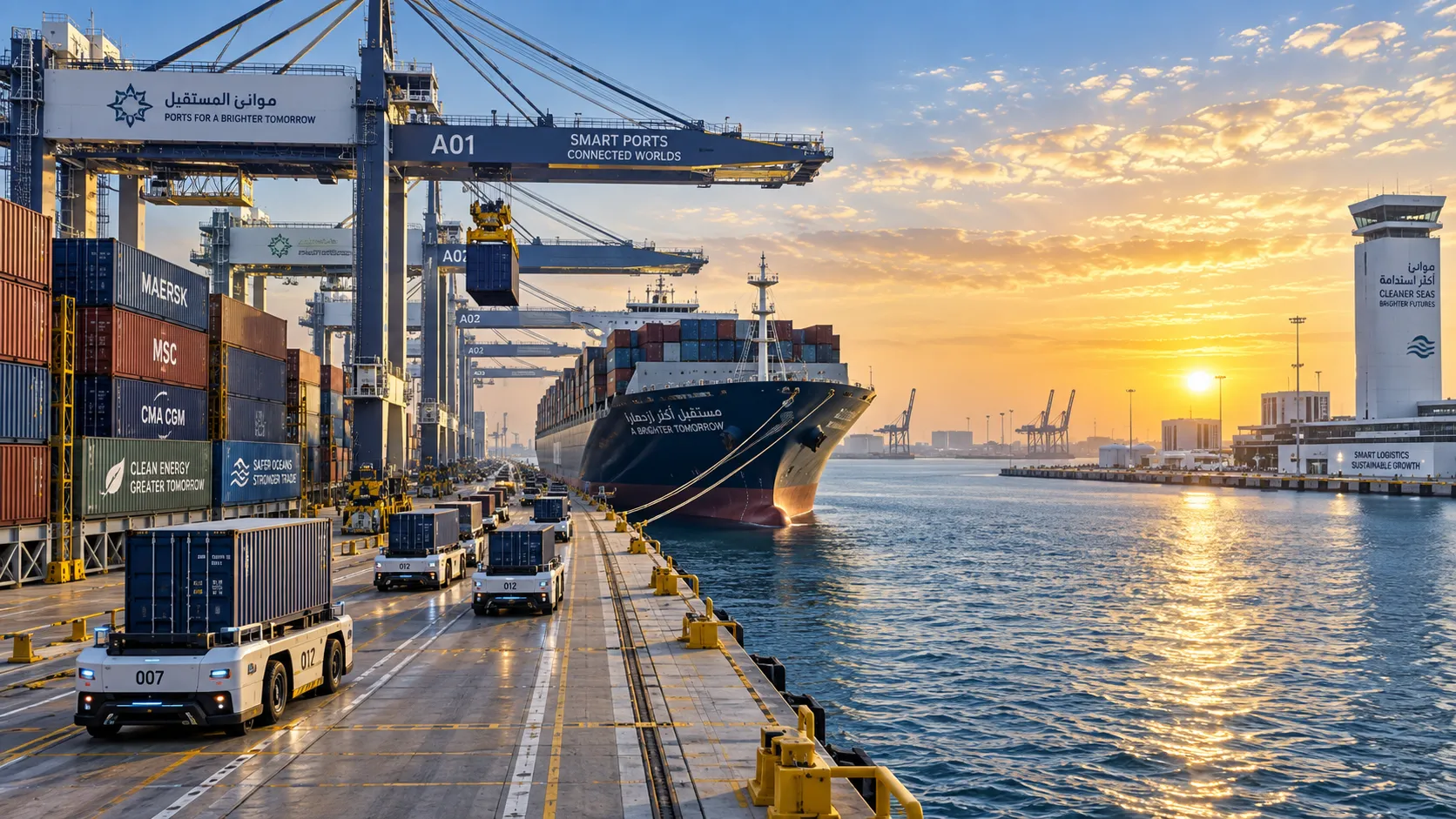
Ports with advanced terminal gear, automated yard systems, and stronger berth productivity often provide more predictable cargo flow.
That reliability has commercial value because it reduces inventory buffers, emergency trucking, supplier disputes, and late delivery penalties.
When evaluating lanes, buyers should consider port resilience and terminal performance alongside the headline ocean rate.
Equipment Availability: The Container Problem Buyers Often Underestimate
Rates can rise even when vessels are available if containers are not positioned where exporters need them.
Equipment imbalance is common after demand surges, port disruptions, regional lockdowns, or uneven trade flows between import-heavy and export-heavy markets.
For procurement, the practical risk is a supplier ready to ship but unable to secure empty containers at the expected price.
This can create premium equipment fees, rolled bookings, delayed purchase orders, or pressure to accept less favorable Incoterms.
Buyers should ask forwarders and carriers about equipment outlook, free time limits, pickup windows, and alternative container options.
For time-sensitive industrial purchases, equipment availability can be more important than saving a small percentage on base freight.
Carrier Alliances, Capacity Management, and Blank Sailings
Carriers manage supply through vessel deployment, alliance networks, blank sailings, and service rotations across major trade lanes.
When demand weakens, carriers may remove sailings to support rate levels and avoid operating underfilled ships.
From a buyer’s perspective, this can reduce schedule options even when the market appears soft.
Contracted rates do not guarantee smooth execution if the service network cannot provide space when purchase orders are released.
Procurement teams should check allocation commitments, minimum quantity obligations, space protection language, and remedies for repeated cargo rolling.
A slightly higher rate with reliable allocation may deliver lower total cost than a cheap rate with poor service continuity.
Geopolitical Disruption and Route Risk
Global shipping rates react quickly to geopolitical disruption because routing, insurance, security, and transit times can change with little notice.
Conflict zones, sanctions, canal restrictions, piracy risks, and trade disputes may force vessels to divert or carriers to impose surcharges.
Longer routes increase fuel consumption, vessel days, inventory in transit, and uncertainty for production planning.
Procurement should treat geopolitical risk as a commercial variable, not only as a logistics department concern.
Contracts should address force majeure, route deviation, war risk surcharges, sanctions compliance, and responsibility for additional costs.
For critical suppliers, buyers may need dual routing plans, alternative ports, or regional buffers to protect continuity.
Regulation, Emissions Rules, and Compliance Costs
Environmental regulation is becoming a larger component of freight pricing, especially in regions with carbon pricing or strict emissions requirements.
Fuel standards, emissions trading schemes, slow steaming, shore power requirements, and green corridor initiatives can all affect carrier cost structures.
Some carriers separate emissions-related charges, while others blend them into broader freight or fuel recovery mechanisms.
Procurement teams should understand whether sustainability surcharges are auditable and whether lower-emission services carry measurable operational benefits.
For companies with Scope 3 reporting obligations, freight decisions also influence carbon accounting and supplier evaluation.
The lowest freight rate may not be the best option if it creates compliance gaps or weakens sustainability commitments.
Base Rate Versus Total Landed Cost
A common procurement mistake is comparing only base ocean freight while ignoring the charges that determine actual landed cost.
Accessorial charges may include terminal handling, documentation, chassis fees, customs-related services, demurrage, detention, port storage, and destination delivery.
Some charges are predictable, while others result from delays, documentation errors, customs holds, or missed pickup appointments.
Buyers should request an all-in cost breakdown for each lane and identify which charges are fixed, floating, or event-based.
This is especially important when comparing carrier-direct contracts with forwarder quotes that may package services differently.
The best procurement comparison normalizes every cost element from supplier handover to final delivery point.
Spot Rates, Contract Rates, and When Each Makes Sense
Spot rates can help buyers capture short-term market declines, especially when cargo volumes are flexible and service requirements are moderate.
However, spot purchasing exposes the business to sudden price spikes, limited capacity, and weaker priority during peak periods.
Contract rates offer budget stability and space planning, but they may become uncompetitive when the market falls sharply.
Procurement teams often benefit from a blended strategy that combines core committed volume with tactical spot exposure.
The right mix depends on demand predictability, supplier lead times, inventory tolerance, and the financial impact of delayed cargo.
For strategic materials or capital equipment, reliability and allocation can outweigh short-term savings from aggressive spot buying.
Contract Risks Buyers Should Review Before Signing
Freight contracts can shift substantial risk to buyers if commercial terms are not reviewed beyond the headline rate table.
Key clauses include minimum volume commitments, peak season surcharges, general rate increases, fuel formulas, equipment guarantees, and free time limits.
Buyers should also examine cancellation penalties, rollover remedies, liability limits, service exclusions, and escalation procedures for disputed charges.
Another common risk is vague language allowing carriers or intermediaries to pass through undefined increases without meaningful notice.
Procurement should require clear definitions, notice periods, supporting documentation, and approval processes for any non-standard cost increase.
If cargo is mission-critical, the agreement should include service performance expectations rather than only price and payment terms.
How to Negotiate More Effectively With Carriers and Forwarders
Better negotiation starts with better data. Buyers should know lane volumes, seasonality, container mix, shipment frequency, and service failures.
Suppliers and logistics partners respond more seriously when procurement can demonstrate credible volume forecasts and operational discipline.
Before negotiations, build a lane-by-lane profile showing historical spend, accessorial charges, delays, claims, and forecast changes.
Ask bidders to separate base freight, surcharges, destination costs, free time, transit commitments, and exception handling.
This structure prevents attractive headline rates from hiding weak terms that create later cost leakage.
Procurement should also compare service reliability, not just price, because poor execution can erase negotiated savings quickly.
Questions Procurement Should Ask Before Accepting a Rate
Is the quoted rate inclusive of bunker, terminal handling, documentation, and mandatory regulatory surcharges?
What events allow the provider to change the rate, and how much notice must be given before changes apply?
Does the agreement include space protection, equipment priority, or only a price valid when capacity is available?
What free time is available at origin and destination, and what are the demurrage and detention escalation levels?
Which ports, terminals, transshipment points, and inland partners are used, and how resilient are they during disruption?
These questions help buyers identify whether a rate is commercially dependable or simply attractive on paper.
Building an Internal Freight Risk Dashboard
Procurement teams can improve decisions by tracking the few indicators that explain most movement in global shipping rates.
Useful indicators include spot indexes, bunker trends, port congestion data, schedule reliability, equipment availability, and carrier blank sailing announcements.
Internal metrics should include landed cost variance, accessorial leakage, late shipment impact, supplier readiness, and contract utilization.
A simple dashboard helps procurement, logistics, finance, and planning teams discuss freight risk using the same facts.
For businesses sourcing across multiple regions, this visibility supports earlier decisions on inventory, supplier allocation, and customer commitments.
The goal is not to predict every rate movement, but to recognize risk early enough to act commercially.
Final Takeaway: Treat Freight Rates as a Strategic Cost Variable
Global shipping rates are driven by capacity, fuel, port productivity, equipment availability, regulation, route risk, and carrier pricing strategy.
For procurement teams, the most important task is translating those market forces into contract terms and landed cost exposure.
A low rate is valuable only when it includes clear charges, reliable capacity, realistic transit performance, and manageable risk allocation.
Buyers should negotiate with data, compare total cost, review surcharge language, and protect critical lanes with appropriate service commitments.
In volatile freight markets, smarter procurement is not about chasing the cheapest quote every time.
It is about securing the right balance of cost, reliability, flexibility, and contractual protection for the business.