Related News
- 00
0000-00
How to Specify a Quay Crane for Container Terminals by Vessel Size and Throughput? - 00
0000-00
Which Bulk Handling Equipment Suits High-Moisture Cargo? - 00
0000-00
Terminal Automation Technologies That Raise Container Throughput Without Yard Disruption - 00
0000-00
Planning Offshore Dredging Operations: Key Risks, Methods, and Project Controls - 00
0000-00
Where Do Automated Guided Vehicles Deliver the Fastest Warehouse Gains in the Middle East?
IMO-Compliant Dredging Operations: Key Requirements, Documentation, and Audit Risks
Keeping dredging operations IMO compliant has moved from a paperwork exercise to a direct control on project continuity, insurance exposure, and port access. In modern dredging campaigns, compliance sits at the meeting point of vessel safety, environmental stewardship, crew competence, and traceable records. A dredger may be technically capable, but if permit files, logbooks, maintenance evidence, or training records are weak, the operation can still fail an audit or trigger costly delay.
That pressure is growing across coastal construction, channel deepening, land reclamation, and terminal expansion. For platforms such as PS-Nexus, which track maritime logistics, heavy port systems, and dredging engineering, the pattern is clear: compliance now influences not only regulatory standing, but also contract trust, scheduling reliability, and the wider economics of port infrastructure.
What IMO compliance means in dredging work
In practice, dredging operations IMO compliant does not refer to one single certificate or checklist. It reflects alignment with a framework of international requirements that affect the dredger, its crew, its pollution controls, and the way operational evidence is maintained.
The International Maritime Organization sets many of the baseline rules that shape this framework. Depending on the vessel type and project profile, the most relevant instruments often include SOLAS, MARPOL, STCW, the ISM Code, and flag-state or port-state implementing rules.
For dredging fleets, compliance usually extends beyond the vessel itself. Barges, support craft, fuel transfer arrangements, overflow practices, spoil discharge controls, navigation risk, and emergency preparedness all come into scope. That is why the phrase dredging operations IMO compliant should be read as an operational condition, not a label.
Why the issue matters more now
Port expansion projects are becoming larger, faster, and more visible. A dredging campaign is often tied to quay construction, terminal automation, bulk handling growth, or vessel draft upgrades. Any interruption can affect wider logistics chains.
At the same time, audits have become more data-driven. Charterers, authorities, lenders, and insurers increasingly compare declared procedures with timestamped logs, digital monitoring records, and maintenance histories. Gaps that once stayed local now travel quickly across project stakeholders.
Environmental sensitivity is another driver. Nearshore dredging can affect turbidity, disposal compliance, habitat boundaries, and emissions reporting. A vessel may meet class expectations, yet still face findings if project-specific controls are poorly documented.
The core requirement areas
A useful way to assess dredging operations IMO compliant is to group the requirements into a few practical domains. This helps teams review exposure without losing sight of the bigger operating picture.
Vessel status and certification
Certificates must be valid, current, and appropriate for the vessel’s trading area and configuration. That includes statutory certificates, class status, safety construction records, radio documentation, and pollution prevention certificates where applicable.
Safety management and onboard procedures
The safety management system should reflect real dredging activity, not generic vessel text. Critical procedures often include dredge pump isolation, cutterhead safety, confined space entry, bunkering, navigation in restricted waters, and emergency response during discharge operations.
Crew competence and work records
Certificates of competency matter, but they are only part of the picture. Auditors also look for familiarization records, drills, toolbox talks, fatigue control, shift planning, and evidence that crew understand the equipment and local permit conditions.
Environmental controls
This area often generates findings. Teams need clear controls for oily waste, sewage, garbage, emissions-related records, spill response, and dredged material handling. Where permits impose limits on overflow or disposal, those limits should be visible in daily practice.
Documentation that usually determines audit outcomes
Many dredging audits are decided less by dramatic failures than by weak record integrity. When dredging operations IMO compliant is claimed, the supporting file needs to be consistent across departments, dates, and formats.
A strong file set does more than satisfy inspectors. It helps explain why an event happened, whether a control worked, and where project management should intervene before risk becomes contractual damage.
Where audit risk usually appears
Audit exposure in dredging tends to cluster around repeat patterns. These are rarely abstract compliance failures. More often, they are operational mismatches between the vessel, the project permit, and the documented control system.
- Procedures borrowed from another vessel, with no adaptation for actual dredging equipment.
- Maintenance records that show routine service, but no evidence for condition-based follow-up on critical alarms.
- Disposal or overflow practices that differ from permit wording or environmental monitoring commitments.
- Crew matrices that look complete on paper, while work-rest records suggest fatigue or unplanned role substitution.
- Electronic logs that conflict with bridge records, engine entries, or production reports.
- Corrective actions closed administratively, without proof that the root cause was removed.
This is why dredging operations IMO compliant should be verified through traceability. A compliant statement becomes credible only when the operational story, the technical story, and the paper trail say the same thing.
Applying compliance in real project settings
Different dredging environments create different control priorities. Channel deepening near live terminals requires strong navigation discipline and traffic coordination. Reclamation projects may shift more attention toward spoil handling, survey integrity, and perimeter environmental controls.
In expansion programs linked to automated terminals or bulk logistics hubs, compliance also interacts with schedule logic. A delay on one dredging spread can affect berth commissioning, equipment delivery, and downstream mechanical testing.
That broader systems view is increasingly important. PS-Nexus often frames dredging not as an isolated marine task, but as a foundational layer in port capacity, coastal economics, and infrastructure readiness. In that setting, compliance quality becomes a measurable business variable.
A practical review approach
A useful internal review should test how well the operation would stand up to an external challenge. The aim is not to collect more forms. The aim is to confirm that the controls are current, project-specific, and provable.
Start with the operating basis
Map the vessel’s statutory status against the actual scope of work, local permit conditions, and support craft arrangement. Small scope changes often create hidden compliance drift.
Test the record chain
Pick a recent activity, such as bunkering, disposal, alarm response, or maintenance on a dredge pump. Then trace every related record. Missing links usually surface quickly.
Compare procedures with deck reality
Walk through tasks with the crew and compare observed practice against the written method. This often reveals whether dredging operations IMO compliant is a managed condition or only a declared objective.
Review digital evidence
Modern dredgers generate data from pumps, engines, navigation systems, and monitoring platforms. These records can validate compliance, but they can also expose inconsistencies that manual logs missed.
What to do next
The most effective next step is a focused gap review built around one live project or one active vessel. Check whether the permit basis, onboard procedures, crew records, and technical logs align without contradiction.
From there, prioritize the items that create the highest audit exposure: expired documents, weak corrective-action evidence, environmental control gaps, and inconsistent digital records. That sequence usually delivers more value than a broad document refresh.
For organizations tracking port expansion, heavy terminal assets, and marine engineering through sources such as PS-Nexus, the underlying lesson is straightforward. Dredging operations IMO compliant is no longer a narrow marine compliance topic. It is part of how resilient port infrastructure is planned, verified, and trusted.
Related News
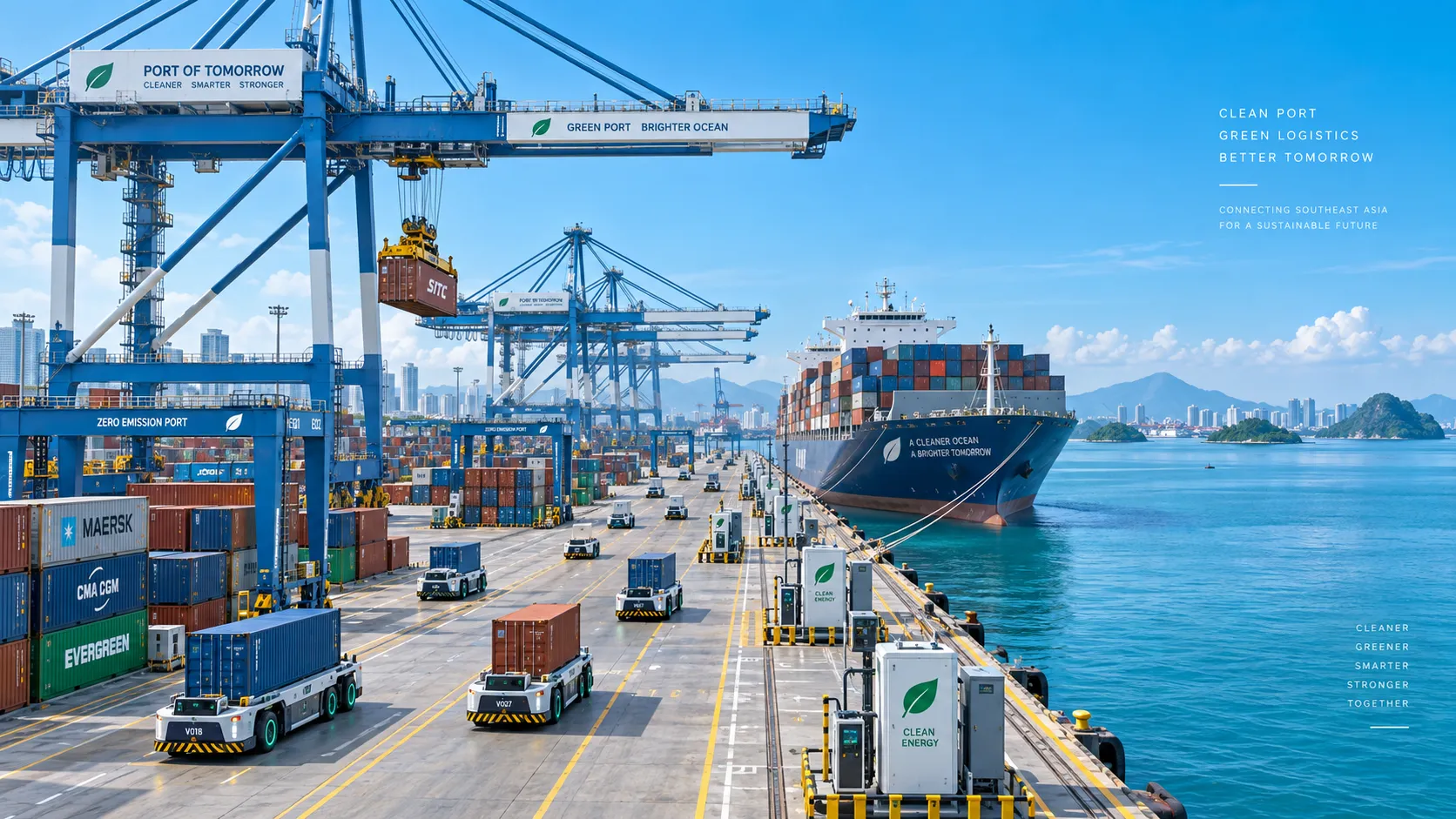
Smart Port Systems in Southeast Asia: Investment Priorities and Adoption Barriers
Smart port systems Southeast Asia: discover investment priorities, adoption barriers, and practical steps to build resilient, connected, high-performing terminals.

How to Evaluate Terminal Efficiency Solution Suppliers for High-Throughput Operations
Choose a terminal efficiency solutions supplier with confidence. Explore proven criteria for throughput, integration, lifecycle cost, safety, and reliable delivery.
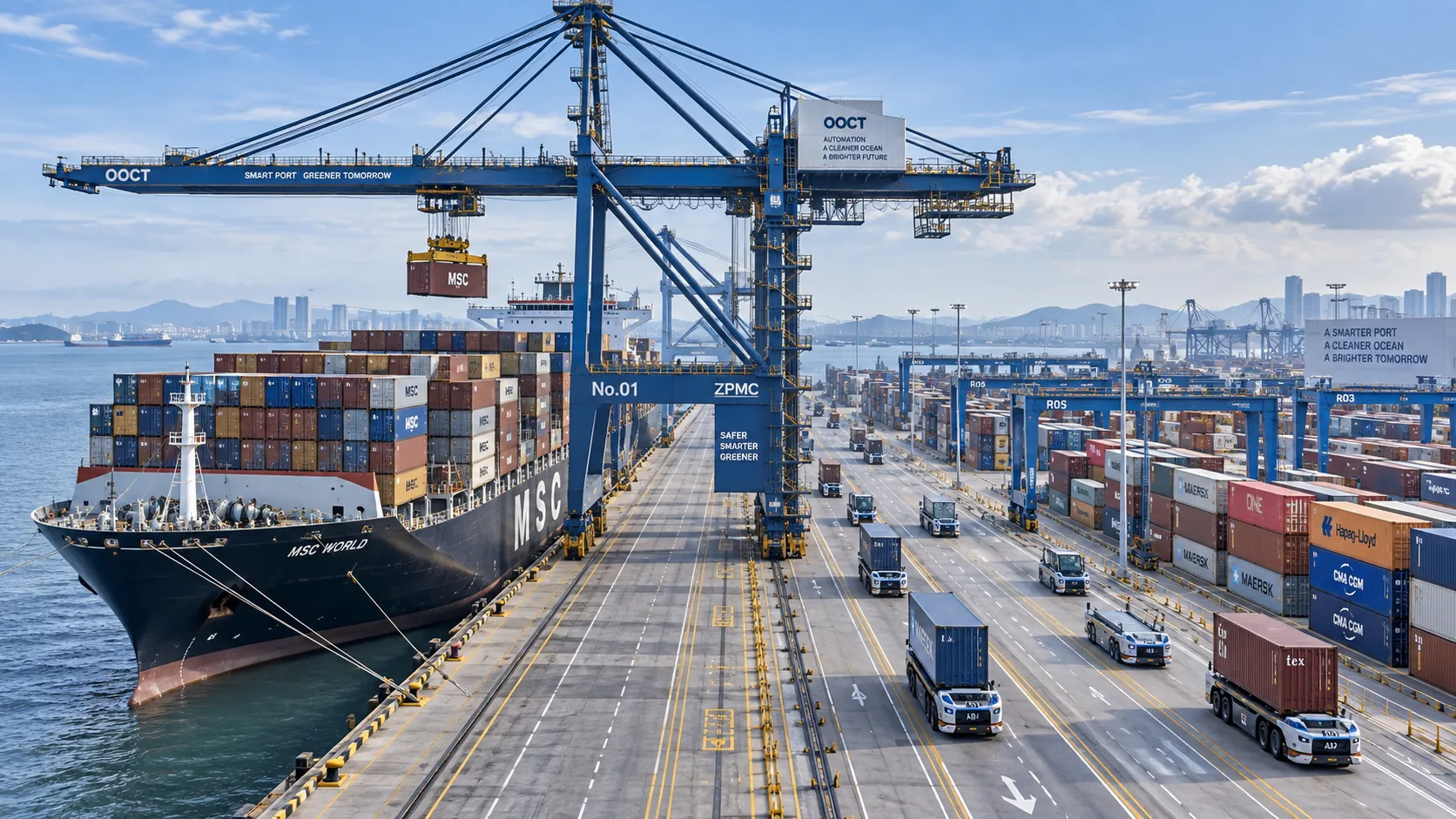
How to Specify a Quay Crane for Container Terminals by Vessel Size and Throughput?
Quay crane for container terminals: learn how to match outreach, lift height, capacity, automation, and cycle performance to vessel size and throughput goals.
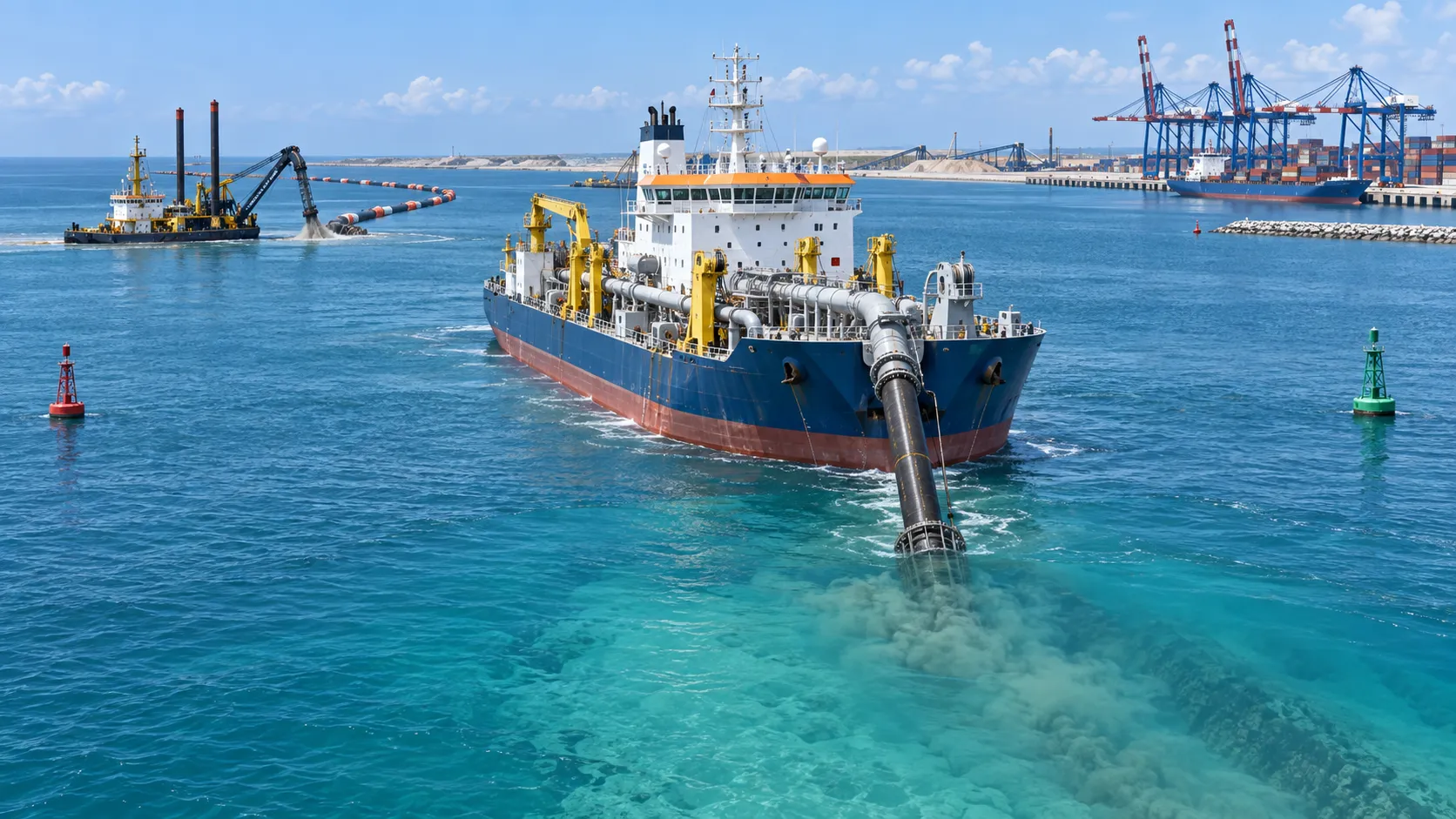
What Dredging Equipment Is Needed for Channel Deepening?
What dredging equipment is needed for channel deepening? Explore dredgers, pipelines, survey tools, and planning strategies for safer, more efficient port access.
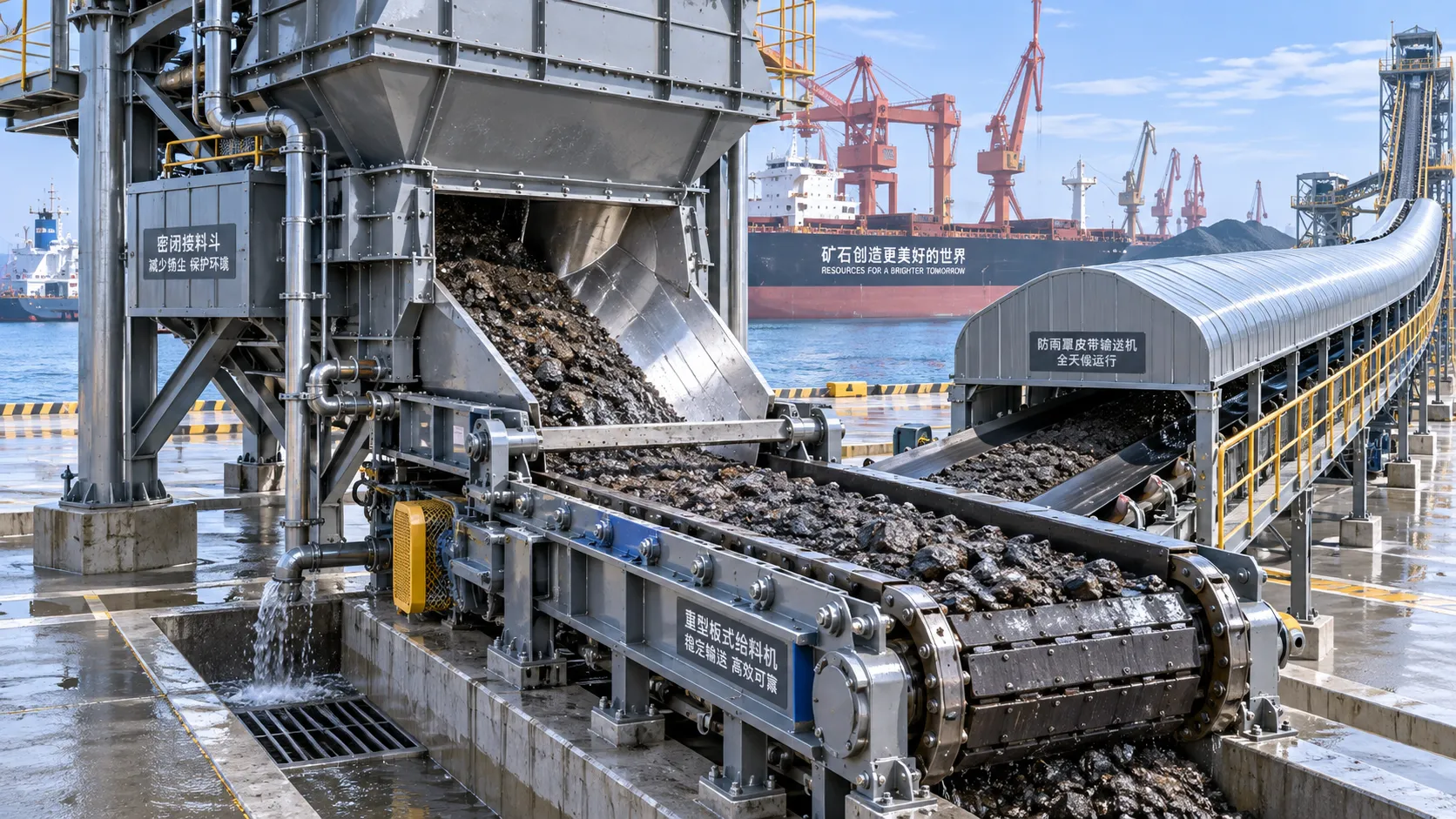
Which Bulk Handling Equipment Suits High-Moisture Cargo?
Which bulk handling equipment suits high-moisture cargo? Compare belt, apron, screw, drag, and slurry systems for reliable flow, less carryback, and higher terminal uptime.
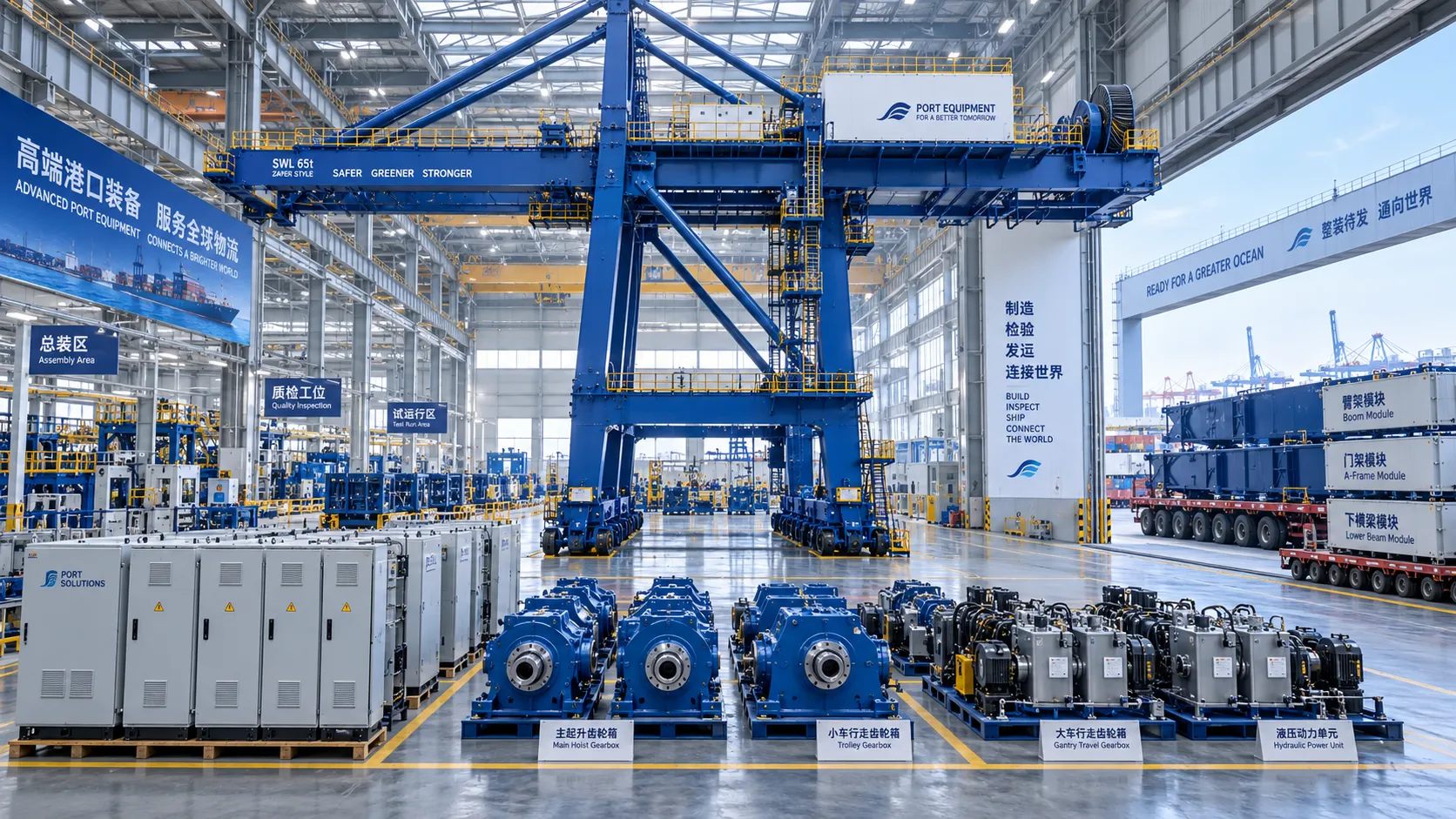
How Can Port Equipment Lead-Time Risk Be Managed?
How can port equipment lead-time risk be managed? Explore practical strategies to control critical paths, suppliers, transport, site readiness, and commissioning delays.

Terminal Automation Technologies That Raise Container Throughput Without Yard Disruption
Terminal automation technology that increases container throughput without disrupting yard flow. Explore smarter integration, resilient workflows, and phased deployment strategies.
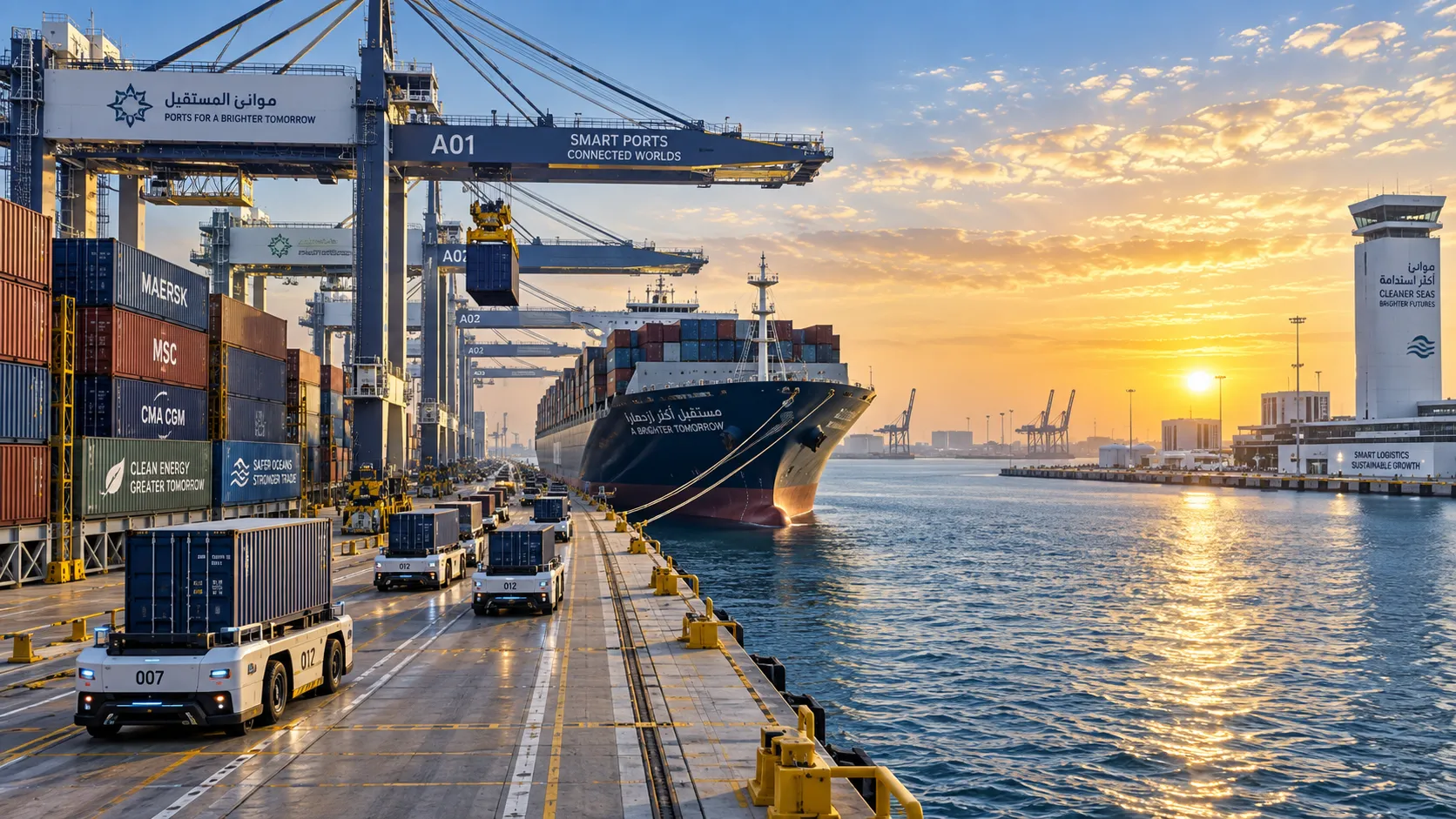
Middle East Port Automation: Key Market Drivers, Projects, and Investment Risks
Port automation systems Middle East: explore market drivers, flagship projects, integration challenges, and investment risks shaping smarter, resilient terminals.
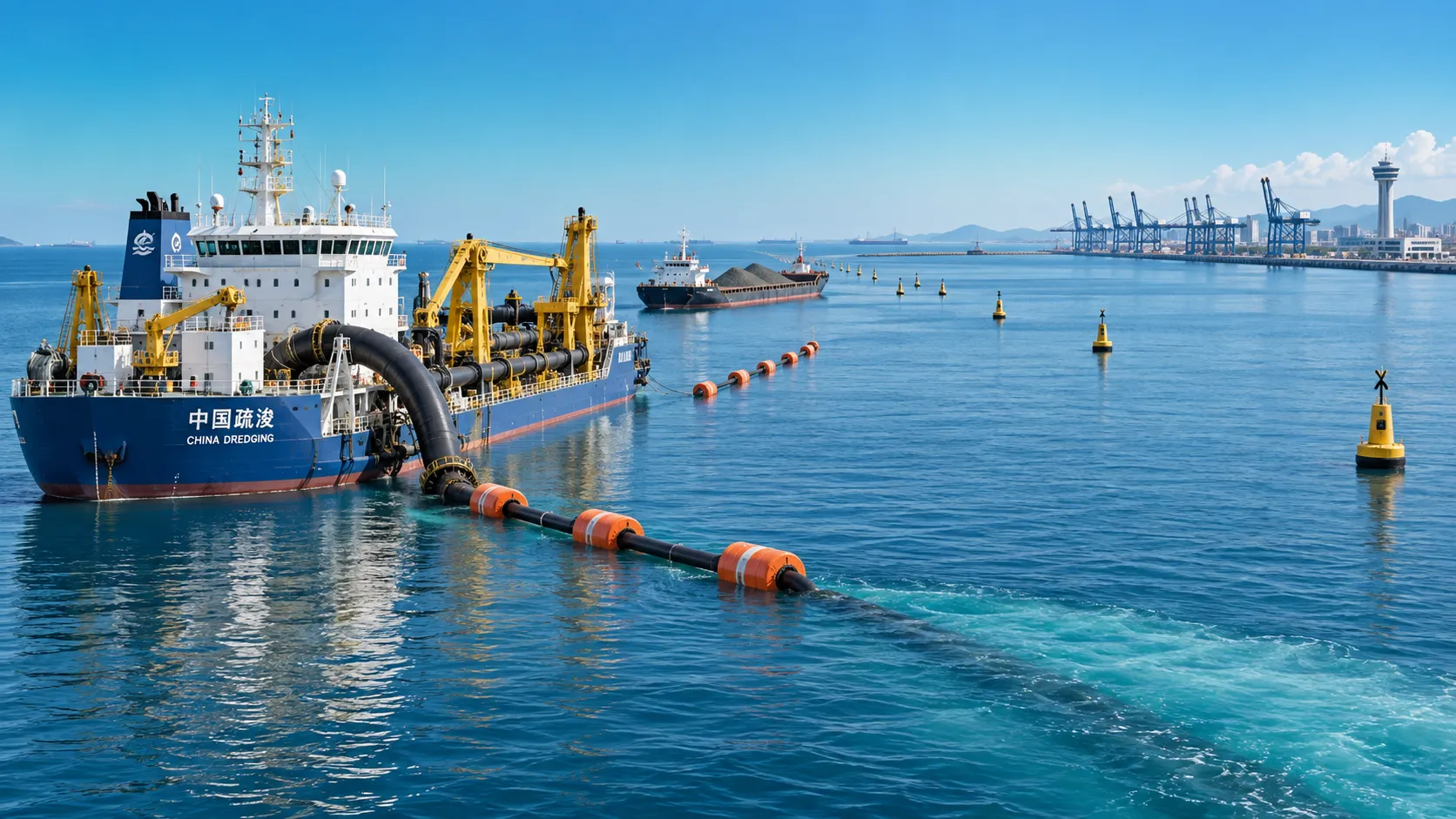
Planning Offshore Dredging Operations: Key Risks, Methods, and Project Controls
Offshore dredging operations demand smart planning. Explore key risks, proven methods, environmental controls, and project strategies for reliable delivery.