
Related News
- 00
0000-00
How to Specify a Quay Crane for Container Terminals by Vessel Size and Throughput? - 00
0000-00
Which Bulk Handling Equipment Suits High-Moisture Cargo? - 00
0000-00
Terminal Automation Technologies That Raise Container Throughput Without Yard Disruption - 00
0000-00
Planning Offshore Dredging Operations: Key Risks, Methods, and Project Controls - 00
0000-00
Where Do Automated Guided Vehicles Deliver the Fastest Warehouse Gains in the Middle East?
Container Terminal Automation vs Manual Operations: Which Model Delivers Better ROI?
As port operators face rising labor costs, tighter emission targets, and pressure for faster vessel turnaround, container terminal automation has become a board-level investment question. The real issue is not whether automation sounds advanced. It is whether it creates better ROI than manual operations across cost, speed, resilience, safety, and long-term competitiveness.
In practice, the answer is rarely absolute. Some terminals gain clear value from full or partial container terminal automation. Others get stronger returns by improving manual workflows, upgrading control systems, and automating only critical bottlenecks. The smartest decision usually comes from matching the operating model to cargo mix, labor structure, yard constraints, and network strategy.
Drawing on the sector perspective of PS-Nexus, where port equipment, automated handling, control systems, and coastal trade intelligence intersect, this article breaks the decision into practical points that make ROI easier to judge.
Start With the Real ROI Question
Before comparing technologies, define what ROI actually means for the terminal. For some sites, it means labor reduction. For others, it means vessel turnaround, lower accident exposure, better yard density, or improved service reliability during labor shortages.
A useful comparison should go beyond headline capex. It should include maintenance, software lifecycle costs, training, spare parts, energy use, utilization rates, downtime risks, and the value of more predictable operations.
- Define ROI in operating terms first. Track berth moves, truck turnaround, yard dwell time, labor intensity, energy cost, incident frequency, and service reliability before evaluating container terminal automation.
- Separate visible savings from hidden costs. Automation may cut labor exposure, but software support, systems integration, cybersecurity, and control room capability can materially change the payback period.
- Measure revenue upside, not only cost reduction. Faster and steadier operations can attract carrier volume, premium service contracts, and stronger network positioning in volatile trade lanes.
- Test the baseline honestly. If current manual operations already perform well, full automation may deliver less incremental ROI than targeted upgrades to cranes, TOS logic, or yard routing.
Where Manual Operations Still Win
Manual operations are often more flexible than they get credit for. In terminals with irregular volumes, mixed cargo, limited capital access, or complex local labor realities, manual models can still outperform on short- to mid-term returns.
They also allow faster adjustment when vessel calls are unpredictable. A skilled workforce can adapt to exceptions that still challenge highly structured automated environments.
- Manual operations usually require lower upfront investment. That matters when throughput is unstable, financing costs are high, or terminal concessions do not provide enough time to recover automation capex.
- Operational flexibility remains a real advantage. Mixed cargo profiles, ad hoc yard changes, and irregular vessel windows are often easier to manage with experienced teams than rigid automated flows.
- Implementation risk is lower at the start. Manual models avoid long commissioning timelines, integration delays, and the early productivity dip that often follows major automation projects.
- Workforce know-how can be a competitive asset. In some ports, strong operating discipline and local expertise already deliver acceptable productivity without the disruption of full system redesign.
A common short-term advantage
If demand visibility is weak over the next three to five years, manual operations often protect cash better. They can absorb fluctuations without locking the terminal into a large technology commitment too early.
Where Container Terminal Automation Creates Stronger Returns
The case for container terminal automation becomes much stronger when scale, repetition, and labor cost pressure align. High-volume terminals with consistent box flows usually have the clearest path to attractive returns.
Automation also creates value where land is constrained. Better yard stacking logic, AGV routing, remote crane operations, and coordinated control systems can unlock capacity without immediate physical expansion.
- Container terminal automation performs best in high-volume, repeatable environments. Stable flows make scheduling algorithms, remote-control systems, and automated yard handling more productive and easier to optimize.
- Labor savings alone are not the full story. Automation can improve consistency, reduce unplanned stoppages, and stabilize service windows, which matters when carriers value schedule integrity.
- Space efficiency can change the economics. Automated stacking and precise equipment coordination may raise effective capacity, delaying expensive land expansion or dredging-linked infrastructure investments.
- Energy and emissions performance often improve over time. Smarter dispatching, electrified equipment, and optimized idle behavior support net-zero targets and lower long-run operating intensity.
Why this matters strategically
PS-Nexus tracks how automation increasingly connects with broader maritime economics. A terminal is no longer judged only by moves per hour. It is also judged by data visibility, network reliability, sustainability progress, and integration with smart supply chains.
That broader value can make container terminal automation attractive even when direct payback looks moderate on paper.
The Numbers That Usually Decide the Model
A decision becomes clearer when the comparison is structured around a few variables that materially move ROI. These are usually more important than marketing claims.
- Check volume stability before anything else. If throughput varies sharply, the ROI of container terminal automation may weaken because fixed system costs keep running in low-demand periods.
- Model ramp-up losses realistically. Early underperformance after go-live can erase part of the expected savings, especially if carrier service commitments remain strict during transition.
- Quantify land value and congestion cost. In dense port environments, even small gains in yard utilization or gate flow can shift the financial comparison materially.
- Include financing assumptions carefully. Higher interest rates can make manual upgrades look better short term, even when automation has superior lifetime economics.
Three Operating Scenarios That Change the Answer
Large gateway terminal with stable liner calls
This is where container terminal automation usually shines. Predictable call patterns help automation software, yard planning, and remote operations deliver repeatable gains.
The main checkpoint is system orchestration. Quay cranes, AGVs, stacking cranes, TOS logic, and maintenance planning must work as one ecosystem.
Regional terminal with mixed cargo and uneven demand
Here, selective automation often beats full conversion. Remote-control upgrades, gate automation, planning software, and semi-automated yard blocks may deliver better ROI than a complete redesign.
The key checkpoint is modularity. Choose upgrades that improve productivity now without closing future automation paths.
Land-constrained terminal under expansion pressure
When physical expansion is costly, slow, or tied to dredging and permitting complexity, container terminal automation can create value by extracting more from existing space.
The checkpoint here is capacity math. If better stacking density and smoother internal transport delay major civil works, automation may pay back faster than expected.
What Gets Overlooked in ROI Calculations
Many investment cases look strong until hidden risks show up. This is especially true in port environments, where mechanical systems, software logic, marine infrastructure, and trade volatility all interact.
- Do not underestimate integration complexity. The real challenge is not buying equipment. It is synchronizing cranes, vehicles, sensors, and terminal software into stable daily performance.
- Plan for cyber and communications resilience. Automated terminals rely on robust, low-latency networks, secure remote control, and fast recovery protocols when systems degrade.
- Treat maintenance capability as part of ROI. Advanced assets without trained support teams can suffer availability losses that quickly reduce expected automation benefits.
- Account for organizational transition. New control-room workflows, labor agreements, retraining, and operating discipline often determine whether container terminal automation succeeds financially.
This is where PS-Nexus intelligence becomes useful. Market data alone is not enough. Decision quality improves when equipment evolution, scheduling logic, emissions strategy, and port engineering constraints are analyzed together.
How to Choose the Better Model
A practical decision framework helps avoid extreme choices. Full automation and fully manual operations are not the only options. In many cases, the strongest ROI comes from phased adoption.
- Rank the biggest operational bottlenecks first. If gate congestion, yard rehandles, or crane waiting time drive losses, automate those pressure points before rebuilding the whole terminal model.
- Use phased investment gates. Release capital in stages tied to measurable throughput, safety, and utilization targets so ROI stays visible throughout the transformation.
- Choose technology with future interoperability. Systems should support later expansion into broader container terminal automation rather than create expensive dead ends.
- Benchmark against comparable ports, not idealized cases. Similar labor markets, cargo mix, weather exposure, and land constraints produce more reliable decision guidance.
The simplest conclusion
Manual operations often win on speed of deployment, lower capex, and flexibility. Container terminal automation often wins on consistency, scalability, space efficiency, emissions progress, and long-term strategic position.
So which model delivers better ROI? In a stable, high-volume environment, automation usually has the stronger long-run answer. In a variable or capital-constrained environment, manual or hybrid operations can produce better returns for longer than many assume.
The next step is straightforward: build the comparison around actual throughput patterns, labor economics, land pressure, and system readiness. When those inputs are clear, the right model usually becomes much easier to see.
Related News
Smart Port Systems in Southeast Asia: Investment Priorities and Adoption Barriers
Smart port systems Southeast Asia: discover investment priorities, adoption barriers, and practical steps to build resilient, connected, high-performing terminals.
How to Evaluate Terminal Efficiency Solution Suppliers for High-Throughput Operations
Choose a terminal efficiency solutions supplier with confidence. Explore proven criteria for throughput, integration, lifecycle cost, safety, and reliable delivery.
How to Specify a Quay Crane for Container Terminals by Vessel Size and Throughput?
Quay crane for container terminals: learn how to match outreach, lift height, capacity, automation, and cycle performance to vessel size and throughput goals.
What Dredging Equipment Is Needed for Channel Deepening?
What dredging equipment is needed for channel deepening? Explore dredgers, pipelines, survey tools, and planning strategies for safer, more efficient port access.
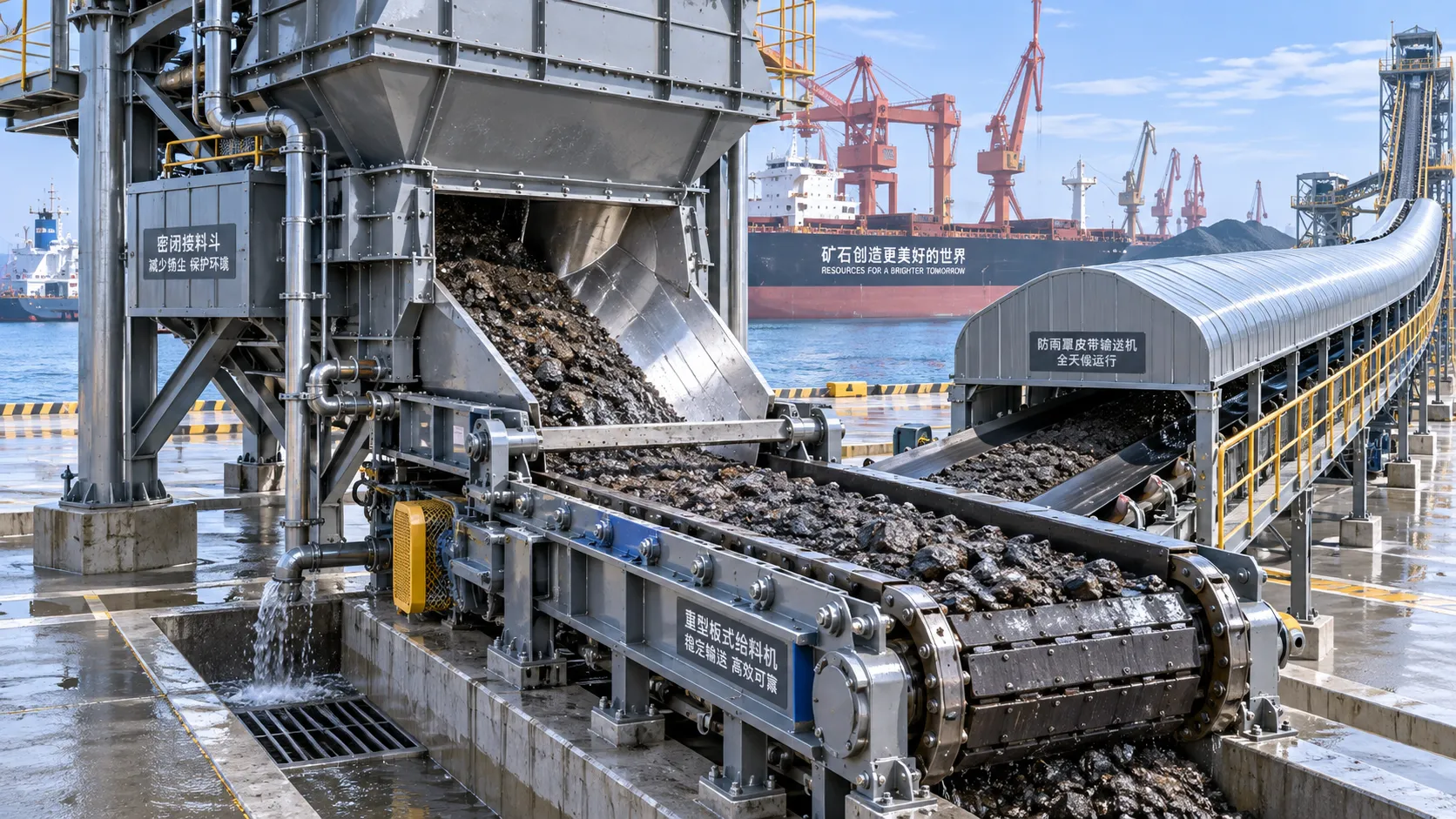
Which Bulk Handling Equipment Suits High-Moisture Cargo?
Which bulk handling equipment suits high-moisture cargo? Compare belt, apron, screw, drag, and slurry systems for reliable flow, less carryback, and higher terminal uptime.
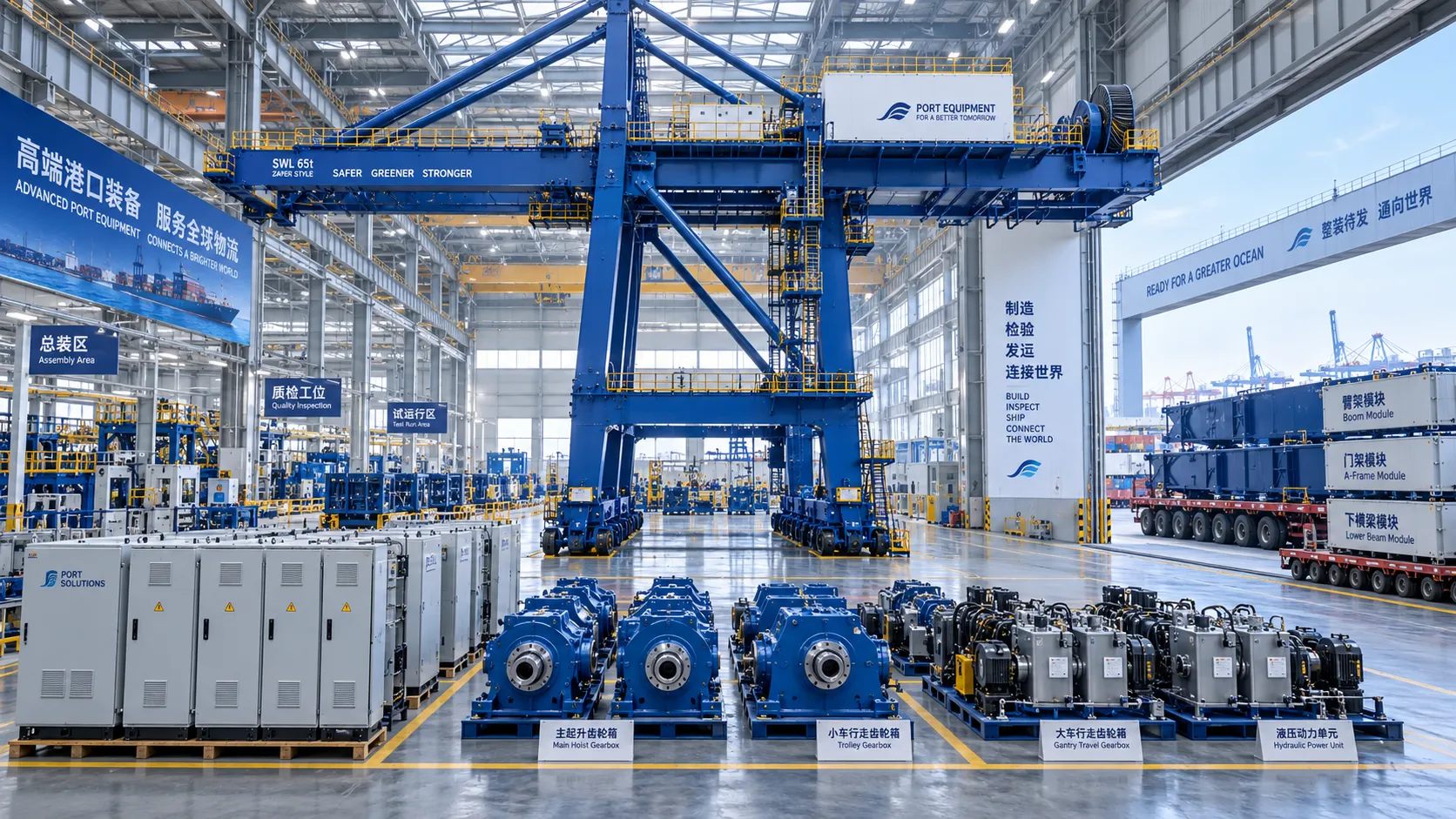
How Can Port Equipment Lead-Time Risk Be Managed?
How can port equipment lead-time risk be managed? Explore practical strategies to control critical paths, suppliers, transport, site readiness, and commissioning delays.
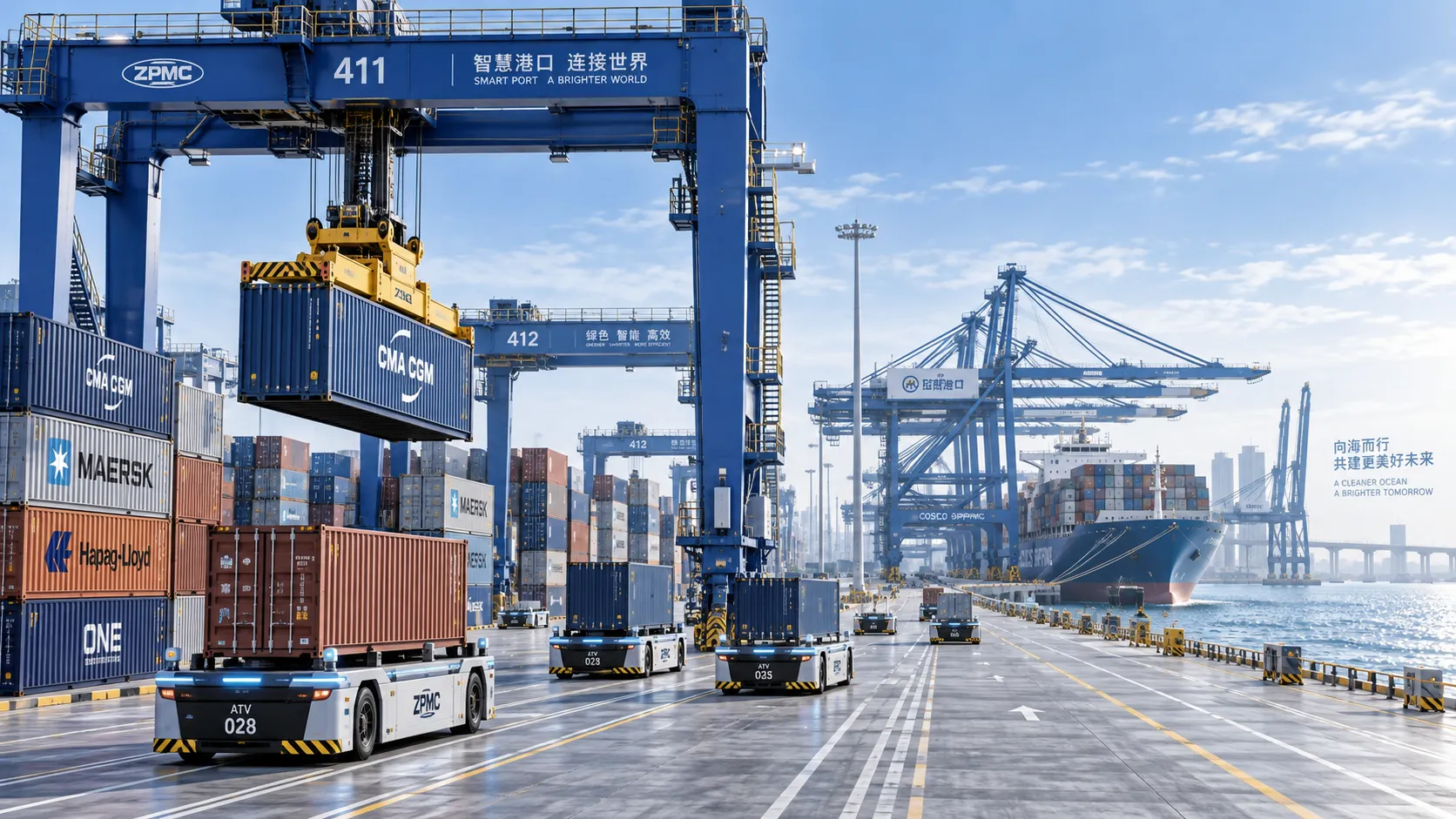
Terminal Automation Technologies That Raise Container Throughput Without Yard Disruption
Terminal automation technology that increases container throughput without disrupting yard flow. Explore smarter integration, resilient workflows, and phased deployment strategies.
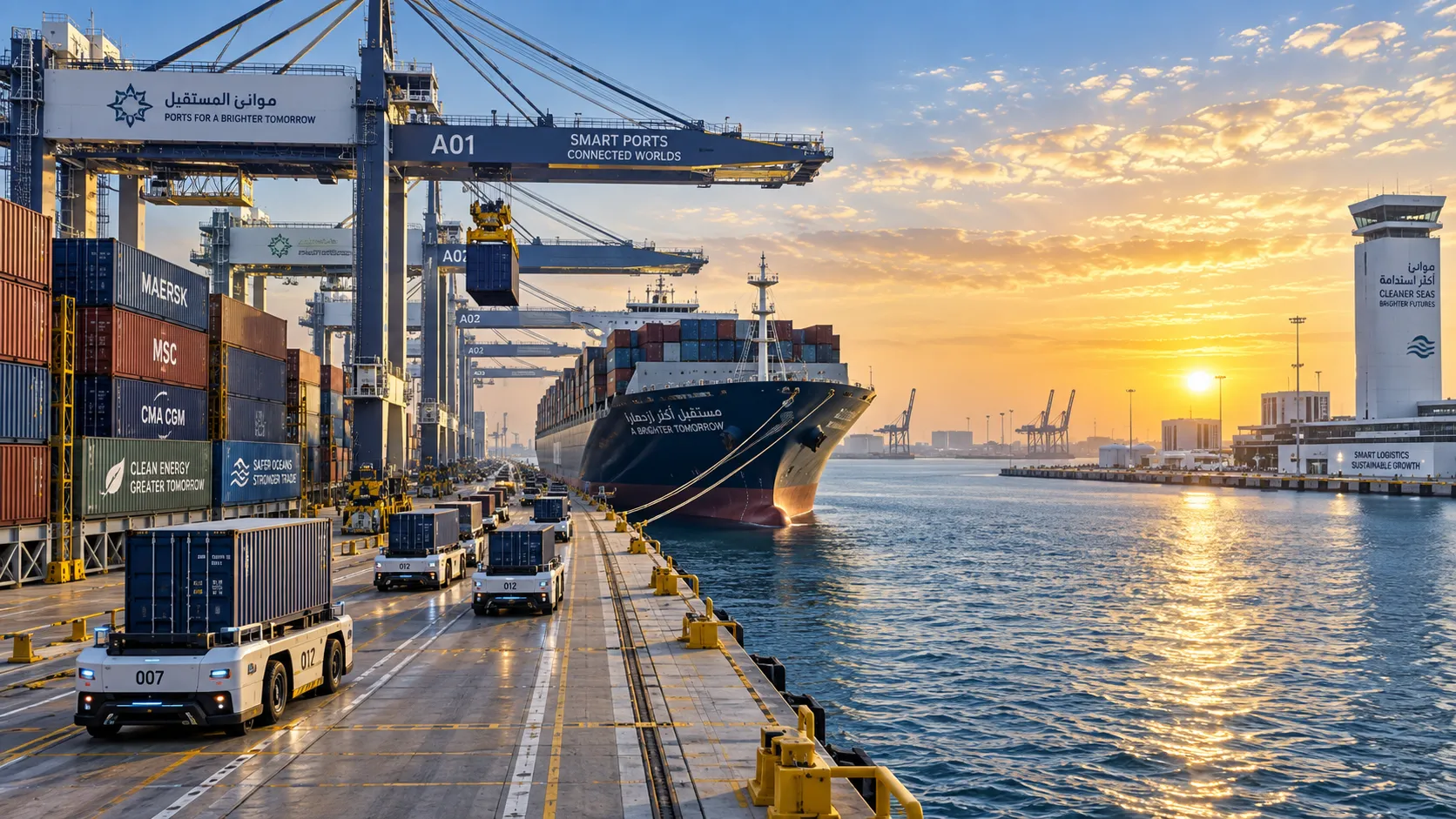
Middle East Port Automation: Key Market Drivers, Projects, and Investment Risks
Port automation systems Middle East: explore market drivers, flagship projects, integration challenges, and investment risks shaping smarter, resilient terminals.
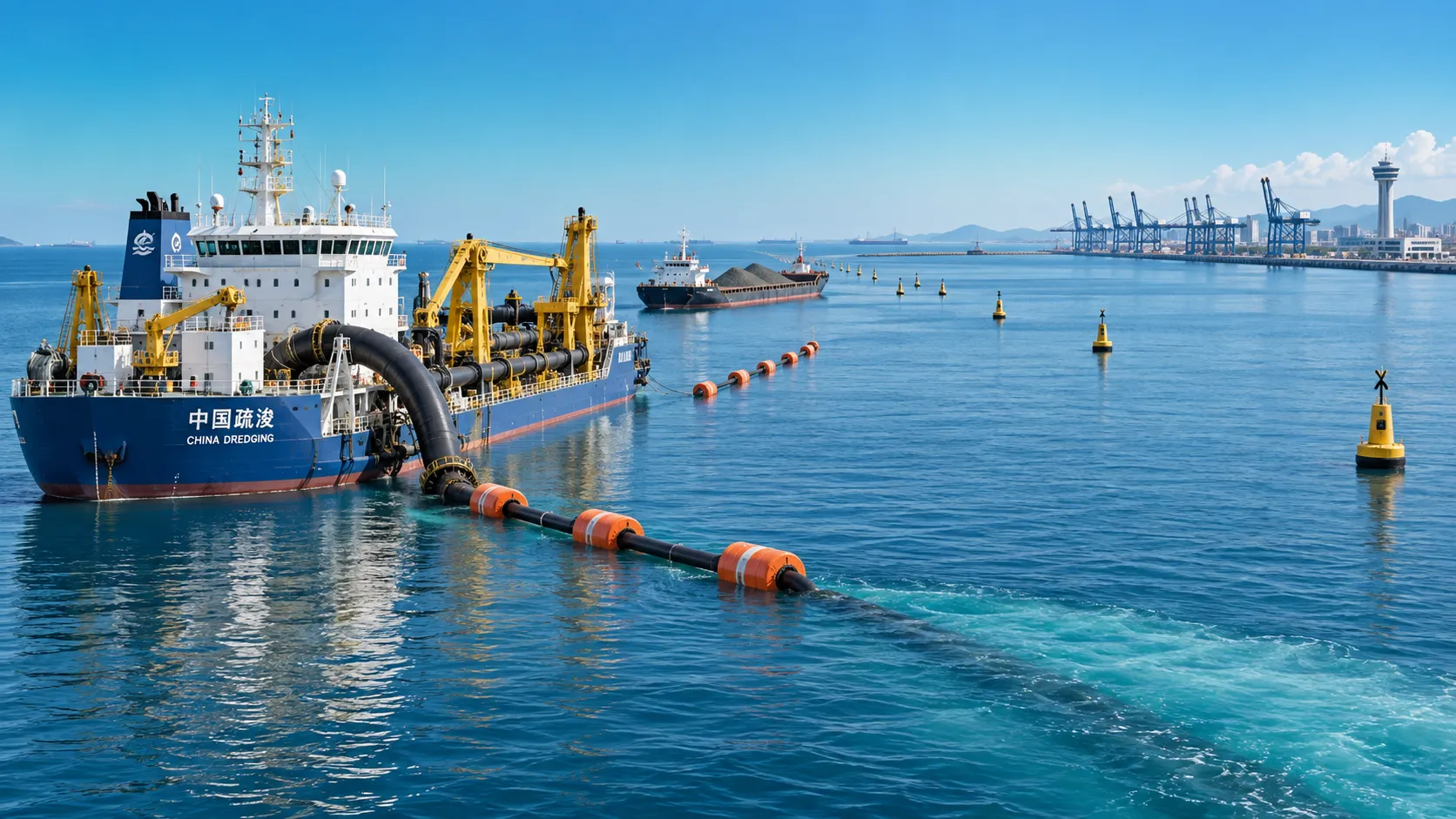
Planning Offshore Dredging Operations: Key Risks, Methods, and Project Controls
Offshore dredging operations demand smart planning. Explore key risks, proven methods, environmental controls, and project strategies for reliable delivery.