Related News
- 00
0000-00
How to Specify a Quay Crane for Container Terminals by Vessel Size and Throughput? - 00
0000-00
Which Bulk Handling Equipment Suits High-Moisture Cargo? - 00
0000-00
Terminal Automation Technologies That Raise Container Throughput Without Yard Disruption - 00
0000-00
Planning Offshore Dredging Operations: Key Risks, Methods, and Project Controls - 00
0000-00
Where Do Automated Guided Vehicles Deliver the Fastest Warehouse Gains in the Middle East?
Automated Gear Systems Explained: Types, Motion Control, and Where They Fit Best
Why is automated gear getting so much attention in ports and bulk logistics?
Automated gear matters because cargo movement is no longer judged by lifting power alone.
Ports, yards, and dredging-linked logistics now depend on timing accuracy, traffic coordination, and stable remote control.
In simple terms, automated gear combines mechanics, sensors, drives, and software into one controlled motion system.
That shift is especially visible in container handling, bulk transfer, and terminal support equipment.
Instead of relying on constant manual intervention, the system manages travel paths, stop positions, load responses, and safety logic.
This is one reason industry intelligence platforms such as PS-Nexus track automated gear so closely.
The real value is not the hardware by itself.
It is the way heavy terminal gear, control networks, and scheduling algorithms work together under live operating pressure.
For modern maritime logistics, that coordination affects berth productivity, yard density, energy use, and downtime exposure.
So when people ask about automated gear, they are usually asking a bigger question.
Can this system deliver repeatable motion, lower labor dependency, and better long-term control in a demanding environment?
What does automated gear actually include?
The term covers more than one machine category, which is where confusion often begins.
Automated gear can refer to crane motion systems, stacker control, AGV drivetrain packages, conveyor positioning modules, and dredging support mechanisms.
In practice, the main types are usually grouped by how they move and what they must control.
- Travel gear moves equipment across rails, lanes, or designated yard paths.
- Hoisting gear manages vertical lifting, load sway, and stopping precision.
- Rotational or slewing gear controls turning motion for cranes and handling arms.
- Transfer gear supports shuttle, stacking, or feeding operations between linked assets.
- Positioning gear fine-tunes alignment where tolerance windows are narrow.
A useful way to read automated gear is to separate power transmission from motion intelligence.
The gearbox, motor, brake, and couplings provide force.
The controller, encoder, sensor array, and communication layer decide how that force behaves.
That distinction matters in ports because many failures do not start as pure mechanical breakdowns.
They begin as signal delay, poor calibration, unstable load feedback, or mismatched control parameters.
A quick comparison helps clarify where each type fits
How does motion control decide whether automated gear performs well or poorly?
This is where many evaluations become too shallow.
Two systems may use similar automated gear, yet produce very different throughput and reliability.
The difference usually comes from motion control logic.
Good control is not just faster movement.
It is controlled acceleration, precise deceleration, smooth load response, and predictable recovery after disturbance.
For example, a container crane facing wind, uneven load distribution, and live berth scheduling cannot rely on fixed commands.
Its automated gear needs continuous feedback from encoders, vision systems, load cells, and edge controllers.
In actual operations, several control layers usually work together.
- Drive control manages torque, speed, and braking behavior.
- Position control keeps the machine on its intended path or target point.
- Supervisory control coordinates tasks across equipment and yard systems.
- Safety control handles emergency boundaries, exclusion zones, and fallback states.
PS-Nexus often frames this as a system intelligence issue rather than a component issue.
That view makes sense because low-latency communication, path-planning logic, and machine health monitoring directly influence automated gear performance.
If the command loop is unstable, even premium hardware can underperform.
If the control loop is clean, the same automated gear can operate with tighter tolerances and lower energy waste.
Where does automated gear fit best, and where is it often overestimated?
Automated gear works best where movement patterns are repetitive, route logic is defined, and operational data is reliable.
That is why container yards, automated stacking areas, conveyor-fed bulk terminals, and remote-controlled crane corridors are common starting points.
These environments reward precision and consistency.
Automated gear also fits well in dredging support systems where pump monitoring, feeder balance, and repetitive positioning need stable control.
However, not every high-load environment is ready.
A terminal with irregular layouts, weak data discipline, or frequent nonstandard cargo may see limited gains at first.
The most common mistake is assuming automated gear will solve process disorder by itself.
It will not.
It amplifies good process design and exposes poor process design.
A practical rule is to ask three questions before scaling.
- Is the motion sequence repeatable enough for algorithmic control?
- Can the site provide stable positioning, sensing, and network response?
- Will the upstream and downstream assets stay synchronized?
If the answer is weak on any of those points, the automated gear project may need phased deployment rather than full automation at once.
What should be compared before choosing one automated gear approach over another?
Selection is rarely about headline speed.
A stronger comparison looks at fit, not marketing claims.
For ports and logistics systems, the most useful comparison points usually include operating rhythm, maintenance reality, and control integration.
That means checking far more than rated load.
- Motion precision under real load variation, not just test conditions.
- Recovery behavior after interruption, overload event, or signal drop.
- Compatibility with terminal operating systems and remote-control architecture.
- Energy profile across stop-start cycles and idle periods.
- Spare parts availability and calibration support over a long asset life.
It also helps to compare implementation burden.
Some automated gear options look attractive until site retrofits, network upgrades, and software integration are fully counted.
That is why decision-making in this field increasingly depends on intelligence-led evaluation.
PS-Nexus reflects that broader view by connecting terminal gear trends with scheduling logic, communications latency, and trade flow changes.
The best automated gear choice is usually the one that maintains control stability as operating complexity grows.
What risks, costs, and timing issues are often missed early on?
The biggest hidden cost is not always the machine.
It is the gap between mechanical installation and usable system performance.
Automated gear often requires commissioning time for tuning, mapping, safety verification, and operational testing.
If those stages are compressed, reliability usually suffers later.
Another blind spot is environmental stress.
Marine humidity, salt exposure, vibration, dust, and wind can affect sensors, drives, housings, and communication consistency.
So cost evaluation should include protection strategy, not just equipment price.
There is also a timing question.
Some sites benefit from installing automated gear during expansion or terminal redesign.
Others do better with modular retrofits that reduce disruption.
A short decision table can make this easier to judge.
So how should automated gear be assessed before the next move?
A solid assessment starts by linking motion demands with business reality.
That means looking at throughput targets, cargo variability, site conditions, and control architecture together.
Automated gear is most valuable when it improves repeatability, supports scalable scheduling, and holds performance under operational stress.
It is less convincing when the surrounding process remains unstable.
In the maritime and heavy logistics context, the better next step is usually structured comparison.
Map the motion type, define control requirements, review integration limits, and test the likely failure points early.
That approach turns automated gear from a vague upgrade idea into a measurable operational decision.
Where deeper market signals are needed, intelligence sources like PS-Nexus are useful because they connect equipment evolution with terminal automation, dredging engineering, and global trade dynamics.
The practical takeaway is clear.
Before choosing any automated gear path, clarify the application, compare control logic, verify site readiness, and set realistic standards for cost, timing, and resilience.
Related News
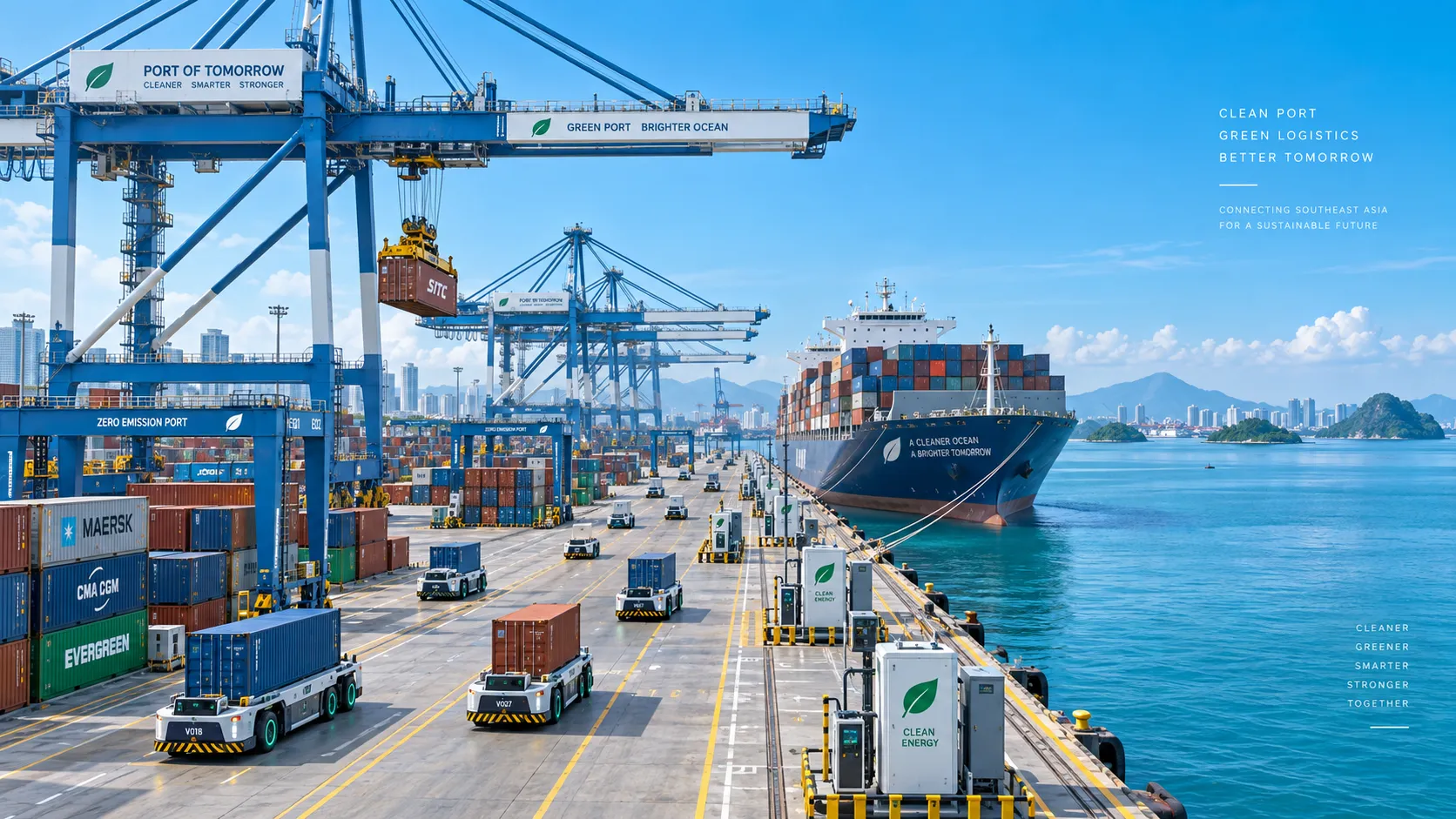
Smart Port Systems in Southeast Asia: Investment Priorities and Adoption Barriers
Smart port systems Southeast Asia: discover investment priorities, adoption barriers, and practical steps to build resilient, connected, high-performing terminals.
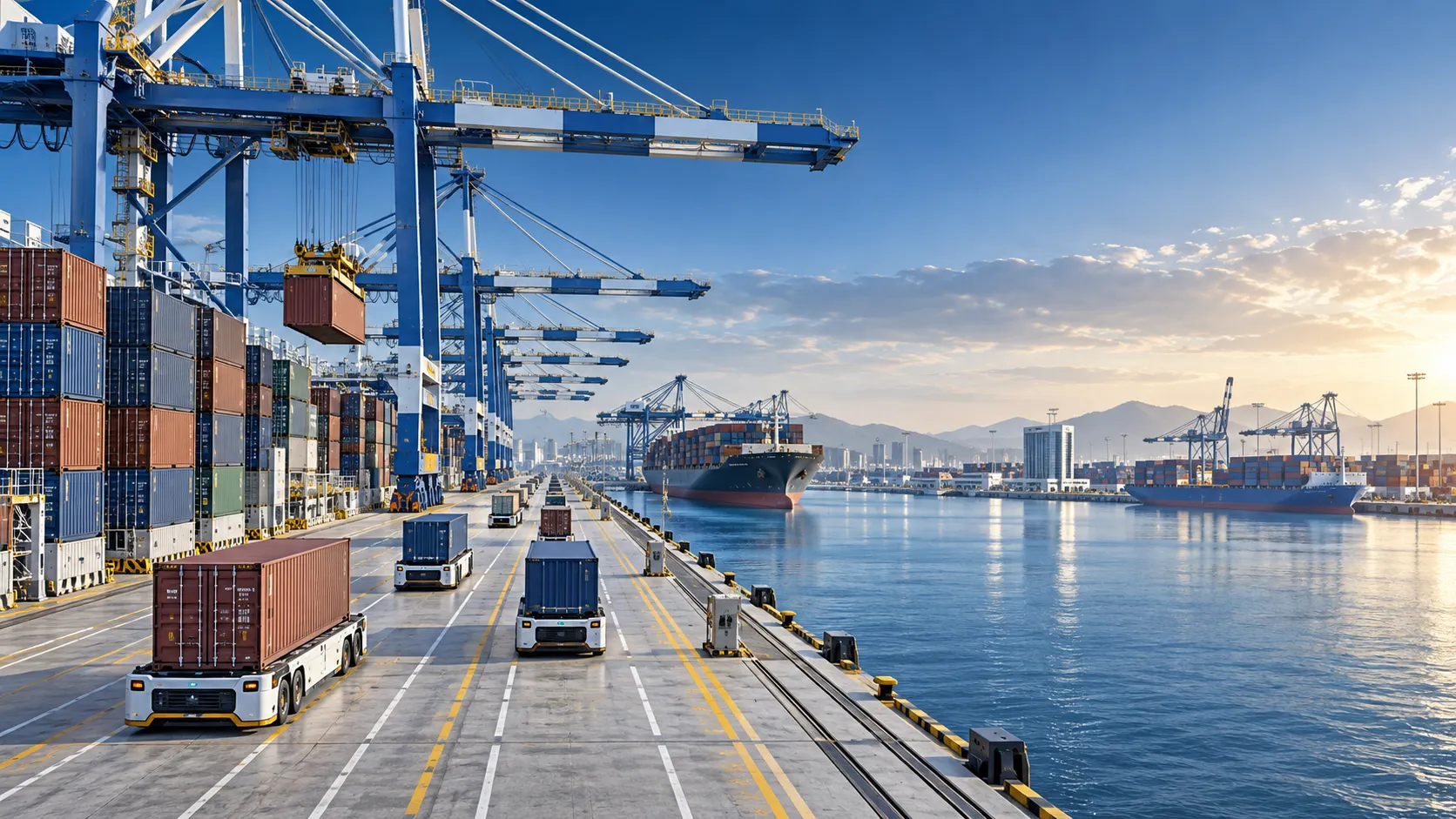
How to Evaluate Terminal Efficiency Solution Suppliers for High-Throughput Operations
Choose a terminal efficiency solutions supplier with confidence. Explore proven criteria for throughput, integration, lifecycle cost, safety, and reliable delivery.
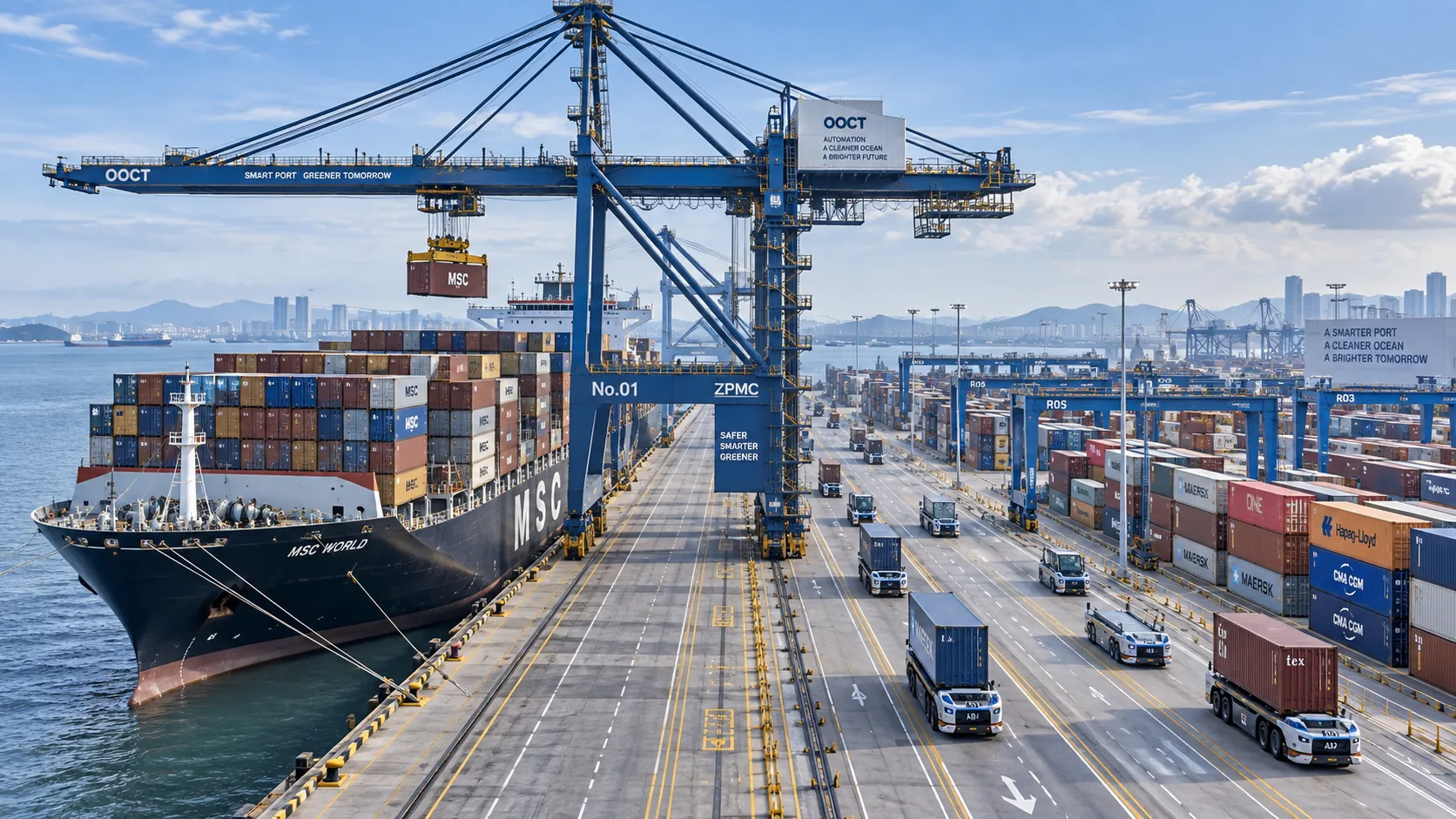
How to Specify a Quay Crane for Container Terminals by Vessel Size and Throughput?
Quay crane for container terminals: learn how to match outreach, lift height, capacity, automation, and cycle performance to vessel size and throughput goals.
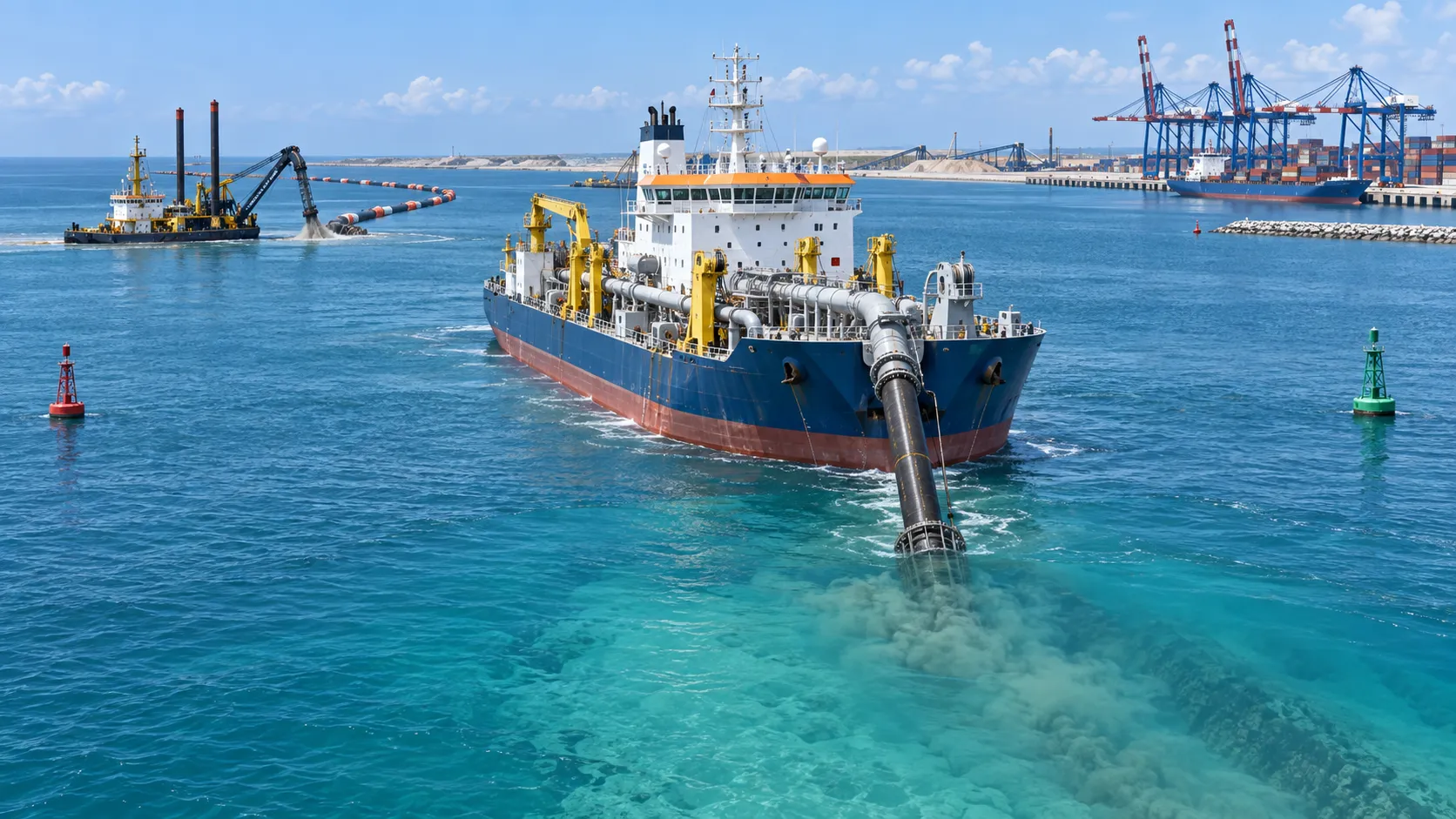
What Dredging Equipment Is Needed for Channel Deepening?
What dredging equipment is needed for channel deepening? Explore dredgers, pipelines, survey tools, and planning strategies for safer, more efficient port access.
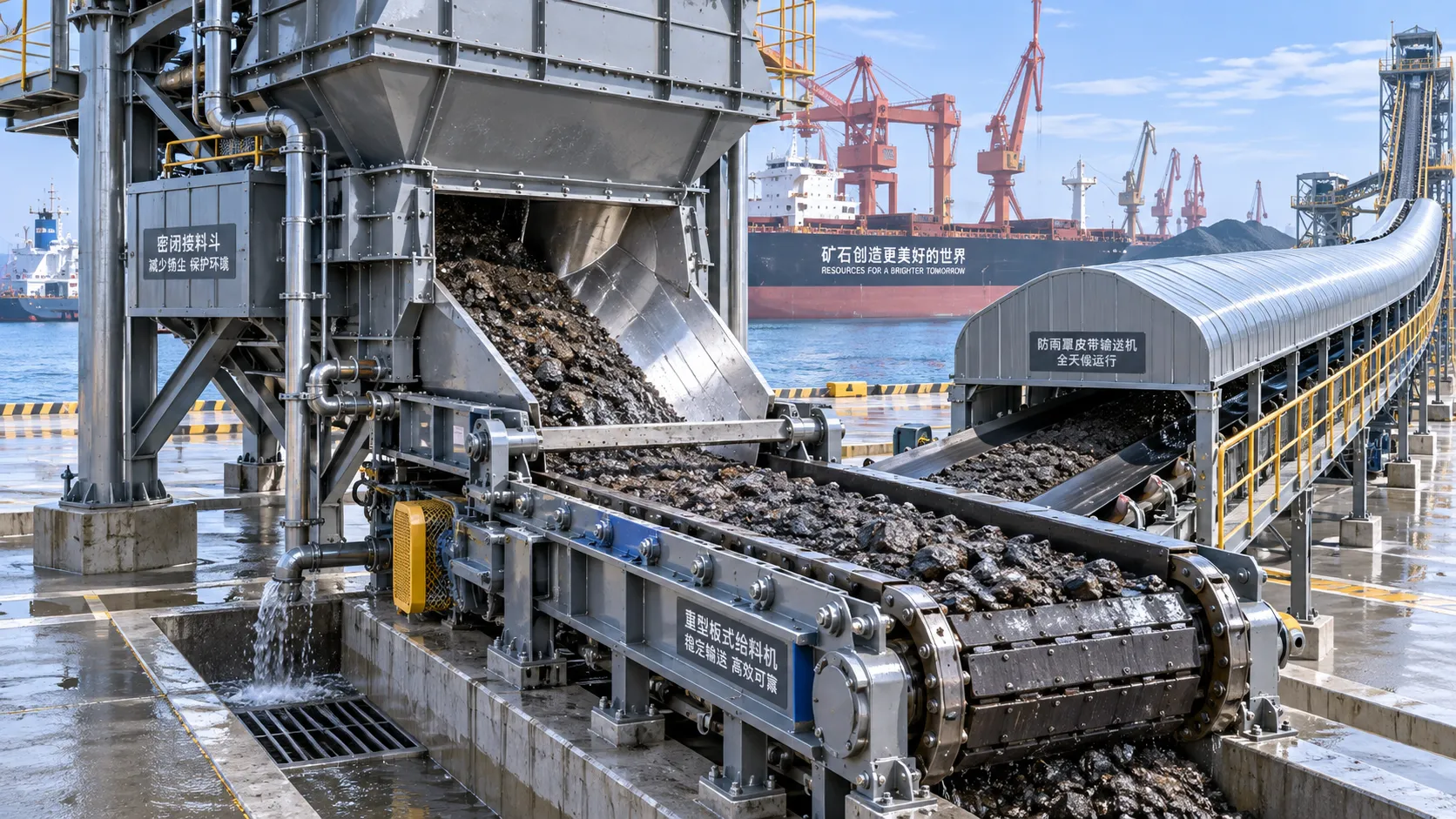
Which Bulk Handling Equipment Suits High-Moisture Cargo?
Which bulk handling equipment suits high-moisture cargo? Compare belt, apron, screw, drag, and slurry systems for reliable flow, less carryback, and higher terminal uptime.
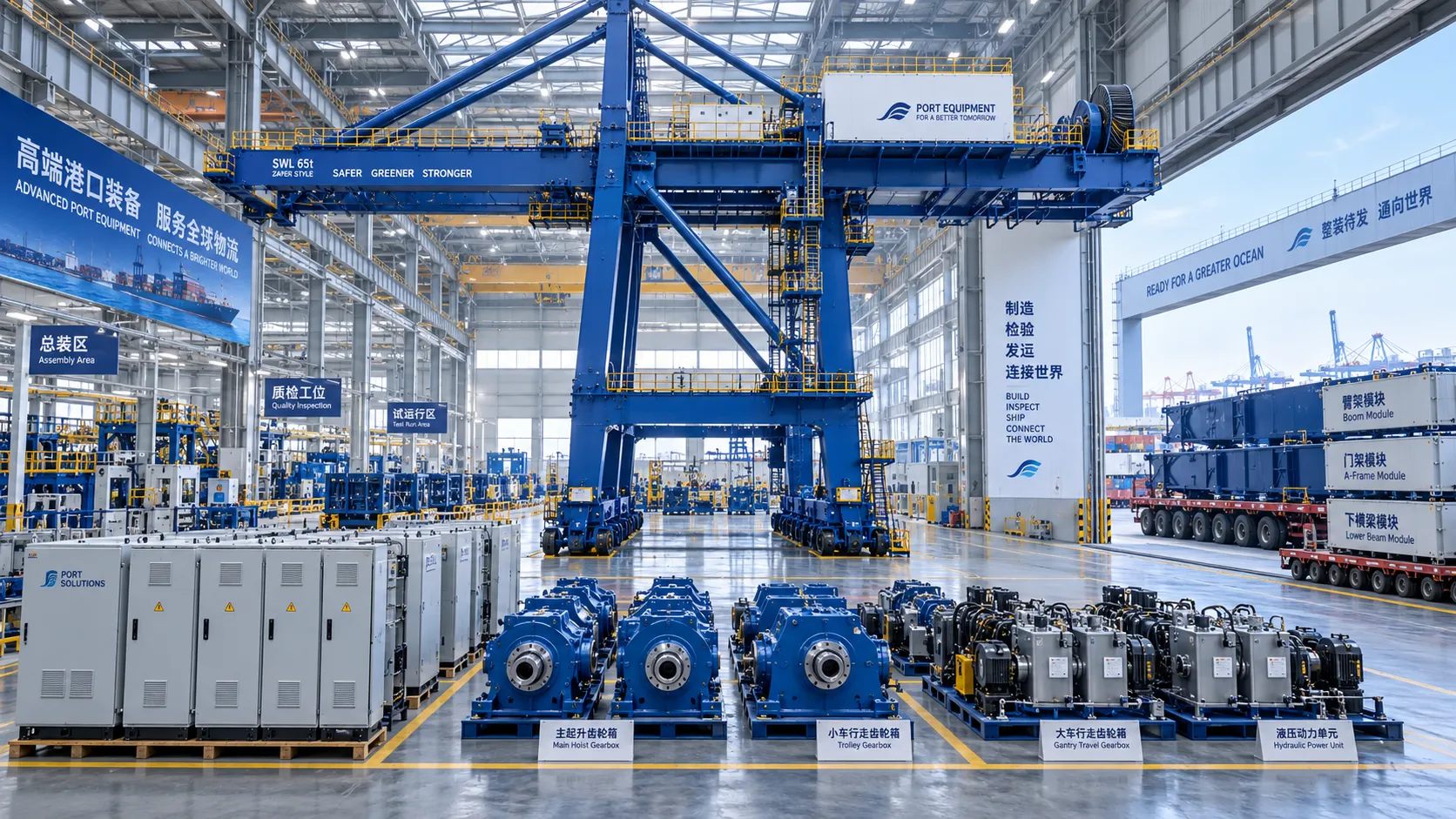
How Can Port Equipment Lead-Time Risk Be Managed?
How can port equipment lead-time risk be managed? Explore practical strategies to control critical paths, suppliers, transport, site readiness, and commissioning delays.
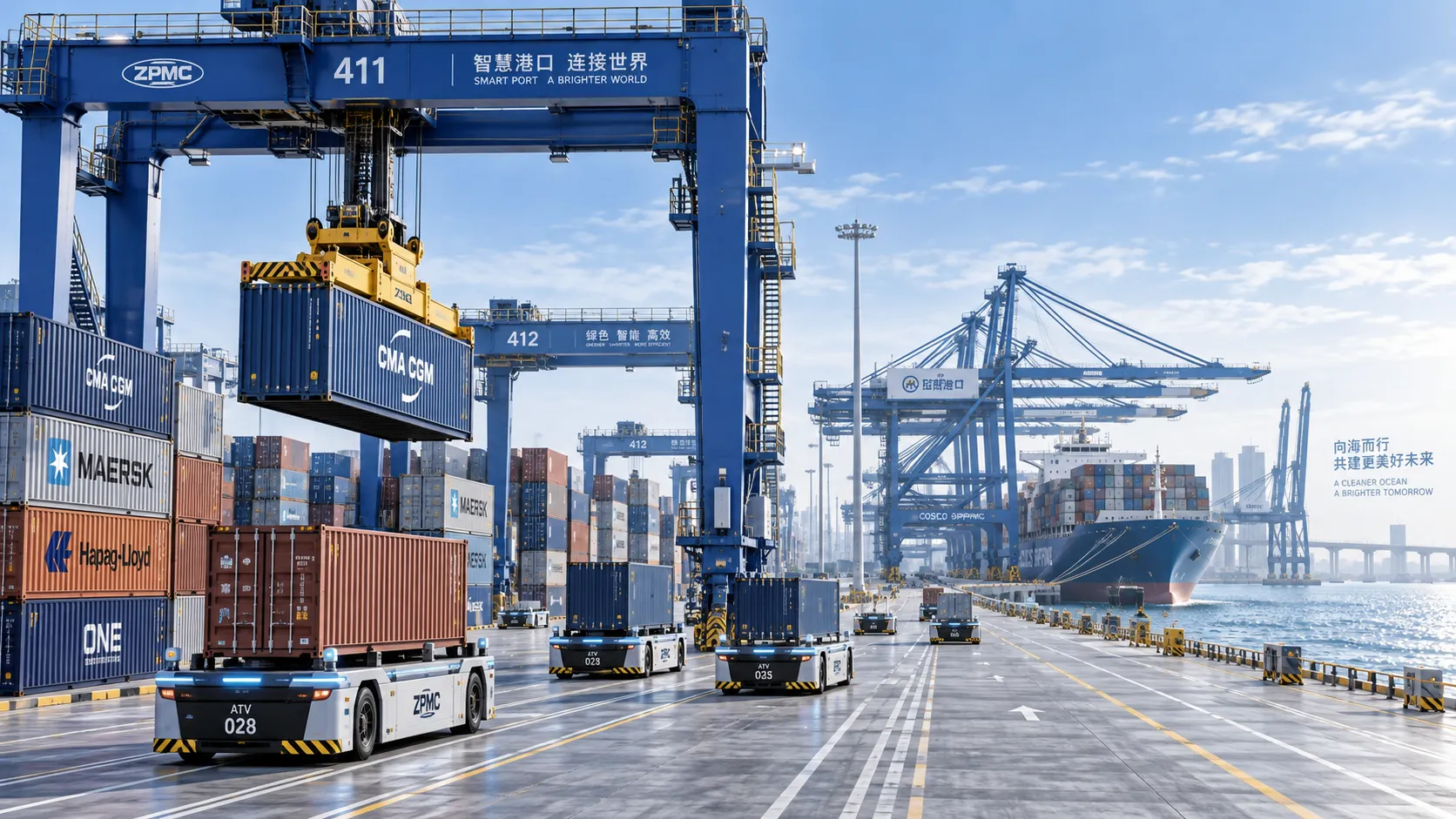
Terminal Automation Technologies That Raise Container Throughput Without Yard Disruption
Terminal automation technology that increases container throughput without disrupting yard flow. Explore smarter integration, resilient workflows, and phased deployment strategies.
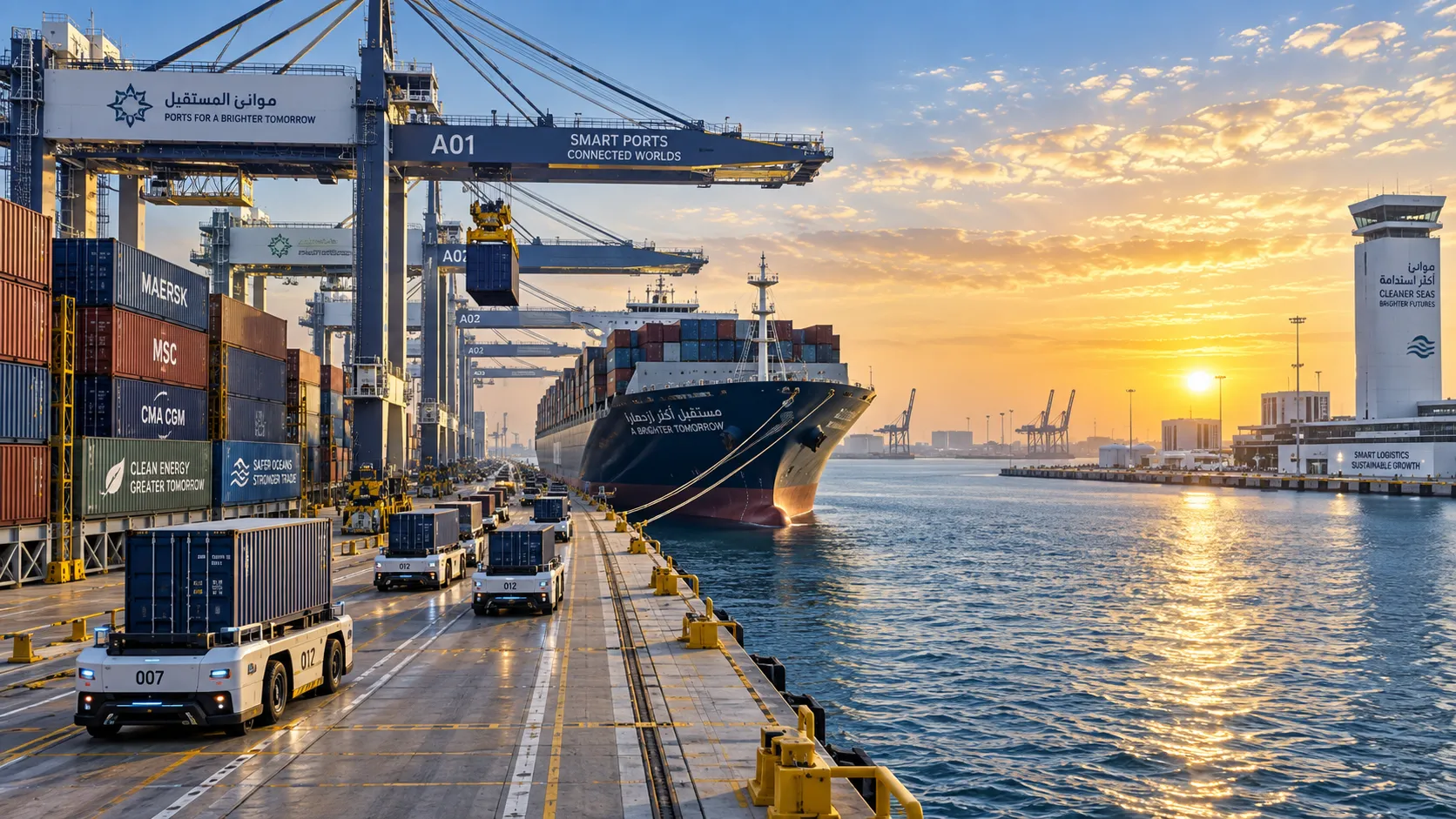
Middle East Port Automation: Key Market Drivers, Projects, and Investment Risks
Port automation systems Middle East: explore market drivers, flagship projects, integration challenges, and investment risks shaping smarter, resilient terminals.
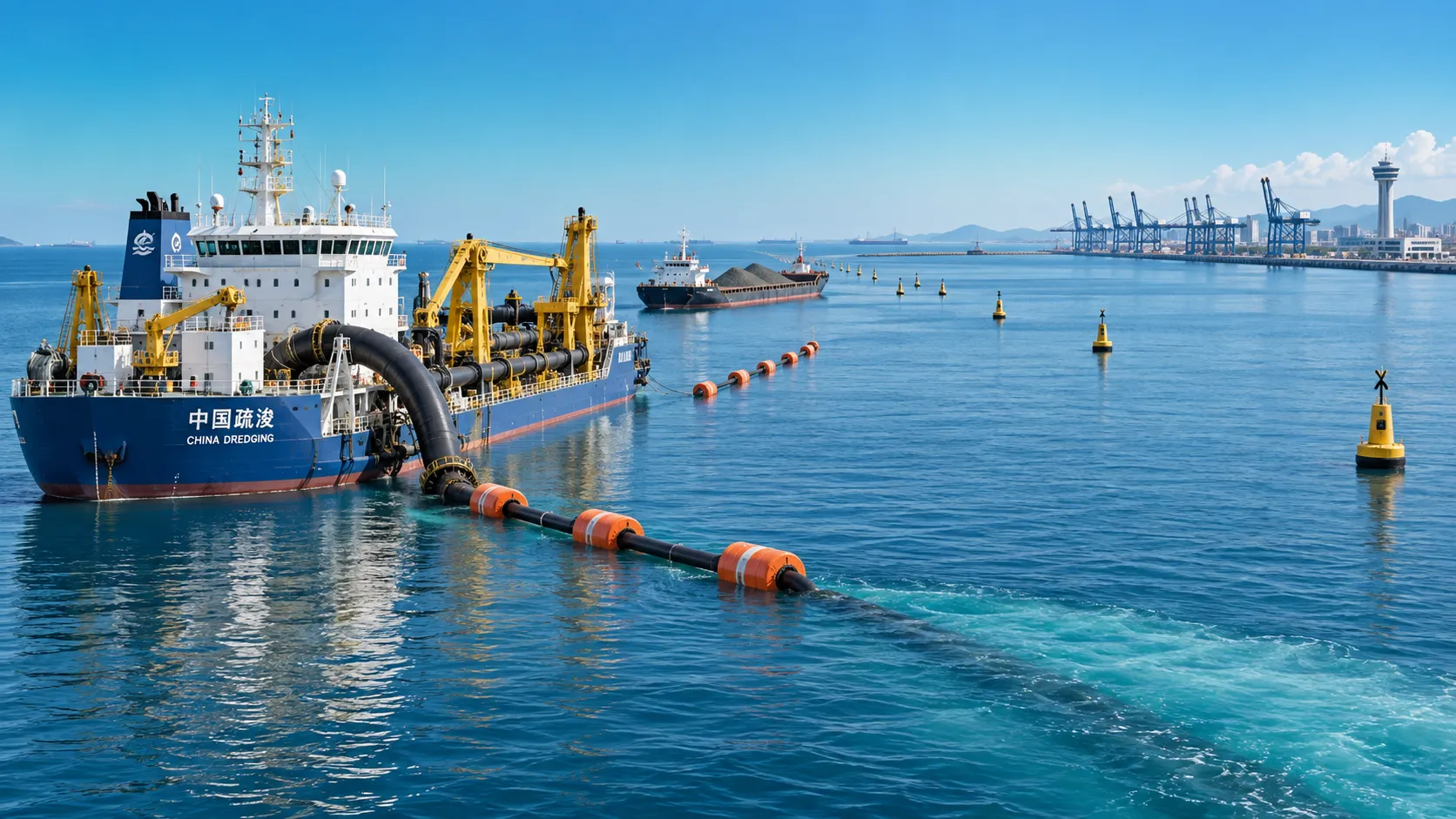
Planning Offshore Dredging Operations: Key Risks, Methods, and Project Controls
Offshore dredging operations demand smart planning. Explore key risks, proven methods, environmental controls, and project strategies for reliable delivery.