Related News
- 00
0000-00
How to Specify a Quay Crane for Container Terminals by Vessel Size and Throughput? - 00
0000-00
Which Bulk Handling Equipment Suits High-Moisture Cargo? - 00
0000-00
Terminal Automation Technologies That Raise Container Throughput Without Yard Disruption - 00
0000-00
Planning Offshore Dredging Operations: Key Risks, Methods, and Project Controls - 00
0000-00
Where Do Automated Guided Vehicles Deliver the Fastest Warehouse Gains in the Middle East?
AGVs in Heavy Manufacturing: Best-Fit Routes, Load Limits, and Safety Planning
AGVs create value only when plant reality shapes the plan
AGVs promise smooth internal logistics, but heavy manufacturing rarely rewards generic layouts or headline payload figures.
In practice, route design, load limits, and safety planning influence each other from the first layout review.
That matters even more in sectors linked to port equipment, bulk handling, and automated container systems.
Facilities building spreaders, structural steel, conveyor modules, crane components, or dredging assemblies face uneven flow patterns.
Some moves are repetitive and predictable. Others involve oversized parts, temporary buffers, and mixed manual traffic.
So the best AGVs strategy is not choosing one vehicle first.
It starts by matching AGVs behavior to aisle geometry, handoff points, floor conditions, production rhythm, and safety obligations.
PS-Nexus often frames automation through this systems view.
The same logic used in port automation and container scheduling also applies inside heavy plants.
When routing logic, equipment constraints, and operational risk are stitched together early, AGVs become scalable rather than disruptive.
Why route choices differ between heavy manufacturing environments
Two plants may both deploy AGVs, yet their routing priorities can be completely different.
A fabrication hall usually cares about long loads, welding stations, and irregular staging.
An assembly plant often values takt stability, repeatable stop points, and synchronized replenishment.
A marine equipment yard may add outdoor transfers, slope changes, and weather exposure.
That is why AGVs route planning should begin with traffic character, not with map drawing alone.
The key question is how material actually moves during peak and non-peak hours.
Another key question is where conflicts emerge between people, forklifts, overhead lifting, and automated transport.
In facilities influenced by maritime logistics, variability is common.
Large subassemblies may wait on imported parts, urgent retrofit jobs, or shipping schedule changes.
Under those conditions, AGVs need route resilience, not just shortest-path efficiency.
Where fixed paths work well and where flexible routing matters more
Stable line feeding favors simpler AGVs logic
When material moves between supermarkets, kitting cells, and defined assembly stations, fixed lanes usually perform well.
The benefits are easier validation, clearer pedestrian rules, and faster operator acceptance.
This suits plants producing repeated modules for cranes, terminal vehicles, and standardized handling systems.
Here, AGVs should prioritize docking repeatability, queue control, and charging windows more than route creativity.
Project-based workshops need decision zones, not rigid lanes everywhere
Heavy fabrication is less tidy.
Jigs move, temporary barriers appear, and oversized loads may occupy turning space without warning.
In this setting, AGVs benefit from hybrid planning.
Core corridors can stay controlled, while transfer zones allow conditional rerouting based on live obstructions.
That approach is more realistic than forcing a fully open navigation model into a cluttered workshop.
It also reflects lessons from automated container handling, where route predictability and adaptive scheduling must coexist.
Load limits are not only about rated capacity
One of the most common AGVs mistakes is treating payload rating as the final answer.
In heavy manufacturing, usable load depends on center of gravity, fixture design, floor flatness, and braking distance.
A nominally acceptable load may still create unstable travel if the part is long, offset, or vibration-sensitive.
The issue becomes sharper with fabricated steel frames, hydraulic modules, cable reels, and marine pump skids.
Those loads often behave differently from compact pallets of the same mass.
Useful validation usually covers more than kilograms:
- Dynamic load during acceleration, cornering, and emergency stop.
- Load height and visibility impact near crossings.
- Interface stability between AGVs deck, cradle, and product base.
- Tolerance for uneven floors, expansion joints, and ramps.
- Changeover impact when one vehicle handles several load families.
If the plant supplies port machinery or dredging systems, another factor appears.
Assemblies may gain weight during production as motors, gearboxes, hoses, or protection structures are added.
AGVs planning should therefore test the heaviest in-process state, not just the starting component.
Different operating scenes lead to different AGVs priorities
A simple comparison makes the differences clearer.
The point is not that one AGVs model fits all four scenes.
The point is that route logic and payload validation should follow actual operating friction.
Safety planning becomes harder when routes look efficient on paper
The shortest AGVs route is often the most problematic one.
It may cross maintenance access, welding screens, crane hook travel, or emergency egress lines.
This is where safety planning must move beyond sensor specifications.
A workable review usually combines physical layout, traffic behavior, and abnormal operating states.
For example, AGVs can travel safely in a clean aisle during standard production.
The same aisle may become unsafe during rework, coil unloading, or crane-assisted assembly.
In heavier industrial settings, useful controls often include:
- Speed reductions near blind corners and manual handoff points.
- Conditional route lockout during overhead lifting activity.
- Dedicated pedestrian crossings with visual and digital alerts.
- Separate rules for empty and loaded AGVs movement.
- Recovery procedures for stalled vehicles in narrow aisles.
These measures are especially relevant where plant logistics support port automation equipment or offshore engineering systems.
The cost of one blocked aisle can ripple into assembly delay, test stand idle time, and late shipment windows.
What teams often misjudge before AGVs deployment
Several errors appear repeatedly across heavy manufacturing projects.
The first is copying a route concept from a cleaner industry with lighter loads.
Heavy plants have different stopping distances, clearer turning penalties, and more temporary obstruction risk.
Another mistake is evaluating AGVs only at average throughput.
Bottlenecks usually emerge during shift change, urgent job insertion, or parallel handling of oversized parts.
There is also a tendency to underestimate floor and interface details.
Minor gaps, worn joints, or inconsistent pallets can reduce reliability long before software becomes the issue.
Finally, some projects optimize purchase cost while ignoring implementation overhead.
If AGVs require repeated fixture redesign, frequent route intervention, or constant escort behavior, the business case weakens fast.
A more reliable way to match AGVs to the site
A practical adaptation process usually starts with route families rather than single trips.
Group flows by load type, urgency, travel distance, and conflict exposure.
Then test whether one AGVs fleet can serve them without creating too many exceptions.
The next step is to define hard limits before software tuning begins.
- Maximum turning envelope for each loaded condition.
- Acceptable floor tolerance by corridor and transfer point.
- No-go periods tied to crane operations or maintenance tasks.
- Minimum clearance around racks, columns, and temporary staging.
- Fallback transport method when AGVs routes are unavailable.
This is also where insights from PS-Nexus are useful.
In port and terminal automation, path-planning success depends on clean interface rules between machines, software, and live operations.
Heavy manufacturing benefits from the same discipline.
The next move should be a site-based AGVs decision, not a catalog comparison
AGVs perform best when route logic reflects the plant, payload validation reflects the real product, and safety planning reflects abnormal conditions.
That is true for inland factories and for operations connected to marine equipment, smart terminals, and bulk logistics systems.
A useful next step is to map current material flows, isolate high-conflict crossings, and test the heaviest in-process loads.
After that, compare which routes should stay fixed, which need dynamic control, and which should remain manual.
That kind of structured review usually reveals whether AGVs will truly improve flow or simply automate an unstable process.
Related News
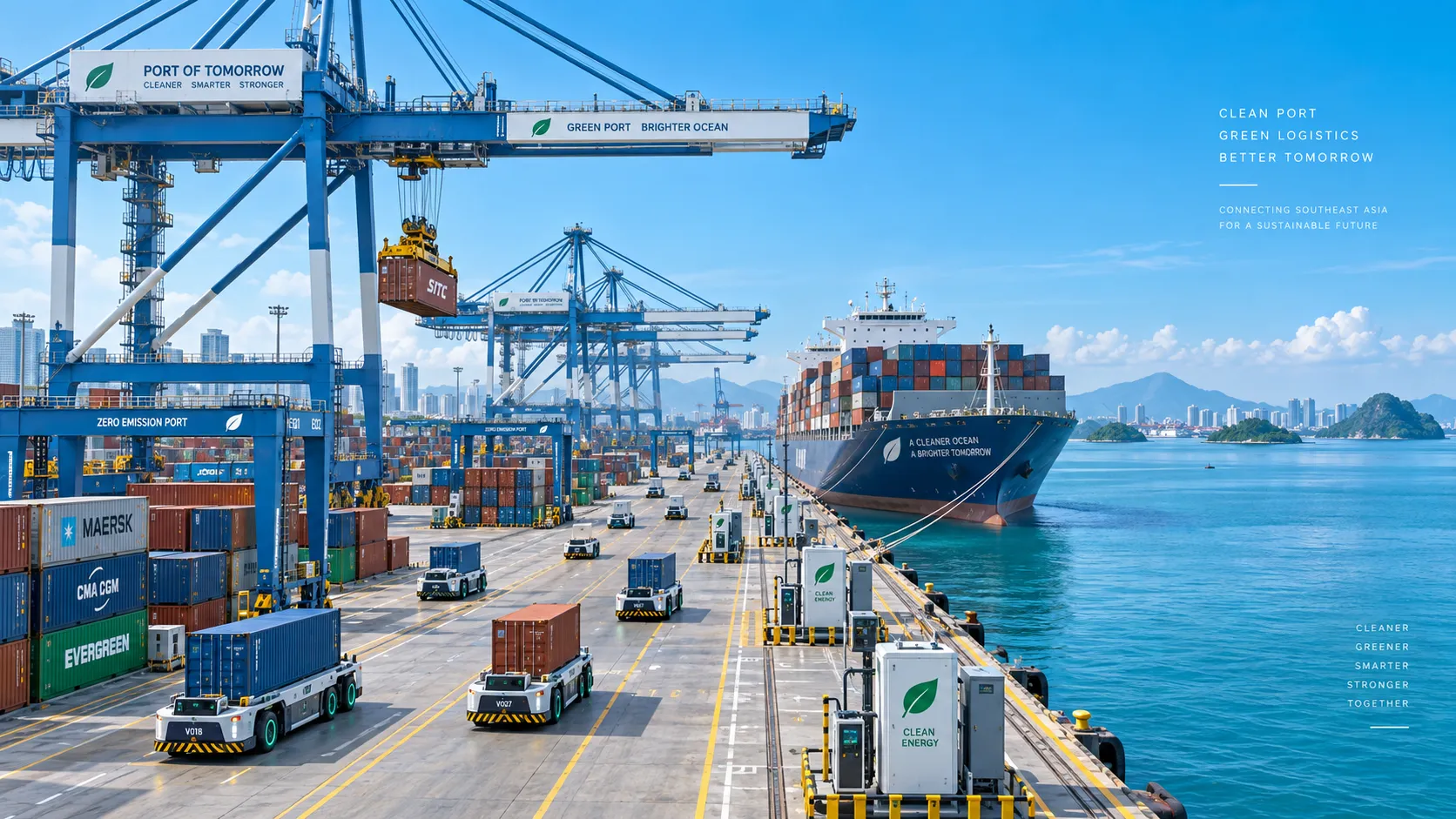
Smart Port Systems in Southeast Asia: Investment Priorities and Adoption Barriers
Smart port systems Southeast Asia: discover investment priorities, adoption barriers, and practical steps to build resilient, connected, high-performing terminals.
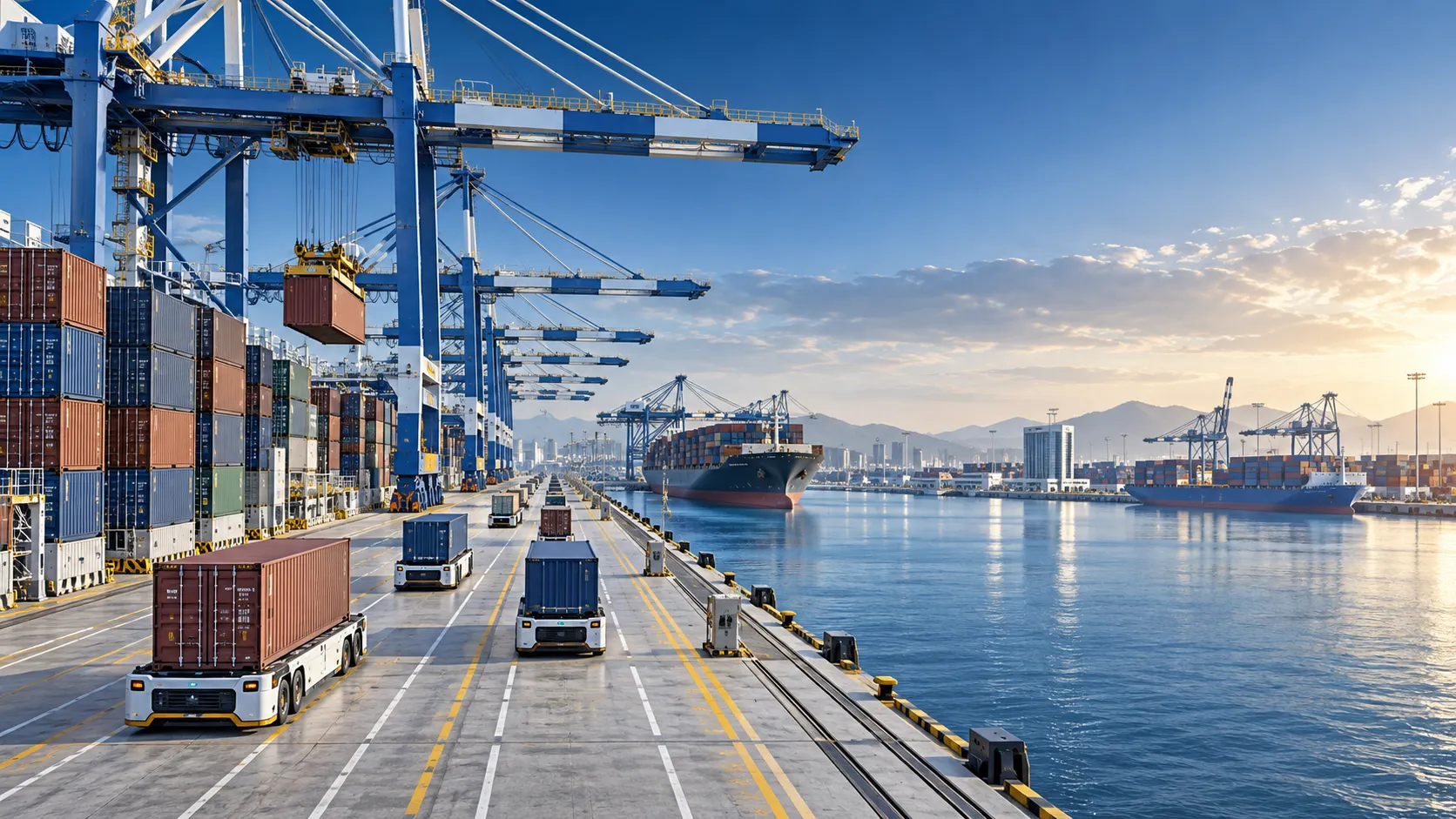
How to Evaluate Terminal Efficiency Solution Suppliers for High-Throughput Operations
Choose a terminal efficiency solutions supplier with confidence. Explore proven criteria for throughput, integration, lifecycle cost, safety, and reliable delivery.
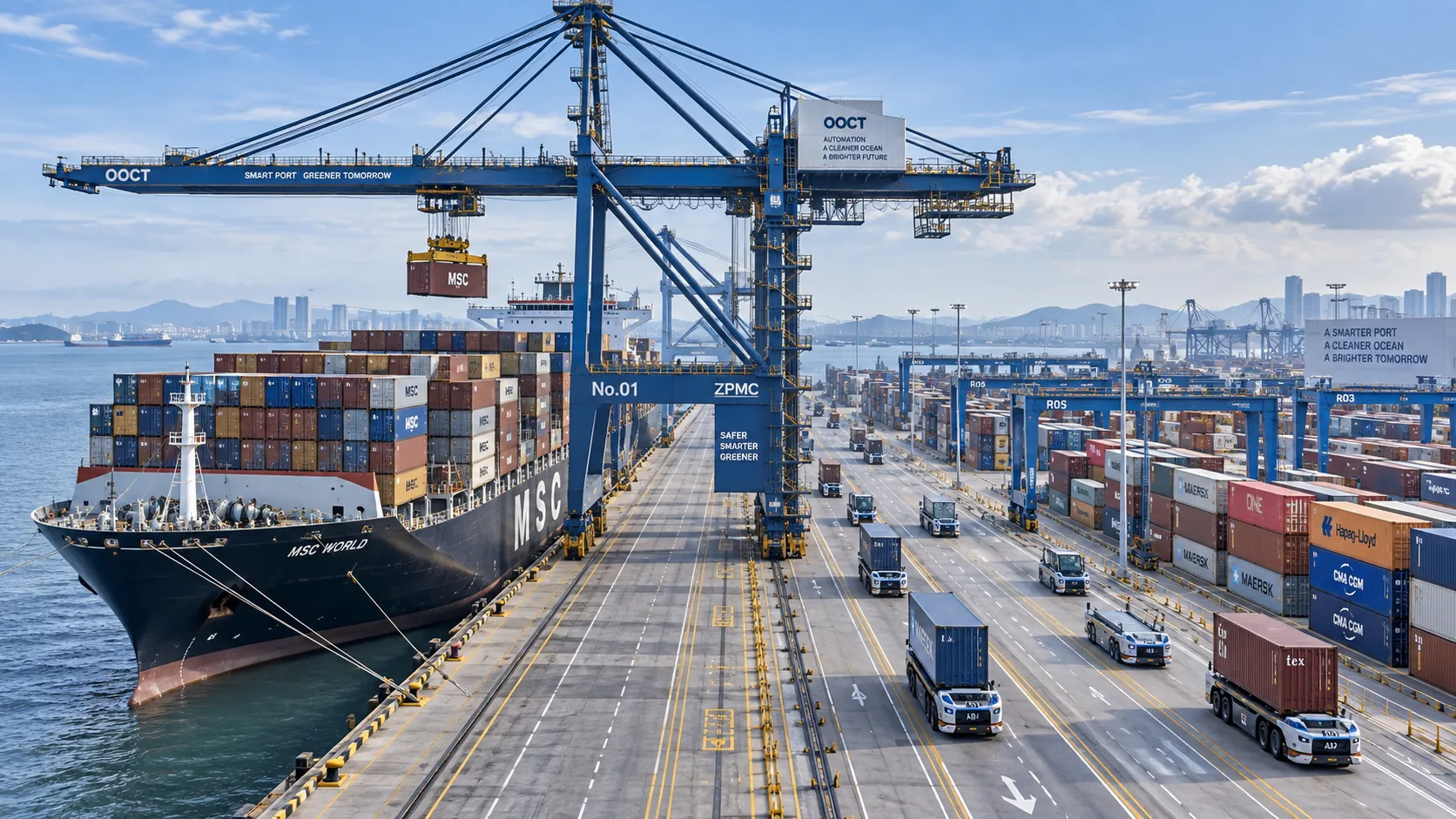
How to Specify a Quay Crane for Container Terminals by Vessel Size and Throughput?
Quay crane for container terminals: learn how to match outreach, lift height, capacity, automation, and cycle performance to vessel size and throughput goals.
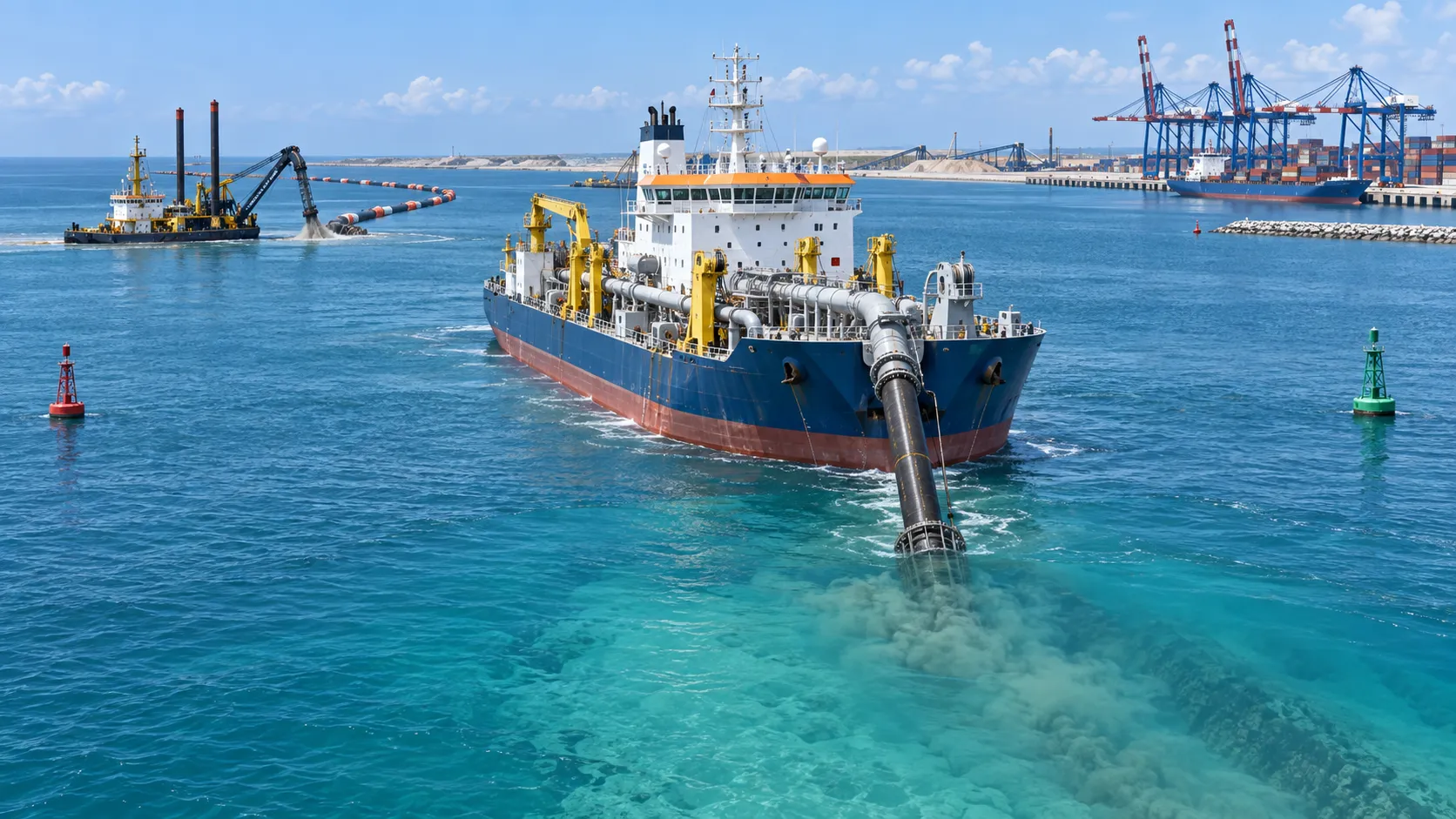
What Dredging Equipment Is Needed for Channel Deepening?
What dredging equipment is needed for channel deepening? Explore dredgers, pipelines, survey tools, and planning strategies for safer, more efficient port access.
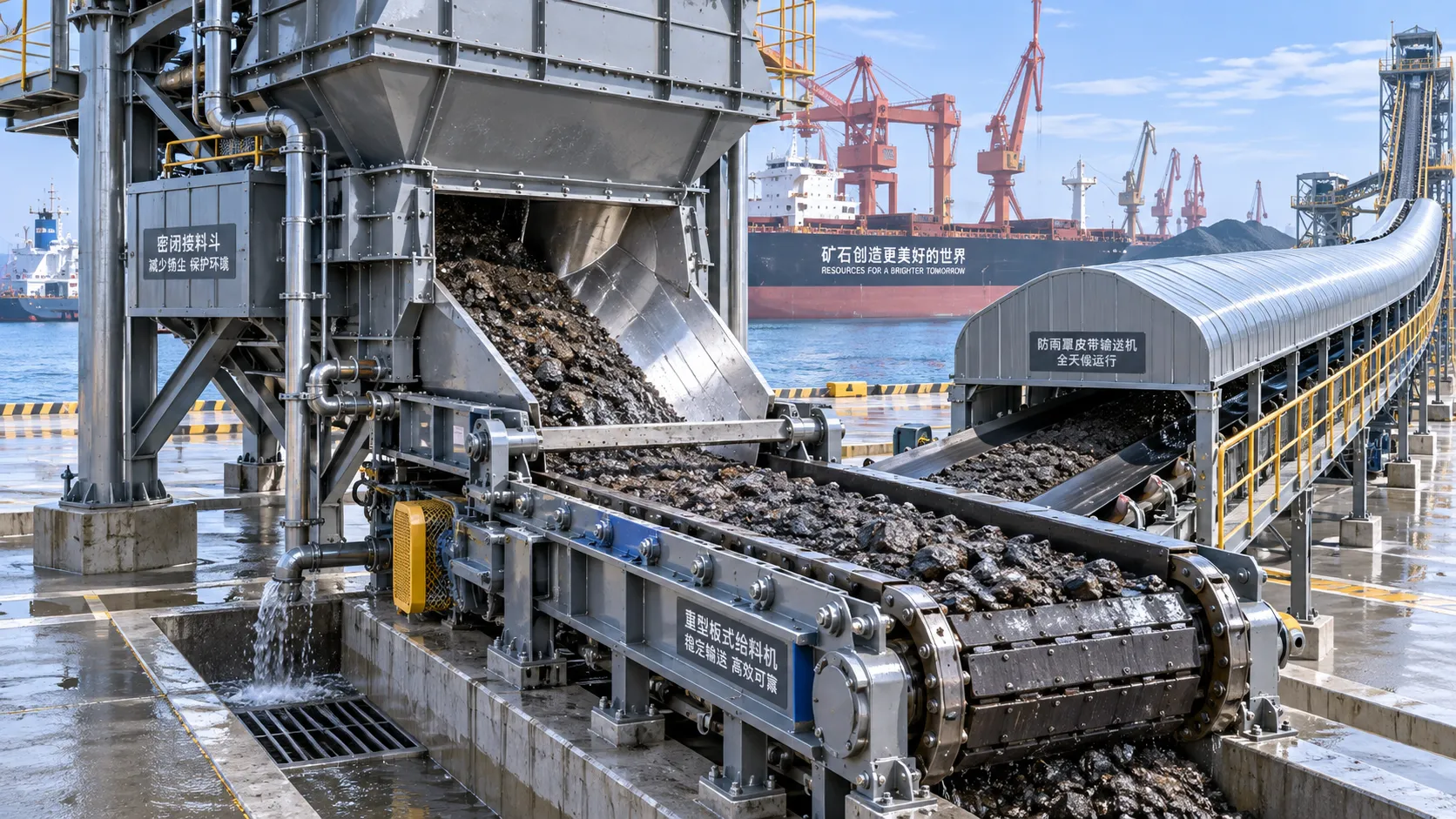
Which Bulk Handling Equipment Suits High-Moisture Cargo?
Which bulk handling equipment suits high-moisture cargo? Compare belt, apron, screw, drag, and slurry systems for reliable flow, less carryback, and higher terminal uptime.
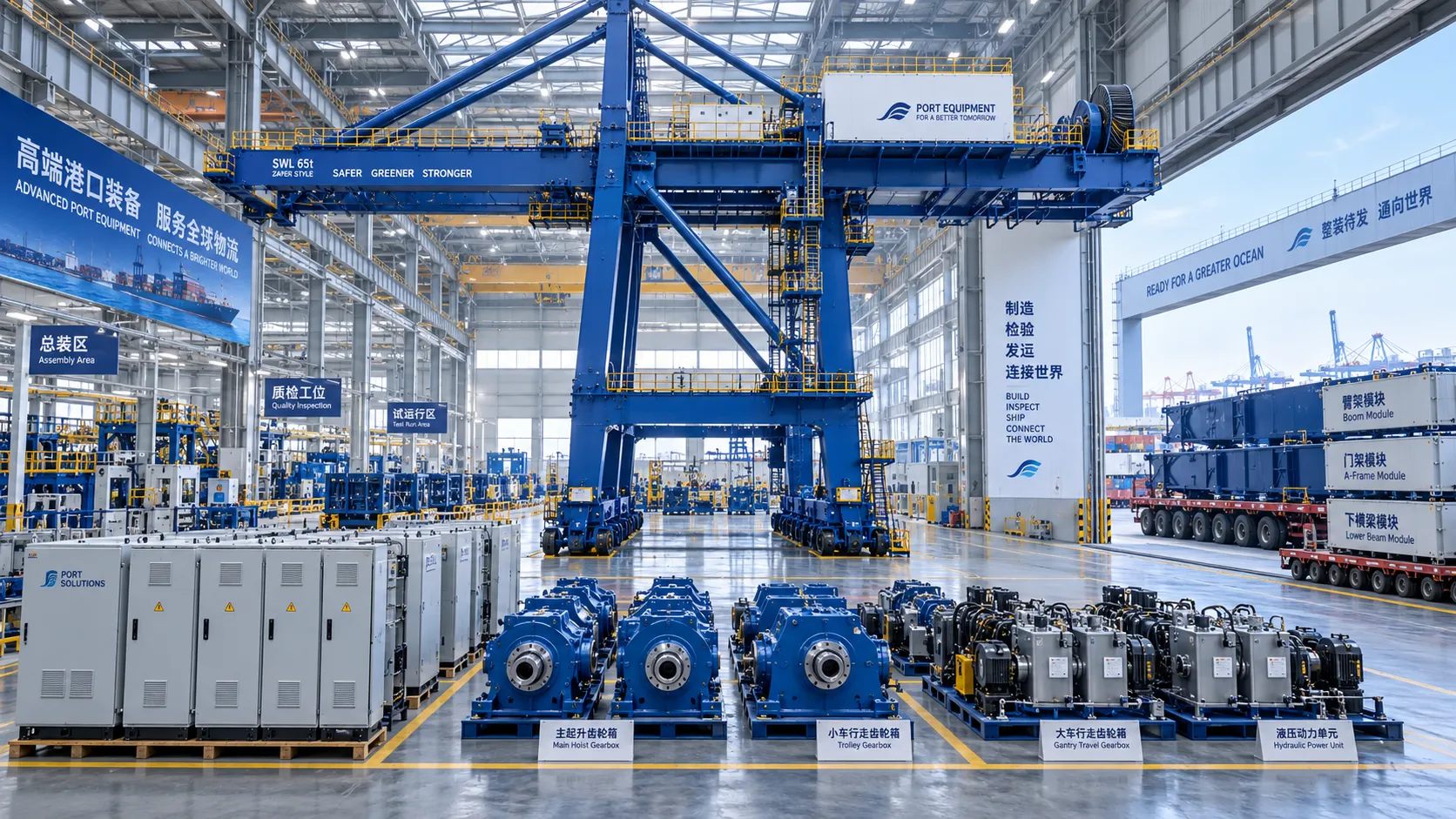
How Can Port Equipment Lead-Time Risk Be Managed?
How can port equipment lead-time risk be managed? Explore practical strategies to control critical paths, suppliers, transport, site readiness, and commissioning delays.
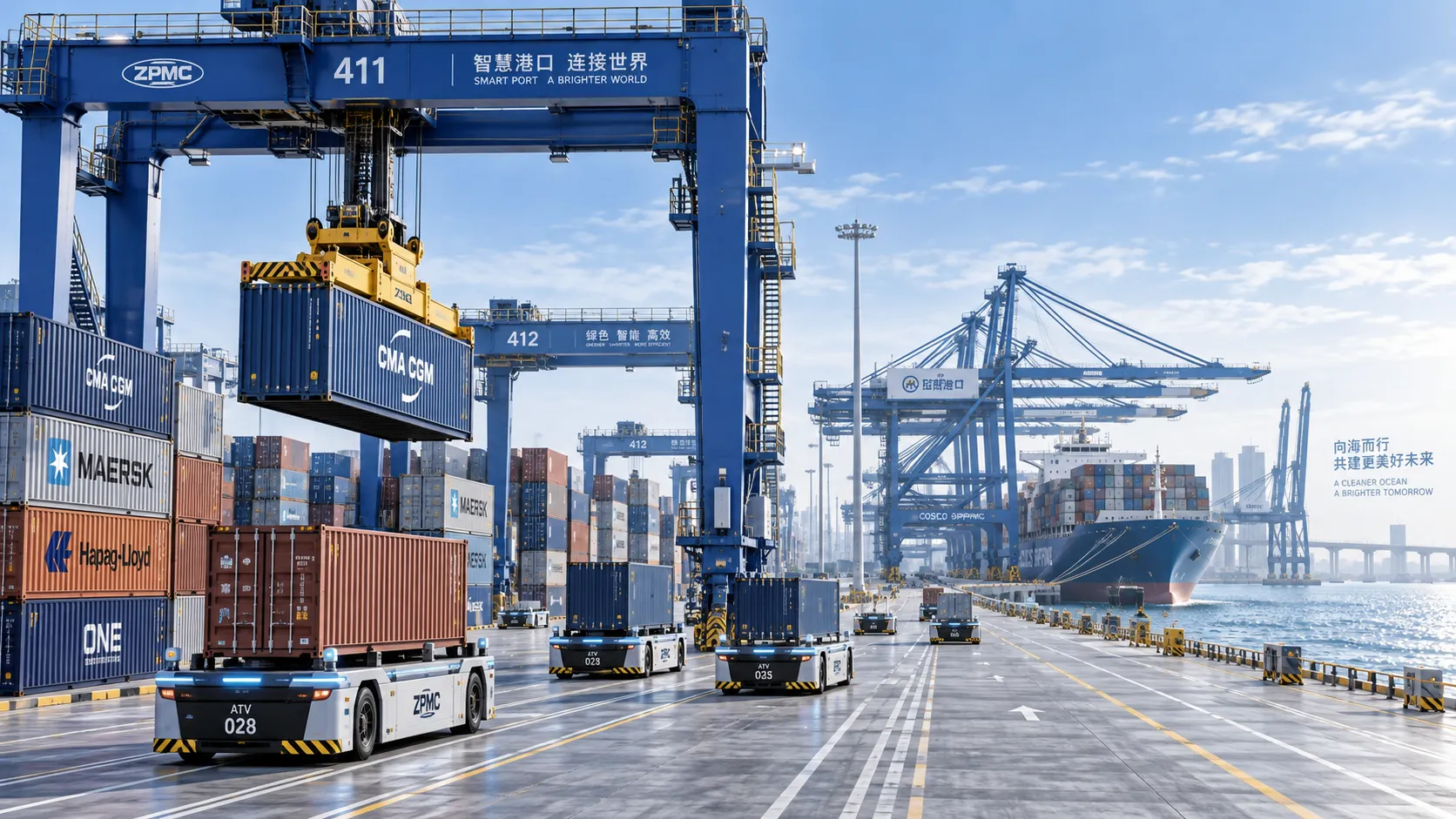
Terminal Automation Technologies That Raise Container Throughput Without Yard Disruption
Terminal automation technology that increases container throughput without disrupting yard flow. Explore smarter integration, resilient workflows, and phased deployment strategies.
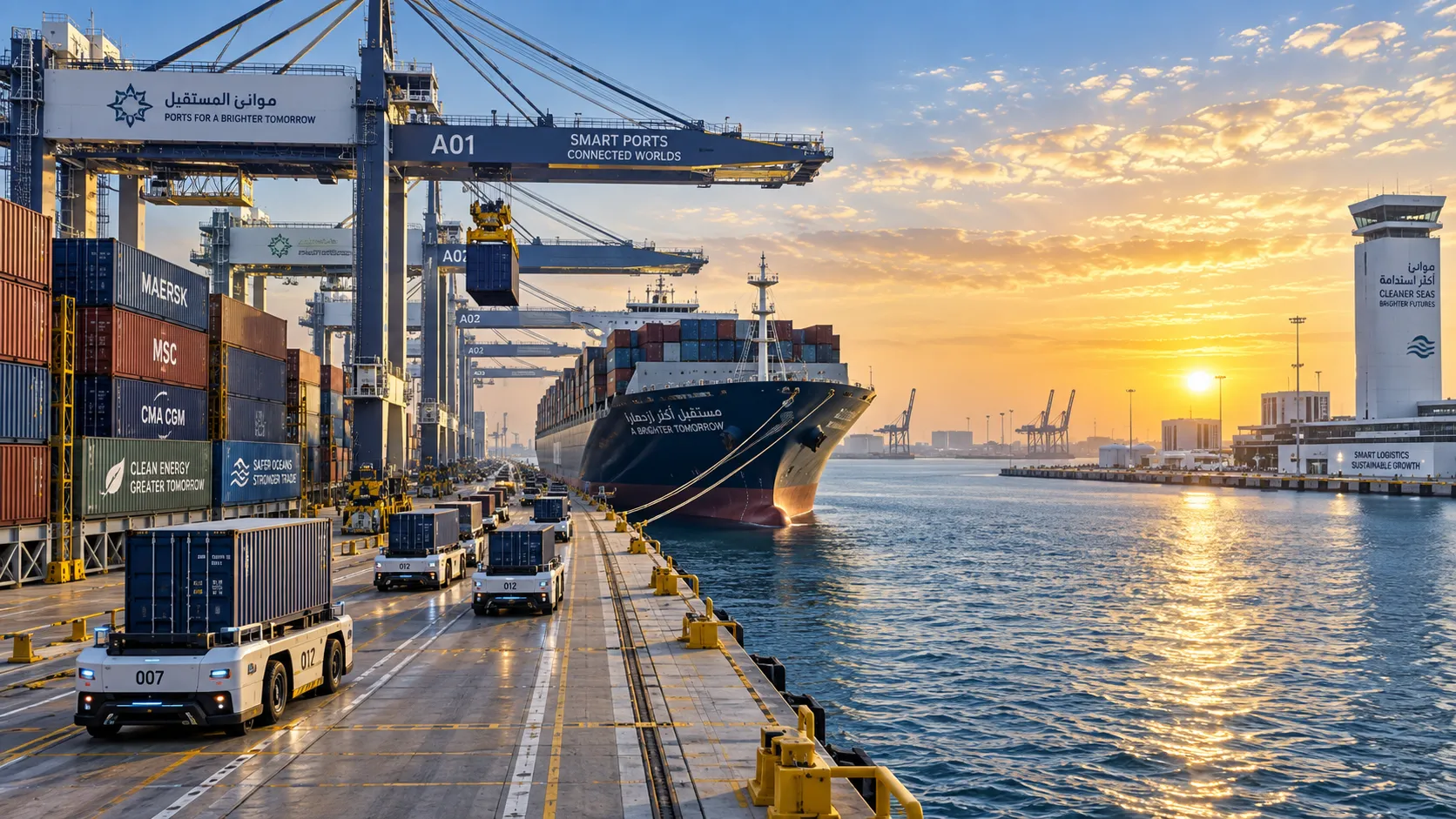
Middle East Port Automation: Key Market Drivers, Projects, and Investment Risks
Port automation systems Middle East: explore market drivers, flagship projects, integration challenges, and investment risks shaping smarter, resilient terminals.
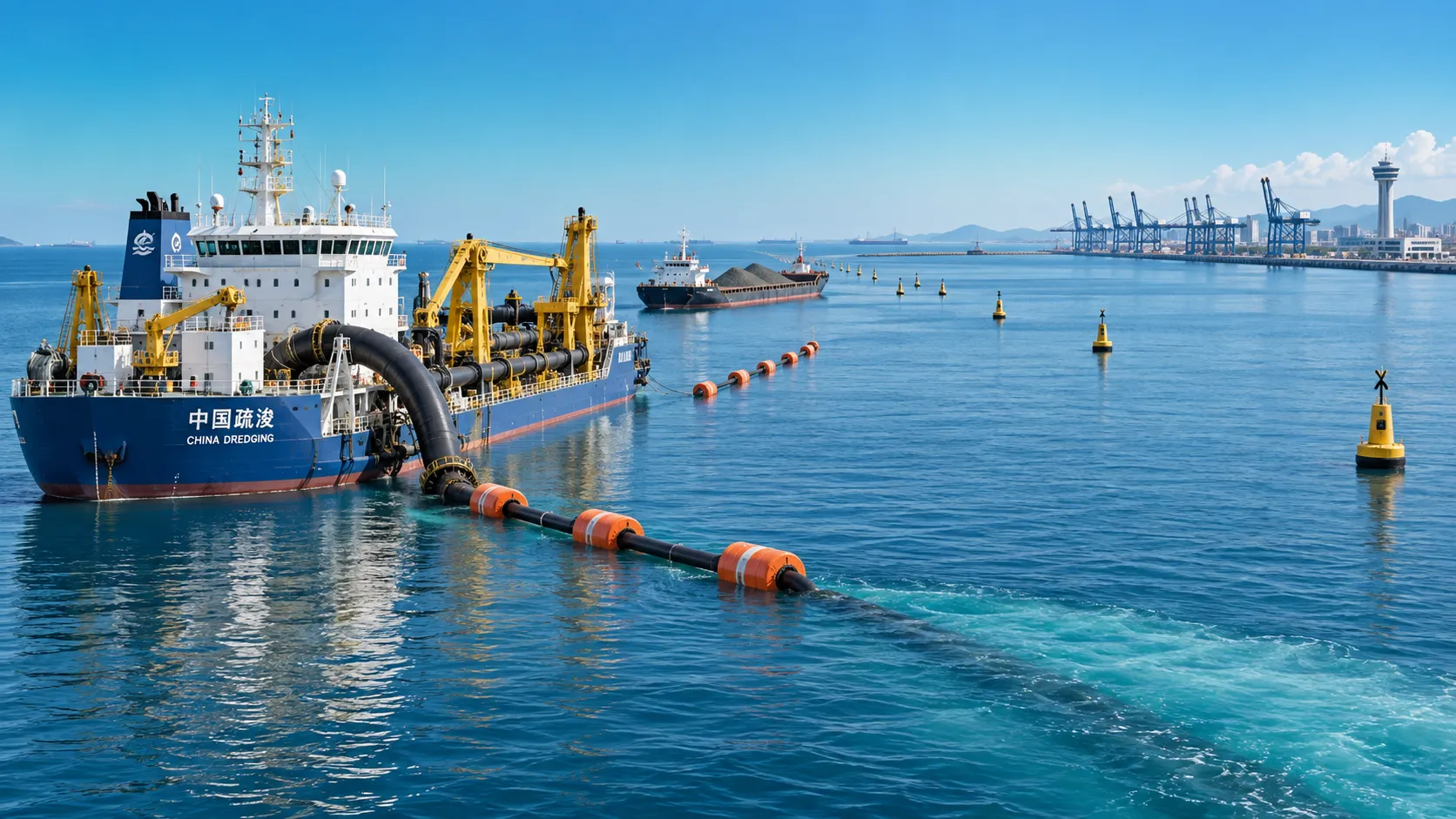
Planning Offshore Dredging Operations: Key Risks, Methods, and Project Controls
Offshore dredging operations demand smart planning. Explore key risks, proven methods, environmental controls, and project strategies for reliable delivery.