Related News
- 00
0000-00
How to Specify a Quay Crane for Container Terminals by Vessel Size and Throughput? - 00
0000-00
Which Bulk Handling Equipment Suits High-Moisture Cargo? - 00
0000-00
Terminal Automation Technologies That Raise Container Throughput Without Yard Disruption - 00
0000-00
Planning Offshore Dredging Operations: Key Risks, Methods, and Project Controls - 00
0000-00
Where Do Automated Guided Vehicles Deliver the Fastest Warehouse Gains in the Middle East?
Bulk Material Handling Systems: How to Choose Conveyors, Storage, and Loading Equipment
Selecting the right bulk material handling setup is rarely about one machine. In practice, conveyors, storage, and loading equipment work as one system, and weak links usually appear at the handoff points.
That is why technical evaluation should start with material flow, not brochures. A fast conveyor with poor reclaim design or mismatched ship loading control will still create bottlenecks, spillage, and avoidable downtime.
For ports, terminals, mines, power plants, and heavy industrial yards, the real goal is stable throughput under changing conditions. That means checking material behavior, duty cycle, automation logic, maintenance access, and future expansion together.
Drawing on the operational perspective of PS-Nexus, where maritime logistics, terminal equipment, automation, and coastal economics intersect, this article focuses on practical decision points that improve equipment fit over the full asset life.
Start With Material Reality, Not Rated Capacity
In bulk material handling, nameplate capacity can be misleading. Moisture, particle size variation, density swings, and degradation during transfer often change how equipment performs in real operating windows.
A system moving dry grain behaves very differently from one moving sticky coal, iron ore fines, clinker, or dredged material. Early testing of flowability and segregation risk prevents expensive redesign later.
- Verify bulk density, moisture range, lump size, and angle of repose across seasons. Bulk material handling decisions fail when equipment is sized only for average material, not worst-case flow behavior.
- Map every transfer point before selecting machines. Capacity losses usually come from chute plugging, dust generation, and uneven feed, not from the conveyor drive itself.
- Check whether the material abrades, cakes, or degrades in motion. That single point influences belt type, liner choice, transfer speed, and storage reclaim method.
- Separate design throughput from guaranteed operating throughput. Short peak rates may look impressive, but sustained performance matters more for ship turnaround and yard stability.
Why this matters in ports and terminals
In marine logistics, inconsistency is normal. Vessel arrival windows shift, stockpile quality changes, and weather affects both material and machine response. A bulk material handling system must absorb those variations without constant manual correction.
PS-Nexus often tracks this issue through the wider port ecosystem. When reclaim, conveying, and ship loading are digitally disconnected, the terminal loses rhythm even if each unit looks adequate on paper.
Choose Conveyors by Duty, Layout, and Control Logic
Conveyors are the backbone of most bulk material handling systems, but the right choice depends on route geometry, transfer count, environmental controls, and maintenance philosophy.
Belt conveyors usually win for long, continuous routes. Screw, chain, pipe, air-supported, or mobile systems become useful when dust control, footprint limits, or enclosed handling are more important.
- Prioritize conveyor simplicity when layouts allow it. Fewer transfers usually mean lower dust, less wear, easier automation, and better uptime across the whole bulk material handling line.
- Match belt speed to material condition and chute design. Excess speed can increase dust, rollback, and wear, especially with fragile or variable-size material streams.
- Review emergency stopping, belt misalignment detection, and blockage logic early. Safety and control integration should be built into selection, not added after procurement.
- Check idler access, pulley change-out space, and take-up arrangement. Maintenance constraints often decide lifecycle cost more than motor efficiency alone.
A common miss during evaluation
It is easy to compare conveyor types by capital cost only. But when a route crosses corrosive coastal zones or works under round-the-clock loading cycles, coatings, sealing, and access platforms become major cost drivers.
That is especially true in terminals where automation keeps equipment running longer each day. In these cases, maintainability is not a secondary feature. It is part of core system capacity.
Size Storage Around Buffer Time and Reclaim Stability
Storage equipment in bulk material handling does more than hold inventory. It smooths supply variation, supports blending, protects ship schedules, and prevents upstream or downstream starvation.
Whether using silos, domes, hoppers, open stockpiles, or covered longitudinal yards, the key question is not maximum volume alone. The key question is usable volume with reliable reclaim.
- Define the required buffer in hours or days, not just tons. Storage must cover berth variation, rail delays, weather pauses, and feeder interruptions without choking the process.
- Confirm live capacity versus geometric capacity. Many storage designs lose practical volume because of flow dead zones, slope limits, or reclaim equipment reach.
- Evaluate blending and segregation control where quality consistency matters. Stockpile layout and reclaim sequence can affect downstream processing and vessel loading claims.
- Review dust, runoff, and enclosure needs early. Environmental compliance can change the preferred storage concept more than civil footprint alone.
Scenario: coastal bulk terminal expansion
A terminal may have enough nominal storage, yet still miss loading windows because reclaim rates collapse in wet weather. In that case, the issue is not size. It is reclaim reliability under real marine conditions.
For coastal sites, salt exposure, wind drift, drainage, and corrosion planning should be reviewed with the same seriousness as storage tonnage. PS-Nexus follows these factors closely because they shape long-run port efficiency.
Evaluate Loading Equipment as a Throughput Control Point
Ship loaders, truck loaders, wagon loaders, and mobile transfer units are often treated as end-of-line tools. In reality, they are control points that determine final accuracy, spillage, cycle time, and dispatch quality.
In a strong bulk material handling strategy, loading equipment should match berth geometry, vehicle mix, draft limits, and automation level from the beginning.
- Check loading outreach, travel path, trimming capability, and feed control together. A high-capacity ship loader still underperforms if vessel positioning or boom articulation is limited.
- Match loading accuracy to commercial risk. Overfill, underfill, and uneven loading can all create claims, delays, and rework in marine and inland transport operations.
- Verify dust suppression and telescopic discharge options where free-fall must be controlled. Environmental and housekeeping issues often become operating bottlenecks before capacity does.
- Review automation interfaces with weighers, berth scheduling, and yard control. Better data flow improves dispatch timing and reduces operator dependency.
Do Not Separate Automation From Mechanical Selection
Modern bulk material handling performance depends on more than steel and motors. Control logic, sensors, interlocks, and data visibility now have direct influence on uptime and operating stability.
This is one of the clearest lessons from advanced terminal operations. Mechanical assets perform better when scheduling signals, condition monitoring, and throughput feedback are tied into one operating picture.
- Confirm sensor strategy during equipment selection, including belt scales, level measurement, vibration monitoring, and blockage detection for critical handoff points.
- Ask how the system reacts to upstream and downstream disturbances. A resilient bulk material handling line needs controlled slowdowns, not abrupt stoppages only.
- Review data integration with terminal control, maintenance systems, and energy monitoring. Better visibility supports faster troubleshooting and smarter asset scheduling.
- Consider remote diagnostics where sites are large or labor is limited. Faster fault identification reduces restart time and improves support efficiency.
Scenario: high-throughput marine export chain
In export terminals, the cost of one stoppage can spread across stockyard, berth, vessel, and landside traffic. That is why automation should be evaluated as an operating safeguard, not just a digital add-on.
PS-Nexus highlights this wider systems view across maritime logistics and port automation. Low-latency controls and synchronized asset scheduling increasingly decide who actually achieves rated terminal performance.
Focus on Lifecycle Risk Before Final Selection
A well-priced system can become a poor investment if wear parts are hard to source, service access is poor, or energy demand rises under partial loads. Final selection should test long-run resilience, not just initial fit.
This is where many bulk material handling decisions become clearer. If two options meet capacity, the better one is usually easier to maintain, easier to integrate, and easier to expand.
- Compare wear life, spare parts standardization, and maintenance intervals, not only purchase price. Hidden support burdens often decide real operating cost over time.
- Check whether future capacity upgrades need civil rework, control rewrites, or route changes. Expandability is valuable where trade patterns and cargo mix may shift.
- Review energy demand across normal and partial-load operation. Efficient control during variable throughput can materially improve system economics.
- Use factory tests, reference sites, and failure history where possible. Evidence from similar duty conditions is more useful than generic performance claims.
A practical closing step is to score each option across five dimensions: material fit, throughput stability, maintainability, automation readiness, and expansion potential. That keeps the decision grounded in operating reality.
For anyone reviewing bulk material handling investments in ports, terminals, or industrial transfer systems, the strongest choice is usually the one that keeps flow stable when conditions are no longer ideal.
If the next step is narrowing alternatives, start by validating transfer points, reclaim reliability, and control integration first. Those three checks usually reveal which system will perform best long after commissioning.
Related News
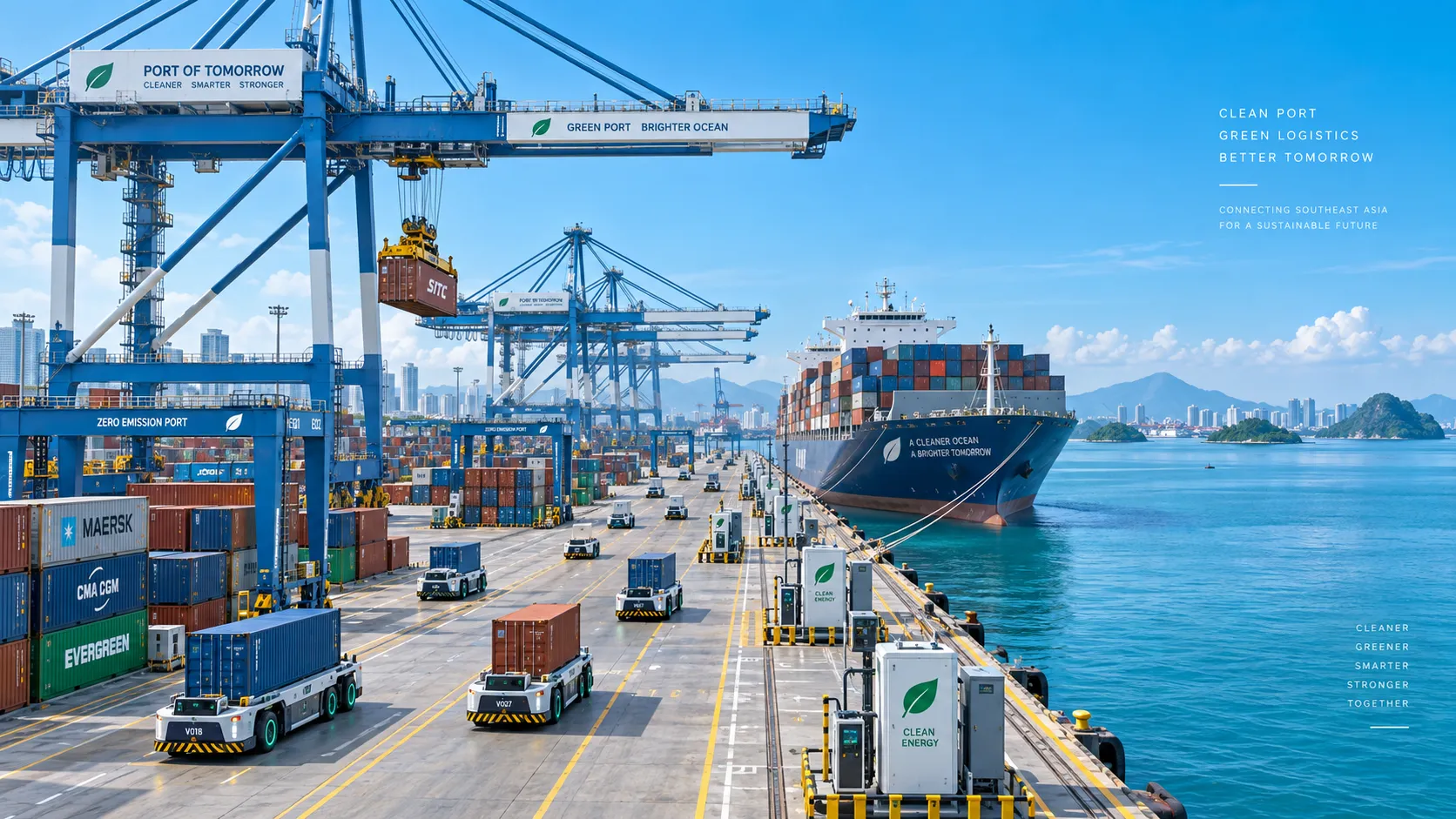
Smart Port Systems in Southeast Asia: Investment Priorities and Adoption Barriers
Smart port systems Southeast Asia: discover investment priorities, adoption barriers, and practical steps to build resilient, connected, high-performing terminals.
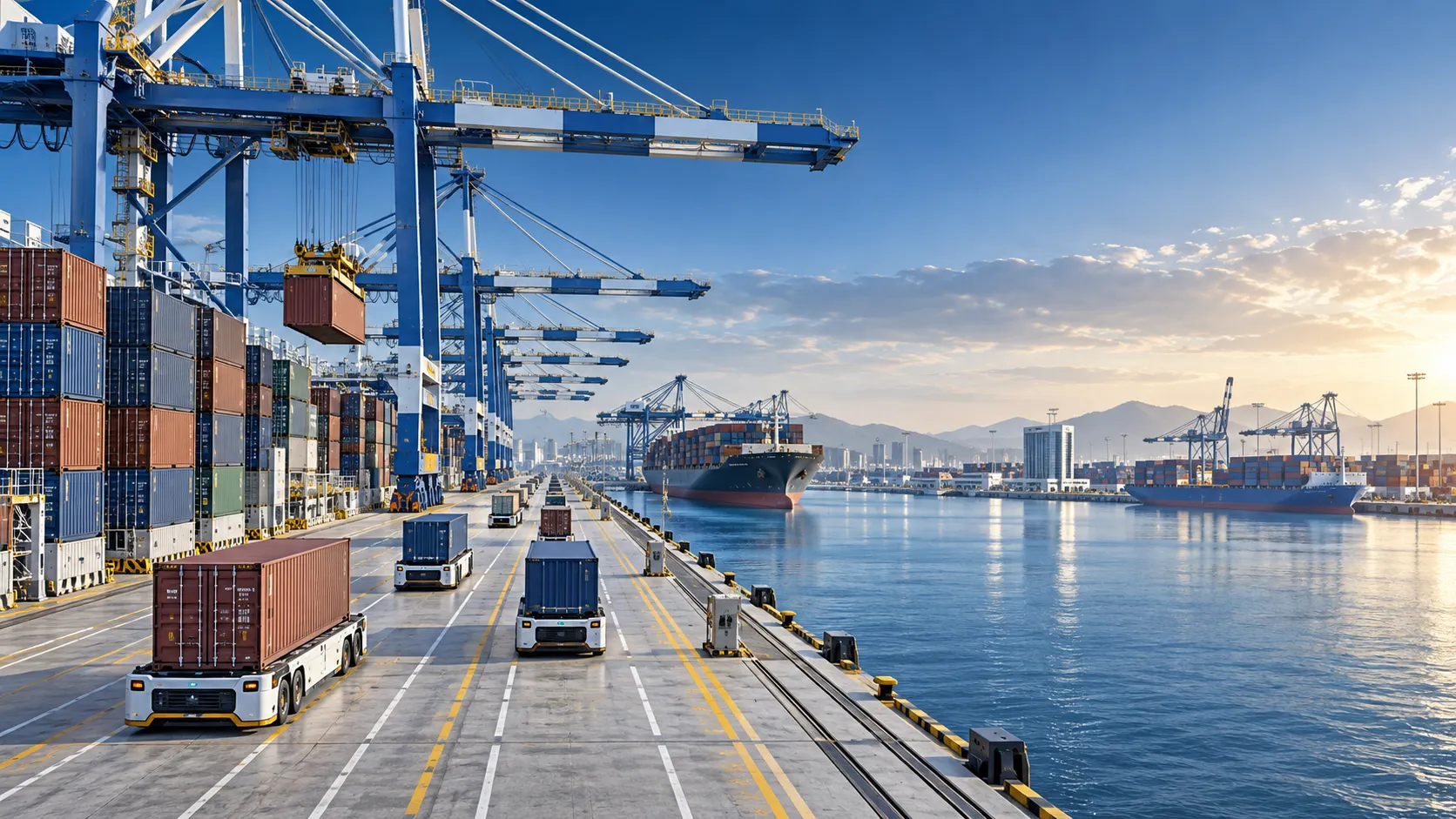
How to Evaluate Terminal Efficiency Solution Suppliers for High-Throughput Operations
Choose a terminal efficiency solutions supplier with confidence. Explore proven criteria for throughput, integration, lifecycle cost, safety, and reliable delivery.
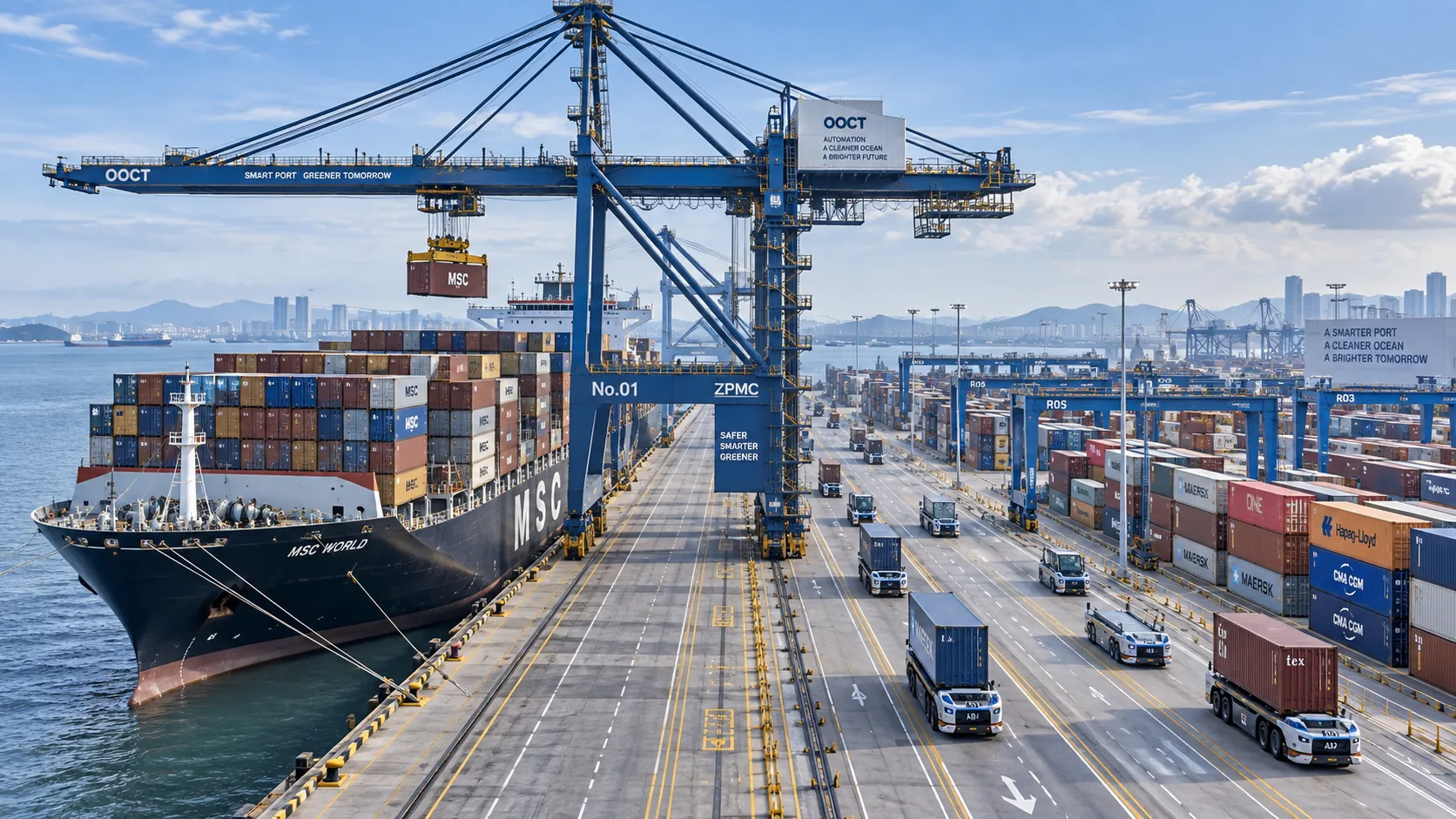
How to Specify a Quay Crane for Container Terminals by Vessel Size and Throughput?
Quay crane for container terminals: learn how to match outreach, lift height, capacity, automation, and cycle performance to vessel size and throughput goals.
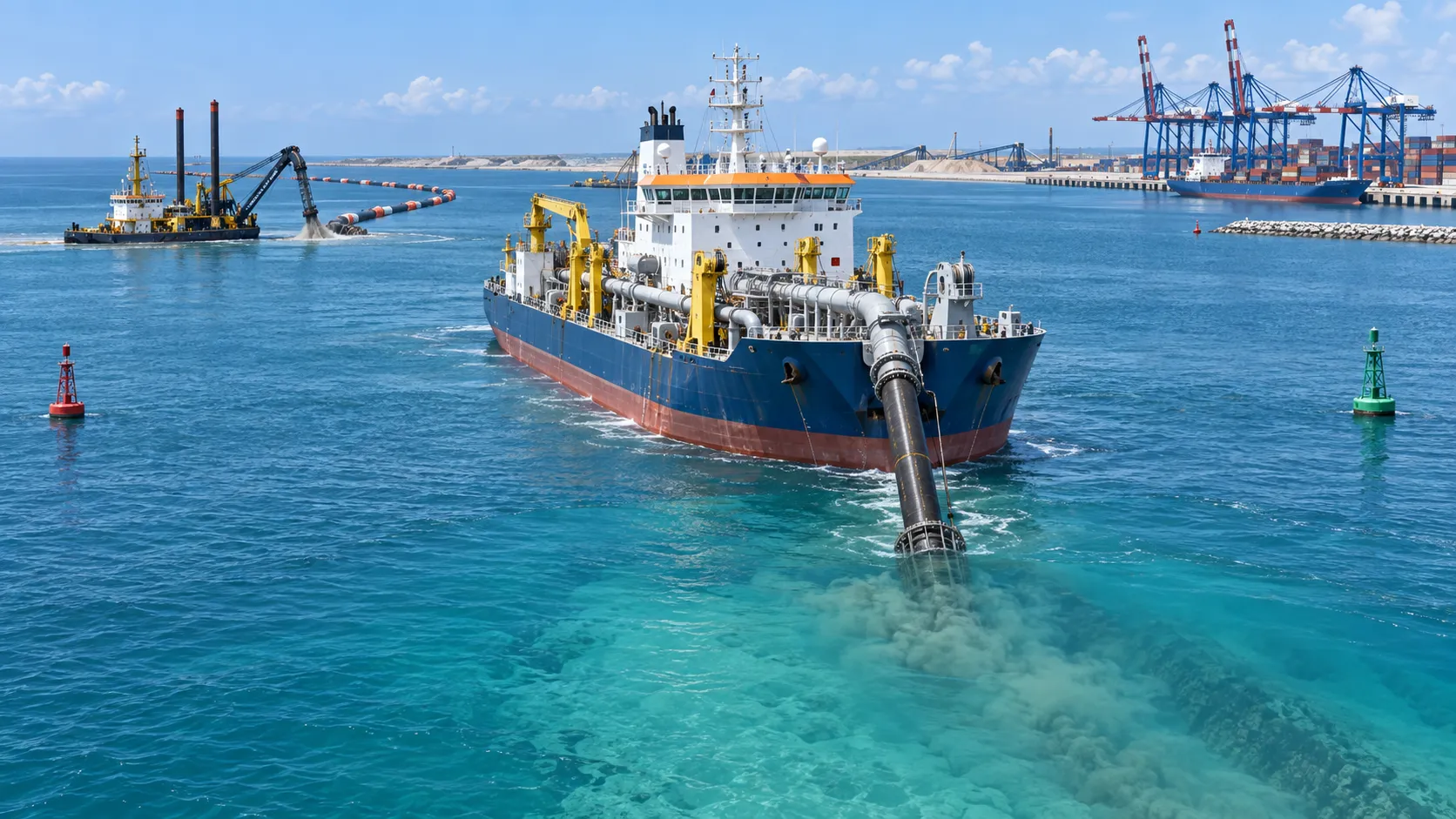
What Dredging Equipment Is Needed for Channel Deepening?
What dredging equipment is needed for channel deepening? Explore dredgers, pipelines, survey tools, and planning strategies for safer, more efficient port access.
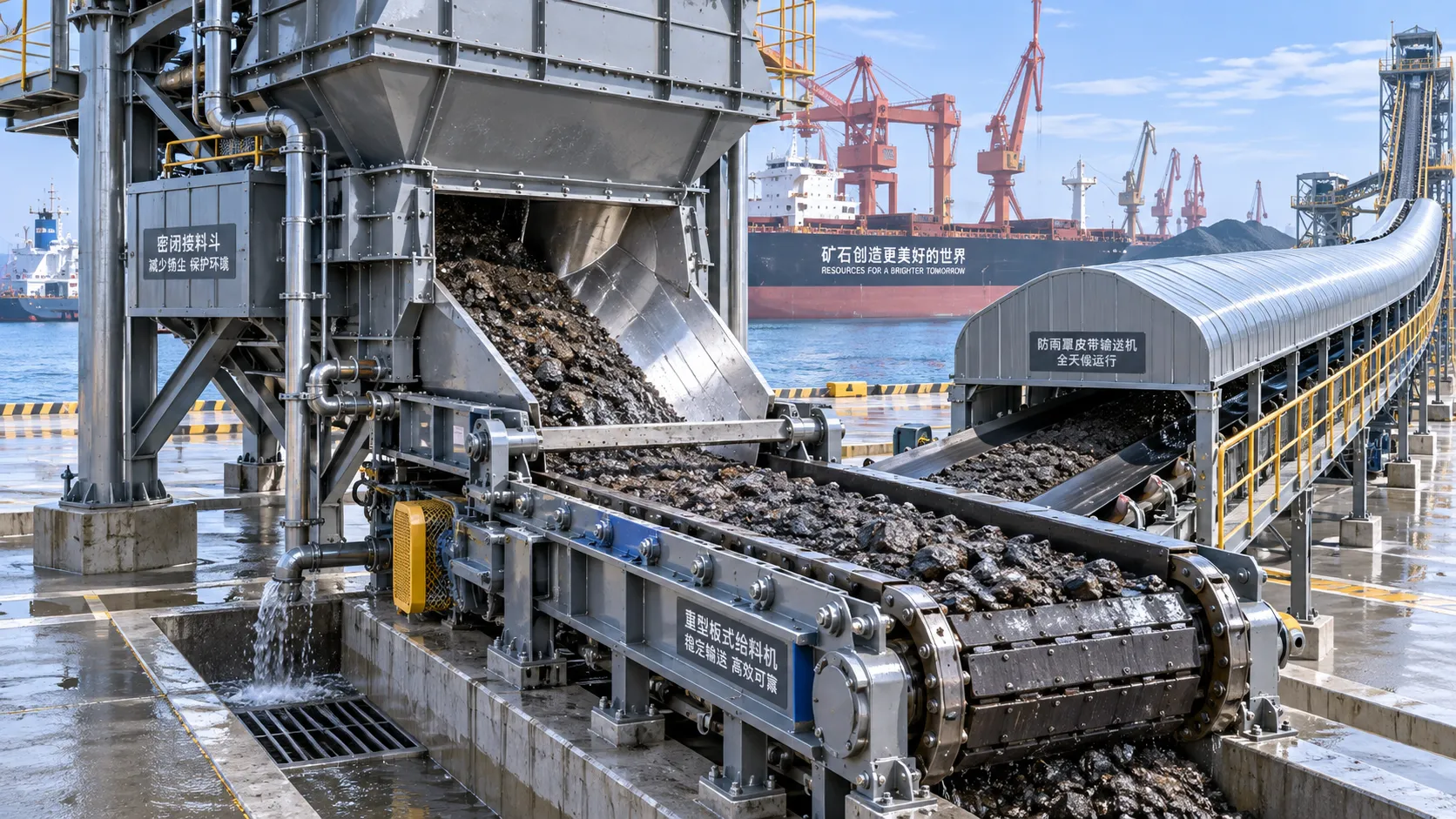
Which Bulk Handling Equipment Suits High-Moisture Cargo?
Which bulk handling equipment suits high-moisture cargo? Compare belt, apron, screw, drag, and slurry systems for reliable flow, less carryback, and higher terminal uptime.
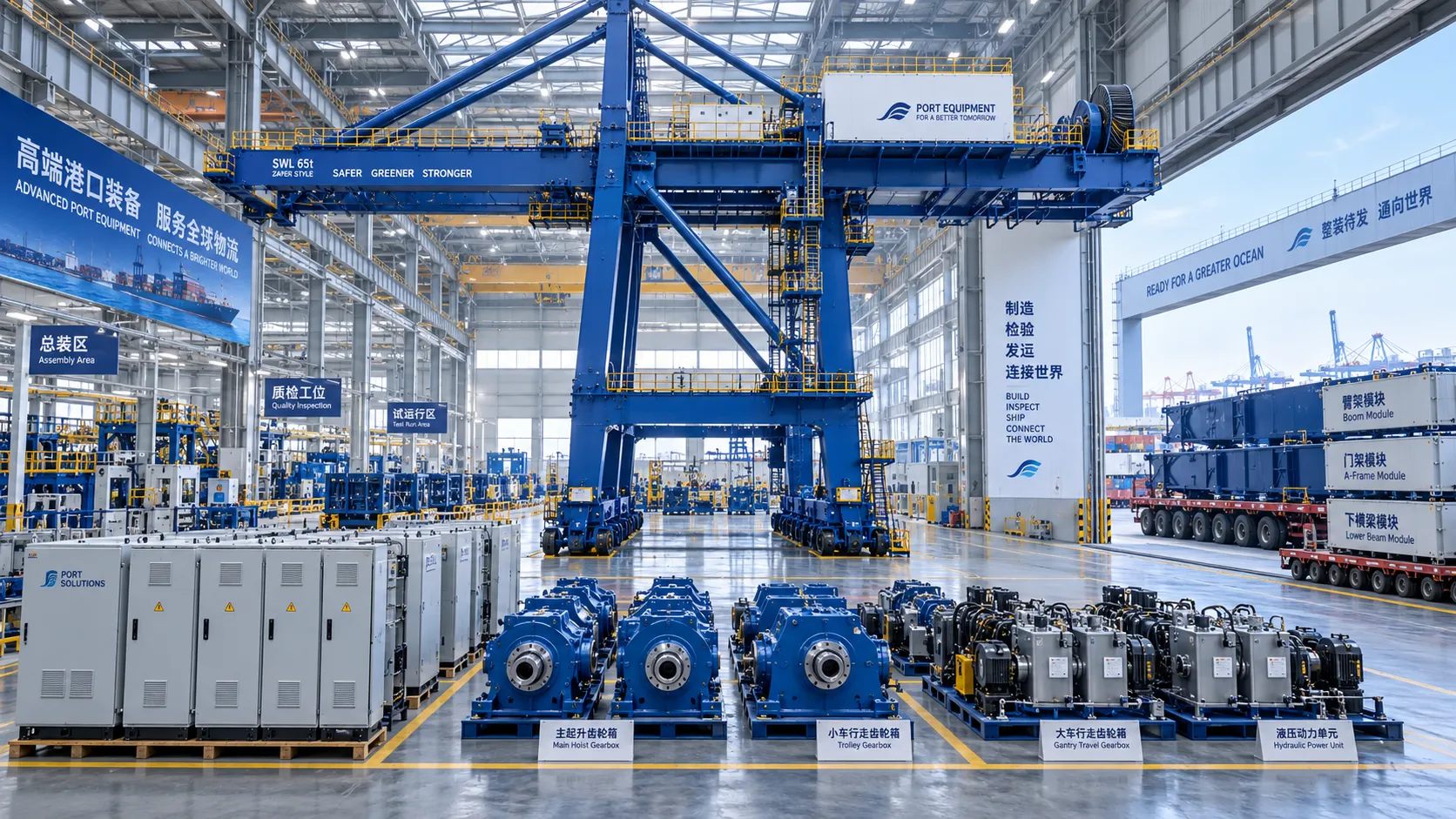
How Can Port Equipment Lead-Time Risk Be Managed?
How can port equipment lead-time risk be managed? Explore practical strategies to control critical paths, suppliers, transport, site readiness, and commissioning delays.
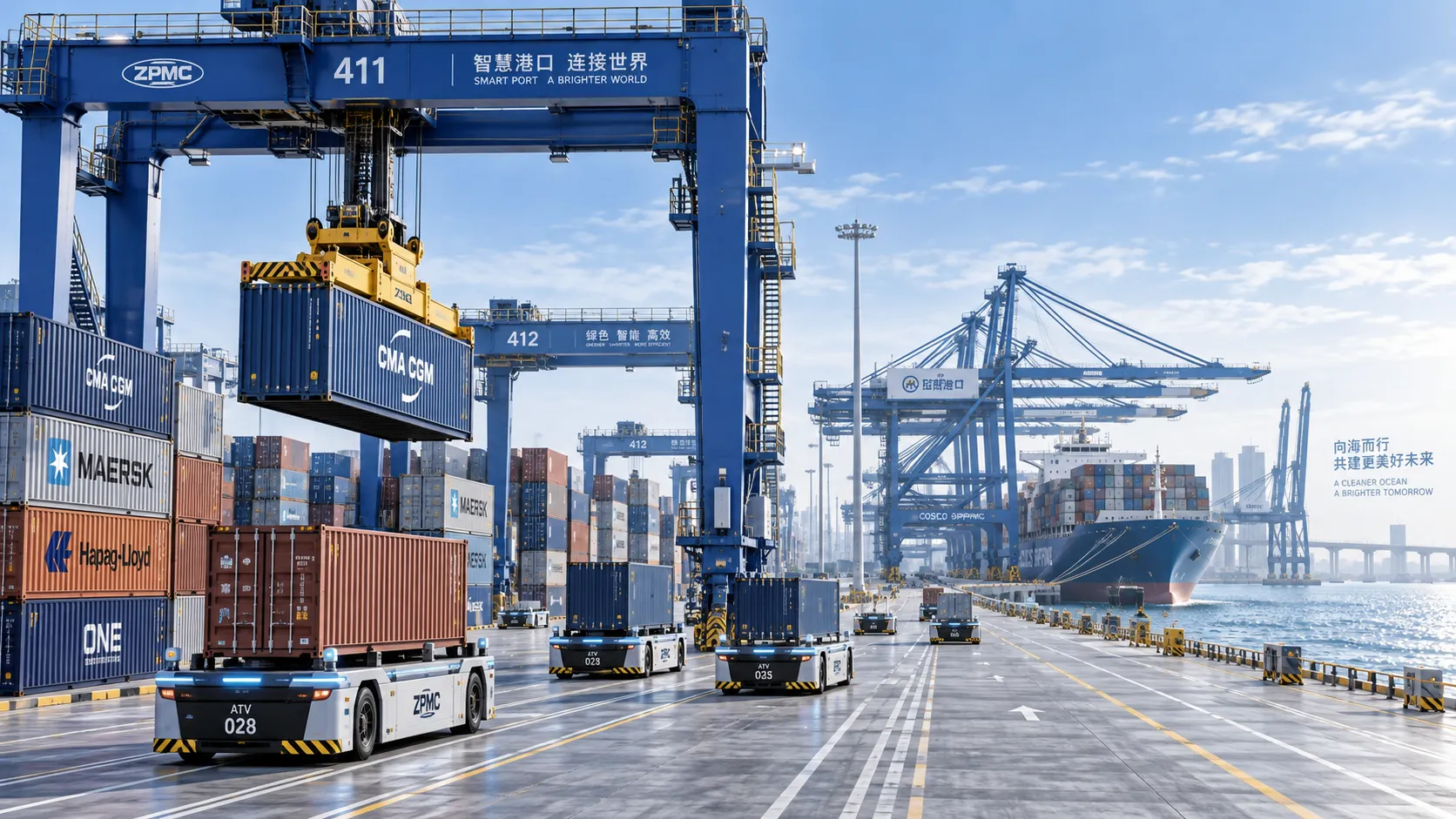
Terminal Automation Technologies That Raise Container Throughput Without Yard Disruption
Terminal automation technology that increases container throughput without disrupting yard flow. Explore smarter integration, resilient workflows, and phased deployment strategies.
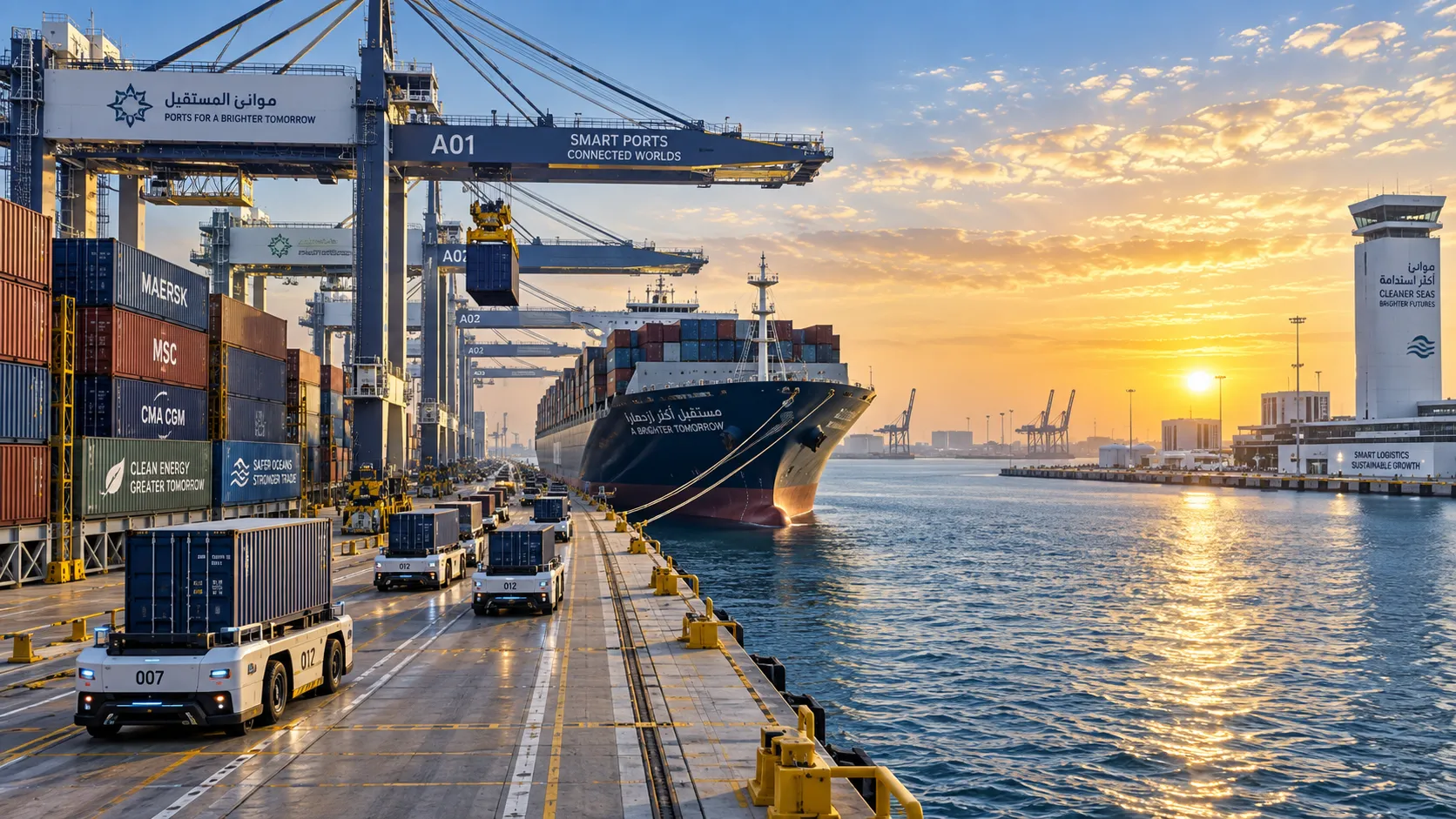
Middle East Port Automation: Key Market Drivers, Projects, and Investment Risks
Port automation systems Middle East: explore market drivers, flagship projects, integration challenges, and investment risks shaping smarter, resilient terminals.
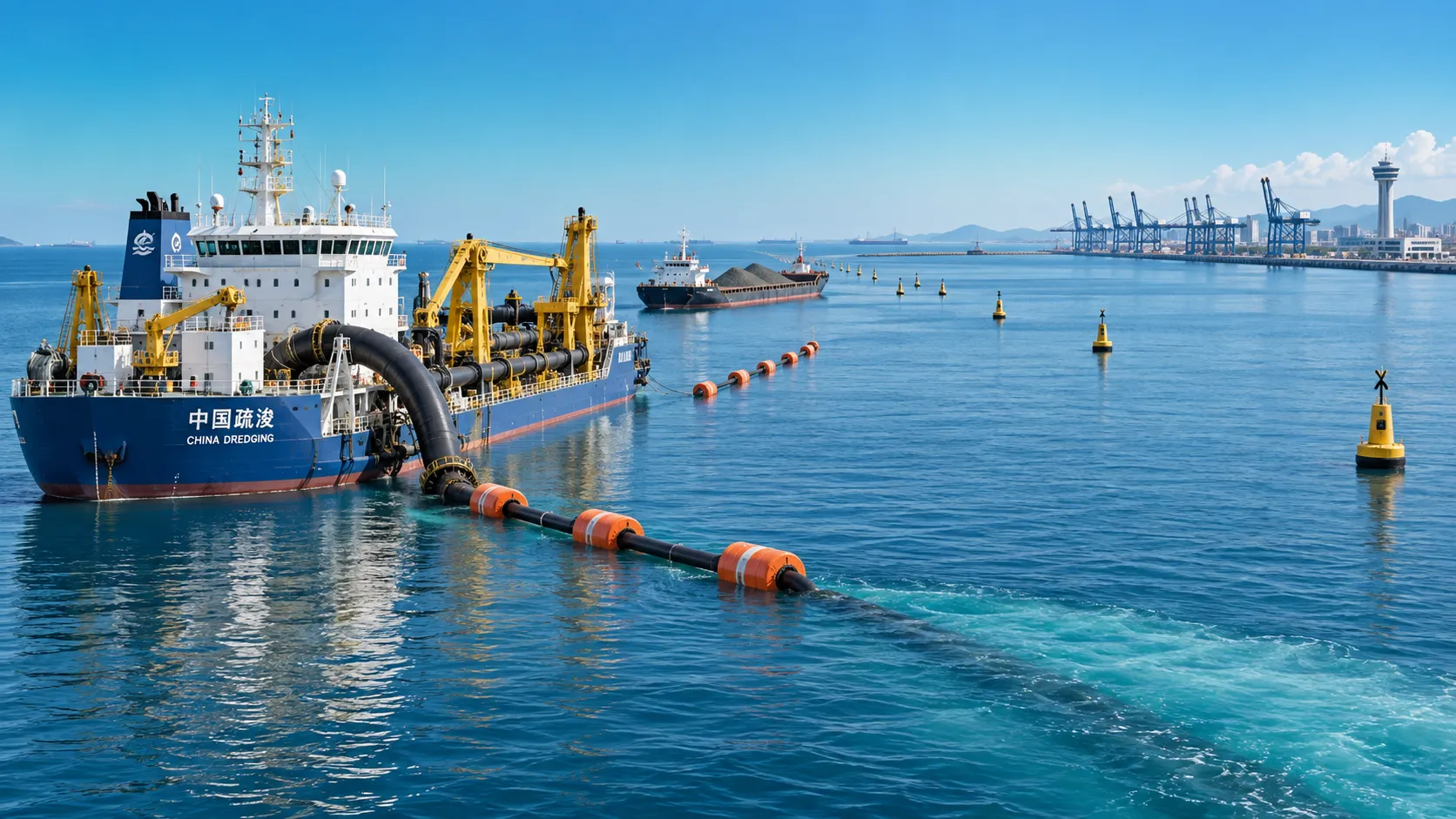
Planning Offshore Dredging Operations: Key Risks, Methods, and Project Controls
Offshore dredging operations demand smart planning. Explore key risks, proven methods, environmental controls, and project strategies for reliable delivery.