Related News
- 00
0000-00
How to Specify a Quay Crane for Container Terminals by Vessel Size and Throughput? - 00
0000-00
Which Bulk Handling Equipment Suits High-Moisture Cargo? - 00
0000-00
Terminal Automation Technologies That Raise Container Throughput Without Yard Disruption - 00
0000-00
Planning Offshore Dredging Operations: Key Risks, Methods, and Project Controls - 00
0000-00
Where Do Automated Guided Vehicles Deliver the Fastest Warehouse Gains in the Middle East?
How to Evaluate Full Automation Port Equipment for Throughput, Safety, and Labor Constraints
Choosing full automation port equipment has become a systems decision rather than a simple machinery purchase. Terminal performance now depends on how cranes, yard vehicles, control platforms, safety logic, and labor design work together under real operating pressure. In that context, evaluating throughput, safety, and labor constraints is not only a technical exercise. It is also a practical way to judge whether an automated terminal can stay productive, resilient, and commercially viable as trade volumes, vessel sizes, and compliance demands continue to shift.
Why this evaluation matters now
Ports are under pressure from larger ships, tighter berth windows, and unstable labor availability. At the same time, energy efficiency, emissions goals, and digital reporting requirements are rising.
That combination changes how full automation port equipment should be assessed. A machine can look impressive in isolation yet underperform when dispatching logic, maintenance access, or network latency becomes the limiting factor.
This is where sector intelligence becomes useful. PS-Nexus tracks heavy terminal gear, automated container handling, and port automation control systems with a broader view of maritime logistics and coastal economics.
That broader lens matters because port equipment decisions are no longer about one asset class. They connect quay productivity, yard density, remote supervision, dredging readiness, and the strategic flow of global trade.
What full automation port equipment really includes
The term covers more than automated quay cranes. In practice, it refers to an integrated operating environment where movement, control, sensing, and response are digitally coordinated.
Typical assets include automated ship-to-shore cranes, automated stacking cranes, AGVs, terminal operating systems, remote control rooms, obstacle detection layers, and condition monitoring tools.
For evaluation purposes, the important point is simple. Full automation port equipment must be treated as one production chain, not as separate machines with independent specifications.
Throughput is more than peak speed
Many evaluations start with rated moves per hour. That metric is necessary, but it is not enough. Sustainable throughput depends on consistency across the full terminal cycle.
A useful assessment asks whether the system maintains flow during vessel bunching, mixed container profiles, weather disruption, and partial equipment outages.
Key throughput indicators
- Net berth productivity rather than isolated crane cycle time
- Yard handoff balance between quay cranes and horizontal transport
- System recovery time after stoppages or intervention events
- Algorithm performance under mixed traffic and stacking complexity
- Availability during maintenance windows and software updates
In other words, full automation port equipment should be tested against variability, not only against ideal operating conditions. A system that delivers lower peak speed but stronger stability may create higher annual throughput.
Safety must be designed into the operating logic
In automated terminals, safety is not limited to guards, alarms, and restricted zones. It is embedded in sensor fusion, route permissions, exception handling, and manual override design.
That shifts the evaluation from static compliance to dynamic control. The central question becomes whether the system stays safe when reality becomes messy.
What deserves closer inspection
- Detection accuracy in dust, rain, glare, and night operations
- Response logic when sensors disagree or communication drops
- Safe transition from automatic mode to remote or local control
- Isolation procedures for maintenance entry into automated areas
- Audit trails for incidents, overrides, and near misses
A well-designed safety architecture protects people, but it also protects throughput. Frequent false stops or unclear intervention procedures can quietly erode the business case for full automation port equipment.
Labor constraints do not disappear with automation
Automation changes labor structure rather than removing labor from the equation. The terminal still depends on specialists for supervision, exception handling, reliability analysis, and maintenance execution.
This is one of the most misunderstood parts of project evaluation. A technically advanced solution can become fragile if it requires rare digital skills that the operating region cannot support consistently.
Questions that reveal labor realism
- How many interventions per shift still require human action?
- What competencies are needed in the remote control room?
- How quickly can new operators be trained to safe productivity?
- Which failures need vendor-level support instead of local teams?
- Can the terminal run acceptably during staffing shortages?
In practical terms, labor constraints affect response time, troubleshooting quality, maintenance planning, and change management. These are operational variables, not side issues.
Where terminal context changes the answer
No evaluation framework is complete without context. Full automation port equipment that performs well in a greenfield transshipment hub may be a poor fit for a brownfield gateway terminal.
Layout, tidal conditions, dredging cycles, cargo mix, road interface, and customs workflows can all reshape the right technical choice.
This is why PS-Nexus often connects equipment analysis with surrounding infrastructure intelligence. Yard automation cannot be separated from marine access, vessel planning, or long-cycle capital strategy.
A practical evaluation sequence
A disciplined review usually works better than a specification checklist. The goal is to move from claimed capability to verified operational fit.
Step one: define the production target
Set required berth moves, yard dwell assumptions, service windows, and acceptable recovery times. Without these numbers, equipment comparisons stay abstract.
Step two: map constraints early
Identify labor availability, site geometry, telecom reliability, weather exposure, and marine access limitations. These often decide the true feasibility of full automation port equipment.
Step three: challenge vendor assumptions
Ask for performance under degraded modes, not just best-case operation. Include intervention rates, spare parts lead times, and software rollback procedures.
Step four: simulate operational variability
Look at mixed vessel calls, random failures, uneven truck arrivals, and adverse weather. Good automation remains manageable when conditions are imperfect.
Step five: examine lifecycle resilience
Assess cybersecurity patching, equipment obsolescence, training refresh, and integration support. Long-term reliability is part of the capital decision.
What stronger decisions usually have in common
The strongest evaluations do not search for the most automated answer by default. They search for the best alignment between automation depth, operating risk, and terminal economics.
Sometimes that means full automation across quay, yard, and transport. In other cases, phased deployment or selective automation creates a better balance.
The useful question is not whether automation is modern enough. The useful question is whether full automation port equipment can deliver reliable flow with acceptable intervention, controllable safety exposure, and a realistic labor model.
A sensible next step is to build an evaluation matrix around terminal-specific throughput targets, safety scenarios, and staffing realities. From there, compare candidate systems against live operating constraints rather than brochure claims alone.
Related News
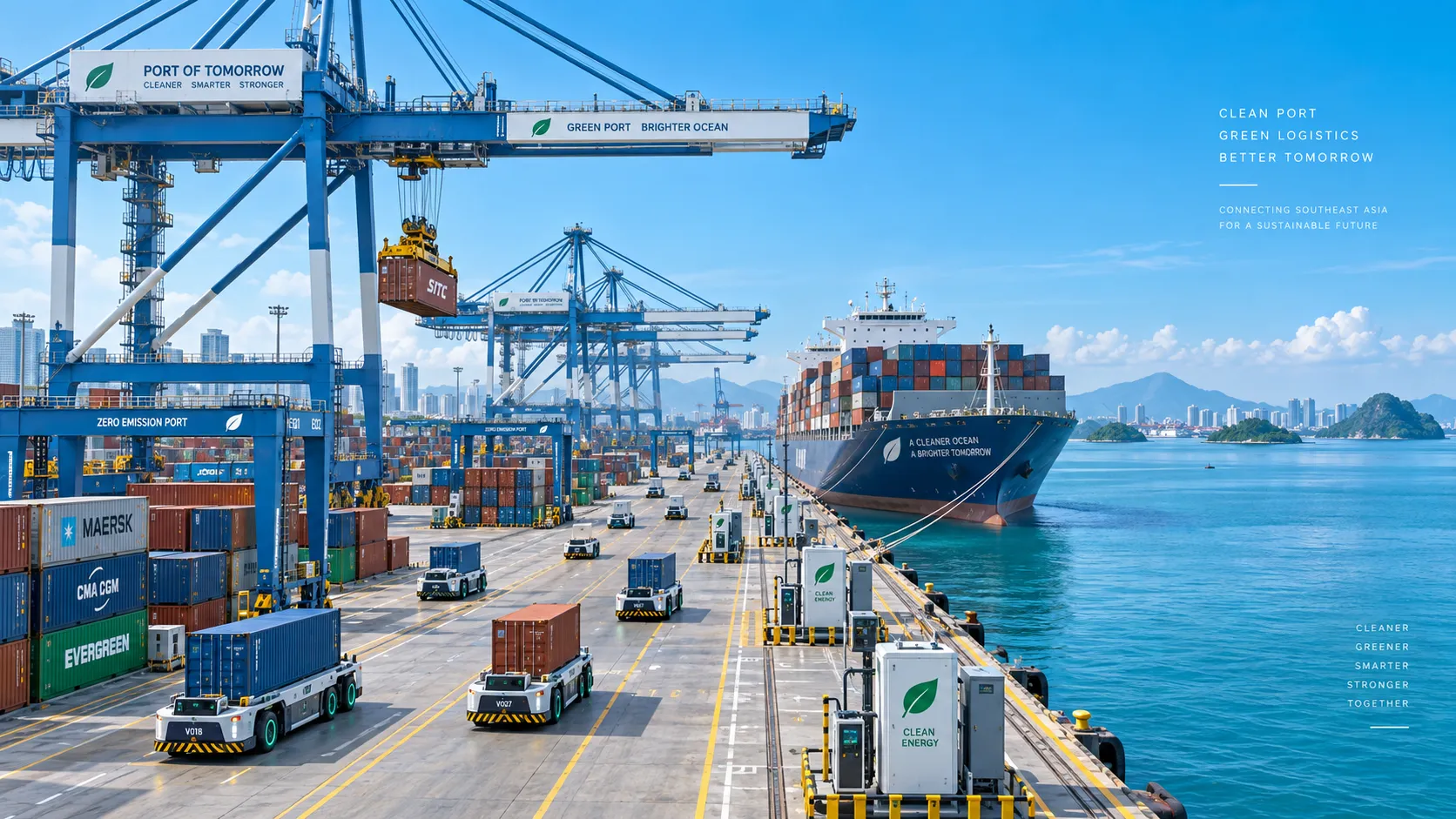
Smart Port Systems in Southeast Asia: Investment Priorities and Adoption Barriers
Smart port systems Southeast Asia: discover investment priorities, adoption barriers, and practical steps to build resilient, connected, high-performing terminals.
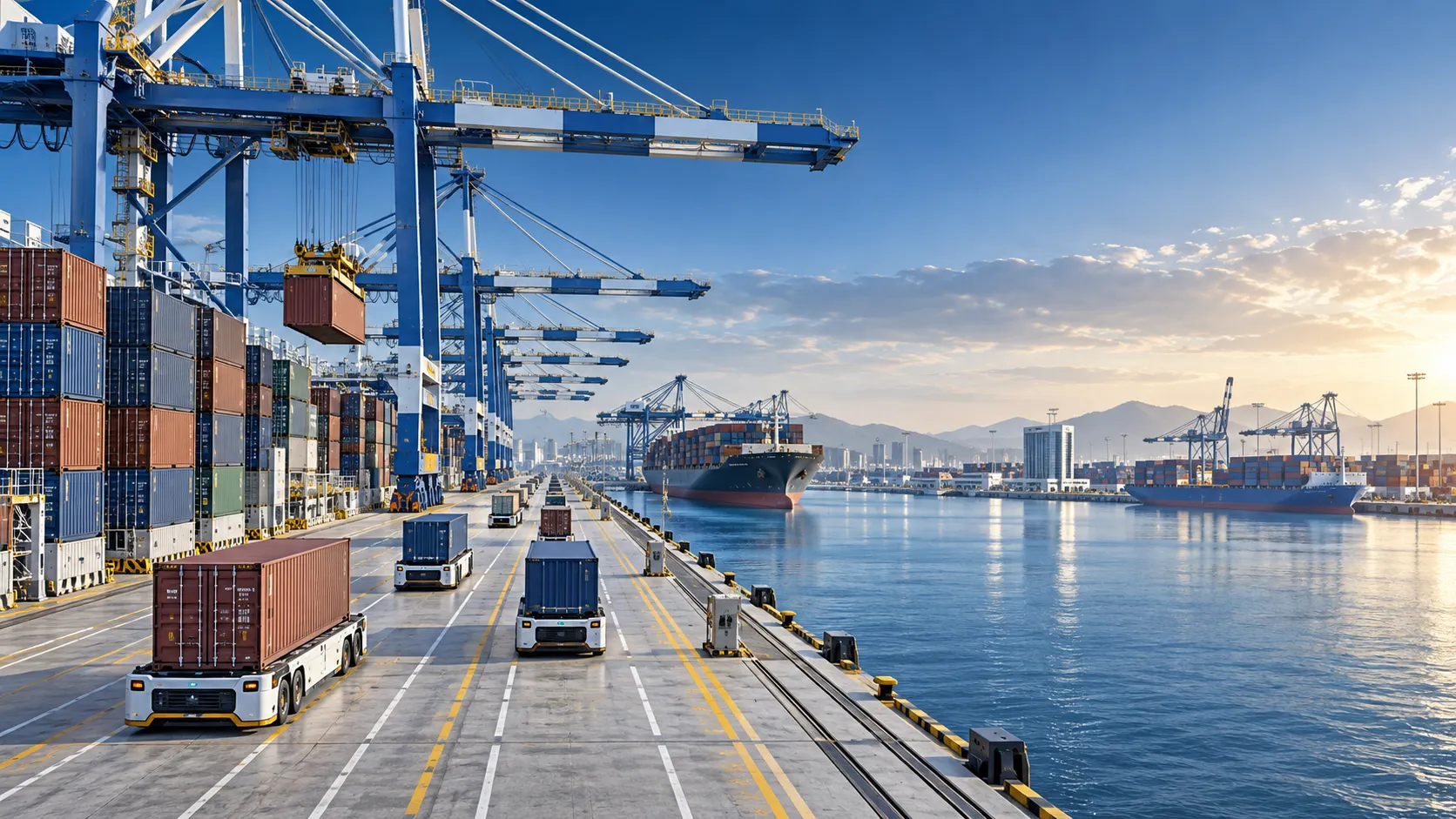
How to Evaluate Terminal Efficiency Solution Suppliers for High-Throughput Operations
Choose a terminal efficiency solutions supplier with confidence. Explore proven criteria for throughput, integration, lifecycle cost, safety, and reliable delivery.
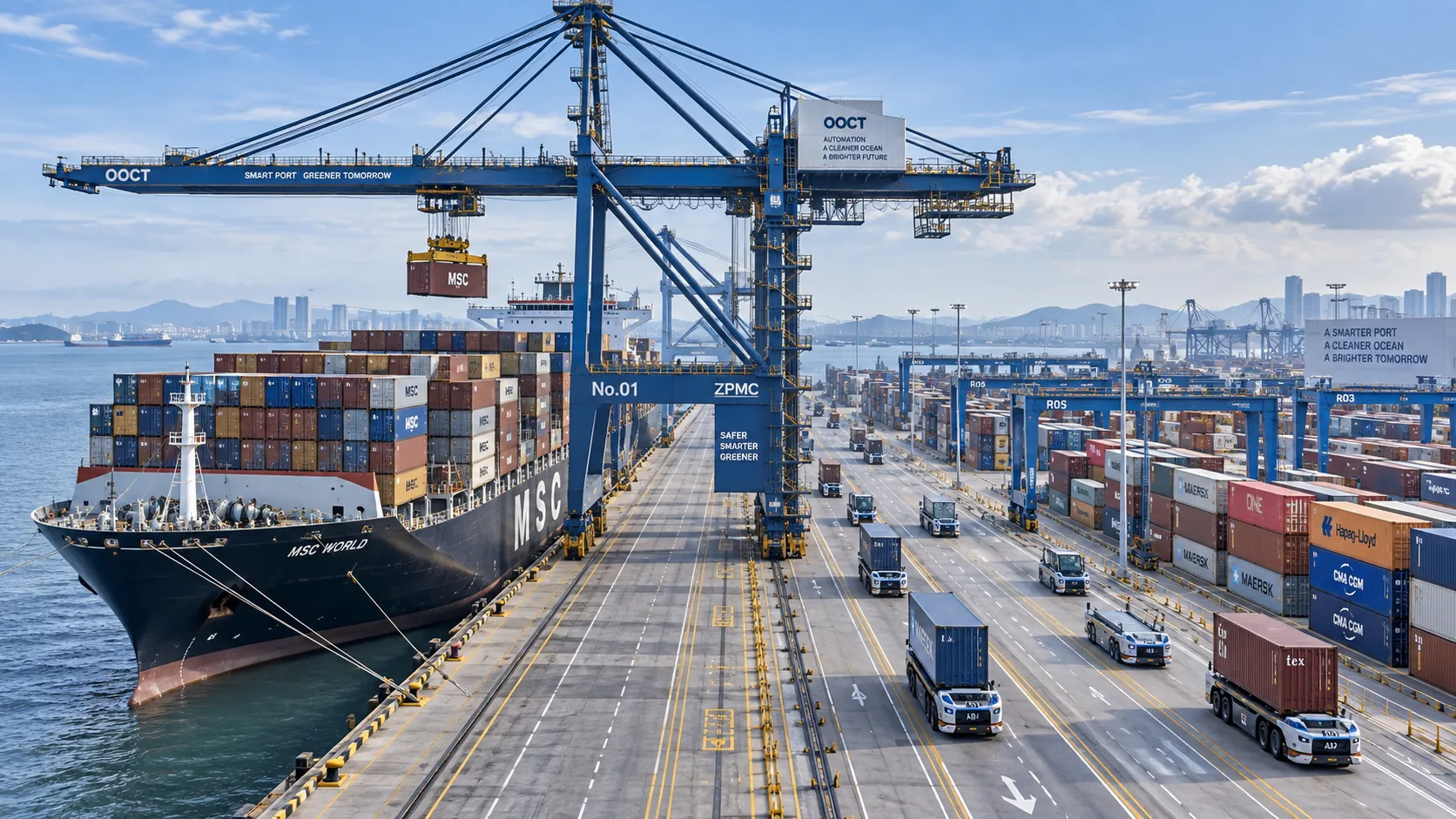
How to Specify a Quay Crane for Container Terminals by Vessel Size and Throughput?
Quay crane for container terminals: learn how to match outreach, lift height, capacity, automation, and cycle performance to vessel size and throughput goals.
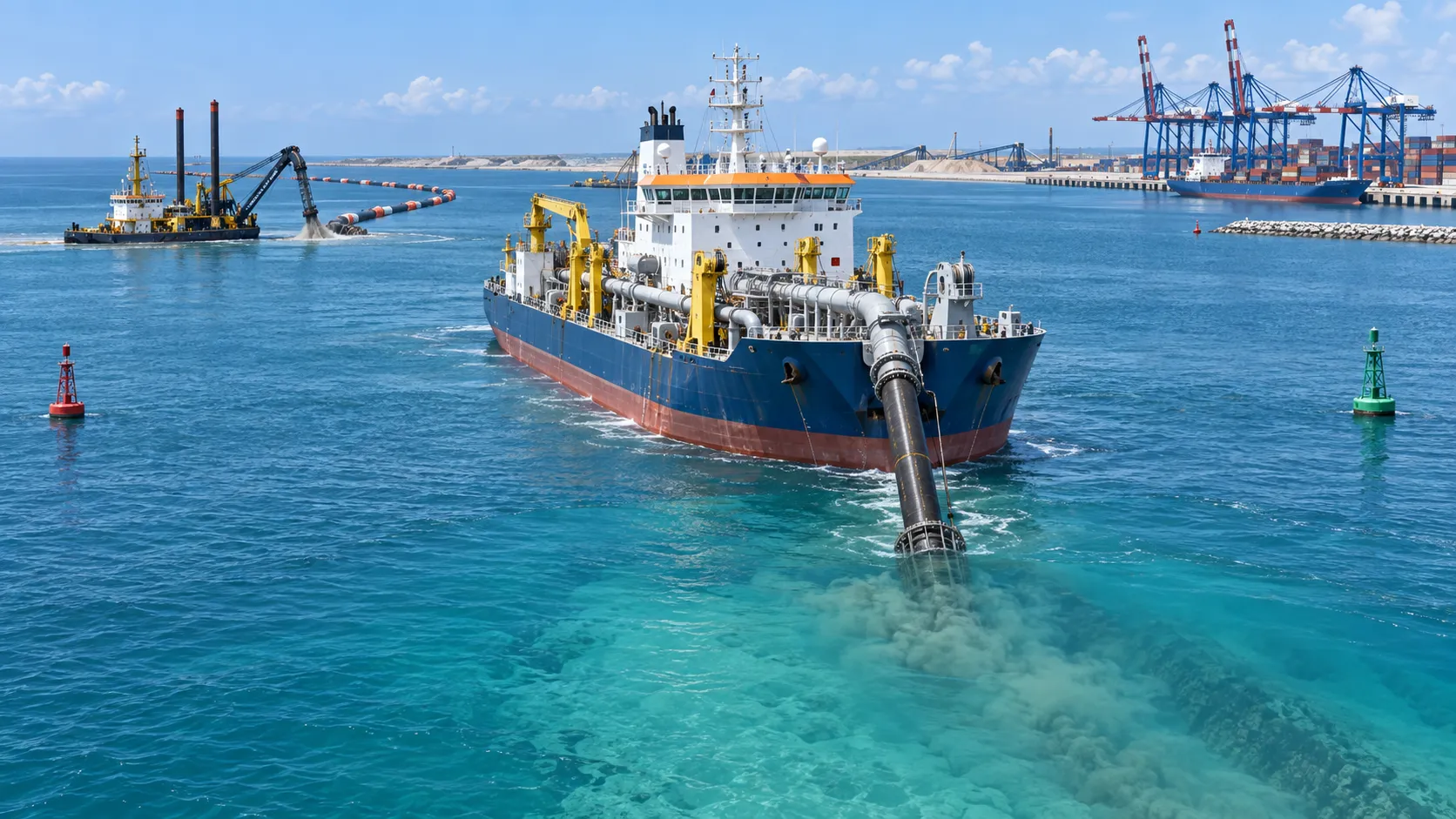
What Dredging Equipment Is Needed for Channel Deepening?
What dredging equipment is needed for channel deepening? Explore dredgers, pipelines, survey tools, and planning strategies for safer, more efficient port access.
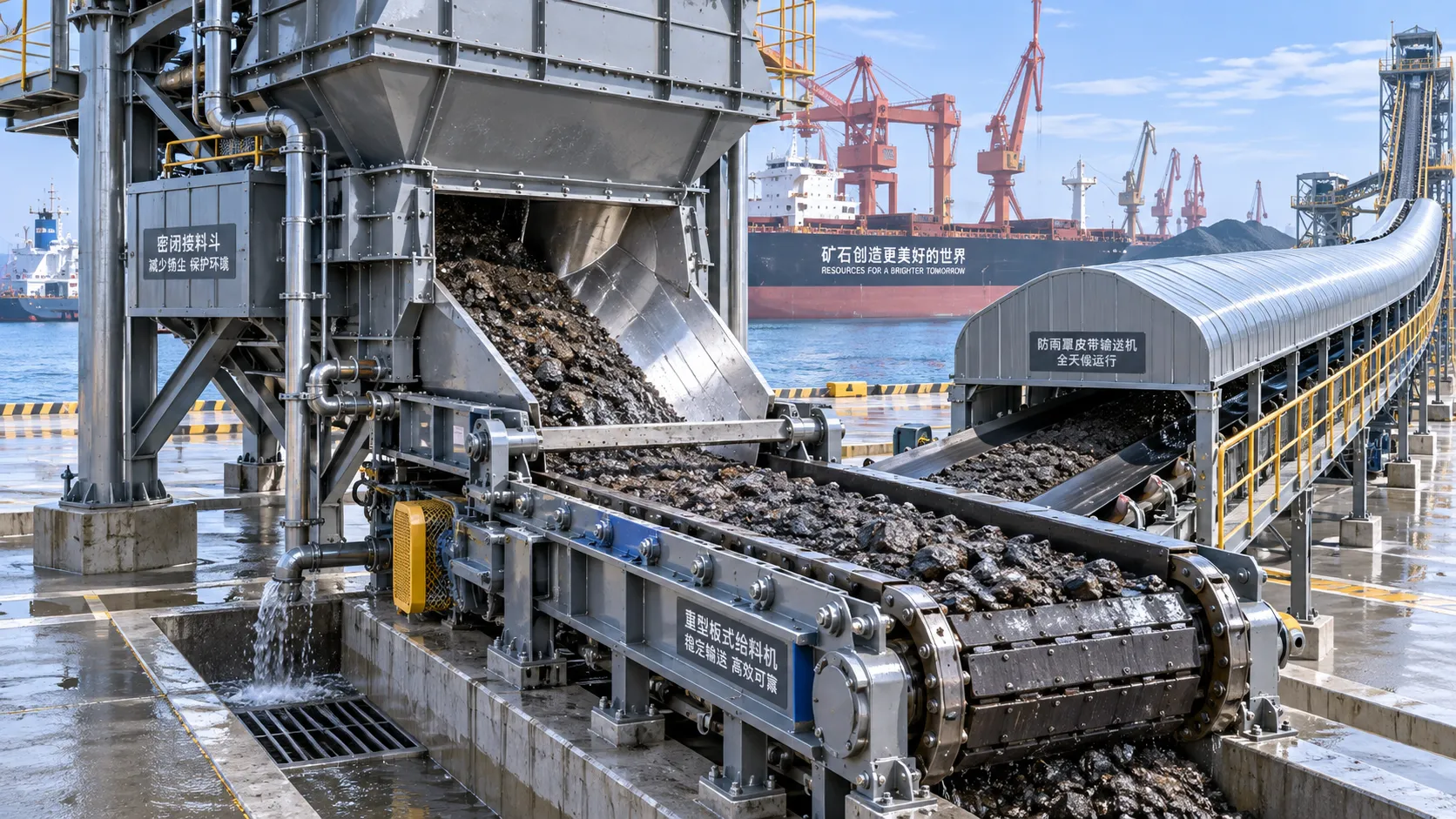
Which Bulk Handling Equipment Suits High-Moisture Cargo?
Which bulk handling equipment suits high-moisture cargo? Compare belt, apron, screw, drag, and slurry systems for reliable flow, less carryback, and higher terminal uptime.
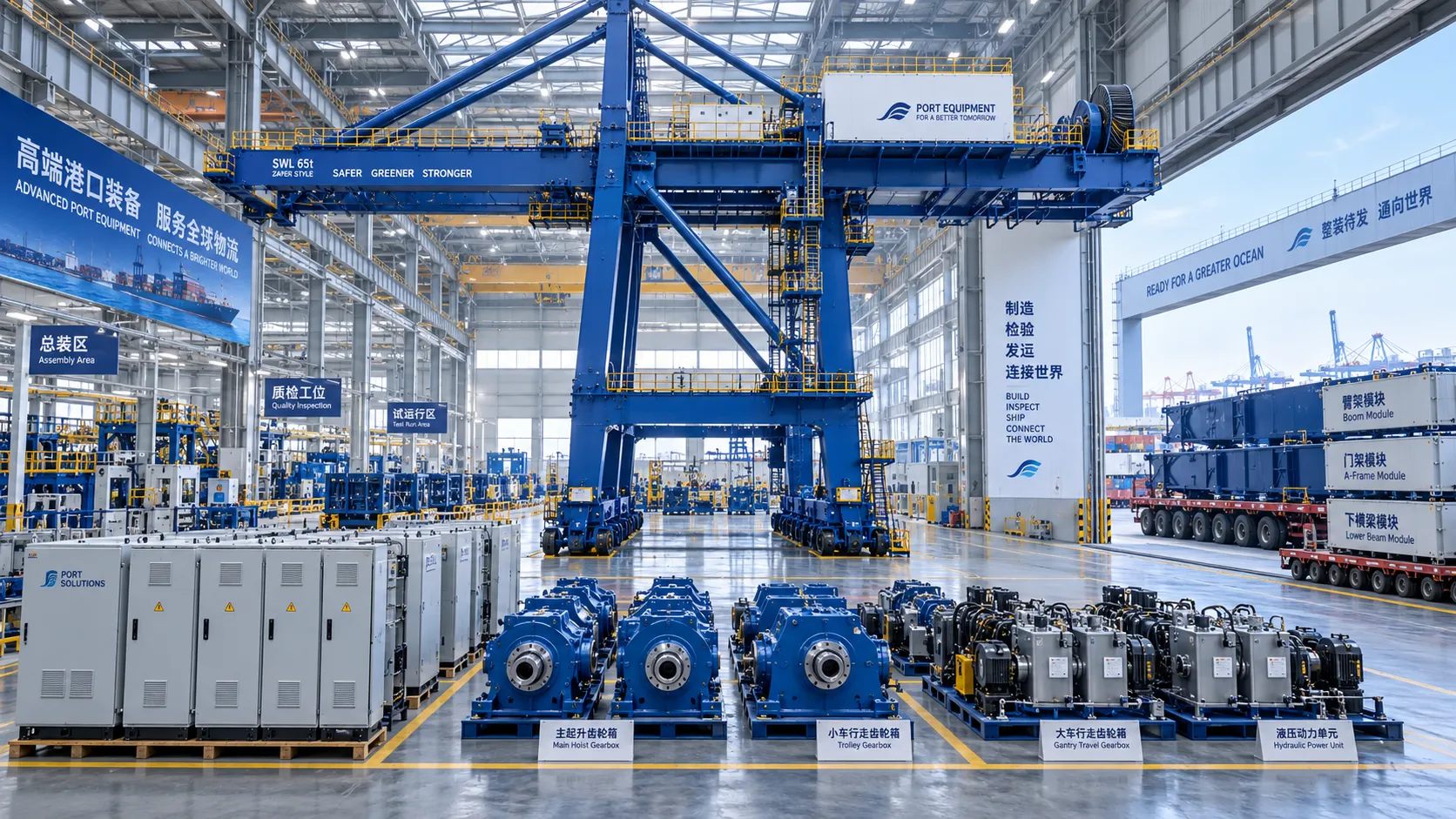
How Can Port Equipment Lead-Time Risk Be Managed?
How can port equipment lead-time risk be managed? Explore practical strategies to control critical paths, suppliers, transport, site readiness, and commissioning delays.
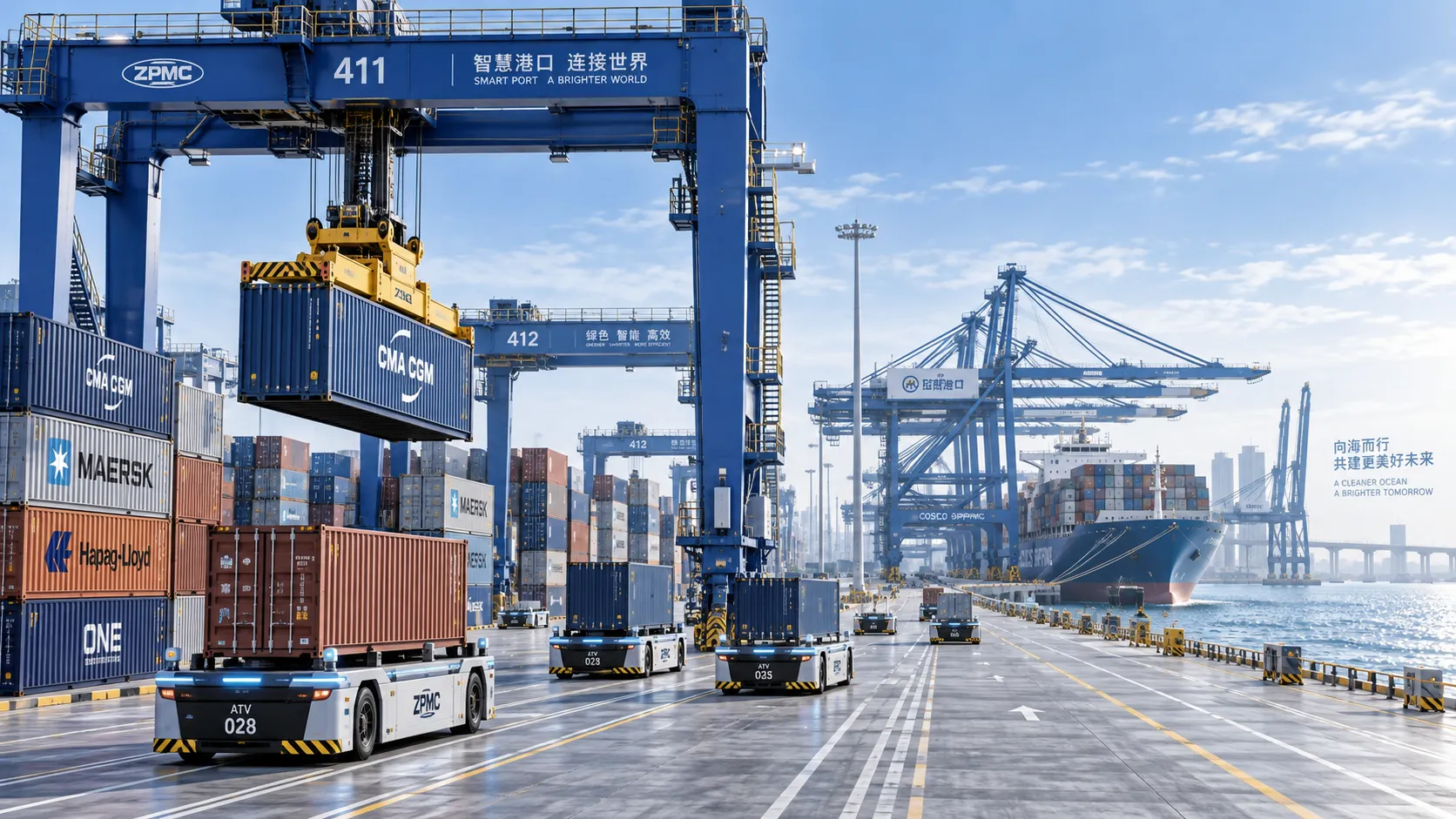
Terminal Automation Technologies That Raise Container Throughput Without Yard Disruption
Terminal automation technology that increases container throughput without disrupting yard flow. Explore smarter integration, resilient workflows, and phased deployment strategies.
Middle East Port Automation: Key Market Drivers, Projects, and Investment Risks
Port automation systems Middle East: explore market drivers, flagship projects, integration challenges, and investment risks shaping smarter, resilient terminals.
Planning Offshore Dredging Operations: Key Risks, Methods, and Project Controls
Offshore dredging operations demand smart planning. Explore key risks, proven methods, environmental controls, and project strategies for reliable delivery.