Related News
- 00
0000-00
How to Specify a Quay Crane for Container Terminals by Vessel Size and Throughput? - 00
0000-00
Which Bulk Handling Equipment Suits High-Moisture Cargo? - 00
0000-00
Terminal Automation Technologies That Raise Container Throughput Without Yard Disruption - 00
0000-00
Planning Offshore Dredging Operations: Key Risks, Methods, and Project Controls - 00
0000-00
Where Do Automated Guided Vehicles Deliver the Fastest Warehouse Gains in the Middle East?
Marine Engineering Solutions for Port Upgrades: How to Compare Scope, Risks, and ROI
Why do marine engineering solutions matter more during port upgrades than they first appear?
Port modernization rarely succeeds through equipment replacement alone. The real challenge is matching infrastructure, water conditions, cargo flow, and control systems into one workable upgrade path.
That is why marine engineering solutions sit at the center of serious planning. They shape berth geometry, dredging depth, quay resilience, drainage, utility routing, and future automation readiness.
In practical terms, the question is not simply which design looks advanced. It is which option supports throughput growth without creating hidden maintenance burdens or operational bottlenecks.
PS-Nexus follows this intersection closely. Its intelligence model connects terminal gear, automated handling, dredging engineering, and coastal economics, which is exactly how upgrade decisions should be assessed.
A useful comparison starts with three lenses: project scope, risk exposure, and return on investment. Once those are visible, marine engineering solutions become easier to compare on business value, not just technical ambition.
When comparing scope, what should actually be included?
Many upgrade reviews underestimate scope because they focus on visible assets. Berths, cranes, reclamation, and dredging are obvious. Less visible interfaces often drive overruns later.
A complete scope review should examine how marine engineering solutions affect both waterside and landside performance. That includes structural work, utility changes, software integration, traffic logic, and sediment management.
More often, a scope gap appears in transition planning. A port may know the final design, yet fail to define how operations continue during phased construction.
- Berth and quay reinforcement for larger loads and crane reach.
- Channel deepening, turning basin work, and ongoing dredging needs.
- Yard layout changes linked to AGVs, RTGs, or automated stacking.
- Power, communications, and low-latency control infrastructure.
- Storm resilience, drainage, corrosion protection, and geotechnical stabilization.
- Temporary operating plans during shutdowns or phased delivery.
If the scope only defines construction outputs, comparison stays shallow. If it defines operating outcomes, decision quality improves quickly.
A simple way to frame scope before comparing options
The table below helps separate headline promises from actual delivery requirements. It is especially useful when several marine engineering solutions seem similar at first glance.
Which risks tend to be underestimated in port upgrade projects?
Technical risk gets attention. Interface risk often does not. Yet ports usually struggle more with coordination failures than with pure engineering limits.
For example, one marine engineering solution may look efficient on paper, but require tighter dredging tolerances, new control logic, and more shutdown time than expected.
Another common blind spot is sediment behavior. Deepening a channel is not only a capital task. It can create recurring maintenance obligations shaped by tides, river inflow, and vessel traffic.
Climate exposure also changes the risk profile. Higher storm intensity, sea-level pressure, salinity effects, and flooding can shorten asset life if resilience is treated as an optional add-on.
- Geotechnical uncertainty below reclaimed or reinforced areas.
- Operational disruption during berth or channel works.
- Integration gaps between civil works and automation systems.
- Permitting delays linked to dredging disposal or habitat impact.
- Energy demand increases from electrified equipment and controls.
A stronger review asks how each risk moves schedule, cost, throughput, and recovery time. That creates a more realistic comparison than a static risk checklist.
How can ROI be judged without reducing everything to capex?
This is where many port upgrade discussions become too narrow. Lower upfront cost does not always mean better value, especially in long-cycle infrastructure.
Marine engineering solutions should be measured against revenue capacity, vessel turnaround, maintenance intensity, energy consumption, and resilience under disruption.
In actual evaluation, a useful ROI model blends hard financial metrics with operating indicators. That reflects how port assets create value over decades, not quarters.
What usually belongs in the ROI view?
- Throughput uplift from larger vessels, faster berthing, or better yard flow.
- Reduced downtime caused by sediment, structural wear, or weather exposure.
- Lower cost per move through automation-ready layouts and control integration.
- Deferred future spending because the design allows modular expansion.
- Compliance and emissions benefits that support financing or concession value.
PS-Nexus often highlights this broader lens. Terminal gear, scheduling algorithms, and dredging performance are not isolated topics. Together, they define whether the upgraded port actually performs as planned.
A practical test is simple: if a solution improves berth capacity but weakens yard synchronization, the expected ROI may be overstated.
Are all marine engineering solutions suitable for automation and future trade shifts?
Not necessarily. Some designs solve today's bottleneck yet limit tomorrow's operational model. That is especially true where automation, remote control, and digital monitoring are likely to expand.
A quay upgrade, for instance, should not be reviewed only for structural adequacy. It should also be checked for cable routing, sensor coverage, data reliability, maintenance access, and safe machine interaction.
The same applies to dredging-related solutions. A deeper channel creates value only if berth design, crane outreach, yard density, and truck or AGV circulation can absorb the extra call size.
More mature marine engineering solutions usually show flexibility in three areas:
- Compatibility with automated cranes, guided vehicles, and control platforms.
- Allowance for future cargo mix changes, including bulk and container shifts.
- Support for net-zero pathways through electrification and smarter asset monitoring.
This is where intelligence from maritime logistics and coastal economics becomes useful. Trade demand does not move in a straight line, so engineering choices should avoid locking a port into one narrow forecast.
What mistakes often weaken decision quality during solution selection?
One frequent mistake is comparing marine engineering solutions by headline capacity alone. Capacity claims mean little if draft reliability, maintenance cycles, or yard constraints remain unresolved.
Another is treating dredging, structures, and automation as separate packages. In reality, the strongest results come from synchronized planning across those systems.
It is also common to underweight the value of operational data. Historical berth occupancy, queue patterns, crane productivity, and sediment movement often reveal more than broad assumptions.
The better path is measured and comparative. Review the technical fit, then pressure-test the operating logic behind it.
What is the smartest next step before choosing among marine engineering solutions?
Start by defining the port problem in operational terms. Is the true limit berth depth, crane productivity, yard congestion, storm vulnerability, or interface delay between systems?
Then build a comparison sheet that captures scope boundaries, phasing needs, risk triggers, maintenance implications, and expected ROI drivers. This keeps decisions grounded when proposals sound equally persuasive.
It also helps to test each option against future scenarios, not just current demand. Trade lane shifts, vessel upsizing, decarbonization pressure, and automation maturity can all change the value of a design.
PS-Nexus frames this well through its focus on port equipment, control systems, dredging engineering, and strategic intelligence. The strongest upgrade decisions come from joining those signals early.
In the end, marine engineering solutions should do more than complete a construction project. They should strengthen throughput, resilience, and long-term flexibility. That is the benchmark worth using before moving forward.
Related News
Smart Port Systems in Southeast Asia: Investment Priorities and Adoption Barriers
Smart port systems Southeast Asia: discover investment priorities, adoption barriers, and practical steps to build resilient, connected, high-performing terminals.
How to Evaluate Terminal Efficiency Solution Suppliers for High-Throughput Operations
Choose a terminal efficiency solutions supplier with confidence. Explore proven criteria for throughput, integration, lifecycle cost, safety, and reliable delivery.
How to Specify a Quay Crane for Container Terminals by Vessel Size and Throughput?
Quay crane for container terminals: learn how to match outreach, lift height, capacity, automation, and cycle performance to vessel size and throughput goals.
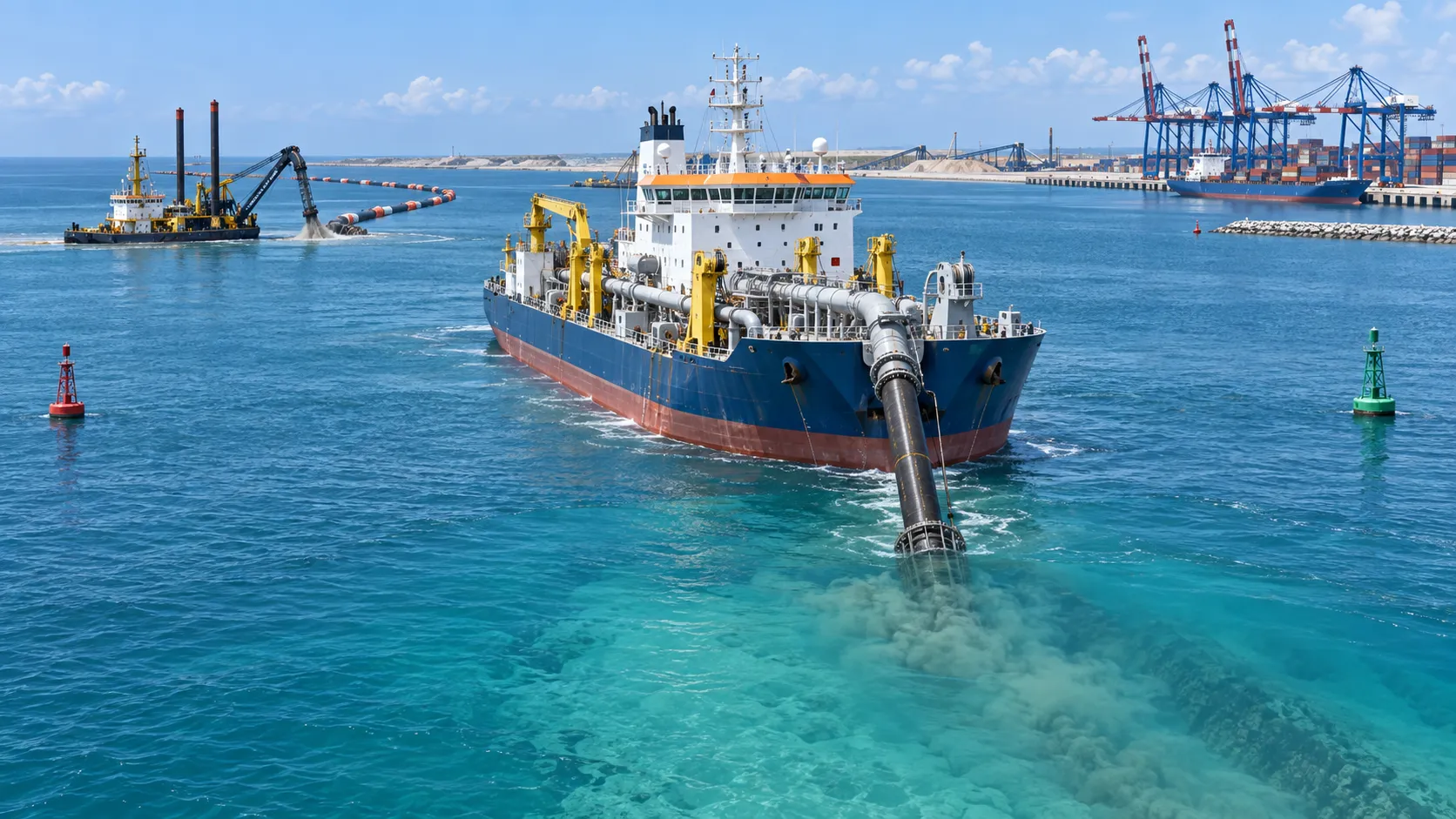
What Dredging Equipment Is Needed for Channel Deepening?
What dredging equipment is needed for channel deepening? Explore dredgers, pipelines, survey tools, and planning strategies for safer, more efficient port access.
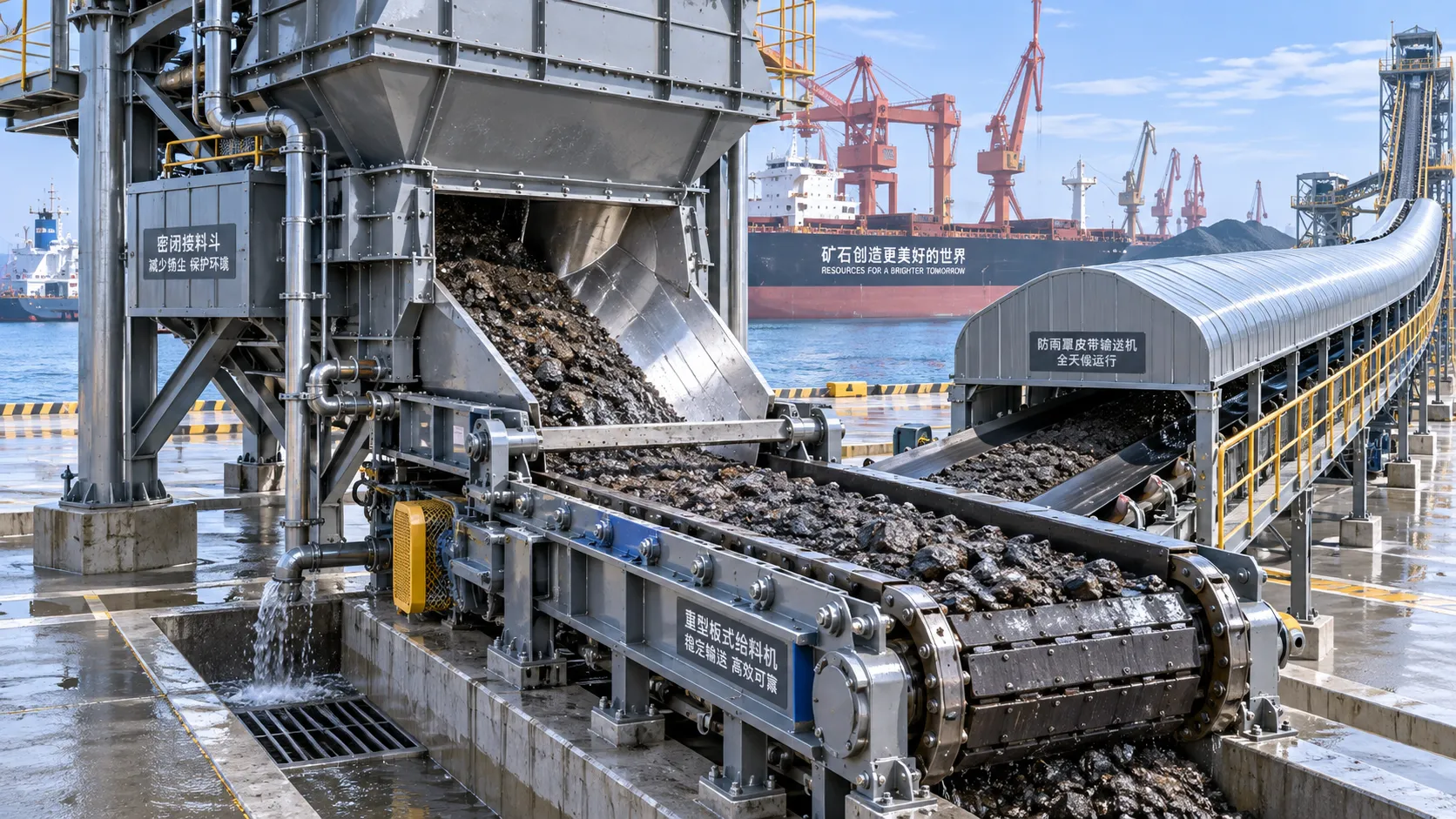
Which Bulk Handling Equipment Suits High-Moisture Cargo?
Which bulk handling equipment suits high-moisture cargo? Compare belt, apron, screw, drag, and slurry systems for reliable flow, less carryback, and higher terminal uptime.
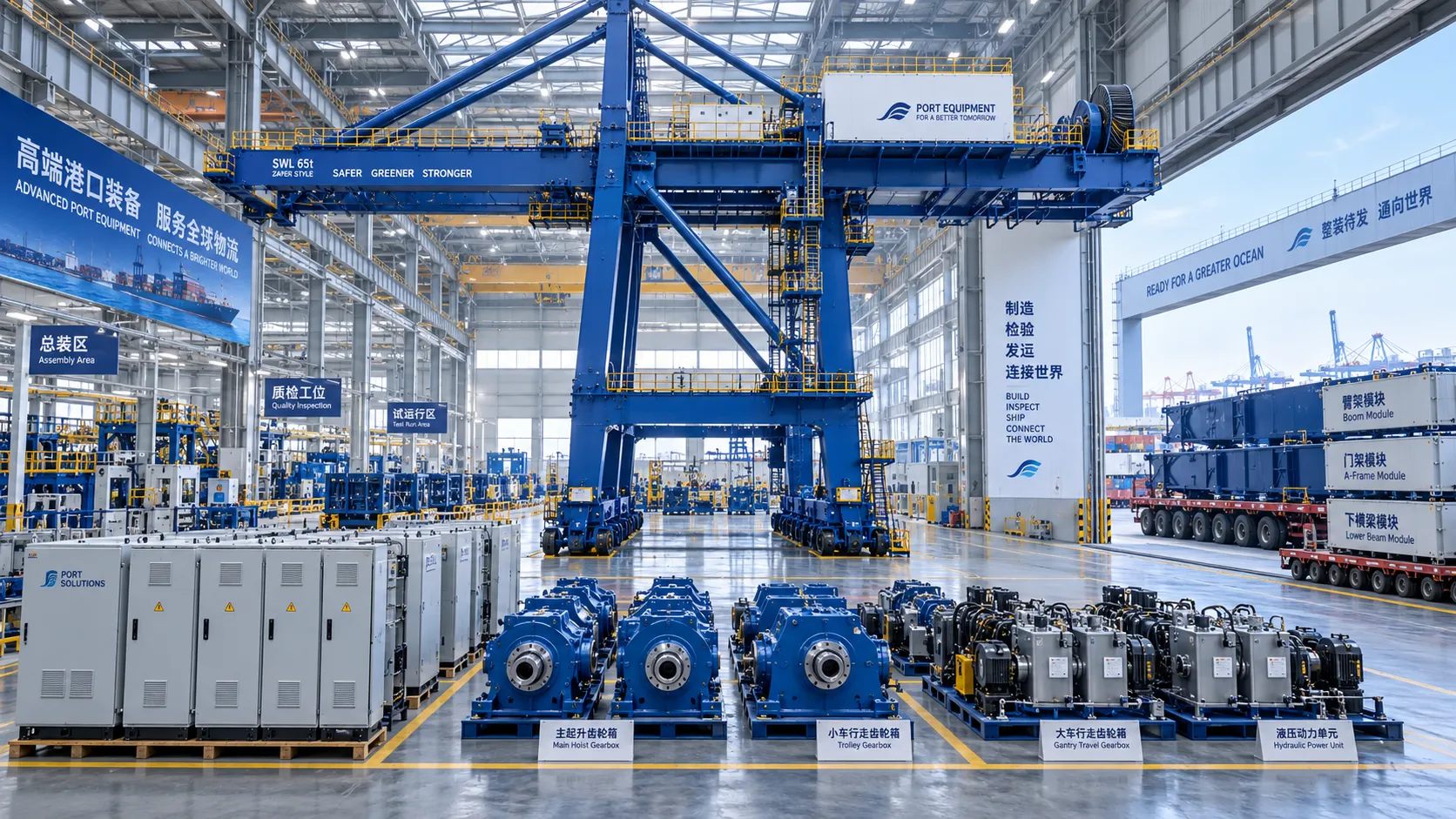
How Can Port Equipment Lead-Time Risk Be Managed?
How can port equipment lead-time risk be managed? Explore practical strategies to control critical paths, suppliers, transport, site readiness, and commissioning delays.
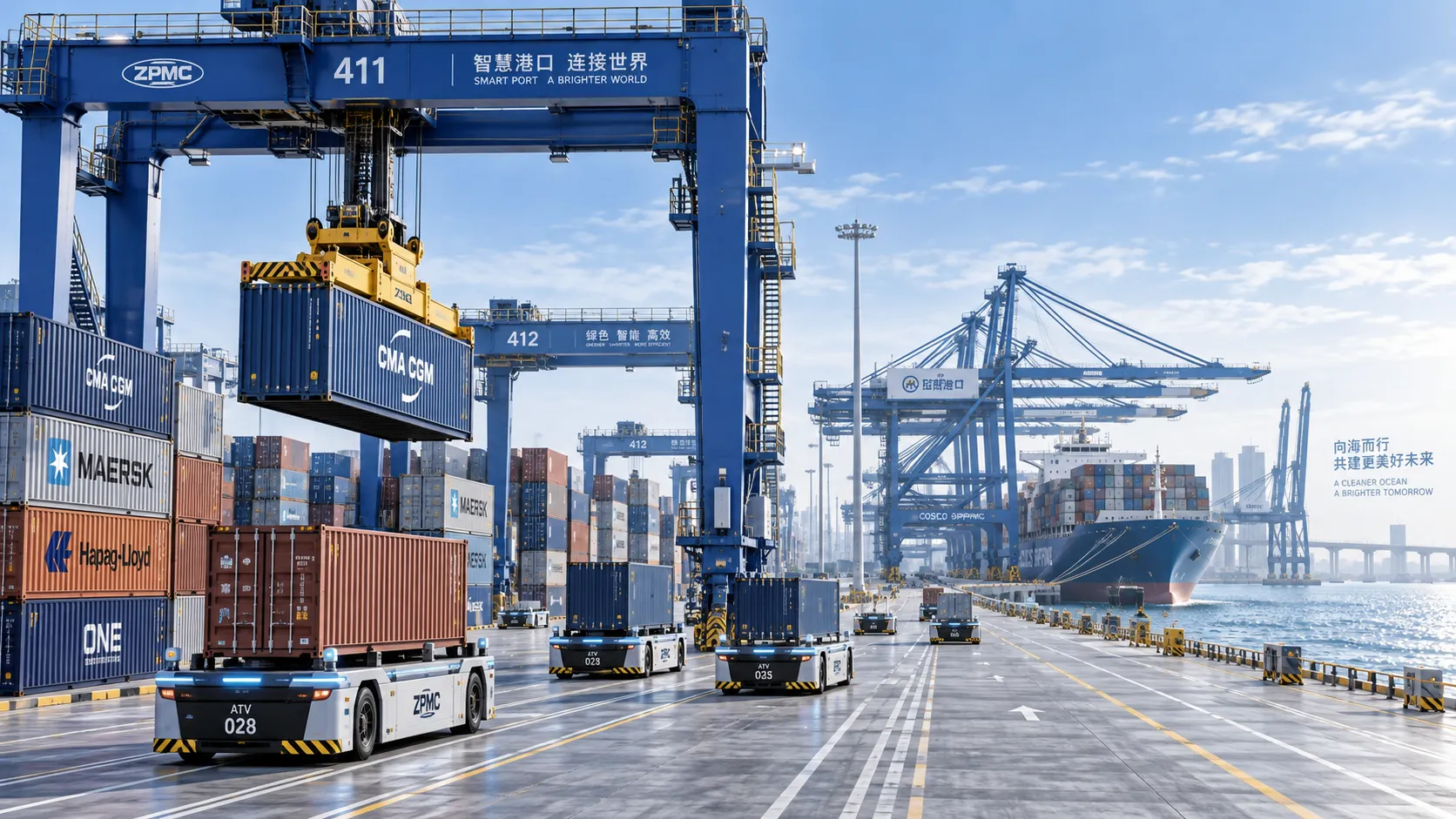
Terminal Automation Technologies That Raise Container Throughput Without Yard Disruption
Terminal automation technology that increases container throughput without disrupting yard flow. Explore smarter integration, resilient workflows, and phased deployment strategies.
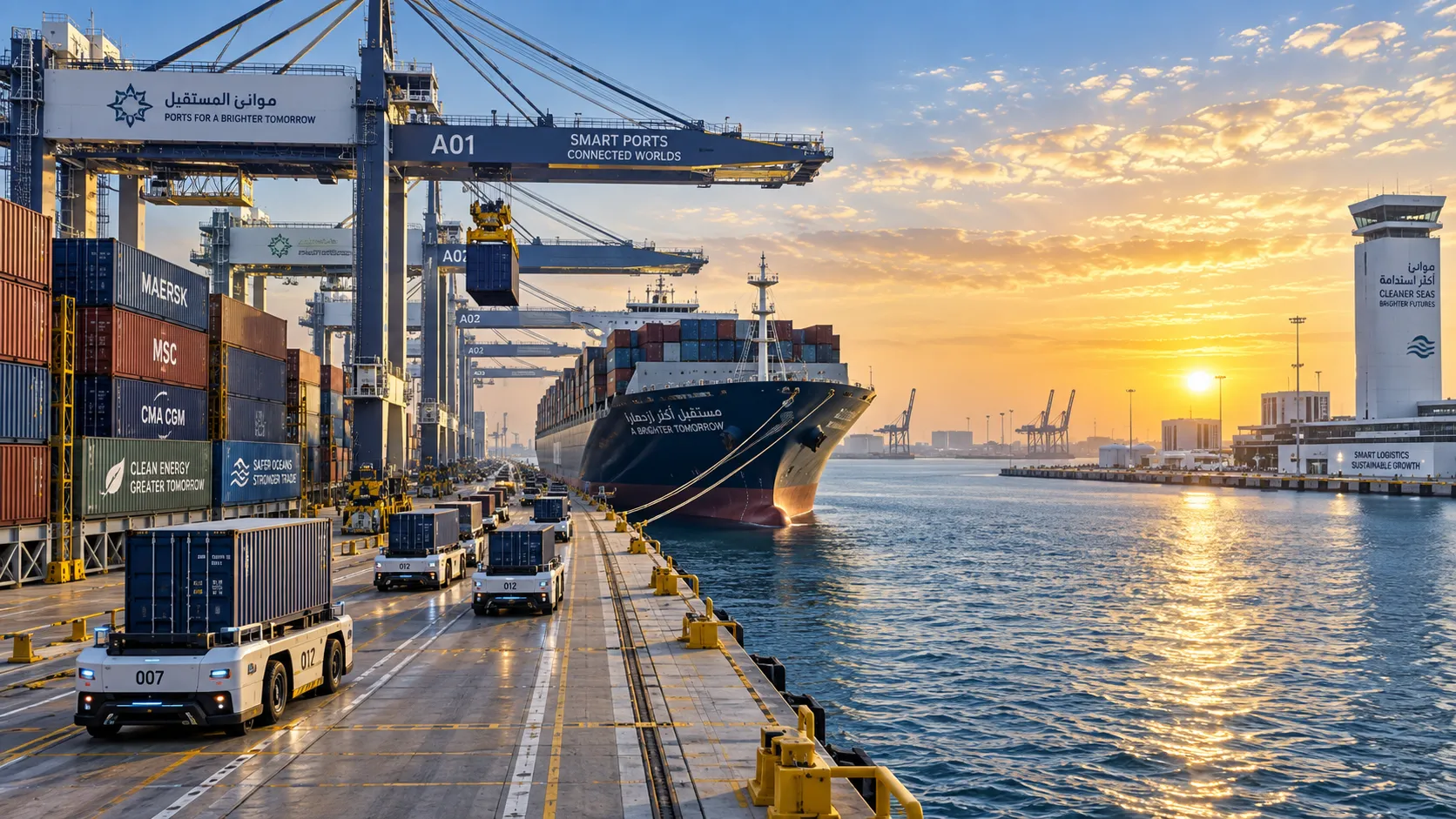
Middle East Port Automation: Key Market Drivers, Projects, and Investment Risks
Port automation systems Middle East: explore market drivers, flagship projects, integration challenges, and investment risks shaping smarter, resilient terminals.
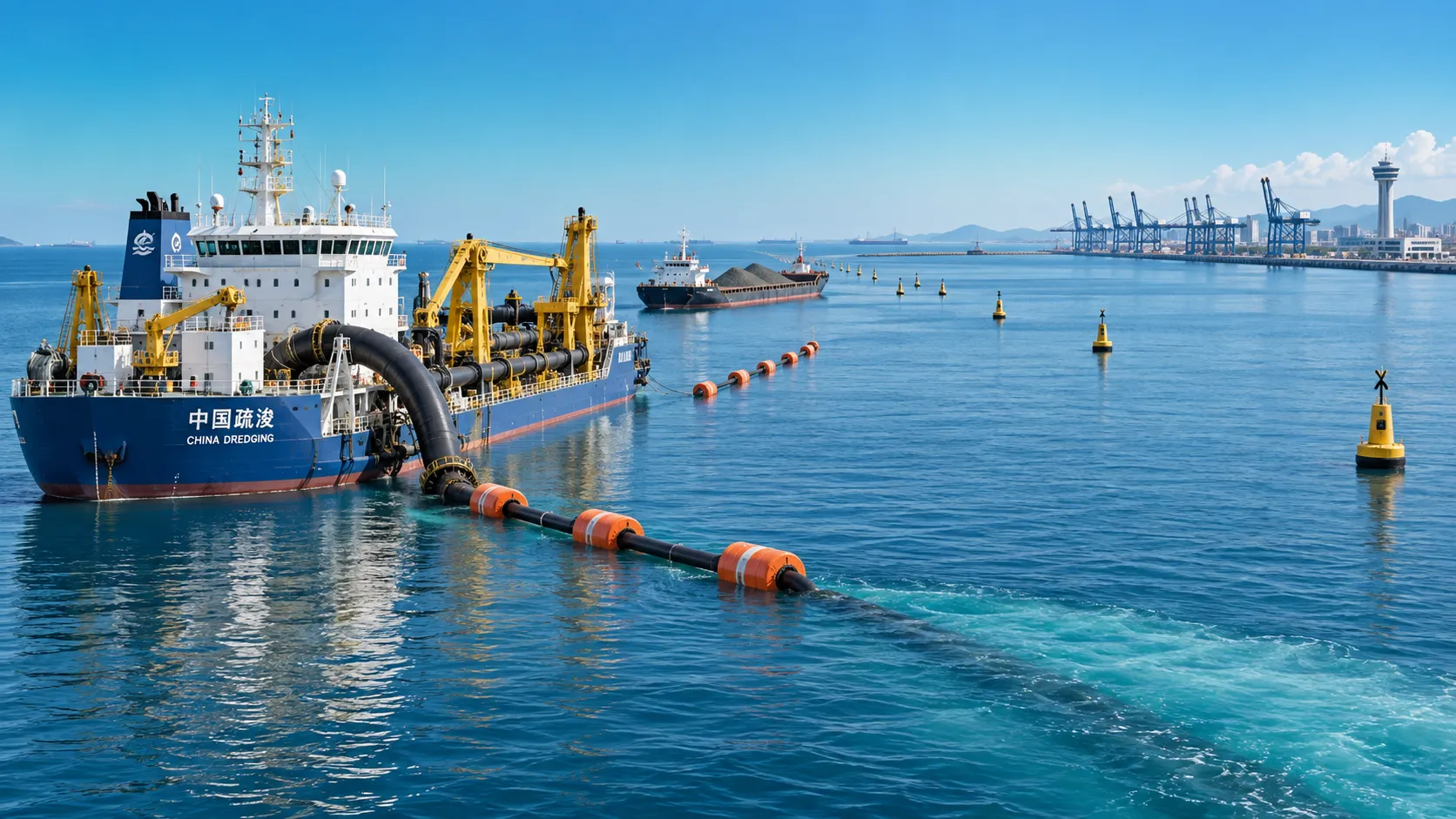
Planning Offshore Dredging Operations: Key Risks, Methods, and Project Controls
Offshore dredging operations demand smart planning. Explore key risks, proven methods, environmental controls, and project strategies for reliable delivery.