Related News
- 00
0000-00
How to Specify a Quay Crane for Container Terminals by Vessel Size and Throughput? - 00
0000-00
Which Bulk Handling Equipment Suits High-Moisture Cargo? - 00
0000-00
Terminal Automation Technologies That Raise Container Throughput Without Yard Disruption - 00
0000-00
Planning Offshore Dredging Operations: Key Risks, Methods, and Project Controls - 00
0000-00
Where Do Automated Guided Vehicles Deliver the Fastest Warehouse Gains in the Middle East?
Automated Guided Vehicles for Ports: Navigation Types, Battery Choices, and Safety Basics
Automated guided vehicles are now central to the way advanced ports move containers between quay, yard, and transfer points.
For evaluation work, the discussion usually narrows quickly to three issues: how the vehicle knows where it is, how it stays powered, and how safely it behaves around assets and people.
That focus makes sense. In a port, navigation errors reduce throughput, battery decisions shape uptime, and weak safety logic can interrupt an entire automated flow.
Within the wider PS-Nexus view of maritime logistics, automated guided vehicles sit at the intersection of terminal machinery, control systems, and trade efficiency.
Why port AGVs matter beyond simple transport
In conventional terminals, horizontal transport often depends on tractor fleets, variable driver performance, and dispatch gaps between cranes and stacks.
Automated guided vehicles change that by turning transport into a scheduled, data-driven layer of the port automation system.
Their value is not limited to labor substitution. The real gain comes from predictable cycle times, cleaner handoff logic, and tighter synchronization with quay cranes and yard blocks.
This is why AGV selection is increasingly tied to broader terminal strategy, including electrification, net-zero targets, and digital scheduling maturity.
What automated guided vehicles do in a port setting
In port operations, automated guided vehicles usually carry containers along fixed operational corridors rather than acting as free-roaming warehouse robots.
They serve predictable but demanding missions: quay crane handoff, yard transfer, buffer movement, and interconnection with automated stacking cranes.
Because the travel environment is structured, vehicle performance depends heavily on dispatch software, lane discipline, and the quality of guidance infrastructure.
Simple vehicle specifications rarely tell the whole story. A strong AGV can still underperform inside weak routing logic or unstable wireless coverage.
Navigation types and what they mean in real operations
Navigation is one of the first comparison points because it affects installation cost, flexibility, maintenance burden, and operational resilience.
Embedded guidance methods
Some automated guided vehicles follow transponders, magnets, or wires embedded in the pavement.
These systems can be highly stable in repetitive routes. They are often appreciated where traffic patterns remain relatively fixed for long periods.
The tradeoff is lower flexibility. Route changes may require civil work, lane closures, and careful recalibration after surface maintenance.
Laser and reflector-based navigation
Laser navigation uses environmental references, often reflectors placed around the terminal.
It reduces dependence on buried infrastructure and supports layout changes more easily than fixed embedded systems.
However, reflector condition, weather exposure, and line-of-sight management become practical concerns in open port environments.
Natural feature and SLAM-style approaches
More modern automated guided vehicles may use lidar, cameras, GNSS support, and map-based localization.
These approaches improve adaptability and reduce fixed guidance hardware. They also align well with terminals that expect phased expansion.
Still, open-sky positioning, container stacks, glare, rain, and dust can complicate sensor reliability. Robust sensor fusion matters more than any single technology label.
A practical comparison view
The right choice depends less on trendiness and more on route stability, expected expansion, pavement access, and tolerance for downtime during future reconfiguration.
Battery choices shape uptime more than many expect
Battery strategy is often treated as a secondary engineering detail. In practice, it directly affects fleet size, charging infrastructure, and dispatch continuity.
Lead-acid systems
Lead-acid batteries remain familiar and lower in upfront cost, but they are less attractive for high-intensity automated terminals.
They usually require more space, more maintenance attention, and longer charging windows. That can reduce operational flexibility.
Lithium-ion systems
Lithium-ion options are now common in automated guided vehicles for ports because they support faster charging and better cycle efficiency.
They also align well with opportunity charging, where short charging events are built into normal waiting periods.
The evaluation point is not only chemistry. Thermal management, battery management software, enclosure protection, and service support are equally important.
Battery swapping versus opportunity charging
Some terminals prefer battery swapping to keep vehicles moving with minimal interruption.
Others favor automated charging points near operational buffers. This can simplify vehicle design but requires precise fleet scheduling.
The best model depends on traffic density, queue behavior, land availability, and how tightly crane productivity is linked to transport availability.
Safety basics are not just about emergency stops
Safety in port automated guided vehicles starts with obstacle detection, braking logic, and controlled behavior under degraded conditions.
But a realistic evaluation goes further. It asks how the vehicle behaves in mixed zones, how faults are isolated, and how quickly operations recover after a protective stop.
Core protection layers
- Lidar or radar detection zones for frontal and side protection
- Speed control linked to payload, turning, and area classification
- Redundant communications for command continuity and safe stop behavior
- Emergency stop circuits and safe-state fallback logic
- Warning lights, audible alerts, and clear human-machine interfaces
The port-specific safety challenge
Ports are harsher than indoor factories. Wind, salt, rain, glare, uneven surfaces, and large metal structures all affect sensing performance.
That is why baseline safety performance should be tested in the actual yard environment, not assumed from catalog claims.
It is also worth checking how safety zones interact with throughput. Overly conservative detection can create invisible bottlenecks.
Integration often decides real-world performance
Automated guided vehicles do not operate alone. They depend on terminal operating systems, fleet management software, positioning data, and stable wireless networks.
A technically capable vehicle may still underdeliver if dispatch logic cannot prevent queue formation under quay cranes.
PS-Nexus regularly highlights this systems view because AGV value emerges from coordination, not from the vehicle as an isolated machine.
Low-latency communication, path-planning quality, and digital health monitoring all influence whether the fleet performs steadily at scale.
A useful evaluation checklist
When comparing automated guided vehicles for port projects, several questions help separate promising concepts from durable operating solutions.
- How tolerant is the navigation system to weather, reflective surfaces, and yard layout changes?
- What battery model supports the target duty cycle without inflating fleet size?
- How are charging or swapping events incorporated into dispatch logic?
- What happens during sensor failure, communication loss, or blocked lanes?
- How easily can the system integrate with cranes, yard equipment, and control platforms?
- What maintenance burden falls on pavement, reference markers, sensors, and power infrastructure?
These questions are especially relevant in long-cycle terminal investments, where changing the fleet architecture later can be expensive and disruptive.
Where to focus next
The strongest decisions usually start with route maps, crane interfaces, charging assumptions, and safety zoning drawn together in one operating model.
From there, navigation type, battery choice, and safety functions can be judged against real cycle demands rather than generic vendor claims.
For ports moving toward smarter and lower-emission operations, automated guided vehicles are no longer a narrow equipment topic.
They are part of a wider logistics architecture. Reviewing them through that broader lens usually leads to better comparisons, stronger deployment logic, and fewer surprises after commissioning.
Related News
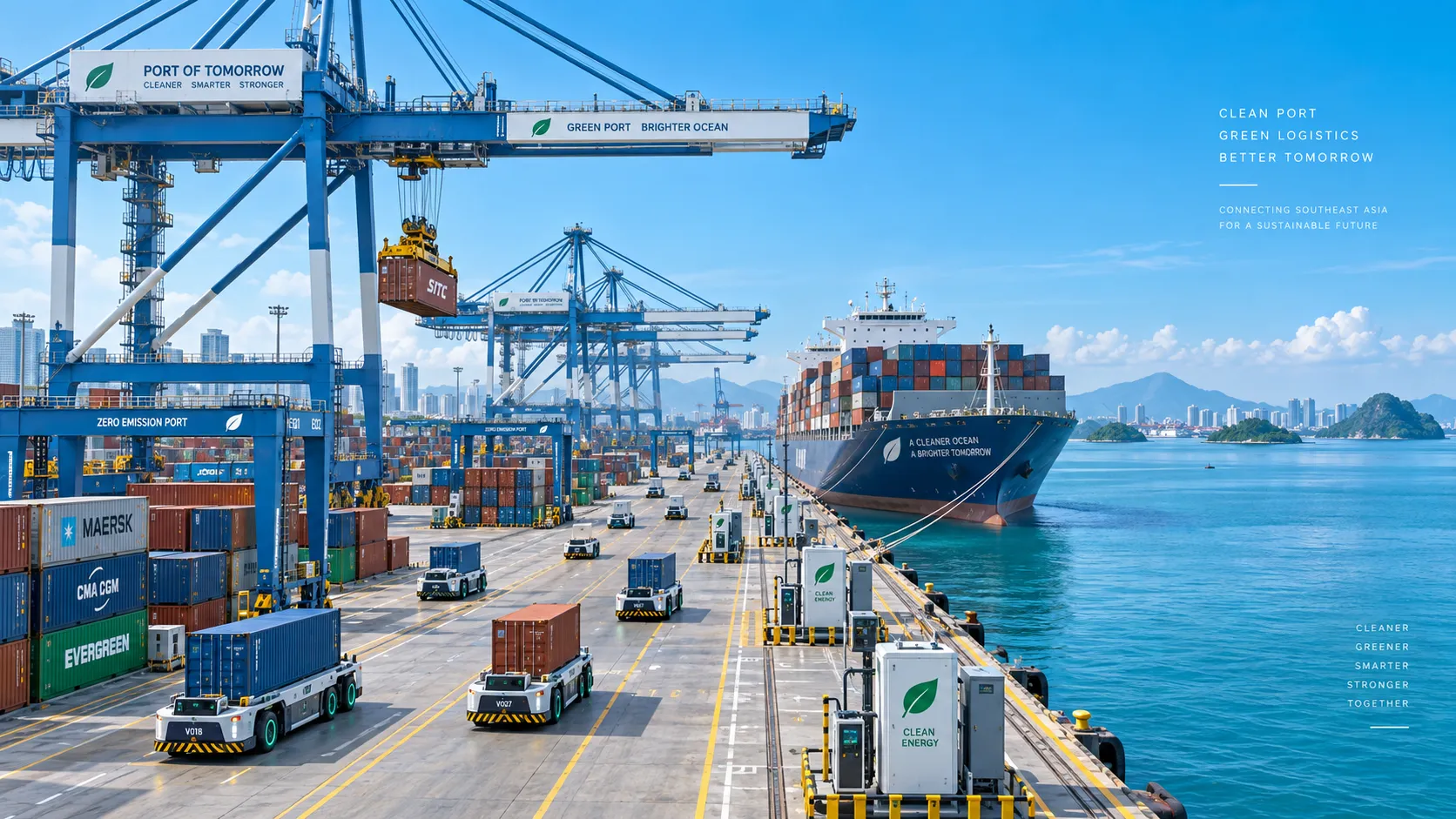
Smart Port Systems in Southeast Asia: Investment Priorities and Adoption Barriers
Smart port systems Southeast Asia: discover investment priorities, adoption barriers, and practical steps to build resilient, connected, high-performing terminals.

How to Evaluate Terminal Efficiency Solution Suppliers for High-Throughput Operations
Choose a terminal efficiency solutions supplier with confidence. Explore proven criteria for throughput, integration, lifecycle cost, safety, and reliable delivery.
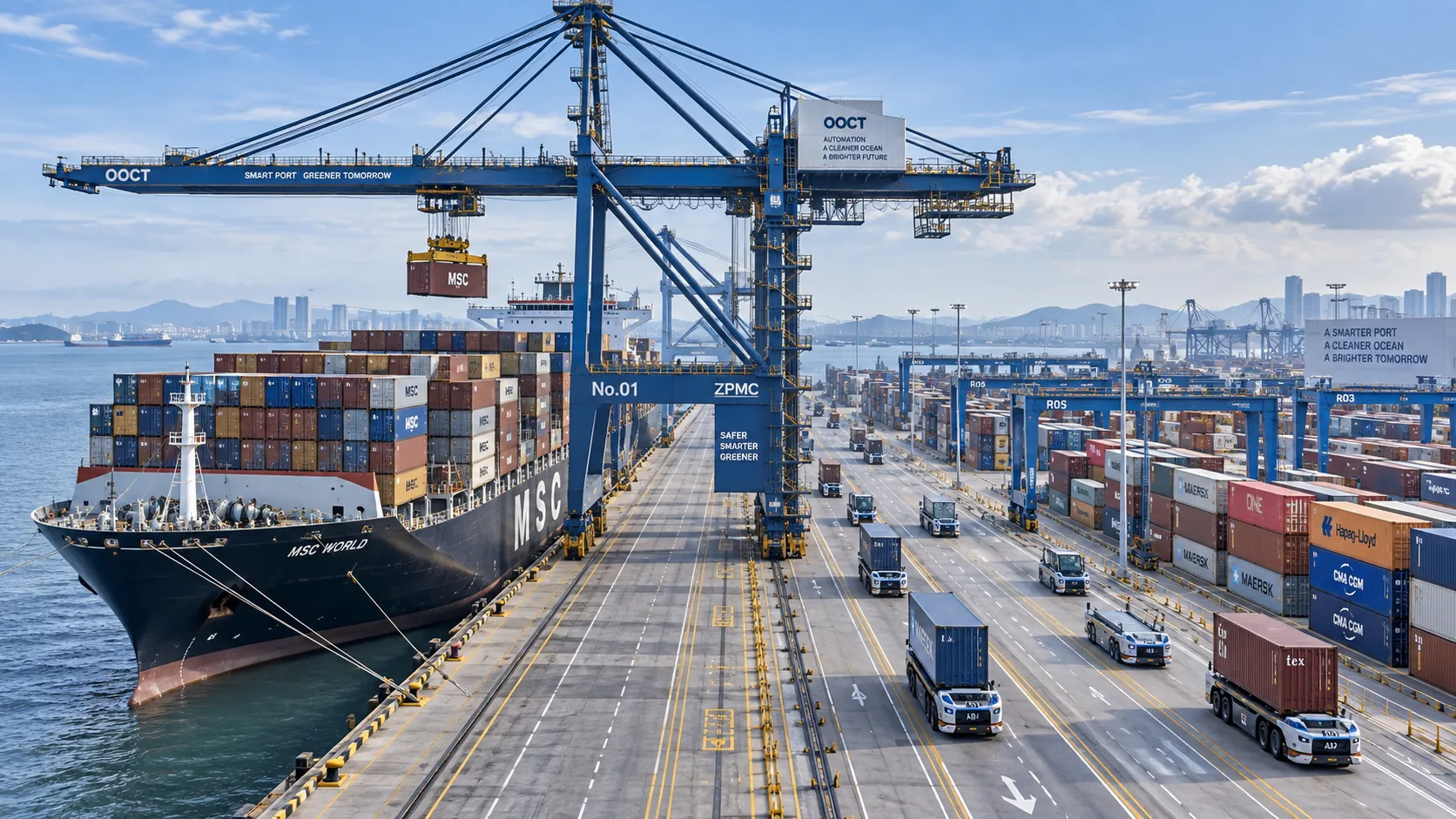
How to Specify a Quay Crane for Container Terminals by Vessel Size and Throughput?
Quay crane for container terminals: learn how to match outreach, lift height, capacity, automation, and cycle performance to vessel size and throughput goals.
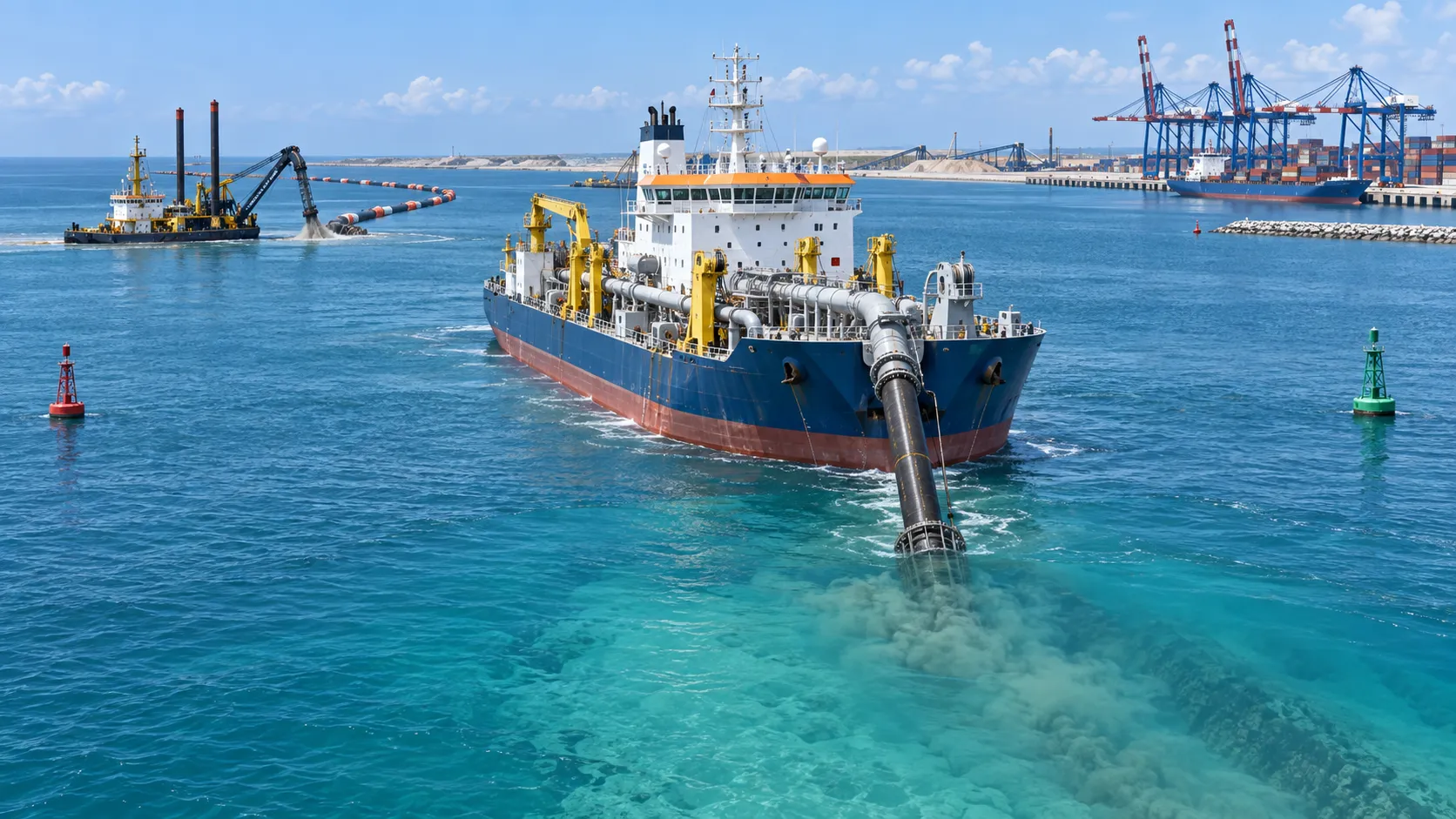
What Dredging Equipment Is Needed for Channel Deepening?
What dredging equipment is needed for channel deepening? Explore dredgers, pipelines, survey tools, and planning strategies for safer, more efficient port access.
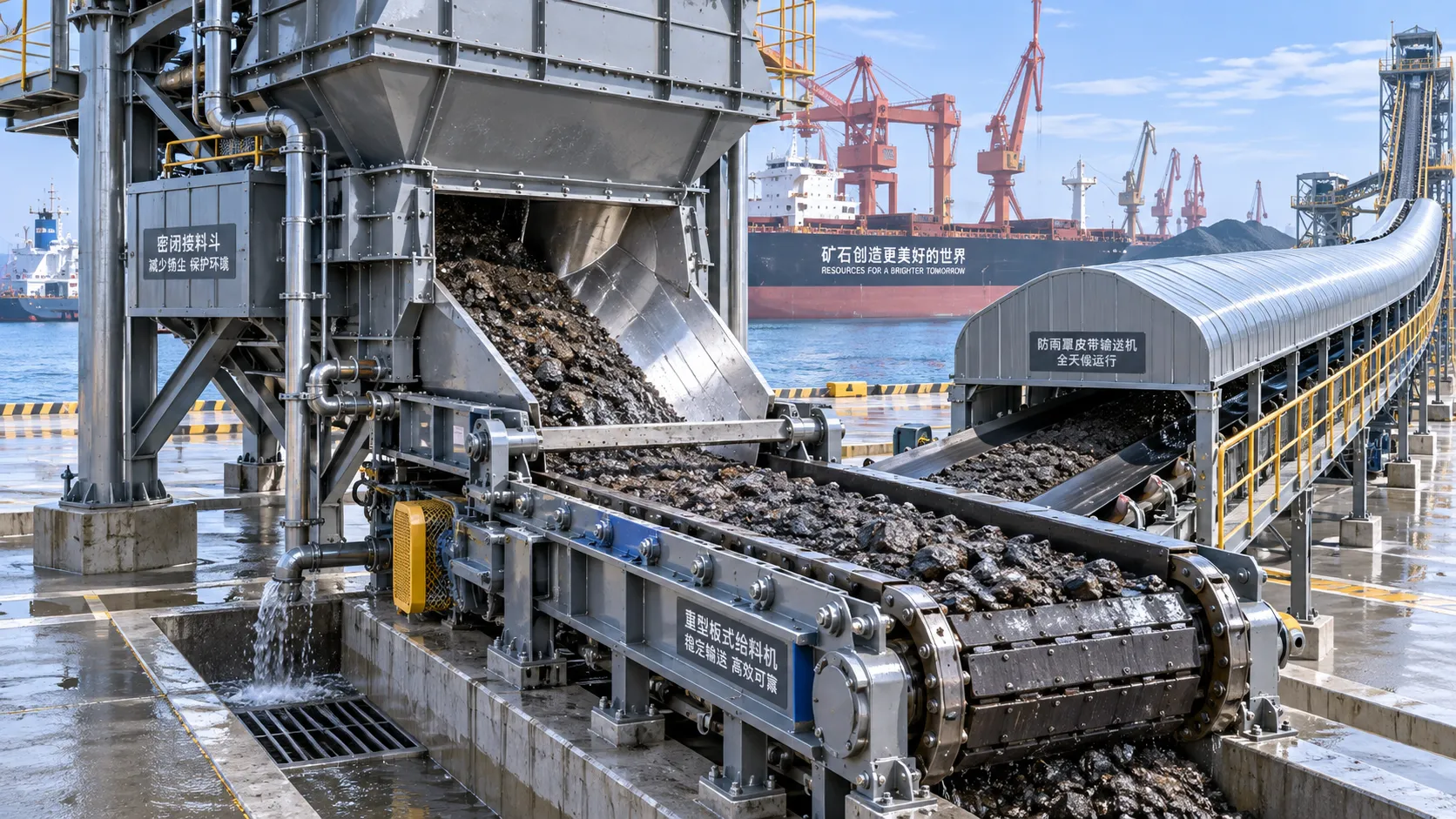
Which Bulk Handling Equipment Suits High-Moisture Cargo?
Which bulk handling equipment suits high-moisture cargo? Compare belt, apron, screw, drag, and slurry systems for reliable flow, less carryback, and higher terminal uptime.
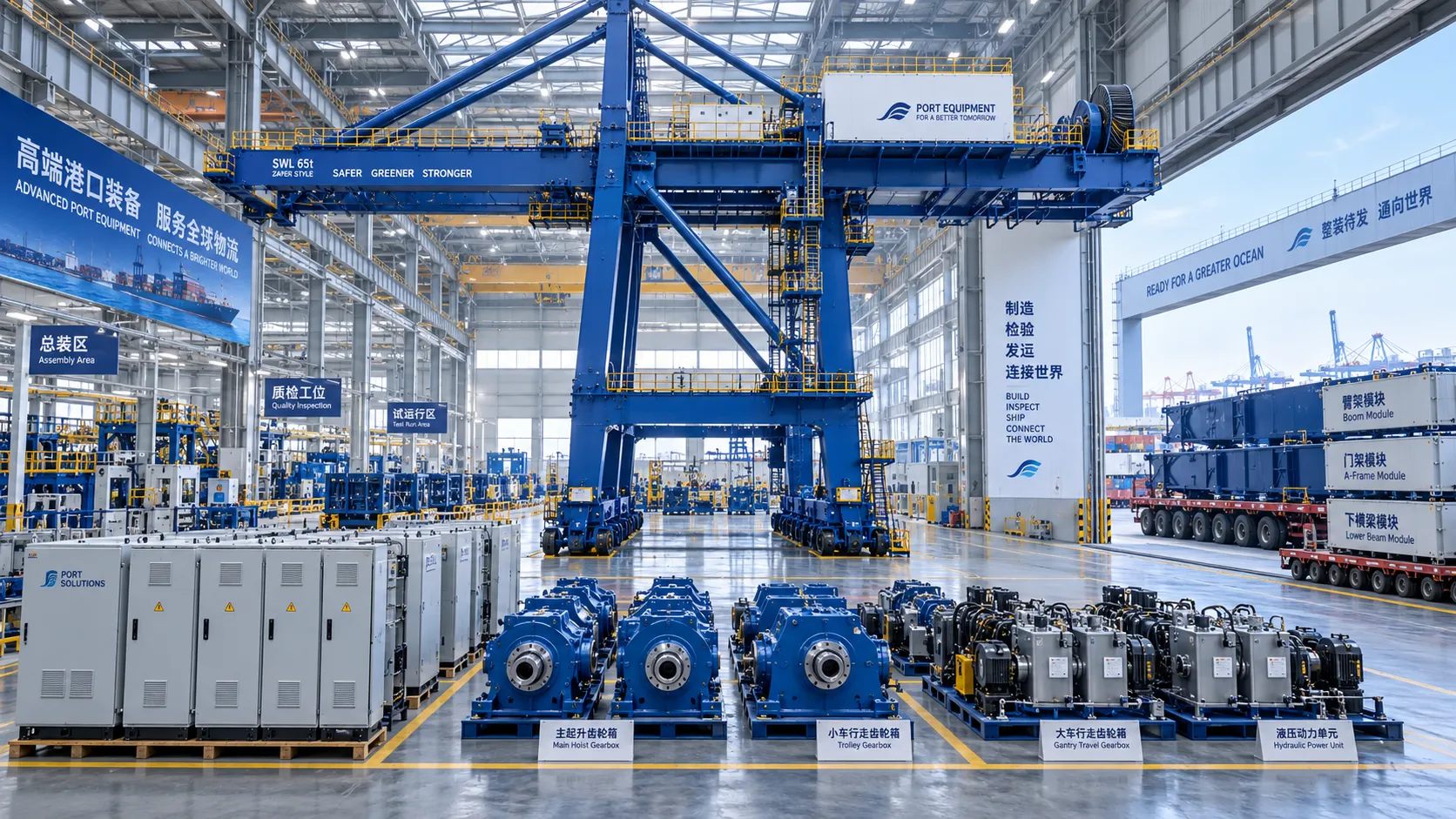
How Can Port Equipment Lead-Time Risk Be Managed?
How can port equipment lead-time risk be managed? Explore practical strategies to control critical paths, suppliers, transport, site readiness, and commissioning delays.
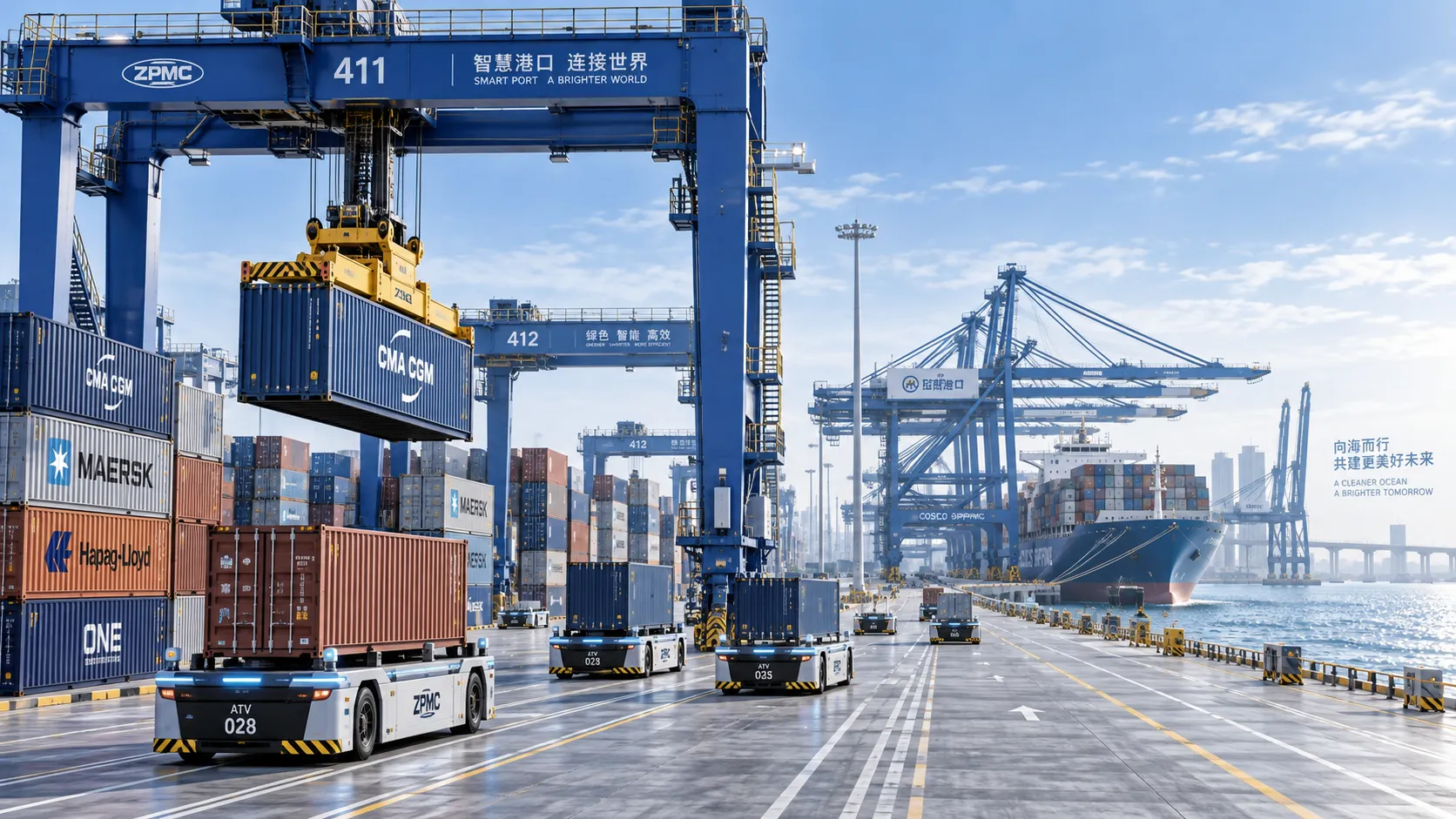
Terminal Automation Technologies That Raise Container Throughput Without Yard Disruption
Terminal automation technology that increases container throughput without disrupting yard flow. Explore smarter integration, resilient workflows, and phased deployment strategies.
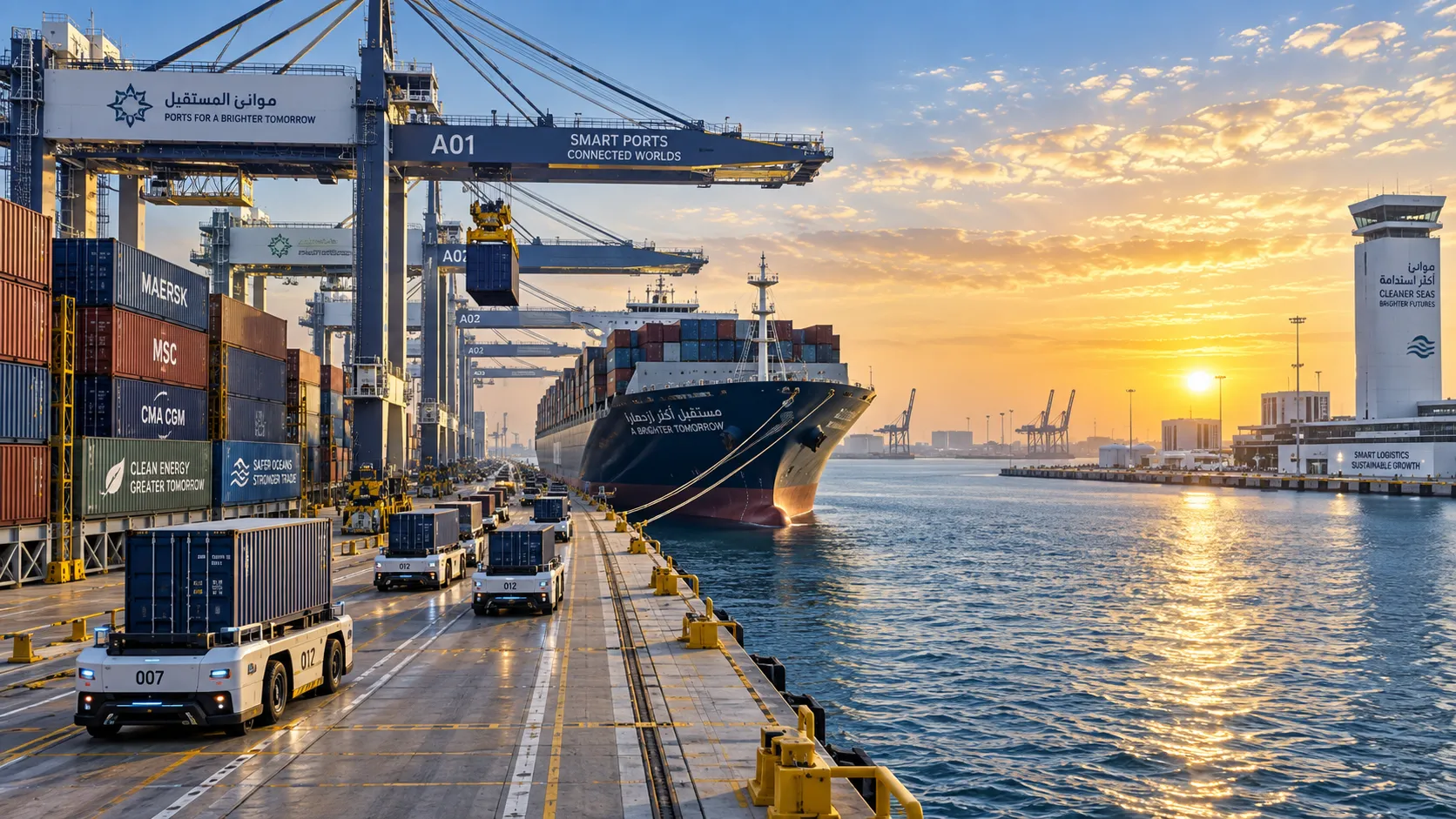
Middle East Port Automation: Key Market Drivers, Projects, and Investment Risks
Port automation systems Middle East: explore market drivers, flagship projects, integration challenges, and investment risks shaping smarter, resilient terminals.
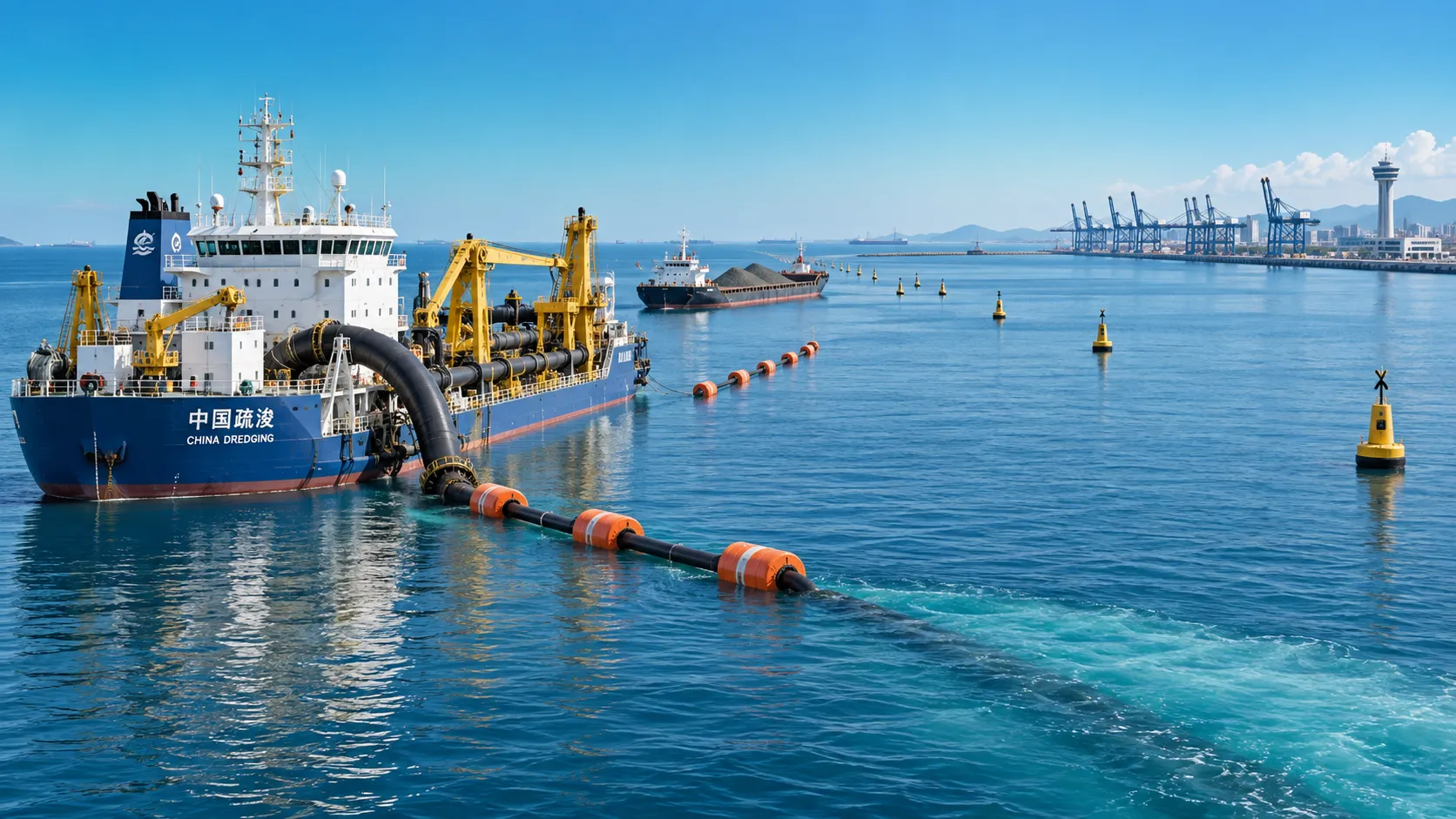
Planning Offshore Dredging Operations: Key Risks, Methods, and Project Controls
Offshore dredging operations demand smart planning. Explore key risks, proven methods, environmental controls, and project strategies for reliable delivery.