Related News
- 00
0000-00
How to Specify a Quay Crane for Container Terminals by Vessel Size and Throughput? - 00
0000-00
Which Bulk Handling Equipment Suits High-Moisture Cargo? - 00
0000-00
Terminal Automation Technologies That Raise Container Throughput Without Yard Disruption - 00
0000-00
Planning Offshore Dredging Operations: Key Risks, Methods, and Project Controls - 00
0000-00
Where Do Automated Guided Vehicles Deliver the Fastest Warehouse Gains in the Middle East?
Container Terminal Automation Explained: Systems, ROI Factors, and Where to Start
Container terminal automation is no longer a speculative technology story. For terminal operators, port investors, and logistics leaders, it has become a practical strategy for improving throughput, controlling labor and energy costs, reducing variability, and strengthening resilience against disruption.
For enterprise decision-makers, the key question is not whether automation matters. It is which systems create measurable value, what ROI factors actually move the business case, and how to start without locking the organization into oversized risk.
The core search intent behind “container terminal automation” is clear: readers want a decision-ready explanation. They are looking for a concise understanding of the technology stack, realistic business benefits, the cost and risk profile, and a sensible adoption path that matches terminal scale and operating conditions.
That means the most useful discussion is not a generic overview of smart ports. It is a practical guide to where automation delivers results, where it struggles, how to evaluate return on investment, and which first steps make sense for brownfield and greenfield terminals.
What enterprise decision-makers really need to know about container terminal automation
At its simplest, container terminal automation means using software, sensors, communications, and automated equipment to reduce manual intervention in quay, yard, and gate operations. The goal is not technology for its own sake. The goal is more predictable, safer, and more scalable terminal performance.
For executives, the strategic value usually comes down to five outcomes: higher berth productivity, better yard density, lower operating cost per move, improved safety, and stronger service consistency. Those outcomes matter because they directly affect revenue capacity, vessel turnaround, customer satisfaction, and long-term competitiveness.
Automation also changes the management model. Instead of relying mainly on labor availability and dispatcher experience, terminals increasingly depend on integrated control systems, real-time data, exception handling workflows, and performance engineering. That shift can be powerful, but it requires realistic planning and strong governance.
In other words, container terminal automation should be evaluated as an operating system redesign, not just an equipment purchase. The companies that see the best results usually align technology decisions with berth profile, yard layout, cargo mix, labor conditions, and growth strategy from the start.
The core systems behind an automated container terminal
A useful way to understand container terminal automation is to break it into layers. The first layer is the planning and execution software. The terminal operating system, or TOS, remains the central platform for vessel planning, yard planning, equipment dispatching, and move execution.
Above or around the TOS, many terminals add automation modules such as equipment control systems, traffic management, mission optimization, and remote operations platforms. These systems translate work orders into machine actions while maintaining safety rules, routing logic, and operational priorities.
The second layer is communications and positioning. Automated operations depend on low-latency wireless networks, precise equipment localization, machine-to-system connectivity, and reliable data exchange between cranes, vehicles, gates, and the control room. Weak communications architecture can undermine the entire automation program.
The third layer is field equipment. Depending on terminal design, this may include automated stacking cranes, automated guided vehicles, autonomous terminal tractors, remote-controlled ship-to-shore cranes, automated gates, OCR systems, weighbridges, and sensor packages for obstacle detection and condition monitoring.
The fourth layer is analytics and visibility. Dashboards, digital twins, maintenance platforms, and simulation tools help operators understand asset utilization, cycle times, queue formation, and exception causes. These tools are often decisive because they convert automation from static capability into continuous operational improvement.
For decision-makers, the important takeaway is that no single machine makes a terminal automated. Real value comes from the interaction between software logic, communications reliability, equipment performance, and the terminal’s operating rules.
Where automation creates the strongest operational value
Not every terminal function benefits equally from automation. The strongest use cases are usually repetitive, high-volume, rules-based processes where consistency matters as much as speed. Yard stacking and horizontal transport are common examples because they involve frequent moves, route coordination, and high labor intensity.
Yard automation can improve slot discipline, reduce rehandles through better planning, and increase stack density when designed correctly. That can defer land expansion, which is especially valuable in constrained coastal locations where real estate and permitting costs are significant.
Automated or remotely operated quay cranes can also generate value, particularly where labor availability is tight or safety exposure is high. However, the gains often depend on upstream and downstream synchronization. Faster quay performance means little if yard handoff or gate processing becomes the next bottleneck.
Gate automation delivers a different kind of benefit. Optical character recognition, automated inspection, appointment integration, and digital documentation reduce truck turnaround time and improve data quality. For many terminals, this is one of the most practical entry points because the investment is moderate and the customer impact is visible.
Another high-value area is operations visibility. Even before full equipment automation, terminals can improve planning quality and decision speed through real-time tracking, predictive alerts, and integrated control dashboards. In some cases, this software-first approach yields attractive returns with less organizational disruption.
What really drives ROI in container terminal automation
Executives often ask for a simple payback figure, but the ROI of container terminal automation is rarely driven by one number. The business case depends on a combination of labor economics, throughput growth, land constraints, service commitments, energy profile, maintenance strategy, and financing conditions.
Labor cost is one obvious factor, but it should not be treated narrowly. The relevant question is not only wage reduction. It is also labor availability, shift stability, overtime exposure, training cost, safety incidents, and the operational volatility created by shortages or turnover.
Throughput and asset utilization are equally important. If automation allows the terminal to handle more moves per hectare, more boxes per berth window, or more truck transactions per gate lane, the revenue and capacity effects may be more valuable than direct cost savings.
Yard density can be a major ROI lever in ports where expansion is difficult. If an automated yard design postpones the need for new land acquisition or civil works, the avoided capital cost should be included in the investment logic. Too many business cases overlook this strategic benefit.
Energy and maintenance also matter. Automated systems can reduce fuel use or support electrification, but they may also increase power demand and require specialist maintenance skills. The right comparison is total lifecycle cost, not a narrow view of initial energy savings.
Another often underestimated factor is service reliability. More predictable operations can strengthen shipping line relationships, reduce berth conflicts, and improve inland coordination. These effects are harder to model, but they influence long-term contract value and network position.
On the cost side, leaders should assess software integration, communications upgrades, cybersecurity, redundancy design, spare parts strategy, training, and change management. These are not peripheral items. In many projects, they determine whether projected ROI survives contact with real operations.
Common risks and why some automation projects underperform
The biggest mistake is assuming that automation success depends mainly on buying advanced equipment. In reality, many underperforming projects fail because process design, system integration, and organizational readiness receive less attention than hardware procurement.
Brownfield complexity is one common challenge. Existing terminals often have legacy TOS configurations, constrained yard geometry, mixed fleets, and active operations that limit installation windows. Retrofitting automation into such environments can be viable, but the implementation logic must be phased and realistic.
Another risk is over-automation. Not every terminal needs a fully unmanned design. If cargo mix is irregular, vessel calls are variable, or the terminal lacks scale, a targeted automation approach may create better returns than a highly complex end-state architecture.
Integration risk is especially important. Equipment control systems, gate platforms, OCR, maintenance systems, and enterprise applications must share clean, timely, and consistent data. Small integration failures can create dispatch errors, delays, and operator mistrust that erode value quickly.
There is also a people risk. Automation changes roles, decision authority, and skill requirements. If workforce transition is treated only as a labor issue rather than an operating capability issue, the terminal may struggle with adoption, exception handling, and performance stability during ramp-up.
Cybersecurity and resilience must not be an afterthought. A more connected terminal is also a larger digital attack surface. Decision-makers should require clear governance for network segmentation, access control, patching, incident response, and operational continuity.
Where to start: a practical roadmap for ports and terminal operators
The best starting point is a business-led diagnostic, not a vendor presentation. Begin with a baseline of berth moves, crane productivity, truck turn times, yard dwell, rehandle rates, labor deployment, safety incidents, and energy consumption. Without a trusted baseline, automation promises are difficult to test.
Next, identify the terminal’s dominant constraints. Is the problem berth congestion, yard density, labor volatility, gate friction, data quality, or unreliable dispatching? The answer should determine the first investment area. A terminal should automate the bottleneck, not the most fashionable process.
For many organizations, a phased path is the lowest-risk approach. Phase one may focus on visibility, planning quality, gate digitalization, and remote operations. Phase two may add automated yard equipment or vehicle orchestration. Phase three may expand toward broader end-to-end coordination.
Simulation is essential before major capital commitment. Using operational data to model move flows, peak windows, stack behavior, and failure scenarios helps leaders compare design options and understand how automation performs under realistic conditions, not ideal assumptions.
Vendor selection should focus on interoperability and lifecycle support as much as machine specification. Decision-makers should ask how well the solution integrates with the TOS, how exceptions are managed, what local service capability exists, how upgrades are handled, and what reference sites show sustained performance.
Governance also matters early. Successful programs typically have executive sponsorship, a cross-functional steering structure, clear KPIs, milestone-based investment gates, and a dedicated operating model for training and change management. Automation is a transformation program, not a standalone engineering package.
How to decide whether now is the right time to invest
Not every terminal should automate immediately, but many should begin preparing now. The right timing usually depends on a mix of trigger conditions: rising throughput pressure, labor scarcity, safety performance gaps, land constraints, customer service issues, or a major fleet and infrastructure renewal cycle.
If a terminal is entering a greenfield expansion, the case for automation is often stronger because layout, utilities, control architecture, and equipment mix can be designed together. If the terminal is brownfield, the case may still be strong, but the pathway is more likely to be modular and selective.
Leaders should also consider strategic positioning. Shipping lines and cargo owners increasingly value reliability, transparency, and emissions performance. Container terminal automation can support all three, especially when tied to electrification, digital coordination, and better network visibility.
The most practical question is not “Should we automate everything?” It is “Which automation steps create a measurable improvement in our economics and service within acceptable risk?” That framing usually leads to better decisions and more defensible capital allocation.
Conclusion
Container terminal automation is best understood as a business transformation anchored in operations, data, and asset orchestration. For enterprise decision-makers, its value lies in better throughput, stronger predictability, safer operations, and more resilient capacity in an increasingly demanding logistics environment.
The strongest investment cases come from matching automation scope to actual terminal constraints, building ROI around lifecycle economics rather than headline labor savings, and starting with a phased roadmap that the organization can execute with confidence.
For ports and terminal operators evaluating their next move, the right place to start is a hard look at bottlenecks, system readiness, and business priorities. When automation is aligned to those realities, it becomes far more than a technology project. It becomes a durable competitive advantage.
Related News
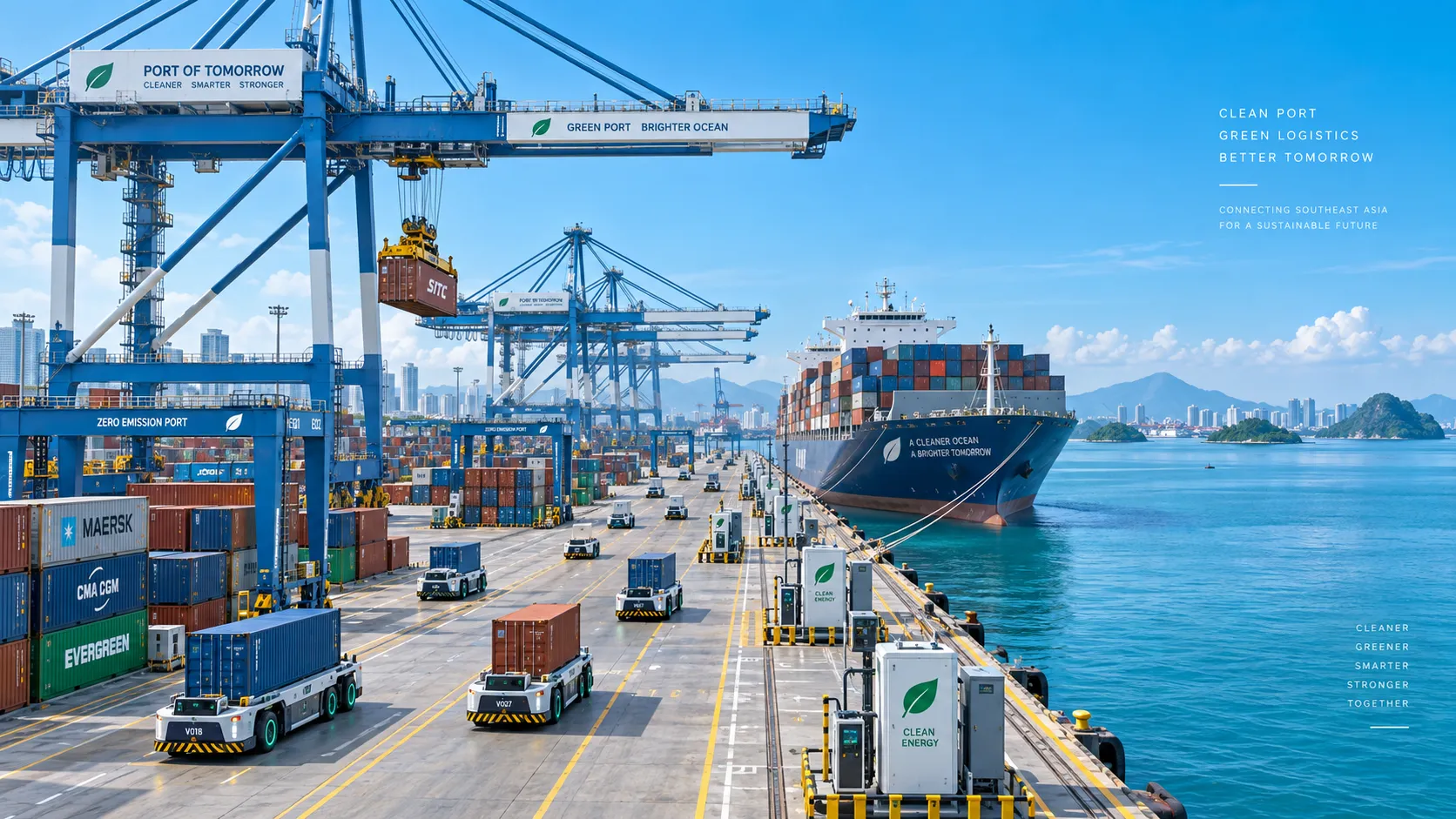
Smart Port Systems in Southeast Asia: Investment Priorities and Adoption Barriers
Smart port systems Southeast Asia: discover investment priorities, adoption barriers, and practical steps to build resilient, connected, high-performing terminals.
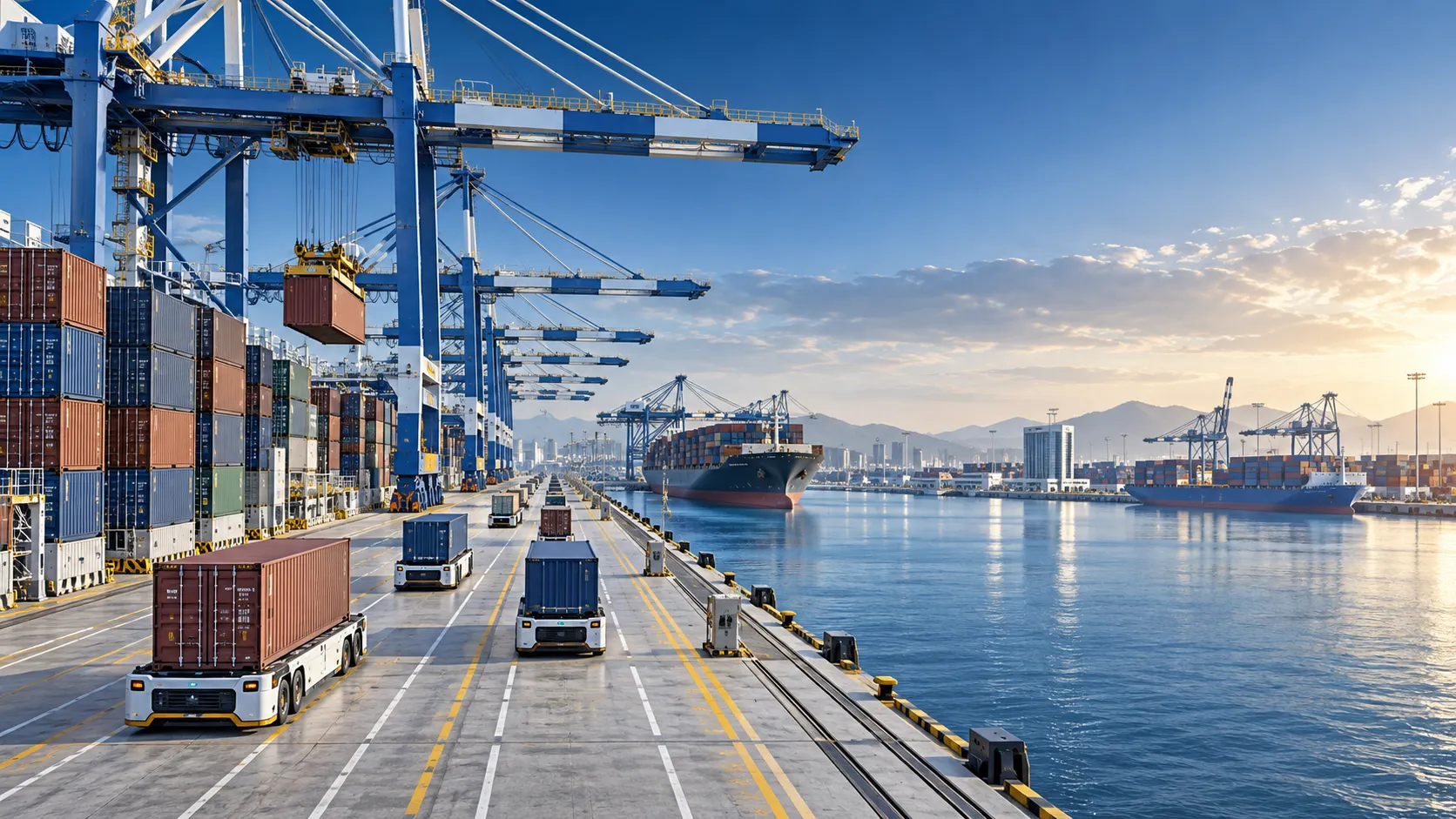
How to Evaluate Terminal Efficiency Solution Suppliers for High-Throughput Operations
Choose a terminal efficiency solutions supplier with confidence. Explore proven criteria for throughput, integration, lifecycle cost, safety, and reliable delivery.
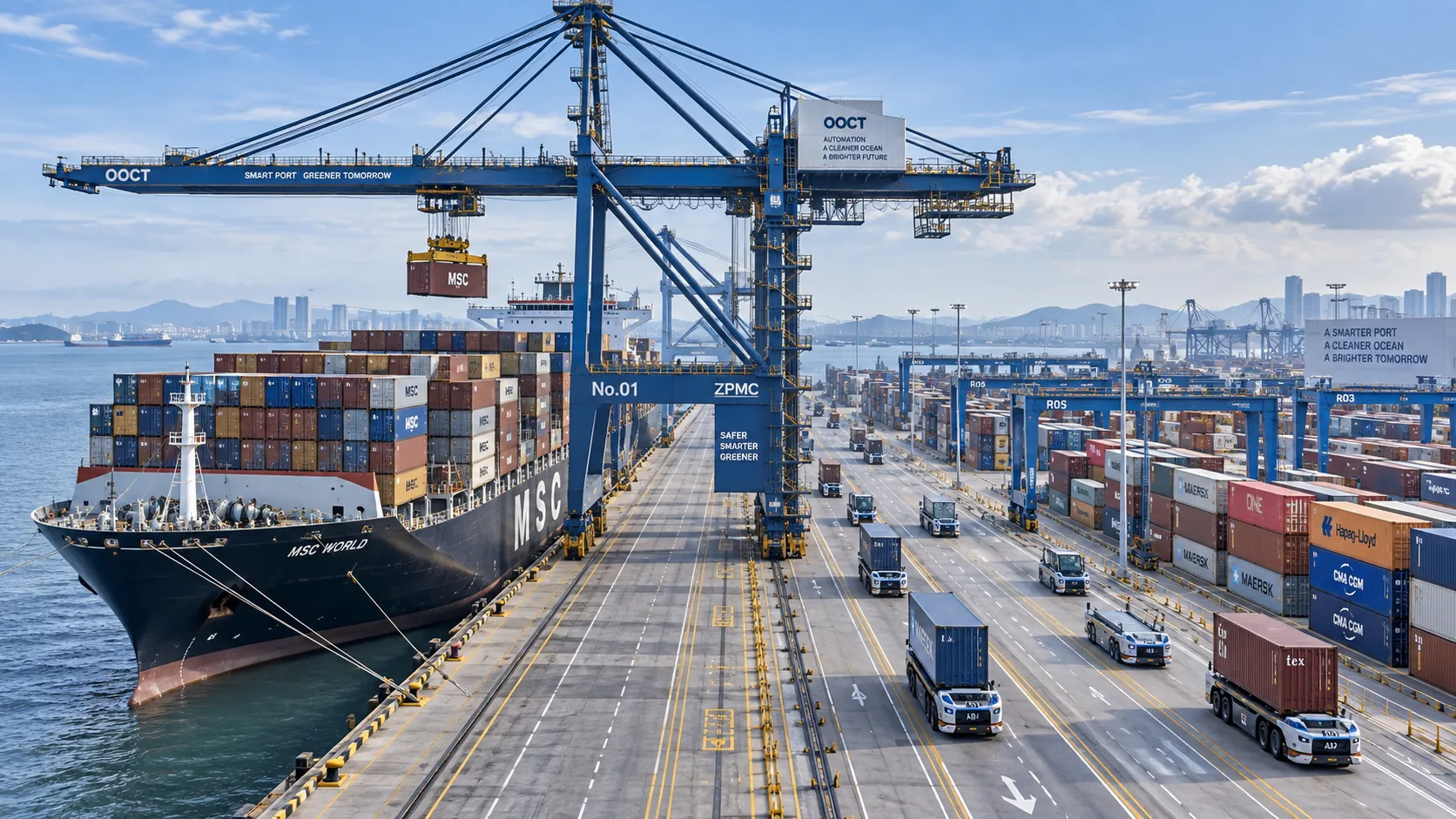
How to Specify a Quay Crane for Container Terminals by Vessel Size and Throughput?
Quay crane for container terminals: learn how to match outreach, lift height, capacity, automation, and cycle performance to vessel size and throughput goals.
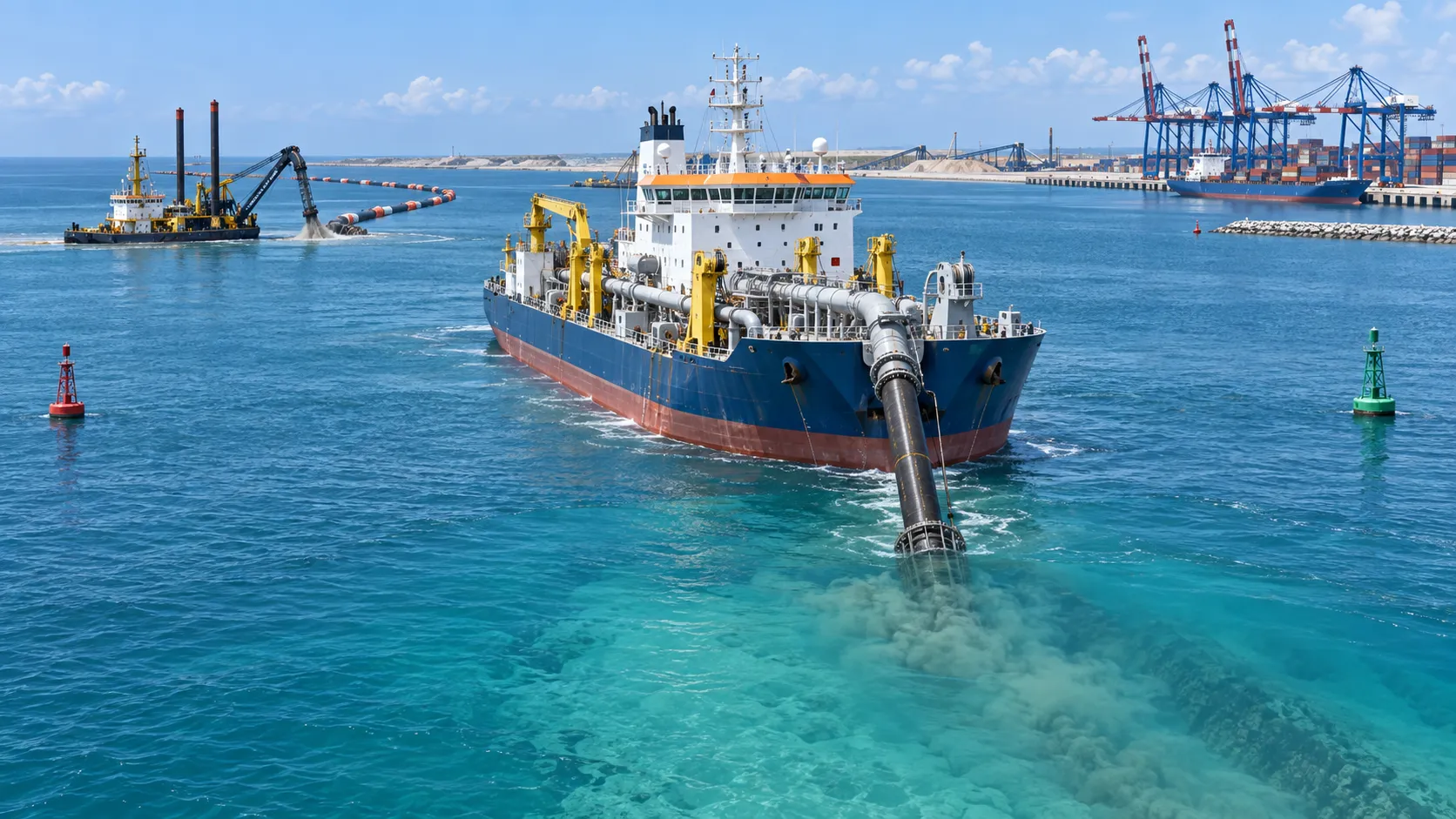
What Dredging Equipment Is Needed for Channel Deepening?
What dredging equipment is needed for channel deepening? Explore dredgers, pipelines, survey tools, and planning strategies for safer, more efficient port access.
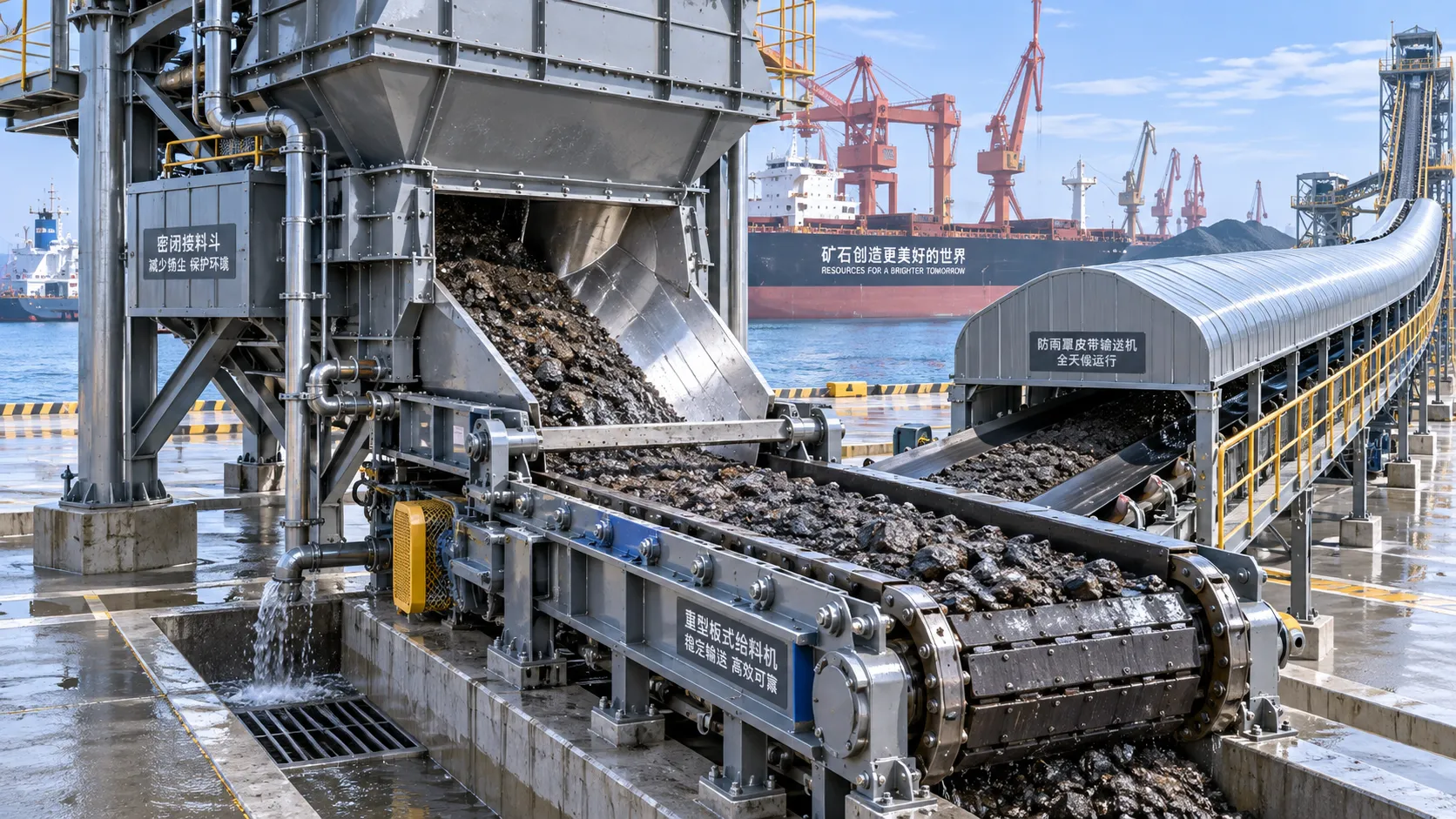
Which Bulk Handling Equipment Suits High-Moisture Cargo?
Which bulk handling equipment suits high-moisture cargo? Compare belt, apron, screw, drag, and slurry systems for reliable flow, less carryback, and higher terminal uptime.
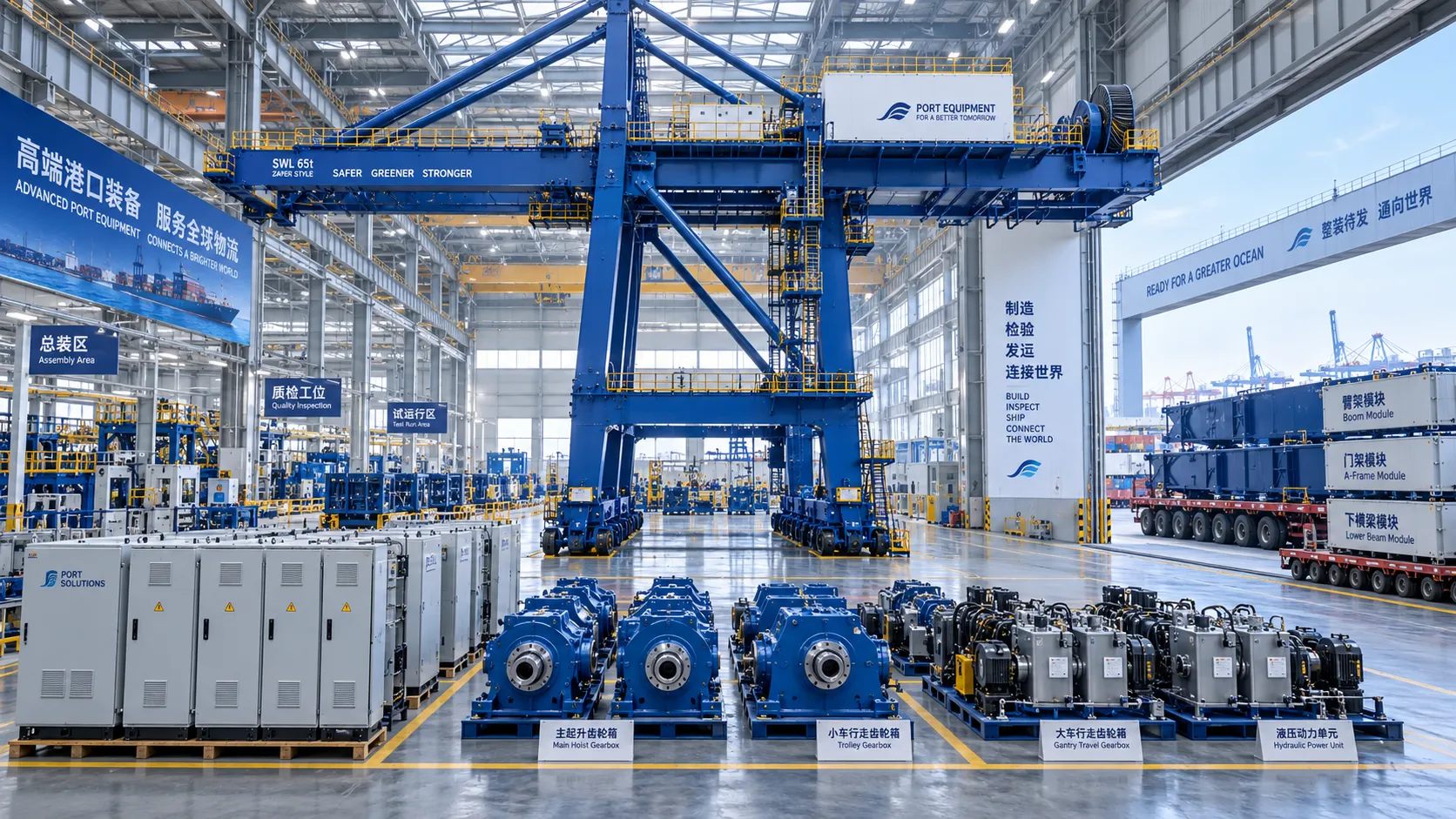
How Can Port Equipment Lead-Time Risk Be Managed?
How can port equipment lead-time risk be managed? Explore practical strategies to control critical paths, suppliers, transport, site readiness, and commissioning delays.
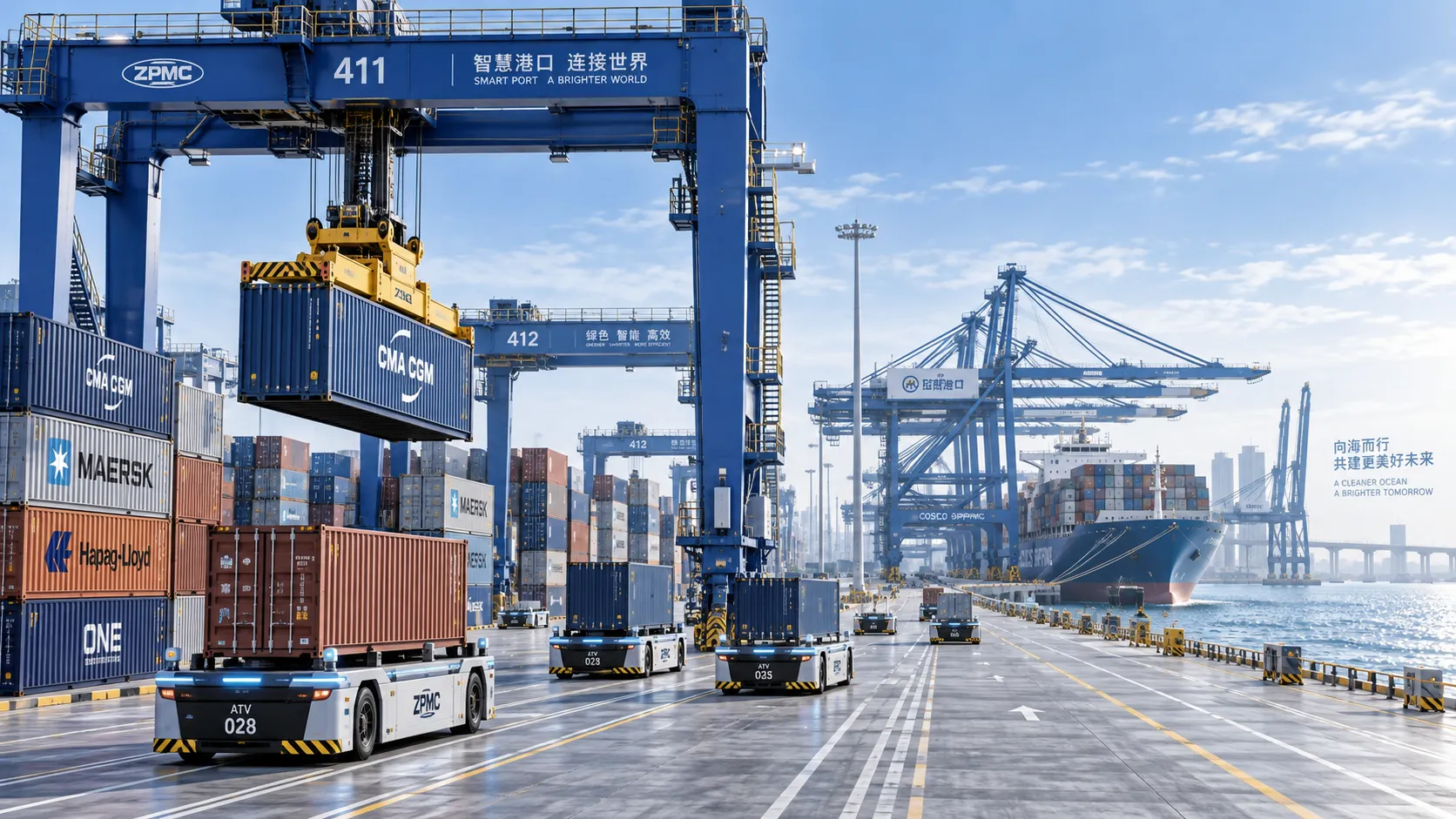
Terminal Automation Technologies That Raise Container Throughput Without Yard Disruption
Terminal automation technology that increases container throughput without disrupting yard flow. Explore smarter integration, resilient workflows, and phased deployment strategies.
Middle East Port Automation: Key Market Drivers, Projects, and Investment Risks
Port automation systems Middle East: explore market drivers, flagship projects, integration challenges, and investment risks shaping smarter, resilient terminals.
Planning Offshore Dredging Operations: Key Risks, Methods, and Project Controls
Offshore dredging operations demand smart planning. Explore key risks, proven methods, environmental controls, and project strategies for reliable delivery.