Related News
- 00
0000-00
How to Specify a Quay Crane for Container Terminals by Vessel Size and Throughput? - 00
0000-00
Which Bulk Handling Equipment Suits High-Moisture Cargo? - 00
0000-00
Terminal Automation Technologies That Raise Container Throughput Without Yard Disruption - 00
0000-00
Planning Offshore Dredging Operations: Key Risks, Methods, and Project Controls - 00
0000-00
Where Do Automated Guided Vehicles Deliver the Fastest Warehouse Gains in the Middle East?
How to Choose Terminal Control Systems for Ports: Key Functions and Integration Points
Choosing terminal control systems for ports is less about buying software and more about defining how a terminal will think, react, and scale. A strong platform must coordinate cranes, AGVs, yard blocks, gate activity, and operational data in real time. That matters even more as ports face tighter vessel windows, automation targets, energy constraints, and growing pressure to keep trade corridors stable.
For operations linked to container handling, bulk movement, and dredging-related expansion, the control layer becomes a strategic asset. This is why intelligence platforms such as PS-Nexus place port automation and control systems at the center of modern maritime logistics, where mechanical performance, scheduling logic, and commercial resilience now depend on the same digital backbone.
What terminal control systems for ports actually do
At a basic level, terminal control systems for ports translate plans into machine actions. They sit between business-level planning tools and field equipment, turning work instructions into safe, timed, and traceable execution.
That sounds simple, but the real job is broader. The system must synchronize quay cranes, shuttle carriers, AGVs, ASC blocks, OCR devices, weighbridges, and exception handling without creating latency, deadlocks, or data gaps.
In semi-automated terminals, the platform often supports operator guidance and traffic rules. In fully automated terminals, it becomes the orchestration engine for move sequencing, equipment routing, and recovery logic when something deviates from plan.
Why the market is paying closer attention
The interest in terminal control systems for ports has grown because port productivity is no longer judged only by peak crane rates. Reliability across the whole terminal matters more than isolated equipment speed.
A berth can lose value if yard handoffs are slow. An AGV fleet can underperform if routing logic is rigid. An automated stack can become a bottleneck if exception workflows require too much manual intervention.
Another shift comes from integration complexity. Many terminals now combine legacy assets, new automation packages, remote-control layers, and sustainability reporting requirements. The control system has to absorb that complexity without turning daily operations into a systems engineering exercise.
From the wider industry view, this links directly to the PS-Nexus perspective. Port efficiency, coastal infrastructure investment, and blue economy planning now depend on whether terminals can combine heavy mechanical power with stable algorithmic coordination.
Core functions worth evaluating first
Feature lists are often long, but several functions usually determine whether terminal control systems for ports will perform under real operating pressure.
Real-time equipment orchestration
The system should assign, reprioritize, and rebalance work continuously. Static dispatch logic may look acceptable in tests, yet fail during vessel bunching, yard congestion, or mixed import-export peaks.
Low-latency command and feedback loops
Remote-controlled cranes and autonomous vehicles depend on fast acknowledgments and stable telemetry. Evaluate message timing, failover behavior, and queue handling under degraded network conditions.
Exception management
Most losses come from abnormal situations, not normal cycles. The platform should handle mis-slotted containers, blocked lanes, sensor conflicts, reefer alarms, and equipment downtime with clear escalation paths.
Safety interlocking and rule enforcement
Terminal control systems for ports must do more than optimize moves. They must maintain separation logic, work-zone permissions, collision avoidance interfaces, and emergency state transitions across subsystems.
Operational visibility
A useful control layer makes performance visible at move, asset, lane, block, and vessel level. That includes live status, alarm history, utilization patterns, and replayable event traces for root-cause analysis.
Integration points that usually decide success
In many projects, the main risk is not functionality but integration. Terminal control systems for ports succeed when interfaces are predictable, versioned, and resilient under changing operating conditions.
When these interfaces are weak, automation maturity stalls. A terminal may have modern machines on paper, yet still rely on manual coordination because systems do not share reliable operational context.
How to read fit by terminal type and operating model
Not every site needs the same control depth. Terminal control systems for ports should match cargo profile, layout, automation stage, and expansion plans.
A greenfield automated container terminal usually needs strong native orchestration, simulation support, and scalable fleet control. A brownfield site may care more about interoperability with existing PLCs, mixed manual-automated workflows, and phased commissioning.
Bulk terminals present another variation. Their control priorities may include conveyor logic, stockyard visibility, and dust or energy monitoring rather than container slot management. The selection method still applies, but the integration map changes.
Ports connected to dredging expansion or quay redevelopment should also think ahead. New yard zones, added berths, and altered traffic flows can quickly expose limitations in rigid system architectures.
Questions that reveal real system quality
A polished demonstration rarely shows how terminal control systems for ports behave in difficult moments. Better evaluation comes from pressure-testing architecture, data logic, and recovery behavior.
- How does the system recover from lost communication with one crane, one block, or one vehicle zone?
- What happens when upstream TOS instructions conflict with field conditions?
- Can dispatch rules be adjusted without large redevelopment work?
- Which functions are proven in live terminals, and which remain project-specific customization?
- How are software version changes managed across control, safety, and equipment vendors?
- Is there a digital test environment for replay, simulation, and training before deployment?
These questions matter because operational risk usually hides inside dependencies. A control platform may look flexible until an interface upgrade breaks message timing or a yard rule change disrupts dispatch logic.
Long-term value goes beyond throughput
The best terminal control systems for ports support more than daily moves. They create cleaner event data, stronger maintenance insight, and a clearer basis for capacity planning.
That affects investment decisions across the port ecosystem. Accurate operational data helps justify crane upgrades, battery strategies, yard redesign, and future automation phases. It also strengthens environmental reporting by linking machine behavior to energy use and idle time.
This broader view aligns with the intelligence role promoted by PS-Nexus. In a market shaped by shipping rate volatility, infrastructure cycles, and net-zero expectations, the control layer is no longer just technical plumbing. It is part of strategic trade readiness.
A practical next step for evaluation
A useful assessment starts with a simple map: operating scenarios, equipment landscape, interface list, failure cases, and expansion assumptions. From there, compare terminal control systems for ports against live workflow needs rather than abstract feature catalogs.
It also helps to score each option across orchestration quality, integration resilience, exception handling, observability, and scalability. That creates a more realistic basis for shortlisting vendors, defining pilot scope, and avoiding expensive architectural mismatches later.
Where the decision is complex, independent market intelligence can sharpen the picture. Tracking protocol trends, automation benchmarks, and equipment interface practices makes it easier to judge whether a platform fits current terminal demands and the next stage of port development.
Related News
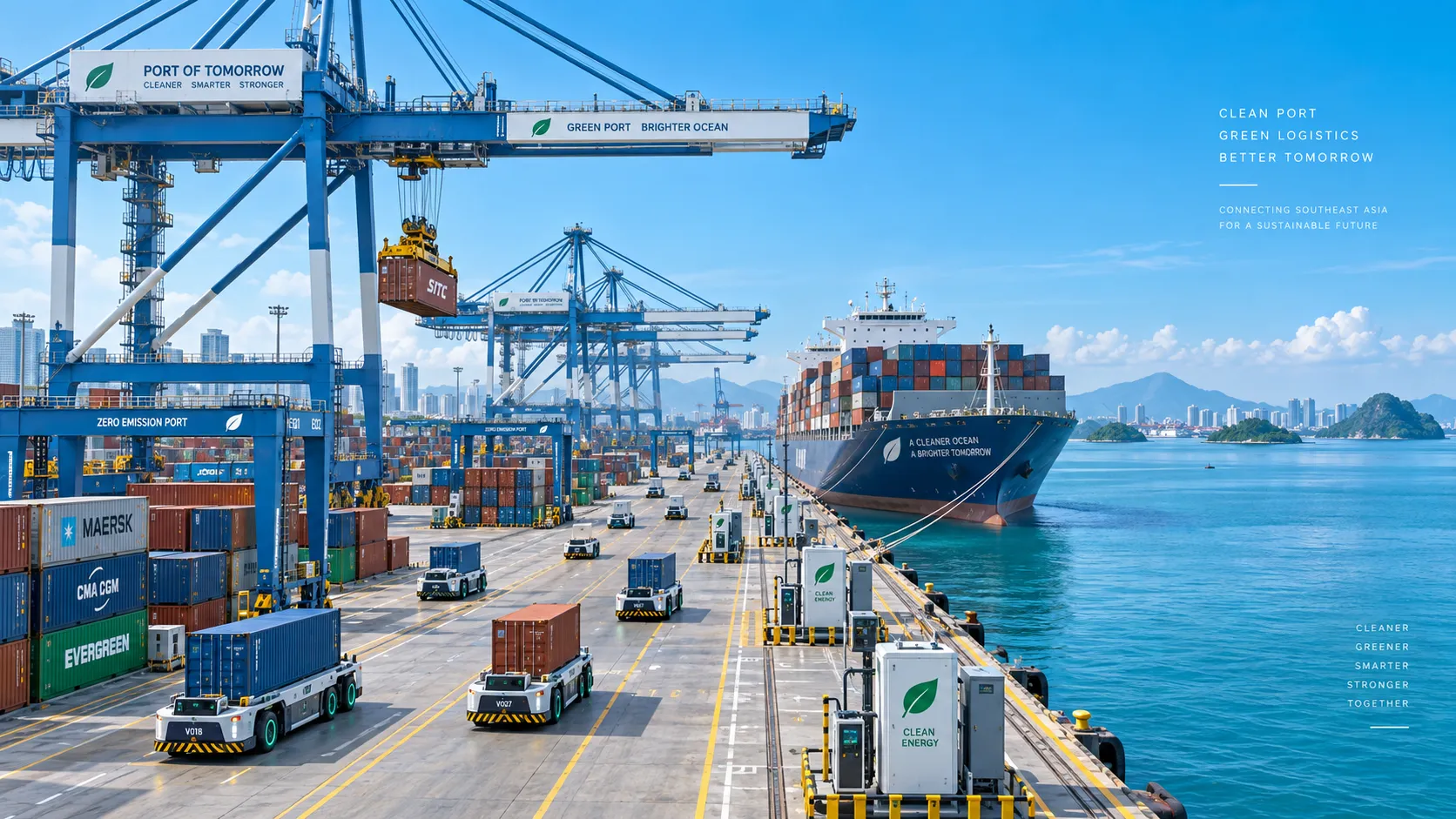
Smart Port Systems in Southeast Asia: Investment Priorities and Adoption Barriers
Smart port systems Southeast Asia: discover investment priorities, adoption barriers, and practical steps to build resilient, connected, high-performing terminals.
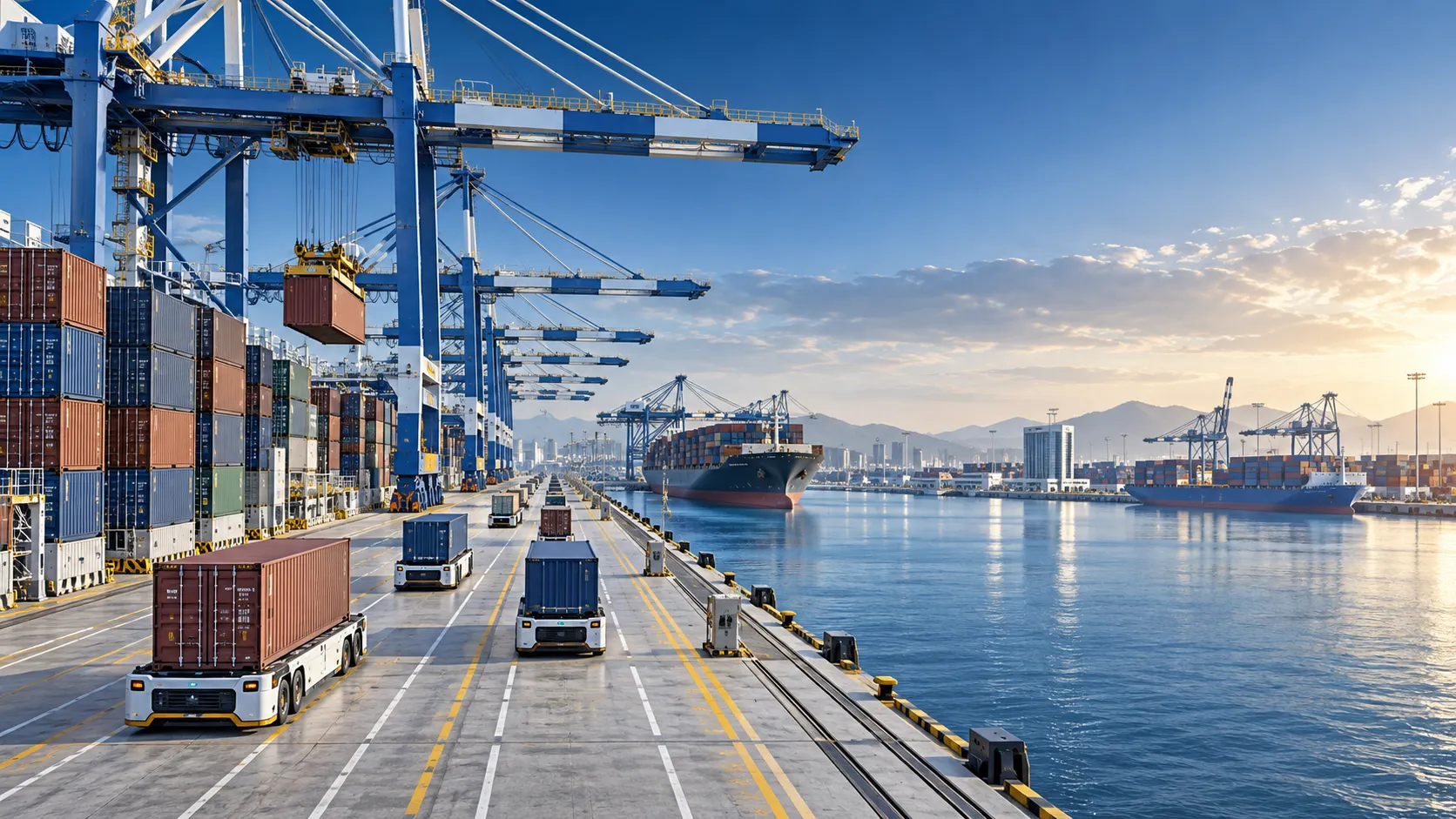
How to Evaluate Terminal Efficiency Solution Suppliers for High-Throughput Operations
Choose a terminal efficiency solutions supplier with confidence. Explore proven criteria for throughput, integration, lifecycle cost, safety, and reliable delivery.
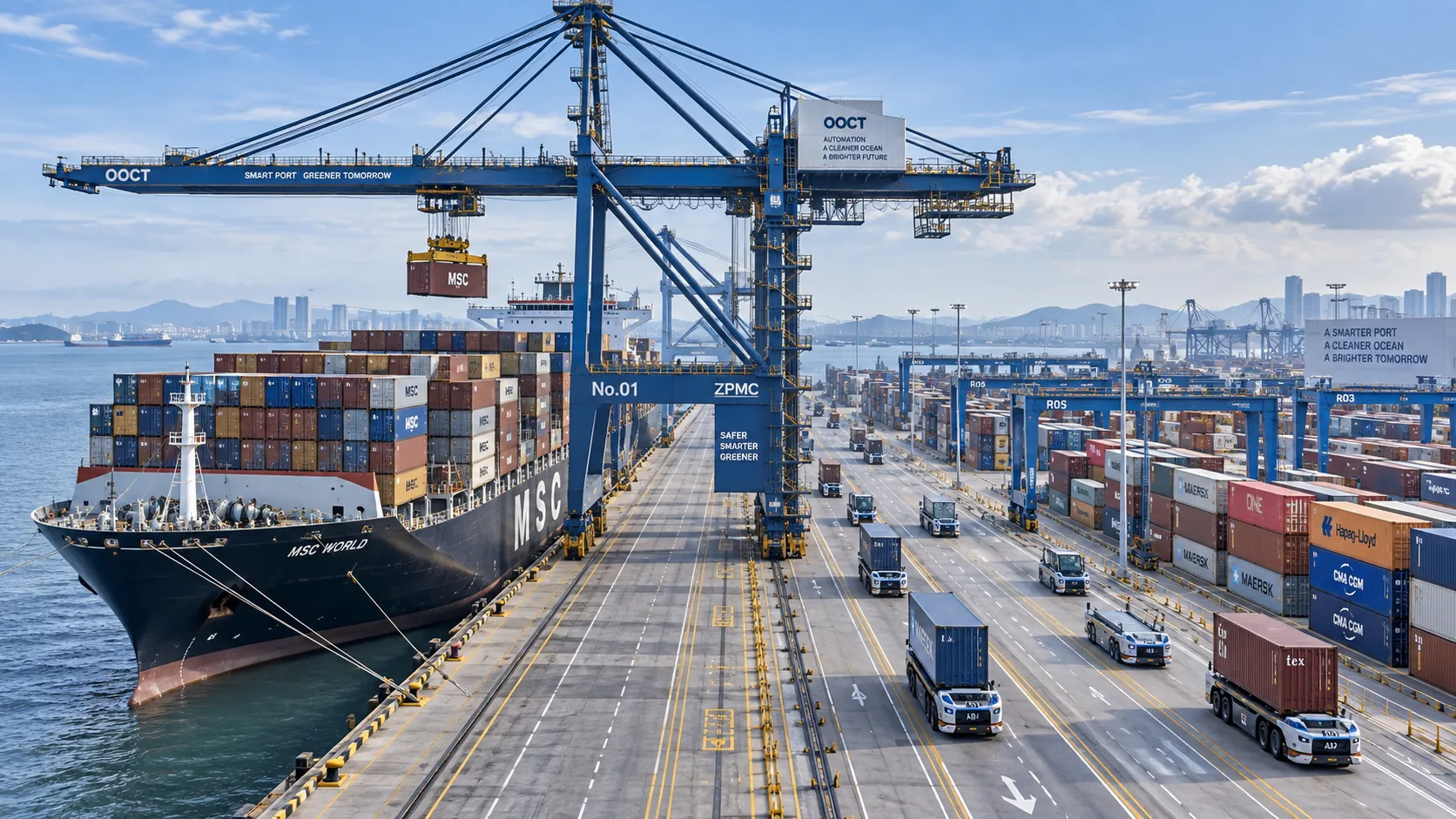
How to Specify a Quay Crane for Container Terminals by Vessel Size and Throughput?
Quay crane for container terminals: learn how to match outreach, lift height, capacity, automation, and cycle performance to vessel size and throughput goals.
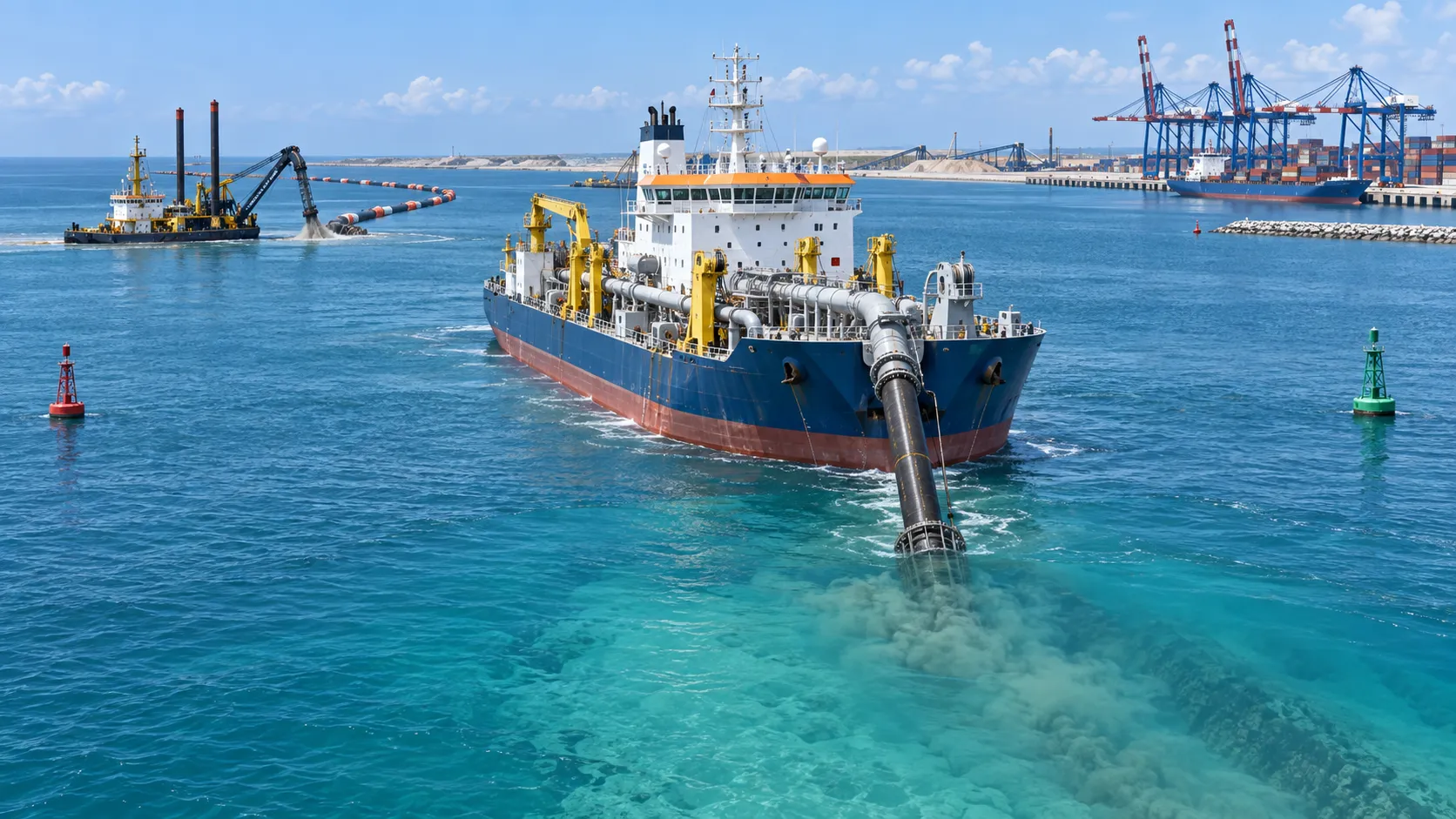
What Dredging Equipment Is Needed for Channel Deepening?
What dredging equipment is needed for channel deepening? Explore dredgers, pipelines, survey tools, and planning strategies for safer, more efficient port access.
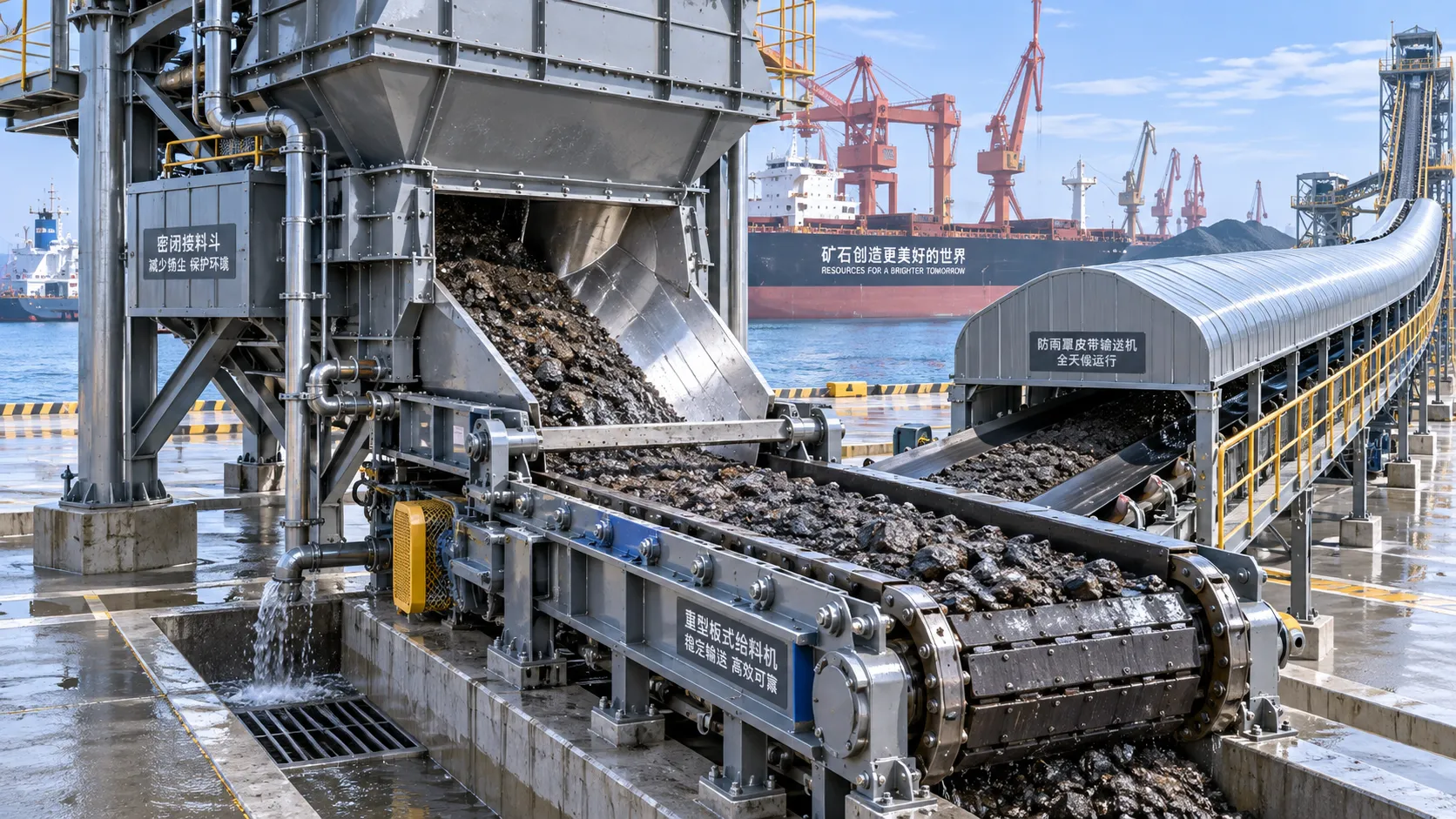
Which Bulk Handling Equipment Suits High-Moisture Cargo?
Which bulk handling equipment suits high-moisture cargo? Compare belt, apron, screw, drag, and slurry systems for reliable flow, less carryback, and higher terminal uptime.
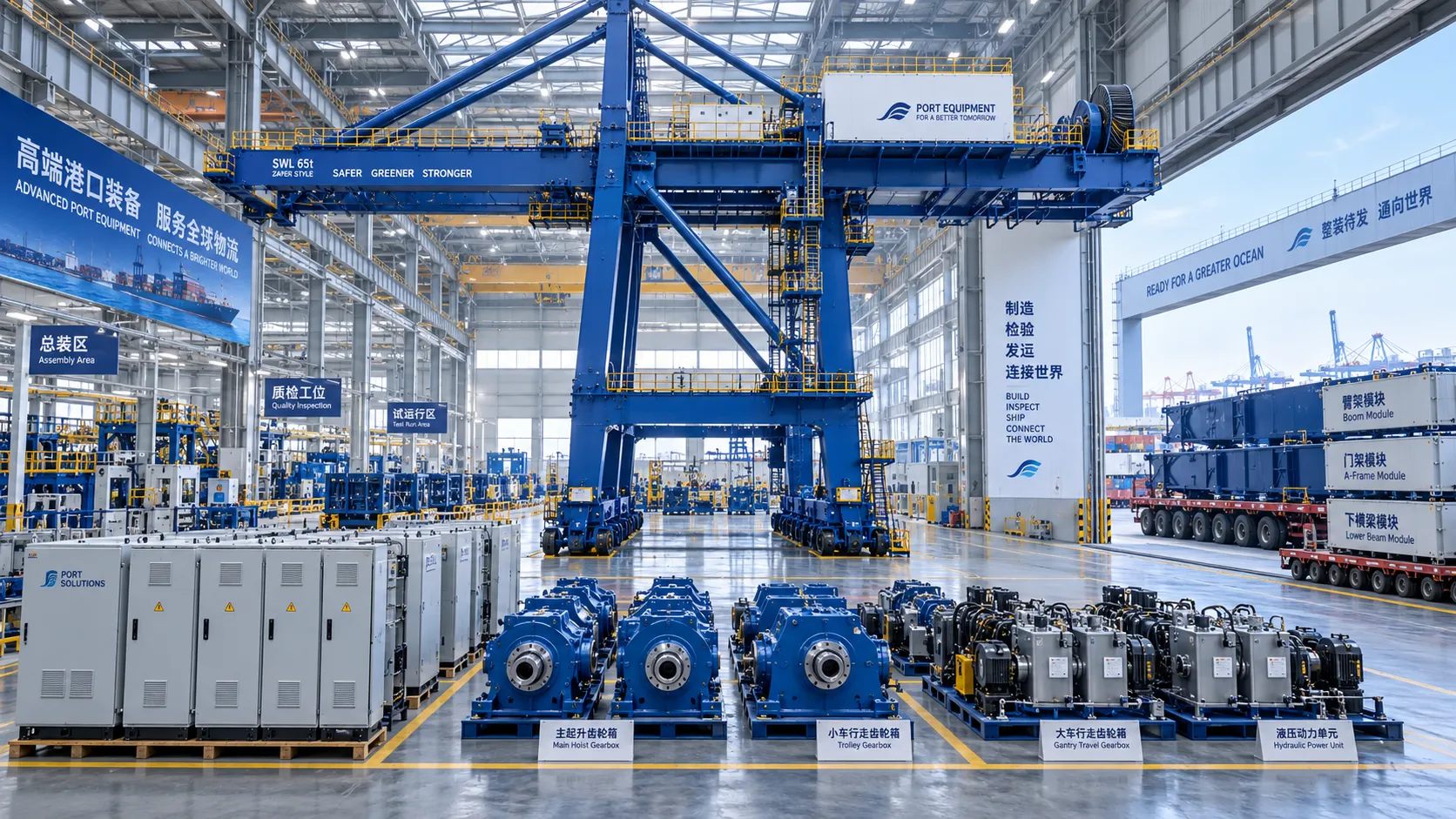
How Can Port Equipment Lead-Time Risk Be Managed?
How can port equipment lead-time risk be managed? Explore practical strategies to control critical paths, suppliers, transport, site readiness, and commissioning delays.
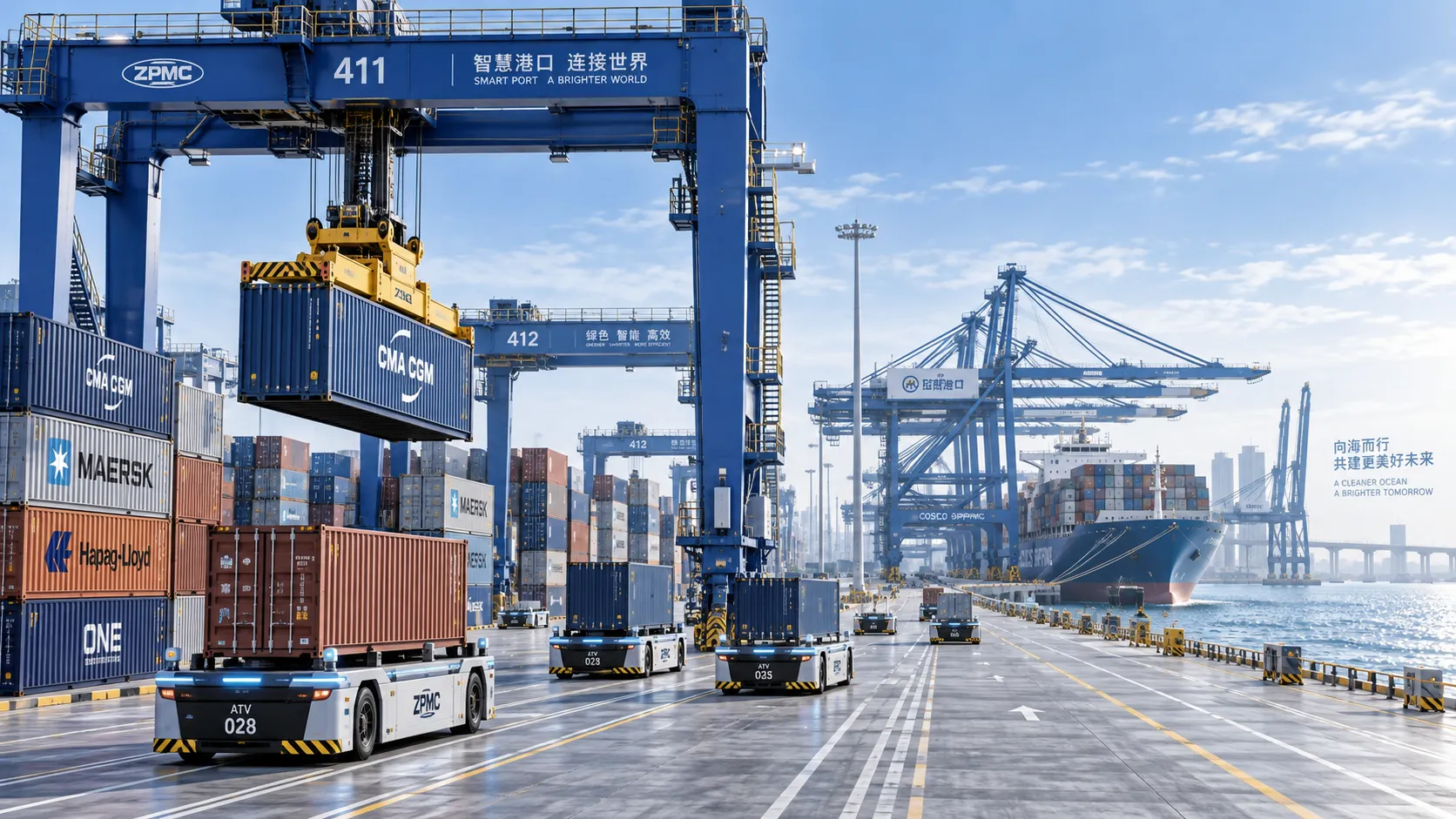
Terminal Automation Technologies That Raise Container Throughput Without Yard Disruption
Terminal automation technology that increases container throughput without disrupting yard flow. Explore smarter integration, resilient workflows, and phased deployment strategies.
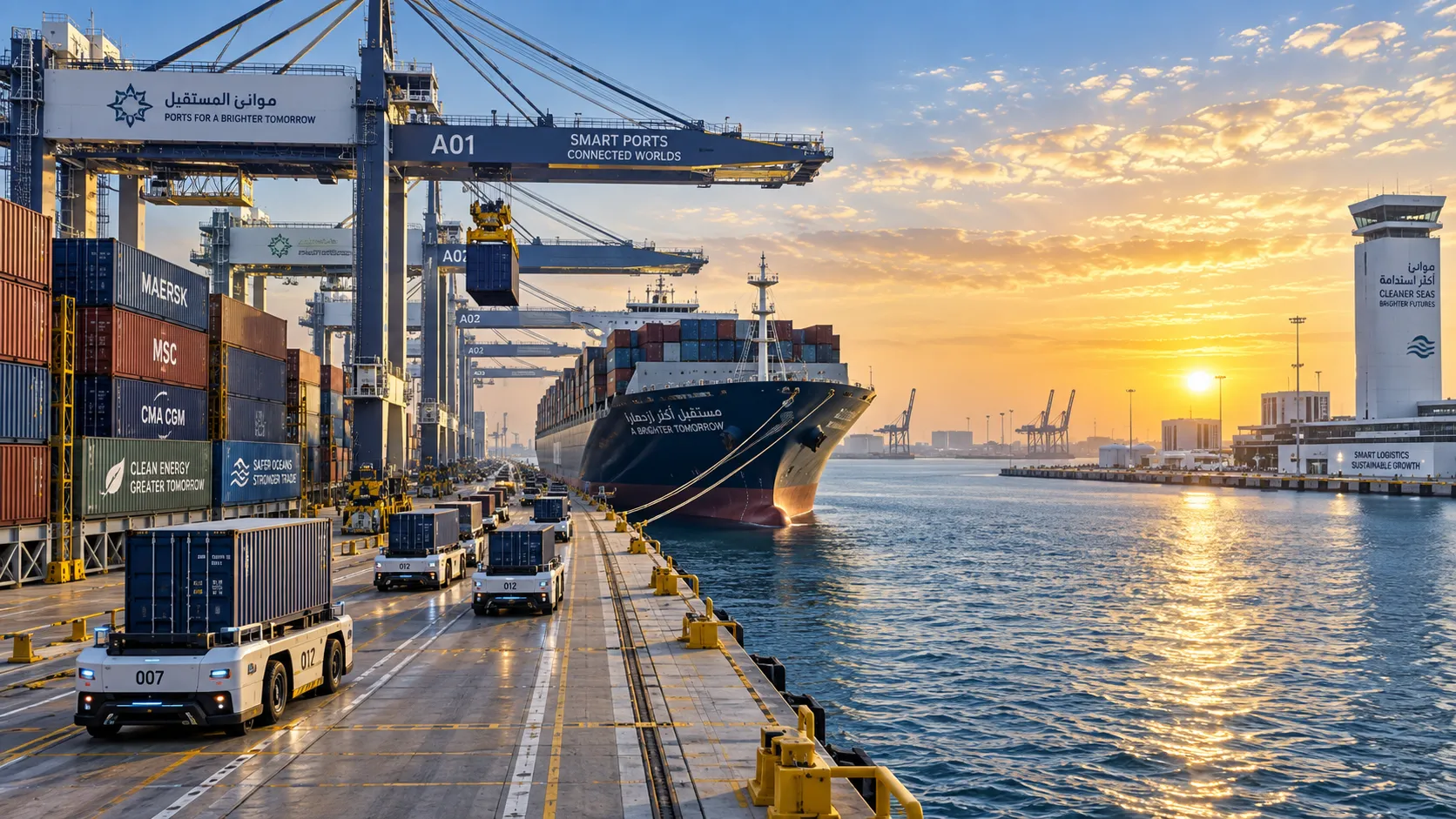
Middle East Port Automation: Key Market Drivers, Projects, and Investment Risks
Port automation systems Middle East: explore market drivers, flagship projects, integration challenges, and investment risks shaping smarter, resilient terminals.
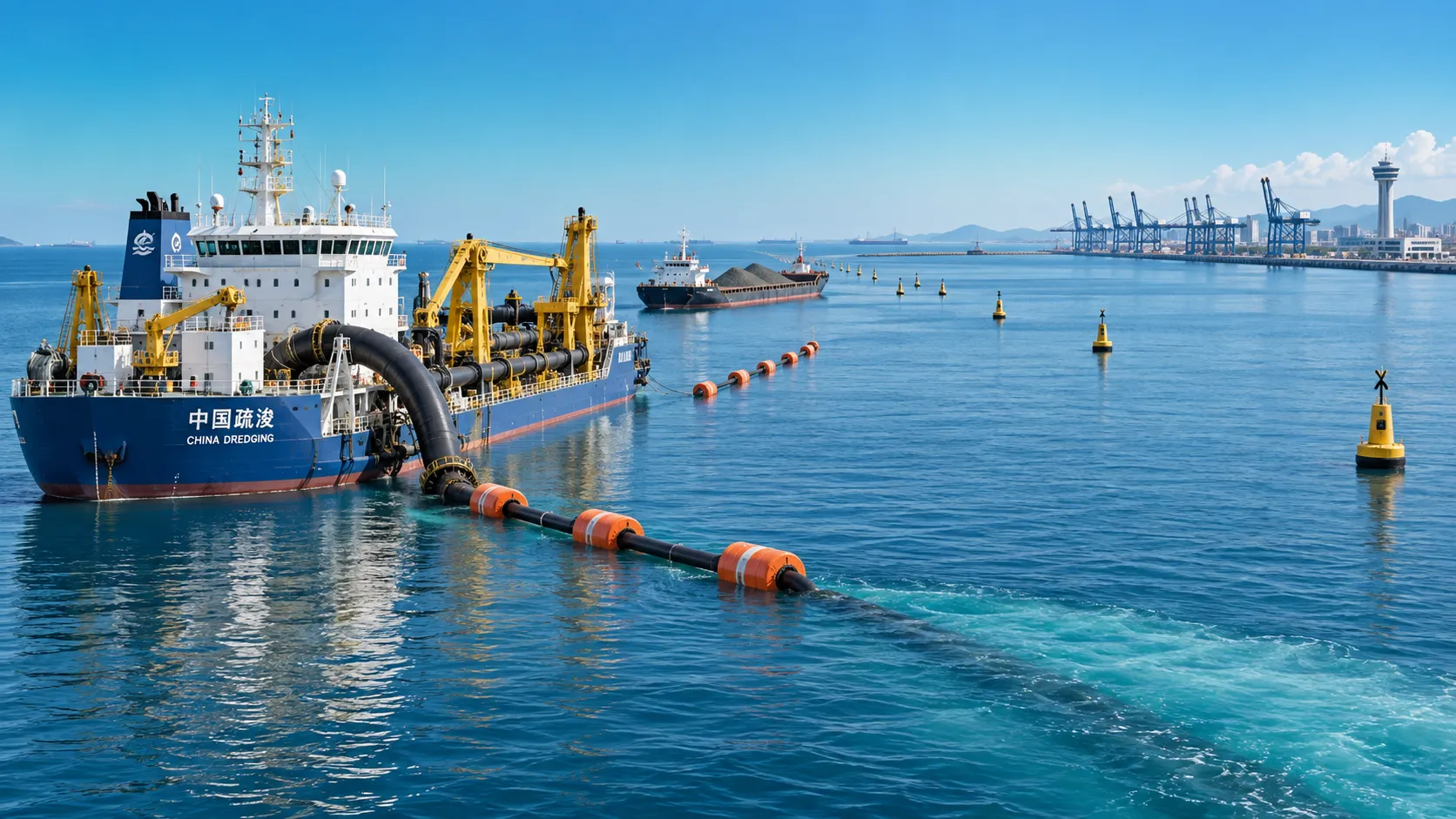
Planning Offshore Dredging Operations: Key Risks, Methods, and Project Controls
Offshore dredging operations demand smart planning. Explore key risks, proven methods, environmental controls, and project strategies for reliable delivery.