Related News
- 00
0000-00
How Can Port Equipment Lead-Time Risk Be Managed? - 00
0000-00
Maritime Logistics Operations: How Ports Can Reduce Container Dwell Time - 00
0000-00
What Does Logistics Node Monitoring Cost Across Warehouses and Transport Hubs? - 00
0000-00
How Can IoT Smart Port Solutions Improve Container Tracking and Yard Efficiency? - 00
0000-00
How Real-Time Port Logistics Intelligence Improves Container Yard Efficiency
How to Evaluate Logistics Node Dynamics for Port Throughput and Yard Flow Planning
Port performance is often discussed in terms of crane productivity or berth occupancy, yet the real operating balance is shaped by logistics node dynamics across the full terminal chain. When quay cranes, transfer equipment, yard blocks, gate flows, and control systems interact under pressure, small disruptions at one node can quickly distort throughput plans, yard density, and service reliability.
That is why evaluating logistics node dynamics matters far beyond daily dispatching. It supports more realistic capacity planning, better equipment utilization, and stronger resilience when vessel windows tighten, cargo mixes shift, or automation layers become more complex. In a port environment increasingly defined by data, remote control, and integrated scheduling, node behavior is no longer a side issue. It is central to operational judgment.
What logistics node dynamics really mean in port operations
In simple terms, logistics node dynamics describe how cargo transfer points behave over time under changing operational conditions. A node can be physical, digital, or both.
Physical nodes include quay cranes, transfer lanes, automated stacking crane zones, AGV exchange points, reefer areas, rail interfaces, and truck gates. Digital nodes include the planning logic that sequences moves, allocates equipment, and resolves conflicts.
The word dynamics is important. A node is not evaluated only by its nominal capacity. It must be judged by how it performs during peaks, handoff delays, equipment imbalance, weather interruptions, maintenance windows, and uneven cargo arrival patterns.
For throughput and yard flow planning, the key question is not whether one node is fast in isolation. The real question is whether connected nodes can sustain synchronized movement without creating hidden queues.
Why the industry is paying closer attention
Ports are handling larger vessels, denser yard operations, and tighter landside expectations at the same time. This makes logistics node dynamics more visible and more consequential.
A terminal may add advanced quay cranes or automated container handling, yet still lose efficiency if transfer nodes are poorly balanced. Throughput promises fail when the yard cannot absorb discharge surges or when retrieval logic conflicts with export stacking plans.
This is also where an intelligence platform such as PS-Nexus becomes relevant. Port decisions now depend on understanding the relationship between heavy terminal gear, control systems, remote communication stability, AGV path planning, and wider trade signals.
The issue is not only equipment selection. It is system behavior. A highly automated terminal can still underperform if node transitions are not measured with enough operational depth.
The nodes that usually shape throughput and yard flow
Not every node carries the same planning weight. In most terminals, a few transfer points dominate the flow outcome.
These nodes do not fail only because of low capacity. They fail when arrival patterns, operating logic, and equipment availability stop matching each other.
How to evaluate logistics node dynamics in practice
A useful evaluation starts with flow continuity rather than isolated machine performance. The first step is to map every major handoff from berth to yard to gate, including where cargo waits, where decisions are made, and where priorities change.
Measure time variation, not only average time
Average move time can hide serious instability. A node with acceptable average performance may still cause throughput loss if variance is high during vessel peaks.
Useful indicators include queue time distribution, crane wait time, AGV turnaround spread, block service delay, and gate transaction volatility.
Track interaction between equipment classes
Port flow depends on coordination between different machine families. Quay cranes may outrun transport vehicles. Yard cranes may become the pacing constraint. Remote operation latency may affect dispatch quality.
PS-Nexus often frames this as the meeting point between mechanical power and scheduling logic. That view is practical. A strong machine does not ensure a strong node if the control layer reacts too slowly.
Test the node under peak scenarios
Evaluate logistics node dynamics during berth bunching, export cut-off compression, transshipment waves, weather disruption, and maintenance overlap. These are the conditions that expose structural weakness.
A node that performs well only in steady flow conditions is not enough for modern port planning.
Separate local congestion from network congestion
Some delays originate at one point. Others reflect pressure building upstream or downstream. A yard block may appear inefficient when the actual cause is erratic vessel discharge sequencing or poor gate appointment smoothing.
This distinction matters because the fix is different. Local congestion may require layout, staffing, or equipment changes. Network congestion may require scheduling redesign.
What a strong planning model should include
Throughput and yard planning models often fail when they treat nodes as static boxes. Real planning needs a more operational view.
- Dynamic capacity by time window, not fixed daily capacity
- Buffer limits at transfer zones and exchange points
- Priority rules for import, export, transshipment, and special cargo
- Rehandle exposure linked to dwell time and stacking strategy
- Control system response under communication delay or sensor uncertainty
- Recovery logic after disruption, not only baseline scheduling logic
This becomes even more important in terminals combining automated stacking, remote-controlled cranes, and dense container handling. Logistics node dynamics are shaped as much by software rules as by steel and hydraulics.
Typical warning signs that planning assumptions are too optimistic
Several signals suggest that node evaluation needs to be revisited before capacity targets are expanded.
- Quay productivity rises, but vessel stay does not improve proportionally
- Yard occupancy appears manageable, yet retrieval delays keep growing
- AGV or truck fleets show idle pockets alongside queue spikes
- Small weather events trigger long recovery cycles
- Gate appointment systems smooth truck arrivals on paper, but not in block operations
- New automation assets add complexity without reducing node friction
These patterns usually indicate that logistics node dynamics have been simplified too much in planning assumptions.
Where evaluation creates business value
Better node evaluation improves more than operational reporting. It helps shape investment timing, asset selection, dredging coordination, expansion phasing, and commercial confidence in promised service levels.
For example, if yard flow limitations come from block exchange friction rather than berth capacity, adding larger cranes may not deliver the expected return. If fairway improvement increases vessel calls, but inland transfer nodes remain unstable, the terminal simply moves congestion inland.
This broader systems view aligns with how PS-Nexus interprets maritime logistics. Terminal gear, automation control, dredging engineering, and trade pattern intelligence are not separate topics. They influence the same operating chain.
A practical next step for planning teams
A useful starting point is to review one high-pressure service string and map its full node sequence from berth arrival to final yard or landside release. Then compare planned capacity, actual queue formation, and recovery time at each handoff.
From there, build a short list of node-level questions. Which transfer point drives delay propagation? Which equipment interaction is most unstable? Which software rule creates avoidable waiting? Which peak condition is still missing from the planning model?
That approach turns logistics node dynamics from a broad concept into an operating framework. It also creates a stronger basis for comparing automation options, adjusting yard strategies, and setting more credible throughput targets in an increasingly synchronized port environment.
Related News
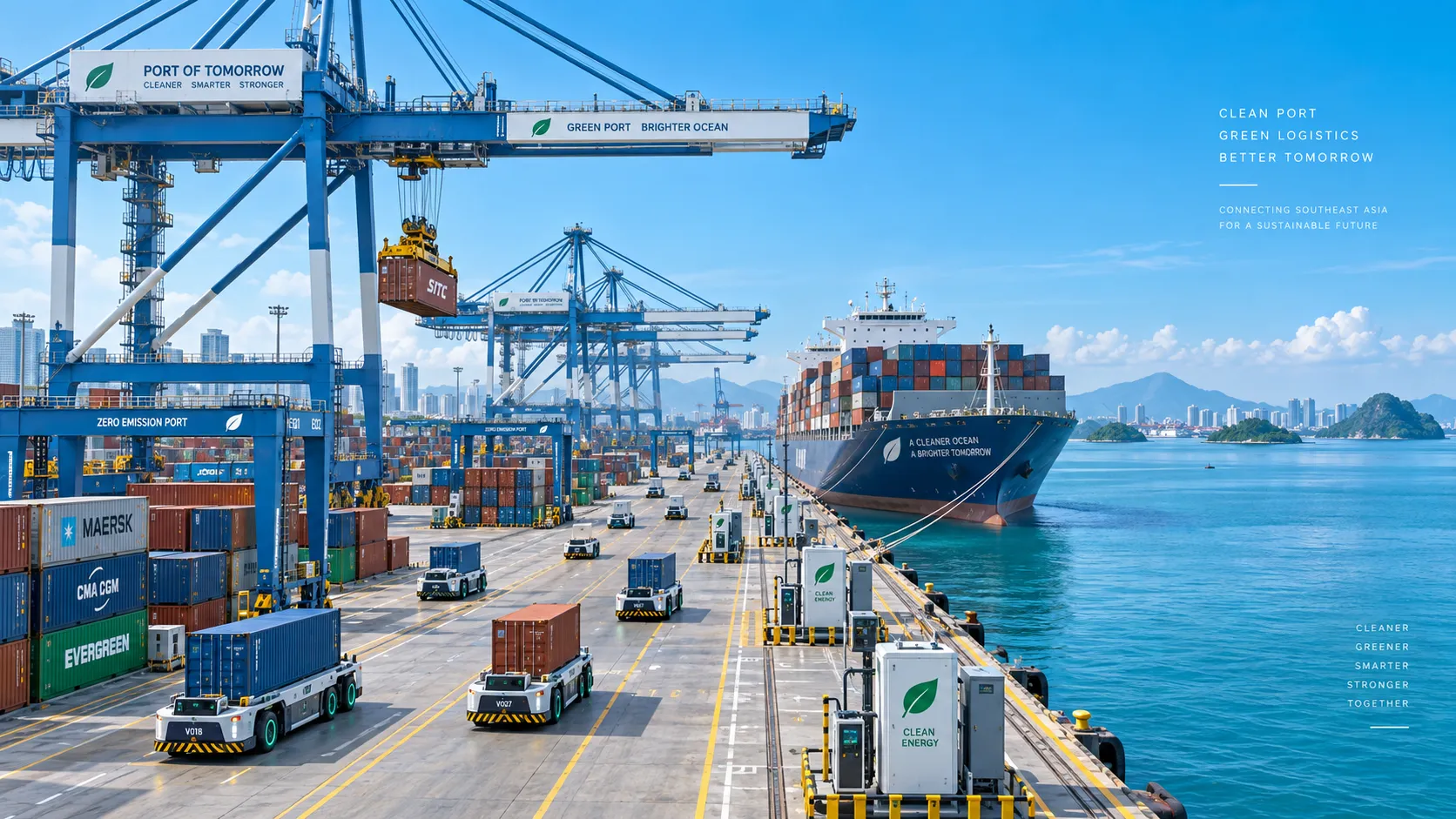
Smart Port Systems in Southeast Asia: Investment Priorities and Adoption Barriers
Smart port systems Southeast Asia: discover investment priorities, adoption barriers, and practical steps to build resilient, connected, high-performing terminals.
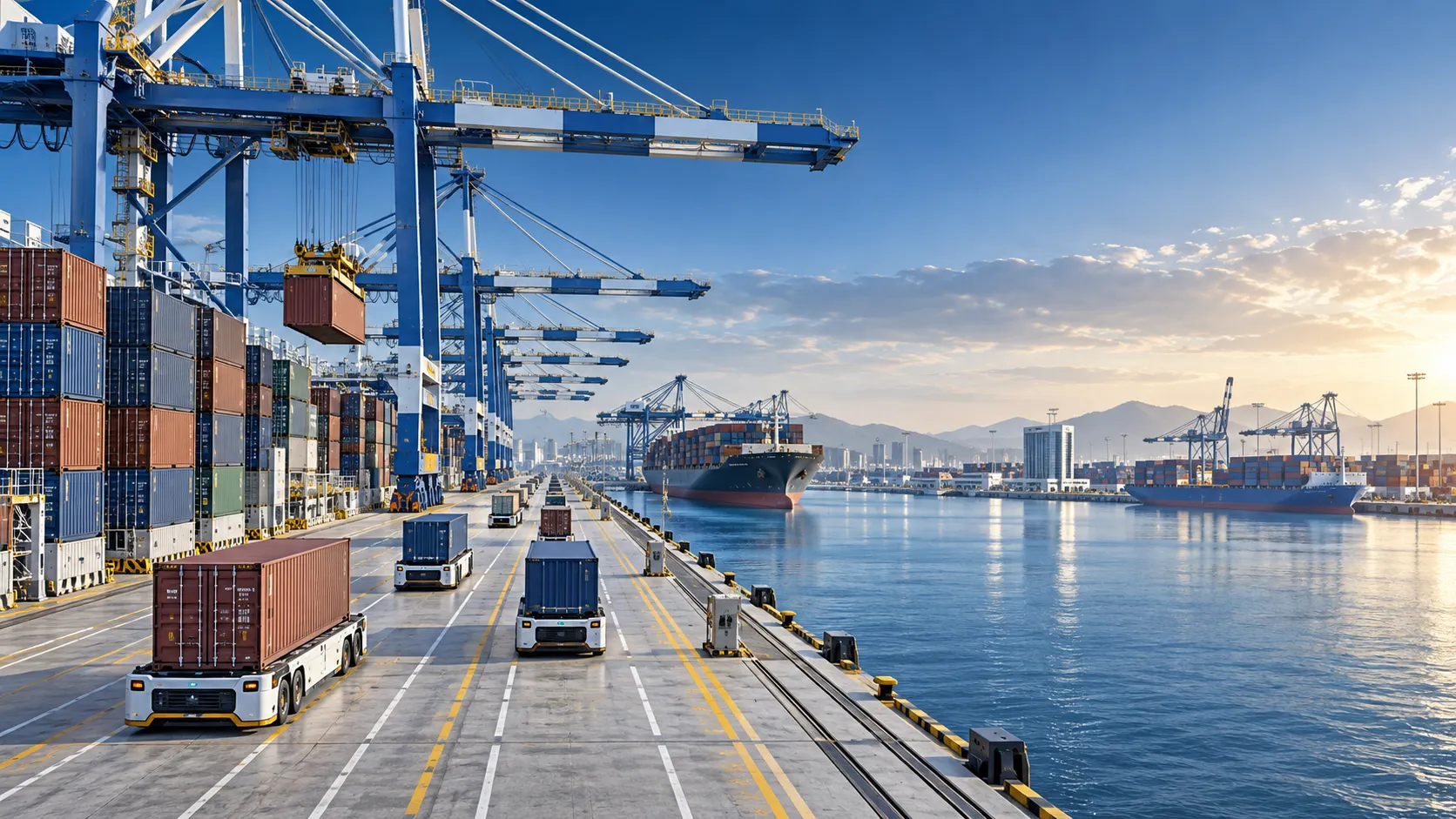
How to Evaluate Terminal Efficiency Solution Suppliers for High-Throughput Operations
Choose a terminal efficiency solutions supplier with confidence. Explore proven criteria for throughput, integration, lifecycle cost, safety, and reliable delivery.
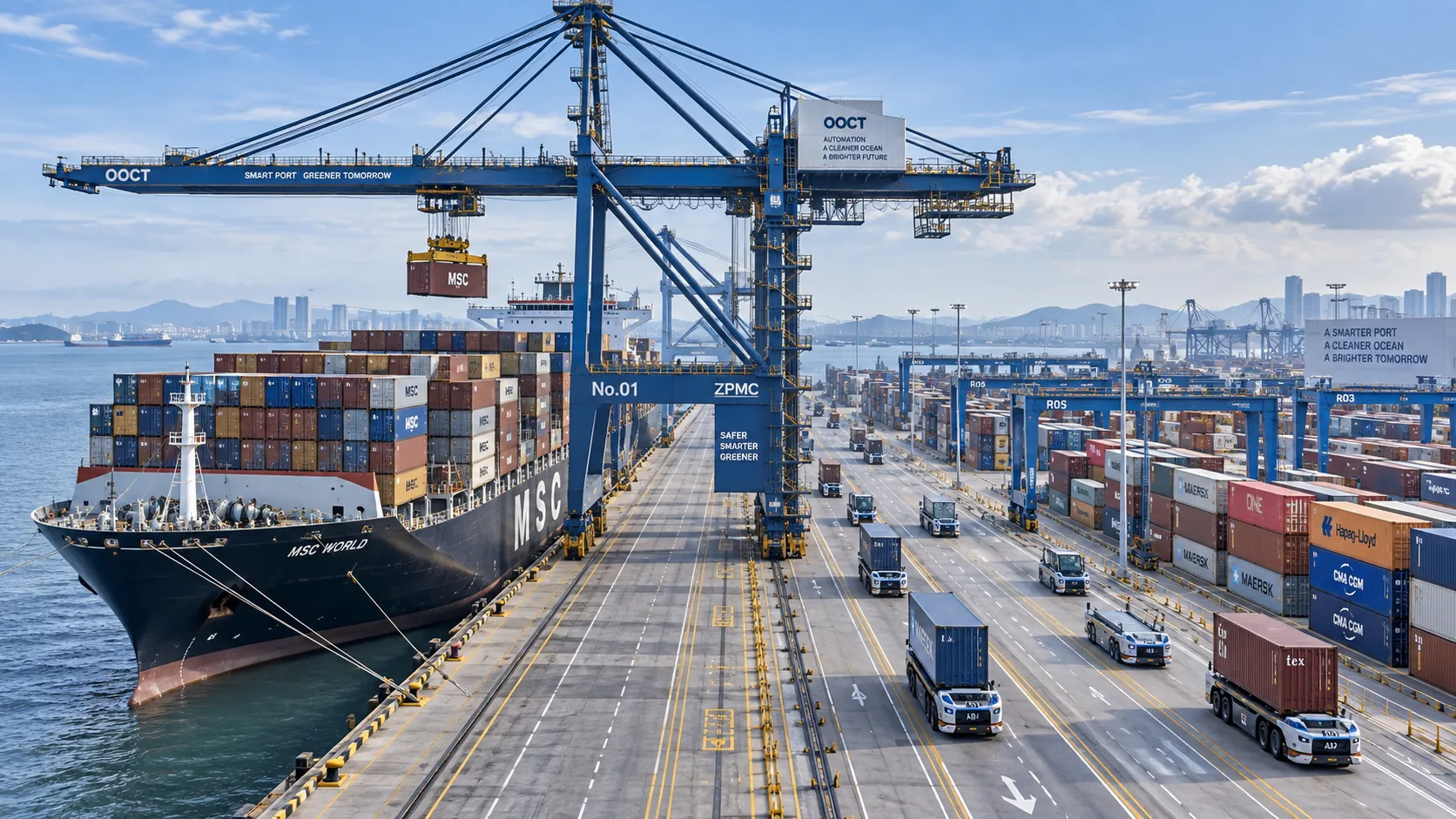
How to Specify a Quay Crane for Container Terminals by Vessel Size and Throughput?
Quay crane for container terminals: learn how to match outreach, lift height, capacity, automation, and cycle performance to vessel size and throughput goals.
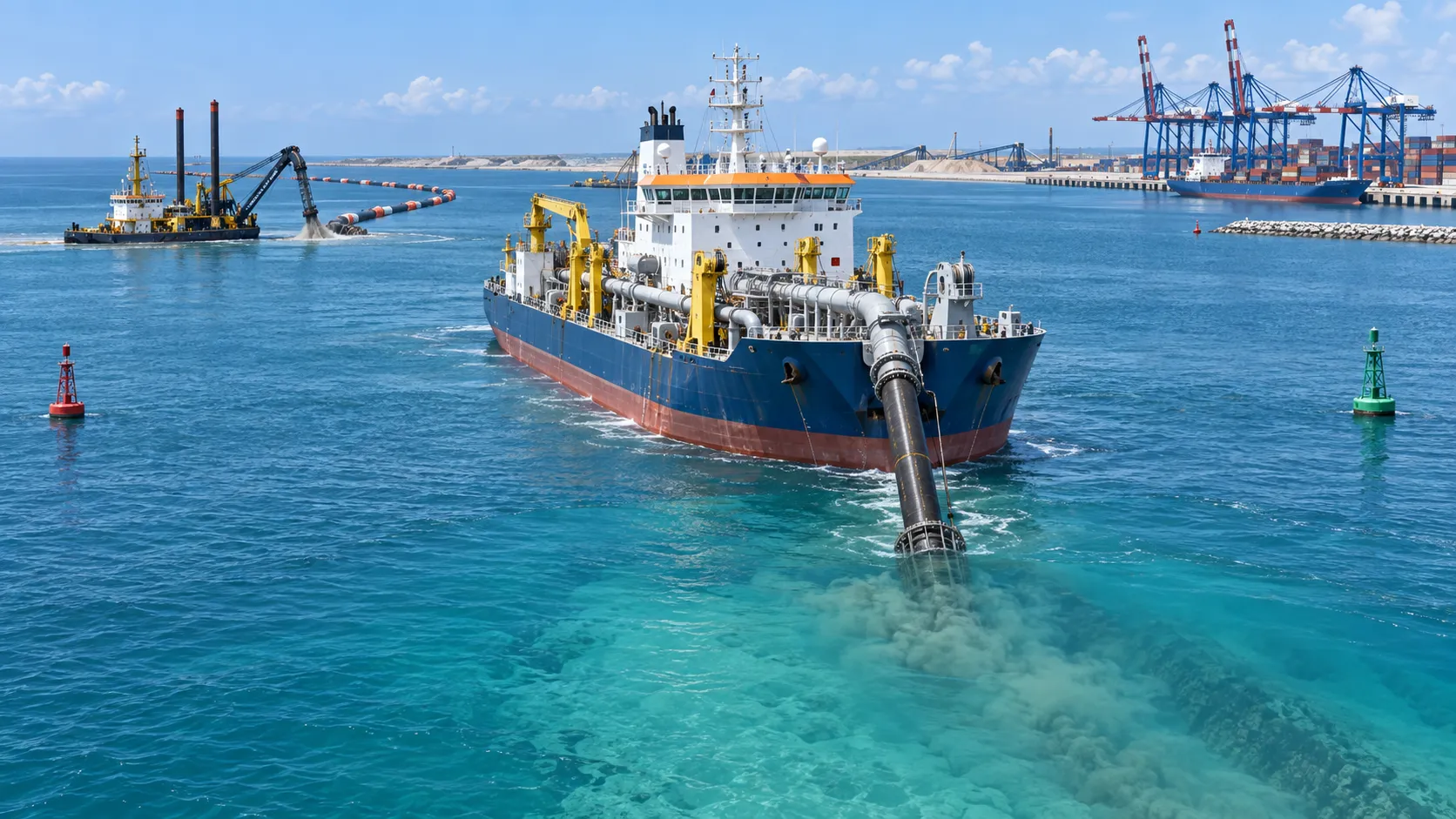
What Dredging Equipment Is Needed for Channel Deepening?
What dredging equipment is needed for channel deepening? Explore dredgers, pipelines, survey tools, and planning strategies for safer, more efficient port access.
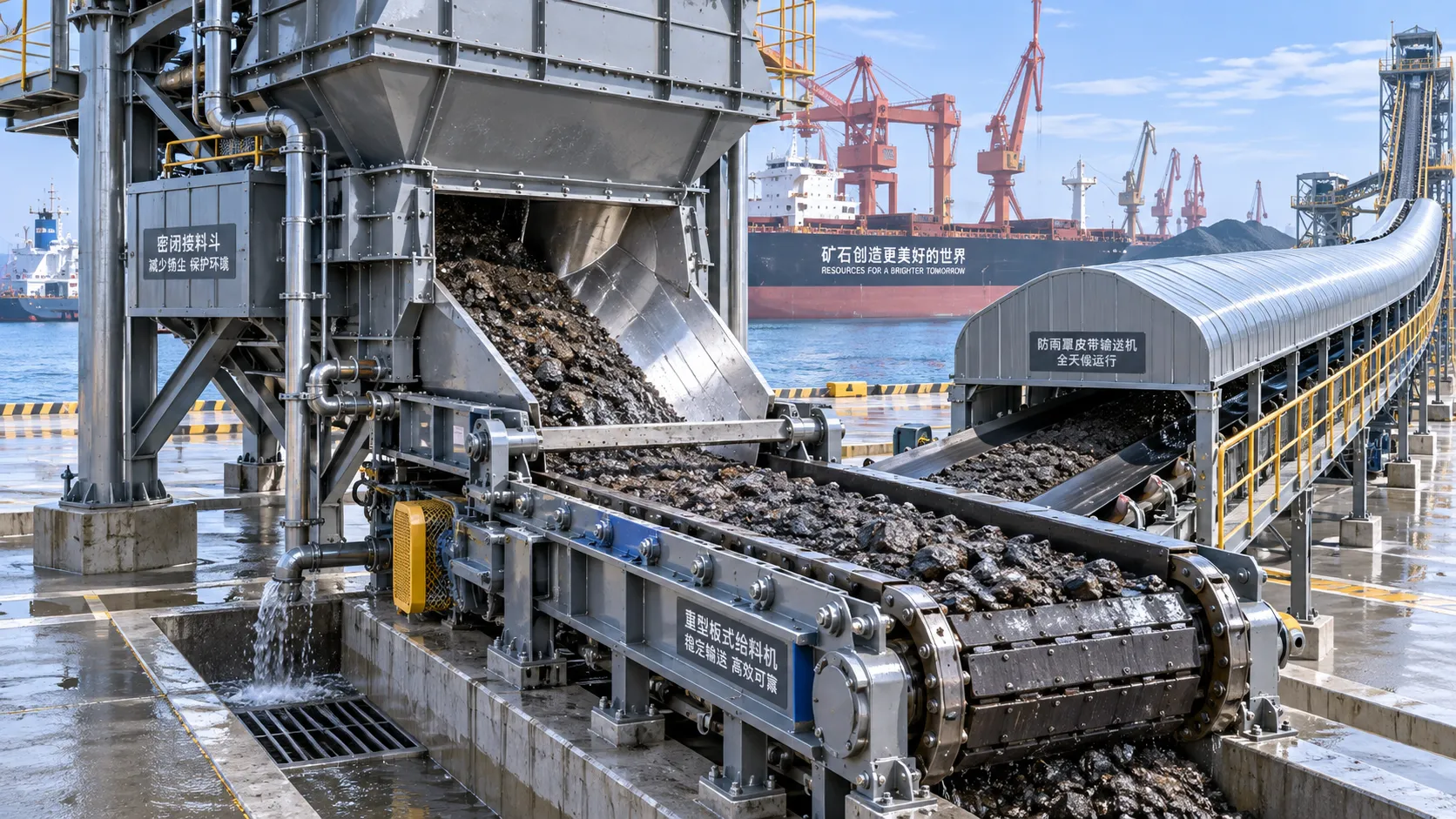
Which Bulk Handling Equipment Suits High-Moisture Cargo?
Which bulk handling equipment suits high-moisture cargo? Compare belt, apron, screw, drag, and slurry systems for reliable flow, less carryback, and higher terminal uptime.
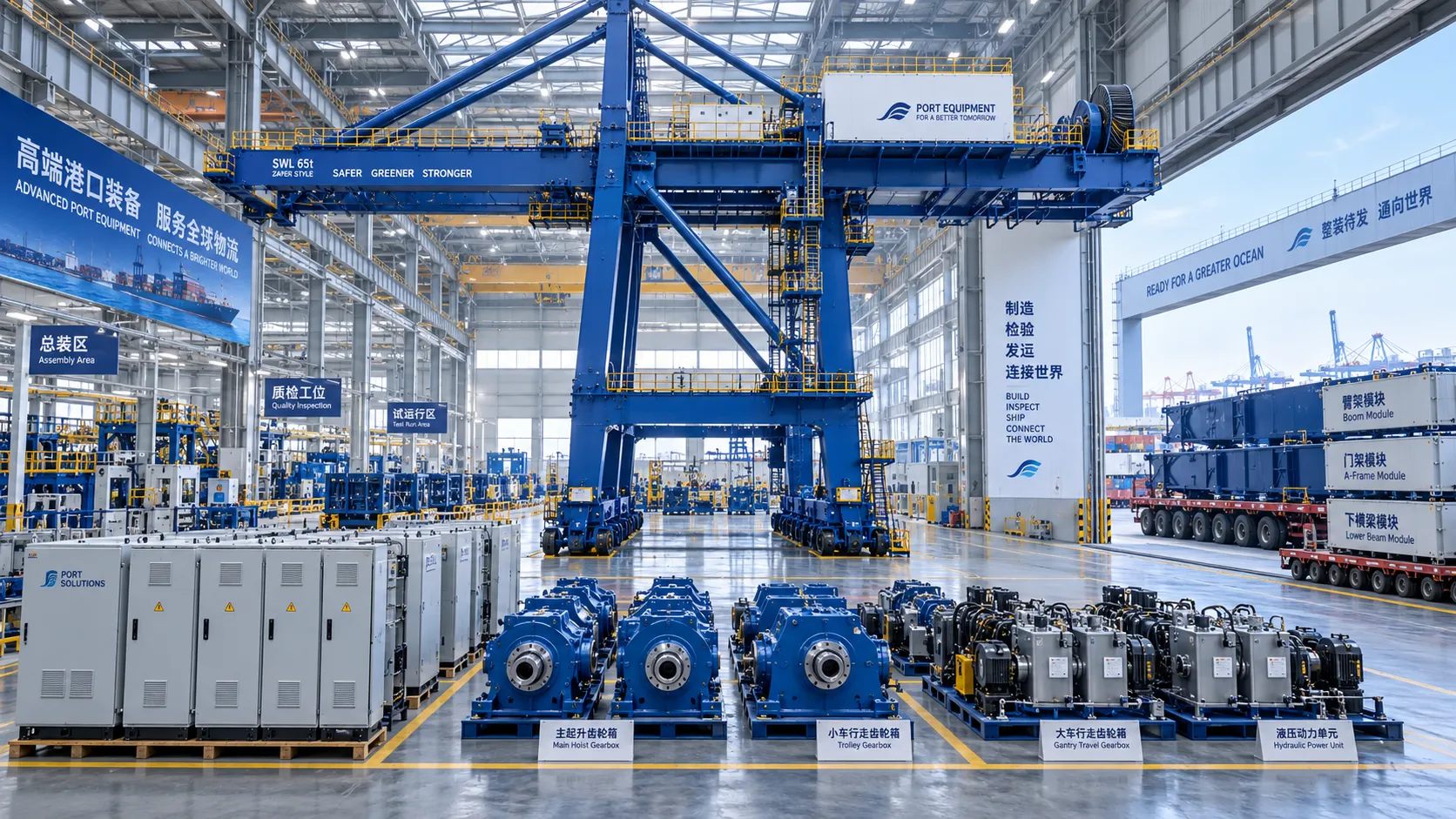
How Can Port Equipment Lead-Time Risk Be Managed?
How can port equipment lead-time risk be managed? Explore practical strategies to control critical paths, suppliers, transport, site readiness, and commissioning delays.
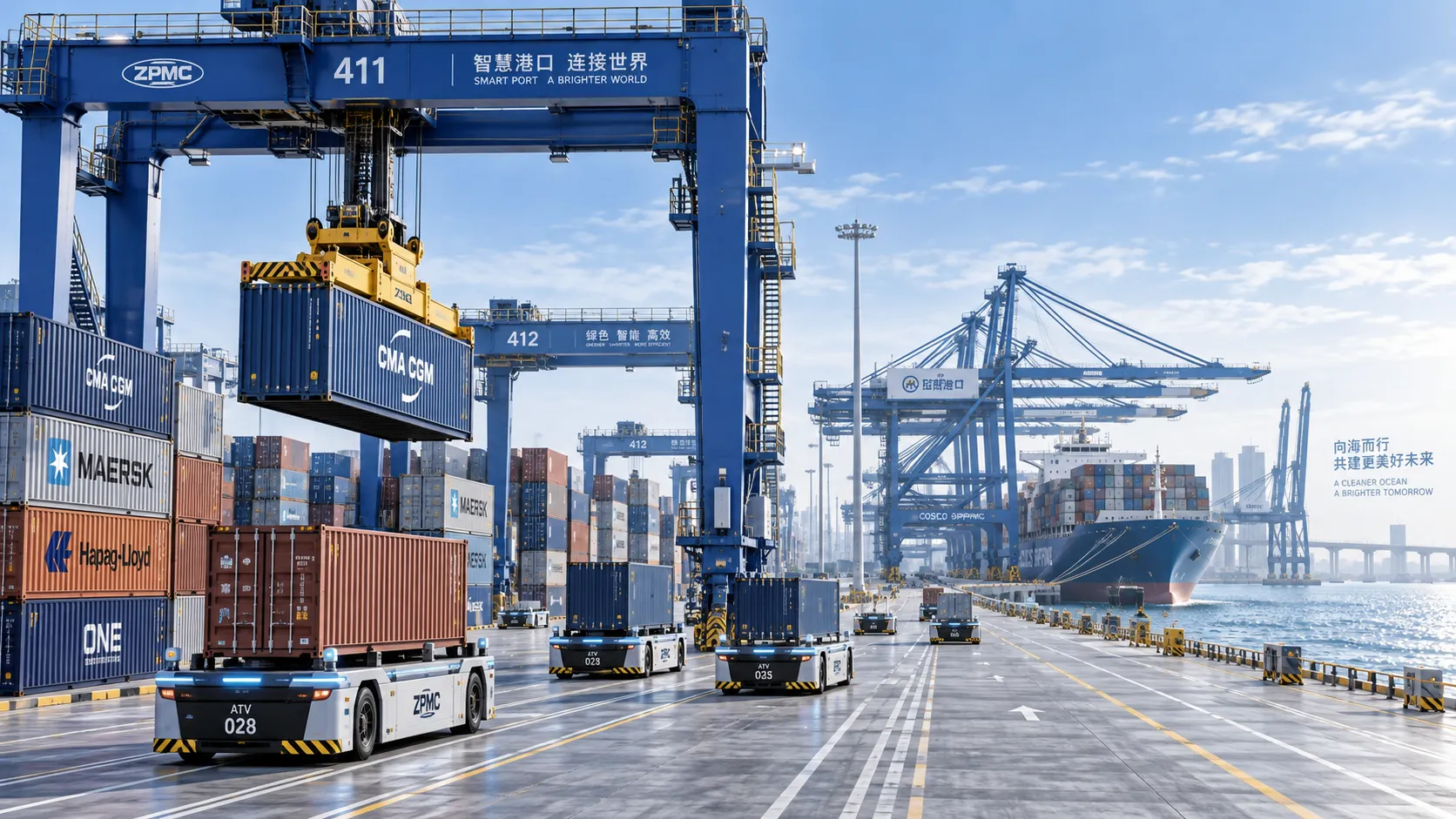
Terminal Automation Technologies That Raise Container Throughput Without Yard Disruption
Terminal automation technology that increases container throughput without disrupting yard flow. Explore smarter integration, resilient workflows, and phased deployment strategies.
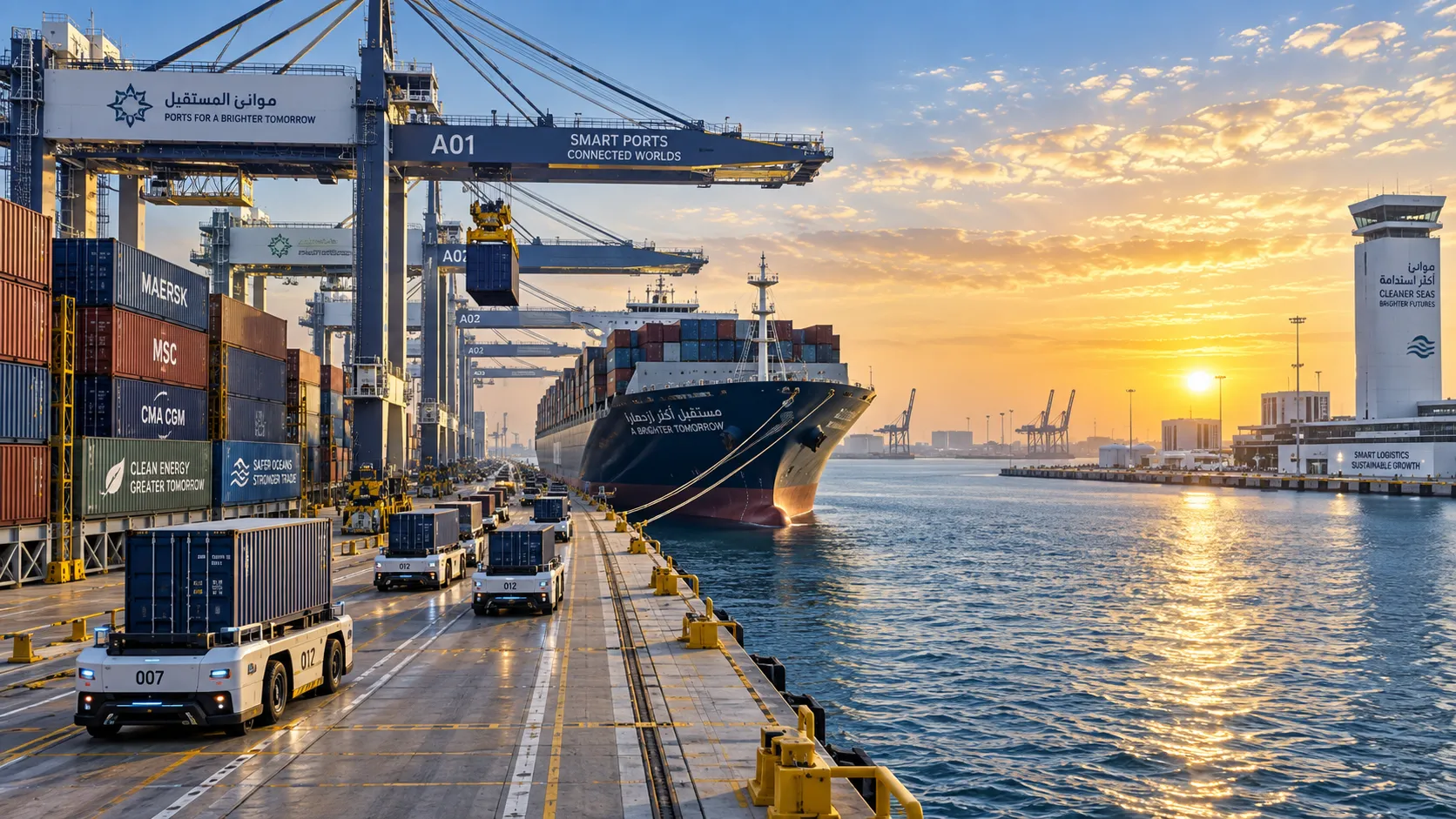
Middle East Port Automation: Key Market Drivers, Projects, and Investment Risks
Port automation systems Middle East: explore market drivers, flagship projects, integration challenges, and investment risks shaping smarter, resilient terminals.
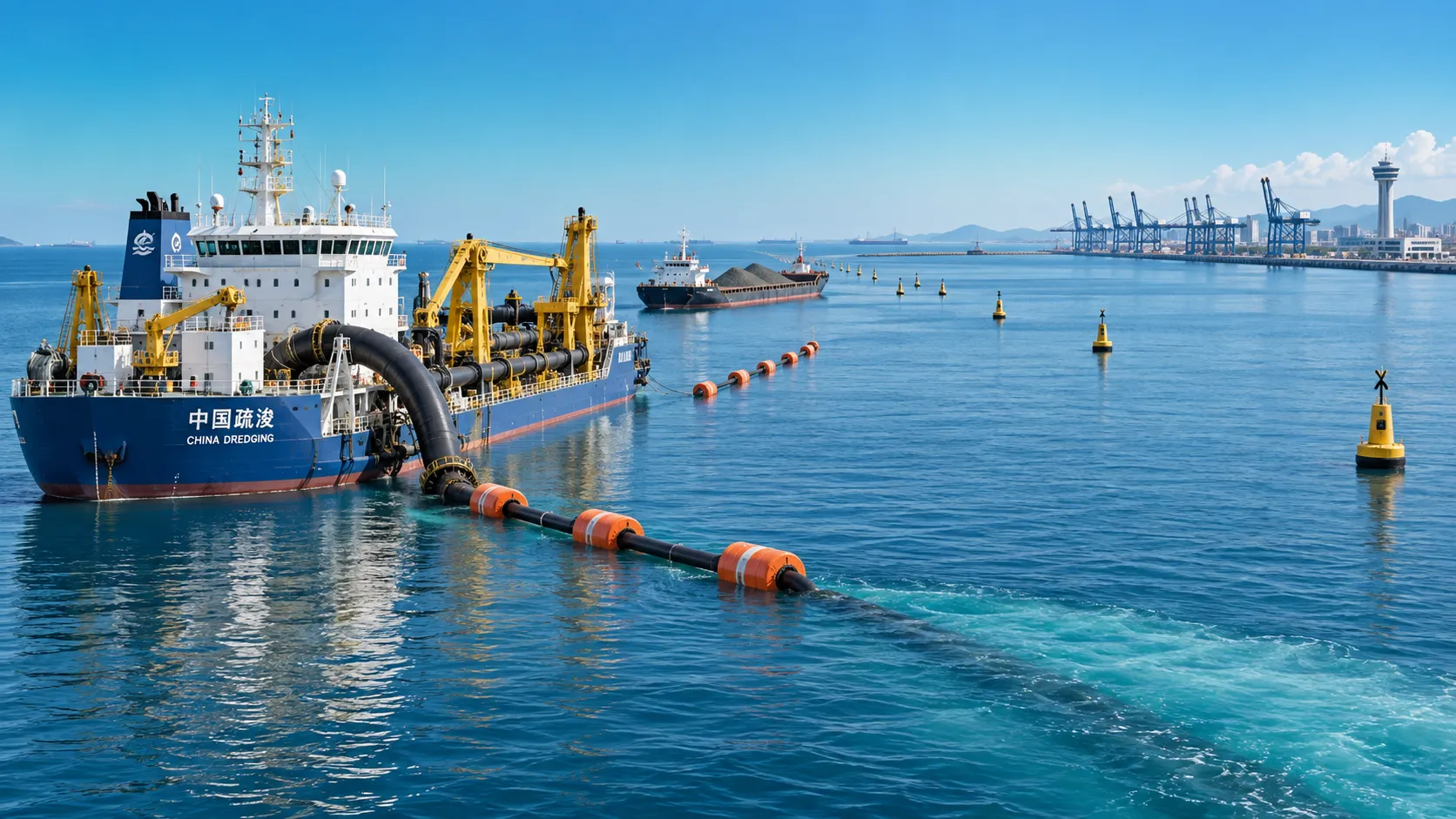
Planning Offshore Dredging Operations: Key Risks, Methods, and Project Controls
Offshore dredging operations demand smart planning. Explore key risks, proven methods, environmental controls, and project strategies for reliable delivery.