Related News
- 00
0000-00
How Can Port Equipment Lead-Time Risk Be Managed? - 00
0000-00
Maritime Logistics Operations: How Ports Can Reduce Container Dwell Time - 00
0000-00
What Does Logistics Node Monitoring Cost Across Warehouses and Transport Hubs? - 00
0000-00
How Can IoT Smart Port Solutions Improve Container Tracking and Yard Efficiency? - 00
0000-00
How Real-Time Port Logistics Intelligence Improves Container Yard Efficiency
Heavy Machinery Logistics Planning: How to Reduce Port Delays and Lifting Risks
Heavy Machinery Logistics Planning: How to Reduce Port Delays and Lifting Risks
In heavy machinery logistics, small gaps in coordination rarely stay small for long.
A late berth window, missing lifting gear, or poor cargo visibility can delay an entire project chain.
That is why strong planning matters before the vessel arrives, not after problems begin.
For teams handling oversized units, port-side execution depends on timing, data quality, and lifting discipline.
The most effective heavy machinery logistics plans connect marine schedules, yard flow, crane availability, and site readiness in one operating view.
PS-Nexus tracks this intersection closely across terminal equipment, bulk handling, automation, and dredging engineering.
From that perspective, reducing delays and lifting risk starts with practical control points that teams can actually manage.
Why Heavy Machinery Logistics Breaks Down at Ports
Most port disruptions are not caused by one major failure.
They come from several minor mismatches that stack up across vessel arrival, terminal handling, customs release, and inland transfer.
In heavy machinery logistics, these mismatches hit harder because cargo is large, heavy, and less forgiving.
A standard container may tolerate schedule variation.
A crawler crane module, shiploader component, or dredging pump skid usually will not.
Common failure points include:
- incomplete cargo drawings and wrong center-of-gravity data
- berth or tidal restrictions not matched to discharge windows
- crane selection based on nominal capacity, not lift radius
- yard congestion blocking direct transfer routes
- last-minute changes to rigging, trailers, or escort permits
- poor communication between port, carrier, and site teams
From recent market changes, the bigger signal is clear.
As ports become more automated and vessel calls more compressed, heavy machinery logistics must become more precise, not just faster.
Start with a Port-Ready Logistics Blueprint
The best way to reduce port delays is to build a single logistics blueprint before cargo sails.
This blueprint should combine engineering facts with port operating realities.
In practice, it works like a control document for everyone touching the move.
What the blueprint should include
- cargo dimensions, gross weight, lifting points, and verified center of gravity
- vessel ETA, berth plan, hatch sequence, and discharge priority
- required crane type, lifting radius, spreader bars, slings, and shackles
- yard position, temporary storage needs, and internal travel path
- gate-out timing, transport equipment, police escort, and route permits
- weather, tide, and shift constraints that may change execution
This is where many heavy machinery logistics plans either succeed or fail.
If critical details stay scattered across emails, drawings, and supplier notes, teams lose decision speed.
A shared planning package creates one version of the truth and cuts avoidable handoff errors.
Match Vessel Timing with Terminal Capacity
In heavy machinery logistics, an on-time vessel does not guarantee an on-time discharge.
The real question is whether terminal resources are ready at the same time.
That means checking berth conflicts, labor windows, crane conflicts, and storage pressure days in advance.
A useful planning habit is to build three timing scenarios.
- Base case: vessel arrives and discharges as scheduled.
- Early case: berth or labor is not yet open.
- Late case: downstream trucks, cranes, or permits expire.
This sounds simple, but it changes how teams allocate risk.
Instead of reacting to delay, they prepare recovery options before the cargo reaches the quay.
For PS-Nexus, this synchronization between schedule data and terminal reality is becoming central to modern port intelligence.
Reduce Lifting Risks with Engineering-Level Controls
Port delay is expensive, but lifting failure is worse.
A rushed lift can damage cargo, stop operations, and expose crews to serious harm.
That is why heavy machinery logistics must treat lift planning as an engineering process, not a dockside adjustment.
Core lifting controls that matter
- verify all weights against packing lists, fabrication records, and transport documents
- confirm actual lift points and inspect for deformation or coating damage
- calculate crane load by radius, boom angle, and tandem lift conditions
- check rigging certificates, sling angles, and connection hardware ratings
- define exclusion zones, hand signals, and radio protocol before the lift
- stop work when wind, visibility, or vessel motion crosses limits
More importantly, teams should avoid accepting “close enough” data.
A ten-ton error on paper may look manageable.
At full radius, it can destroy the safety margin of the entire heavy machinery logistics operation.
Use Real-Time Visibility to Protect the Execution Window
Even strong plans can slip when conditions change on the day of discharge.
That is where real-time visibility becomes valuable.
For heavy machinery logistics, visibility should cover more than vessel tracking.
It should also show terminal queue status, crane utilization, weather risk, customs release, and truck readiness.
This is especially useful when moving automated terminal gear or dredging equipment with strict handling requirements.
A short delay in one node can force a reslot across every other node.
What to monitor in real time
- ETA changes and berth reassignment alerts
- terminal crane availability and maintenance interruptions
- yard congestion around oversized cargo lanes
- live wind speed and tide conditions
- haulage arrival sequence and escort vehicle status
When teams see these signals early, heavy machinery logistics shifts from reactive firefighting to controlled execution.
Build a Clear Decision Matrix for Exceptions
No port move is completely predictable.
The difference between a manageable issue and a project overrun is usually decision speed.
A decision matrix helps heavy machinery logistics teams act without confusion when conditions shift.
In real operations, this kind of structure protects both schedule discipline and lifting safety.
Turn Port Intelligence into a Competitive Advantage
Heavy machinery logistics is no longer just about moving cargo from ship to site.
It is about using better intelligence to protect time, safety, and commercial outcomes.
That is exactly where PS-Nexus creates value.
By connecting terminal equipment insight, automation trends, dredging engineering knowledge, and logistics signals, PS-Nexus helps teams see operational risk earlier.
This also means better decisions on routing, discharge strategy, lifting resources, and asset scheduling.
In actual business settings, the winners are rarely the teams with the biggest buffer.
They are the teams with the clearest view of what could break next.
If you want better heavy machinery logistics results, focus on four basics.
- standardize cargo and lift data before shipment
- align vessel plans with real terminal capacity
- monitor execution through live operational signals
- define exception ownership before disruption happens
Those steps are practical, repeatable, and highly effective.
They reduce port delays, lower lifting exposure, and improve delivery confidence across complex equipment moves.
As port systems become smarter and project schedules tighter, heavy machinery logistics planning must become more connected, more disciplined, and more data-led from the start.
Related News
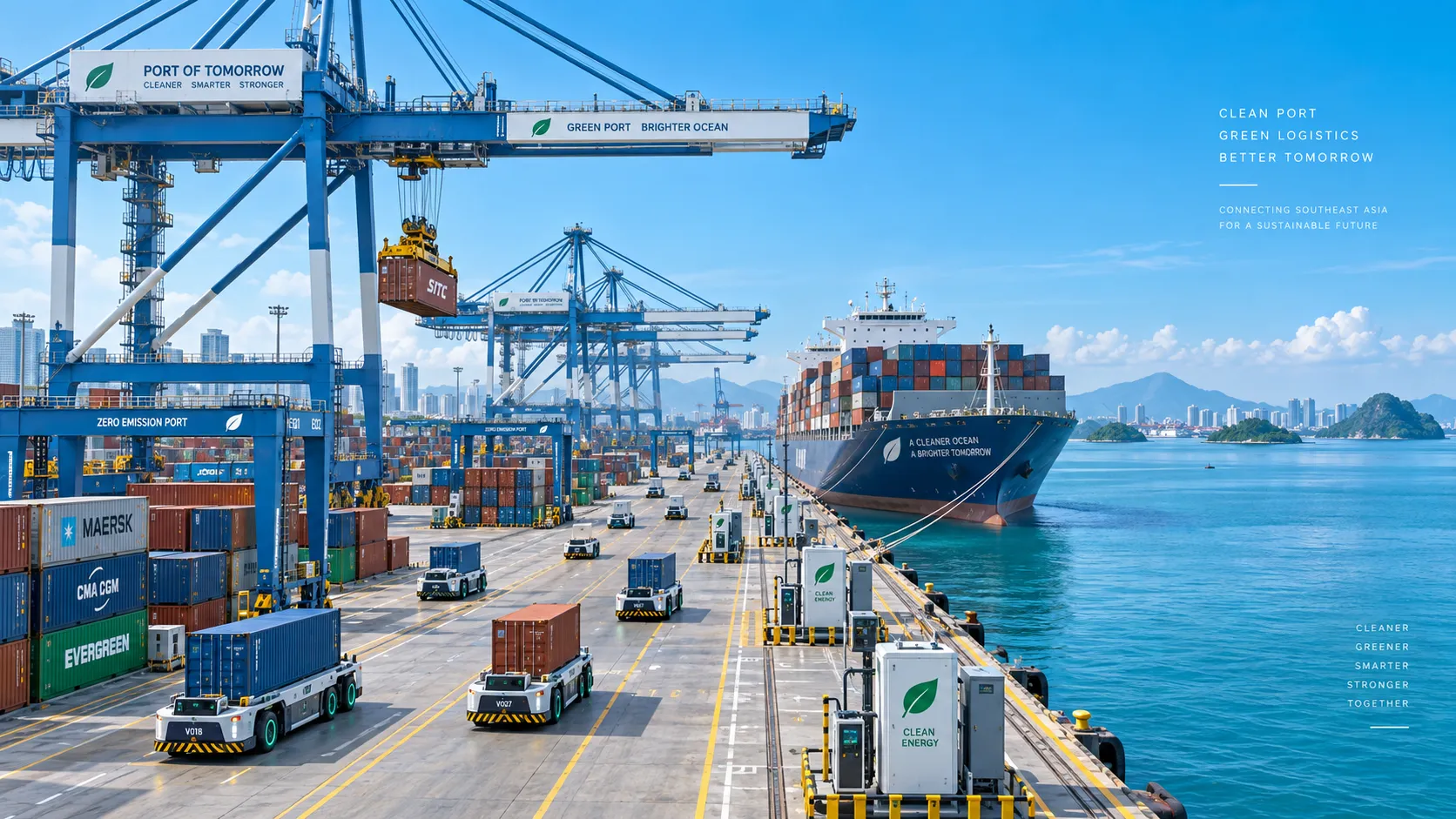
Smart Port Systems in Southeast Asia: Investment Priorities and Adoption Barriers
Smart port systems Southeast Asia: discover investment priorities, adoption barriers, and practical steps to build resilient, connected, high-performing terminals.
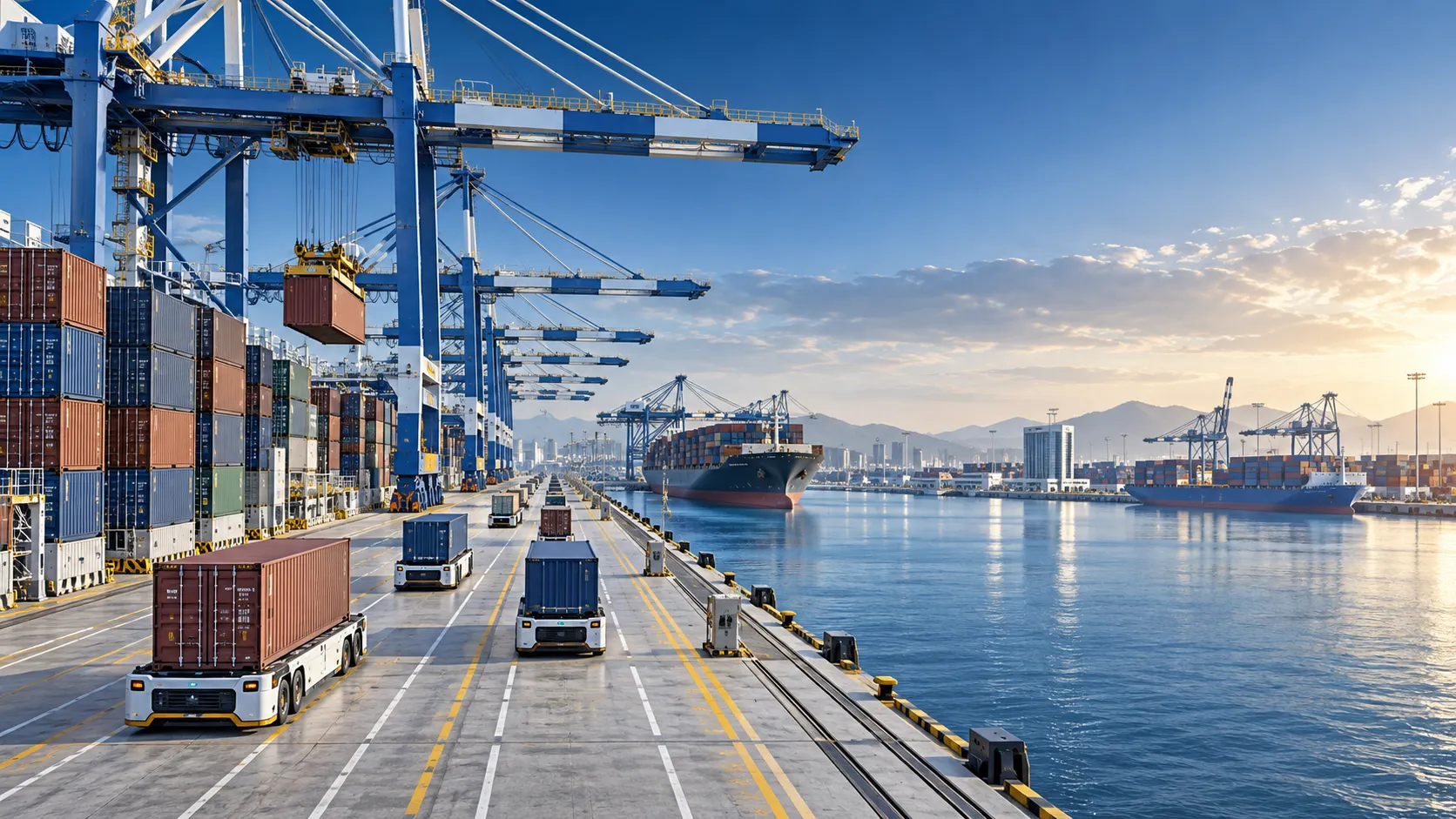
How to Evaluate Terminal Efficiency Solution Suppliers for High-Throughput Operations
Choose a terminal efficiency solutions supplier with confidence. Explore proven criteria for throughput, integration, lifecycle cost, safety, and reliable delivery.
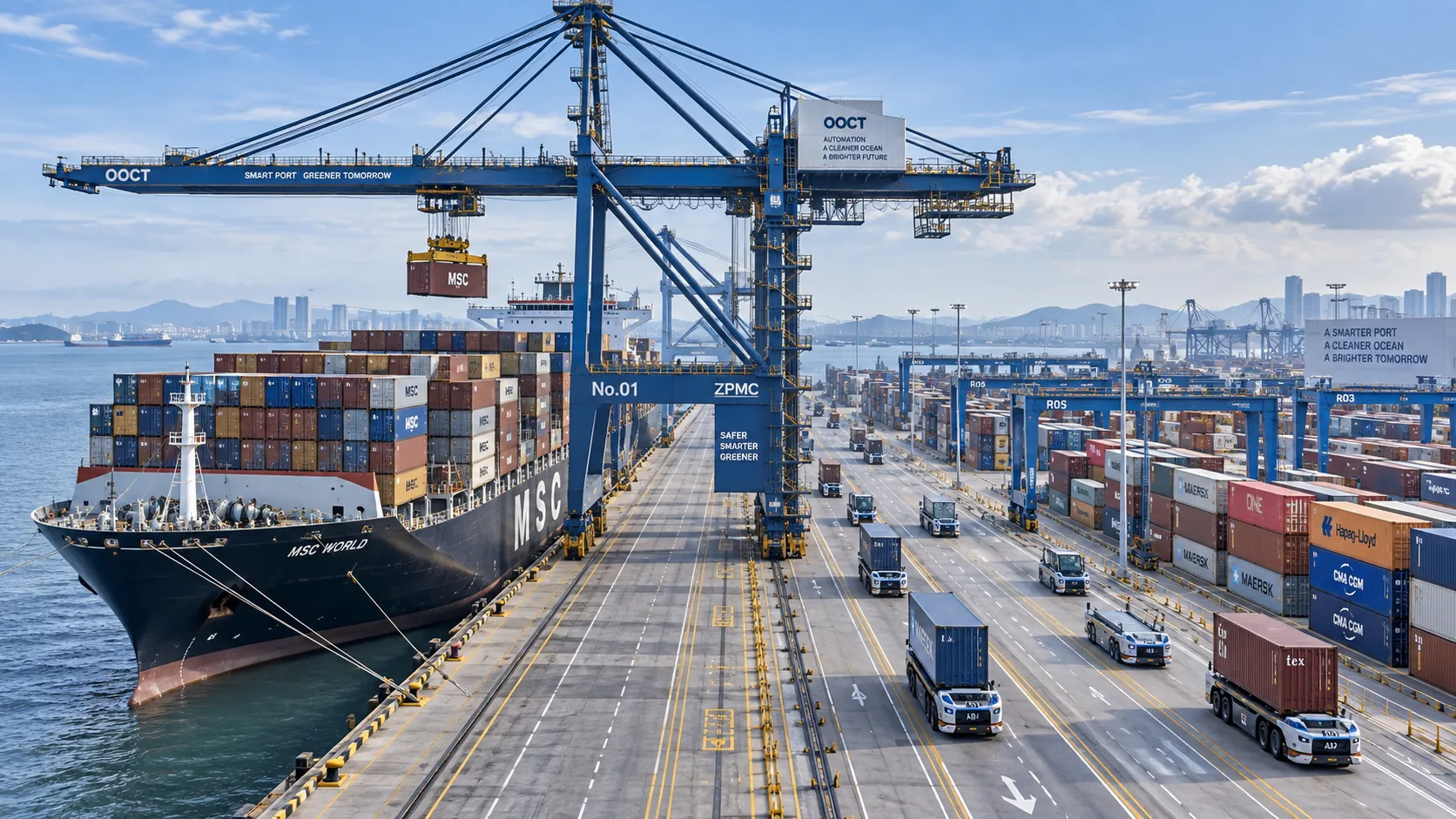
How to Specify a Quay Crane for Container Terminals by Vessel Size and Throughput?
Quay crane for container terminals: learn how to match outreach, lift height, capacity, automation, and cycle performance to vessel size and throughput goals.
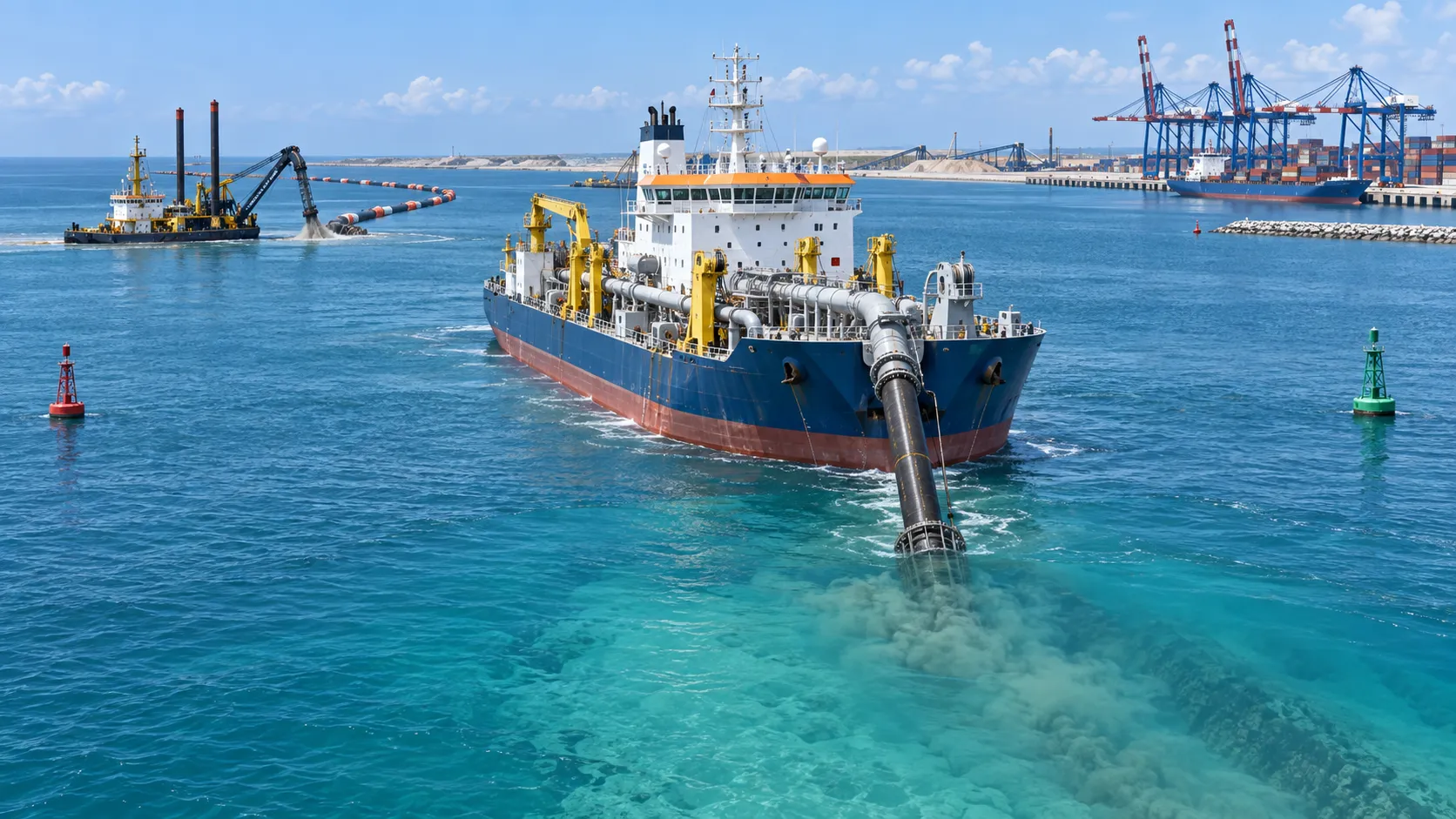
What Dredging Equipment Is Needed for Channel Deepening?
What dredging equipment is needed for channel deepening? Explore dredgers, pipelines, survey tools, and planning strategies for safer, more efficient port access.
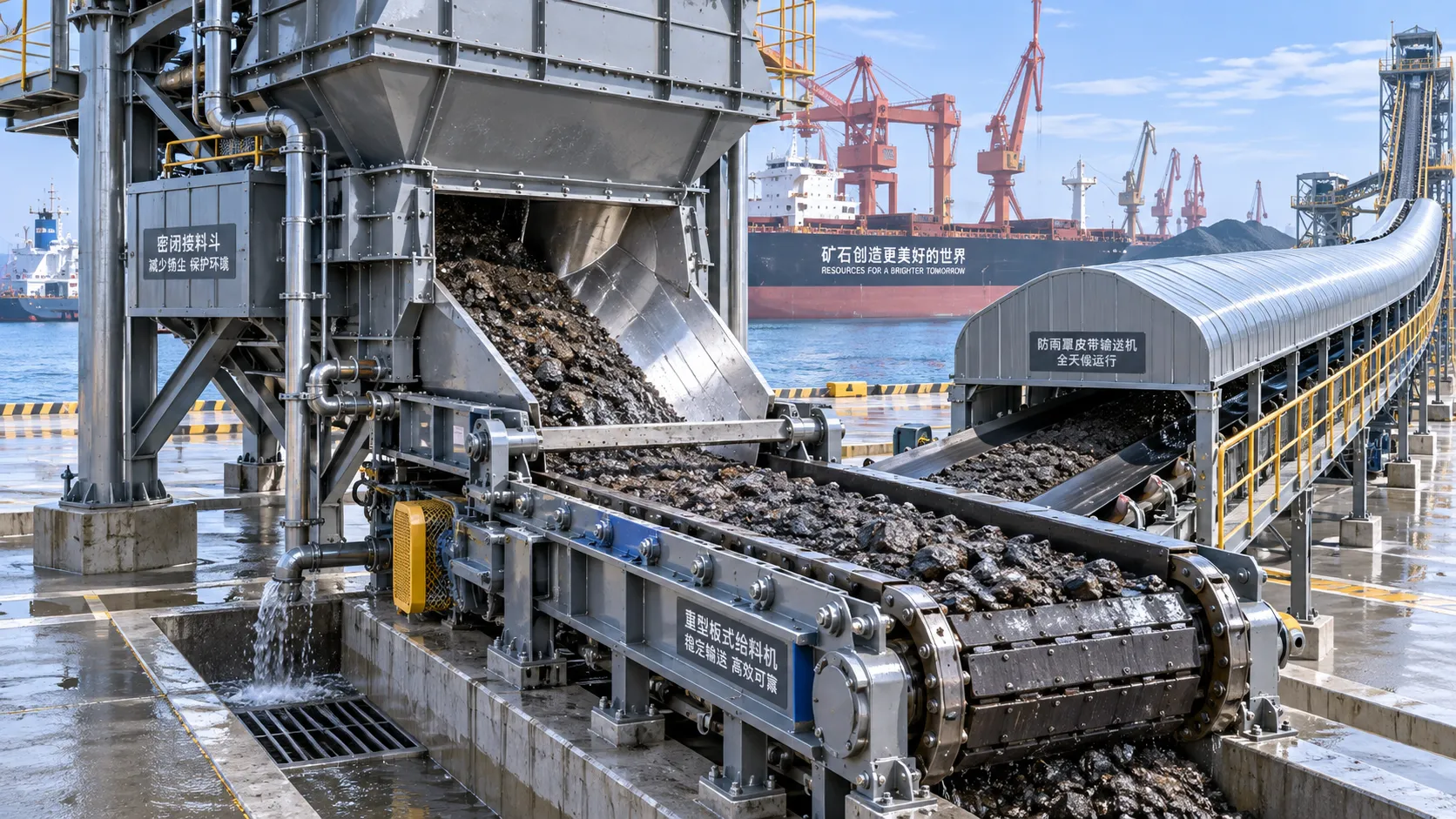
Which Bulk Handling Equipment Suits High-Moisture Cargo?
Which bulk handling equipment suits high-moisture cargo? Compare belt, apron, screw, drag, and slurry systems for reliable flow, less carryback, and higher terminal uptime.
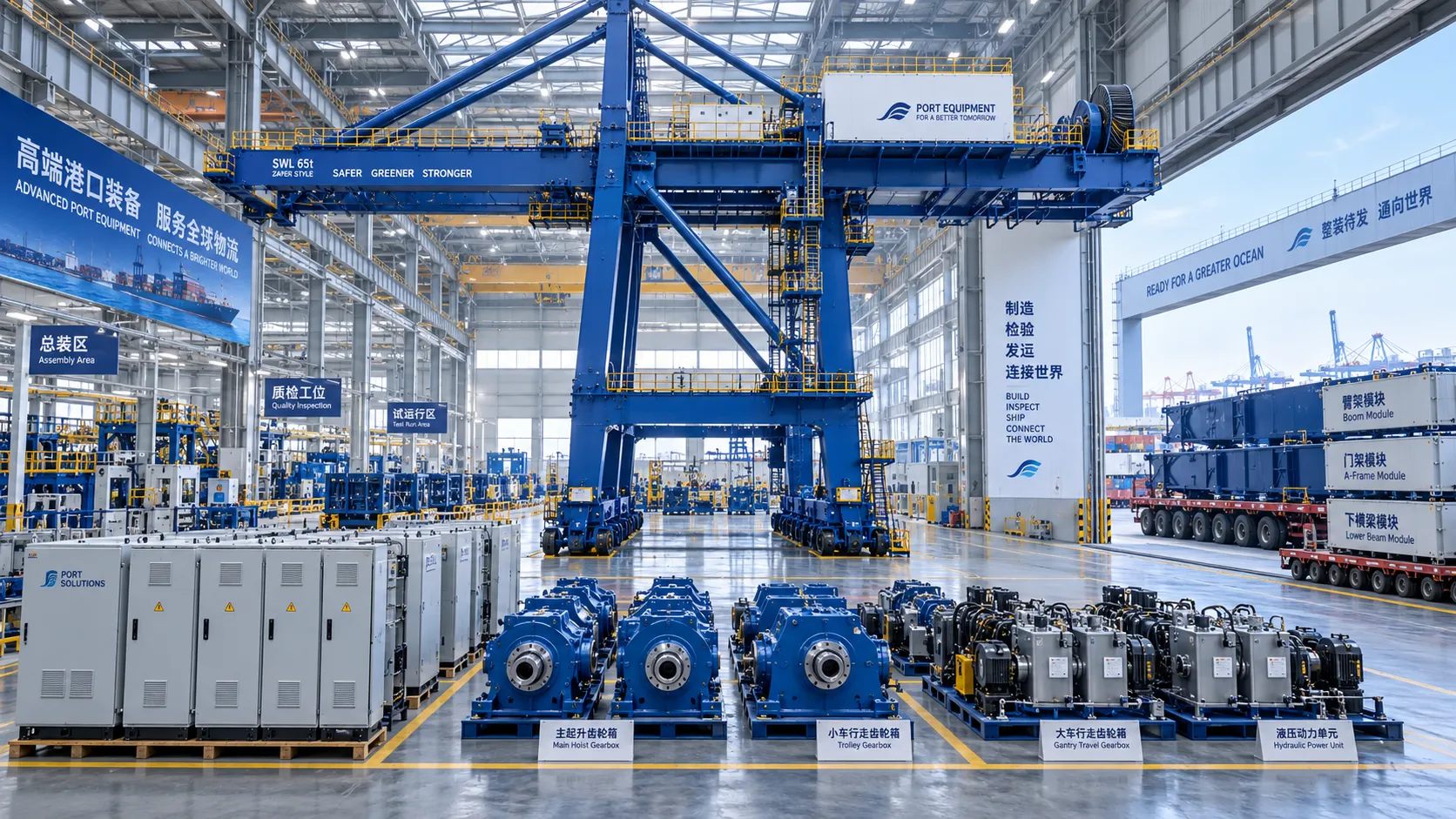
How Can Port Equipment Lead-Time Risk Be Managed?
How can port equipment lead-time risk be managed? Explore practical strategies to control critical paths, suppliers, transport, site readiness, and commissioning delays.
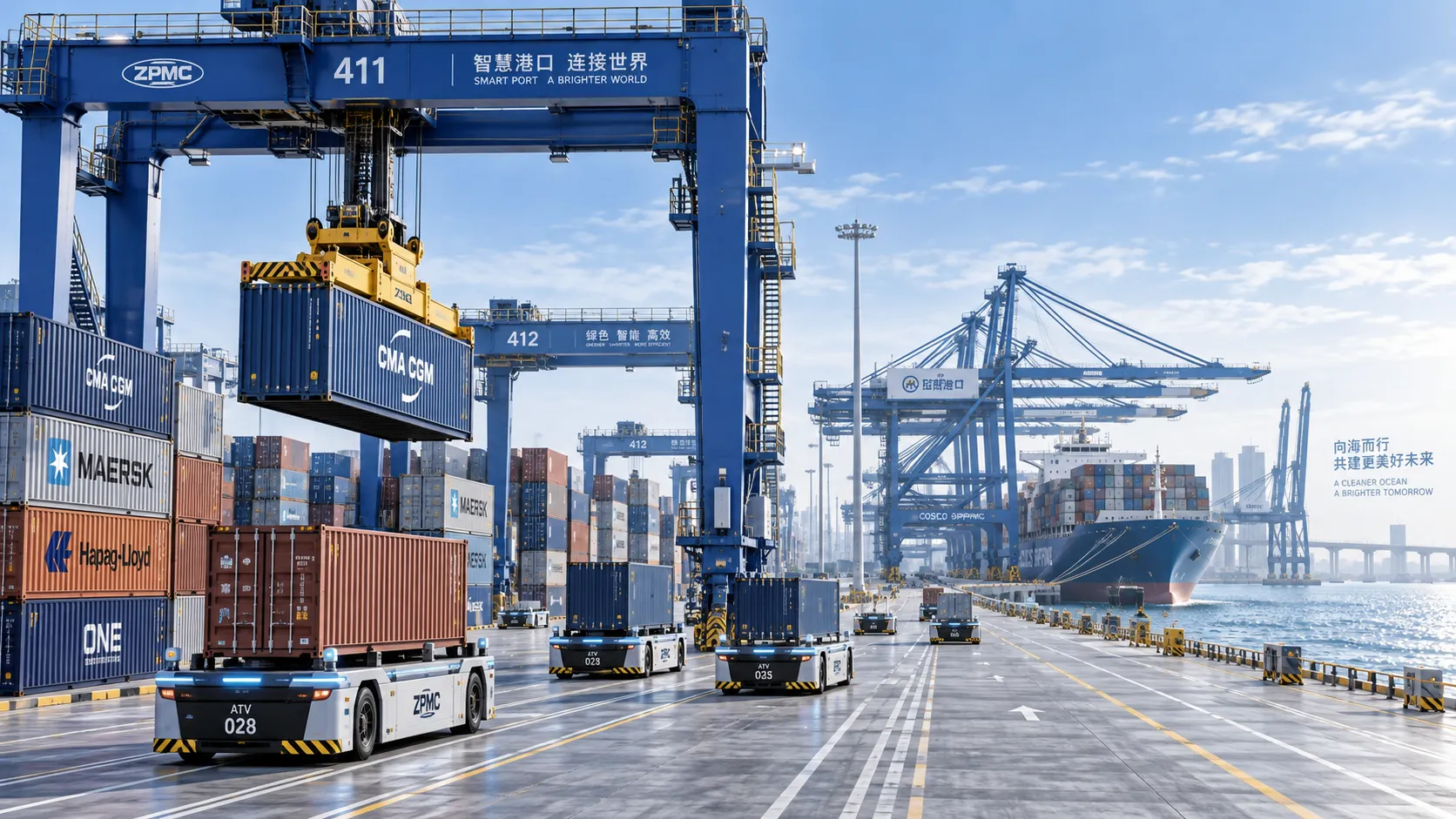
Terminal Automation Technologies That Raise Container Throughput Without Yard Disruption
Terminal automation technology that increases container throughput without disrupting yard flow. Explore smarter integration, resilient workflows, and phased deployment strategies.
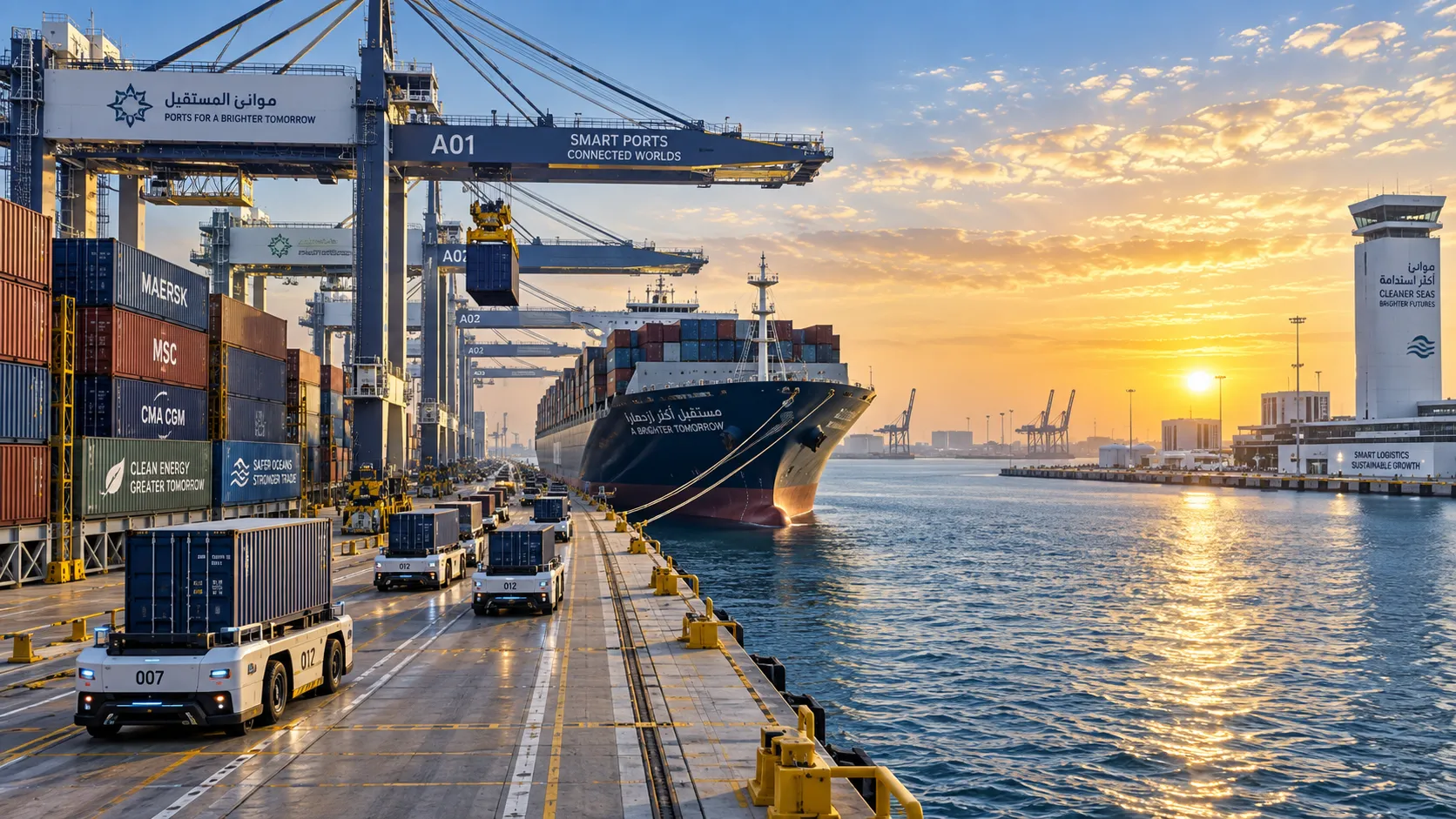
Middle East Port Automation: Key Market Drivers, Projects, and Investment Risks
Port automation systems Middle East: explore market drivers, flagship projects, integration challenges, and investment risks shaping smarter, resilient terminals.
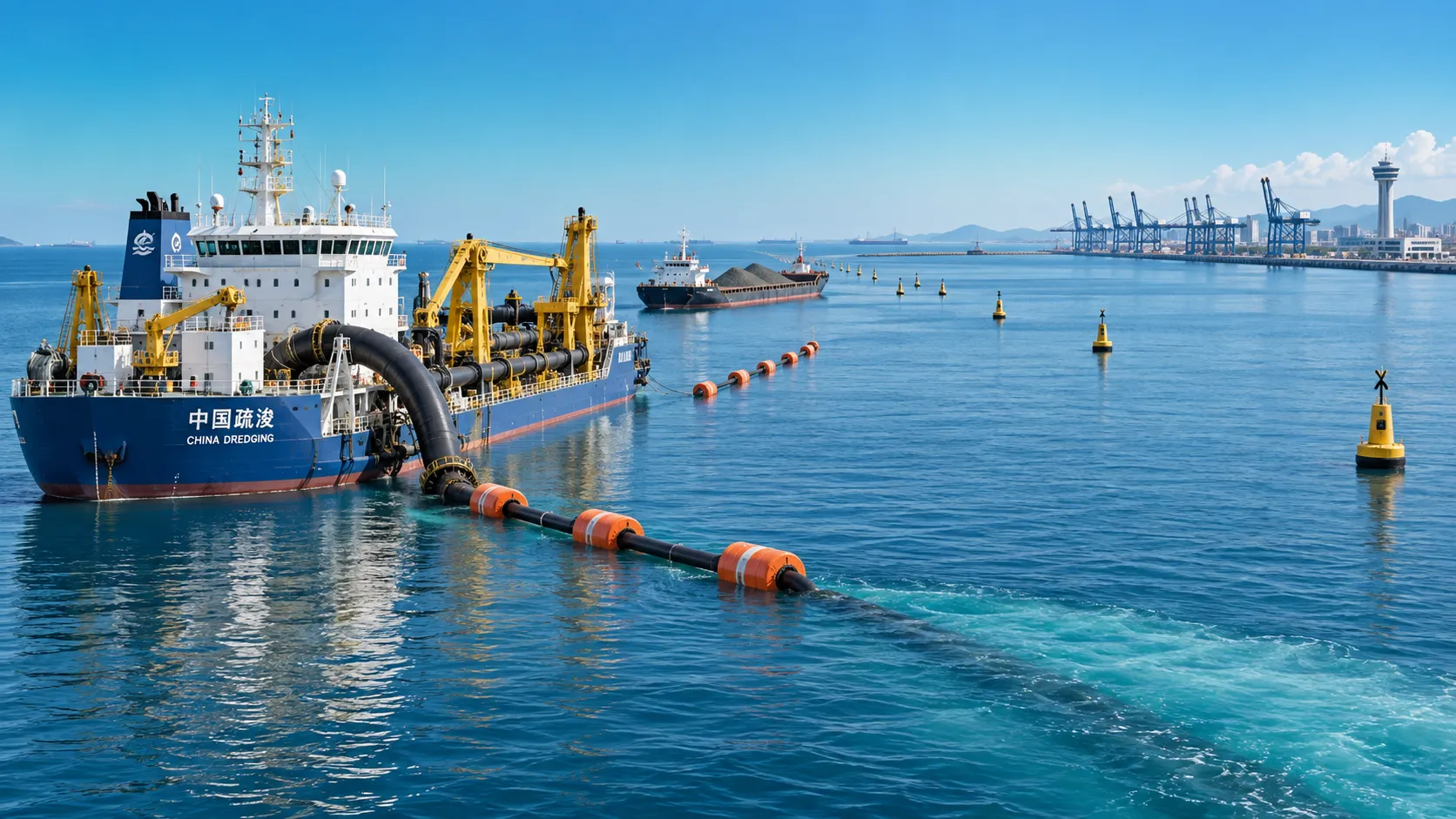
Planning Offshore Dredging Operations: Key Risks, Methods, and Project Controls
Offshore dredging operations demand smart planning. Explore key risks, proven methods, environmental controls, and project strategies for reliable delivery.