Related News
- 00
0000-00
How Can Port Equipment Lead-Time Risk Be Managed? - 00
0000-00
Maritime Logistics Operations: How Ports Can Reduce Container Dwell Time - 00
0000-00
What Does Logistics Node Monitoring Cost Across Warehouses and Transport Hubs? - 00
0000-00
How Can IoT Smart Port Solutions Improve Container Tracking and Yard Efficiency? - 00
0000-00
How Real-Time Port Logistics Intelligence Improves Container Yard Efficiency
How Global Supply Chains Intelligence Supports Sourcing Risk Analysis and Route Planning
Trade volatility no longer appears only in freight rates. It now shows up in berth congestion, equipment downtime, dredging delays, automation gaps, and sudden route instability across major logistics corridors.
That is why global supply chains intelligence has become more than a reporting layer. It is a practical decision framework for sourcing risk analysis and route planning, especially when cost, continuity, and infrastructure reliability must be judged together.
For PS-Nexus, this view is shaped by maritime logistics, coastal economics, terminal machinery, and control systems. The result is a clearer picture of how physical assets and trade flows influence real business exposure.
Why the topic matters now
Many sourcing decisions still rely on supplier price, delivery promise, and historical lane performance. That approach misses structural signals that now move risk faster than contract cycles can adapt.
A port may look available on paper while yard density, crane utilization, or channel restrictions quietly reduce throughput. A route may seem cheaper until transshipment instability creates costly time loss.
Global supply chains intelligence helps connect those hidden variables. It brings together freight movements, terminal capability, infrastructure conditions, and operational technology maturity into a more realistic planning view.
This is especially relevant in sectors tied to raw materials, energy cargo, containerized equipment, and long-cycle industrial trade, where disruption often begins at maritime nodes rather than at the supplier gate.
What global supply chains intelligence really includes
In practice, global supply chains intelligence is not just shipment tracking or market news. It is a structured interpretation of network health across sourcing origins, port interfaces, inland connections, and destination readiness.
The strongest intelligence models combine commercial data with operational context. That includes equipment capacity, terminal automation levels, channel maintenance, labor sensitivity, weather exposure, and cargo handling specialization.
PS-Nexus adds value here because its lens extends beyond headline shipping data. It follows mega port terminal gear, bulk handling machinery, specialized container handling, port automation systems, and dredging engineering equipment.
Those five pillars matter because route performance depends on physical capability. A terminal with advanced cranes and stable yard logic behaves very differently from one constrained by aging assets or shallow access channels.
From data points to decision signals
The useful question is not whether data exists. The useful question is whether that data changes a sourcing or routing decision before disruption becomes visible in invoices or delays.
- Shipping rate shifts may signal lane pressure, but not terminal handling weakness.
- Crane and yard automation trends may reveal future reliability advantages.
- Dredging activity may indicate improving access depth or unresolved bottlenecks.
- AGV path-planning maturity may affect turnaround consistency in automated terminals.
- Bulk handling upgrades may reshape sourcing options for energy and commodity cargo.
How it supports sourcing risk analysis
Sourcing risk analysis becomes stronger when supplier assessment is linked to logistics node resilience. A low-cost source loses value if its export path depends on congested berths or unstable feeder connections.
Global supply chains intelligence helps identify whether risk sits at origin, at transfer hubs, or near destination. That distinction matters because each risk type requires a different mitigation response.
For example, an origin region may show acceptable factory output but weak port modernization. In that case, the core vulnerability is not production capacity but inconsistent vessel handling and longer cargo dwell times.
Another case involves specialized cargo. Heavy terminal gear, bulk loaders, or container transfer systems may be available at one port but not another. Supplier feasibility then depends on node capability, not only product availability.
Risk dimensions worth comparing
Route planning is no longer a map exercise
Route planning used to focus on transit days and freight cost. Now it requires a wider reading of node behavior, transshipment dependency, equipment readiness, and infrastructure resilience.
A route with one fewer stop may still carry higher risk if its key hub lacks dredging support, operates with strained yard capacity, or shows weak automation recovery during peak periods.
Global supply chains intelligence helps compare scenarios in a more grounded way. Instead of asking which route is cheapest today, the better question becomes which route is more stable under likely stress conditions.
This is where PS-Nexus brings a useful perspective. Monitoring remote-controlled crane systems, digital pump monitoring, and terminal logic architecture can reveal whether a route rests on durable operational foundations.
Signals that often change route decisions
- Unexpected congestion at a major relay port.
- Reduced channel depth before dredging work is completed.
- Terminal expansion that lifts handling capacity within a region.
- Automation upgrades that improve turnaround predictability.
- Infrastructure strain that affects oversized or specialized cargo movements.
Where the maritime layer changes business judgment
Many supply chain reviews remain too land-focused. Yet for globally traded industrial goods, marine nodes often determine whether sourcing plans are scalable, compliant, and economically defendable.
A terminal’s mechanical power and scheduling logic shape throughput. Dredging quality shapes access. Container handling design shapes yard fluidity. These are not technical side notes. They are commercial risk variables.
That is also why coastal economics matters. Investment in ports, fairways, and automated control systems often signals which regions are improving trade reliability and which are becoming structurally constrained.
Global supply chains intelligence therefore supports more than short-term reactions. It helps estimate which trade corridors are gaining long-term resilience, especially under pressure from emissions targets, labor shifts, and traffic concentration.
Practical ways to use the intelligence
A useful starting point is to build a decision view that combines supplier data with logistics node intelligence. This avoids treating supply and route selection as separate exercises.
Usually, the most practical application is scenario comparison. One scenario may prioritize lower landed cost. Another may prioritize route redundancy. A third may favor ports with stronger automation and faster recovery profiles.
The point is not to predict every disruption. It is to understand which network design remains acceptable when disruptions occur.
A workable review checklist
- Map supplier locations against export port capability, not just geography.
- Check whether cargo requirements match handling specialization at each node.
- Review dredging, berth, and access conditions for draft-sensitive routes.
- Compare automation maturity where consistency matters more than lowest nominal cost.
- Track route alternatives before disruption forces a rushed switch.
- Revisit assumptions when trade patterns shift regionally or seasonally.
What deserves closer attention next
The next step is not simply buying more data. It is defining which intelligence inputs actually influence sourcing approval, routing selection, and contingency planning.
For some networks, the priority will be port throughput and equipment modernization. For others, channel access, specialized cargo handling, or automation reliability will carry more weight.
PS-Nexus is most useful in that context: as a strategic intelligence layer linking machinery, infrastructure, control logic, and trade movement into one readable operating picture.
When global supply chains intelligence is used this way, sourcing risk analysis becomes more realistic and route planning becomes less reactive. That creates a stronger basis for comparing options, setting thresholds, and refining the next decision cycle.
Related News
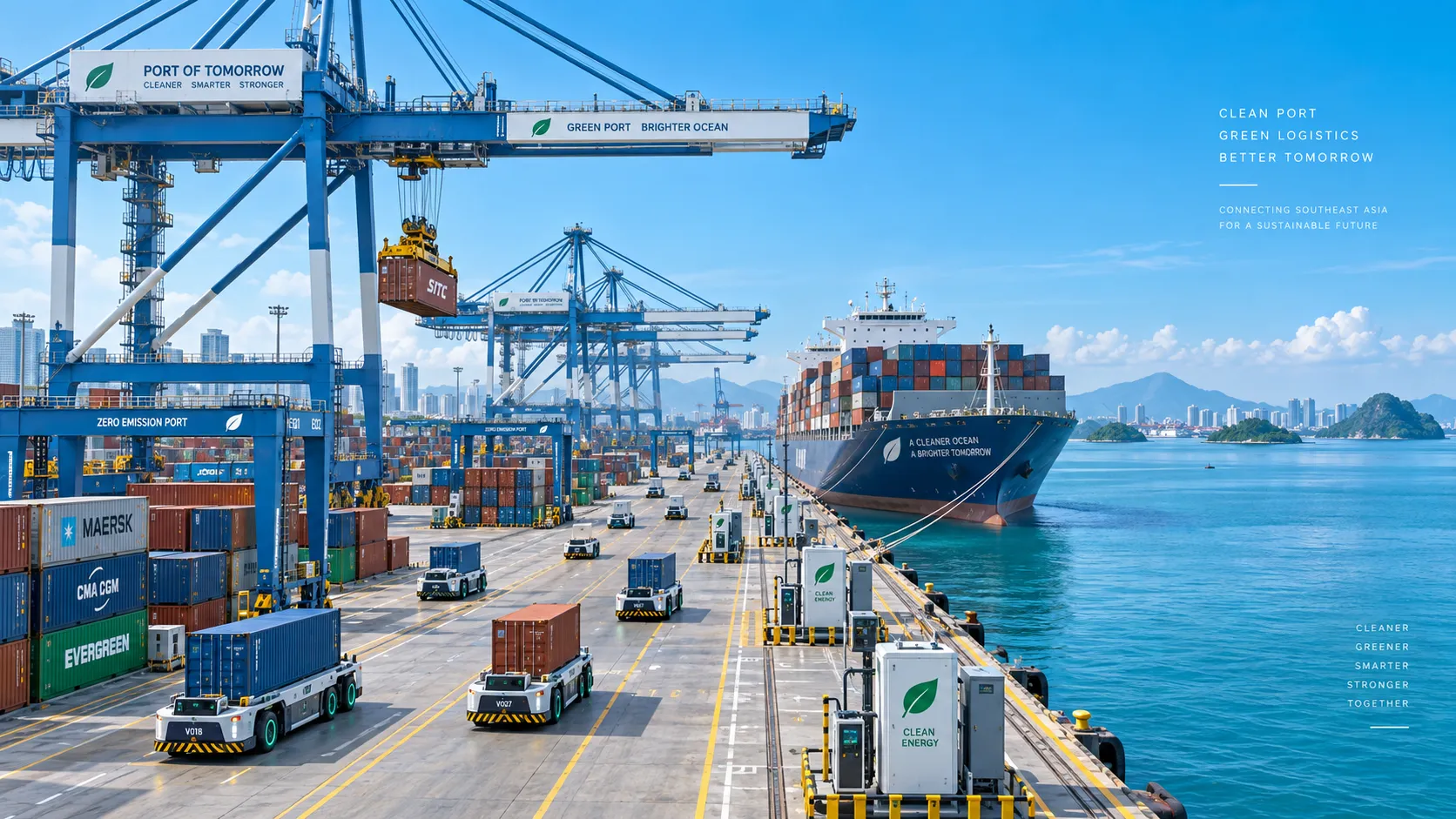
Smart Port Systems in Southeast Asia: Investment Priorities and Adoption Barriers
Smart port systems Southeast Asia: discover investment priorities, adoption barriers, and practical steps to build resilient, connected, high-performing terminals.
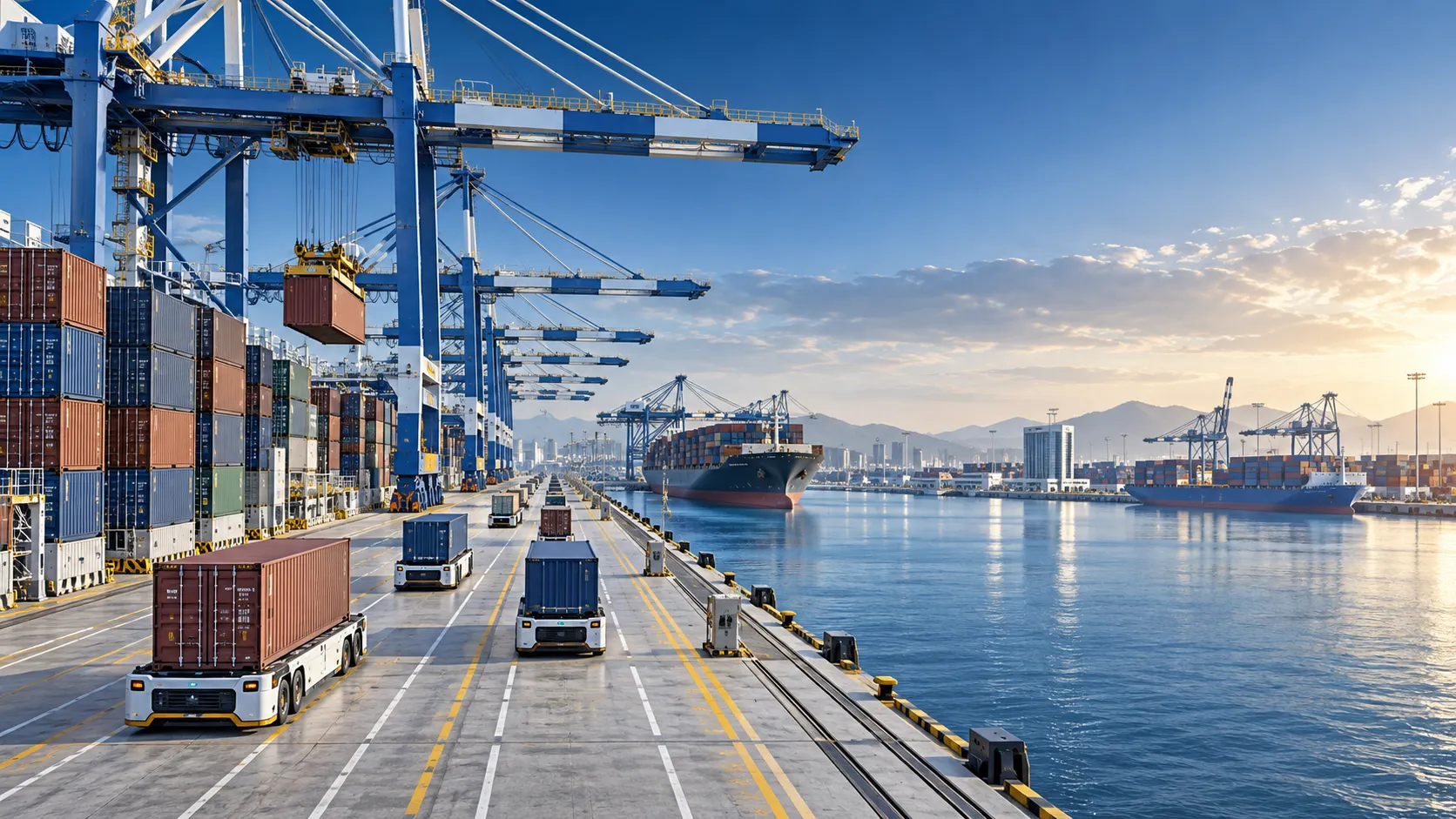
How to Evaluate Terminal Efficiency Solution Suppliers for High-Throughput Operations
Choose a terminal efficiency solutions supplier with confidence. Explore proven criteria for throughput, integration, lifecycle cost, safety, and reliable delivery.
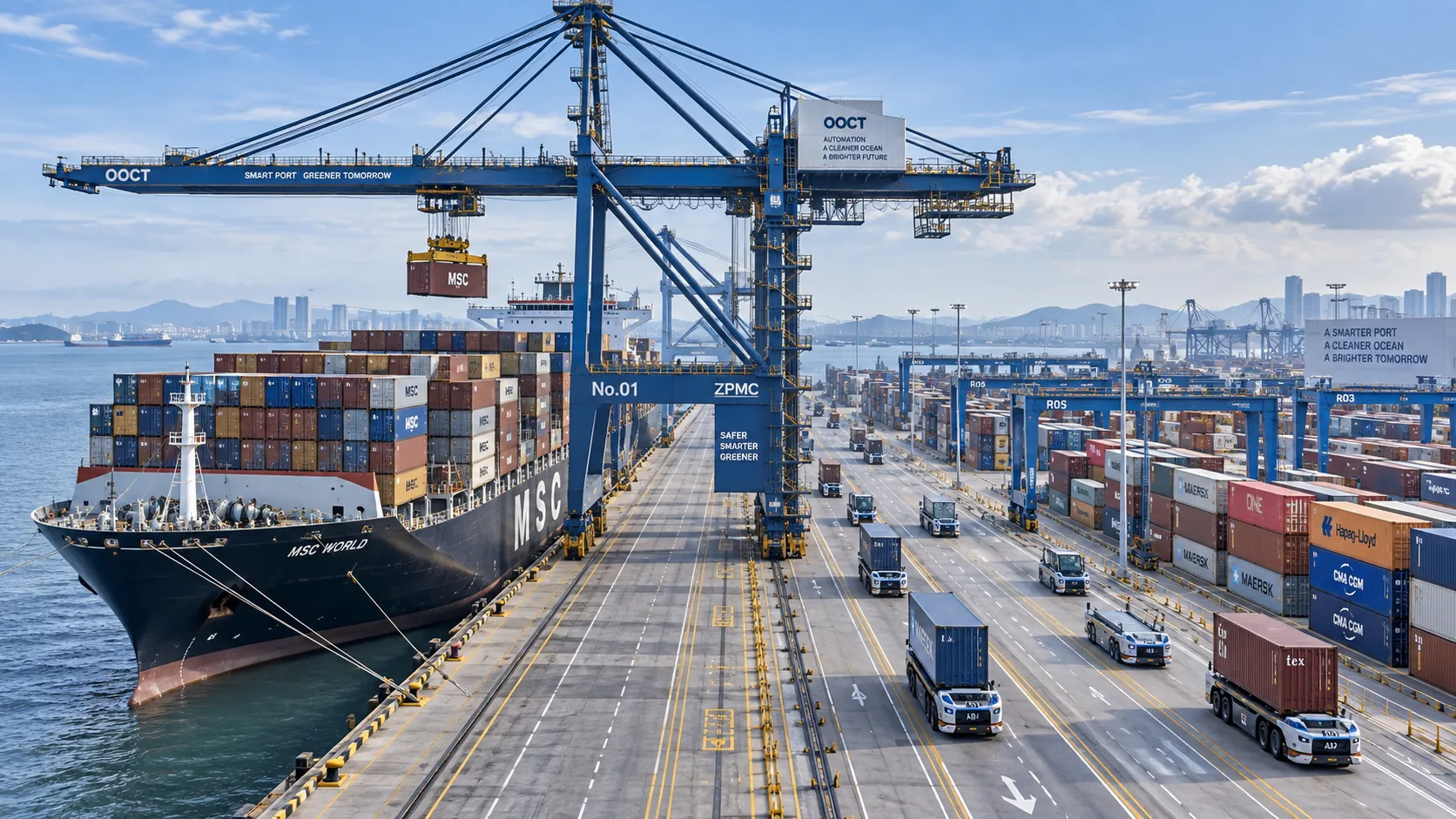
How to Specify a Quay Crane for Container Terminals by Vessel Size and Throughput?
Quay crane for container terminals: learn how to match outreach, lift height, capacity, automation, and cycle performance to vessel size and throughput goals.
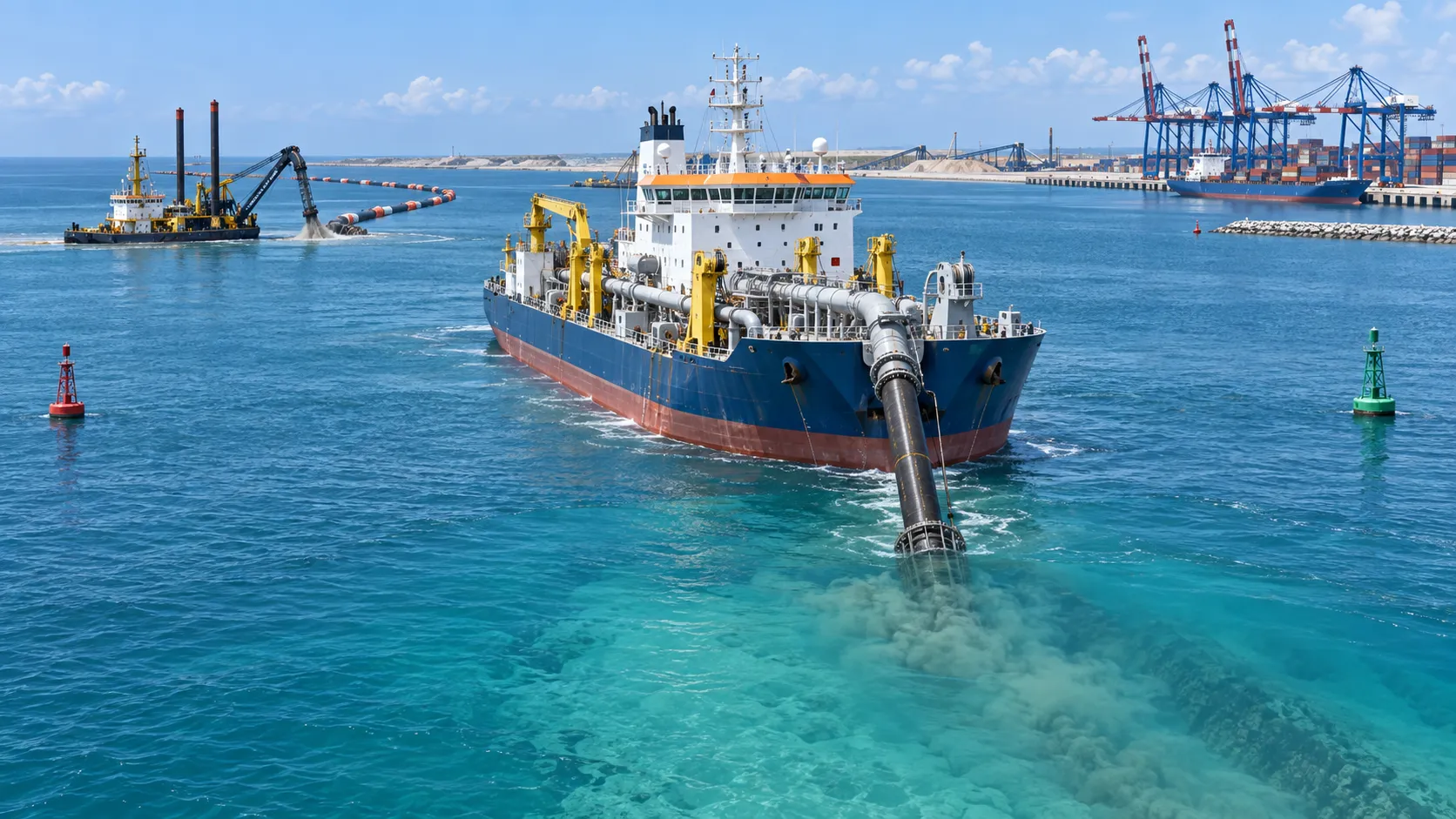
What Dredging Equipment Is Needed for Channel Deepening?
What dredging equipment is needed for channel deepening? Explore dredgers, pipelines, survey tools, and planning strategies for safer, more efficient port access.
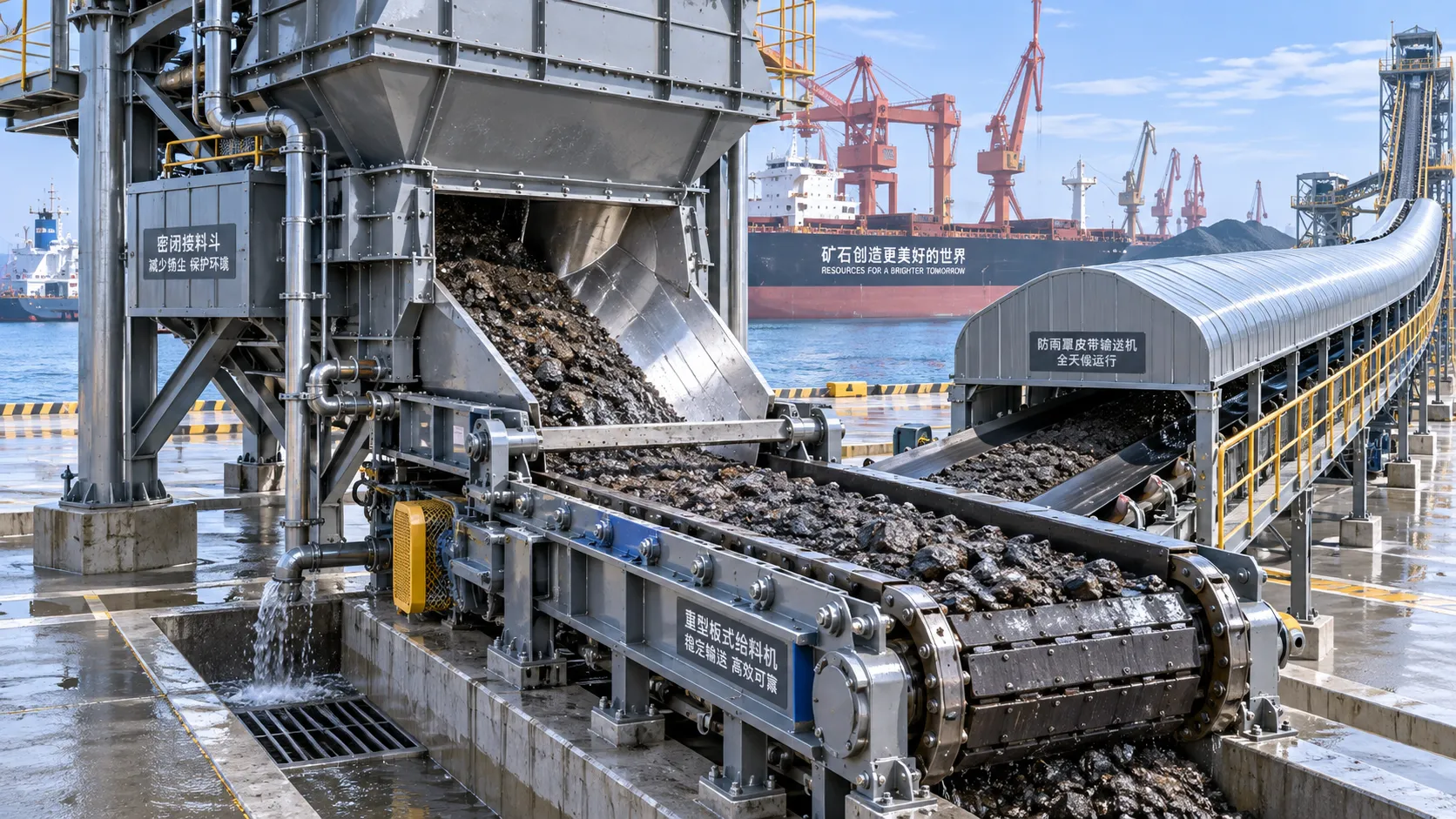
Which Bulk Handling Equipment Suits High-Moisture Cargo?
Which bulk handling equipment suits high-moisture cargo? Compare belt, apron, screw, drag, and slurry systems for reliable flow, less carryback, and higher terminal uptime.
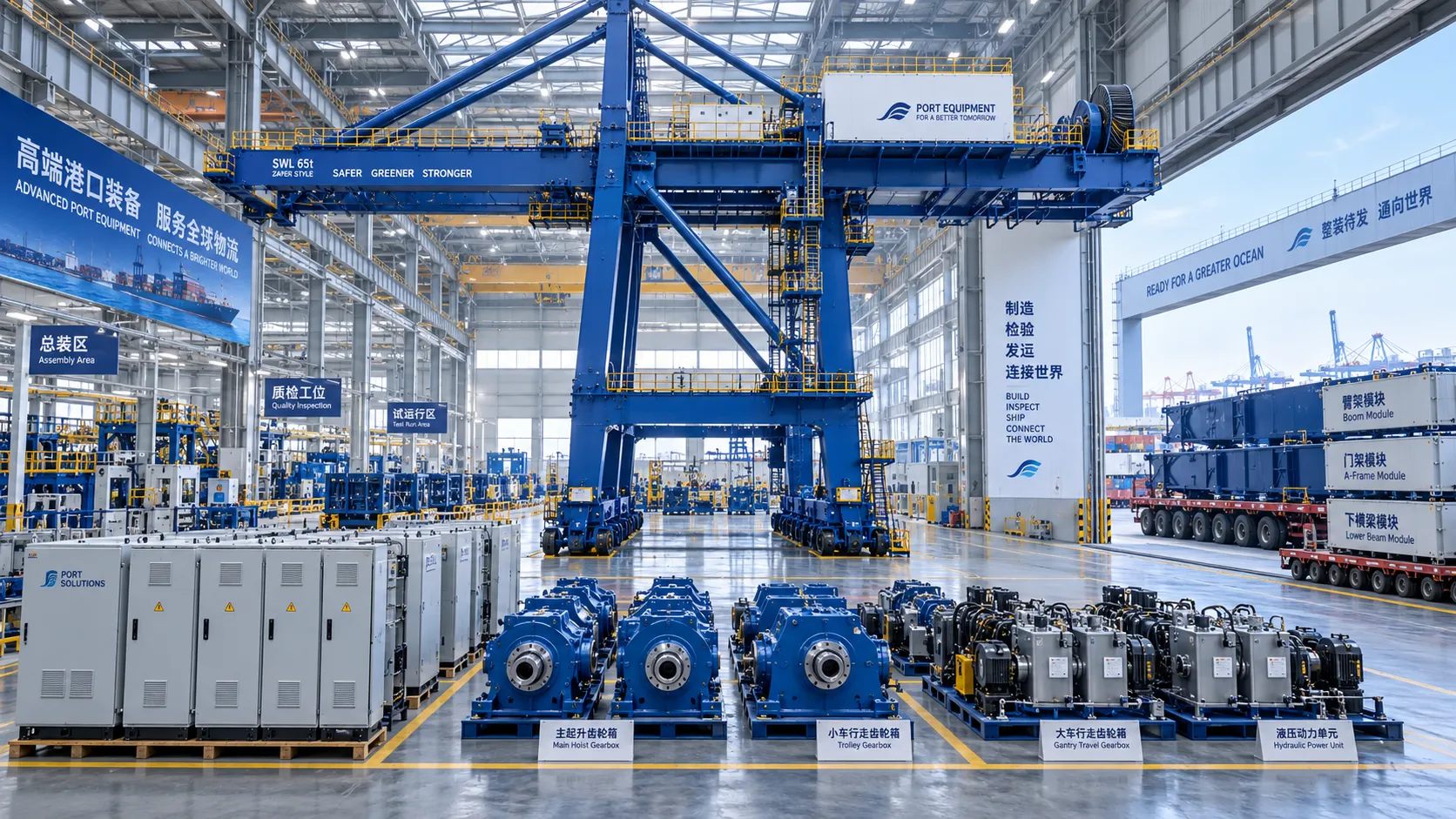
How Can Port Equipment Lead-Time Risk Be Managed?
How can port equipment lead-time risk be managed? Explore practical strategies to control critical paths, suppliers, transport, site readiness, and commissioning delays.
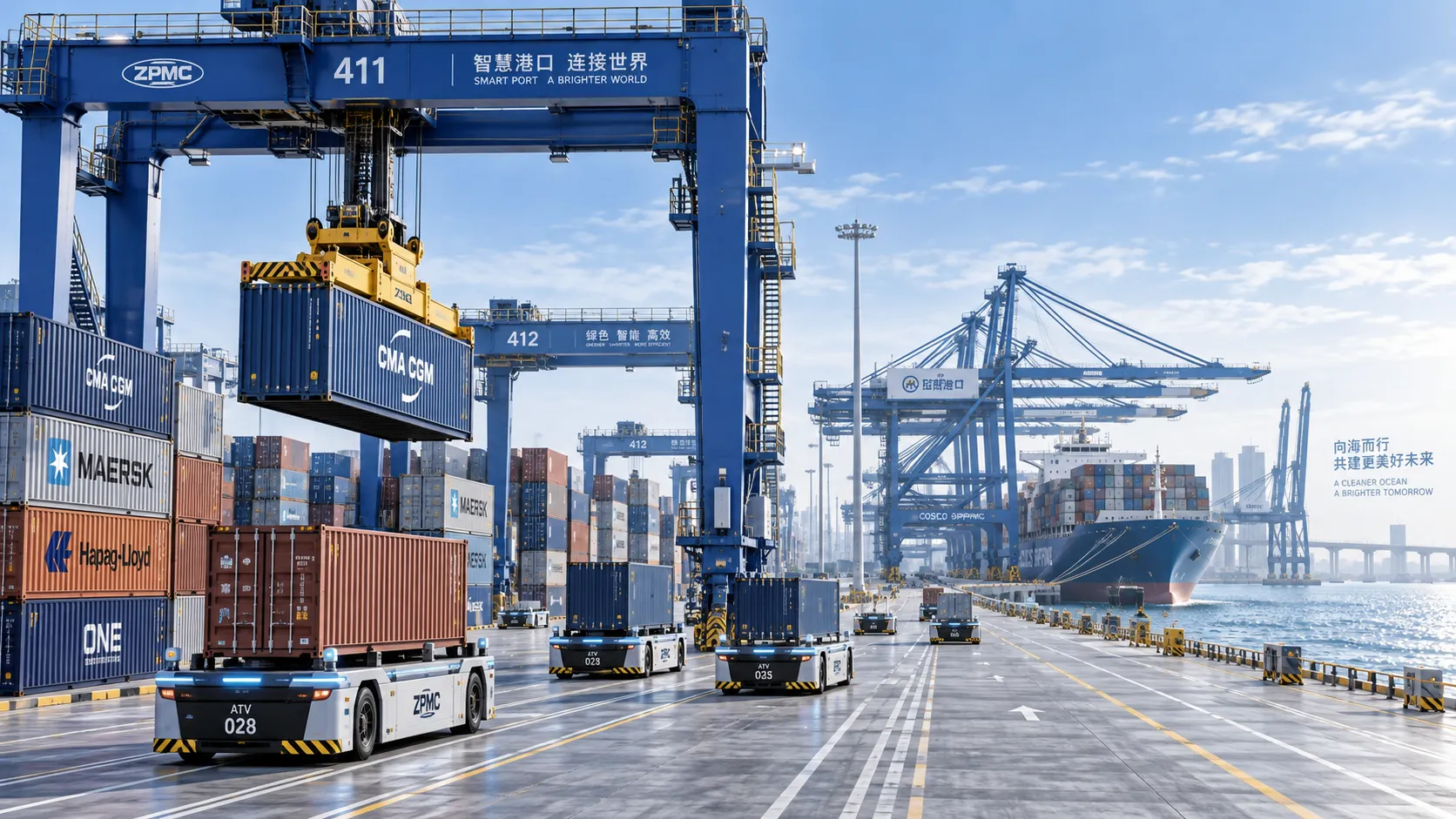
Terminal Automation Technologies That Raise Container Throughput Without Yard Disruption
Terminal automation technology that increases container throughput without disrupting yard flow. Explore smarter integration, resilient workflows, and phased deployment strategies.
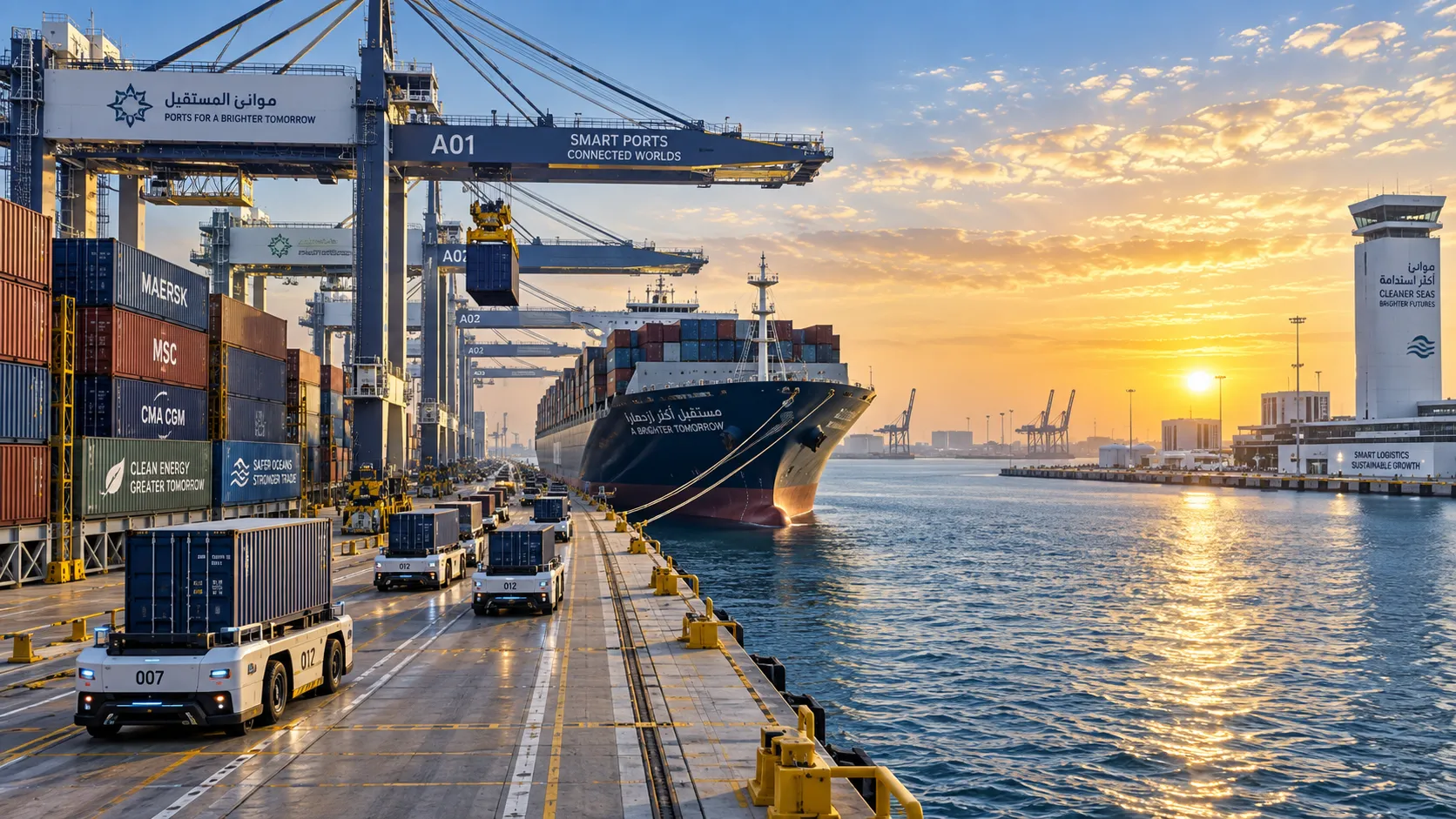
Middle East Port Automation: Key Market Drivers, Projects, and Investment Risks
Port automation systems Middle East: explore market drivers, flagship projects, integration challenges, and investment risks shaping smarter, resilient terminals.
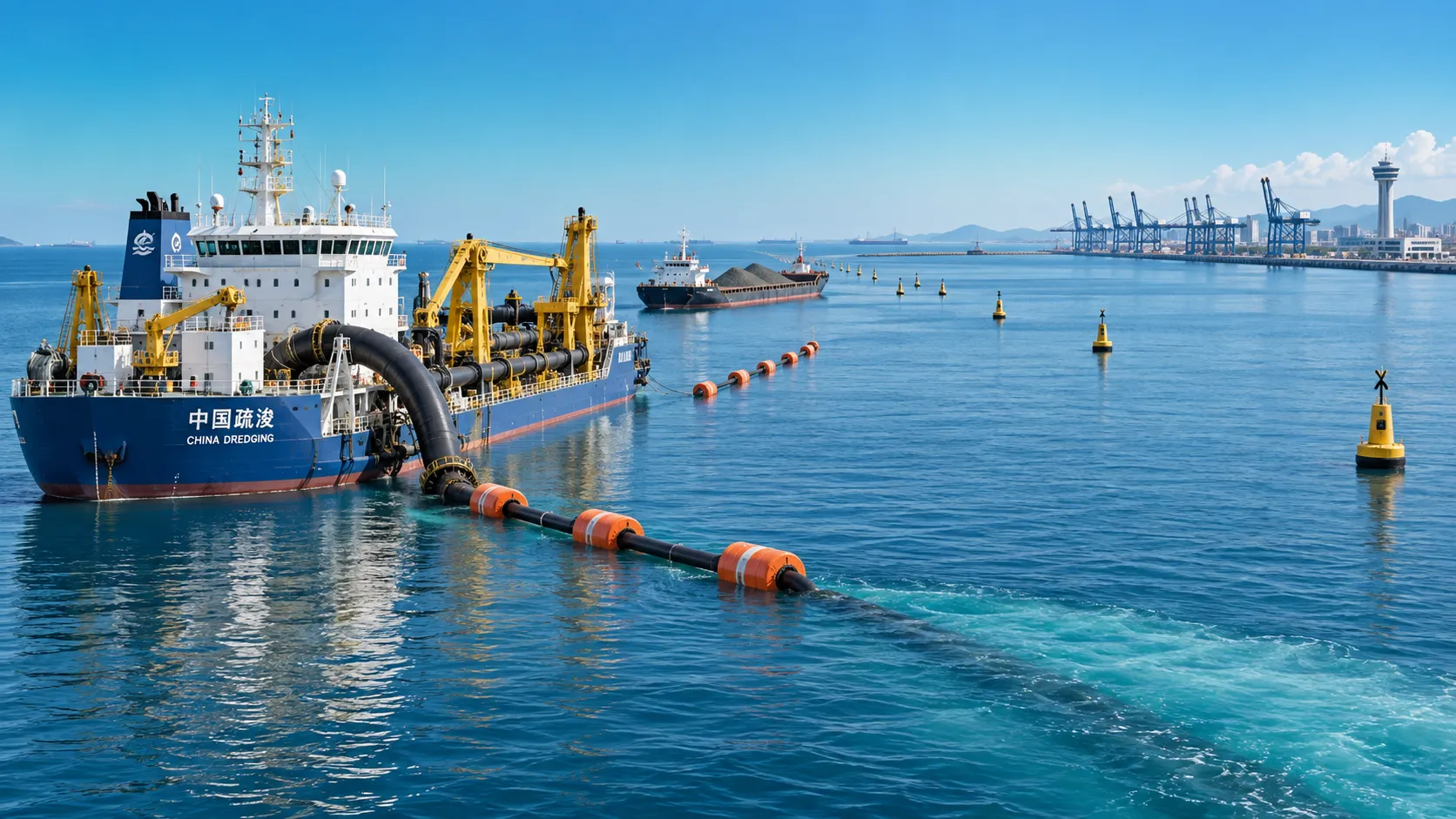
Planning Offshore Dredging Operations: Key Risks, Methods, and Project Controls
Offshore dredging operations demand smart planning. Explore key risks, proven methods, environmental controls, and project strategies for reliable delivery.