Related News
- 00
0000-00
How Can Port Equipment Lead-Time Risk Be Managed? - 00
0000-00
Maritime Logistics Operations: How Ports Can Reduce Container Dwell Time - 00
0000-00
What Does Logistics Node Monitoring Cost Across Warehouses and Transport Hubs? - 00
0000-00
How Can IoT Smart Port Solutions Improve Container Tracking and Yard Efficiency? - 00
0000-00
How Real-Time Port Logistics Intelligence Improves Container Yard Efficiency
How Maritime Infrastructure Upgrades Reduce Berth Delays and Improve Vessel Turnaround
Why maritime infrastructure decisions change from one port setting to another
Berth delays rarely come from one visible failure.
More often, they reflect how maritime infrastructure performs under different cargo flows, tidal limits, yard pressure, and equipment coordination rules.
That is why vessel turnaround improves only when upgrades match the operating pattern, not just the engineering specification.
In one terminal, the real constraint is draft and dredging depth.
In another, quay cranes lose time because transfer lanes, AGV routing, and gate sequencing are out of sync.
The practical value of maritime infrastructure lies in removing the delay point that controls the whole chain.
This is also where PS-Nexus brings useful context.
Its coverage of terminal gear, automation logic, and dredging engineering reflects how physical assets and digital control now shape berth productivity together.
For ports handling volatile schedules, that combined view is more useful than treating civil works, machines, and software as separate topics.
When quay capacity looks adequate but berth delays still persist
A common operating scene is a berth with enough crane count on paper, yet poor vessel turnaround in daily execution.
In actual use, the bottleneck often sits behind the quay line.
If transfer vehicles queue, stack blocks are poorly assigned, or crane moves wait for confirmation, maritime infrastructure must be read as a system issue.
Here, the upgrade priority usually shifts from adding hardware to improving flow continuity.
That may mean reconfiguring apron lanes, redesigning handoff zones, or linking quay operations with real-time yard control.
Automated container handling becomes especially relevant when vessel calls are dense and labor variability affects timing.
The useful judgment is not whether automation sounds advanced.
It is whether control latency, path planning, and exception handling are already limiting quay productivity.
In these cases, maritime infrastructure upgrades work best when paired with scheduling logic that reduces idle handoffs between cranes, vehicles, and yard blocks.
What usually deserves closer checking in this setting
- Whether berth occupancy is high because of crane intensity or because trucks and AGVs cannot clear boxes fast enough.
- Whether control systems can reschedule around disruptions without creating secondary congestion.
- Whether quay layout supports larger exchanges per call, not just average daily throughput.
- Whether power, data links, and maintenance access can support automation reliably.
Where dredging and waterside geometry decide vessel turnaround
Another frequent scene is less visible from the terminal dashboard.
The berth window slips because approach channels, turning basins, or alongside depth no longer fit vessel size, under-keel clearance, or sediment behavior.
In this setting, maritime infrastructure is not mainly about loading speed.
It is about safe and predictable access.
Dredging upgrades are often treated as periodic maintenance.
But in silt-heavy or trade-expanding ports, they function as a direct schedule reliability tool.
If drafts are restricted, vessels arrive partially loaded, wait for tides, or berth in suboptimal sequences.
That reduces berth productivity before a single container is touched.
A stronger approach is to connect hydrographic data, dredging equipment performance, and berth planning assumptions.
PS-Nexus follows this intersection closely because dredging engineering affects not only channel depth, but also the economic logic of terminal expansion.
Where channel resilience is weak, spending only on topside gear can leave the main delay source untouched.
Different cargo environments do not ask for the same maritime infrastructure
Ports often compare themselves against larger hubs, yet cargo mix changes the correct upgrade path.
Container terminals usually focus on move density, yard synchronization, and automation response time.
Bulk facilities care more about continuous flow, dust controls, conveyor reliability, and vessel loading sequence stability.
The table below makes that difference easier to judge.
The key point is simple.
Maritime infrastructure should be matched to how delay is created in each cargo environment, not to a generic modernization checklist.
Why digital control matters more once physical upgrades are in place
Many ports improve quay strength, deepen channels, or add new handling equipment, then expect berth delays to fade automatically.
That expectation often fails.
As asset density rises, coordination becomes the next source of lost time.
This is where maritime infrastructure overlaps with low-latency communications, remote crane control, and exception-based scheduling.
In practical terms, a terminal may own capable machines but still suffer poor vessel turnaround because jobs are reassigned too slowly.
Or because maintenance alerts reach operators after the berth sequence has already been disrupted.
PS-Nexus highlights this layer well through its focus on algorithmic scheduling and control systems.
That matters because the most effective maritime infrastructure today often combines concrete, steel, software, and operational intelligence in one investment logic.
A practical way to judge digital readiness
- Check whether live berth plans can absorb late arrivals without manual workarounds.
- Review how fast equipment faults trigger rerouting or task reassignment.
- Confirm whether data from cranes, AGVs, pumps, and yard systems share one decision layer.
- Measure whether automation raises throughput during peaks, not only in stable test conditions.
Misjudgments that weaken maritime infrastructure returns
A frequent misjudgment is treating similar ports as if they have the same operational constraints.
Two terminals may handle comparable annual volume, yet one struggles with channel access while the other struggles with stack rehandling.
The same upgrade will not solve both.
Another weak assumption is focusing on equipment nameplate capacity while ignoring implementation conditions.
Power stability, maintenance windows, operator transition, and software compatibility can determine whether maritime infrastructure delivers real berth gains.
Cost analysis also goes wrong when only procurement value is compared.
A lower-cost solution may create longer shutdowns, slower integration, or higher dredging recurrence later.
In long-cycle port projects, those hidden factors often decide actual vessel turnaround performance.
How to choose upgrades that fit the operating scene
A useful starting point is mapping delay by sequence, not by department.
Track the vessel from channel entry to departure and identify where waiting time accumulates repeatedly.
That usually reveals whether maritime infrastructure should focus first on waterside access, quay transfer, yard movement, or control integration.
The next step is to compare upgrade options against operating variability.
Sites with stable call patterns may benefit from targeted mechanical improvements.
Sites facing seasonal surges or vessel mix shifts usually need more adaptable scheduling and data visibility.
- Define the exact delay point before selecting any maritime infrastructure package.
- Test compatibility between civil works, handling gear, and control software.
- Include maintenance burden, dredging recurrence, and integration downtime in the business case.
- Use scenario-based planning for peak calls, weather disruption, and asset failure.
Where expansion, automation, and coastal access intersect, that disciplined approach produces more reliable vessel turnaround than chasing isolated upgrades.
A sensible next move is to build a short comparison matrix around operating conditions, physical constraints, control readiness, lifecycle cost, and implementation risk.
That makes maritime infrastructure decisions more measurable, and far more likely to reduce berth delays in practice.
Related News
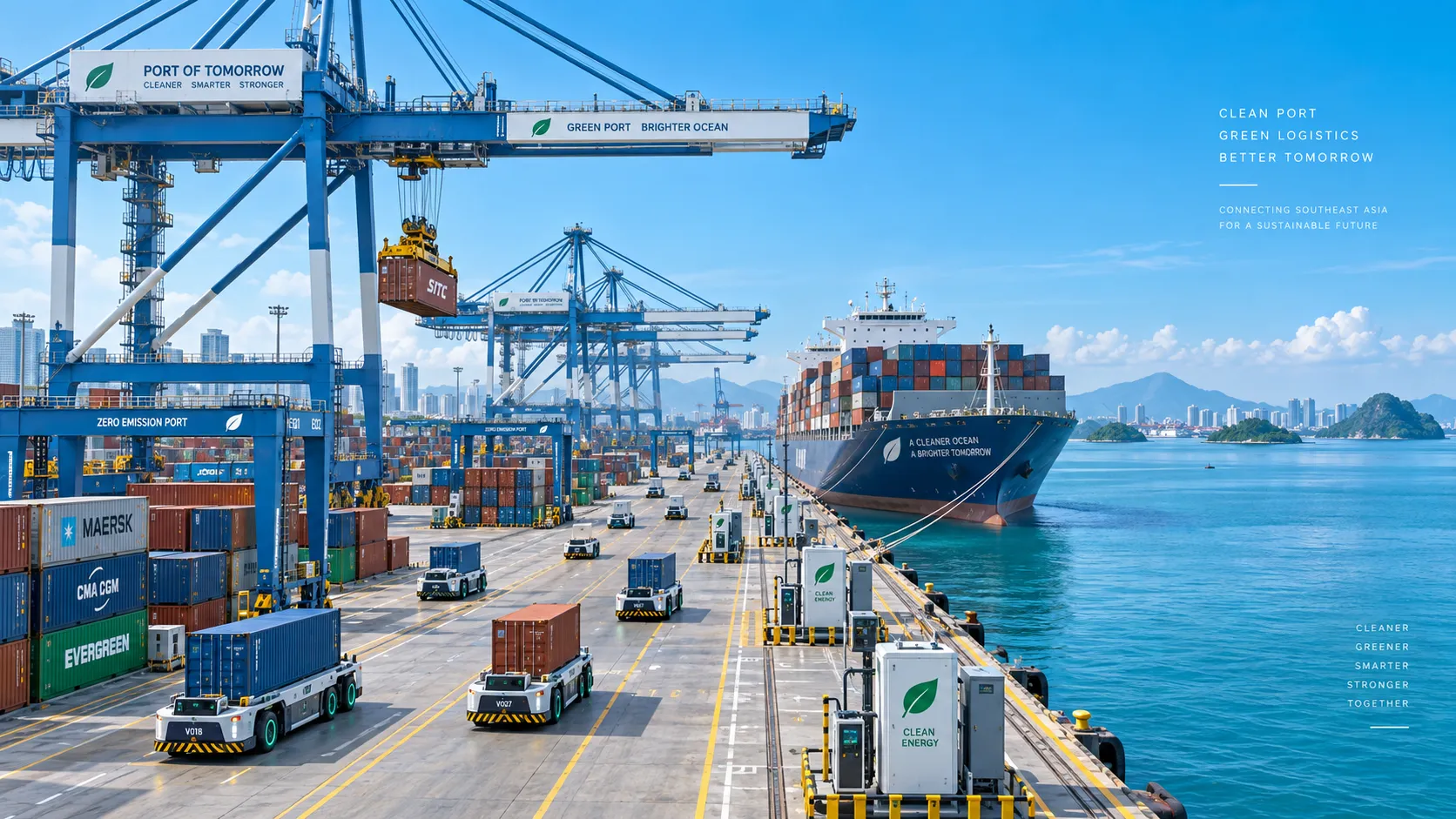
Smart Port Systems in Southeast Asia: Investment Priorities and Adoption Barriers
Smart port systems Southeast Asia: discover investment priorities, adoption barriers, and practical steps to build resilient, connected, high-performing terminals.
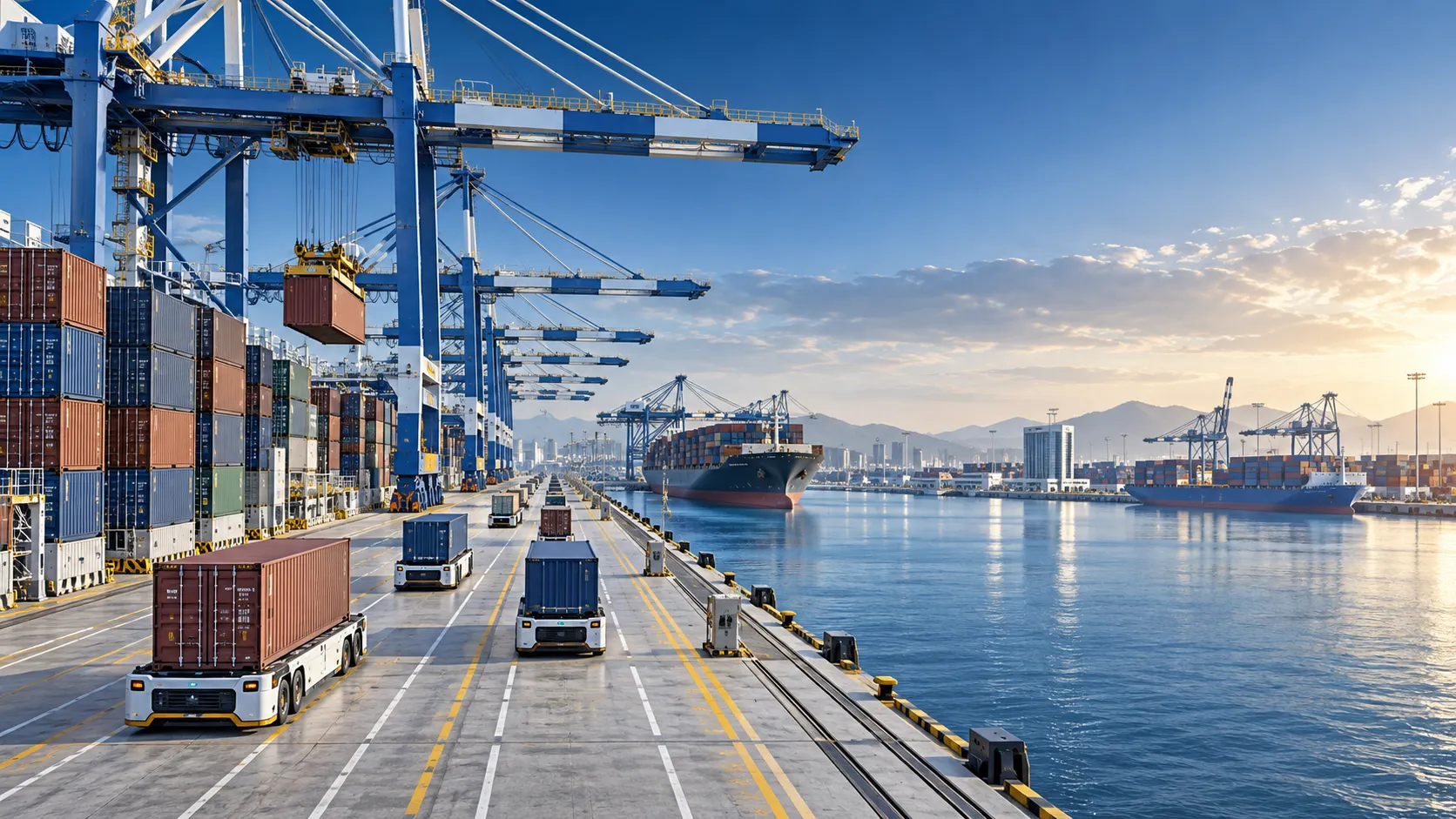
How to Evaluate Terminal Efficiency Solution Suppliers for High-Throughput Operations
Choose a terminal efficiency solutions supplier with confidence. Explore proven criteria for throughput, integration, lifecycle cost, safety, and reliable delivery.
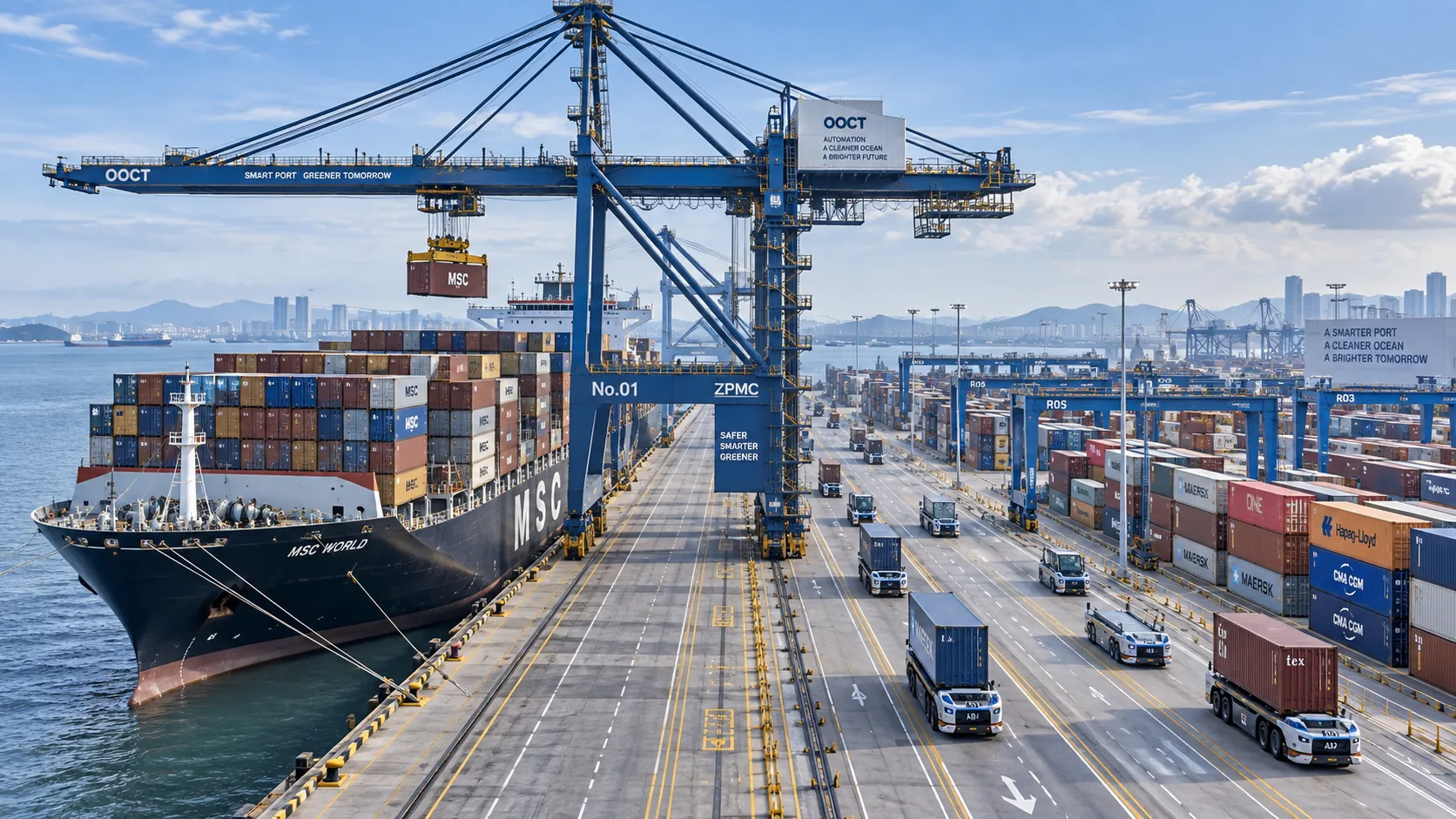
How to Specify a Quay Crane for Container Terminals by Vessel Size and Throughput?
Quay crane for container terminals: learn how to match outreach, lift height, capacity, automation, and cycle performance to vessel size and throughput goals.
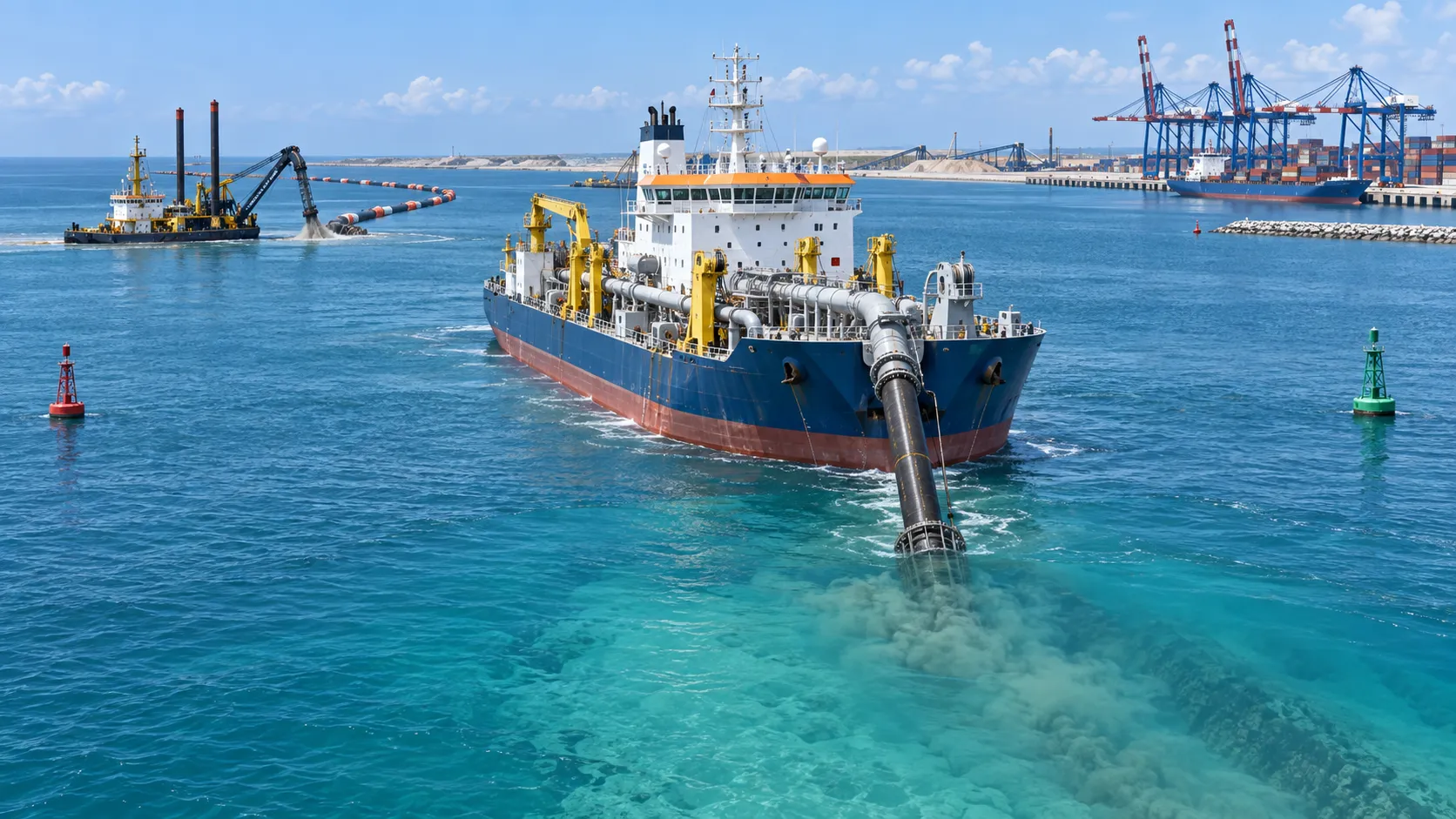
What Dredging Equipment Is Needed for Channel Deepening?
What dredging equipment is needed for channel deepening? Explore dredgers, pipelines, survey tools, and planning strategies for safer, more efficient port access.
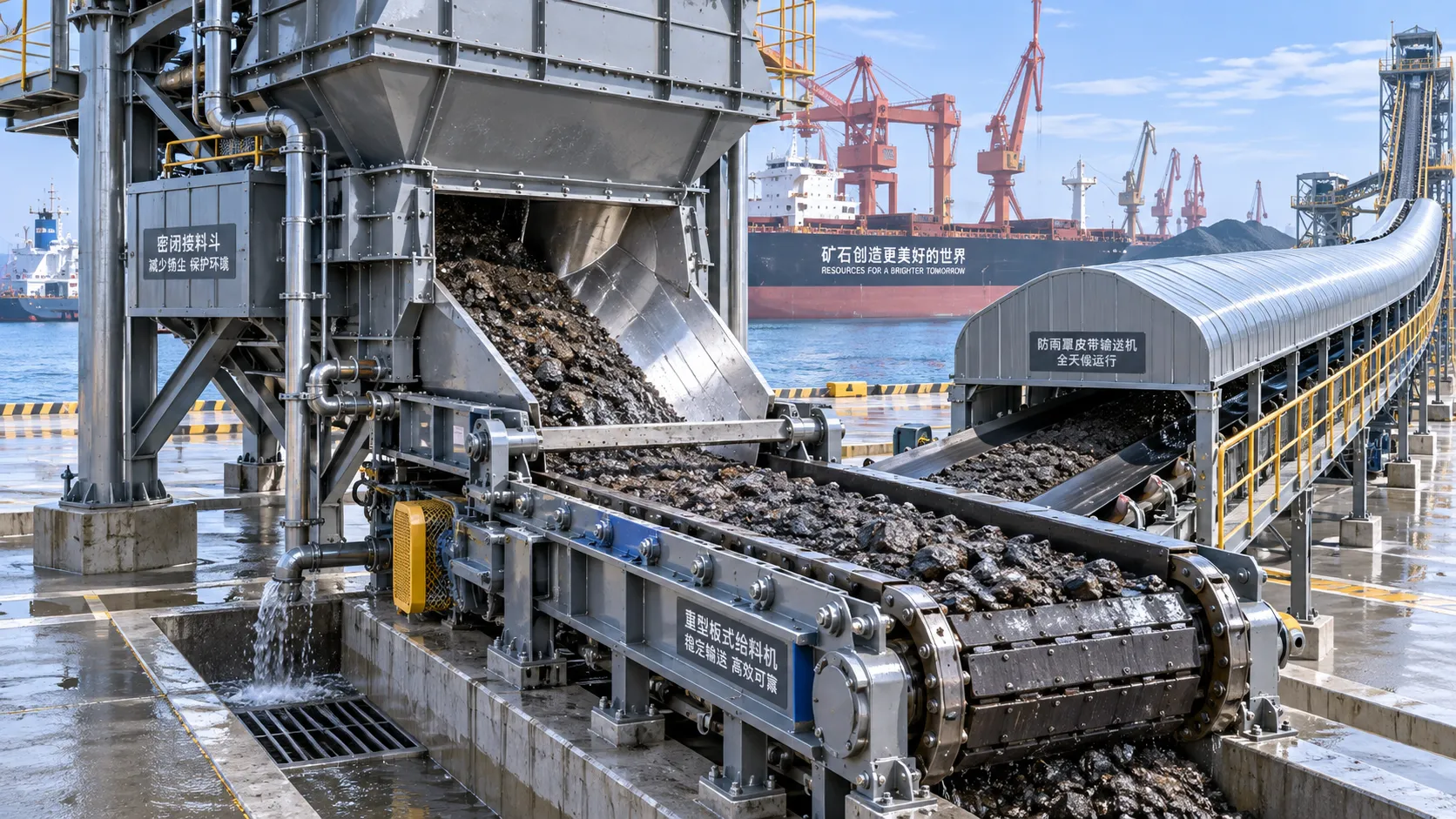
Which Bulk Handling Equipment Suits High-Moisture Cargo?
Which bulk handling equipment suits high-moisture cargo? Compare belt, apron, screw, drag, and slurry systems for reliable flow, less carryback, and higher terminal uptime.
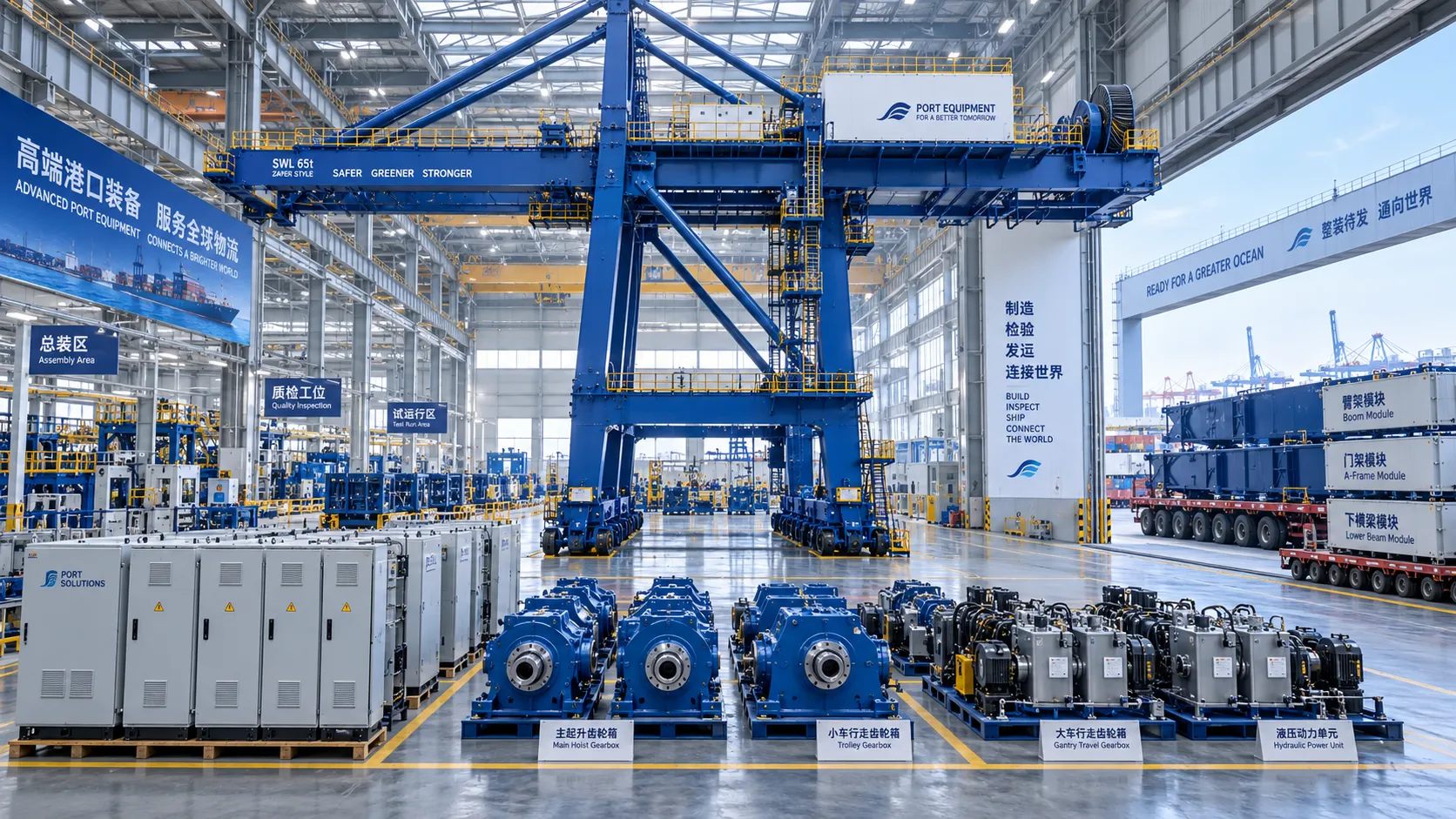
How Can Port Equipment Lead-Time Risk Be Managed?
How can port equipment lead-time risk be managed? Explore practical strategies to control critical paths, suppliers, transport, site readiness, and commissioning delays.
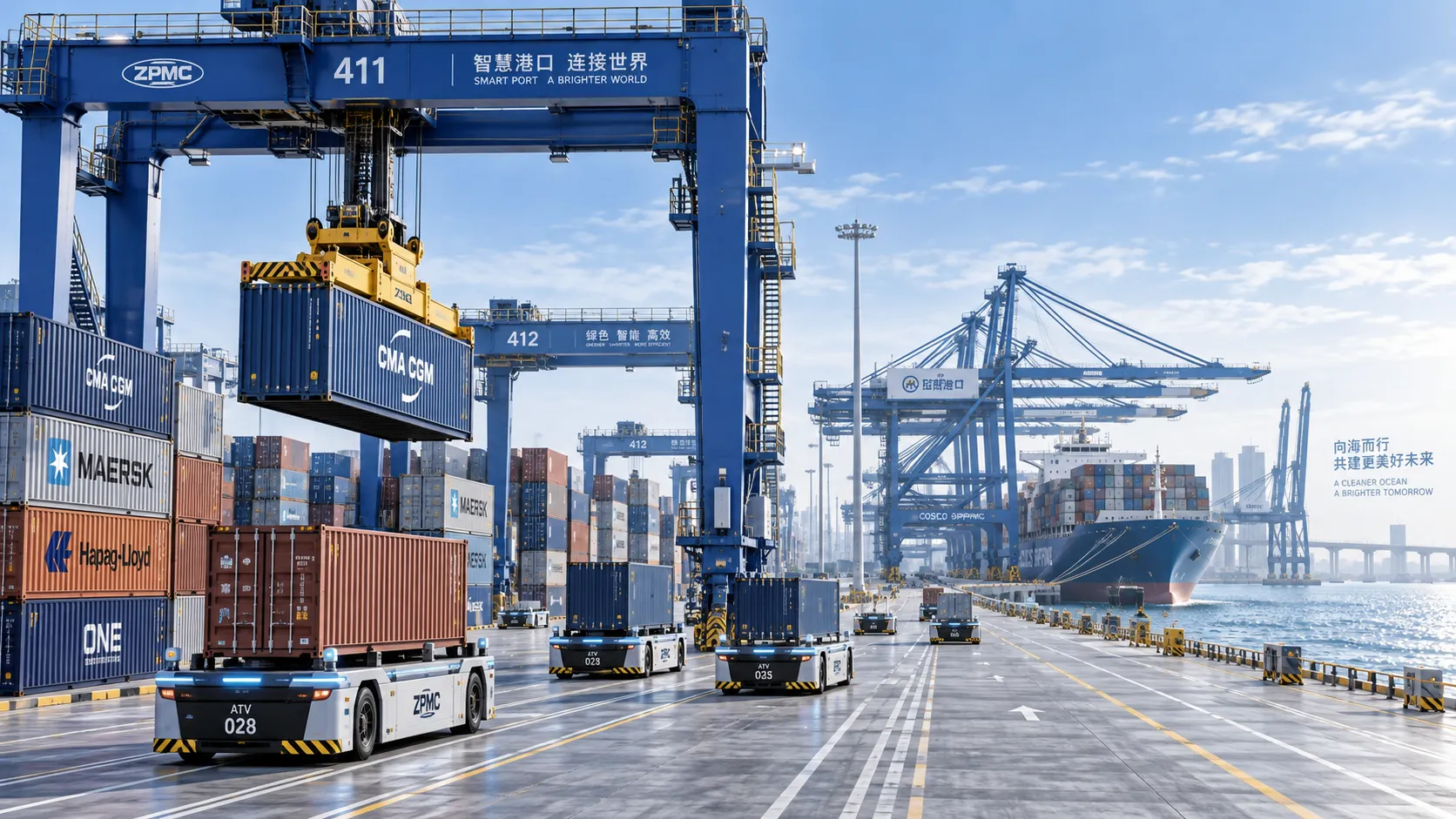
Terminal Automation Technologies That Raise Container Throughput Without Yard Disruption
Terminal automation technology that increases container throughput without disrupting yard flow. Explore smarter integration, resilient workflows, and phased deployment strategies.
Middle East Port Automation: Key Market Drivers, Projects, and Investment Risks
Port automation systems Middle East: explore market drivers, flagship projects, integration challenges, and investment risks shaping smarter, resilient terminals.
Planning Offshore Dredging Operations: Key Risks, Methods, and Project Controls
Offshore dredging operations demand smart planning. Explore key risks, proven methods, environmental controls, and project strategies for reliable delivery.