Related News
- 00
0000-00
How Can Port Equipment Lead-Time Risk Be Managed? - 00
0000-00
Maritime Logistics Operations: How Ports Can Reduce Container Dwell Time - 00
0000-00
What Does Logistics Node Monitoring Cost Across Warehouses and Transport Hubs? - 00
0000-00
How Can IoT Smart Port Solutions Improve Container Tracking and Yard Efficiency? - 00
0000-00
How Real-Time Port Logistics Intelligence Improves Container Yard Efficiency
How Logistics Node Dynamics Affect Port Throughput and Supply Chain Planning
Port performance is no longer shaped only by berth length or crane count. In practice, logistics node dynamics determine how smoothly containers, bulk cargo, vehicles, data, and decisions move through the port system.
A delay at one transfer point can reduce quay productivity, disturb yard balance, and ripple into inland scheduling. That is why logistics node dynamics now sit at the center of throughput planning and supply chain resilience.
For port-facing infrastructure and operations, the topic connects mechanical capacity with control logic. It also links marine engineering, automation systems, and commercial planning in ways that are increasingly visible across global trade corridors.
Understanding node behavior inside the port network
A logistics node can be a berth, crane handoff point, yard block, gate lane, rail interface, customs checkpoint, fuel station, maintenance area, or dredged access channel.
What matters is not the asset alone. The real issue is how that point receives, processes, transfers, and releases flow under changing demand and equipment conditions.
Logistics node dynamics describe the changing behavior of these points over time. They include queue formation, cycle-time variation, handoff reliability, capacity fluctuations, and the interaction between physical and digital control layers.
In a conventional terminal, node instability may come from crane interference, truck waiting, or poor yard sequencing. In an automated terminal, the same issue may come from AGV routing conflicts, sensor latency, or scheduling rules that misread demand peaks.
Why the industry pays closer attention now
Trade patterns have become less predictable. Vessel bunching, alliance restructuring, weather disruption, labor risk, and energy transition projects all place new pressure on terminal coordination.
At the same time, ports are investing in larger terminal gear, denser yards, remote-controlled cranes, and automated control systems. Bigger assets create more potential throughput, but they also amplify the cost of poor node synchronization.
This is where an intelligence perspective becomes valuable. PS-Nexus follows heavy terminal gear, automated container handling, dredging engineering, and scheduling logic because port performance emerges from all of them together, not from one equipment category alone.
A dredged channel, for example, affects vessel access windows. Those windows affect berth plans. Berth plans affect crane assignments. Crane assignments then reshape yard traffic and truck release timing. Logistics node dynamics connect the whole chain.
How logistics node dynamics shape throughput
Port throughput depends on the slowest or most unstable point in a sequence, not only on installed capacity. A terminal can own advanced cranes and still underperform if transfer nodes remain inconsistent.
Several mechanisms explain this effect:
- Berth-side disruption reduces crane intensity and lengthens vessel stay.
- Yard congestion increases rehandles and blocks equipment circulation.
- Gate and rail imbalance shifts congestion inland and creates pickup uncertainty.
- Poor control-system timing causes idle assets and conflicting dispatch commands.
- Insufficient channel or dredging support restricts draft, slot planning, and turnaround windows.
Throughput therefore should be read as a network outcome. Stable logistics node dynamics raise effective capacity because they reduce friction between operations that often look separate on paper.
The difference between nominal and effective capacity
Nominal capacity comes from design values, equipment ratings, and infrastructure dimensions. Effective capacity reflects what the port can sustain under realistic arrival patterns, maintenance cycles, and transfer delays.
That gap is where logistics node dynamics become visible. If nodes are balanced, effective capacity approaches design intent. If they are unstable, capital investment produces weaker returns than expected.
The supply chain planning impact goes beyond the terminal fence
Node behavior inside the port changes planning quality outside the port. Shipping lines, inland depots, manufacturers, energy traders, and logistics providers all depend on reliable transfer timing.
When logistics node dynamics are volatile, supply chain plans become more defensive. Inventory buffers rise, transport windows widen, and equipment positioning becomes less precise.
When node behavior is measurable and predictable, planning becomes tighter. Stakeholders can reduce dwell time, align labor more accurately, and improve service commitments without relying on excessive slack.
Where node dynamics become most visible
Some nodes carry more strategic weight because they combine mechanical dependency with scheduling sensitivity. These are the places where monitoring often produces the fastest planning gains.
Quay-to-yard handoff
This handoff determines whether crane productivity can be maintained. Even a short mismatch between discharge rhythm and yard receiving capacity creates compounding delays.
Yard block allocation
Poor block planning increases reshuffles, travel time, and equipment interference. Specialized container handling systems depend heavily on correct spatial logic at this stage.
Automation and control layers
Remote-controlled cranes, AGVs, and terminal operating systems rely on low-latency communication and decision consistency. When digital orchestration lags, physical assets lose tempo.
Marine access and dredging support
Node performance starts before cargo reaches the quay. Fairway depth, sediment management, and dredging equipment availability shape arrival reliability and future terminal expansion options.
What to examine in day-to-day planning
It helps to treat logistics node dynamics as a measurable planning discipline rather than a vague operational issue. The strongest reviews usually combine engineering data with dispatch behavior and commercial timing.
- Track node-specific cycle time variance, not only average throughput.
- Map handoff delays between equipment classes and system layers.
- Separate structural bottlenecks from temporary peaks or weather effects.
- Compare scheduled capacity with achievable capacity under real queue conditions.
- Include dredging, maintenance, and energy constraints in the same planning view.
- Test how node instability changes inland appointments, rail windows, and vessel recovery plans.
This broader view matters because many bottlenecks are not pure equipment shortages. They are coordination failures hidden inside otherwise modern infrastructure.
Why intelligence-led monitoring matters
Ports now operate as mixed systems of heavy machinery, software logic, energy use, marine engineering, and commercial commitments. That complexity makes isolated reporting less useful than stitched operational intelligence.
PS-Nexus reflects that reality by connecting observations across terminal gear, automated control, path-planning behavior, and dredging support. This kind of perspective helps explain why throughput changes even when asset counts remain constant.
It also supports longer-horizon decisions. Commercial teams need to know whether demand shifts justify automation upgrades. Infrastructure teams need to know whether channel work and yard logic support the same growth path.
A practical way to move from observation to action
A useful next step is to identify the three nodes that most often disturb vessel, yard, or inland timing. Then compare their designed role with their actual behavior during peak and disrupted conditions.
From there, review whether the issue comes from mechanical limits, software rules, layout friction, marine access, or poor sequencing between them. That distinction usually determines whether investment, redesign, or control adjustment is needed.
In other words, better throughput and stronger supply chain planning begin with a clearer reading of logistics node dynamics. Once those signals are understood, decisions on automation, equipment deployment, dredging priorities, and network commitments become far more grounded.
Related News
Smart Port Systems in Southeast Asia: Investment Priorities and Adoption Barriers
Smart port systems Southeast Asia: discover investment priorities, adoption barriers, and practical steps to build resilient, connected, high-performing terminals.
How to Evaluate Terminal Efficiency Solution Suppliers for High-Throughput Operations
Choose a terminal efficiency solutions supplier with confidence. Explore proven criteria for throughput, integration, lifecycle cost, safety, and reliable delivery.
How to Specify a Quay Crane for Container Terminals by Vessel Size and Throughput?
Quay crane for container terminals: learn how to match outreach, lift height, capacity, automation, and cycle performance to vessel size and throughput goals.
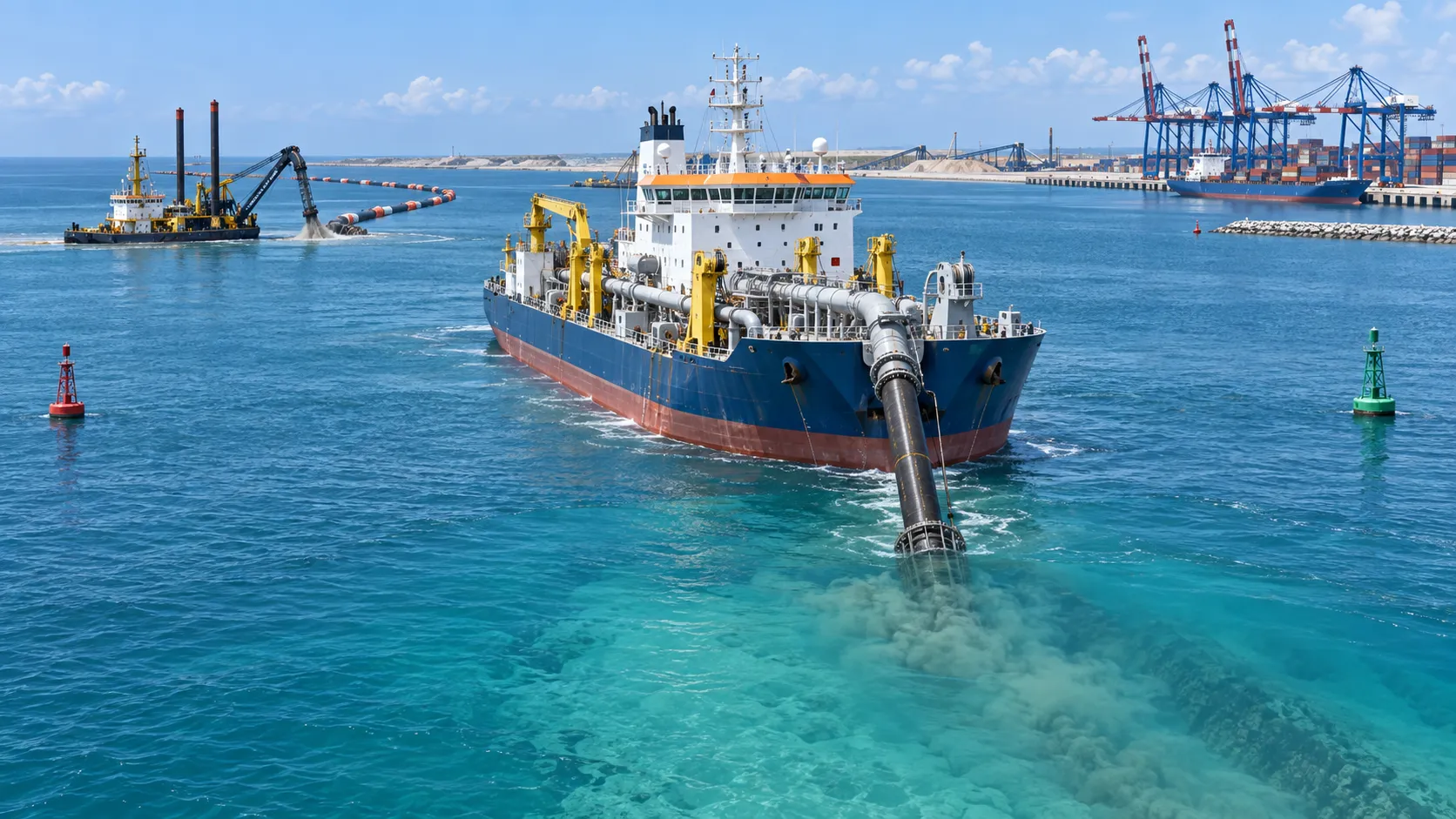
What Dredging Equipment Is Needed for Channel Deepening?
What dredging equipment is needed for channel deepening? Explore dredgers, pipelines, survey tools, and planning strategies for safer, more efficient port access.
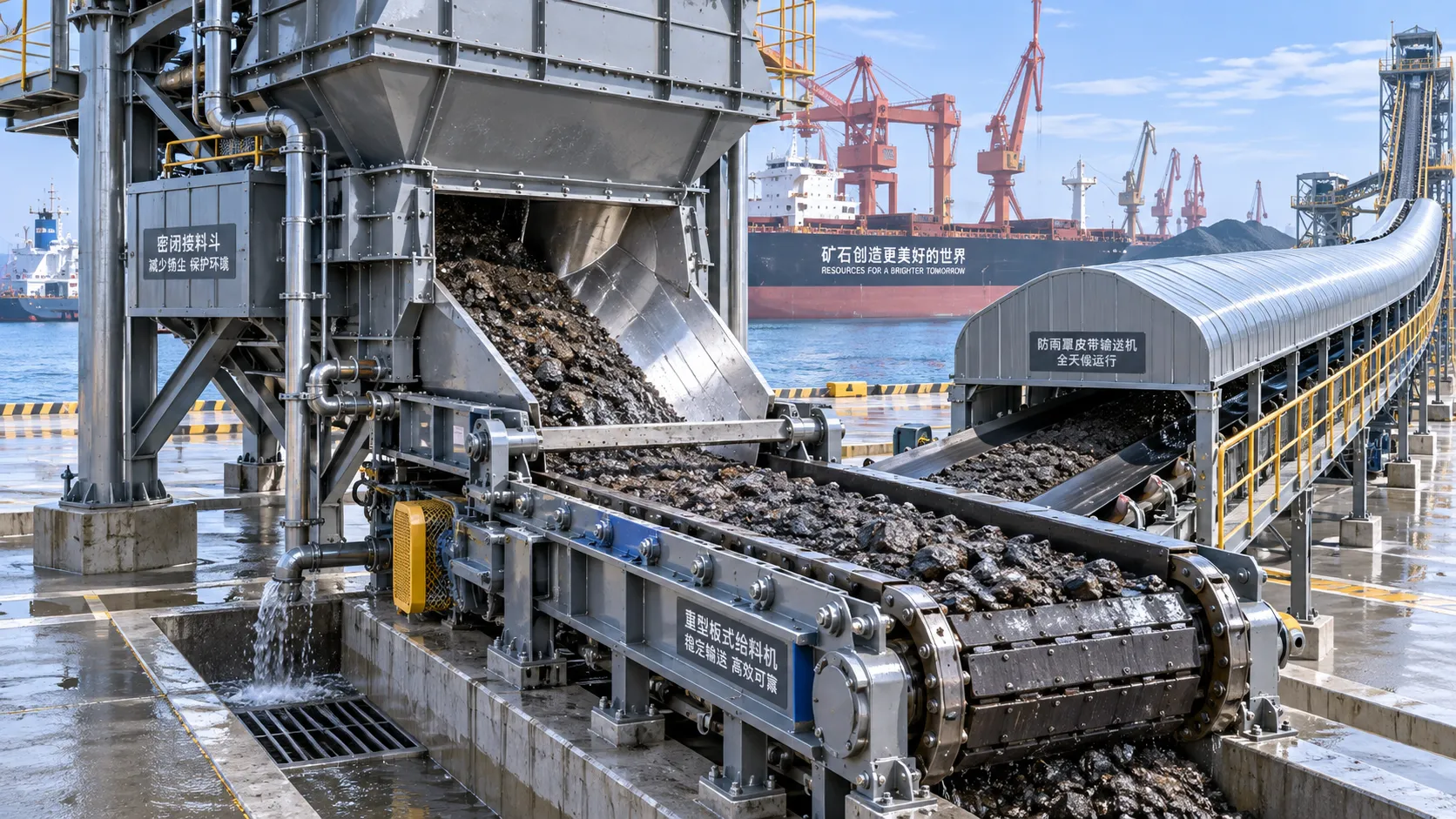
Which Bulk Handling Equipment Suits High-Moisture Cargo?
Which bulk handling equipment suits high-moisture cargo? Compare belt, apron, screw, drag, and slurry systems for reliable flow, less carryback, and higher terminal uptime.
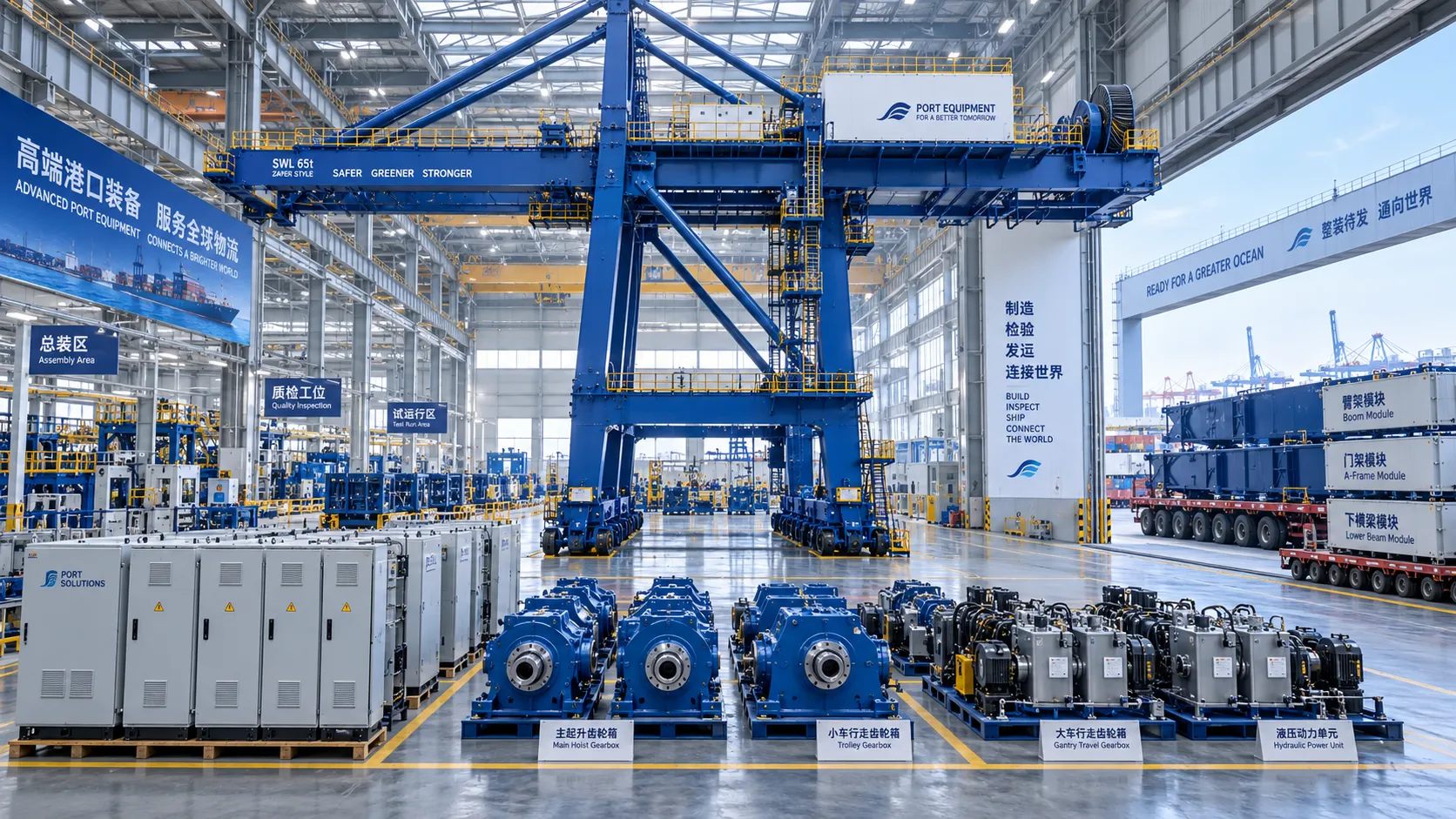
How Can Port Equipment Lead-Time Risk Be Managed?
How can port equipment lead-time risk be managed? Explore practical strategies to control critical paths, suppliers, transport, site readiness, and commissioning delays.
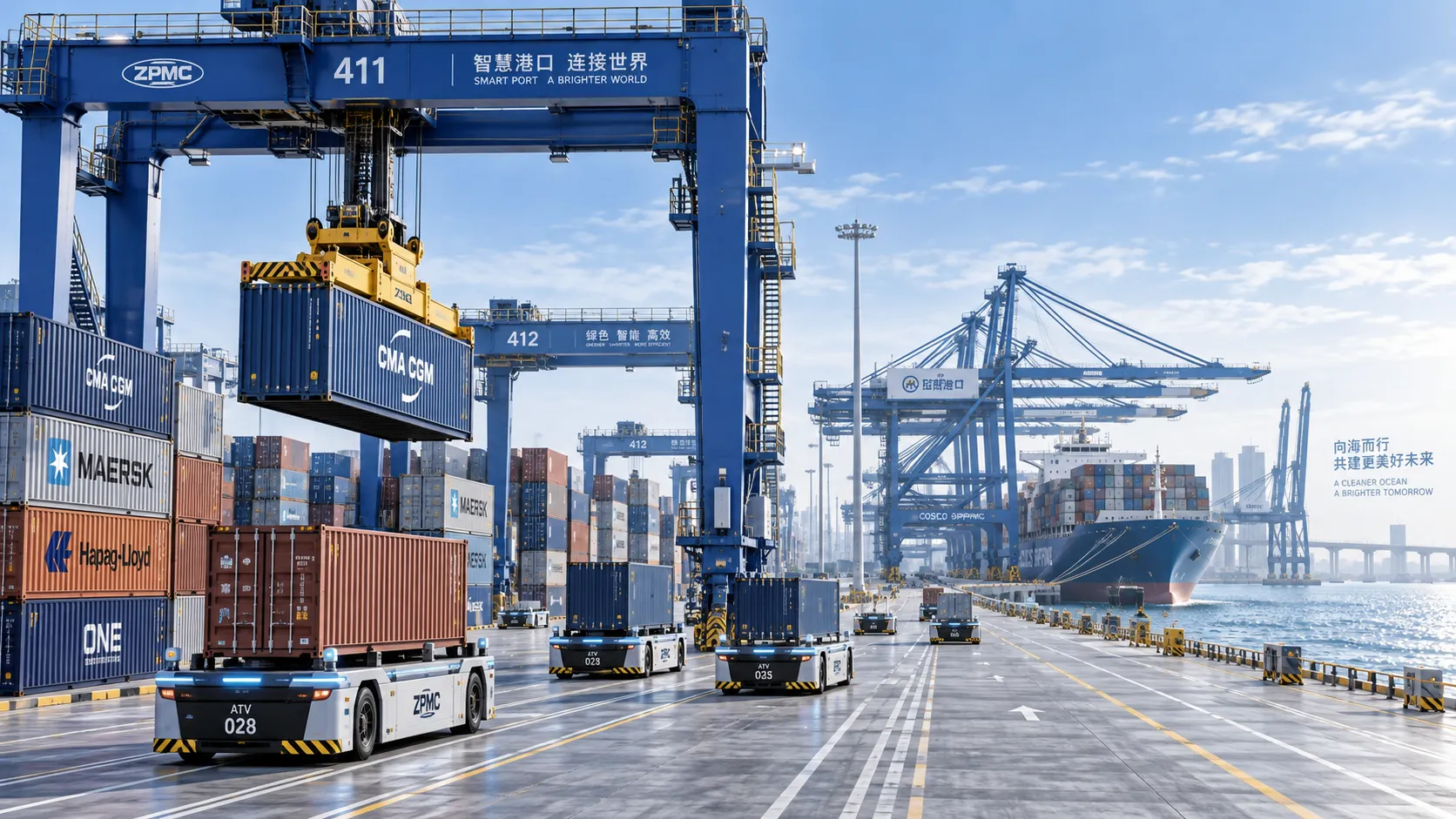
Terminal Automation Technologies That Raise Container Throughput Without Yard Disruption
Terminal automation technology that increases container throughput without disrupting yard flow. Explore smarter integration, resilient workflows, and phased deployment strategies.
Middle East Port Automation: Key Market Drivers, Projects, and Investment Risks
Port automation systems Middle East: explore market drivers, flagship projects, integration challenges, and investment risks shaping smarter, resilient terminals.
Planning Offshore Dredging Operations: Key Risks, Methods, and Project Controls
Offshore dredging operations demand smart planning. Explore key risks, proven methods, environmental controls, and project strategies for reliable delivery.