Related News
- 00
0000-00
Smart Port Systems Pricing: How to Compare Lifecycle Costs and ROI by Terminal Scale - 00
0000-00
What Drives Bulk Material Handling Pricing in Large Conveyor System Projects? - 00
0000-00
How Shipping Rate Analytics in Europe Help Importers Predict Costs and Route Risk - 00
0000-00
What Buyers Check When Reviewing Used PVC Coating Line Output and Condition - 00
0000-00
Automated Port Systems Cost Breakdown: CAPEX, Integration, and Maintenance Factors
What Drives Bulk Material Handling Pricing in Large Conveyor System Projects?
Why conveyor pricing gets complicated faster than most buyers expect
In large terminal, mining, power, cement, and port-linked industrial projects, bulk material handling pricing rarely comes down to one simple variable like belt width or conveyor length. Two systems can look similar on a layout drawing and still land in very different budget ranges once engineers start working through duty cycle, material behavior, transfer points, controls, and civil constraints.
That is where procurement teams often get into trouble. Early quotations may appear comparable, but they may not be based on the same design assumptions. One supplier may price for standard ambient conditions and moderate utilization; another may assume abrasive cargo, continuous operation, corrosion protection, and integrated automation. On paper, both are offering a conveyor system. In practice, they are pricing different risk profiles.
For buyers working in ports and coastal logistics, this issue is even sharper. Bulk terminals sit at the intersection of heavy mechanical equipment, structural exposure, vessel scheduling pressure, and long asset life expectations. That broader systems view is one reason intelligence platforms such as PS-Nexus track not only machinery categories, but also the operational logic around terminals, automation, and marine infrastructure. Pricing makes more sense when the conveyor is treated as part of the port ecosystem, not a standalone machine.
Material characteristics usually move the price more than people think
The first serious cost driver is the material itself. Procurement discussions sometimes begin with throughput and distance, but engineers usually start with bulk density, lump size, moisture, abrasiveness, angle of repose, stickiness, and dust behavior. Those characteristics affect nearly every downstream choice: belt specification, idler design, chute lining, skirting, dust suppression, drive sizing, cleaning systems, and maintenance access.
Handling dry grain is not the same as handling wet coal, iron ore fines, clinker, sulfur, fertilizer, or dredged aggregates. Sticky or cohesive material may require more robust transfer point design and better belt cleaning. Abrasive cargo can push up wear liner, pulley lagging, and chute material requirements. Dusty cargo may trigger enclosure, extraction, or environmental control costs that are easy to underestimate at concept stage.
This is one of the most common sources of misleading low bids: a supplier prices the conveyor structure but leaves the real burden sitting in transfer design and wear management.
Capacity targets are not just about tons per hour
A stated capacity number does not tell the full story. Buyers should ask whether the throughput target is peak, nominal, or guaranteed sustained rate. A conveyor sized for occasional peak loading may be priced very differently from one designed to run near nameplate capacity over long shifts with minimal interruption.
The pricing impact shows up in belt speed, motor selection, starting method, braking requirements, pulley arrangement, and structure. Higher duty often means more than bigger components. It can mean tighter tolerances, more stable loading, better spillage control, and a stronger approach to reliability engineering.
In port environments, where vessel windows and stockyard congestion can compress operating time, a system may need to recover lost time quickly. That can push buyers toward higher surge capacity, more automation, or redundancy in critical sections. Those decisions increase capital cost, but sometimes they reduce the more expensive risk: demurrage, berth disruption, or downstream process stoppage.
Route complexity changes the budget in quiet but significant ways
A long straight conveyor on favorable ground is one thing. A routed system crossing roads, rail, galleries, transfer towers, existing utilities, and uneven terrain is another. Layout complexity adds steel, foundations, supports, guarding, platforms, walkways, maintenance access, and installation difficulty.
Inclines and declines may require special attention to backstops, brakes, holdback devices, and belt tension behavior. Curved conveyors or constrained alignments can reduce transfer points in some projects, but they also introduce their own engineering and component demands. In retrofit terminals, the route is often dictated by what already exists, and that tends to make pricing less predictable than in greenfield work.
It is worth remembering that “conveyor price” often hides a large amount of non-conveyor work. Support steel and civil interfaces can become a major part of the package.
Environment and site conditions can swing costs sharply
Large conveyor systems in coastal, marine, or exposed industrial settings face conditions that directly affect pricing: salinity, wind loading, corrosion, temperature range, rainfall, seismic requirements, and local foundation conditions. A port-side installation may need upgraded coatings, stainless or protected hardware in critical areas, weather covers, sealed components, and more demanding structural design.
If the site has difficult geotechnical conditions, foundation and interface costs can rise before the conveyor itself changes much. If the area is cyclone-prone or exposed to heavy storm events, structural allowances may need to be more conservative. Buyers sometimes compare one supplier’s mechanical scope against another supplier’s broader delivered scope without noticing the mismatch.
This is also where local standards matter. Fire protection, guarding, electrical classification, dust explosion precautions, and environmental controls may differ by jurisdiction and by material. Those items should be checked against project documentation rather than assumed.
Automation is no longer a side item
In older buying models, controls were sometimes treated as a separate add-on after the mechanical line was budgeted. That approach causes problems in modern terminals. The cost of PLC architecture, condition monitoring, interlocks, variable speed drives, remote diagnostics, stockyard integration, and interface with terminal operating logic can be substantial, especially where conveyors feed automated stackers, reclaimers, shiploaders, or upstream unloading stations.
The price impact is not just hardware. It includes software philosophy, network design, cybersecurity expectations, commissioning time, and the availability of troubleshooting support. In advanced port projects, the value of controls lies in synchronization as much as motion. PS-Nexus often frames this correctly in its coverage of heavy terminal gear and logic architecture: mechanical throughput and scheduling intelligence increasingly have to be bought together.
For procurement teams, the key question is whether the quotation includes a functioning controls package for the intended operating scenario, or merely enough equipment to switch the conveyor on and off.
The commercial split between equipment, engineering, and execution matters
Many pricing misunderstandings come from scope packaging rather than technical complexity. Some proposals cover only mechanical supply. Others include detailed engineering, shop drawings, electrical systems, site supervision, erection support, commissioning, spare parts, and performance testing. A low headline number can quickly lose its appeal when all excluded items are put back into the budget.
There is no universal right contract split. Some owners prefer separate packages for civils, structural steel, conveyor supply, and automation. Others want single-point accountability. But buyers should be realistic about interface risk. Every handoff between parties can create claims, delays, and design ambiguity, especially around transfer towers, cable routing, chute geometry, and commissioning responsibility.
Lead time, sourcing, and fabrication strategy also shape the number
Bulk material handling pricing is influenced by where major components come from and how quickly they are needed. Drives, gearboxes, belting, pulleys, control hardware, and structural steel all carry supply-chain implications. If the project requires special materials, imported components, or tight delivery windows, that risk is often priced in.
In some markets, local fabrication can reduce freight and improve service responsiveness, but quality control capability and experience level need to be checked. In other cases, buyers prefer established international component chains even at a premium because downtime risk is more expensive than the original purchase price.
This is particularly relevant in long-cycle port infrastructure projects, where market timing, vessel traffic patterns, and industrial demand can change during procurement. Intelligence-led purchasing is useful here not because it predicts everything, but because it helps teams understand whether a quoted price reflects temporary supply conditions or durable project requirements.
How experienced buyers compare proposals without being misled
The best comparisons usually start with alignment, not negotiation. Before asking suppliers to sharpen price, procurement teams should make sure everyone is pricing the same design basis. That means checking at least these points:
- material properties and variability assumptions
- nominal versus peak throughput basis
- operating hours, duty cycle, and availability expectations
- site conditions, coatings, and corrosion allowances
- what is included in transfer points, dust control, and safety systems
- controls scope and integration responsibility
- installation, commissioning, testing, and warranty boundaries
A useful question in bid reviews is simple: what does this supplier believe will be difficult about our project? The quality of that answer often tells more than the price sheet. Serious suppliers usually identify the hard parts early. Weak proposals often stay vague where risk is highest.
The cheapest conveyor is often the most expensive system
Buyers already know this in theory, but large projects still drift toward lowest initial price when budgets tighten. The catch is that conveyor systems live or die by maintenance burden, cleanliness at transfer points, component life, and restart reliability after unplanned stops. If a cheaper design creates chronic spillage, accelerated wear, difficult access, or weak controls integration, the cost shows up later in labor, downtime, and operational disruption.
That does not mean the highest-priced offer is automatically the best one. It means the right comparison is total project fit. A well-priced system is one whose engineering assumptions match the material, site, operating pattern, and maintenance reality.
When procurement teams are evaluating bulk material handling pricing for large conveyor projects, the most practical move is to force clarity before forcing discounts. Once the design basis, scope boundaries, and lifecycle expectations are transparent, price differences become easier to explain—and much easier to defend internally.
Related News
Smart Port Systems in Southeast Asia: Investment Priorities and Adoption Barriers
Smart port systems Southeast Asia: discover investment priorities, adoption barriers, and practical steps to build resilient, connected, high-performing terminals.
How to Evaluate Terminal Efficiency Solution Suppliers for High-Throughput Operations
Choose a terminal efficiency solutions supplier with confidence. Explore proven criteria for throughput, integration, lifecycle cost, safety, and reliable delivery.
How to Specify a Quay Crane for Container Terminals by Vessel Size and Throughput?
Quay crane for container terminals: learn how to match outreach, lift height, capacity, automation, and cycle performance to vessel size and throughput goals.
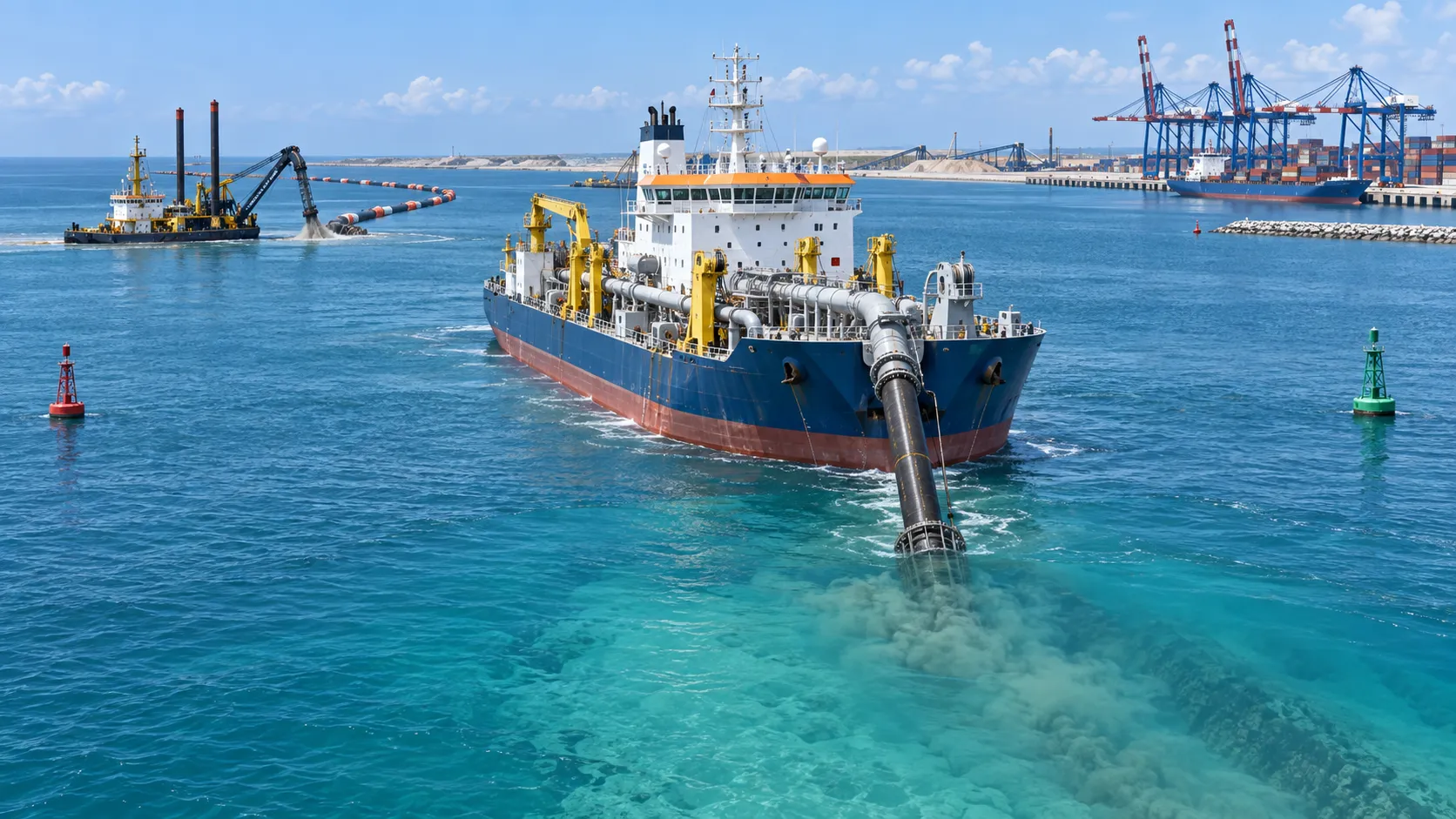
What Dredging Equipment Is Needed for Channel Deepening?
What dredging equipment is needed for channel deepening? Explore dredgers, pipelines, survey tools, and planning strategies for safer, more efficient port access.
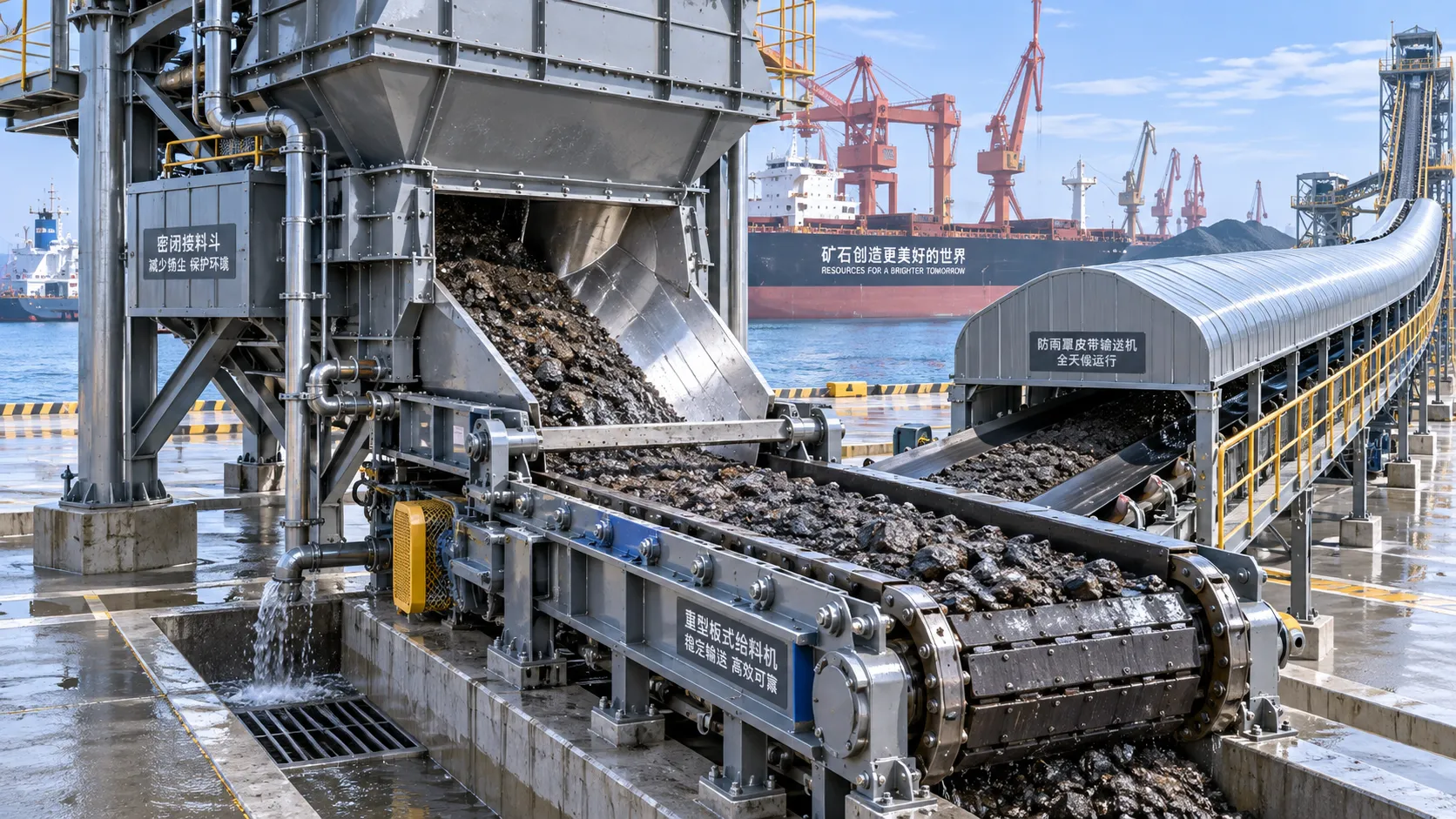
Which Bulk Handling Equipment Suits High-Moisture Cargo?
Which bulk handling equipment suits high-moisture cargo? Compare belt, apron, screw, drag, and slurry systems for reliable flow, less carryback, and higher terminal uptime.
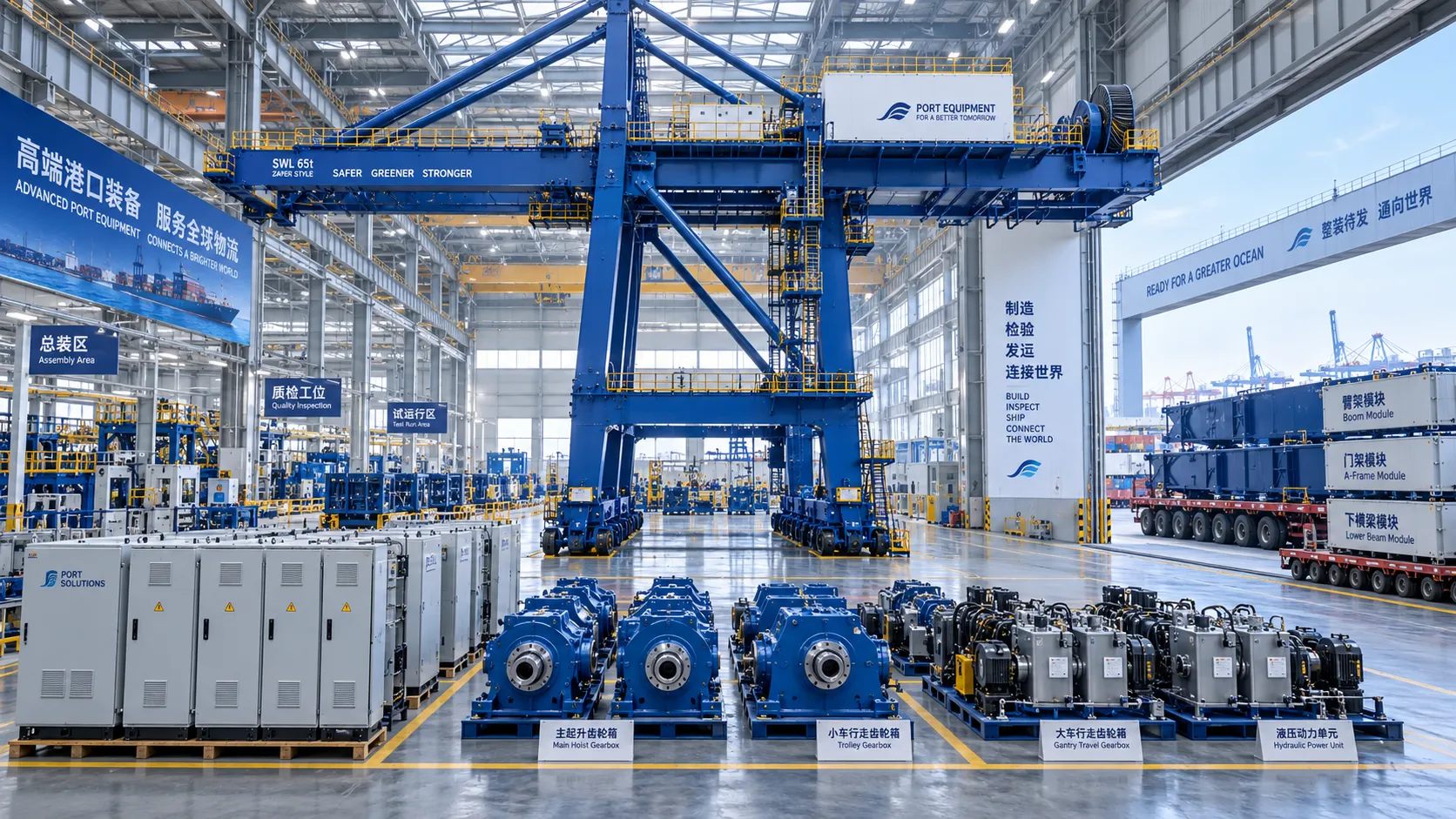
How Can Port Equipment Lead-Time Risk Be Managed?
How can port equipment lead-time risk be managed? Explore practical strategies to control critical paths, suppliers, transport, site readiness, and commissioning delays.
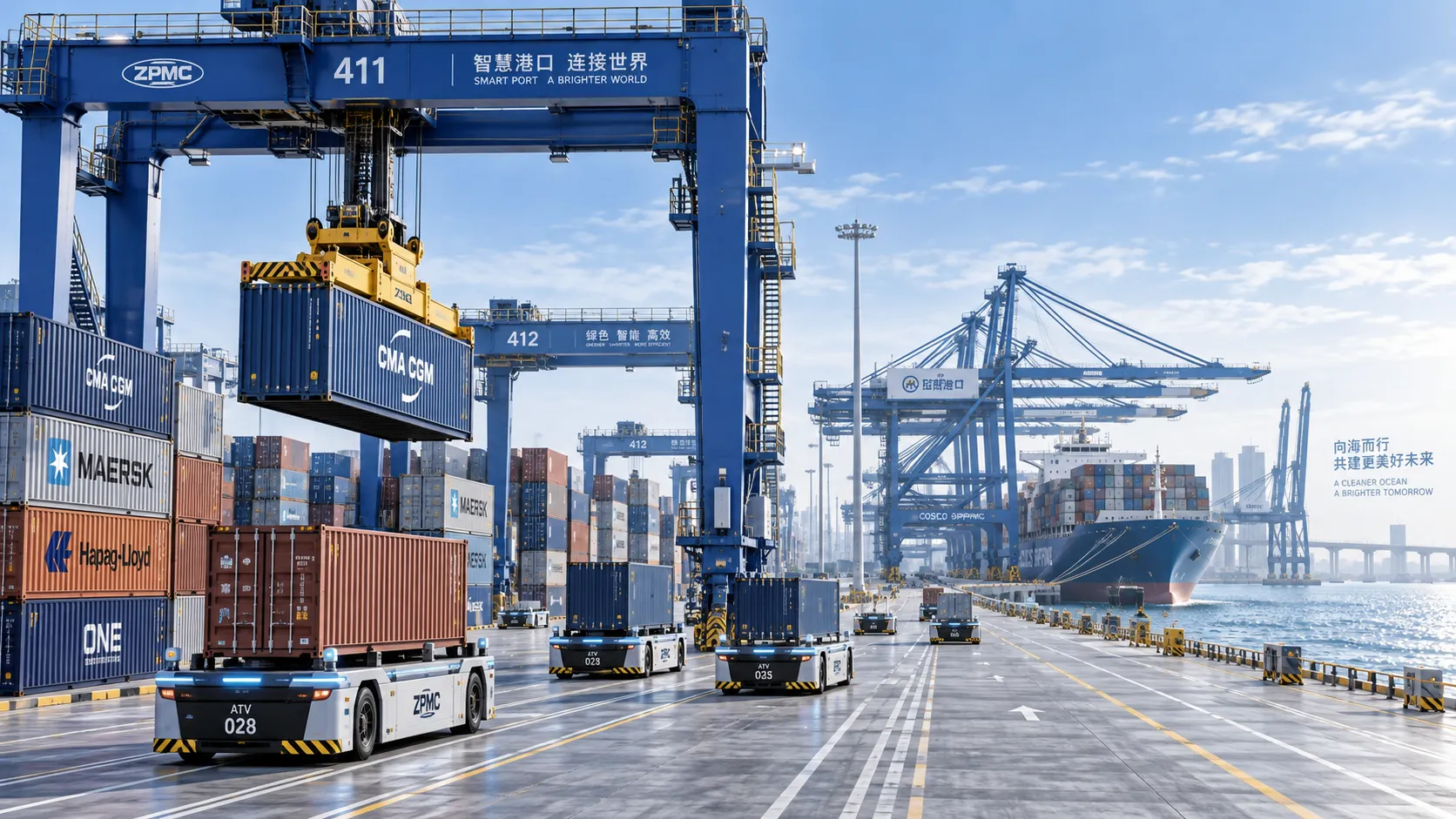
Terminal Automation Technologies That Raise Container Throughput Without Yard Disruption
Terminal automation technology that increases container throughput without disrupting yard flow. Explore smarter integration, resilient workflows, and phased deployment strategies.
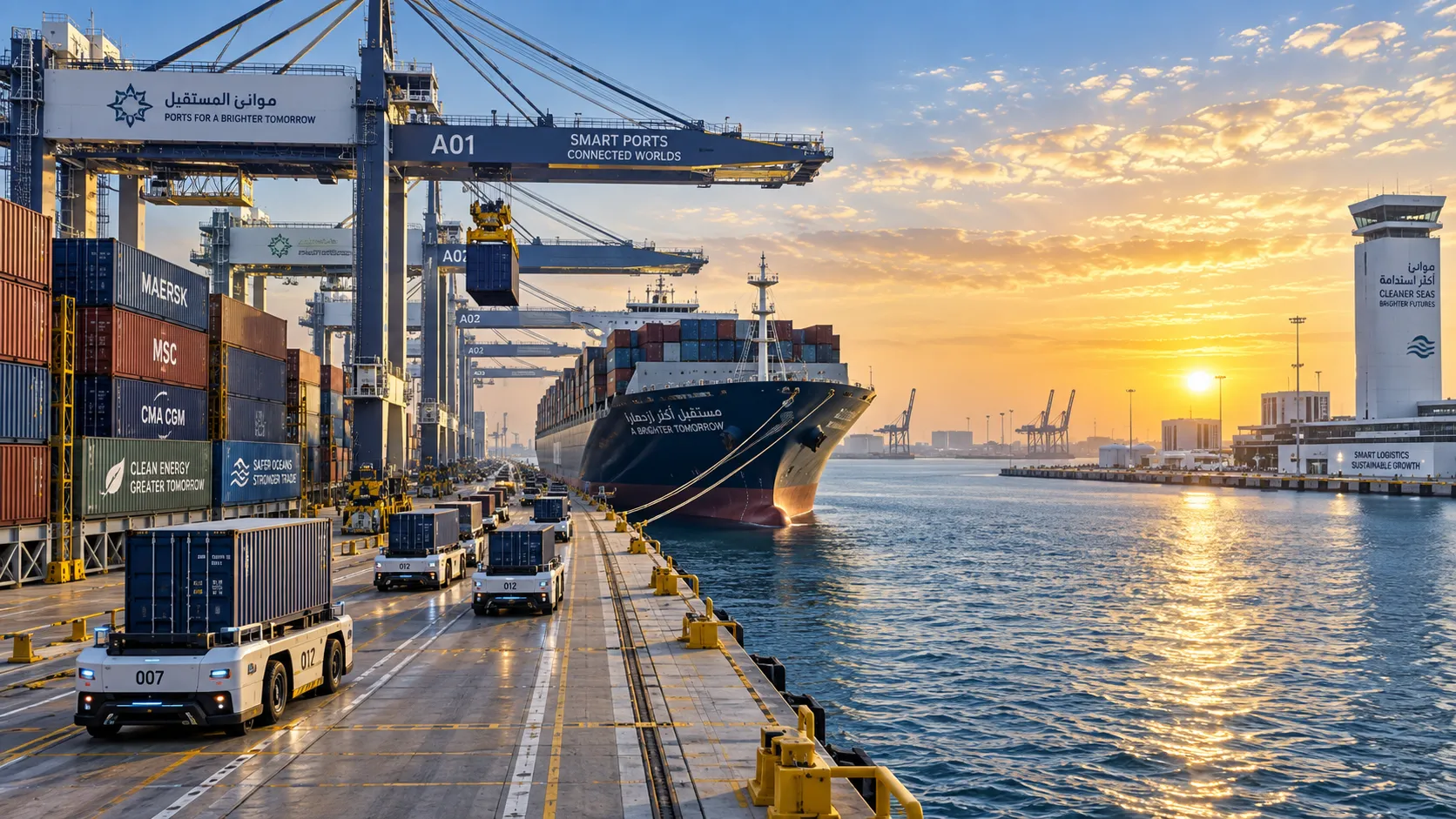
Middle East Port Automation: Key Market Drivers, Projects, and Investment Risks
Port automation systems Middle East: explore market drivers, flagship projects, integration challenges, and investment risks shaping smarter, resilient terminals.
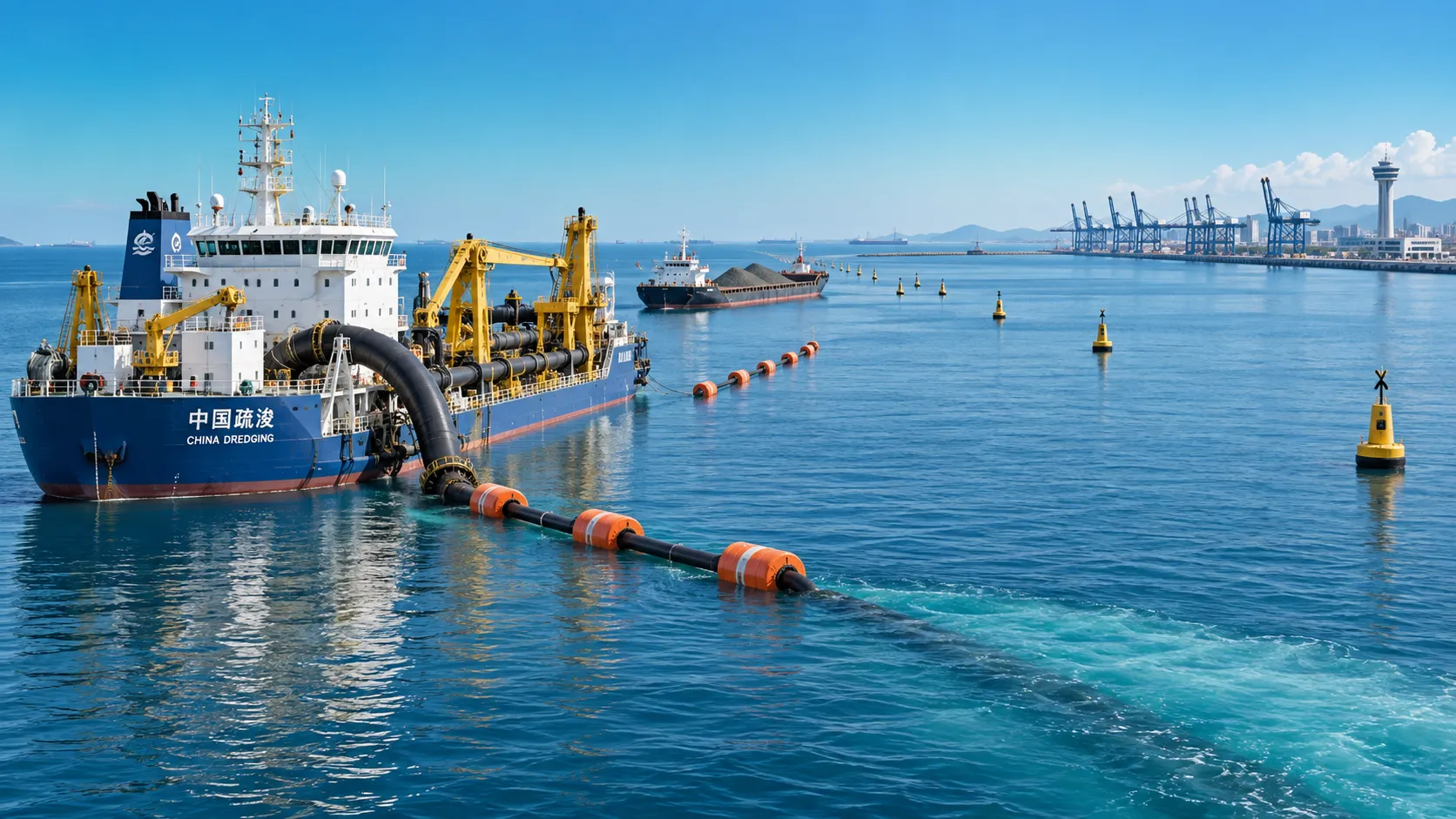
Planning Offshore Dredging Operations: Key Risks, Methods, and Project Controls
Offshore dredging operations demand smart planning. Explore key risks, proven methods, environmental controls, and project strategies for reliable delivery.