Related News
- 00
0000-00
How to Select Harbor Structures for Quay Walls Under Berthing and Wave Loads - 00
0000-00
Selecting Smart Terminal Software for Multi-Site Field Service Operations - 00
0000-00
How to Specify Heavy-Duty Marine Engineering Equipment for Offshore Projects - 00
0000-00
How to Select Automated Terminal Systems for High-Throughput Cargo Terminals - 00
0000-00
How Automated Bulk Cargo Handling Reduces Dust, Spillage, and Port Downtime
Designing an Integrated Port Handling System for Faster Yard-to-Vessel Transfers
A berth can appear ready while the transfer chain behind it is already losing time. A quay crane may be waiting for the next box, automated vehicles may be circulating with uneven workloads, and yard cranes may be serving the wrong stack sequence. By the time the delay becomes visible in vessel operations, the root cause is often several handoffs upstream: a planning rule, an interface delay, a buffer that is too small, or equipment that was designed as a separate subsystem rather than part of one flow.
The practical answer is to design the integrated port handling system around a shared operating logic, not around individual equipment purchases. Faster yard-to-vessel transfers come from matching capacity, timing, routing, and exception handling across berth, transport, yard, gate, and control layers. Project leaders should begin with the transfer mission and its constraints, then specify cranes, vehicles, software, communications, and civil interfaces as interdependent parts of the same operating model.
Start with the transfer path, not the equipment list
A common planning mistake is to begin by sizing quay cranes, selecting automated guided vehicles, or comparing yard crane configurations in isolation. Each asset can meet its own technical specification while the overall system still produces queueing. The vessel-side crane may generate moves faster than horizontal transport can absorb them. Transport vehicles may arrive at the yard in batches that create rehandles. Yard cranes may be technically capable but blocked by stack geometry or restricted work zones.
Before fixing equipment quantities, map the physical and digital path of a container in both directions. For an import move, that path normally includes discharge at the quay, handoff to a transport unit, travel to a yard block, delivery to a designated transfer point, stacking, and inventory confirmation. Export moves reverse the direction but often introduce additional controls, such as cut-off status, load sequencing, weight confirmation, inspection holds, or vessel-plan changes.
The map should identify more than travel distance. Record where an asset waits, who authorizes the next move, what data must be available, and what happens when the expected destination is unavailable. A transfer path with five physical steps may contain ten decision points. Those decision points determine whether automation speeds the operation or merely moves congestion from one zone to another.
Define the operational envelope early
Design capacity should reflect the range of conditions the terminal intends to handle, not a single idealized work cycle. The relevant questions include berth layout, vessel call pattern, container mix, peak exchange volumes, reefer concentration, hazardous cargo segregation, empty-container flows, rail or truck interaction, and anticipated maintenance windows. Weather exposure, tidal conditions, wind limits, visibility, pavement performance, and local traffic rules can also change the practical operating envelope.
Instead of treating peak throughput as one headline number, separate it into distinct flow conditions:
- Steady-state moves during a stable crane cycle;
- Short-duration peaks when several cranes request vehicles at once;
- Recovery periods after a plan change, equipment stoppage, or blocked stack;
- Mixed operations where import, export, restow, and landside traffic compete for the same resources;
- Degraded modes when one crane, one lane, or a control interface is unavailable.
This distinction prevents a system from being designed only for normal conditions. A terminal rarely loses performance because every component fails simultaneously; it loses performance because a small disturbance cannot be absorbed without disrupting the next handoff.
Balance the interfaces that create hidden queues
In yard-to-vessel work, the slowest visible machine is not always the bottleneck. A crane can look underutilized because it receives transport units unpredictably. A fleet can look oversized because vehicles are held at transfer points waiting for a yard crane. A yard block can look congested because the stowage sequence sends export containers to positions that require extra reshuffling.
Capacity balancing should therefore be performed at each interface rather than only at the asset level. A useful design review asks four questions at every handoff: What is the expected arrival pattern? What is the service time range? How much temporary buffer is available? What rule determines priority when demand exceeds capacity?
Small buffers are often necessary for safety and space efficiency, but a buffer is not simply an empty area. It must have a defined purpose, capacity, access rule, and release trigger. An uncontrolled buffer can conceal delay for a short period, then turn into an obstruction that prevents vehicles from reaching the equipment that needs them.
Choose the yard concept around the vessel service pattern
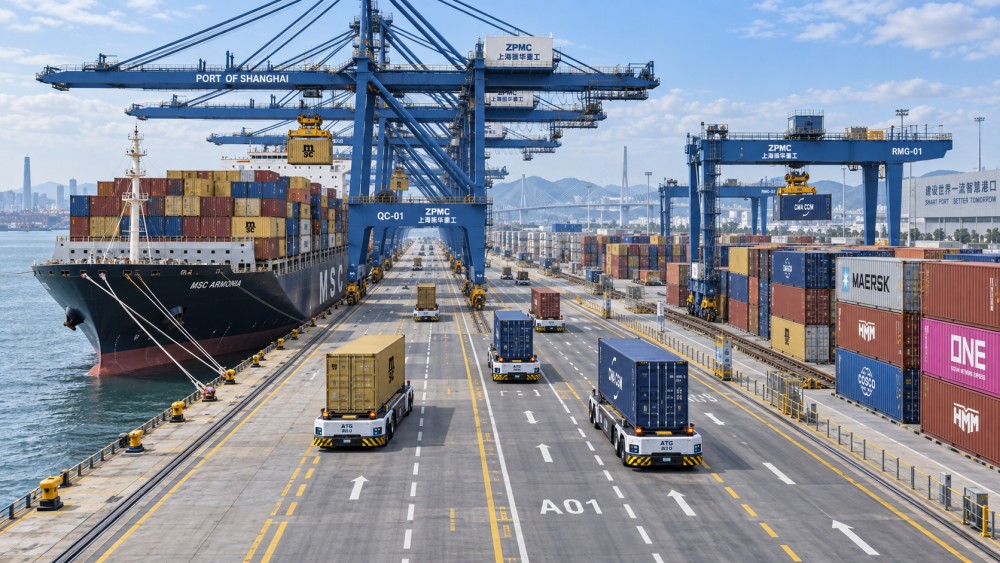
There is no universally superior yard arrangement. The right choice depends on how the terminal must feed and receive vessel moves, how much land is available, and whether landside operations share the same blocks and travel corridors. The critical point is to assess the yard as a sequencing system, not merely as a storage area.
Rubber-tyred gantry, rail-mounted gantry, straddle carrier, shuttle carrier, automated stacking crane, and hybrid arrangements create different relationships between storage density, travel flexibility, energy supply, lane design, maintenance access, and control complexity. A layout that maximizes storage density may reduce recovery flexibility when an export sequence changes. A layout with broad travel freedom may require more robust traffic management and larger safety separation zones.
For a project focused on vessel turnaround, export staging deserves early attention. Export containers should be placed according to the level of certainty in the load plan and the expected retrieval sequence, not only according to the next available slot. When stowage instructions are provisional, the yard strategy should preserve options without generating excessive rehandles. When the vessel plan is firm, the system should be able to tighten the retrieval sequence and release tasks in a way that supports continuous crane work.
Import allocation should use equally deliberate rules. Assigning containers to the nearest open location may reduce an individual vehicle trip, yet create uneven block demand and future congestion. Allocation logic should account for downstream dwell expectations, customs or inspection status, reefer power access, delivery mode, and the workload already committed to a block.
Build control architecture around one version of operational truth
Physical integration cannot compensate for fragmented data ownership. Faster transfers depend on the terminal operating system, equipment control system, fleet manager, crane automation controls, and maintenance platforms agreeing on container identity, task status, location, equipment availability, and priority. A task should not be considered complete merely because a machine has moved; completion must be confirmed by the correct physical state and the corresponding system state.
Define which system owns each decision. The terminal operating system may own vessel plan execution and inventory priorities. The equipment control layer may own collision avoidance, path reservation, and local sequencing. A fleet manager may optimize vehicle dispatch within defined constraints. Problems arise when two layers issue competing instructions or when neither layer is responsible for resolving a blocked task.
Interface specifications need to address timing as well as message content. A location update arriving late can be as damaging as an incorrect update if the next task has already been dispatched. Design reviews should examine message acknowledgement, duplicate-message handling, loss of communication, restart behavior, and reconciliation after a system recovery. These are operational requirements, not merely IT details.
Make exceptions explicit before commissioning
Normal task execution is usually easy to demonstrate. The hard part is determining what the system does when a container cannot be picked, a transport route closes, a twistlock issue is detected, a vehicle stops in a restricted zone, or a stack position is occupied unexpectedly. Without a clear exception model, operators resort to manual workarounds that may be safe in the moment but break inventory accuracy and scheduling logic.
For each critical exception, define the detection signal, immediate safe state, responsible role, permissible manual action, data update required, and rule for returning the equipment to automatic service. The design should also distinguish between a task that can be rerouted automatically and one that requires human confirmation. Over-automating ambiguous exceptions can spread errors quickly through the operating plan.
Design traffic and safety as throughput variables
Horizontal transport systems are often assessed through nominal speed and fleet size, but actual productivity is shaped by intersections, overtaking restrictions, merging points, charging areas, equipment crossing zones, and recovery access. An automated vehicle route that looks efficient on a layout drawing may become fragile when a stopped unit prevents other vehicles from passing.
Separate high-frequency transfer corridors from maintenance and service movements where possible. Avoid routing routine traffic through areas that must remain available for emergency response, crane maintenance, or manual intervention. At crossing points, establish right-of-way logic that supports predictable flow rather than relying on repeated stop-and-go behavior. The aim is not maximum vehicle speed; it is stable, safe circulation with limited variance in travel time.
Human-operated and automated equipment can coexist, but mixed-mode zones require deliberate rules. Workers need clear access boundaries, machines need reliable detection and speed-control behavior, and supervisors need visibility of restricted areas. The operational concept should specify how a manual vehicle enters an automated zone, how work is authorized during intervention, and how the zone is returned to normal control afterward.
Use simulation to test decisions that drawings cannot settle
A static layout can confirm clearances and approximate distances, but it cannot reliably show the combined effect of task release rules, queue formation, equipment downtime, and changing vessel priorities. Discrete-event simulation or equivalent operational modeling is particularly valuable when evaluating fleet size, buffer location, yard block assignment, and crane deployment.
The model should represent realistic variability rather than only average cycle times. Include different crane work patterns, travel-time ranges, stack access constraints, maintenance assumptions, and vessel-plan changes. Run scenarios where one resource is unavailable or a work zone is restricted. The useful output is not simply a throughput estimate; it is an explanation of where queues form, how long they persist, and which control rule changes the outcome.
Model findings should be translated into design decisions. A recommendation to add vehicles, for example, may prove less effective than changing block allocation or increasing a transfer interface. Conversely, a larger buffer may improve crane continuity but create civil, safety, or operating-cost implications. The project team needs to see these trade-offs before equipment and layout decisions become difficult to reverse.
Commission the system in operating slices
Commissioning an integrated port handling system should not be treated as a final switch-on event. The safer approach is to validate the system in progressively more connected operating slices: individual machine functions, local safety controls, task messaging, transport dispatch, yard handoff, vessel-side sequencing, and finally mixed live-like workflows. Each stage should have measurable acceptance conditions based on behavior, not only equipment availability.
During integrated testing, observe whether task priorities remain consistent as conditions change. A system may perform well during repetitive moves but lose order when a container is rejected, a route becomes unavailable, or two cranes request the same limited resource. Test teams should verify that operators can understand the system state, intervene without creating duplicate tasks, and restore automated control with accurate inventory records.
Training should follow the same logic. Operators, planners, maintenance staff, and control-room personnel do not need identical screens or procedures, but they need a common understanding of task states, alarms, authority boundaries, and escalation paths. Fast transfers depend on quick, correct decisions when the workflow departs from plan.
Keep design decisions tied to recoverability
The strongest design question is not “How fast can this system run when everything is available?” It is “How does it keep the berth supplied when a predictable disruption occurs?” Recoverability affects lane geometry, charging strategy, spare-equipment access, control-system redundancy, manual operating procedures, and buffer policy.
Project managers should require every major subsystem to state its degraded operating mode. Can cranes continue under reduced automation? Can vehicles be dispatched through an alternate route? Can a blocked stack be isolated without stopping the whole block? Can the control system reconcile work completed during a communications interruption? These answers reveal whether the design supports real terminal operations or only a nominal process diagram.
Faster yard-to-vessel transfer is ultimately created by dependable rhythm: containers become available in the right sequence, transport arrives without unstable bunching, yard operations protect retrieval access, and control systems preserve a reliable shared picture of the work. When those conditions are designed together, equipment capacity becomes usable capacity rather than a number that exists only on a specification sheet.
Related News
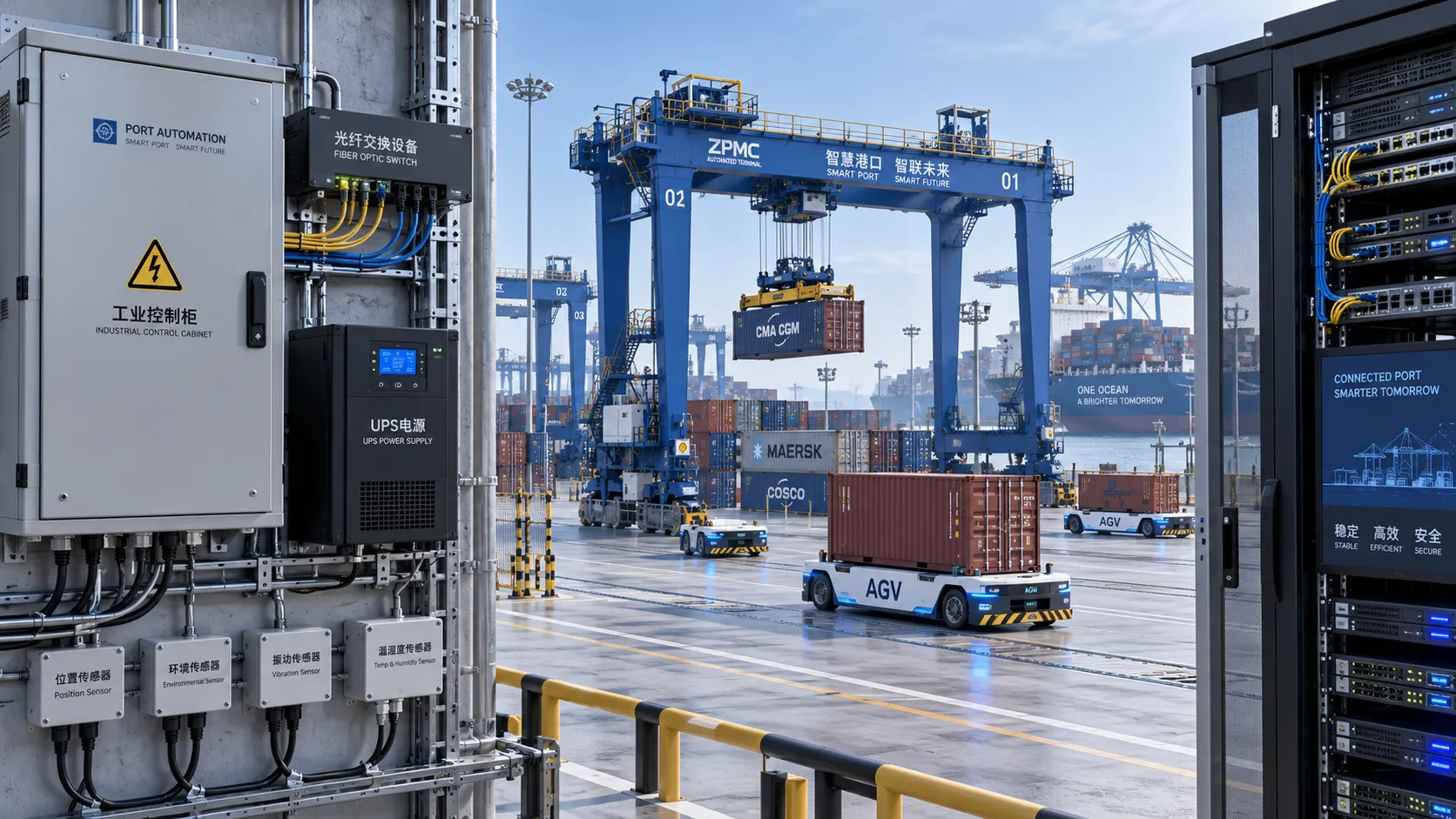
Terminal Control System Costs: Budgeting Hardware, Integration, and Lifecycle Support
Terminal control systems cost explained: budget hardware, integration, safety, cybersecurity, commissioning, and lifecycle support for resilient terminal operations.
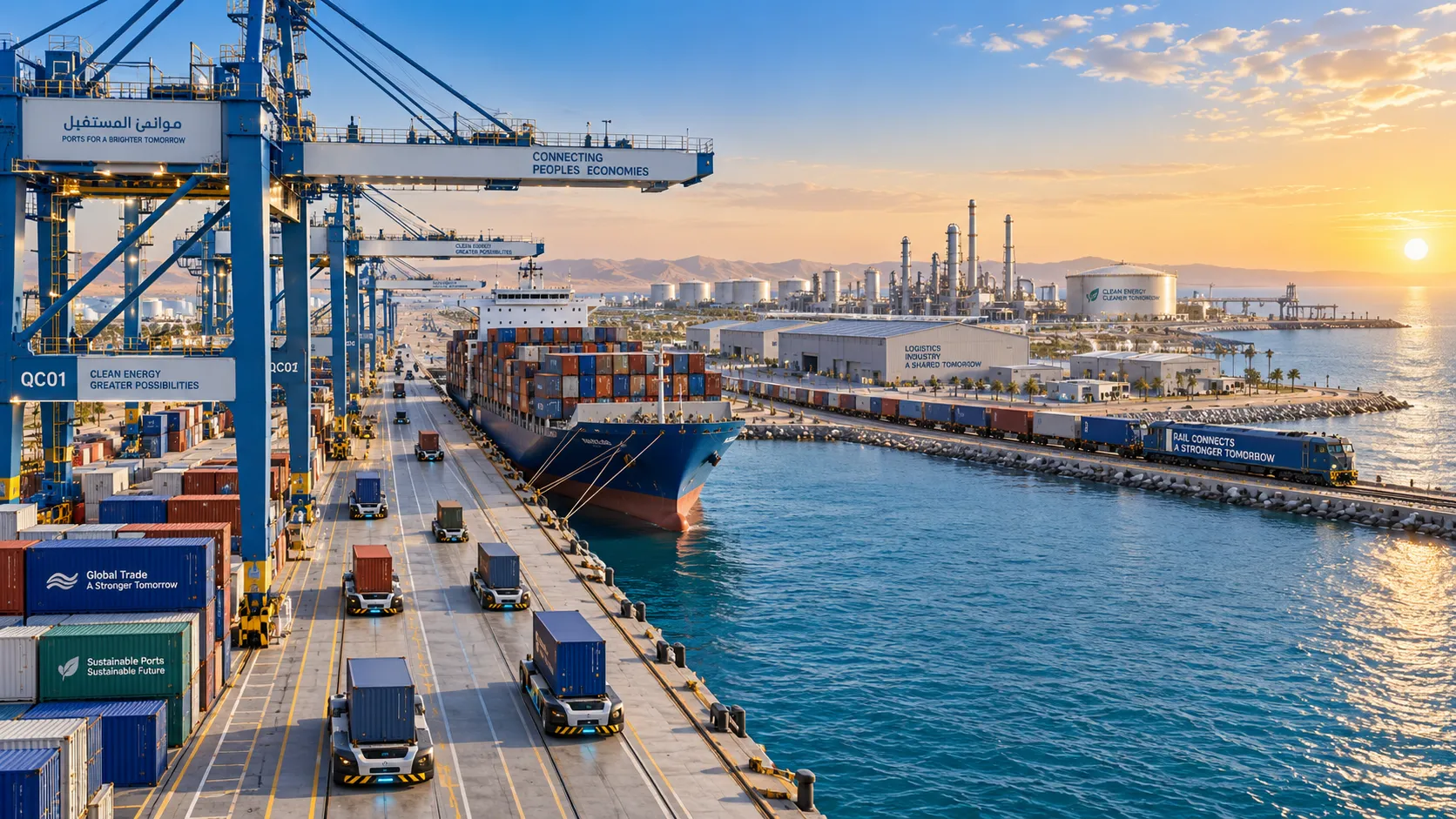
Smart Operations in the Middle East: Where Industrial Investment Is Growing
Smart operations Middle East investment is reshaping ports, industrial corridors, and logistics networks through connected data, automation, resilience, and smarter asset performance.
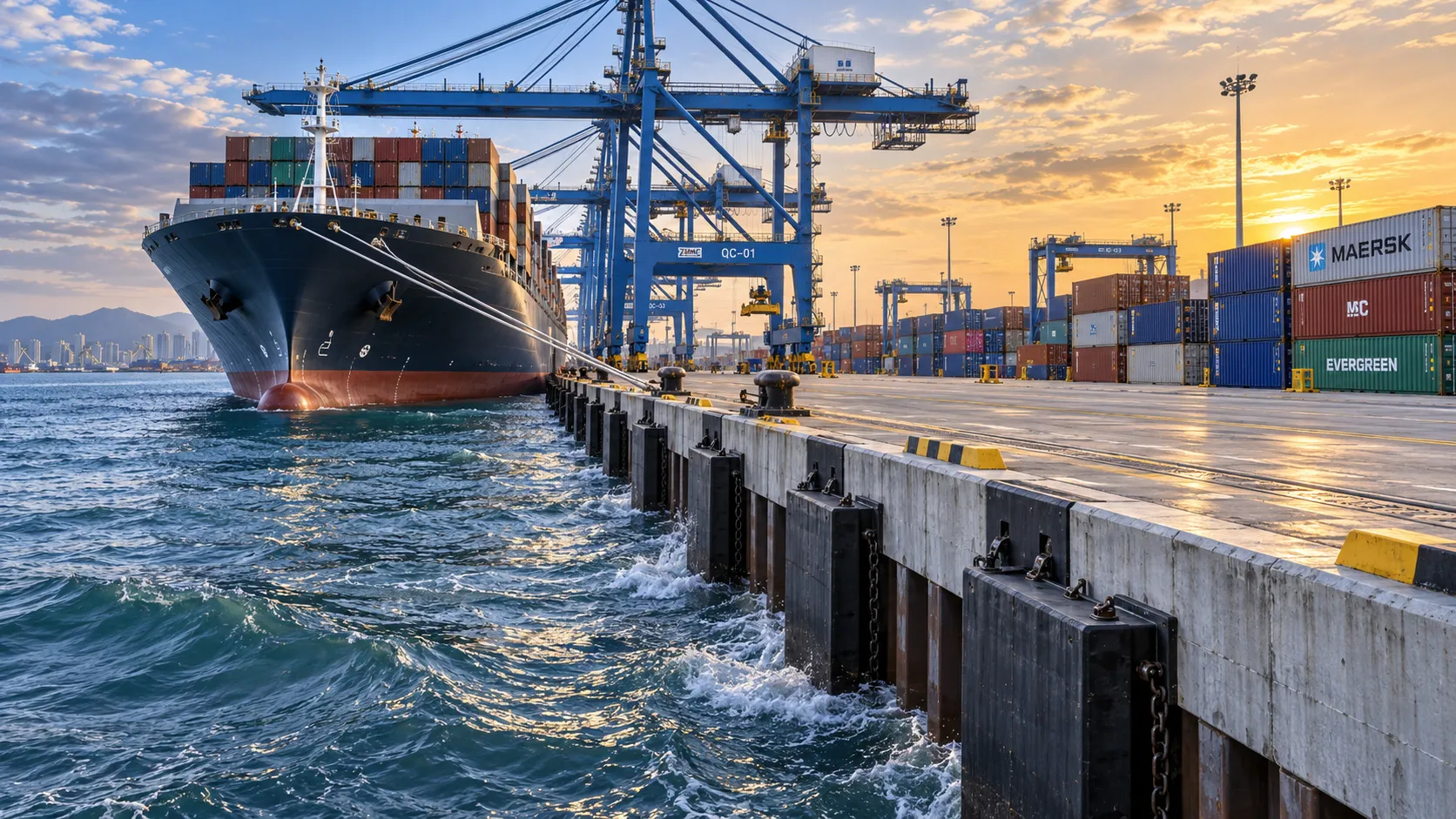
How to Select Harbor Structures for Quay Walls Under Berthing and Wave Loads
Harbor structure for quay wall selection: evaluate berthing energy, wave loads, soil conditions, durability, and lifecycle risk to build safer, adaptable terminals.
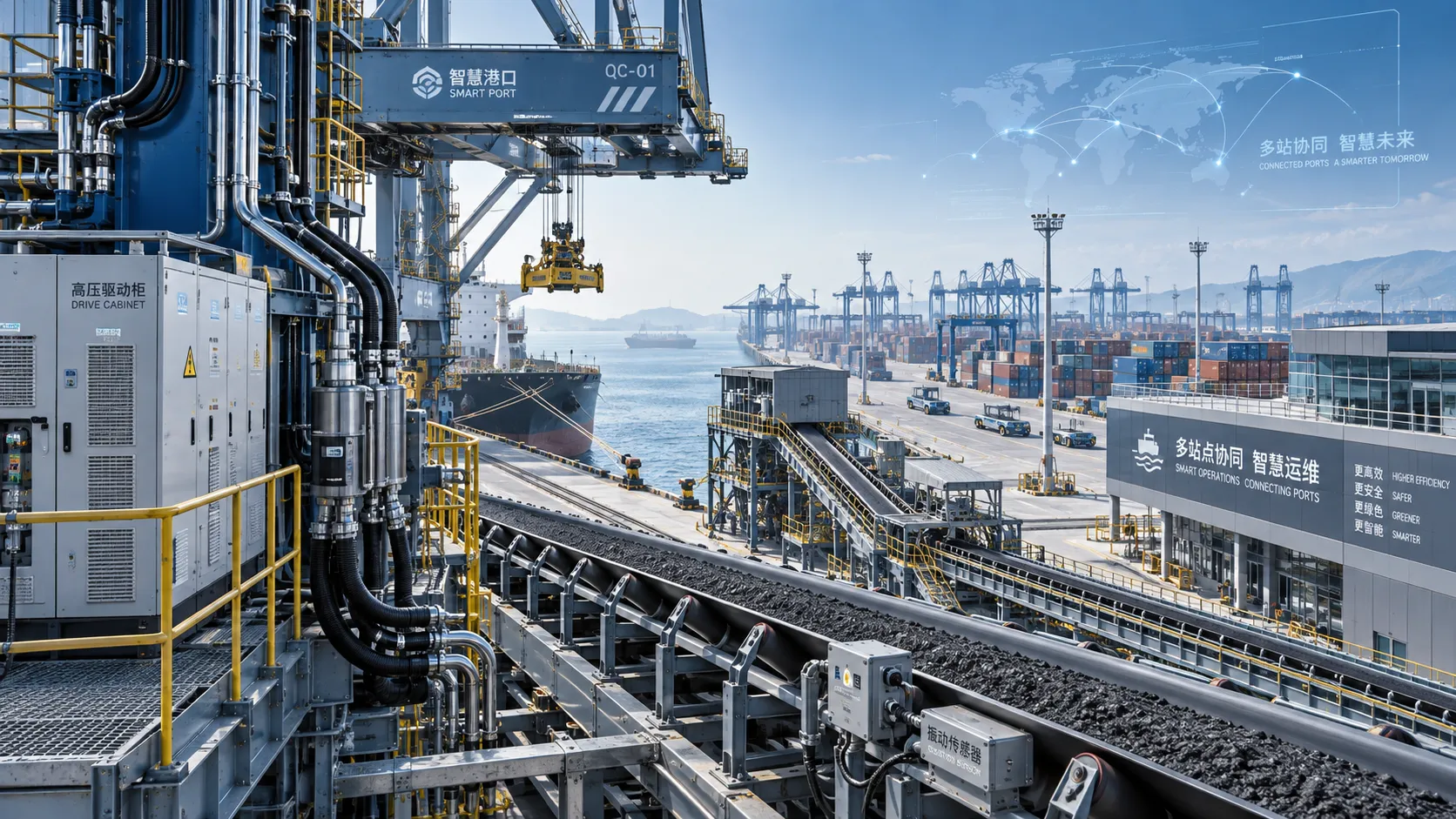
Selecting Smart Terminal Software for Multi-Site Field Service Operations
Smart terminal solutions software helps multi-site field service teams unify asset history, mobile maintenance, integrations, and reporting for safer, faster terminal operations.
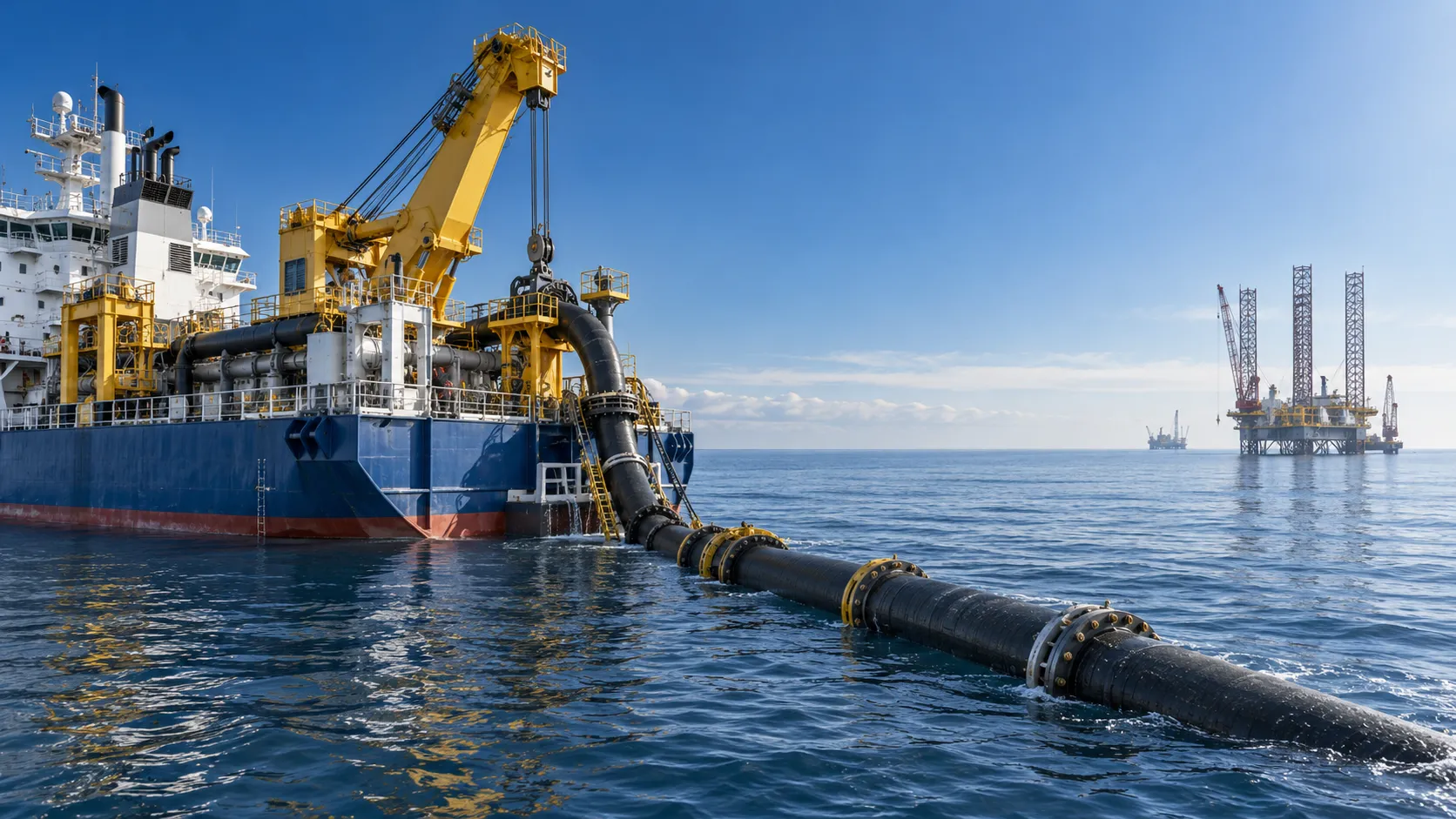
How to Specify Heavy-Duty Marine Engineering Equipment for Offshore Projects
Heavy duty marine engineering equipment: learn how to specify reliable offshore assets for safety, uptime, integration, lifecycle cost, and project success.
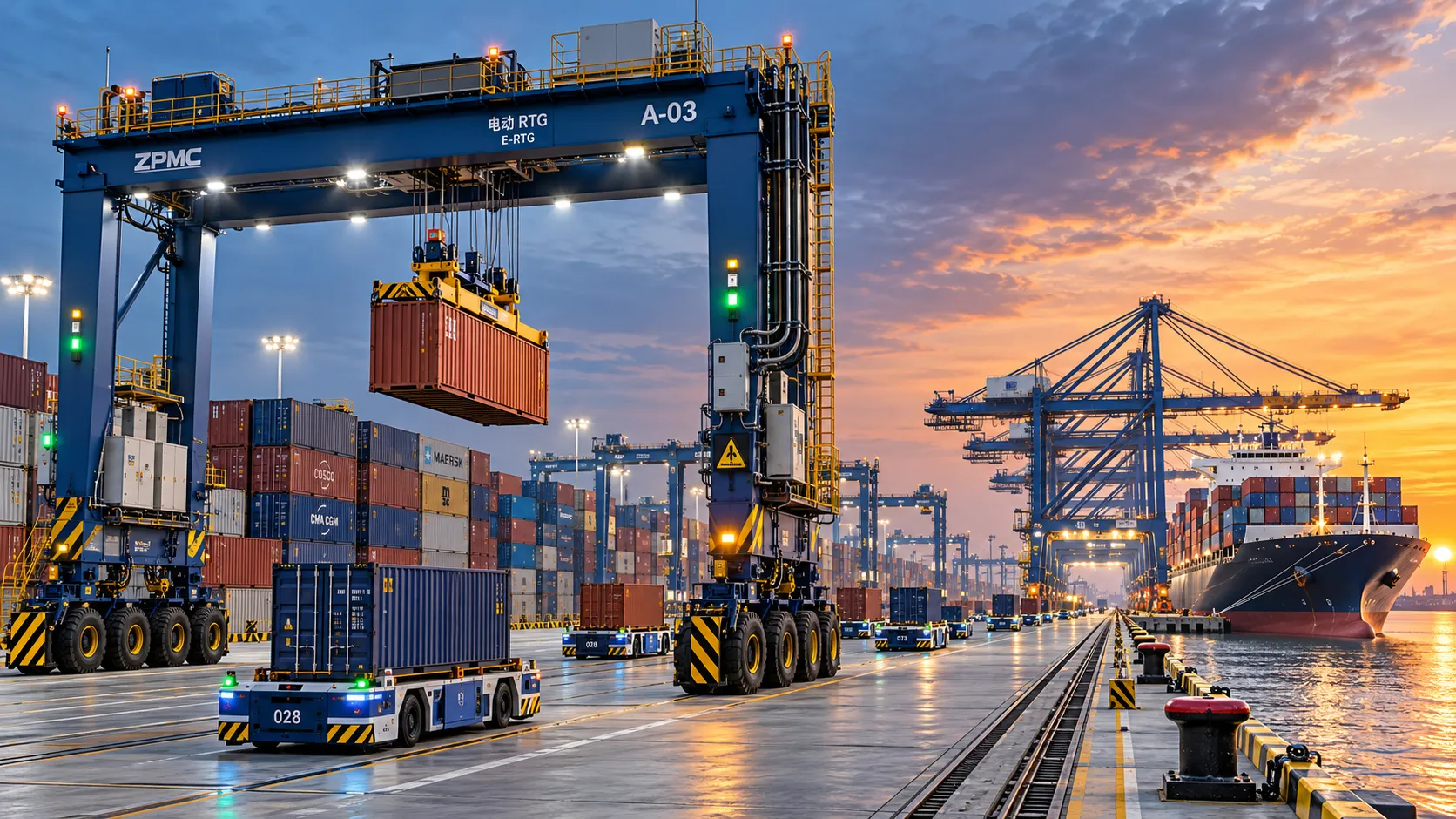
How to Evaluate a Container Handling Equipment Exporter for Port and Yard Projects
Choose the right container handling equipment exporter with a practical guide to compliance, automation, service support, delivery reliability, and lifecycle value.
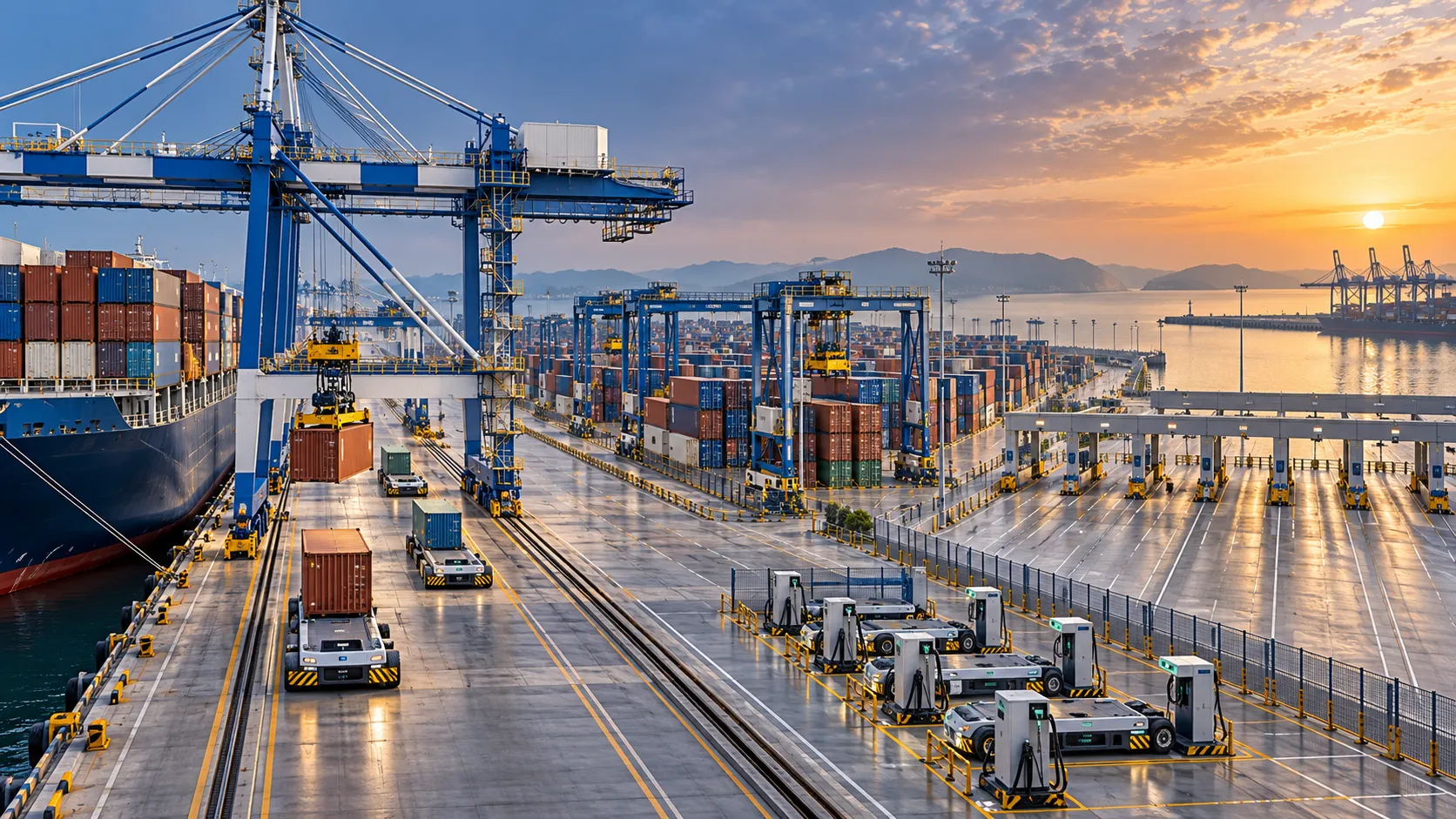
How to Select Automated Terminal Systems for High-Throughput Cargo Terminals
Automated terminal systems for cargo terminals: learn how to select scalable, resilient solutions that boost throughput, streamline integration, and control lifecycle risk.
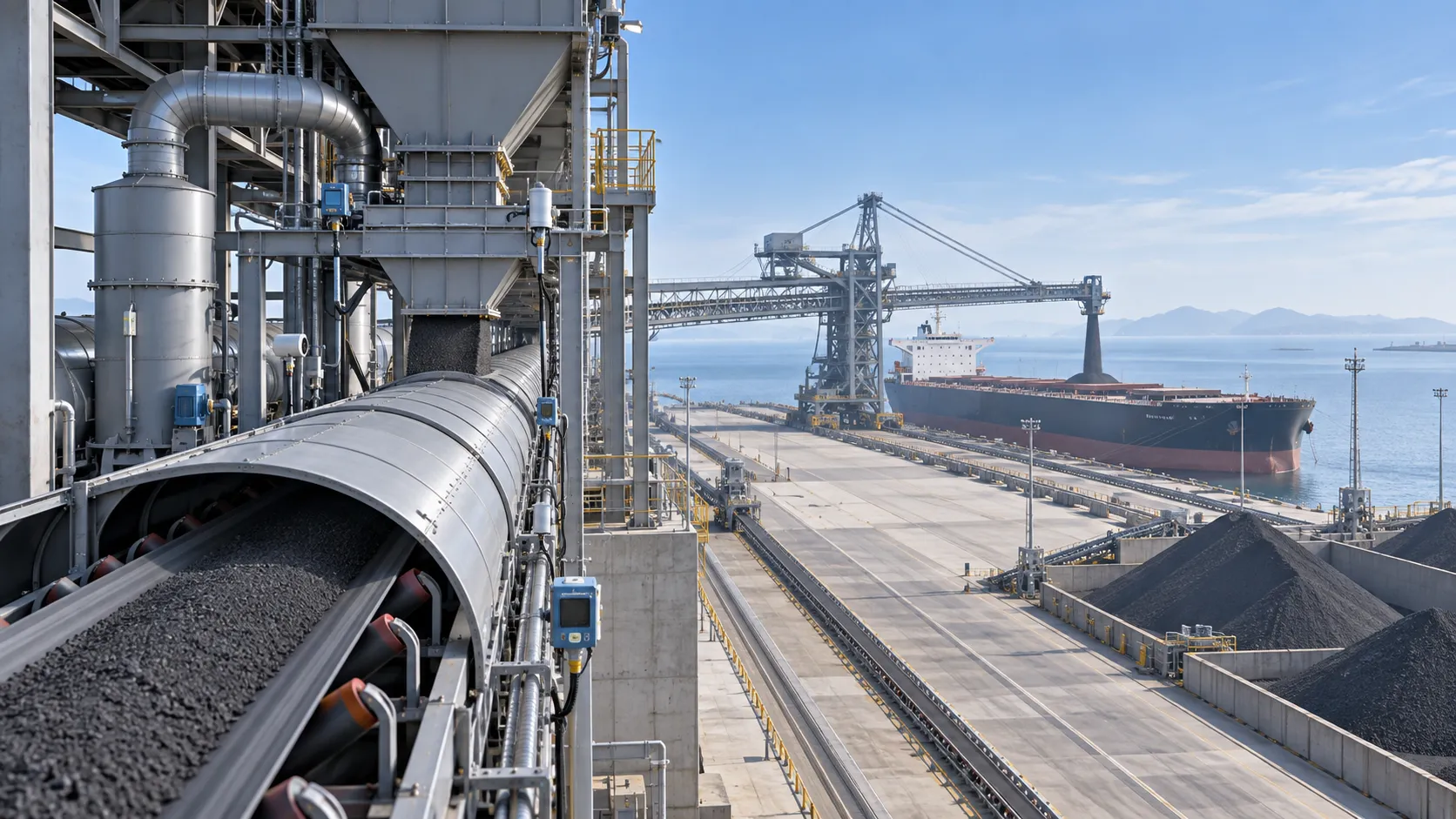
How Automated Bulk Cargo Handling Reduces Dust, Spillage, and Port Downtime
Automated cargo handling for bulk cargo cuts dust, spillage, and port downtime through stable flow control, smart sensing, and coordinated recovery.
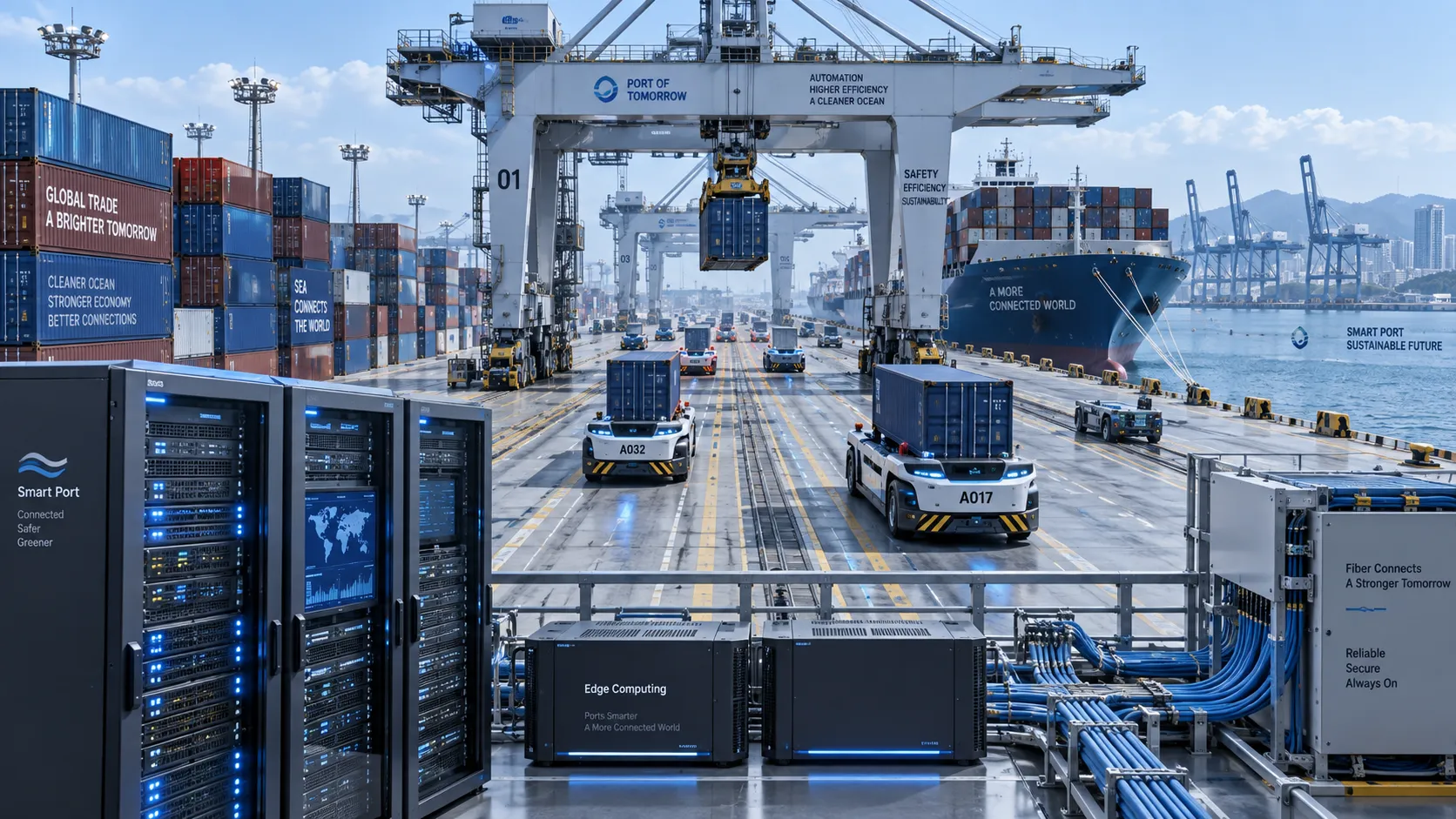
How to Assess a Smart Port Solution Supplier for Integration, Security, and Support
Smart port solution supplier evaluation guide: assess integration, cybersecurity, resilience, lifecycle support, and total cost to choose a reliable partner.