Related News
- 00
0000-00
Work Vessel Procurement Risks: Verifying Build Scope and Delivery Terms - 00
0000-00
How Do Maritime Disruptions Affect Port Equipment Procurement? - 00
0000-00
How Can Port Equipment Lead-Time Risk Be Managed? - 00
0000-00
Maritime Logistics Operations: How Ports Can Reduce Container Dwell Time - 00
0000-00
What Does Logistics Node Monitoring Cost Across Warehouses and Transport Hubs?
How Do Maritime Disruptions Affect Port Equipment Procurement?
How Do Maritime Disruptions Affect Port Equipment Procurement?
How do maritime logistics disruptions affect equipment procurement? The short answer is that they turn what looks like a straightforward capital purchase into a moving coordination problem. A terminal may have approved a quay crane package, an automated yard system, a ship unloader, or a dredging pump upgrade months earlier. But delayed vessel rotations, rerouted cargo, constrained manufacturing inputs, volatile freight conditions, and changing port call patterns can alter the practical value of that decision before the equipment reaches site.
For port operators, engineering contractors, distributors, and public infrastructure planners, the concern is rarely limited to delivery delay. A late gearbox can hold up crane commissioning. A missing control cabinet can stop an automation package from being integrated. A sudden surge in bulk cargo may make an existing unloading system the immediate bottleneck, while a fall in container calls can make a major expansion project harder to justify. Procurement teams therefore need to look beyond the quoted equipment price and examine the supply, installation, commissioning, and operating conditions around it.
This is particularly relevant for long-life port assets. Mega terminal gear, automated container handling systems, bulk machinery, dredging equipment, and their control layers are not interchangeable consumer products. They are usually designed around berth geometry, vessel profiles, local power conditions, civil works, yard layout, duty cycle, maintenance capability, and regulatory requirements. When maritime conditions become unstable, those dependencies become more visible.
Disruption Changes the Procurement Clock, Not Just the Delivery Date
A common mistake is to treat disruption as a transport problem that begins after a purchase order is issued. In port equipment, the effect starts much earlier. Manufacturers may need long-lead electrical components, steel structures, hydraulic systems, motors, sensors, drive systems, or specialized software hardware before fabrication can progress. If one upstream item is unavailable, the entire production sequence may need to be resequenced.
The impact becomes sharper when equipment is custom engineered. A rail-mounted quay crane cannot simply be swapped for another unit from inventory if rail gauge, outreach, lifting configuration, wheel loads, wind conditions, and berth interface have already been defined. The same is true for conveyor lines matched to a specific material flow, or dredging systems selected for local soil and slurry characteristics. Substitute equipment can be possible, but it often creates a second engineering exercise rather than a quick procurement fix.
Shipping disruption also complicates the timing between equipment arrival and site readiness. Civil works may be complete while critical machinery is still offshore. Or equipment may arrive before electrical rooms, rails, foundations, cable trenches, or drainage systems are ready. Storage at port is not always harmless: sensitive electronic cabinets, cables, hydraulic parts, and corrosion-protected assemblies require controlled handling. Procurement schedules should therefore include handover logic, not merely an estimated arrival window.
Freight Volatility Rewrites the Real Project Cost
Heavy port machinery is exposed to logistics costs in several ways. Some equipment travels as breakbulk cargo, some as modular assemblies, and some in containers alongside spare parts, electrical modules, and installation tools. Freight availability, route changes, insurance conditions, handling charges, port congestion, and transshipment risks can all affect the landed cost. The original equipment price may remain unchanged while the project budget no longer does.
This matters most when contracts are unclear about who carries logistics risk. A procurement team should distinguish between the factory gate price, international transport responsibility, marine insurance, destination handling, inland movement, and installation support. Broad wording such as “delivery to port” can conceal important questions. Which port? Is discharge included? Who arranges heavy-lift unloading? What happens if the vessel is diverted? Are project cargo demurrage and storage costs allocated in the contract?
The right commercial structure depends on the project, but the principle is consistent: cost exposure should be visible before the order is placed. For large crane and dredging packages, a modest delay in one transport segment can trigger larger costs downstream if installation crews, marine spreads, or berth closures have already been booked.
The Equipment Mix May Need to Change
Not every disruption calls for more equipment. Sometimes it calls for a different equipment mix. When vessel schedules become irregular, a terminal may prioritize yard flexibility over maximum berth productivity. When cargo is concentrated into fewer, larger calls, the weak point may move from the gate to the quay, or from crane lifting capacity to yard evacuation speed. For bulk terminals, irregular arrivals can expose limitations in hopper capacity, conveyor redundancy, dust control, or stockyard reclaiming arrangements.
Automation decisions deserve particular caution. Automated guided vehicles, remote crane control, terminal operating systems, positioning infrastructure, and communications networks can improve repeatability, but their value depends on the operating model around them. A port that expects changing dwell times, inconsistent gate volumes, or frequent manual exceptions should not assume that automation will solve every disruption. The more useful question is whether the system can degrade gracefully: can it continue operating safely when one subsystem loses connectivity, when a vehicle is unavailable, or when manual intervention is needed?
This is why procurement specifications should describe operating scenarios, not just technical features. Stating that a system must support remote control is insufficient. Buyers need to define communication resilience, control-room workflows, fallback modes, alarm handling, cyber-security responsibilities, maintenance access, and integration boundaries with existing terminal systems. These details are where supposedly compatible systems often become expensive to connect.
Spare Parts Become a Strategic Decision
Maritime disruption has made many operators reconsider the difference between a spare-parts list and a continuity plan. For equipment with a long expected service life, the lowest initial spare-parts package is not always the lowest-risk choice. A failed drive, PLC module, sensor, hydraulic seal, pump component, brake assembly, or spreader part may be inexpensive compared with the cost of equipment downtime, but only if it can be sourced quickly.
The sensible approach is not to stock everything. Capital tied up in rarely used parts can become wasteful, particularly for components with storage limitations or changing software compatibility. Instead, maintenance and procurement teams should identify failure-critical items, single-source parts, long-lead components, and items that require specialist installation. They should also verify whether replacements will remain compatible with the installed controls architecture several years from now.
Dredging fleets require an especially practical view. Wear parts, pumps, cutter components, pipelines, instrumentation, and powertrain elements are selected against actual material conditions and operating hours. Ordering generic stock without reference to soil characteristics, abrasion exposure, maintenance records, and mobilization routes can create the illusion of readiness without improving availability. For offshore or remote coastal work, the question is often not “Do we have spares?” but “Can we put the correct spares where the vessel and crew will need them?”
A Better Procurement Method During Uncertainty
Resilient procurement is less about predicting the next disruption perfectly and more about making dependencies explicit. The first useful step is to map the critical path from design approval to operational handover. This should include components, factory acceptance testing, export packing, transport method, customs documentation, civil interface dates, installation equipment, software integration, and operator training. If an activity has no named owner or realistic recovery option, it is probably a risk rather than a schedule.
Second, separate items that must be fixed early from those that can remain flexible. Structural dimensions, rail interfaces, electrical architecture, and safety functions are usually costly to change late. Paint systems, some auxiliary options, non-critical accessories, or selected monitoring features may be more adaptable. This distinction gives buyers room to protect the core project without reopening every commercial and technical detail when conditions shift.
Third, evaluate suppliers on information quality as well as quoted lead time. A short stated lead time is not very useful if there is no transparency about component status, production slots, testing sequence, export readiness, or technical support availability. Procurement teams should ask how changes will be reported, what evidence is available at key milestones, and which substitutions require formal approval. The objective is not to transfer every risk to the supplier; that usually produces disputes. It is to avoid discovering constraints when there is no longer time to respond.
Why Market Intelligence Matters Before the Tender Is Final
Equipment decisions are often made using an internal traffic forecast and a technical specification prepared months or years earlier. Both remain necessary, but they need to be tested against current shipping realities. Changes in trade lanes, vessel deployment, cargo composition, feeder patterns, and coastal development can affect whether a terminal needs maximum nominal capacity, better redundancy, a more flexible yard system, or a phased investment plan.
This is where sector intelligence can be more valuable than general logistics headlines. PS-Nexus follows the practical links between shipping rates, logistics nodes, terminal machinery, automation logic, and dredging engineering. For a buyer, that perspective helps connect a changing maritime pattern to an equipment decision: whether to protect crane uptime with stronger service arrangements, reassess AGV path-planning assumptions, review low-latency requirements for remote-operated cranes, or examine digital monitoring needs for pumps operating in difficult dredging conditions.
No intelligence source can remove uncertainty from a port project. It can, however, prevent a narrow purchasing decision from being made in isolation from berth operations, coastal access, cargo behavior, and maintenance reality.
The Most Expensive Mistake Is Buying for Yesterday’s Conditions
Maritime disruption does not automatically justify postponing investment. Aging cranes still need replacement, dredging work may be necessary to maintain navigability, and terminal automation may be required to address labor, safety, or yard constraints. But disruption should change the questions asked before a contract is signed.
Buyers should ask whether the equipment can be delivered, installed, maintained, and operated under less orderly conditions than those assumed in the original business case. They should know which components can halt commissioning, where transport responsibility changes hands, which spares are genuinely critical, and how the system behaves when the ideal operating plan breaks down. In port infrastructure, resilience is rarely a single feature on a specification sheet. It is the result of sound engineering interfaces, realistic logistics planning, credible supplier communication, and a procurement team willing to challenge assumptions before they become expensive commitments.
Related News
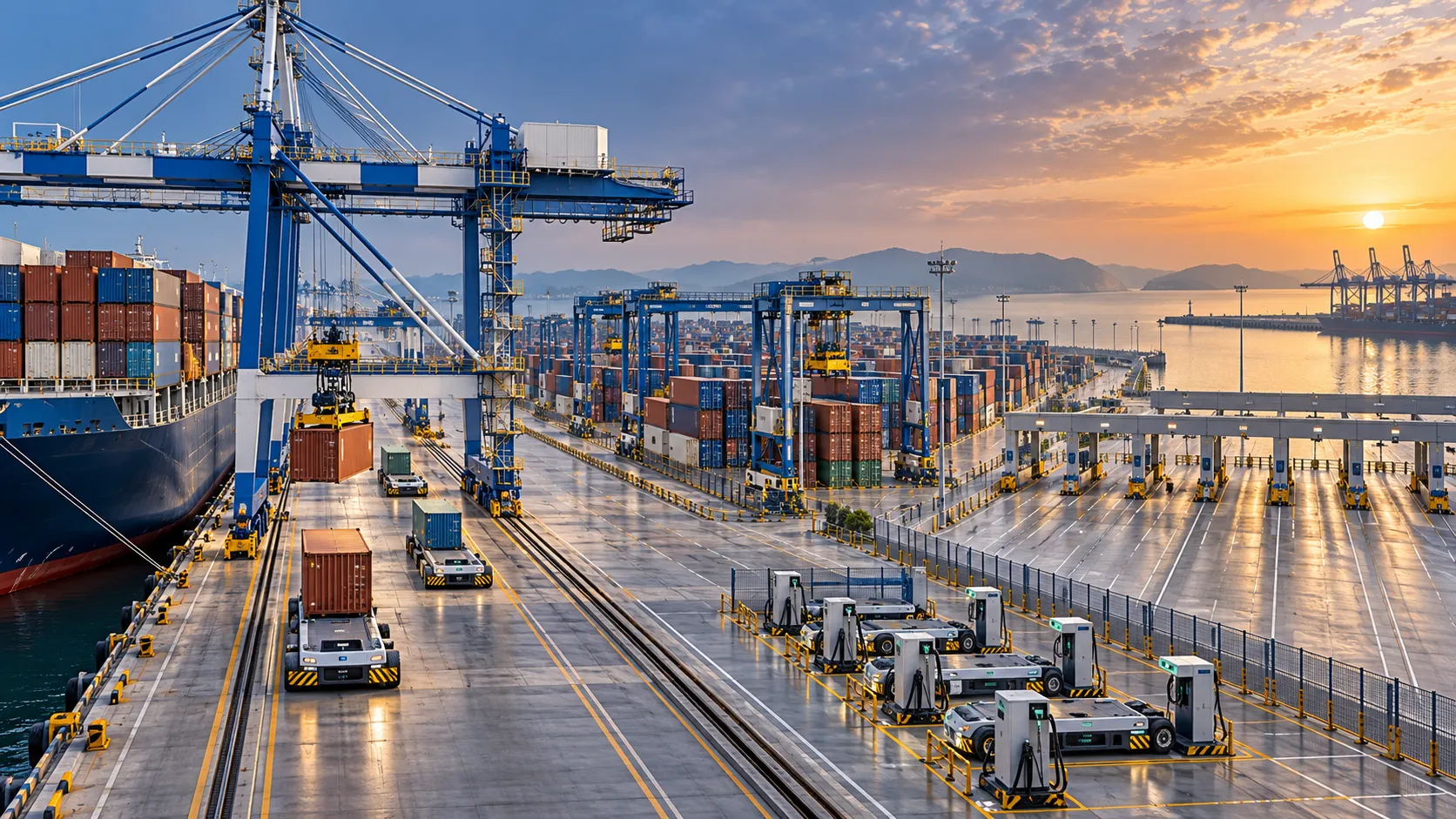
How to Select Automated Terminal Systems for High-Throughput Cargo Terminals
Automated terminal systems for cargo terminals: learn how to select scalable, resilient solutions that boost throughput, streamline integration, and control lifecycle risk.
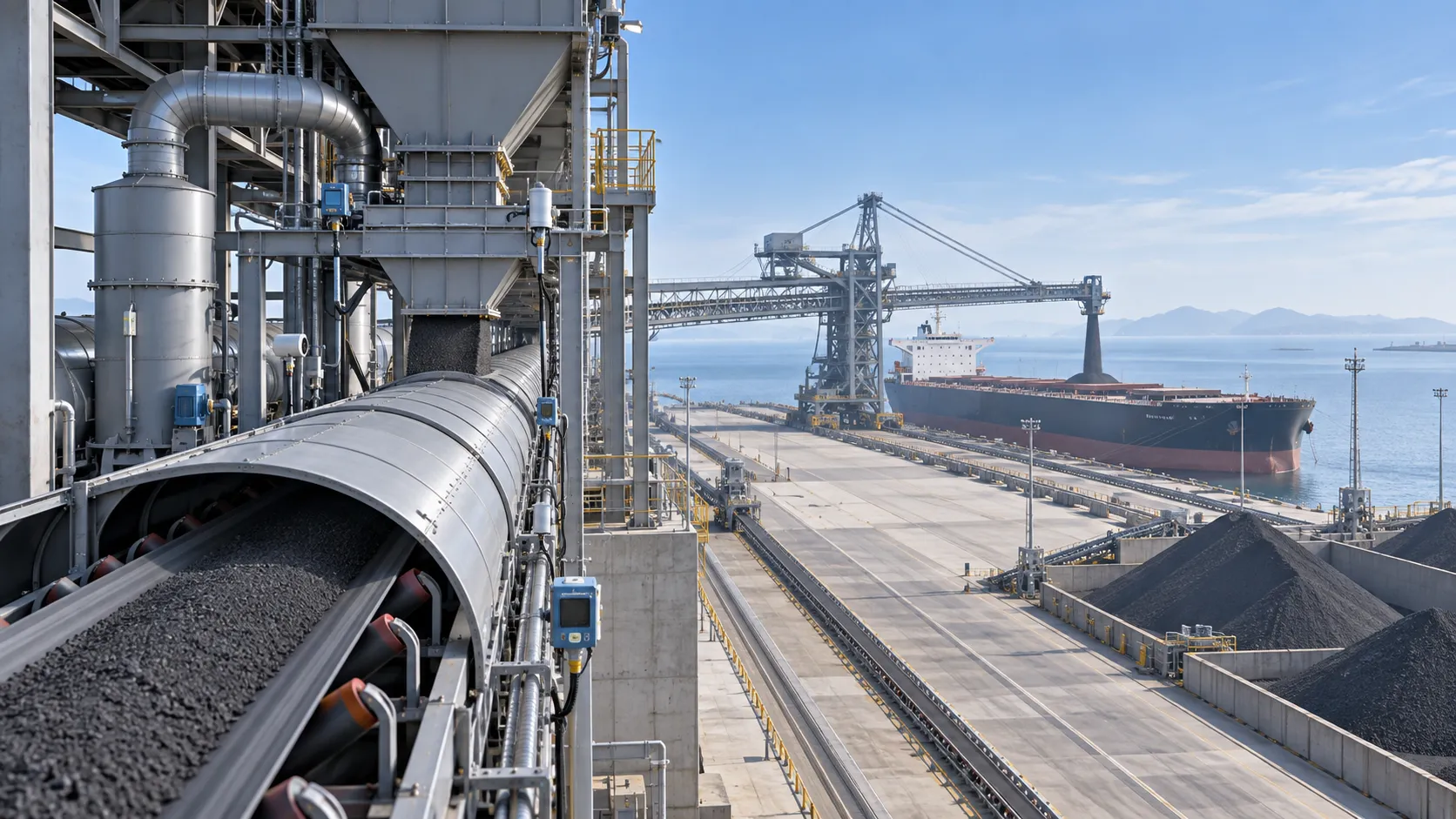
How Automated Bulk Cargo Handling Reduces Dust, Spillage, and Port Downtime
Automated cargo handling for bulk cargo cuts dust, spillage, and port downtime through stable flow control, smart sensing, and coordinated recovery.
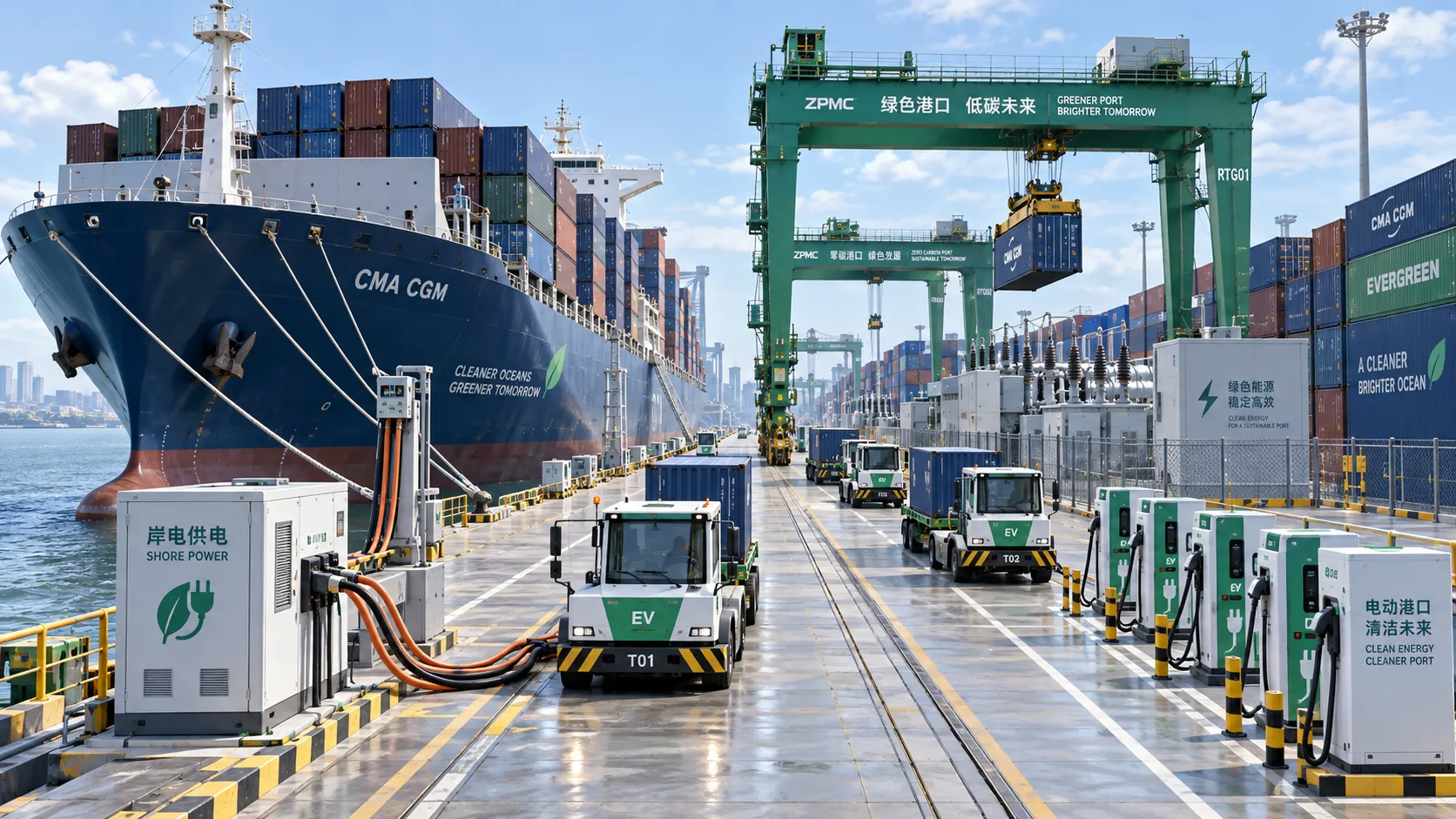
Port Emissions Reduction Services: Building a Shore Power and Equipment Retrofit Plan
Port emissions reduction services help terminals build practical shore power and equipment retrofit plans that cut emissions, protect throughput, and scale with confidence.
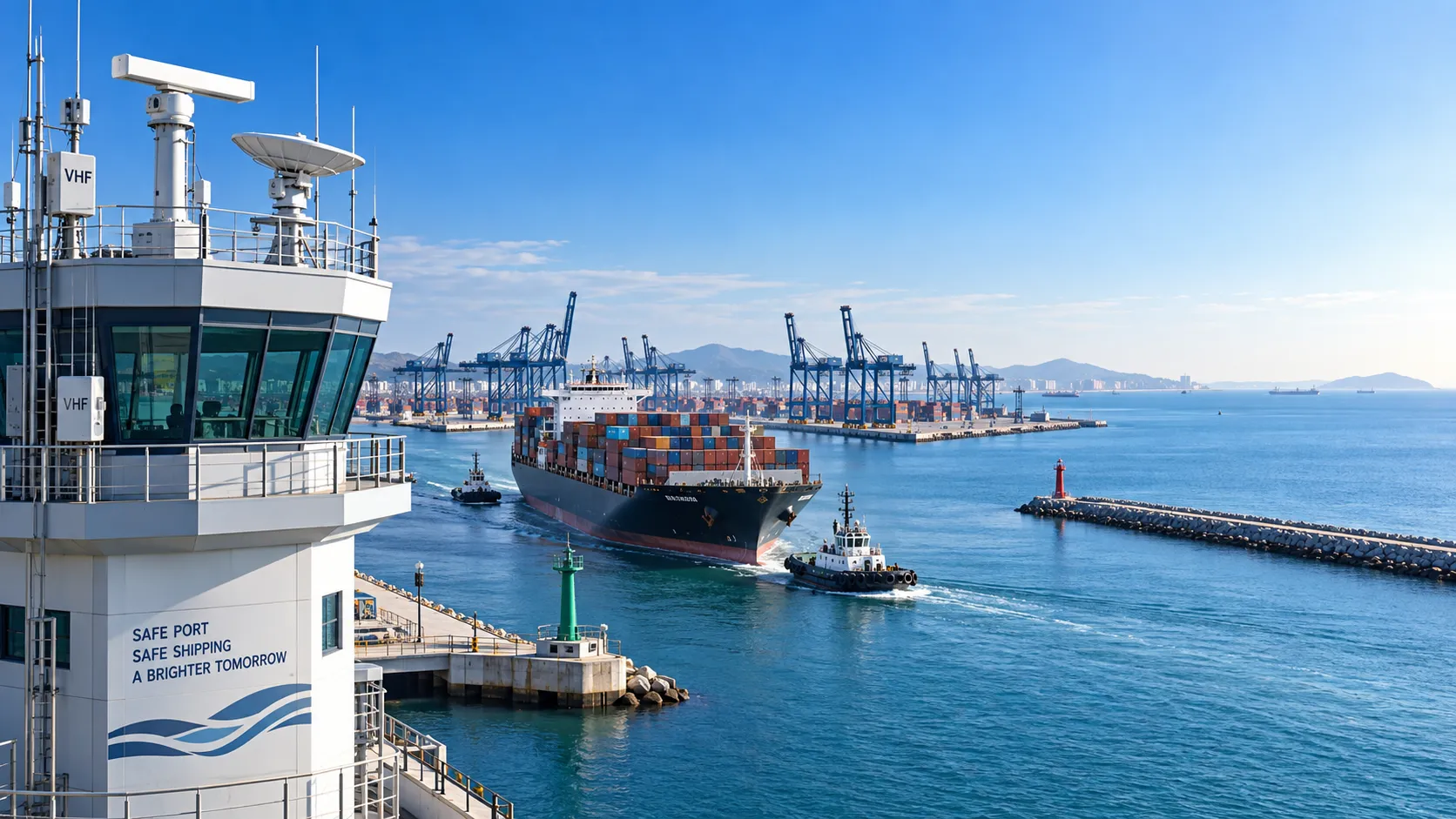
Selecting Port Control Systems for Vessel Traffic: Coverage and Fail-Safe Design
Port control systems for vessel traffic: learn how to assess coverage, redundancy, fail-safe recovery, cybersecurity, and operator workflows for safer port operations.
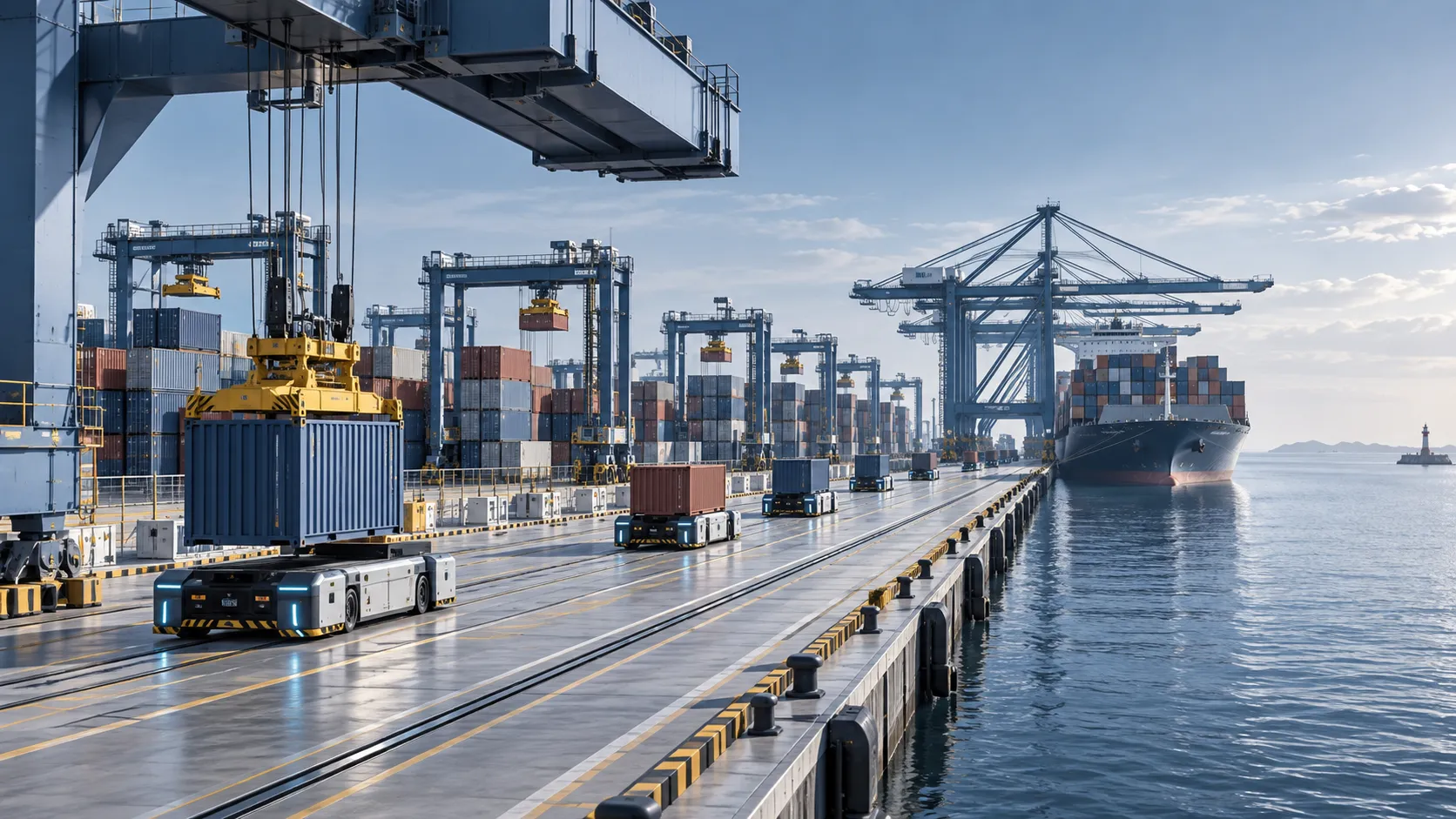
Selecting Automated Cargo Handling Systems for Terminal Throughput and Yard Limits
Automated cargo handling systems for maritime terminals: learn how to balance berth throughput, yard limits, automation software, and lifecycle costs for smarter terminal decisions.
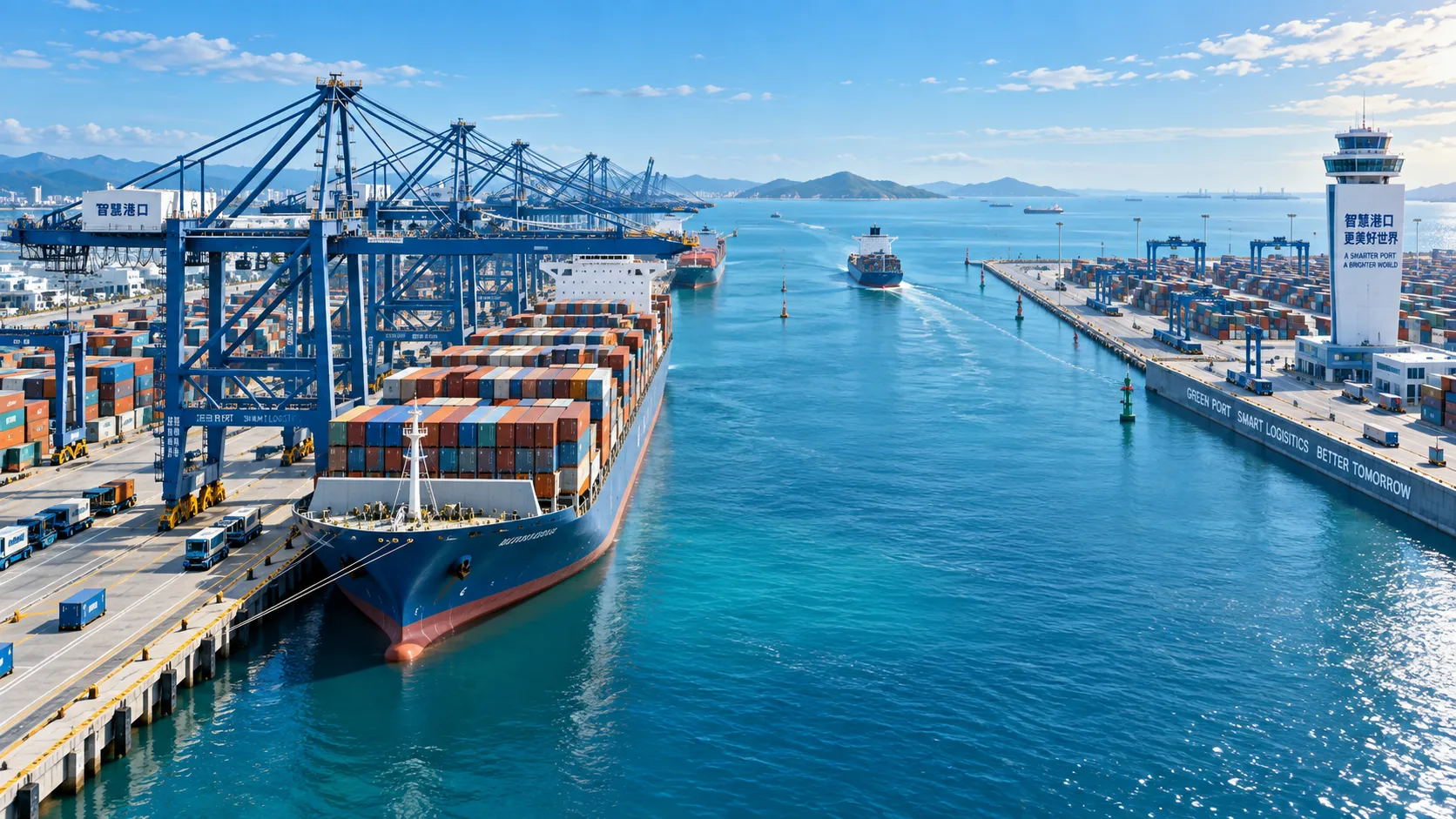
Smart Port Solutions for Berth Planning: Reducing Vessel Wait Times and Conflicts
Smart port solutions for berth planning reduce vessel wait times, prevent conflicts, and optimize quay, crane, and yard resources for faster turnarounds.
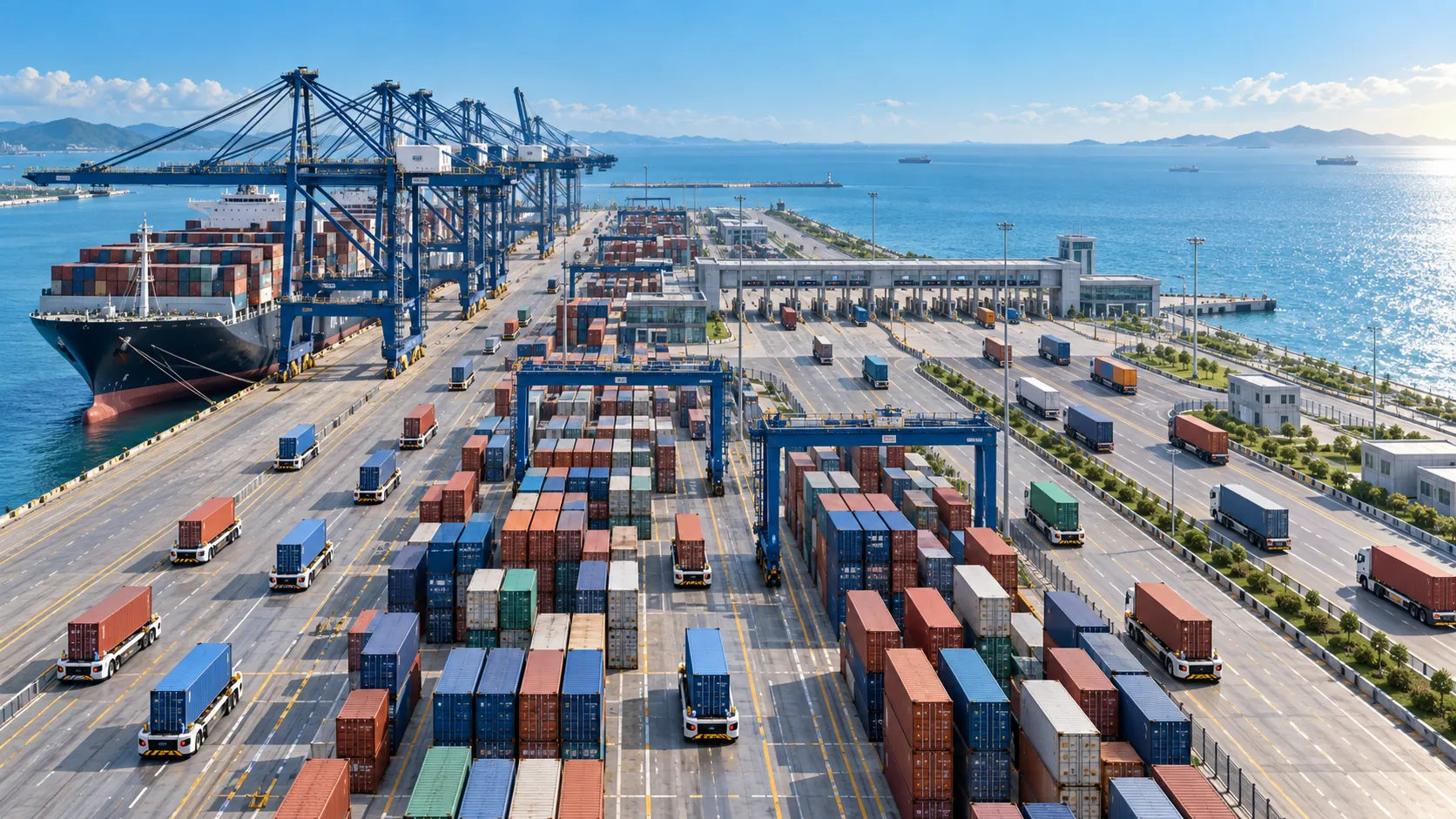
How AI Scheduling Improves Berth, Yard, and Gate Coordination at Terminals
Terminal automation systems with AI scheduling align berth, yard, and gate operations to reduce congestion, improve throughput, and strengthen terminal resilience.
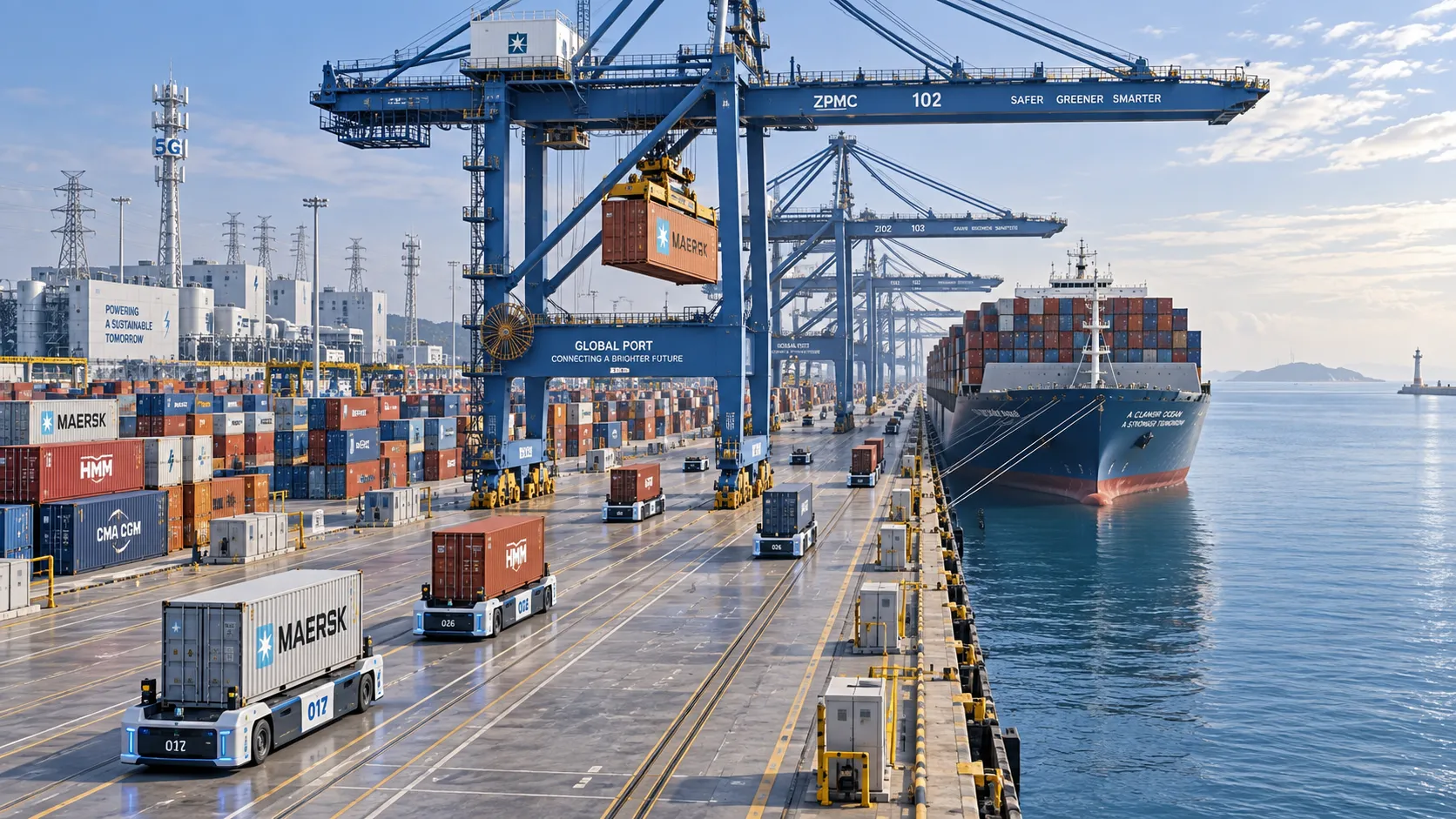
How to Evaluate a Port Logistics Solutions Supplier for Terminal Uptime and Scalability
Choose a port logistics solutions supplier with confidence. Learn how to assess uptime, scalability, service strength, integration, and lifecycle risk for resilient terminal growth.
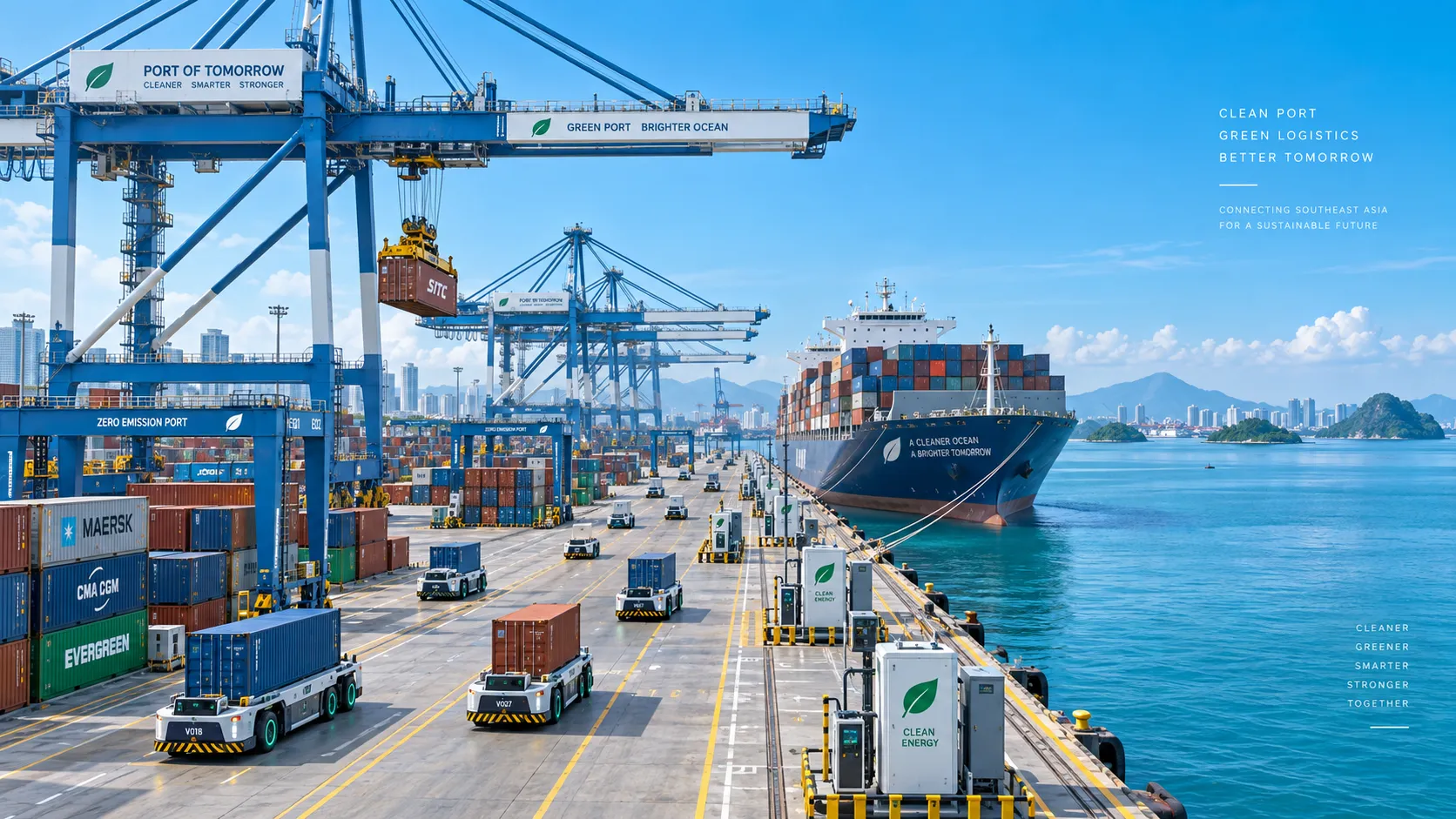
Smart Port Systems in Southeast Asia: Investment Priorities and Adoption Barriers
Smart port systems Southeast Asia: discover investment priorities, adoption barriers, and practical steps to build resilient, connected, high-performing terminals.