Related News
- 00
0000-00
Smart Port Systems Pricing: How to Compare Lifecycle Costs and ROI by Terminal Scale - 00
0000-00
What Drives Bulk Material Handling Pricing in Large Conveyor System Projects? - 00
0000-00
How Shipping Rate Analytics in Europe Help Importers Predict Costs and Route Risk - 00
0000-00
What Buyers Check When Reviewing Used PVC Coating Line Output and Condition - 00
0000-00
Automated Port Systems Cost Breakdown: CAPEX, Integration, and Maintenance Factors
Why are coastal infrastructure costs rising in 2026?
Coastal infrastructure costs are rising in 2026 as ports, terminals, and dredging projects face tighter environmental rules, higher equipment complexity, climate-resilience demands, and volatile supply chains.
For business evaluators, the real question is not only why budgets are expanding, but which cost drivers signal long-term risk or strategic opportunity.
This analysis examines the economic, engineering, and automation factors reshaping investment decisions across maritime logistics and coastal development.
Why Coastal Infrastructure Costs Are Rising in 2026
Coastal infrastructure refers to the physical and digital systems that protect, connect, and operate maritime economic zones.
It includes port terminals, quay walls, breakwaters, dredged channels, coastal roads, flood barriers, power networks, and automated equipment interfaces.
In 2026, these assets are no longer judged by construction cost alone.
They are evaluated through lifecycle resilience, carbon exposure, operating continuity, and integration with digital maritime logistics.
That shift is pushing coastal infrastructure budgets upward across both mature ports and emerging coastal corridors.
The cost rise is not caused by one isolated pressure.
It reflects overlapping demands from climate adaptation, heavier cargo flows, stricter permitting, labor constraints, and smarter terminal operations.
For PS-Nexus, the issue sits at the center of maritime logistics and coastal economics.
Every quay crane, dredger, yard vehicle, and control platform now influences the final cost profile of coastal infrastructure.
Core Cost Drivers in the Current Market
The first driver is climate resilience.
Higher sea levels, storm surges, coastal erosion, and flood recurrence are changing design assumptions for coastal infrastructure.
Projects now require stronger foundations, raised platforms, improved drainage, and more robust protective structures.
These measures increase upfront capital expenditure, yet reduce future disruption risk.
The second driver is environmental compliance.
Dredging windows, sediment handling, habitat protection, emissions rules, and noise controls are becoming more demanding.
Coastal infrastructure projects need additional surveys, mitigation plans, monitoring systems, and specialist approvals.
The third driver is equipment sophistication.
Automated cranes, electric handling systems, digital pump monitoring, and AGV guidance networks require advanced interfaces.
Coastal infrastructure must support sensors, fiber networks, power stability, cybersecurity layers, and remote-control architecture.
Industry Conditions Behind Higher Budgets
Global trade remains uneven, but maritime nodes must prepare for larger ships and tighter turnaround expectations.
This creates pressure to deepen channels, reinforce berths, and upgrade terminal layouts.
Dredging engineering has become a major cost area for coastal infrastructure in 2026.
Deeper waterways demand precise geotechnical modeling, advanced cutter suction dredgers, monitoring systems, and compliant disposal strategies.
At the same time, terminal automation changes how coastal infrastructure is planned.
A conventional yard can tolerate operational variation.
An automated yard requires predictable pavement quality, exact positioning references, stable communication, and controlled traffic logic.
Energy transition is another structural force.
Electrified cranes, shore power, battery equipment, and alternative fuel bunkering all require grid upgrades.
These systems make coastal infrastructure cleaner, but also more complex during planning and construction.
- Larger vessel calls increase berth and channel upgrade needs.
- Port congestion encourages investment in automated container handling.
- Net-zero commitments accelerate electrification and monitoring systems.
- Extreme weather requires higher resilience margins.
- Geopolitical uncertainty complicates procurement and financing.
Business Value Hidden Inside Higher Costs
Rising coastal infrastructure costs are often viewed as a budget threat.
However, they can also reveal where future competitive advantage will emerge.
A port that invests early in resilient coastal infrastructure may reduce downtime after storms.
That reliability can attract carriers, logistics platforms, bulk operators, and long-cycle industrial cargo.
Automation-ready design also improves asset productivity.
When quay cranes, AGVs, yard cranes, and terminal operating systems share reliable data, operations become more predictable.
This creates value beyond basic construction.
It supports faster vessel service, better yard density, lower emissions, and improved equipment utilization.
For dredging projects, higher spending can support longer asset life.
Better sediment analysis, digital pump monitoring, and adaptive maintenance can reduce unplanned stoppages.
The business meaning is clear.
Coastal infrastructure should be assessed as an operating platform, not a static civil asset.
Typical Project Categories and Cost Exposure
Different project types face different exposure patterns.
Understanding these categories helps compare bids, risk allowances, and strategic benefits.
The most exposed projects combine civil engineering with digital equipment integration.
These coastal infrastructure programs carry higher coordination costs, but may deliver stronger operating returns.
Procurement and Supply Chain Pressures
Procurement is a major reason coastal infrastructure prices are rising in 2026.
Steel, cement, marine engines, power electronics, sensors, and control components remain exposed to global volatility.
Lead times for specialized terminal gear can stretch project schedules.
When a crane package, dredging pump, or automation controller is delayed, civil works may also lose efficiency.
Currency movement adds another layer.
Many coastal infrastructure projects import equipment while financing and labor costs remain local.
A small exchange-rate shift can materially affect final installed cost.
Contract structure now matters more than headline price.
Escalation clauses, delivery guarantees, spare-parts access, and maintenance responsibility should be reviewed together.
- Separate commodity volatility from design-driven cost growth.
- Check whether imported equipment has realistic delivery buffers.
- Compare lifecycle support, not only initial equipment pricing.
- Link civil construction milestones with automation commissioning plans.
Engineering Complexity and Digital Integration
Modern coastal infrastructure must host both physical loads and digital decisions.
That combination increases engineering complexity across design, construction, testing, and operations.
Automated container handling requires stable surfaces, accurate positioning, and low-latency communications.
Remote-controlled cranes require camera systems, redundant networks, protected control rooms, and reliable power distribution.
Dredging equipment increasingly depends on digital pump monitoring and production analytics.
These systems help manage wear, fuel use, slurry density, and maintenance planning.
The challenge is interface risk.
Civil contractors, equipment suppliers, software teams, and marine engineers must work from compatible assumptions.
If interface design is weak, coastal infrastructure costs can rise through rework, commissioning delays, and operational instability.
Practical Evaluation Points for 2026 Projects
Cost control begins before tendering.
A strong coastal infrastructure evaluation should connect climate risk, equipment strategy, permitting, and operating objectives.
- Define the operating target before finalizing the civil scope.
- Model sea-level, surge, and erosion scenarios over the asset lifecycle.
- Treat dredging approvals as schedule-critical, not administrative.
- Confirm automation, power, and data requirements during early design.
- Evaluate suppliers by uptime support, not only equipment capacity.
- Use lifecycle costing for maintenance, emissions, and downtime exposure.
A low initial bid may not be the best value.
If it excludes resilience allowances, digital interfaces, or environmental controls, the total cost can rise later.
Transparent assumptions are essential for comparing coastal infrastructure alternatives.
Strategic Outlook for Coastal Economics
The rise in coastal infrastructure costs is likely to continue beyond 2026.
However, the pattern will not be uniform across regions or project types.
Ports with strong planning data, mature permitting pathways, and integrated automation strategies may control escalation better.
Projects with unclear scope, weak geotechnical knowledge, or fragmented procurement will face higher risk premiums.
The strategic opportunity lies in connecting intelligence with execution.
That includes shipping-rate signals, terminal utilization data, equipment lead times, and coastal risk modeling.
For maritime logistics, coastal infrastructure is becoming a competitive control point.
The best investments will not simply build stronger assets.
They will synchronize port machinery, digital scheduling, dredging capacity, and trade-flow resilience.
Action Path for Better Decisions
A practical next step is to build a structured cost-risk map for each coastal infrastructure project.
The map should separate unavoidable resilience spending from avoidable coordination waste.
It should also compare equipment pathways, dredging strategies, energy systems, and automation readiness.
PS-Nexus tracks these signals through heavy terminal gear intelligence, port automation analysis, and marine dredging engineering insight.
The objective is not to resist every cost increase.
The objective is to identify which costs create durable performance, and which costs reflect preventable risk.
In 2026, coastal infrastructure spending is rising because maritime systems are becoming more resilient, automated, and strategically important.
Decision quality will depend on reading those cost signals before they become fixed obligations.
Related News
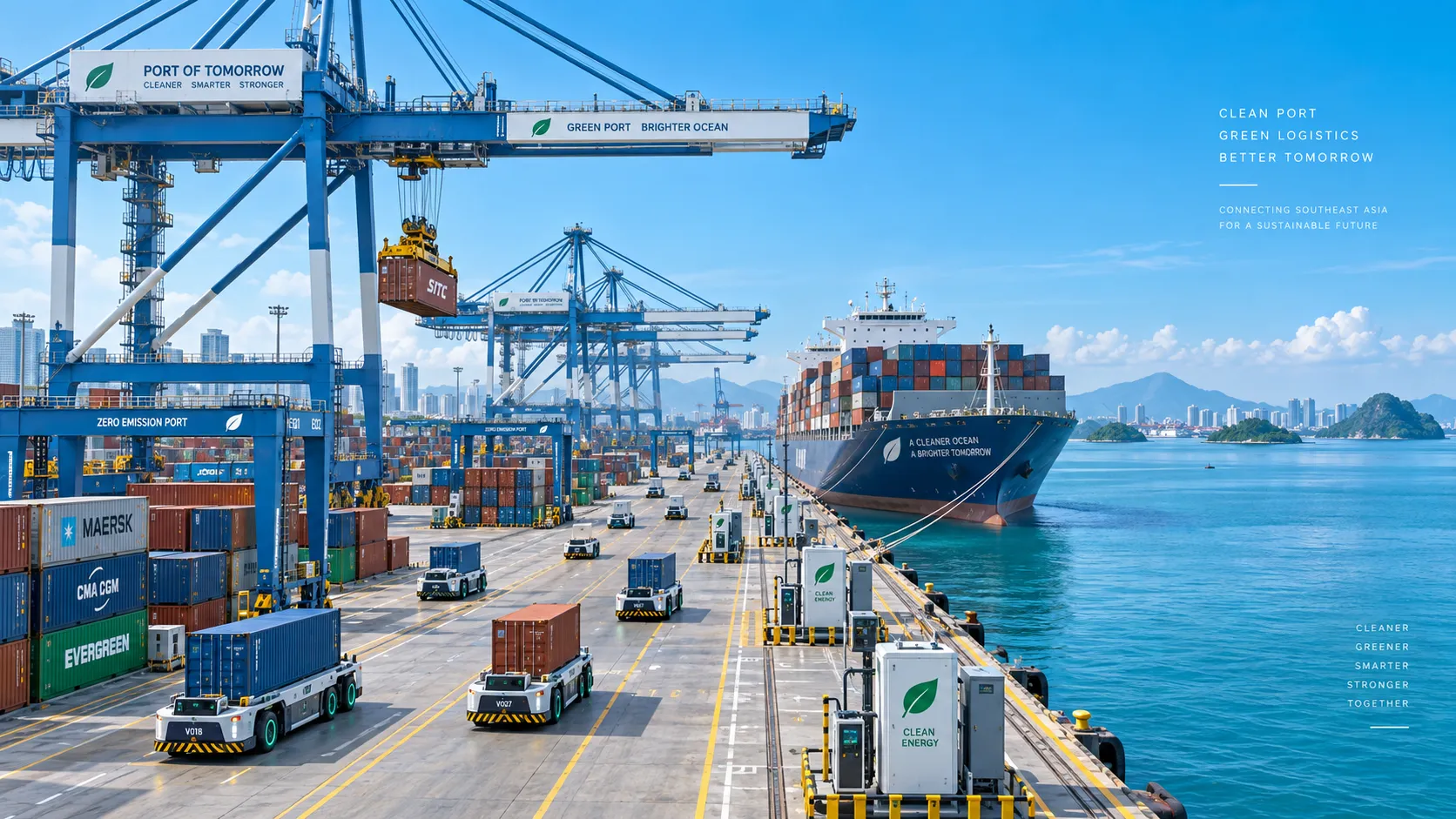
Smart Port Systems in Southeast Asia: Investment Priorities and Adoption Barriers
Smart port systems Southeast Asia: discover investment priorities, adoption barriers, and practical steps to build resilient, connected, high-performing terminals.
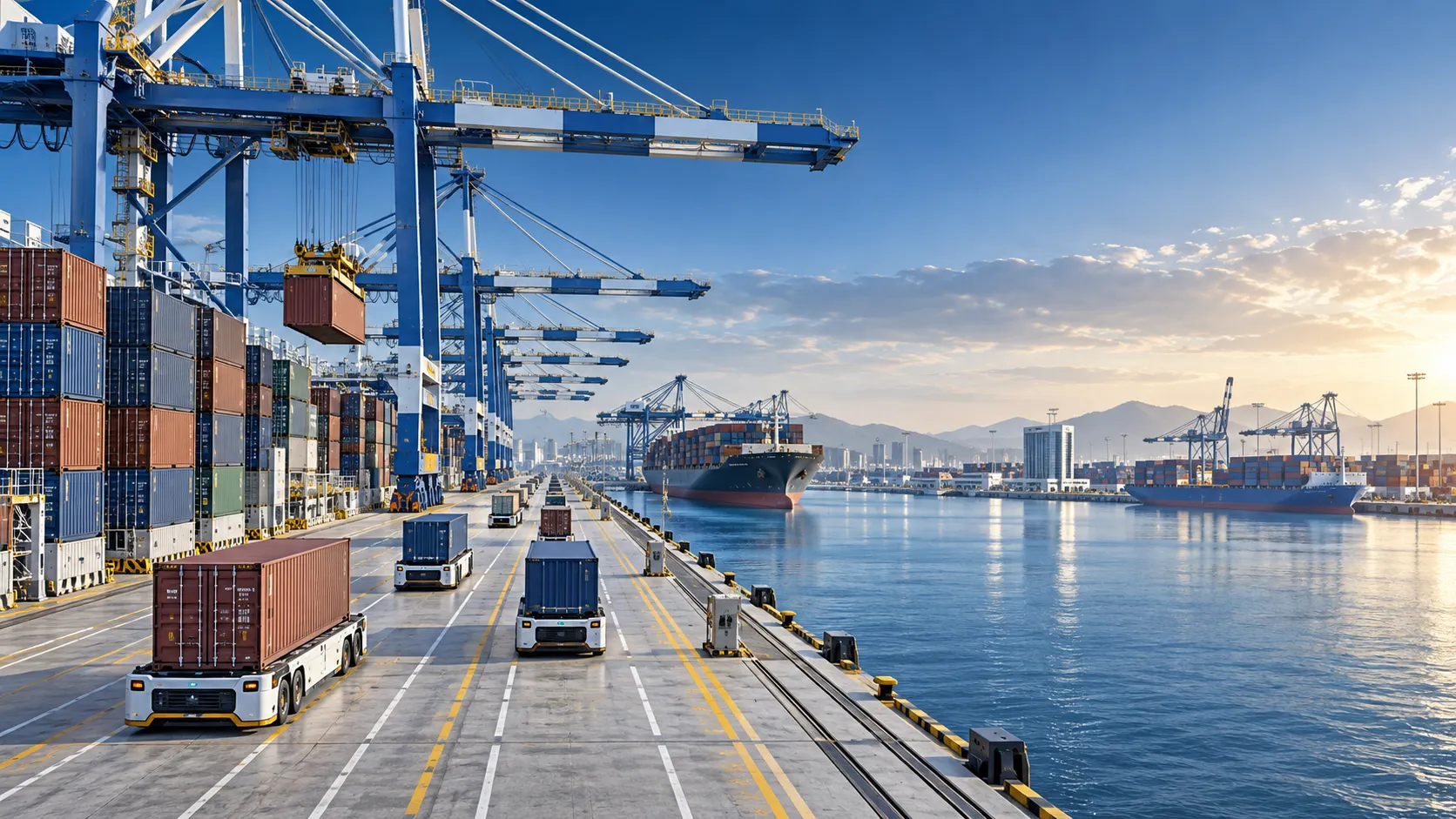
How to Evaluate Terminal Efficiency Solution Suppliers for High-Throughput Operations
Choose a terminal efficiency solutions supplier with confidence. Explore proven criteria for throughput, integration, lifecycle cost, safety, and reliable delivery.
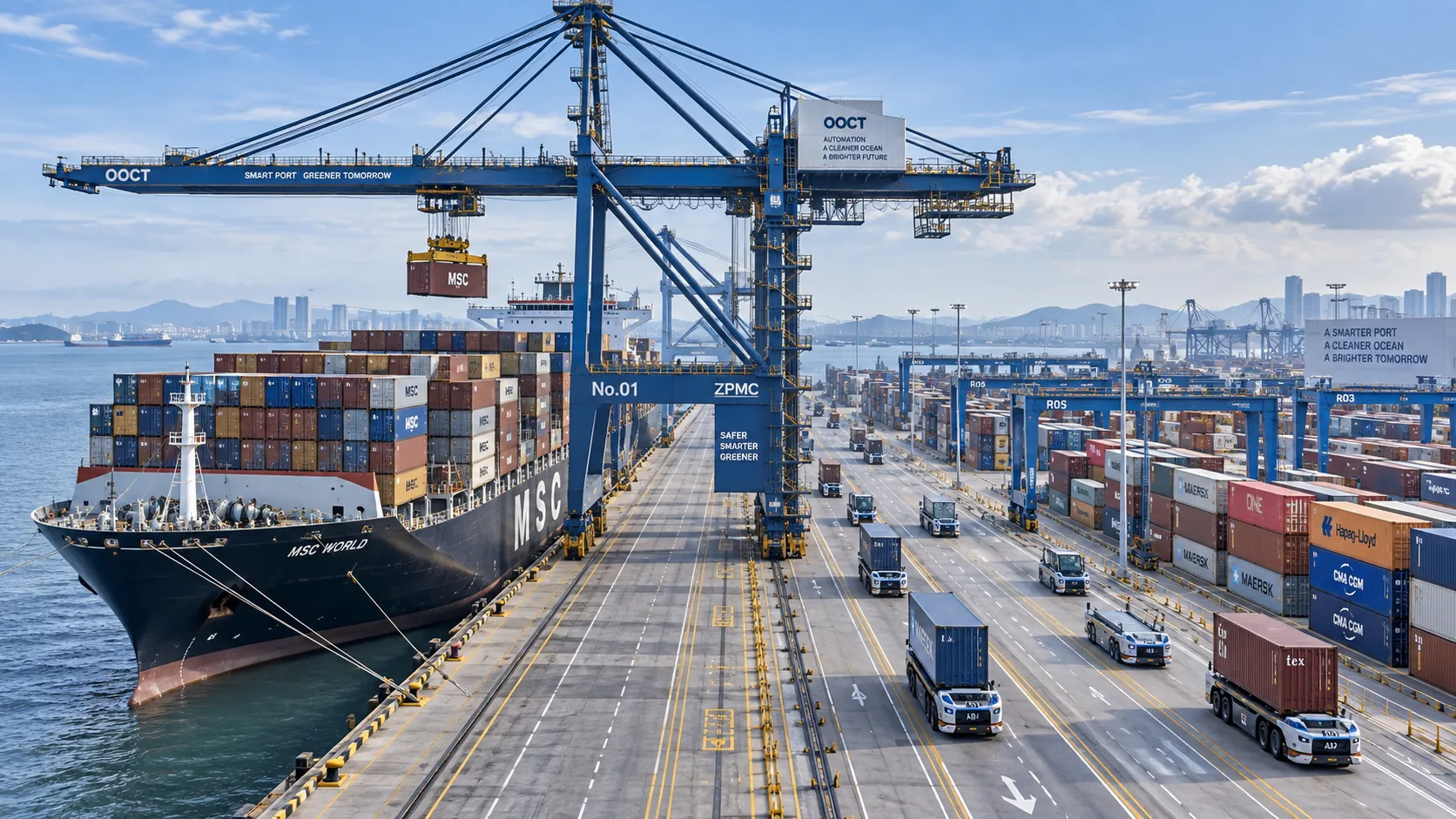
How to Specify a Quay Crane for Container Terminals by Vessel Size and Throughput?
Quay crane for container terminals: learn how to match outreach, lift height, capacity, automation, and cycle performance to vessel size and throughput goals.
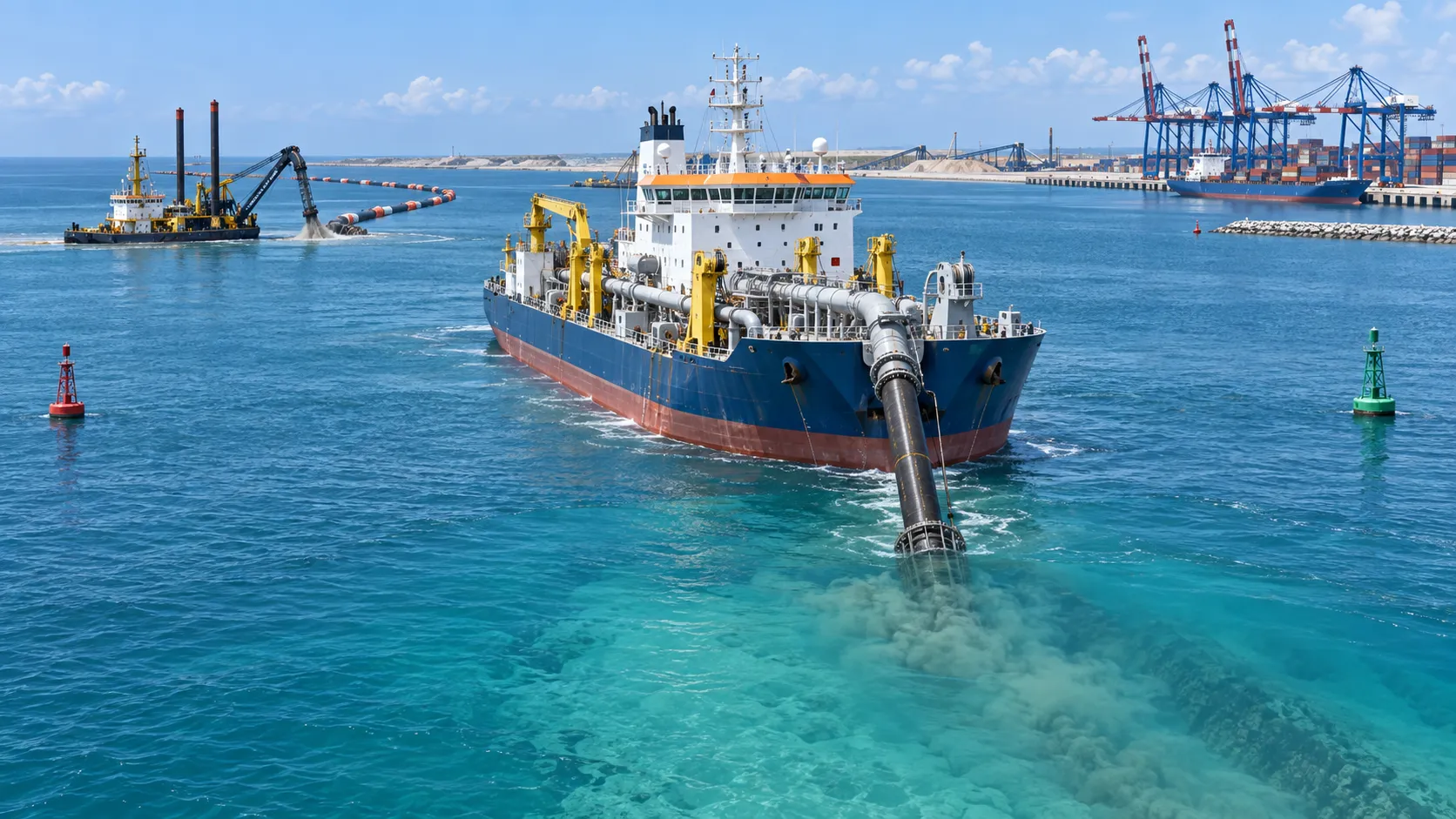
What Dredging Equipment Is Needed for Channel Deepening?
What dredging equipment is needed for channel deepening? Explore dredgers, pipelines, survey tools, and planning strategies for safer, more efficient port access.
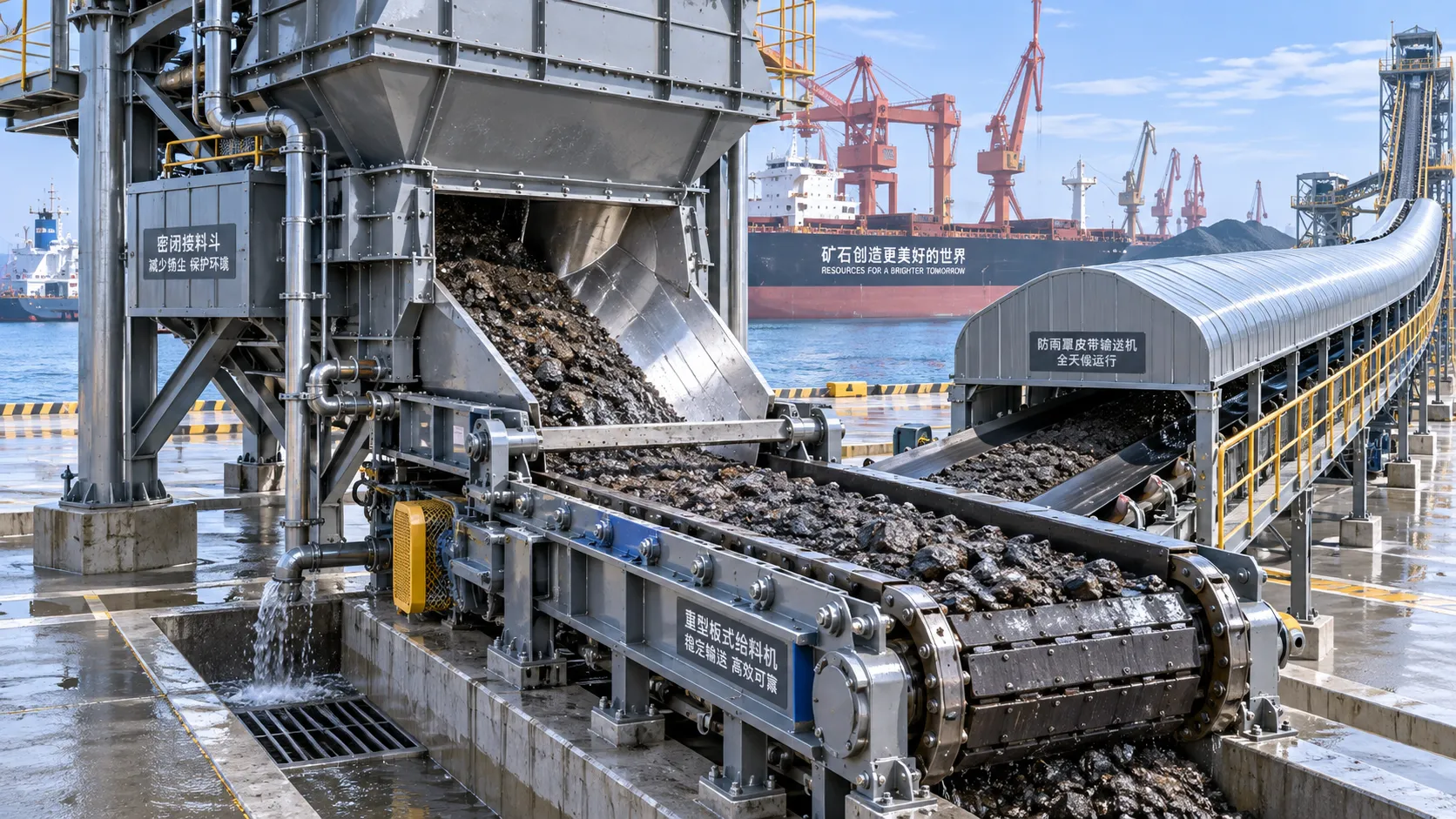
Which Bulk Handling Equipment Suits High-Moisture Cargo?
Which bulk handling equipment suits high-moisture cargo? Compare belt, apron, screw, drag, and slurry systems for reliable flow, less carryback, and higher terminal uptime.
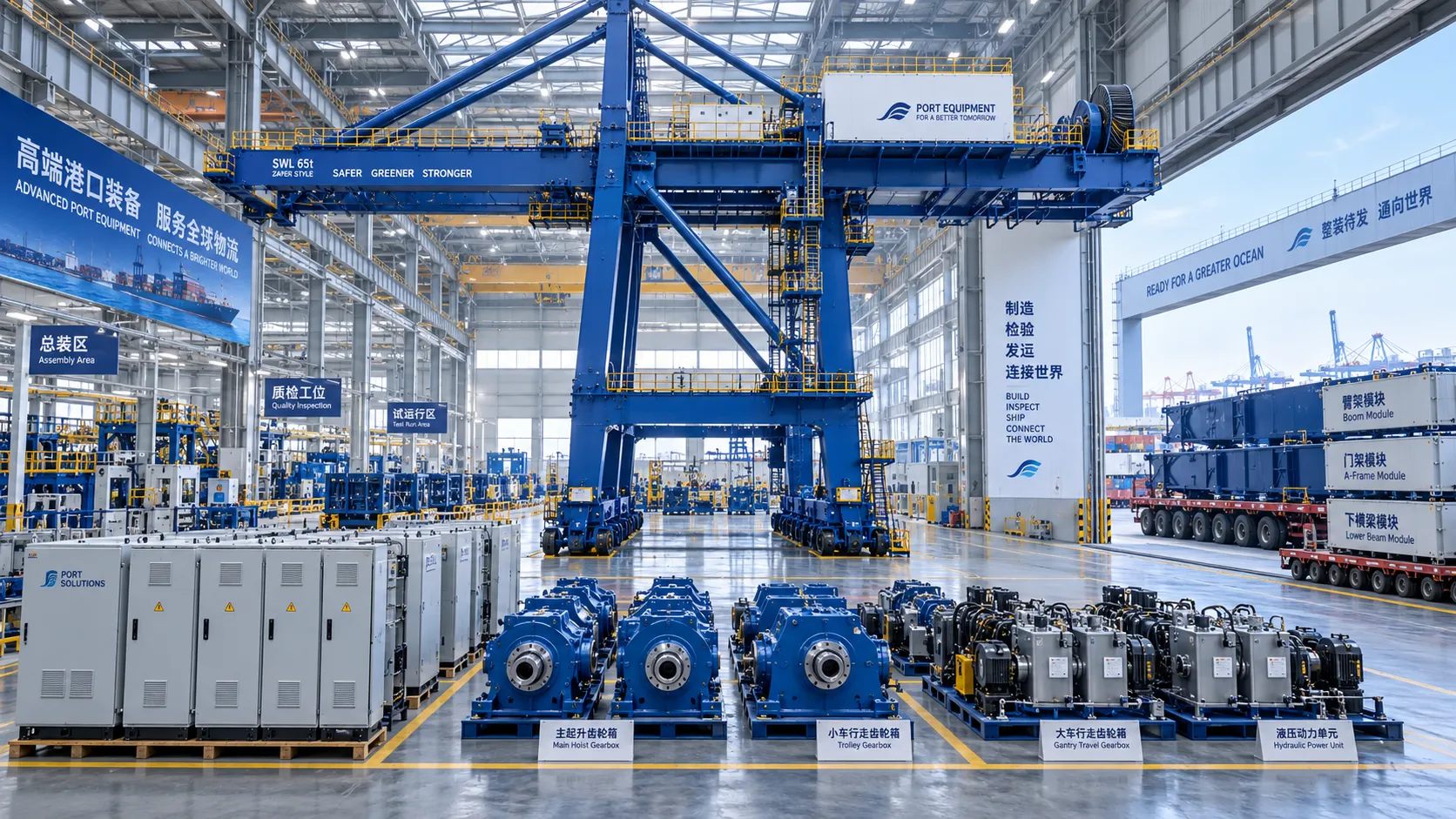
How Can Port Equipment Lead-Time Risk Be Managed?
How can port equipment lead-time risk be managed? Explore practical strategies to control critical paths, suppliers, transport, site readiness, and commissioning delays.
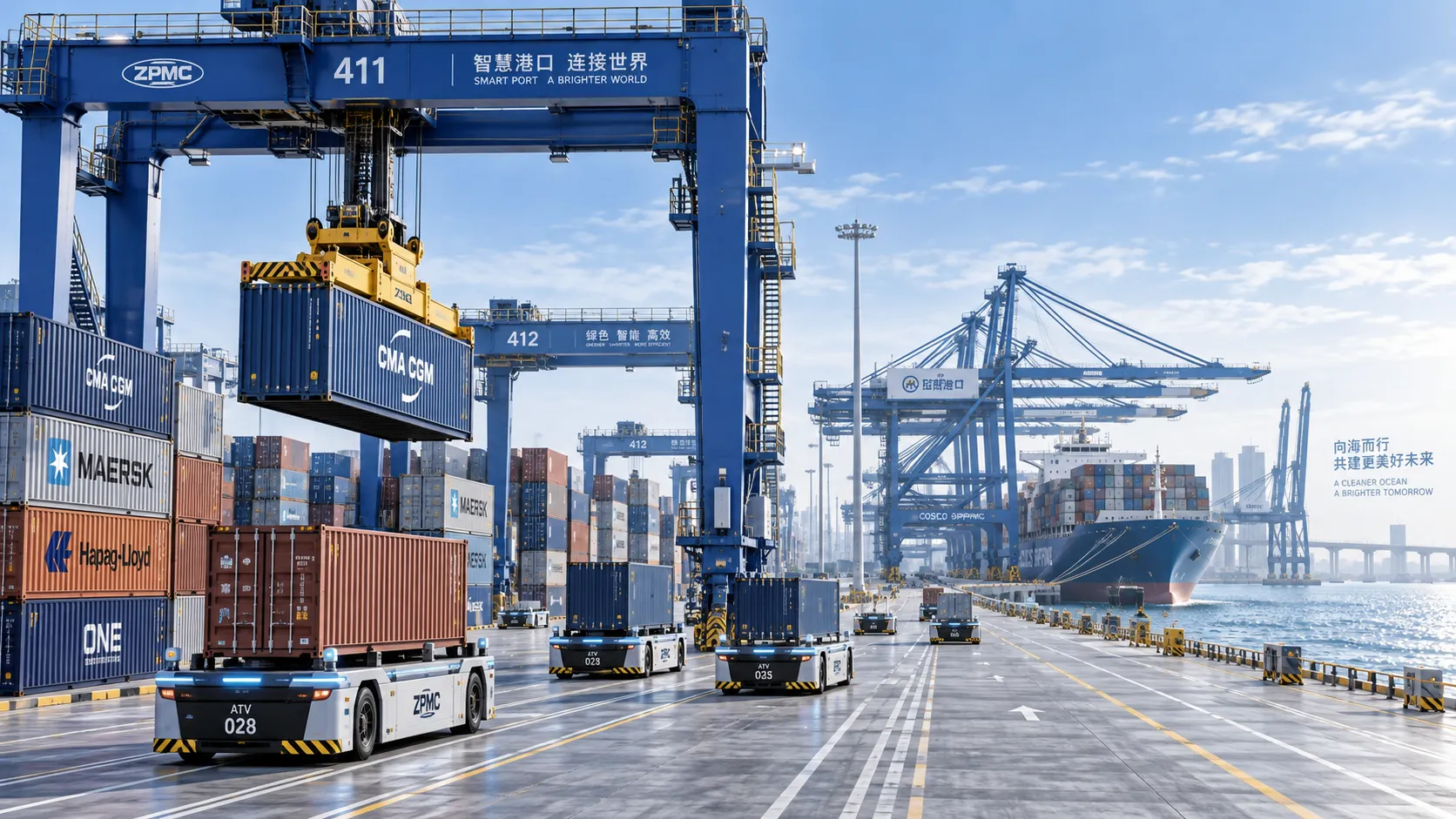
Terminal Automation Technologies That Raise Container Throughput Without Yard Disruption
Terminal automation technology that increases container throughput without disrupting yard flow. Explore smarter integration, resilient workflows, and phased deployment strategies.
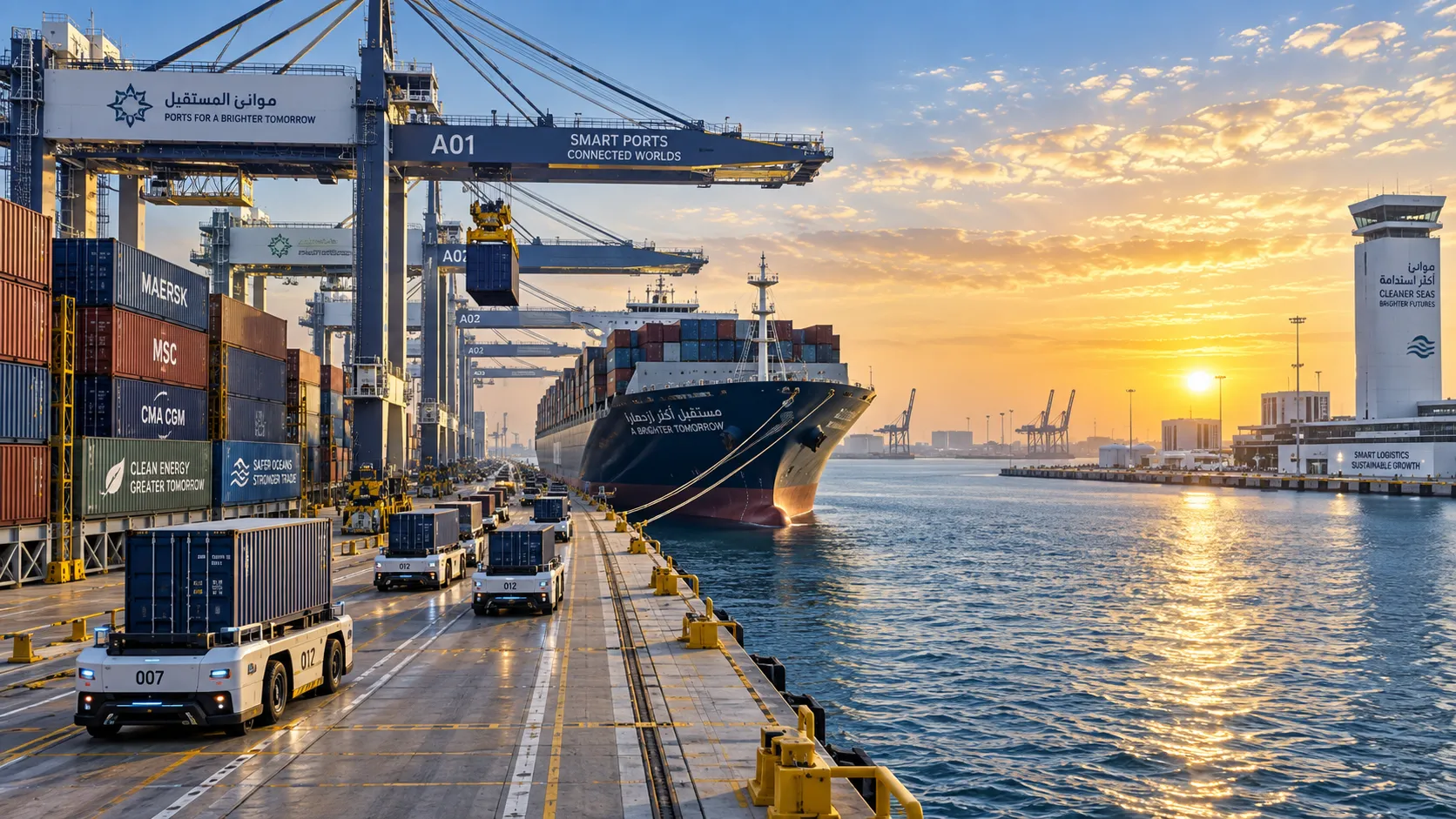
Middle East Port Automation: Key Market Drivers, Projects, and Investment Risks
Port automation systems Middle East: explore market drivers, flagship projects, integration challenges, and investment risks shaping smarter, resilient terminals.
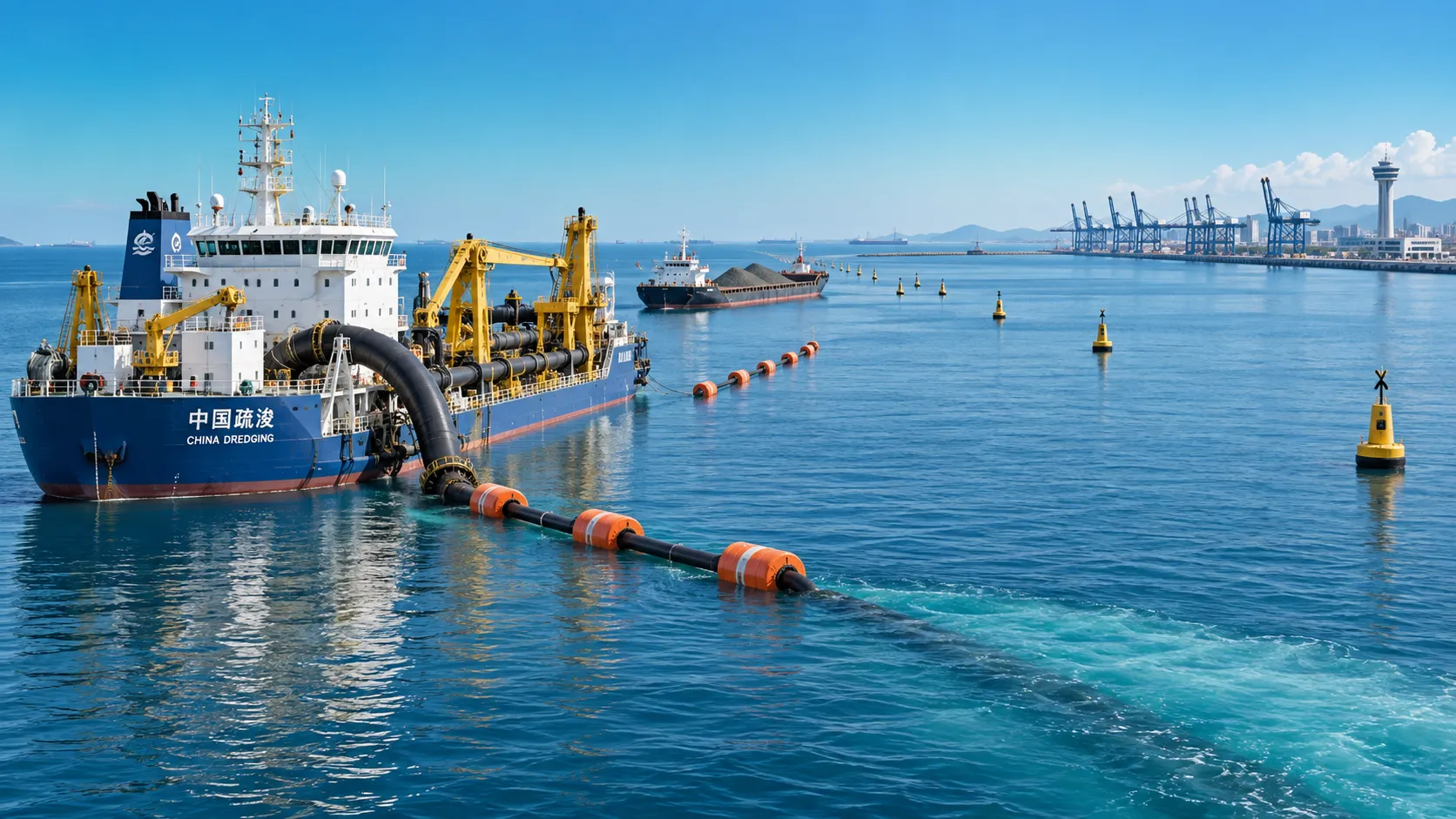
Planning Offshore Dredging Operations: Key Risks, Methods, and Project Controls
Offshore dredging operations demand smart planning. Explore key risks, proven methods, environmental controls, and project strategies for reliable delivery.