Related News
- 00
0000-00
Smart Port Systems Pricing: How to Compare Lifecycle Costs and ROI by Terminal Scale - 00
0000-00
What Drives Bulk Material Handling Pricing in Large Conveyor System Projects? - 00
0000-00
How Shipping Rate Analytics in Europe Help Importers Predict Costs and Route Risk - 00
0000-00
What Buyers Check When Reviewing Used PVC Coating Line Output and Condition - 00
0000-00
Automated Port Systems Cost Breakdown: CAPEX, Integration, and Maintenance Factors
Is smart terminal technology worth the upfront cost?
For financial decision-makers, the key issue is simple: can smart terminal technology turn a heavy upfront spend into durable operating gains? In ports, yards, and intermodal hubs, the answer depends less on novelty and more on measurable outcomes. Throughput, labor productivity, equipment uptime, safety performance, and energy efficiency all matter. As automation and real-time visibility reshape maritime logistics, the value of smart terminal technology increasingly comes from how well it improves daily execution, not just how advanced it looks on paper.
Why a checklist is the best way to judge smart terminal technology
Large terminal investments rarely fail because the hardware is weak. They fail because assumptions are vague, integration is underestimated, or benefits are counted twice. A checklist approach forces a disciplined review.
This matters across the broader industrial chain covered by PS-Nexus. Smart cranes, AGVs, yard systems, dredging support fleets, and control platforms all share one truth: value appears only when physical assets and digital logic work together.
Using a structured checklist also helps compare phased upgrades with full automation programs. In many terminals, the question is not whether smart terminal technology is worth it in theory, but whether the site is operationally ready to capture the return.
Core checklist: how to evaluate whether smart terminal technology is worth the upfront cost
- Measure baseline performance first, including berth productivity, truck turn time, yard dwell, rehandle rate, energy use, and unplanned downtime before discussing any smart terminal technology proposal.
- Define the actual bottleneck, because investment returns differ if the constraint sits in quay operations, horizontal transport, yard planning, gate processing, or maintenance coordination.
- Quantify throughput upside carefully, using realistic crane intensity, yard density, vessel mix, and seasonal peaks instead of headline vendor assumptions or idealized automation scenarios.
- Calculate labor impact in detail, separating direct headcount savings from redeployment, training costs, supervision needs, and round-the-clock technical support requirements.
- Test system integration early, especially links between TOS, equipment control systems, OCR, RTLS, maintenance software, cybersecurity layers, and remote operating stations.
- Check data quality readiness, because smart terminal technology performs poorly when asset tags, job orders, position data, and exception codes are inconsistent or incomplete.
- Model uptime risk, including sensor failure, network latency, software bugs, weather disruption, and fallback procedures for manual intervention during system exceptions.
- Estimate energy and emissions gains, since electrified and optimized terminal flows can strengthen the business case where fuel costs or net-zero targets are material.
- Review asset life extension potential, because predictive maintenance and condition monitoring may reduce breakdowns and defer replacement of critical terminal equipment.
- Set a phased ROI timeline, distinguishing quick wins in visibility and dispatching from longer-cycle returns tied to automation maturity and process redesign.
- Validate vendor capability beyond demonstrations, focusing on reference sites, local service coverage, software update discipline, and proven performance in marine operating conditions.
- Build governance rules for exceptions, because even strong smart terminal technology loses value when no one owns incident response, KPI review, or change control.
Where smart terminal technology usually creates the strongest return
High-volume container terminals
In dense container environments, smart terminal technology often pays back fastest. The reason is scale. Small gains in crane synchronization, yard routing, and truck appointment control can unlock major capacity.
Remote crane operations, automated stacking logic, and dynamic dispatching reduce idle travel and handling conflicts. When vessel calls are frequent and yard pressure is constant, the savings become repeatable rather than occasional.
Bulk cargo and energy terminals
For bulk operations, the value of smart terminal technology often comes less from robotics and more from flow visibility. Conveyor health, stockpile tracking, loader scheduling, and moisture-related risk monitoring can stabilize output.
Because bulk terminals depend on continuous movement, unexpected stoppages are expensive. Predictive maintenance and coordinated control systems help protect availability, especially when commodity schedules are tight.
Intermodal yards and inland logistics nodes
Smart terminal technology also performs well where rail, truck, and container exchanges create planning complexity. Here, digital visibility reduces missed handoffs, gate congestion, and manual reconciliation work.
The return is strongest when operators already face recurring surges, mixed service priorities, or unreliable equipment allocation. Better orchestration can improve service without immediate land expansion.
Dredging-linked marine logistics support
In dredging and marine engineering support chains, smart terminal technology can improve dispatch, fuel efficiency, pump monitoring, and maintenance planning. The gains may be less visible than in container yards, but they are still strategic.
When fairway development, barge coordination, and equipment uptime affect broader port productivity, digital control systems can create indirect yet meaningful financial value across the logistics network.
Commonly overlooked costs and risk factors
One frequent mistake is treating smart terminal technology as a one-time capital purchase. In reality, software licensing, cybersecurity hardening, integration support, calibration, and retraining can reshape total cost of ownership.
Another overlooked issue is process immaturity. If work instructions, exception handling, and KPI accountability are weak, smart terminal technology may only digitize inefficiency instead of removing it.
Data latency is another hidden risk. Automated decision tools depend on accurate locations, container status, and equipment health signals. Bad data can produce bad dispatching faster, not better.
Cyber risk deserves separate attention. As terminals connect cranes, control rooms, gates, and cloud analytics, the attack surface expands. A single disruption can erase expected gains through downtime and reputational damage.
There is also a timing risk. If cargo demand is volatile or trade lanes are shifting, the business case for smart terminal technology should be stress-tested against lower utilization scenarios, not only peak forecasts.
A practical decision framework for execution
- Start with one operational pain point, such as yard congestion or crane downtime, and attach a financial metric to it before expanding the smart terminal technology scope.
- Run a pilot under live operating conditions, then compare actual cycle times, fault rates, and operator intervention frequency against the existing process baseline.
- Phase integration by priority, connecting core control systems first and postponing lower-value dashboards until operational stability is proven.
- Create a realistic payback model that includes CapEx, OpEx, downtime during transition, cybersecurity spending, training, and post-launch support.
- Assign ownership for KPI reviews, exception workflows, and vendor performance audits so that smart terminal technology keeps improving after commissioning.
Is smart terminal technology worth the upfront cost?
In many cases, yes—but only when the investment is matched to the terminal’s real bottleneck, data maturity, and execution discipline. Smart terminal technology is not automatically valuable because it is automated or connected.
It becomes worth the upfront cost when it lifts throughput, reduces avoidable labor intensity, improves asset utilization, and lowers disruption risk over time. The strongest business cases usually come from sites with recurring congestion, expensive downtime, or limited room for physical expansion.
The next step is practical: establish a clean baseline, identify one measurable bottleneck, and test smart terminal technology against that constraint first. A disciplined rollout will reveal whether the promised efficiency is theoretical—or bankable.
Related News
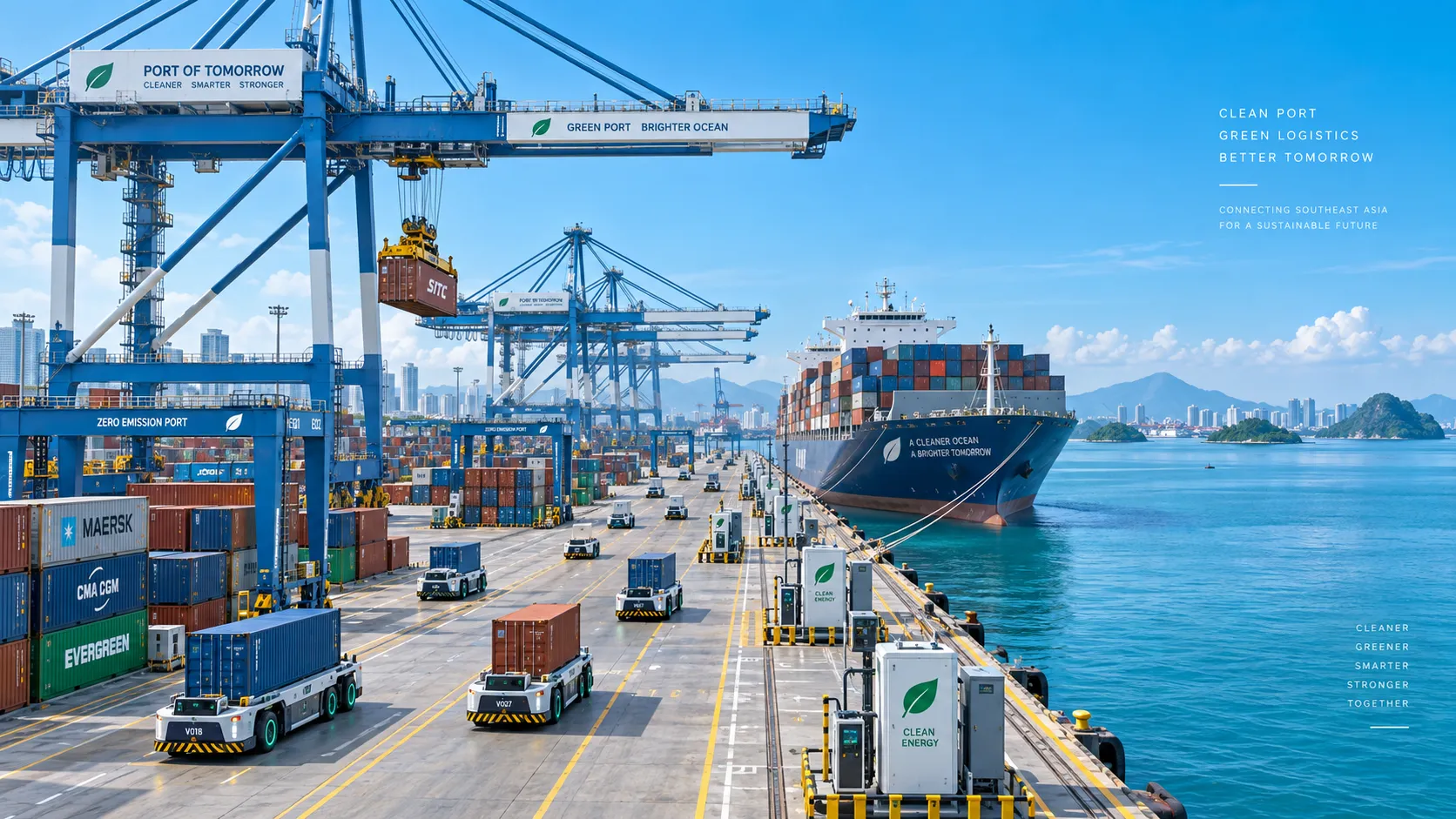
Smart Port Systems in Southeast Asia: Investment Priorities and Adoption Barriers
Smart port systems Southeast Asia: discover investment priorities, adoption barriers, and practical steps to build resilient, connected, high-performing terminals.
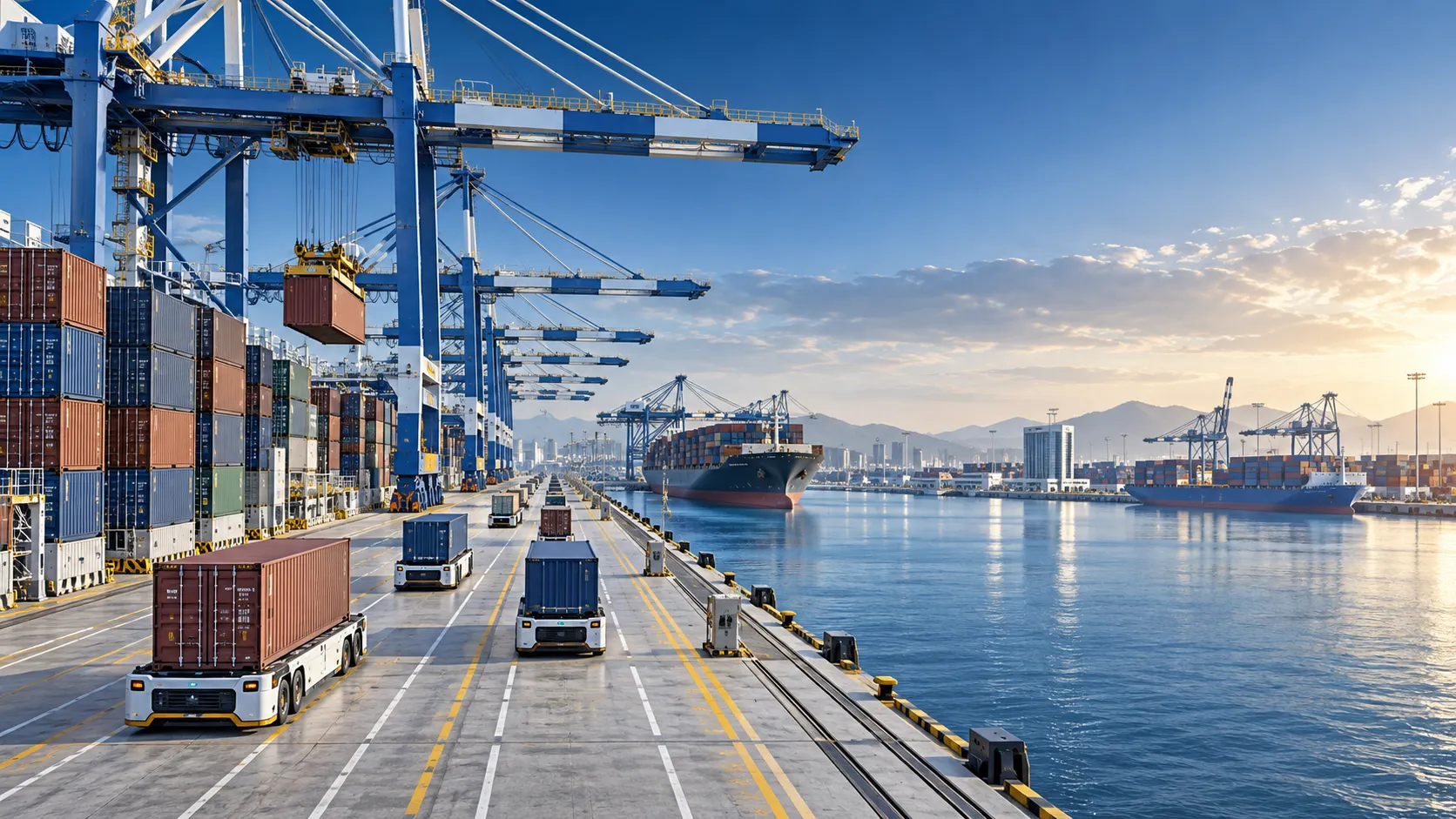
How to Evaluate Terminal Efficiency Solution Suppliers for High-Throughput Operations
Choose a terminal efficiency solutions supplier with confidence. Explore proven criteria for throughput, integration, lifecycle cost, safety, and reliable delivery.
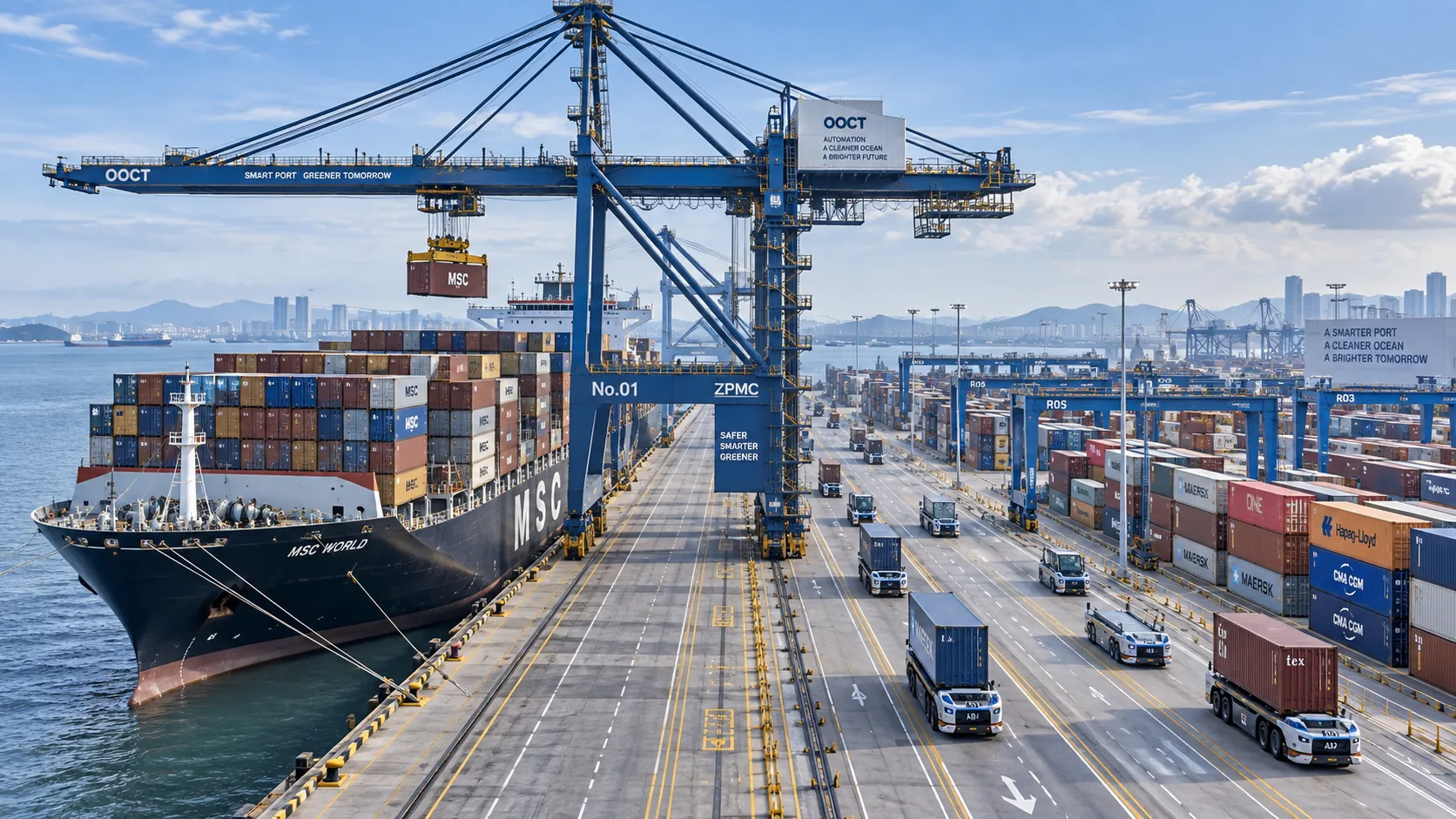
How to Specify a Quay Crane for Container Terminals by Vessel Size and Throughput?
Quay crane for container terminals: learn how to match outreach, lift height, capacity, automation, and cycle performance to vessel size and throughput goals.
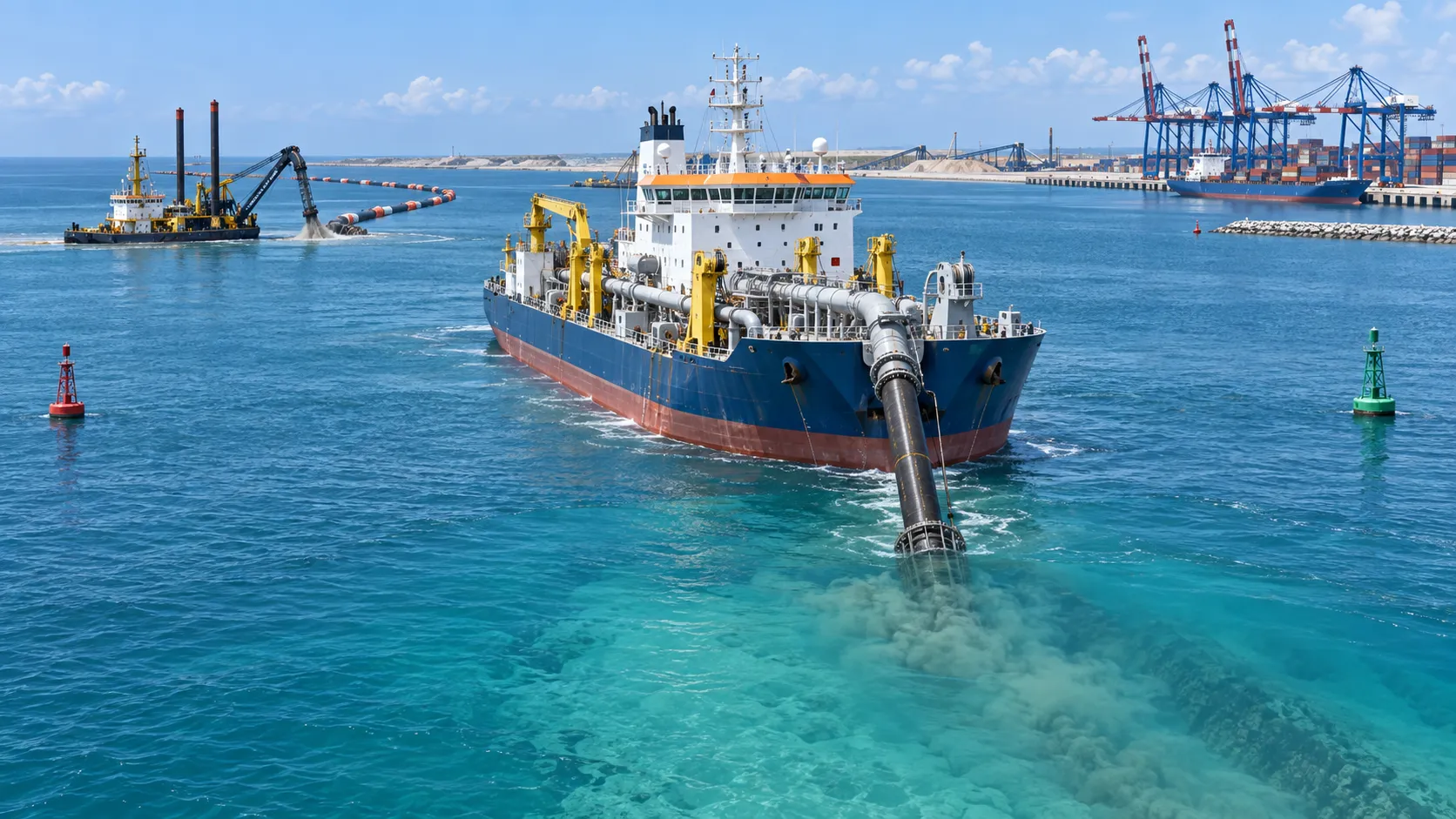
What Dredging Equipment Is Needed for Channel Deepening?
What dredging equipment is needed for channel deepening? Explore dredgers, pipelines, survey tools, and planning strategies for safer, more efficient port access.
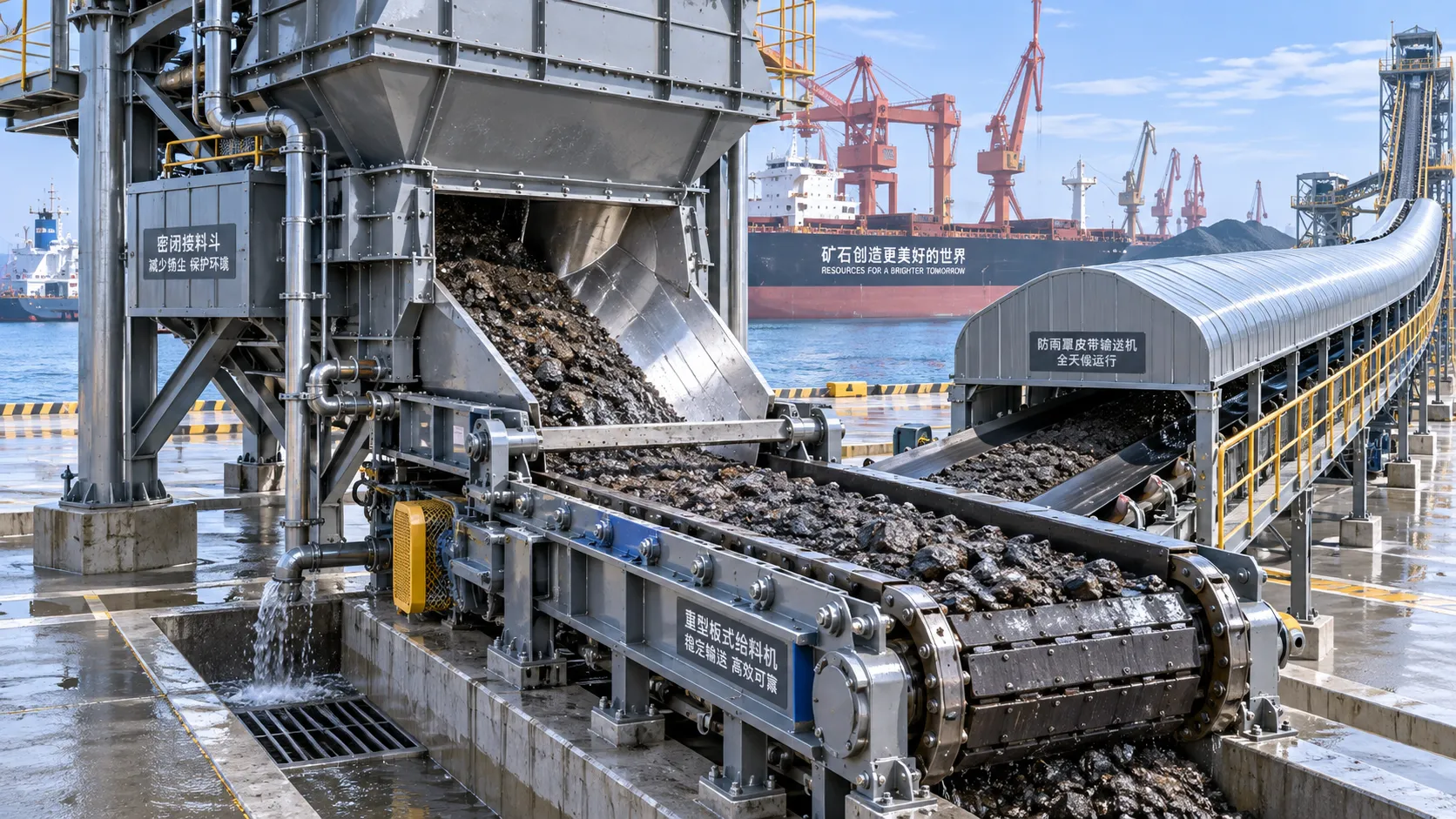
Which Bulk Handling Equipment Suits High-Moisture Cargo?
Which bulk handling equipment suits high-moisture cargo? Compare belt, apron, screw, drag, and slurry systems for reliable flow, less carryback, and higher terminal uptime.
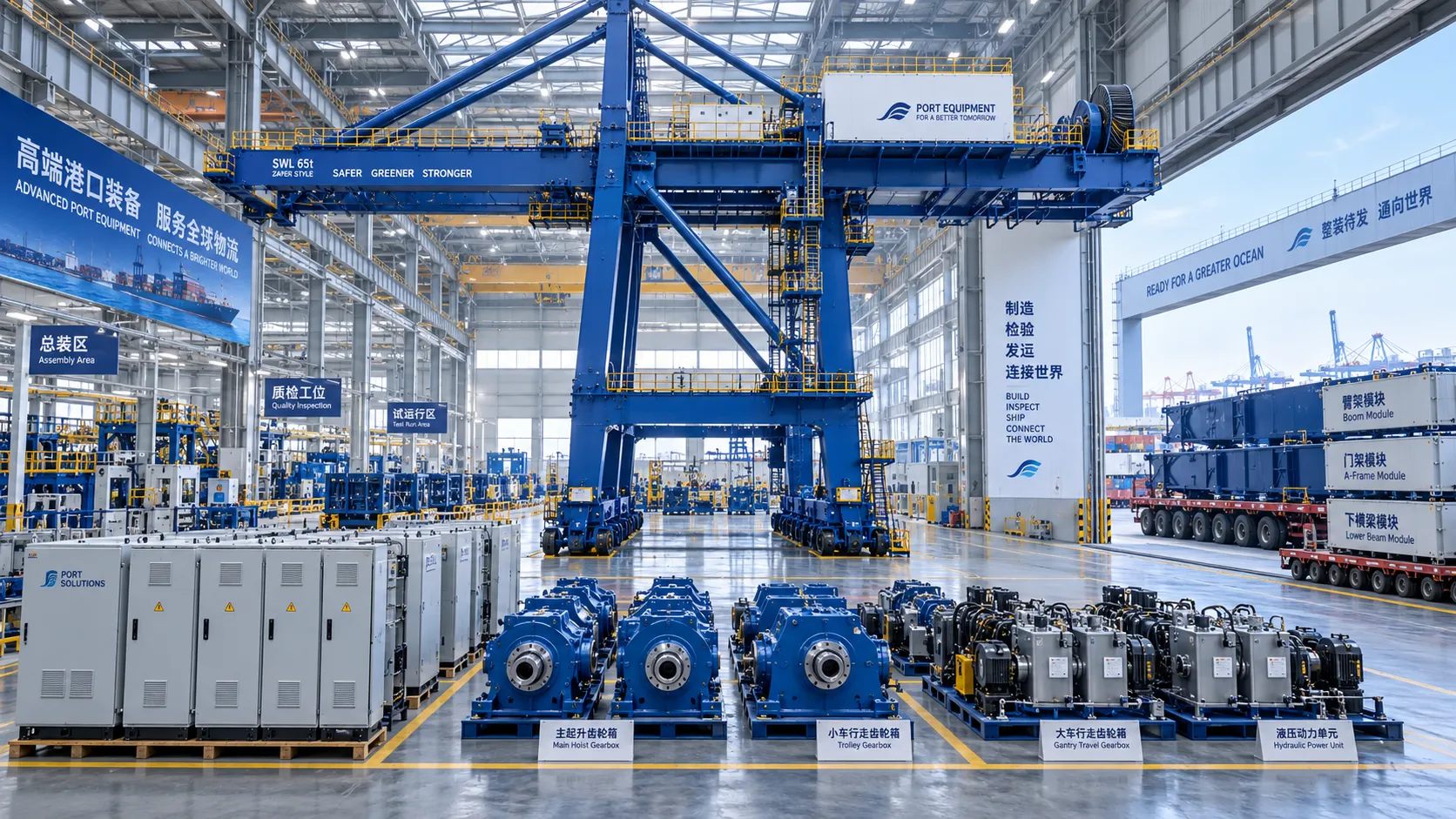
How Can Port Equipment Lead-Time Risk Be Managed?
How can port equipment lead-time risk be managed? Explore practical strategies to control critical paths, suppliers, transport, site readiness, and commissioning delays.
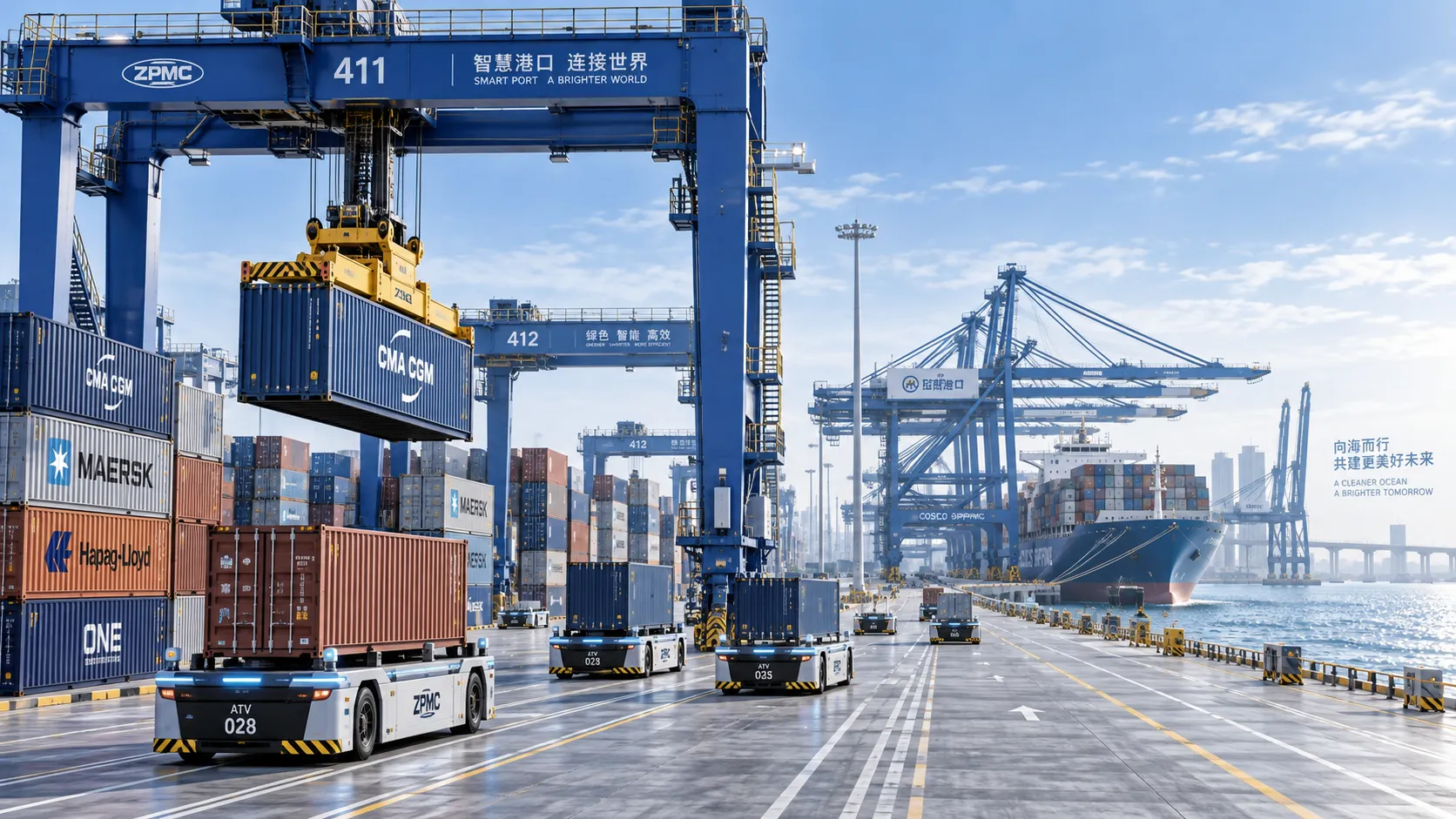
Terminal Automation Technologies That Raise Container Throughput Without Yard Disruption
Terminal automation technology that increases container throughput without disrupting yard flow. Explore smarter integration, resilient workflows, and phased deployment strategies.
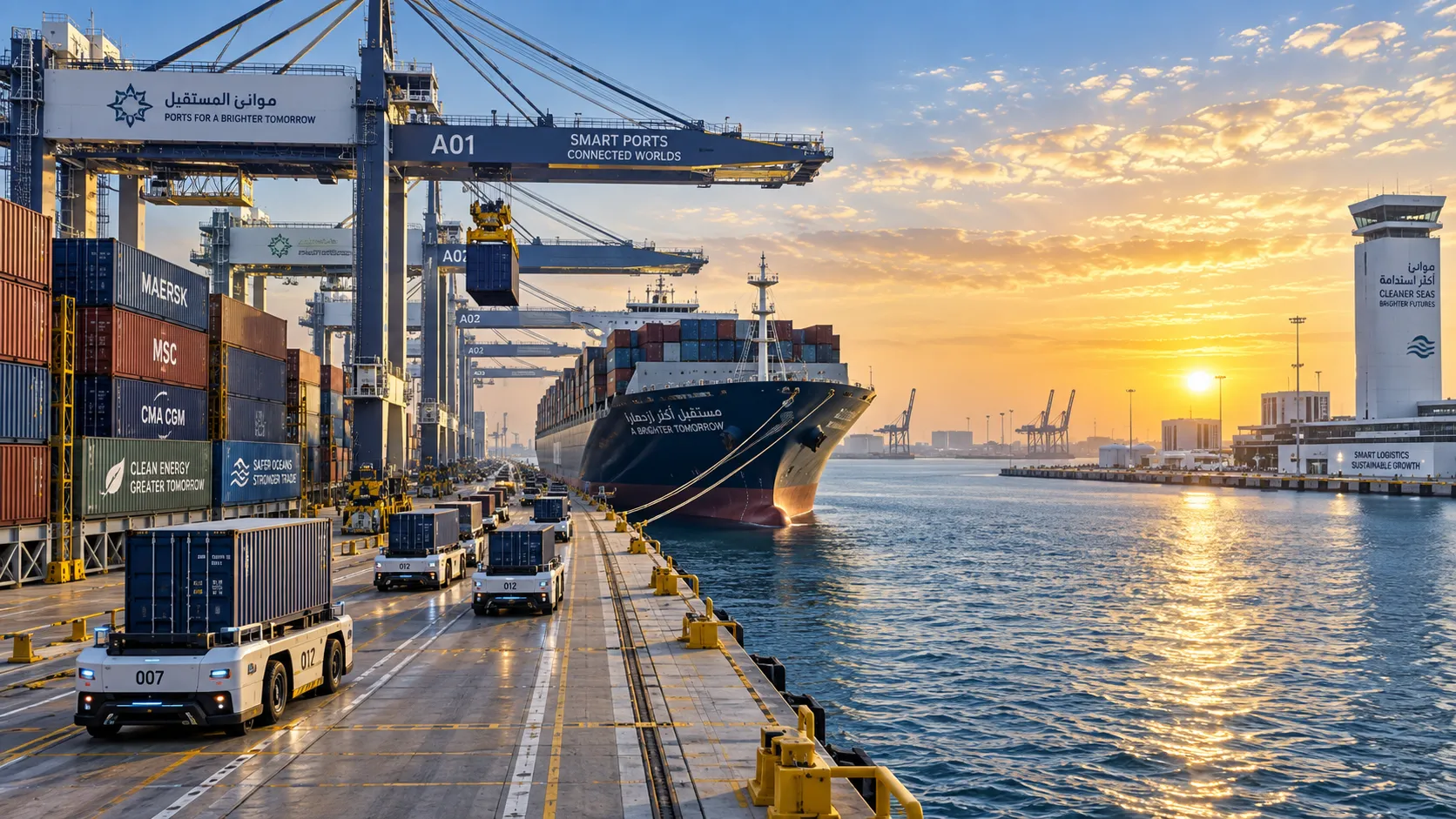
Middle East Port Automation: Key Market Drivers, Projects, and Investment Risks
Port automation systems Middle East: explore market drivers, flagship projects, integration challenges, and investment risks shaping smarter, resilient terminals.
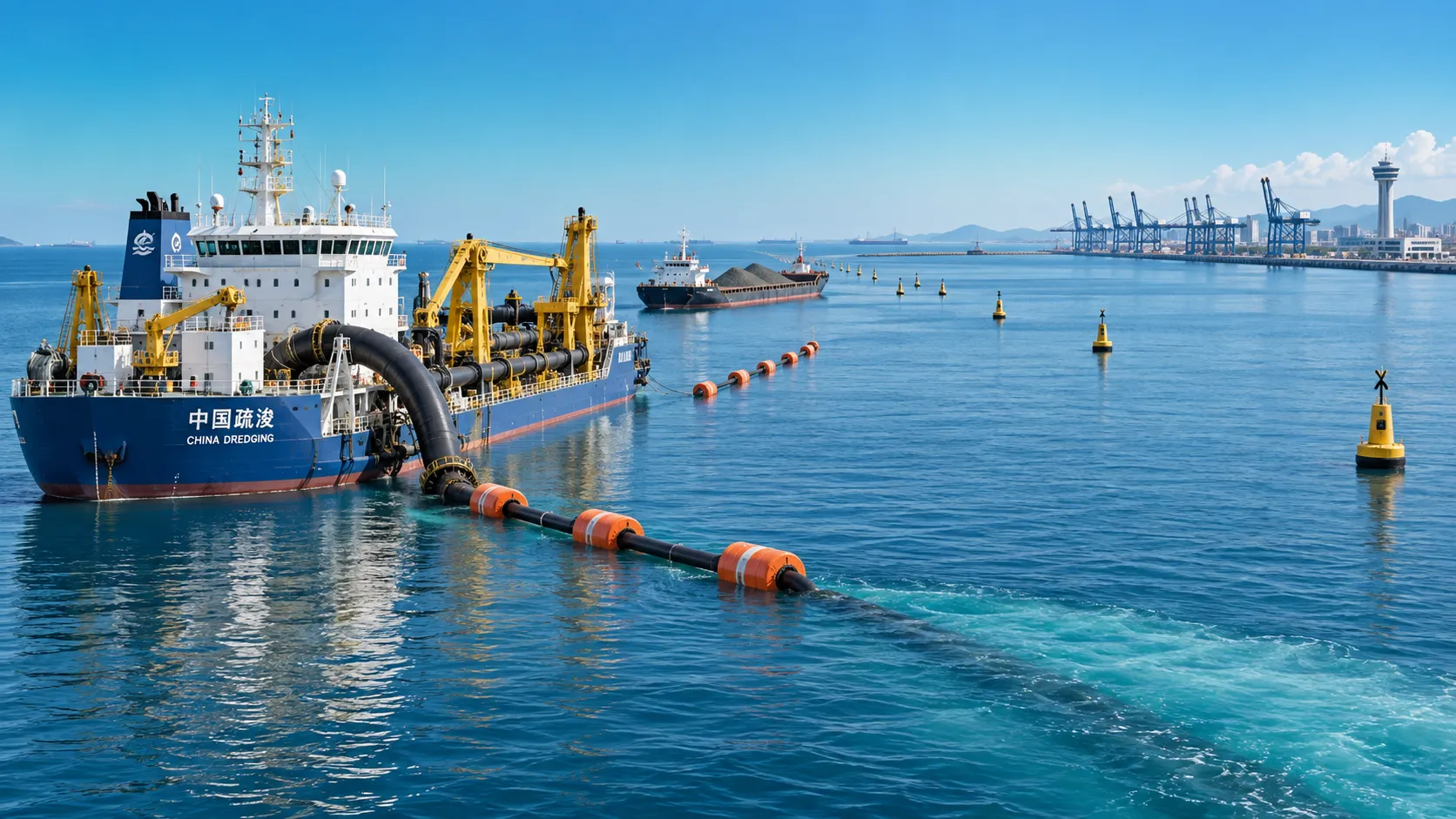
Planning Offshore Dredging Operations: Key Risks, Methods, and Project Controls
Offshore dredging operations demand smart planning. Explore key risks, proven methods, environmental controls, and project strategies for reliable delivery.