Related News
- 00
0000-00
Smart Port Systems Pricing: How to Compare Lifecycle Costs and ROI by Terminal Scale - 00
0000-00
What Drives Bulk Material Handling Pricing in Large Conveyor System Projects? - 00
0000-00
How Shipping Rate Analytics in Europe Help Importers Predict Costs and Route Risk - 00
0000-00
What Buyers Check When Reviewing Used PVC Coating Line Output and Condition - 00
0000-00
Automated Port Systems Cost Breakdown: CAPEX, Integration, and Maintenance Factors
When automated cargo handling starts paying back faster
For business evaluators, the key question is not whether automated cargo handling is the future, but when it starts paying back faster. In most cases, the answer is not tied to a single technology purchase.
It depends on labor structure, yard density, vessel patterns, equipment utilization, software maturity, and how quickly the terminal converts productivity gains into revenue, cost savings, and service reliability.
The core search intent behind automated cargo handling is clear: decision-makers want to know when automation delivers measurable return, what signals indicate faster payback, and which risks delay the business case.
For commercial and investment evaluation teams, the most useful lens is not “full automation versus no automation.” It is whether a specific terminal can shorten the payback cycle through the right automation scope.
What business evaluators really need to answer first
Before discussing technology brands or system architecture, evaluators need to define the financial question precisely. Faster payback means the terminal captures enough value quickly enough to justify the capital, integration, and transition costs.
That value may come from lower operating expense, higher throughput, better berth productivity, fewer damage incidents, improved yard utilization, or stronger customer retention through more reliable turnaround performance.
In practice, automated cargo handling starts paying back faster when the port already faces operational friction that manual workflows can no longer absorb efficiently. Automation monetizes pain points. Without those pain points, ROI naturally stretches.
This is why the same automated stack can look highly attractive in one terminal and underwhelming in another. Evaluators should focus less on generic innovation narratives and more on local operating constraints.
The clearest signals that payback may come sooner
The first strong signal is persistent labor cost pressure. If labor expense is rising faster than tariff growth, and shift coverage is becoming harder to maintain, automation can create a relatively direct cost-offset mechanism.
The second signal is capacity strain within an existing footprint. When land expansion is difficult or expensive, automated cargo handling can improve slot density, stacking logic, and equipment coordination without requiring immediate civil expansion.
The third signal is vessel schedule compression. Carriers increasingly expect tighter windows, faster crane intensity, and more predictable landside flows. If missed service levels are already affecting competitiveness, automation supports revenue protection as much as cost reduction.
The fourth signal is unstable equipment utilization. If cranes, AGVs, yard blocks, and transfer points experience large idle pockets because dispatching is fragmented, automation software can convert wasted mechanical capacity into productive moves.
The fifth signal is safety and claims exposure. Damage to containers, chassis, cargo, or infrastructure may not always dominate board-level discussion, but a high incident environment often hides a meaningful ROI lever.
Why faster payback is usually operational before it is financial
Many automation business cases fail because sponsors jump straight to net present value calculations without first proving how operations will change. Payback accelerates only when the operational model actually becomes simpler, tighter, and more repeatable.
For example, automation may reduce handoff delays between quay and yard. It may smooth move sequencing during peak arrival clusters. It may also cut unplanned waiting caused by inconsistent driving behavior or weak dispatch visibility.
These operational gains matter because finance only sees durable return after the terminal consistently converts process improvements into labor savings, extra moves, lower maintenance shocks, or stronger customer commitments.
If the operating model remains unstable after automation, the project can look modern yet still underperform financially. Business evaluators should therefore test workflow redesign assumptions as carefully as they test capex assumptions.
Which cost categories matter most in the ROI timeline
Capital expenditure is only the visible part of the equation. Faster or slower payback often depends more on hidden cost categories that emerge during deployment, transition, and early stabilization.
Key cost components include equipment procurement, control software, communications networks, integration engineering, civil works, power upgrades, training, cybersecurity hardening, redundancy architecture, and commissioning support.
Evaluators should also quantify business interruption risk. If implementation temporarily reduces berth productivity, delays gate performance, or disrupts peak-season flow, the revenue impact may materially stretch the payback period.
Another important category is lifecycle support. Automated cargo handling relies on software updates, sensor health, data quality governance, and specialist maintenance capability. Underestimating post-launch support costs is a common evaluation error.
Even market intelligence subscriptions can play a small supporting role when teams benchmark equipment productivity or technology maturity; however, any insertion such as 无 should remain secondary to hard operational analysis.
Where the return usually comes from first
In many terminals, the earliest return does not come from dramatic headcount reduction. It comes from productivity stabilization. That includes fewer delays, cleaner sequencing, less rehandling, and more consistent asset scheduling.
Once process consistency improves, the terminal can usually begin extracting second-stage benefits. These may include lower overtime, reduced fuel or energy waste, fewer equipment conflicts, and better labor redeployment.
Third-stage benefits are more strategic. These include postponing yard expansion, improving berth attractiveness, supporting higher service levels for major shipping lines, and strengthening the terminal’s position in concession renewals or commercial negotiations.
For business evaluators, this staged pattern matters. If the investment model assumes immediate labor elimination, it may be too aggressive. If it recognizes phased value capture, the projected payback becomes more credible.
How terminal profile changes the payback speed
Not every terminal should expect the same return curve. Large-volume hubs with repeatable vessel calls and structured operating patterns generally offer better conditions for automated cargo handling than low-volume, highly variable terminals.
A terminal serving dense import-export flows may benefit strongly from automated yard orchestration. A transshipment hub may instead prioritize rapid quay-to-yard synchronization and precise move planning under narrow vessel windows.
Bulk or specialized cargo facilities also need a different evaluation model. Automation can still create value, but the benefit drivers may center more on safety, spillage control, dispatch accuracy, and maintenance predictability than on pure move count.
This is why evaluators should avoid copying benchmark cases too literally. Similar technologies can generate very different economics depending on cargo mix, labor model, berth geometry, and traffic volatility.
Why partial automation often pays back faster than full automation
One of the most practical findings in port investment review is that selective automation often outperforms all-at-once transformation in payback speed. It lowers deployment complexity while targeting the biggest operational bottlenecks first.
Examples include automating yard cranes before wider autonomous transport rollout, introducing decision-support dispatch layers before full unmanned control, or adding remote operations where labor intensity and safety exposure are highest.
This phased approach shortens the learning cycle, reduces commissioning risk, and allows management to validate productivity assumptions before committing to broader capex.
It also helps finance teams compare measured results with the original business case. In many environments, automated cargo handling creates its fastest return when implemented as a sequenced portfolio rather than a symbolic mega-project.
What delays payback even when the technology is sound
The most common payback delay is integration failure. Good machines and good software still underperform if terminal operating systems, control platforms, and real-time dispatch logic do not align cleanly.
The second delay factor is poor process discipline. Automation does not remove variability caused by inconsistent planning rules, weak exception management, or unclear operator responsibilities. It often exposes those weaknesses more sharply.
The third issue is unrealistic ramp-up expectation. Many investment committees assume quick stabilization after go-live. In reality, tuning algorithms, rebalancing yard strategies, and training teams can take much longer than early models suggest.
Cybersecurity and communications resilience also matter. Automated workflows depend on reliable low-latency data exchange. Interruptions can reduce confidence, force manual fallback, and weaken the economics of the system.
Another delay source is stakeholder resistance. If labor arrangements, management incentives, and customer communication are not aligned, the terminal may fail to capture the full utilization gains designed into the automation program.
How to test whether the business case is truly robust
Business evaluators should pressure-test the model using scenario analysis rather than a single base case. At minimum, compare optimistic, realistic, and stressed assumptions for volume, labor inflation, ramp-up duration, and system availability.
Ask whether the payback still works if throughput grows slower than expected. Ask what happens if implementation takes six to twelve months longer. Ask how much value remains if labor savings arrive gradually rather than immediately.
It is also essential to separate direct benefits from contingent benefits. Direct benefits include reduced overtime or lower incident costs. Contingent benefits depend on management actually converting extra capacity into more revenue or better pricing power.
Operational KPIs should be tied to financial outcomes line by line. If berth productivity rises, what revenue or customer-retention effect follows? If yard density improves, which expansion cost is deferred and for how long?
Reference intelligence from specialist ecosystems can support this review, but evaluators should keep attention on terminal-specific economics rather than abstract market excitement around 无.
The strategic value beyond the spreadsheet
Although ROI timing is critical, some benefits deserve strategic weighting even if they do not appear as immediate cash return. Automation can improve resilience during labor shortages, support decarbonization goals, and increase operational transparency.
It can also strengthen the terminal’s long-term attractiveness to global carriers that increasingly prefer stable, data-rich, disruption-resistant port partners. In concession-driven markets, this may influence competitive positioning beyond short-term payback math.
For intelligence-led organizations such as PS-Nexus, this broader perspective matters. Heavy terminal gear, control systems, and marine logistics infrastructure create value not only through isolated machinery performance but through synchronized system design.
Still, strategic value should not become an excuse for weak economics. The strongest investment cases are those where strategic relevance and practical payback reinforce each other.
A practical decision framework for business evaluators
If you need a concise evaluation framework, start with five questions. First, where is the terminal losing the most value today: labor cost, congestion, yard inefficiency, safety, or service inconsistency?
Second, can automated cargo handling address that value leakage directly, or only indirectly? Direct alignment usually means faster payback.
Third, is the terminal’s traffic profile stable enough for automation to operate at high utilization? Low repeatability often slows returns.
Fourth, does management have the execution capability to redesign workflows, not just buy technology? Organizational readiness is often more decisive than hardware quality.
Fifth, can the terminal phase the investment to validate early gains and contain risk? A staged roadmap frequently improves both financial confidence and implementation success.
Conclusion: when automated cargo handling starts paying back faster
Automated cargo handling starts paying back faster when it solves existing operational bottlenecks that already have a measurable financial cost. Rising labor pressure, constrained space, tighter vessel windows, and unstable utilization are the clearest triggers.
Faster return is also more likely when automation is phased, operationally grounded, and supported by strong integration discipline. It is less about buying the most advanced system and more about matching the right scope to the right terminal conditions.
For business evaluators, the winning question is not simply “What is the ROI of automation?” It is “Which automation layer unlocks value first, under which traffic and cost assumptions, and with what execution risk?”
Answer that well, and the investment discussion becomes far more practical. Automated cargo handling stops being a future concept and becomes a disciplined commercial decision with visible thresholds for return.
Related News
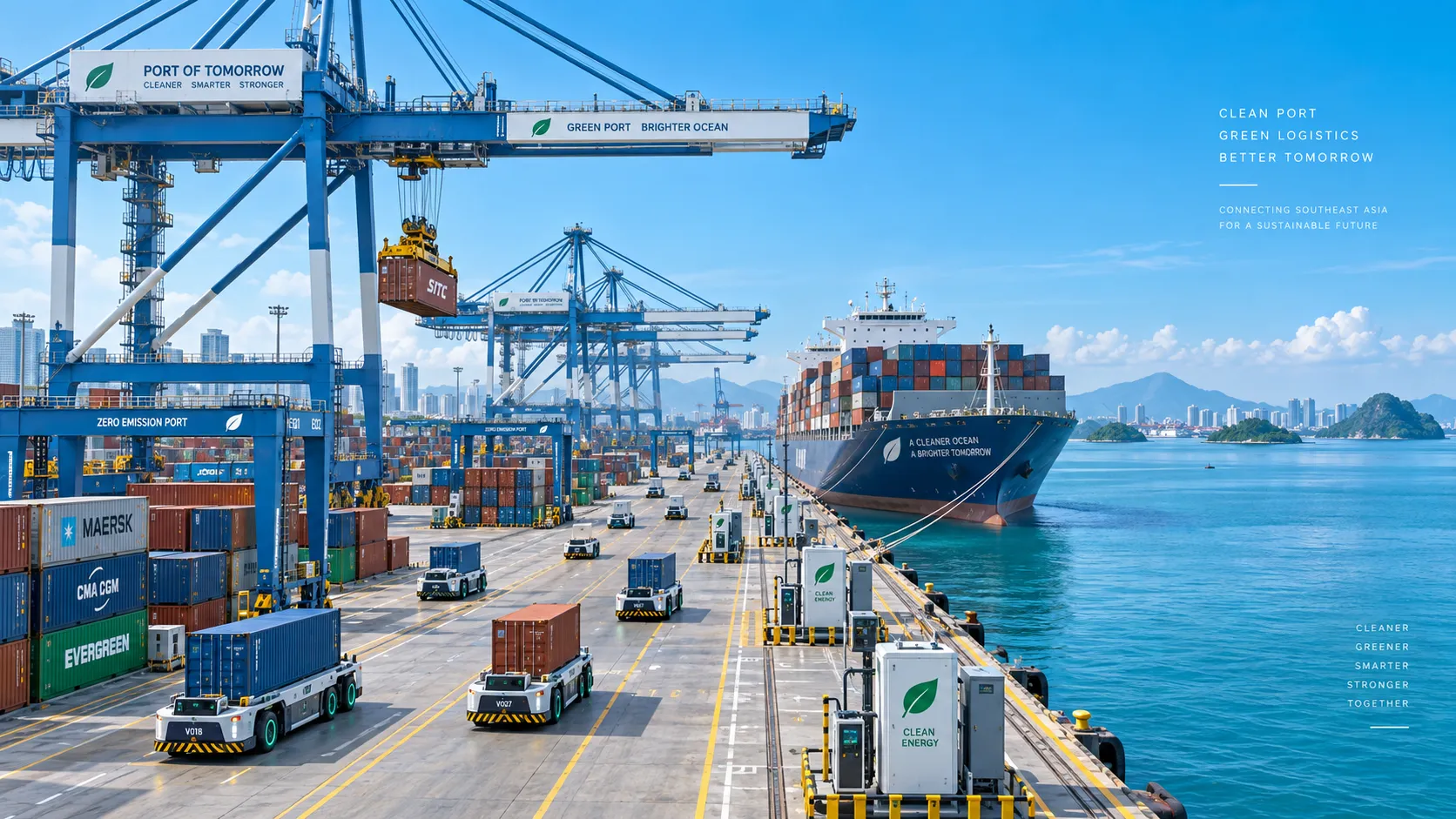
Smart Port Systems in Southeast Asia: Investment Priorities and Adoption Barriers
Smart port systems Southeast Asia: discover investment priorities, adoption barriers, and practical steps to build resilient, connected, high-performing terminals.
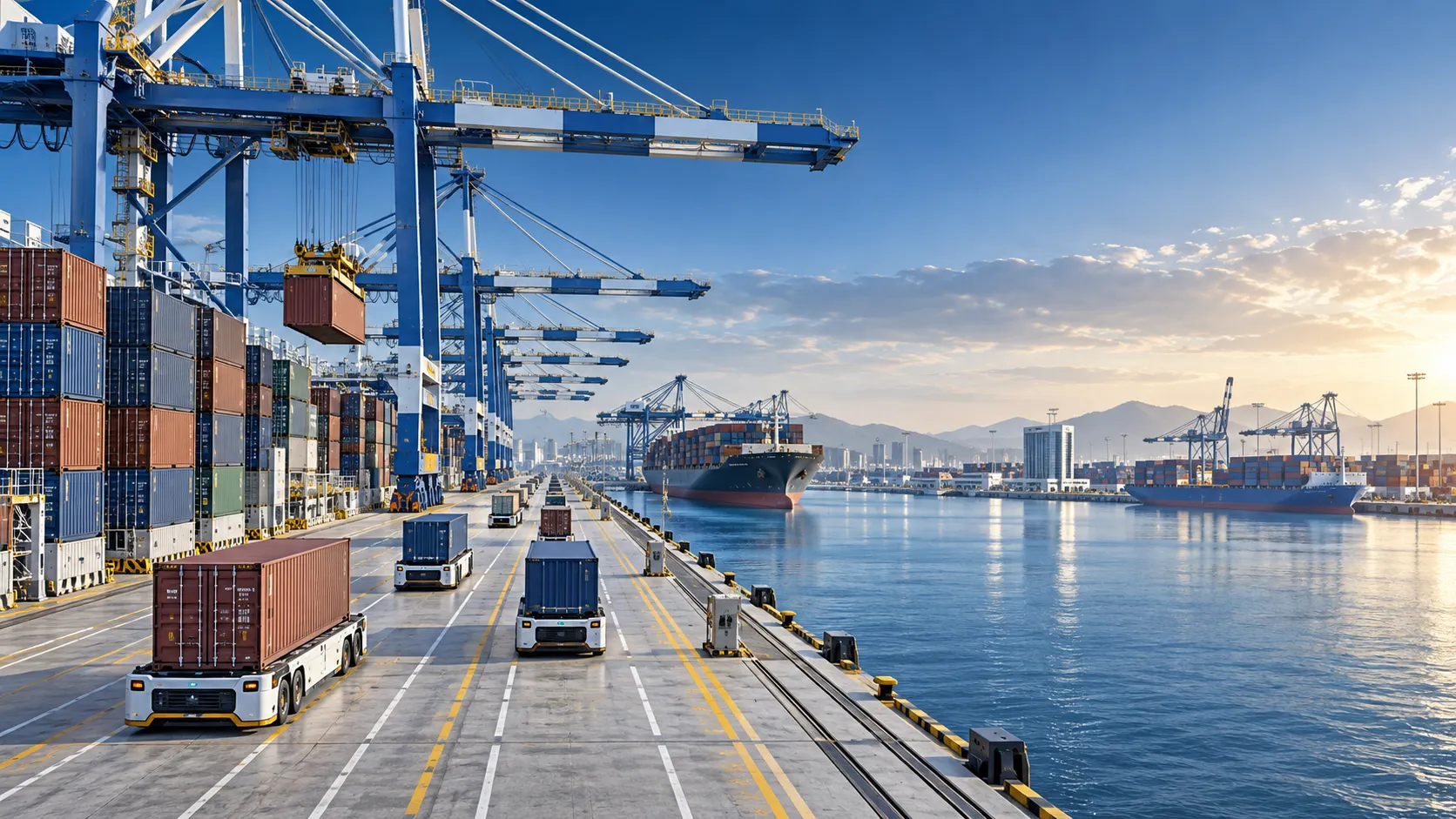
How to Evaluate Terminal Efficiency Solution Suppliers for High-Throughput Operations
Choose a terminal efficiency solutions supplier with confidence. Explore proven criteria for throughput, integration, lifecycle cost, safety, and reliable delivery.
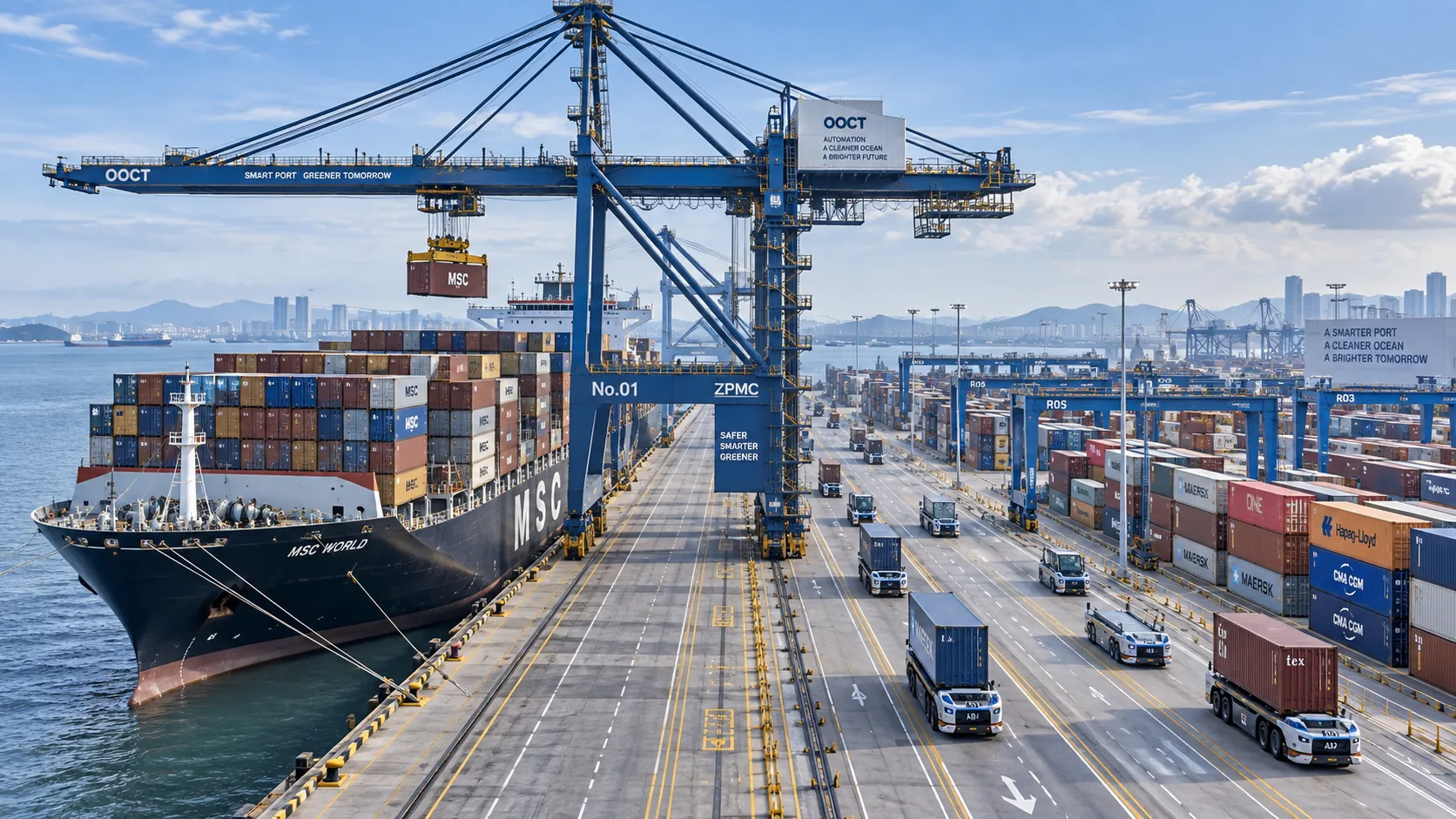
How to Specify a Quay Crane for Container Terminals by Vessel Size and Throughput?
Quay crane for container terminals: learn how to match outreach, lift height, capacity, automation, and cycle performance to vessel size and throughput goals.
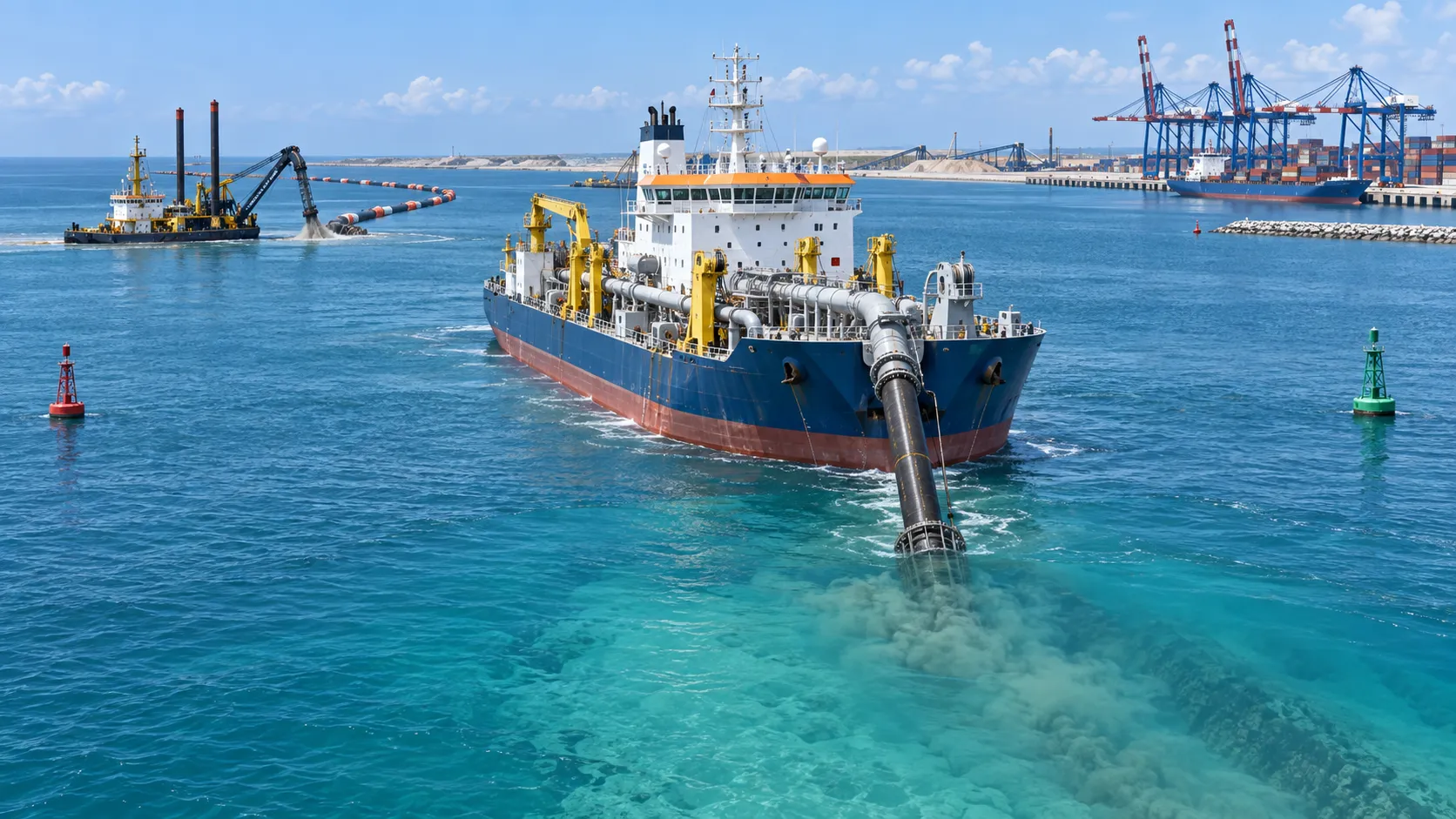
What Dredging Equipment Is Needed for Channel Deepening?
What dredging equipment is needed for channel deepening? Explore dredgers, pipelines, survey tools, and planning strategies for safer, more efficient port access.
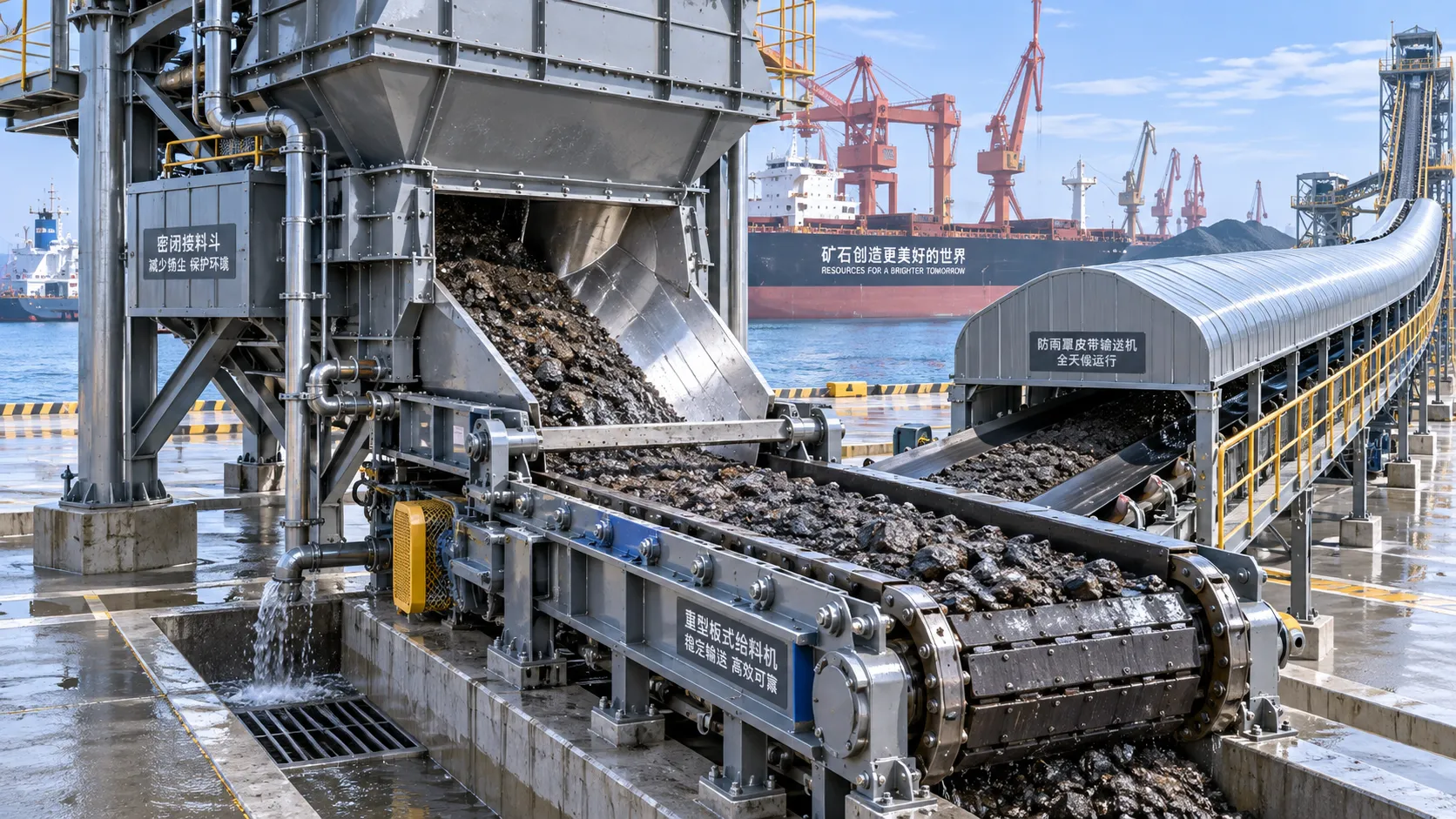
Which Bulk Handling Equipment Suits High-Moisture Cargo?
Which bulk handling equipment suits high-moisture cargo? Compare belt, apron, screw, drag, and slurry systems for reliable flow, less carryback, and higher terminal uptime.
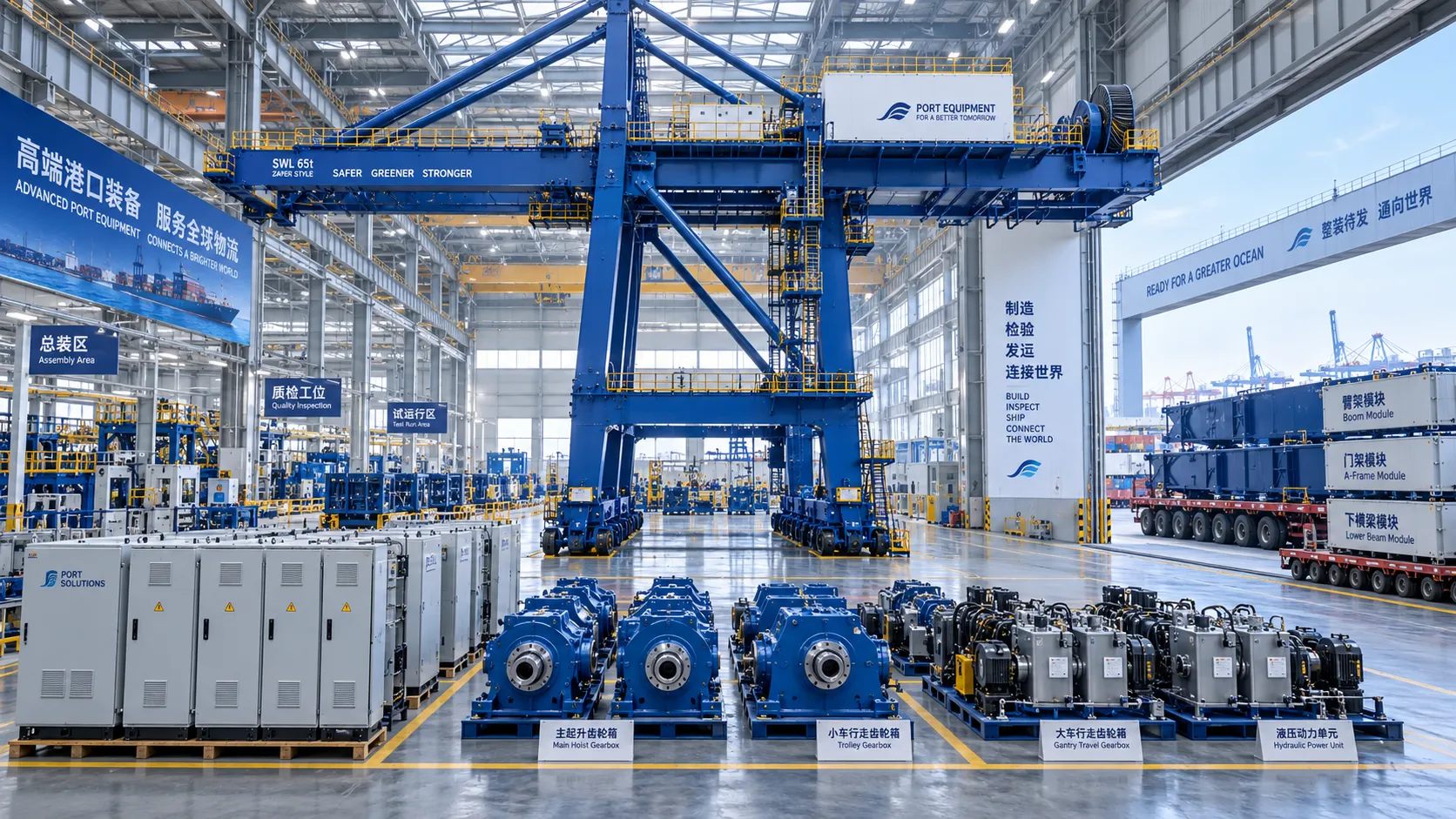
How Can Port Equipment Lead-Time Risk Be Managed?
How can port equipment lead-time risk be managed? Explore practical strategies to control critical paths, suppliers, transport, site readiness, and commissioning delays.
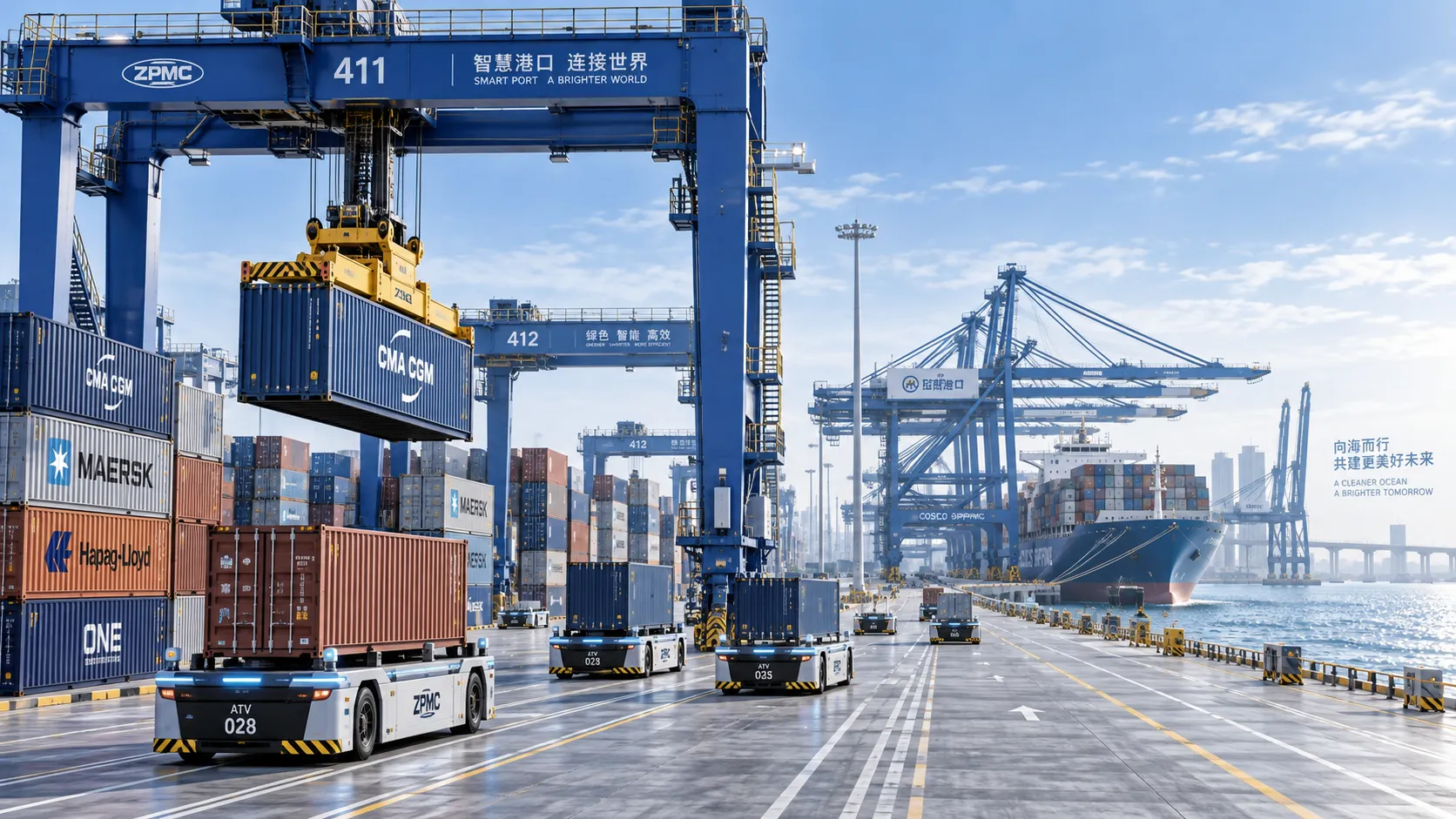
Terminal Automation Technologies That Raise Container Throughput Without Yard Disruption
Terminal automation technology that increases container throughput without disrupting yard flow. Explore smarter integration, resilient workflows, and phased deployment strategies.
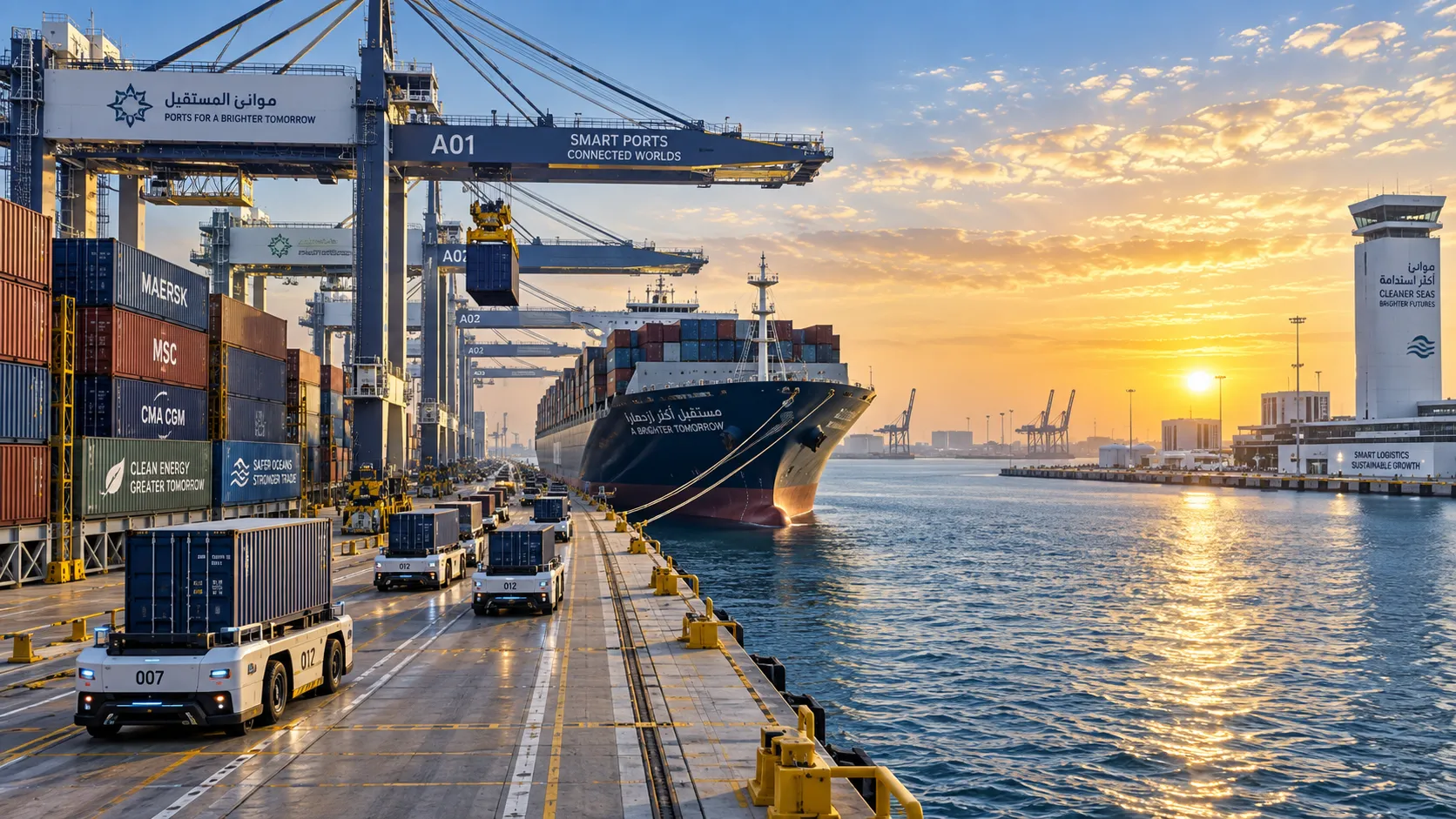
Middle East Port Automation: Key Market Drivers, Projects, and Investment Risks
Port automation systems Middle East: explore market drivers, flagship projects, integration challenges, and investment risks shaping smarter, resilient terminals.
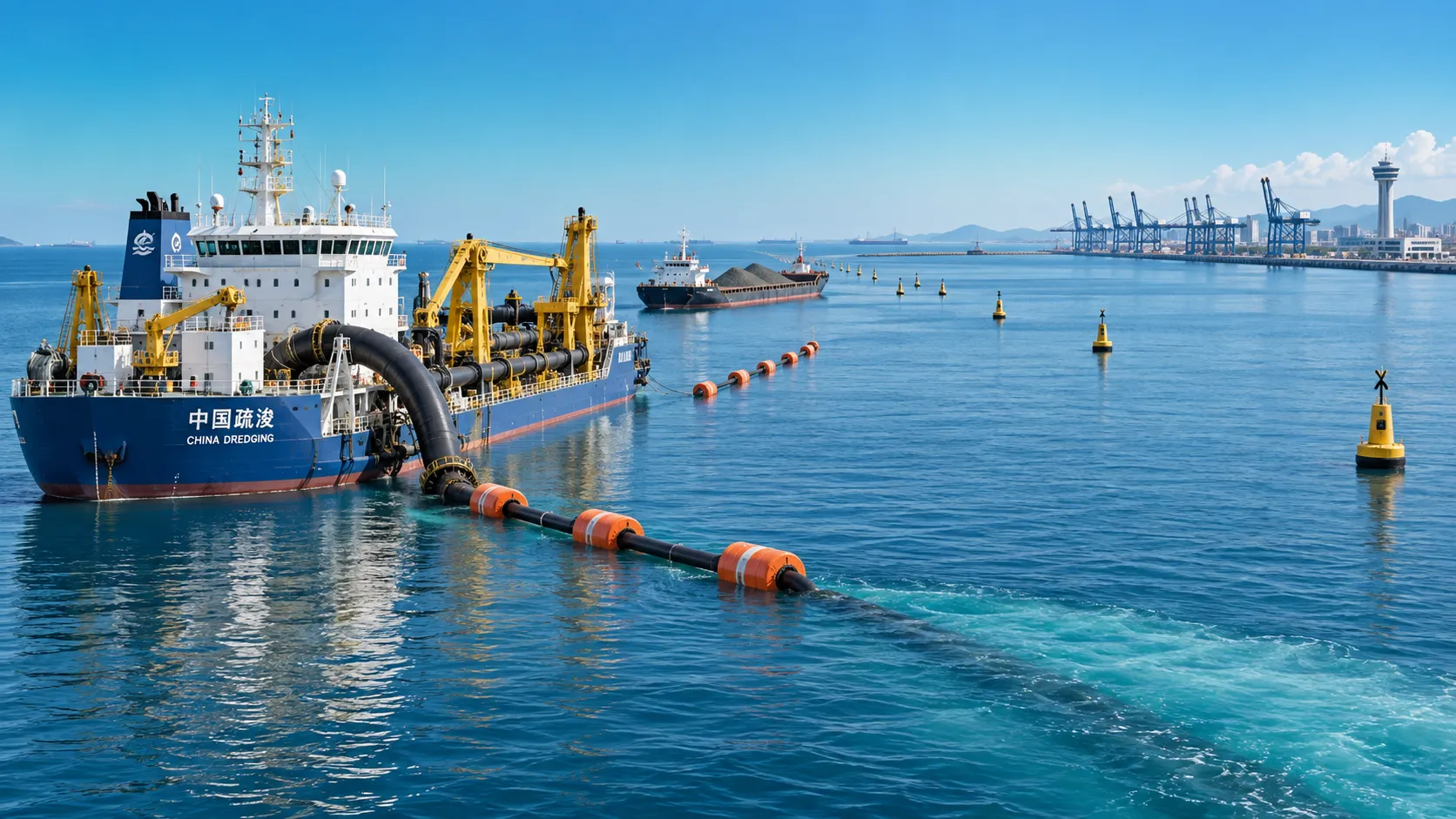
Planning Offshore Dredging Operations: Key Risks, Methods, and Project Controls
Offshore dredging operations demand smart planning. Explore key risks, proven methods, environmental controls, and project strategies for reliable delivery.