Related News
- 00
0000-00
Smart Port Systems Pricing: How to Compare Lifecycle Costs and ROI by Terminal Scale - 00
0000-00
What Drives Bulk Material Handling Pricing in Large Conveyor System Projects? - 00
0000-00
How Shipping Rate Analytics in Europe Help Importers Predict Costs and Route Risk - 00
0000-00
What Buyers Check When Reviewing Used PVC Coating Line Output and Condition - 00
0000-00
Automated Port Systems Cost Breakdown: CAPEX, Integration, and Maintenance Factors
Why global shipping rates stay high after peak season
Why global shipping rates stay high after peak season
Why do global shipping rates remain stubbornly high after peak season ends?
The answer is no longer seasonal demand alone.
Today, global shipping rates reflect deeper structural friction across ports, vessels, equipment, energy markets, and trade policy.
For maritime intelligence platforms such as PS-Nexus, pricing persistence signals a broader shift in supply chain behavior.
Heavy terminal gear, automated yard systems, and dredging capacity now influence freight economics more visibly than before.
This matters across industries because freight inflation affects inventory planning, sourcing decisions, infrastructure timing, and trade route selection.
Understanding where pressure comes from helps explain why lower seasonal demand does not automatically produce lower global shipping rates.
When post-peak markets still feel tight
The traditional assumption is simple: once holiday cargo clears, shipping prices should cool quickly.
That assumption worked better in periods with stable trade lanes, predictable schedules, and balanced equipment circulation.
Current logistics conditions are different.
Global shipping rates now react to network disruption, not just cargo volume.
A port delay in one region can reduce vessel reliability across several loops.
That lowers effective capacity, even if the nominal fleet size looks sufficient on paper.
At the same time, carriers have become more disciplined in how they manage sailings and capacity deployment.
The result is a market where slack disappears faster, and global shipping rates stay elevated longer.
Scenario 1: Port congestion keeps capacity trapped
One major scenario is ongoing port congestion.
Congestion does not need to be extreme everywhere to lift global shipping rates.
It only needs to persist at strategic gateways.
When ships wait longer for berths, cranes, pilots, or yard clearance, vessel rotation slows.
That traps tonnage in queues and reduces weekly service efficiency.
Mega port terminal gear plays a direct role here.
If quay cranes, automated stacking systems, or transfer equipment underperform, dwell times rise.
Even small productivity losses can amplify network disruption over several weeks.
This is why infrastructure intelligence matters as much as freight demand forecasting.
Core judgment points in congestion-heavy markets
- Berth waiting times are rising despite lower seasonal volumes.
- Yard density remains high, limiting container flow.
- Rail or truck evacuation capacity lags vessel arrivals.
- Port automation systems cannot rebalance assets fast enough.
Scenario 2: Empty container imbalances distort recovery
Another common scenario involves equipment imbalance.
Containers are not useful where they are abundant.
They are useful where export demand needs them.
After peak season, repositioning does not always normalize quickly.
Longer voyages, blank sailings, inland bottlenecks, and shifted trade patterns can delay empty returns.
When exporters struggle to secure boxes, freight rates stay firm regardless of broader demand softness.
Specialized container handling equipment becomes especially important in this scenario.
Yard mobility, stack accuracy, and gate throughput all affect how quickly empties re-enter circulation.
PS-Nexus often highlights this overlooked link between equipment productivity and global shipping rates.
Scenario 3: Capacity discipline supports higher pricing
A third scenario is commercial discipline by carriers.
In weaker demand periods, shipping lines may cancel sailings or redeploy ships to preserve utilization.
That reduces oversupply and stabilizes pricing.
Years ago, aggressive rate competition often caused rapid post-peak declines.
Today, alliances, data visibility, and revenue management tools support more coordinated capacity responses.
This does not mean rates are artificial.
It means pricing is increasingly shaped by strategic capacity control as well as operating cost.
As a result, global shipping rates can remain high even when cargo growth moderates.
Scenario 4: Fuel, compliance, and rerouting add structural cost
A fourth scenario comes from cost inflation.
Bunker prices, emissions rules, insurance premiums, and security risk all affect voyage economics.
When trade routes shift around conflict zones or canal disruptions, transit distance increases.
Longer routes consume more fuel and tie up ships for more days.
That shrinks effective fleet availability and lifts global shipping rates.
Dredging engineering also enters the discussion.
Channel depth, fairway expansion, and port access resilience influence whether larger ships can call efficiently.
Where marine access constraints persist, logistics costs stay sticky.
Relevant industry references may appear in intelligence resources such as 无.
How different market scenarios create different rate pressure
What changes across supply chain scenarios
Not every route responds the same way.
Some corridors face equipment scarcity.
Others face terminal inefficiency or geopolitical detours.
That is why scenario-based assessment is essential when reading global shipping rates.
- Gateway port scenarios depend on crane productivity and berth turnover.
- Transshipment scenarios depend on schedule reliability and yard synchronization.
- Long-haul rerouting scenarios depend on fuel exposure and fleet absorption.
- Emerging export hub scenarios depend on empty availability and inland evacuation.
Practical adaptation suggestions for high-rate environments
A useful response starts with identifying which scenario is driving the rate pressure.
- Track effective capacity, not only published vessel supply.
- Compare port productivity data with freight price trends.
- Watch empty container circulation at export-sensitive regions.
- Separate temporary surcharges from structural cost changes.
- Use route alternatives only after checking inland and terminal constraints.
For infrastructure-led analysis, intelligence tools connected to automation and equipment performance can improve timing decisions.
Some market references may also be indexed through 无.
Common misjudgments that hide the real cause
One frequent mistake is blaming demand alone for high global shipping rates.
Another is assuming more ships automatically solve pricing pressure.
If congestion, rerouting, or equipment imbalance remains unresolved, added fleet supply may have limited impact.
A third mistake is treating all ports as equivalent nodes.
In reality, a few critical hubs can shape schedule reliability for entire trading systems.
Ignoring port automation readiness, dredging constraints, or yard density can lead to poor forecasting.
Next-step focus for interpreting global shipping rates
High global shipping rates after peak season are not a market anomaly.
They are a signal that supply chains now carry more structural friction.
The best next step is to map rate behavior against operational scenarios.
Look at congestion, equipment flow, vessel discipline, fuel exposure, and access infrastructure together.
That combined view reveals whether current pricing pressure is temporary, cyclical, or deeply embedded.
For sectors linked to ports, terminals, automation, and dredging, this perspective turns freight volatility into strategic insight.
Related News
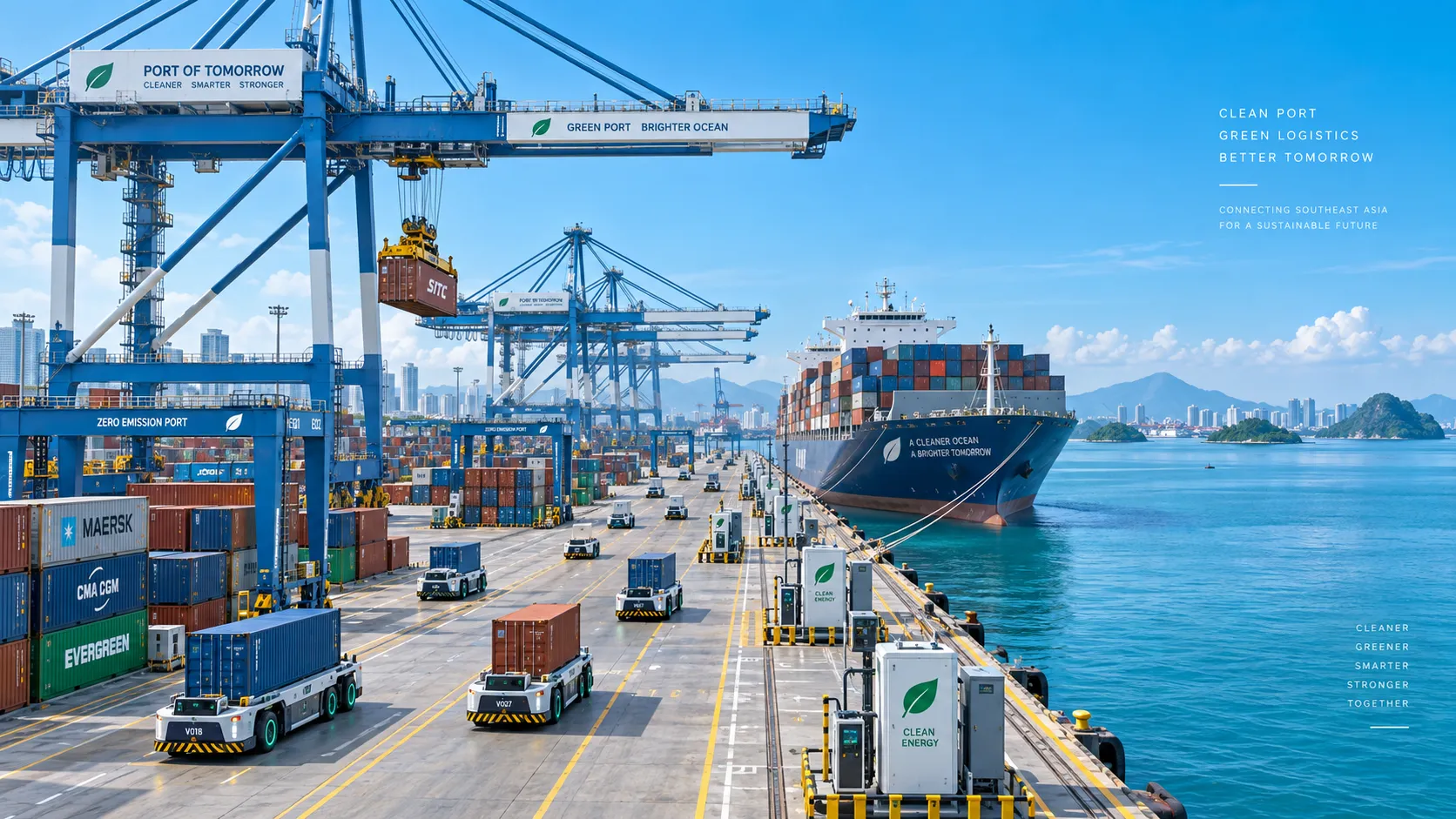
Smart Port Systems in Southeast Asia: Investment Priorities and Adoption Barriers
Smart port systems Southeast Asia: discover investment priorities, adoption barriers, and practical steps to build resilient, connected, high-performing terminals.
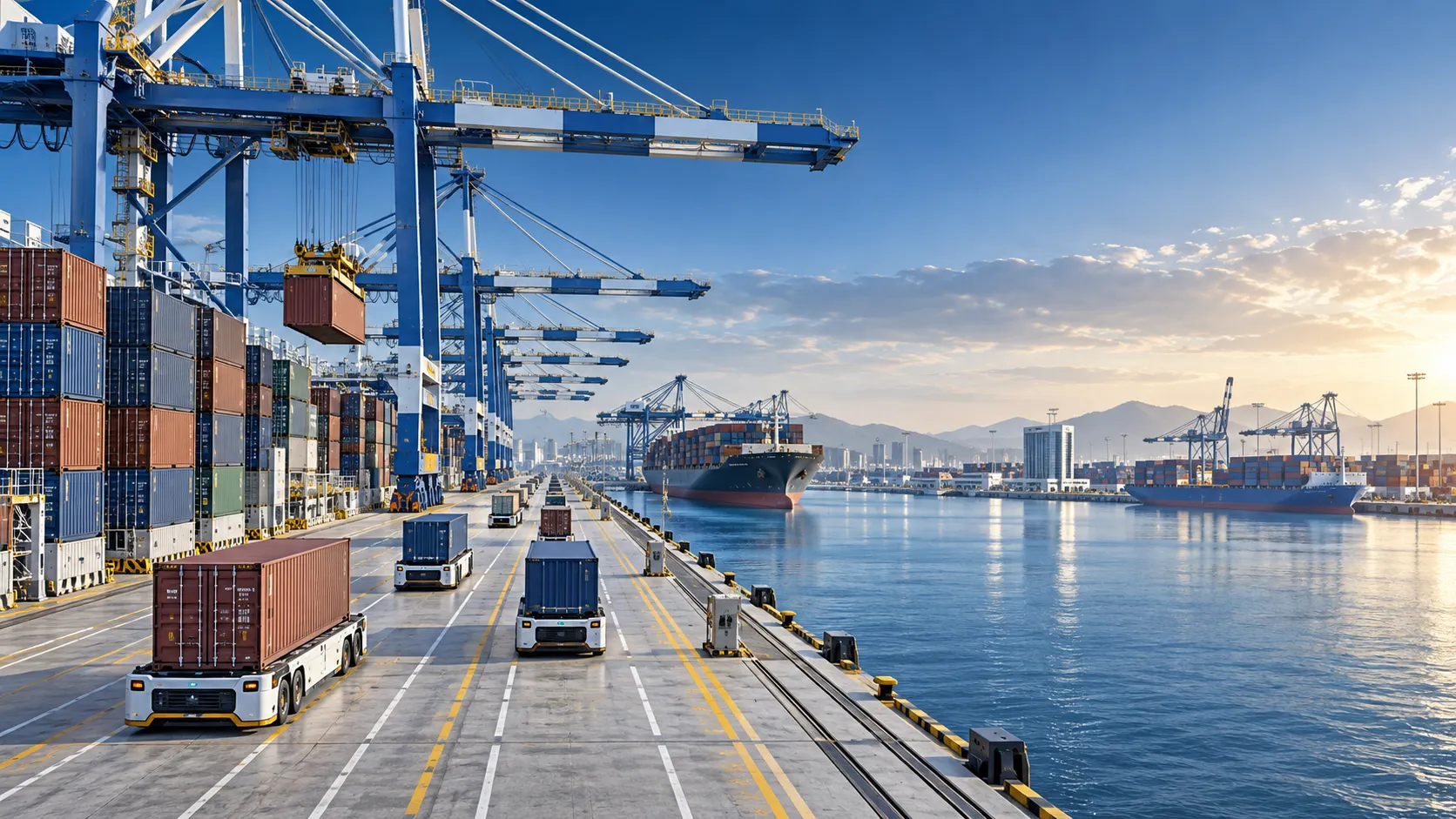
How to Evaluate Terminal Efficiency Solution Suppliers for High-Throughput Operations
Choose a terminal efficiency solutions supplier with confidence. Explore proven criteria for throughput, integration, lifecycle cost, safety, and reliable delivery.
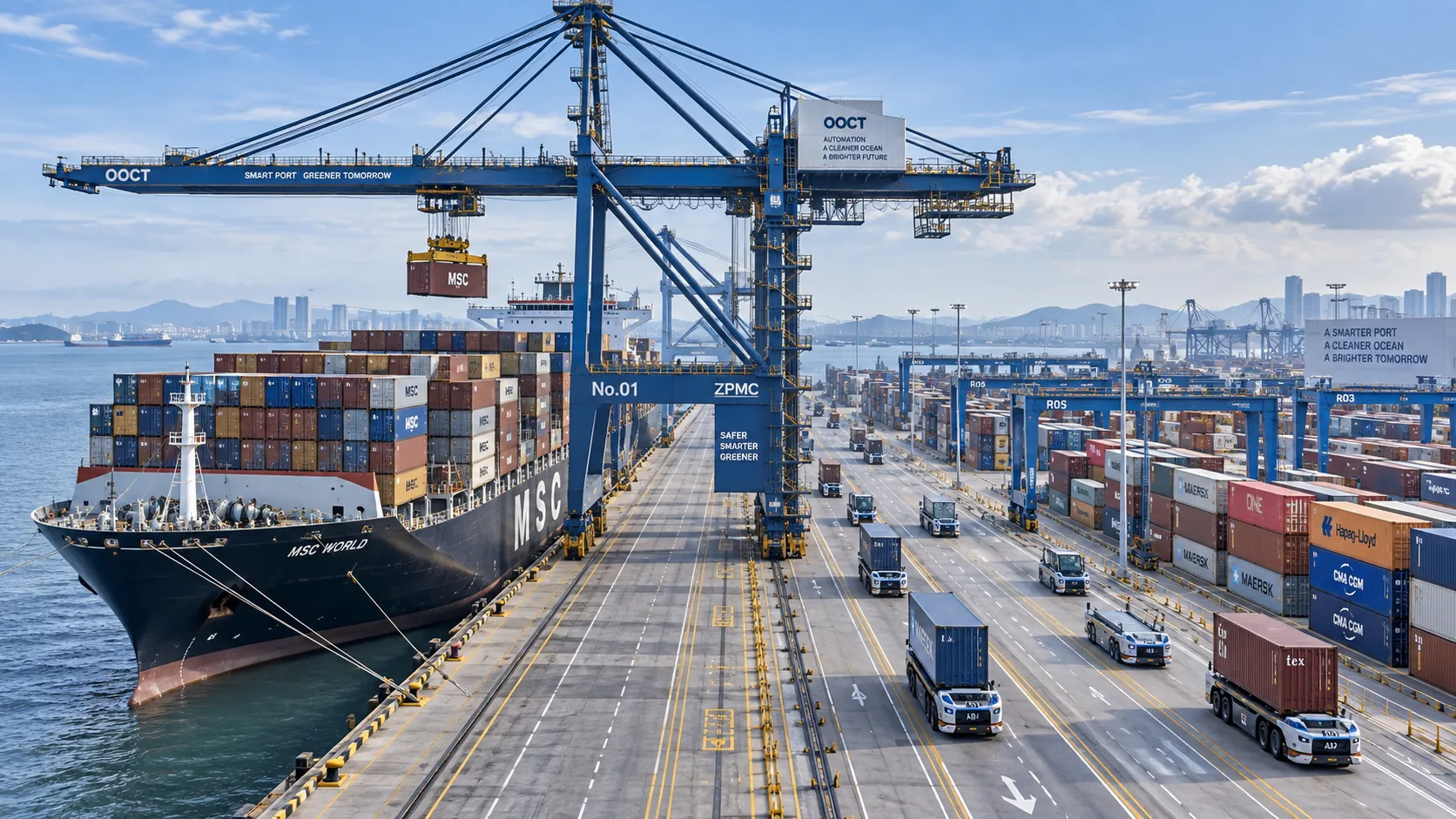
How to Specify a Quay Crane for Container Terminals by Vessel Size and Throughput?
Quay crane for container terminals: learn how to match outreach, lift height, capacity, automation, and cycle performance to vessel size and throughput goals.
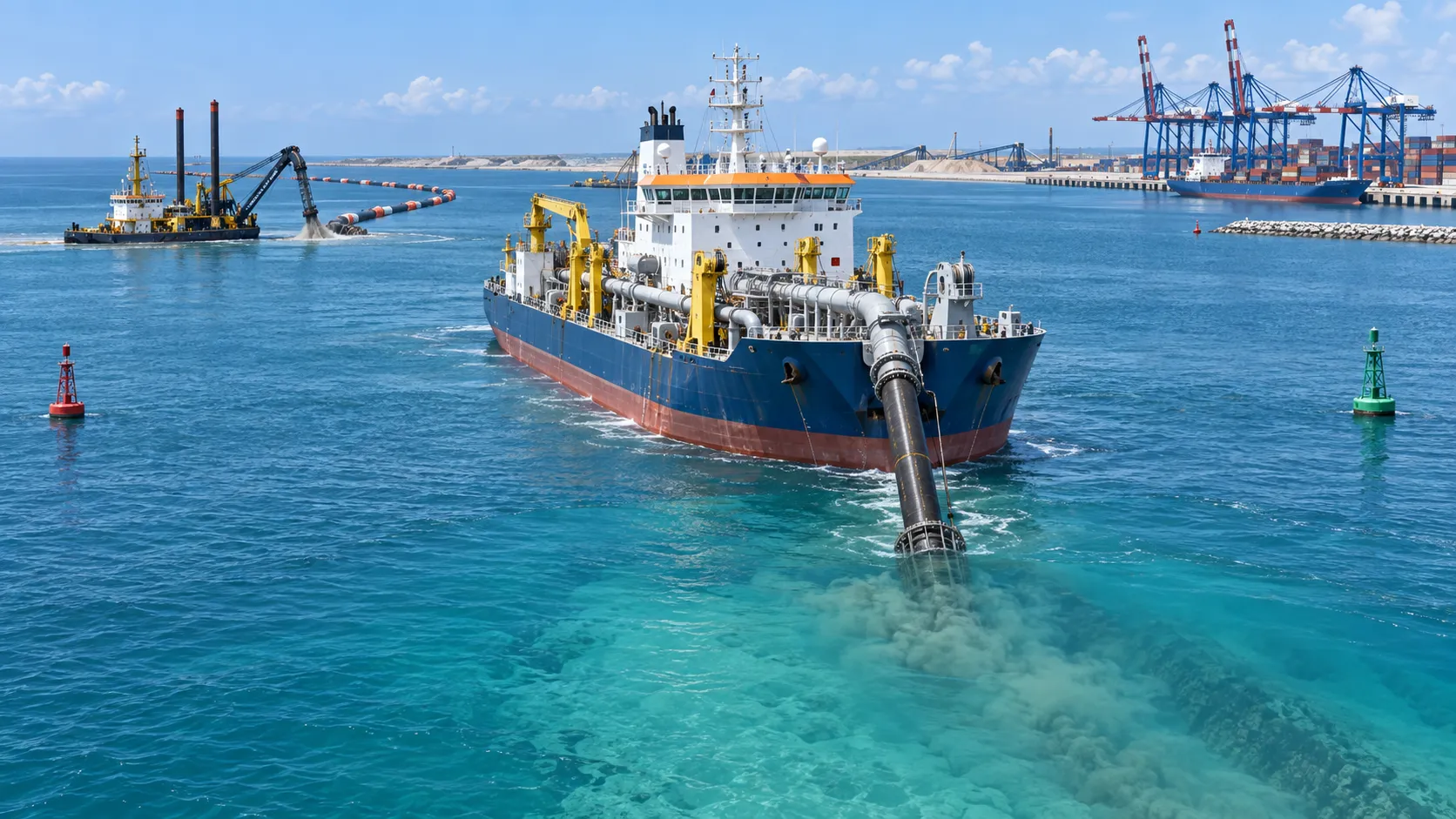
What Dredging Equipment Is Needed for Channel Deepening?
What dredging equipment is needed for channel deepening? Explore dredgers, pipelines, survey tools, and planning strategies for safer, more efficient port access.
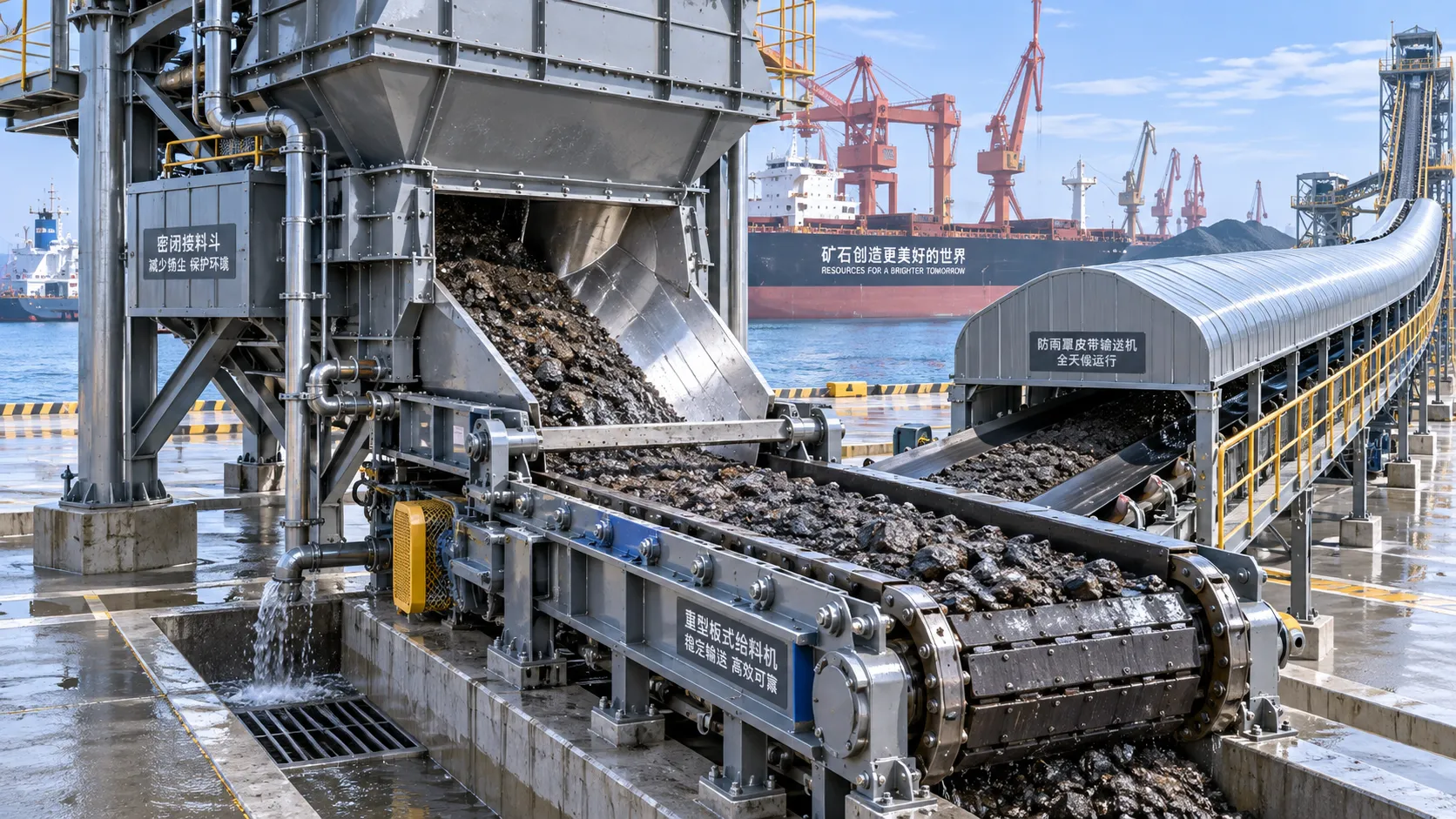
Which Bulk Handling Equipment Suits High-Moisture Cargo?
Which bulk handling equipment suits high-moisture cargo? Compare belt, apron, screw, drag, and slurry systems for reliable flow, less carryback, and higher terminal uptime.
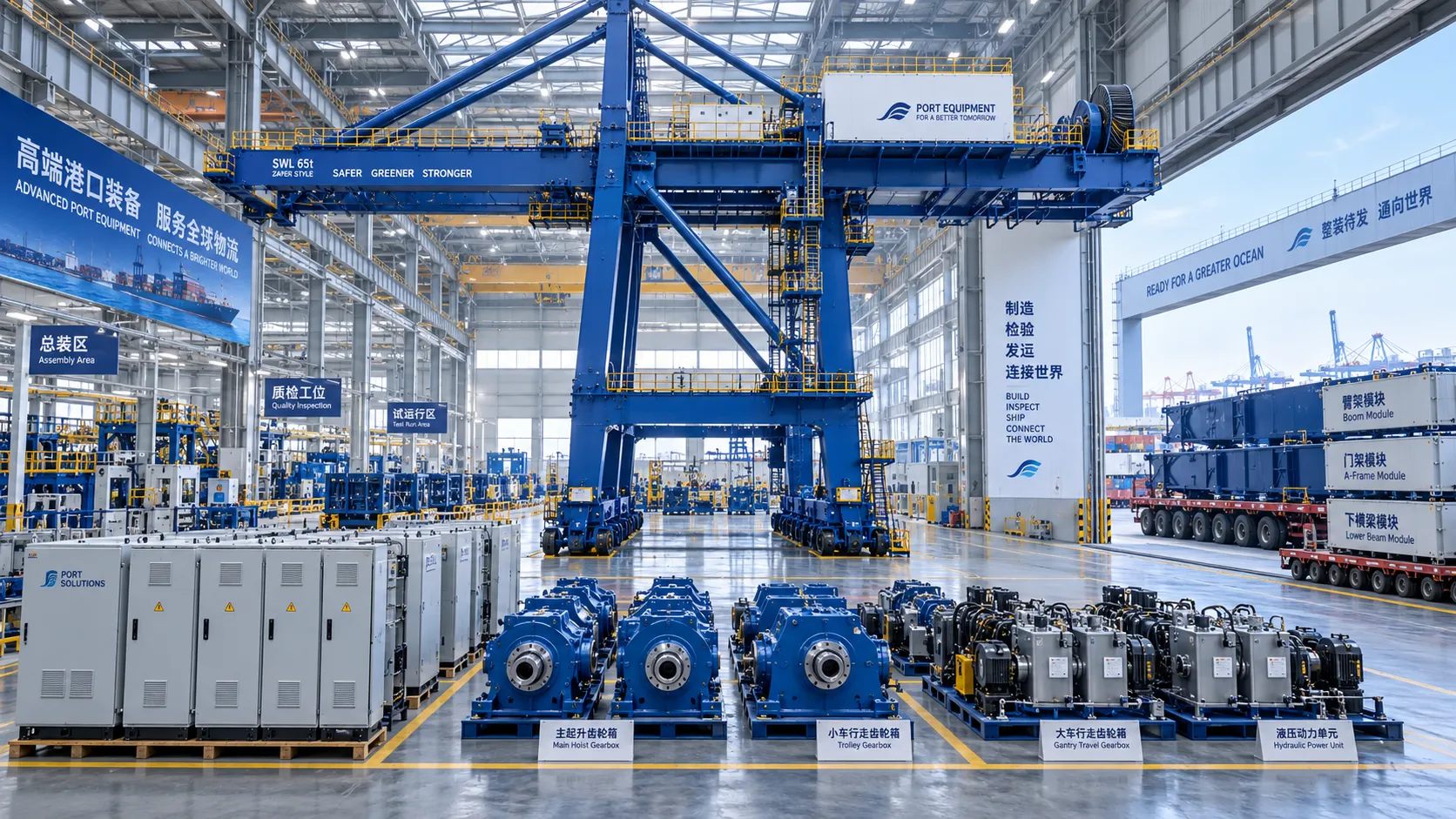
How Can Port Equipment Lead-Time Risk Be Managed?
How can port equipment lead-time risk be managed? Explore practical strategies to control critical paths, suppliers, transport, site readiness, and commissioning delays.
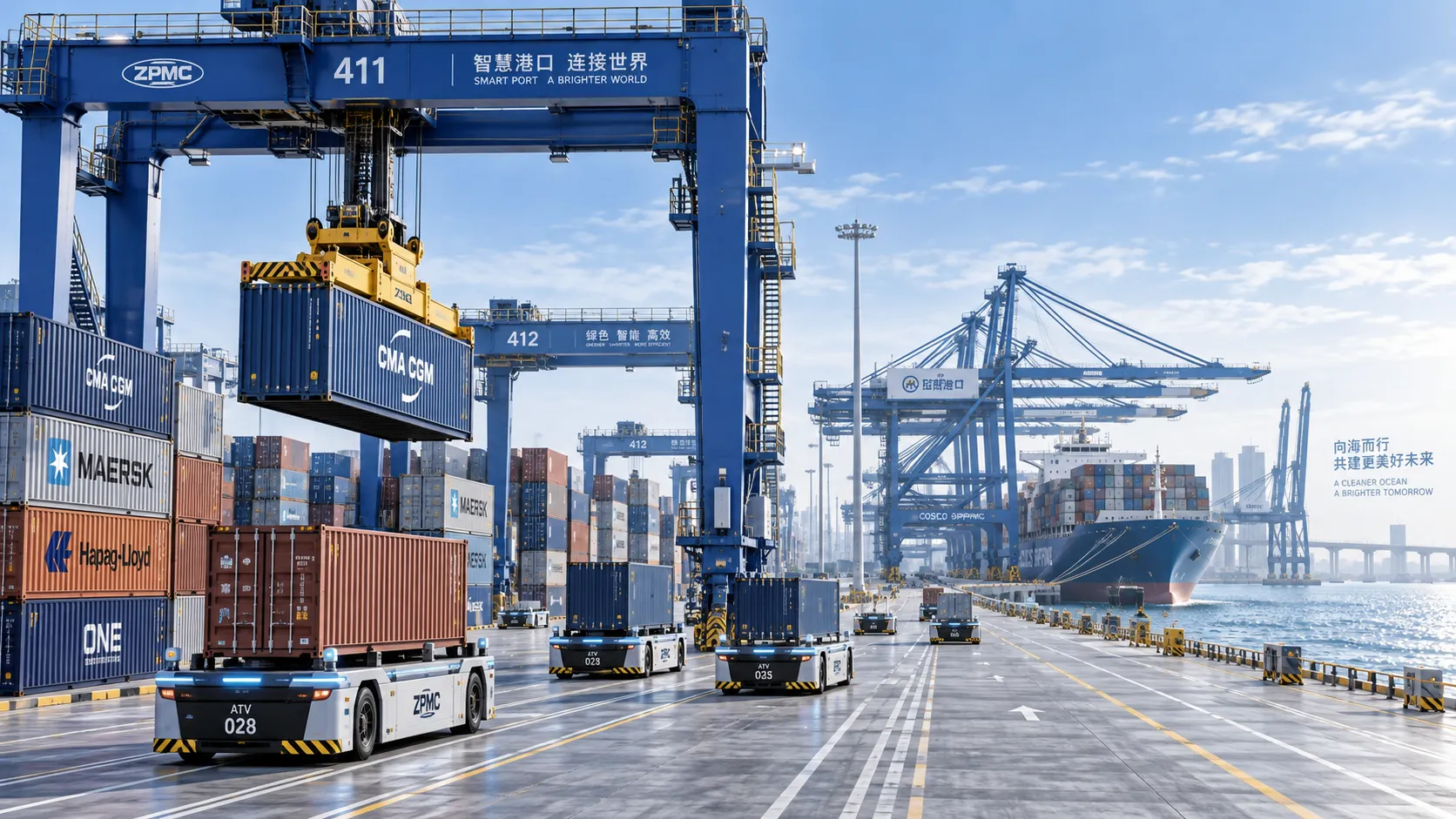
Terminal Automation Technologies That Raise Container Throughput Without Yard Disruption
Terminal automation technology that increases container throughput without disrupting yard flow. Explore smarter integration, resilient workflows, and phased deployment strategies.
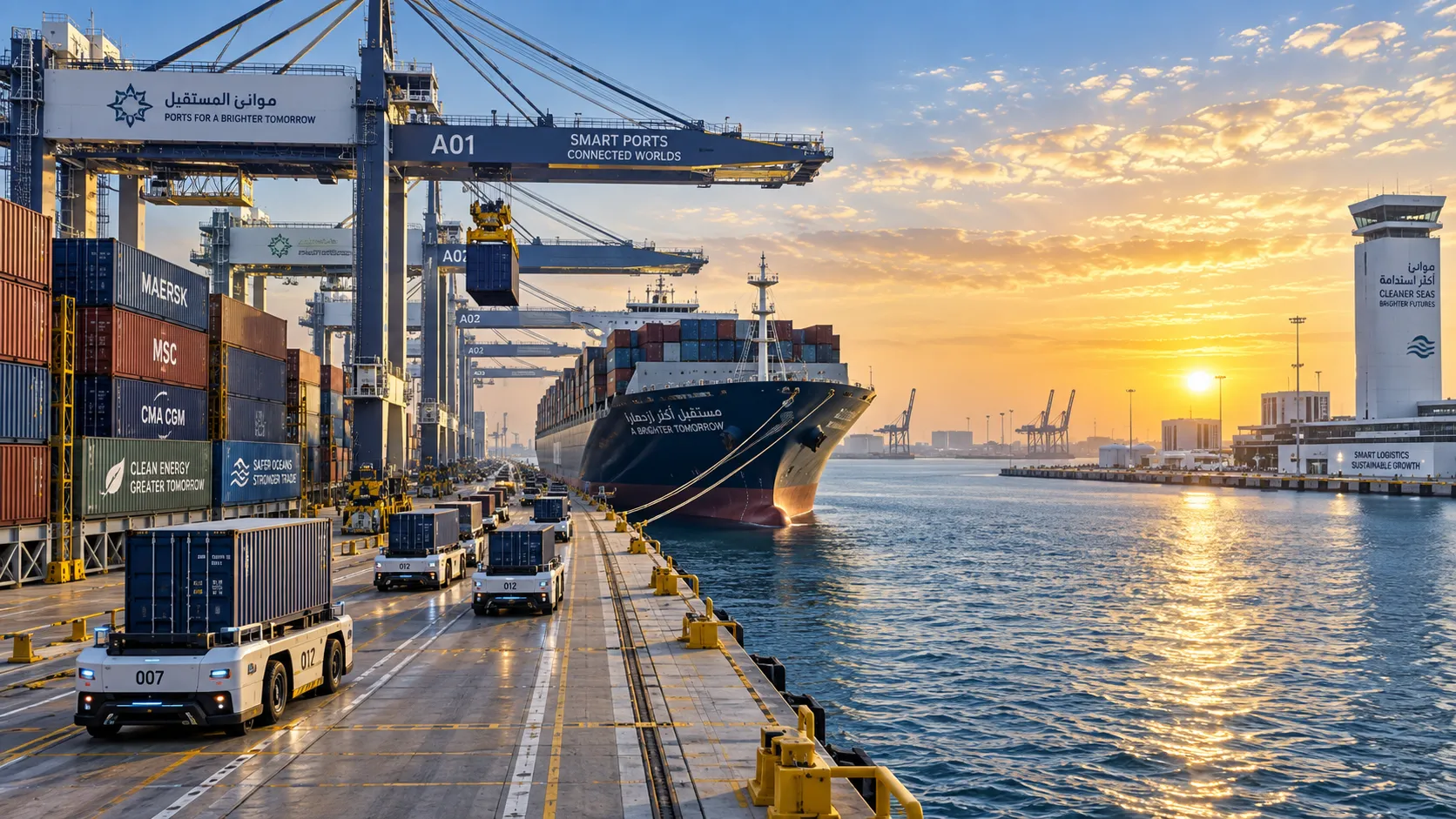
Middle East Port Automation: Key Market Drivers, Projects, and Investment Risks
Port automation systems Middle East: explore market drivers, flagship projects, integration challenges, and investment risks shaping smarter, resilient terminals.
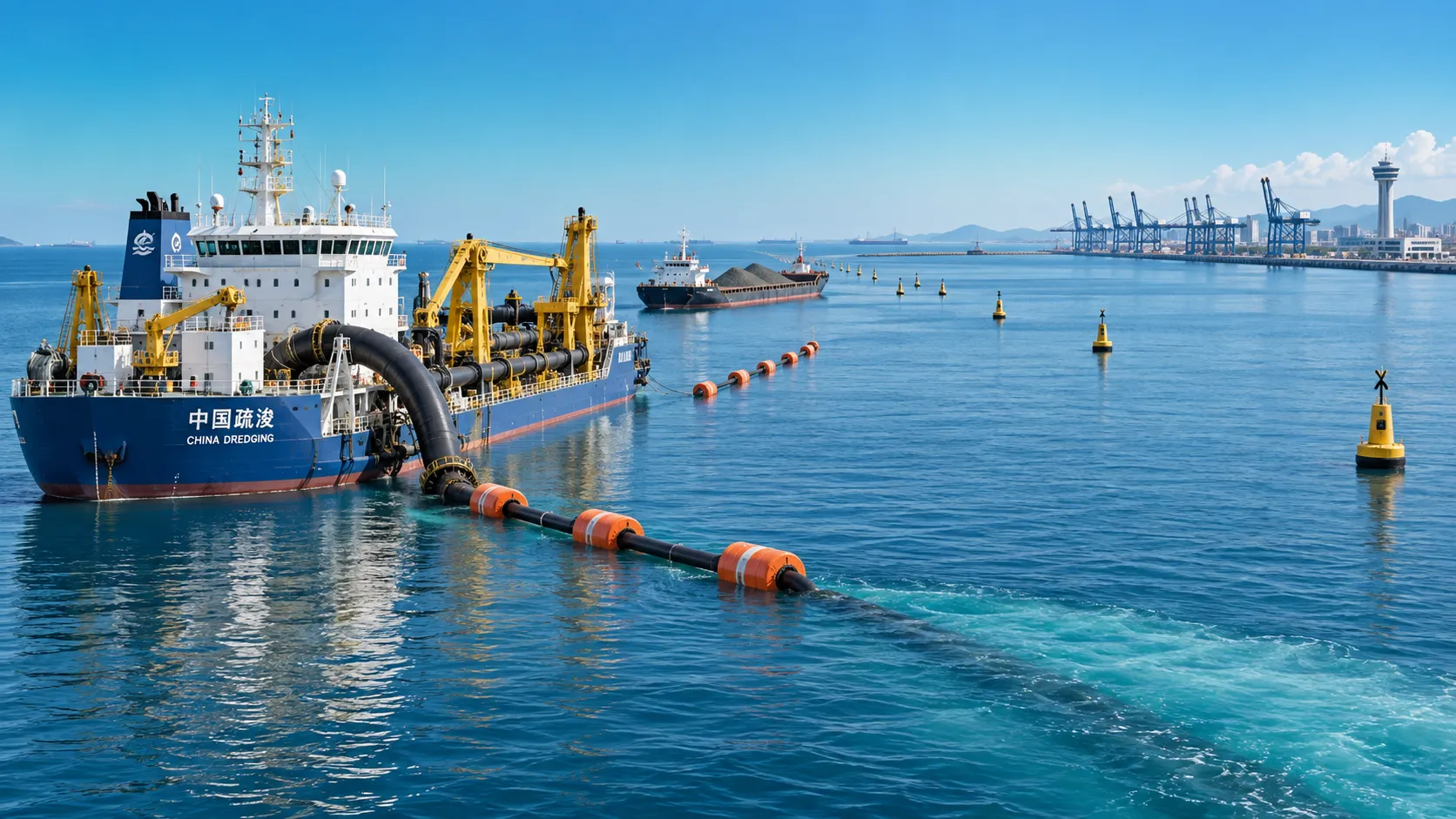
Planning Offshore Dredging Operations: Key Risks, Methods, and Project Controls
Offshore dredging operations demand smart planning. Explore key risks, proven methods, environmental controls, and project strategies for reliable delivery.