Related News
- 00
0000-00
How Can Port Equipment Lead-Time Risk Be Managed? - 00
0000-00
Maritime Logistics Operations: How Ports Can Reduce Container Dwell Time - 00
0000-00
What Does Logistics Node Monitoring Cost Across Warehouses and Transport Hubs? - 00
0000-00
How Can IoT Smart Port Solutions Improve Container Tracking and Yard Efficiency? - 00
0000-00
How Real-Time Port Logistics Intelligence Improves Container Yard Efficiency
What global supply chains intelligence reveals in 2026
In 2026, global supply chains intelligence is no longer a reporting layer—it is a strategic operating system for enterprise leaders. From automated port terminals and heavy handling equipment to dredging capacity and trade route resilience, decision-makers need sharper visibility into how infrastructure, algorithms, and maritime logistics reshape cost, speed, and competitive advantage across global markets.
Why global supply chains intelligence now sits at board level
For enterprise decision-makers, supply chain volatility is no longer limited to freight prices or shipment delays. In 2026, the deeper issue is whether a company can interpret port capacity, equipment uptime, channel depth, yard automation, and route disruption as one connected business signal.
That is where global supply chains intelligence creates value. It turns fragmented operational data into strategic guidance for sourcing, distribution, investment planning, and risk control. The strongest organizations are no longer asking only where cargo is. They are asking what port infrastructure conditions will do to margin, service reliability, and market access six months from now.
PS-Nexus is built around this exact requirement. Its intelligence focus spans mega port terminal gear, bulk handling machinery, specialized container handling, port automation and control systems, and dredging engineering equipment. This matters because marine logistics performance depends on all five pillars working together rather than in isolation.
- Terminal equipment determines berth productivity and vessel turnaround speed.
- Automation systems shape labor efficiency, error rates, and scheduling precision.
- Dredging capacity influences channel accessibility for larger vessels and future throughput expansion.
- Trade intelligence connects physical assets with shipping rates, route shifts, and regional demand changes.
What global supply chains intelligence reveals beyond freight dashboards
Many companies still rely on shipment tracking, procurement reports, and monthly logistics summaries. Those tools remain useful, but they do not explain why cost spikes occur, why a port loses fluidity, or why a distribution plan fails when one coastal node becomes constrained.
Global supply chains intelligence in 2026 reveals infrastructure-linked cause and effect. It shows how quay crane efficiency, AGV path-planning logic, dredged depth maintenance, and remote-control communication latency can influence service levels across entire trade corridors.
The intelligence layers that matter most
Enterprise leaders typically need a multi-layer model instead of a single operational dashboard. The table below highlights the intelligence categories that increasingly shape executive decisions.
The practical insight is simple: companies that read only transport outcomes react late, while companies that monitor the infrastructure and control logic behind those outcomes can plan earlier and negotiate from a stronger position.
Which business scenarios benefit most from better maritime intelligence?
Global supply chains intelligence is especially valuable when supply chains depend on ports, heavy material movement, or coastal engineering constraints. For industrial buyers and strategic planners, the most important use cases are not theoretical. They are tied to asset decisions and service commitments.
High-impact scenarios
- A manufacturer relocating sourcing from one region to another needs to know whether destination ports can handle larger container flows without yard bottlenecks.
- A distributor of bulk commodities must evaluate whether handling machinery and berth schedules can support seasonal volume surges without demurrage exposure.
- A terminal investor reviewing automation upgrades needs visibility into communication latency, software interoperability, and maintenance readiness before approving capex.
- A coastal infrastructure planner must understand how dredging cycles and sediment conditions affect future vessel access and expansion economics.
In these scenarios, PS-Nexus offers an advantage because it does not separate mechanical power, control architecture, and trade movement into unrelated topics. It interprets them as one decision environment.
How to compare supply chain intelligence sources in 2026
Not all intelligence platforms answer the same questions. Some focus on rates. Others emphasize customs visibility or shipment tracing. For executives operating across maritime logistics, a narrower lens often leads to partial decisions.
The comparison below can help leadership teams judge whether an intelligence source truly supports capital planning, procurement, and operational resilience.
For boardrooms and sourcing teams, the difference is substantial. One model reports movement. The other explains capacity, friction, and future exposure. That is why global supply chains intelligence has become a strategic category rather than a reporting function.
What procurement teams should evaluate before acting on intelligence
A common mistake is treating intelligence as interesting information instead of a decision filter. Procurement and operations leaders should translate insights into sourcing rules, supplier reviews, and implementation gates.
A practical evaluation checklist
- Check whether the target port or logistics node has stable throughput under current vessel mix, not just nameplate capacity.
- Review the condition of handling equipment and the maturity of automation systems, especially if low-latency remote operations are involved.
- Assess dredging and fairway maintenance if cargo depends on larger drafts, oversized project loads, or long-term port expansion.
- Map intelligence findings to contract terms such as delivery windows, penalty exposure, and alternative routing triggers.
- Verify whether suppliers and regional partners can respond when conditions shift, rather than relying on a single node.
This is also where strategic information tools should be easy to access inside commercial workflows. In some cases, teams may bookmark sector references or platform entries such as 无 while comparing project assumptions, equipment lead-time expectations, and corridor-level constraints.
Cost, resilience, and alternatives: what leaders often miss
Decision-makers often focus on visible transport cost but ignore structural cost embedded in underperforming nodes. A cheaper route can become expensive if it depends on congested yards, shallow access channels, fragile automation, or inconsistent bulk transfer equipment.
Global supply chains intelligence helps quantify alternatives before disruption appears in the P&L. The goal is not to eliminate all risk. It is to identify which risks are tolerable, which require backup design, and which threaten strategic service commitments.
Executives should compare alternatives across four dimensions:
- Throughput reliability: Can the route or terminal maintain consistent handling under demand peaks?
- Infrastructure readiness: Are berth, yard, bulk systems, and dredged depth aligned with cargo profile?
- Automation resilience: Can control systems manage exceptions without significant delays or manual rework?
- Commercial flexibility: Are suppliers, carriers, and distributors able to shift when corridor conditions change?
When these dimensions are weak, the apparent low-cost option often carries hidden penalties. That is why leading companies increasingly combine cost analysis with infrastructure intelligence and operational scenario testing.
How standards and technical signals strengthen decision quality
Although every project has unique constraints, enterprise leaders benefit from a disciplined view of standards and technical indicators. In port automation, equipment interfaces, monitoring logic, and safe operating procedures affect not only performance but also implementation risk.
Signals worth reviewing in 2026
- System interoperability between terminal operating logic, crane controls, yard systems, and remote supervision layers.
- Communication stability for remote-controlled or semi-automated equipment where latency can affect precision and safe handling.
- Condition monitoring for dredging pumps, rotating machinery, and transfer assets to reduce unplanned maintenance windows.
- Environmental and efficiency targets linked to energy use, emissions reduction, and smart operations planning.
PS-Nexus stands out because it connects these technical signals to commercial consequences. That bridge is essential for executives who must justify investment, negotiate lead times, and align logistics design with broader net-zero and automation goals.
FAQ: key questions about global supply chains intelligence
How should a company choose the right global supply chains intelligence source?
Choose based on decision purpose. If the goal is only tracking, basic logistics data may be enough. If the goal includes procurement timing, route resilience, port equipment planning, or automation readiness, the source must cover infrastructure, operations, and commercial signals together.
Which sectors benefit most from this intelligence model?
Manufacturing, bulk commodities, port investment, marine engineering, terminal equipment distribution, and large-scale project logistics all gain strong value. Any business exposed to berth productivity, heavy lifting, coastal access, or cross-border route shifts should pay close attention.
What are the most common mistakes leaders make?
Three mistakes appear often: relying only on freight rates, ignoring port-side technical constraints, and assuming all automation upgrades produce the same operational result. In reality, equipment condition, control logic, and dredging discipline can change outcomes significantly.
Can global supply chains intelligence support distributor growth?
Yes. Distributors in long-cycle infrastructure markets can use intelligence to identify structural demand, prepare solution-led proposals, and build stronger pricing narratives. This is especially useful when customers need evidence-based guidance rather than generic catalog offers.
Why this matters more in 2026 than it did before
The operating environment has changed. Larger vessels, smarter terminals, tighter sustainability expectations, and more fragile geopolitical corridors mean the cost of shallow intelligence is rising. Decisions that once depended on historical averages now require live interpretation of assets, infrastructure, and route logic.
That is why global supply chains intelligence is moving closer to the center of enterprise strategy. It helps leadership teams see not only present disruption, but also emerging capacity, hidden bottlenecks, and the commercial consequences of technical design choices across the maritime ecosystem.
Organizations that treat intelligence as a stitched view of port hubs, machinery, automation, dredging, and trade flow will be better positioned to protect service quality and capture opportunity. Those that continue to read supply chains as isolated data points will react later and pay more.
Why choose us for strategic intelligence and what to discuss next
PS-Nexus is designed for leaders who need more than headlines. Its strength lies in connecting heavy terminal gear, container handling systems, bulk transfer assets, dredging engineering, and trade intelligence into one decision framework that enterprise teams can actually use.
If you are evaluating expansion, automation, sourcing shifts, or regional port exposure, the next conversation should be specific. Discuss route-node risks, handling capacity assumptions, control-system readiness, dredging-related access issues, delivery-cycle expectations, and the cost impact of alternative logistics designs.
You can also use 无 as a reference point when preparing questions around parameter confirmation, solution selection, delivery timing, custom intelligence scope, commercial insight needs, and quote-oriented planning for complex maritime logistics decisions.
Related News
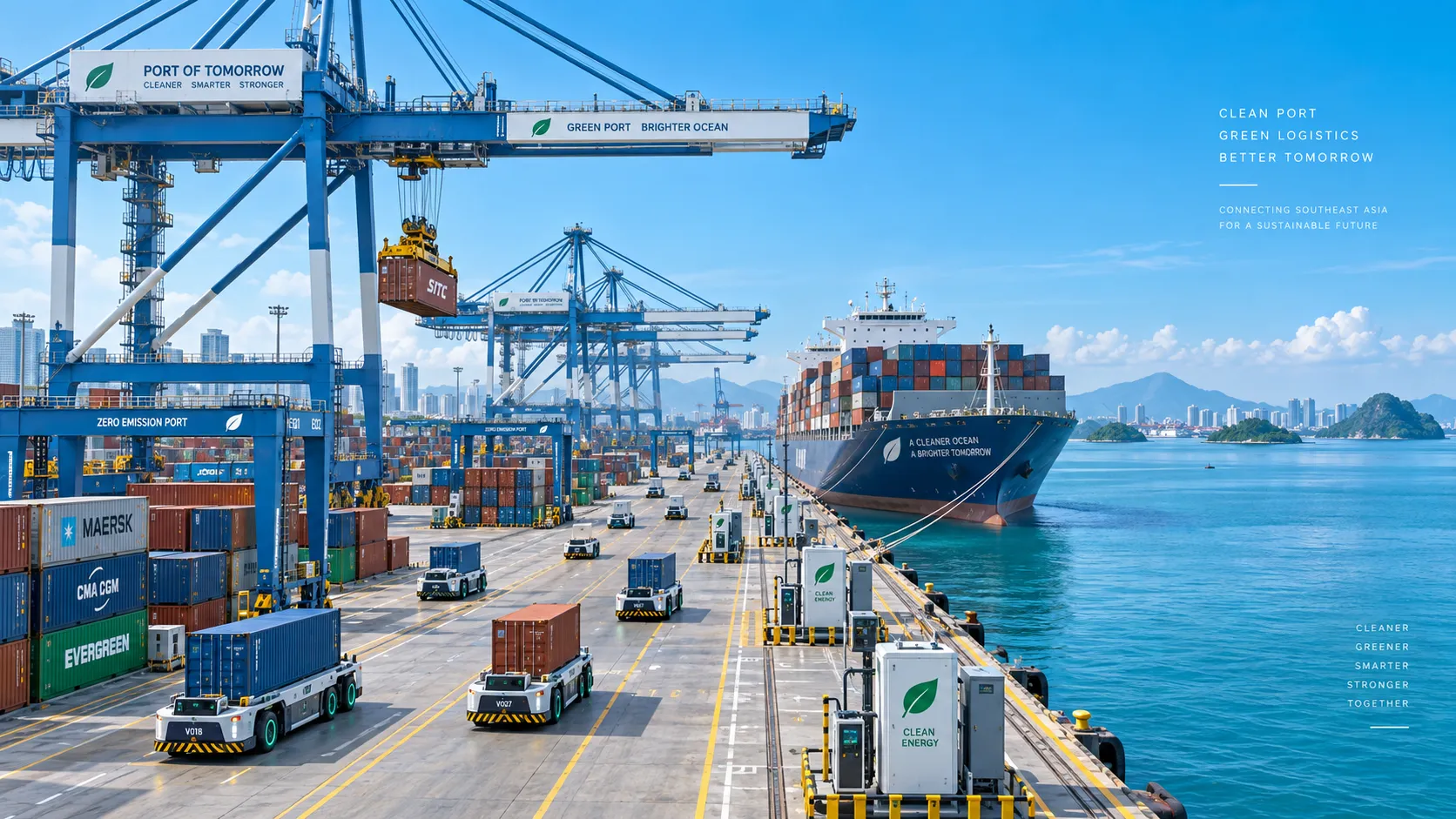
Smart Port Systems in Southeast Asia: Investment Priorities and Adoption Barriers
Smart port systems Southeast Asia: discover investment priorities, adoption barriers, and practical steps to build resilient, connected, high-performing terminals.
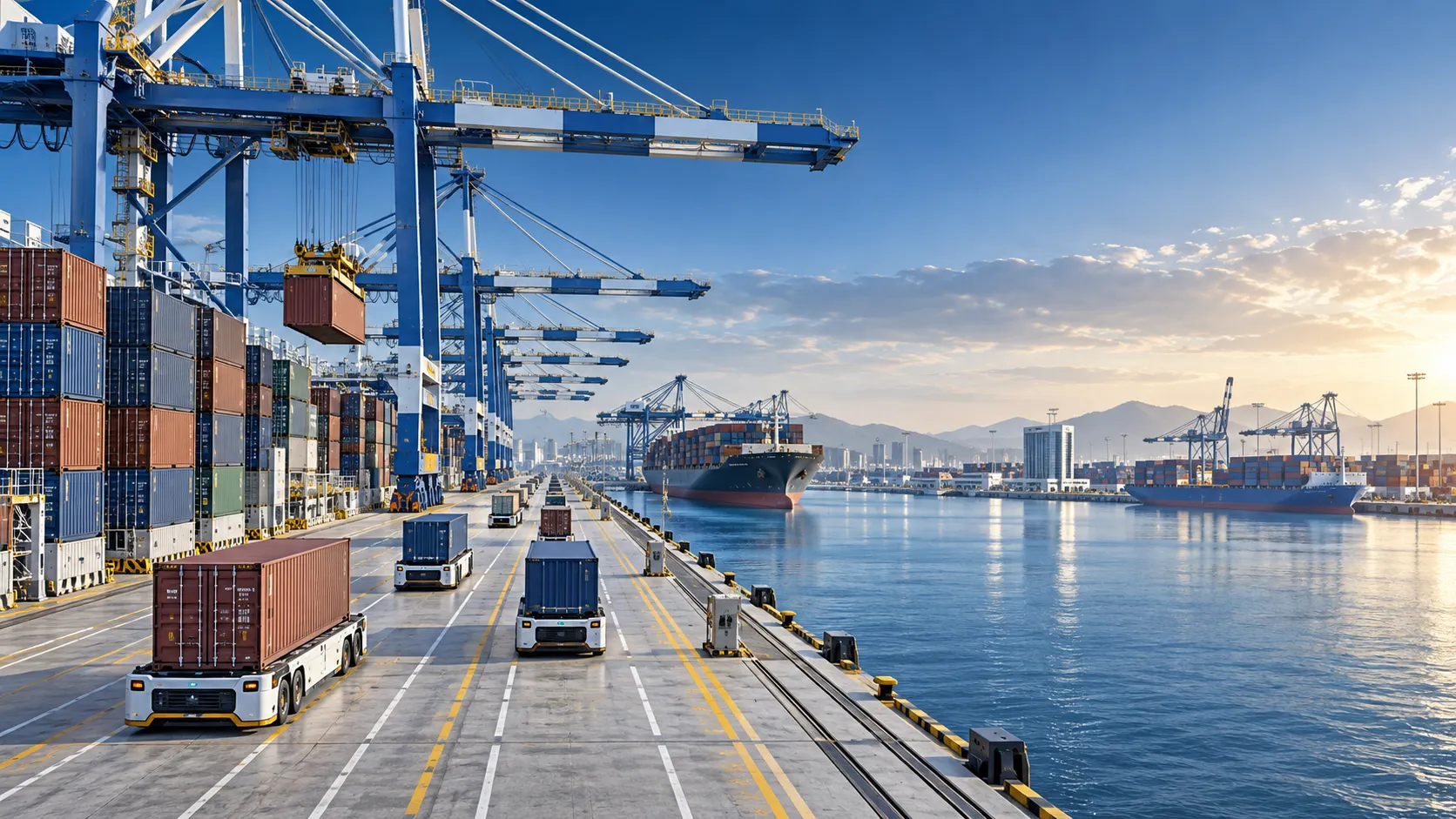
How to Evaluate Terminal Efficiency Solution Suppliers for High-Throughput Operations
Choose a terminal efficiency solutions supplier with confidence. Explore proven criteria for throughput, integration, lifecycle cost, safety, and reliable delivery.
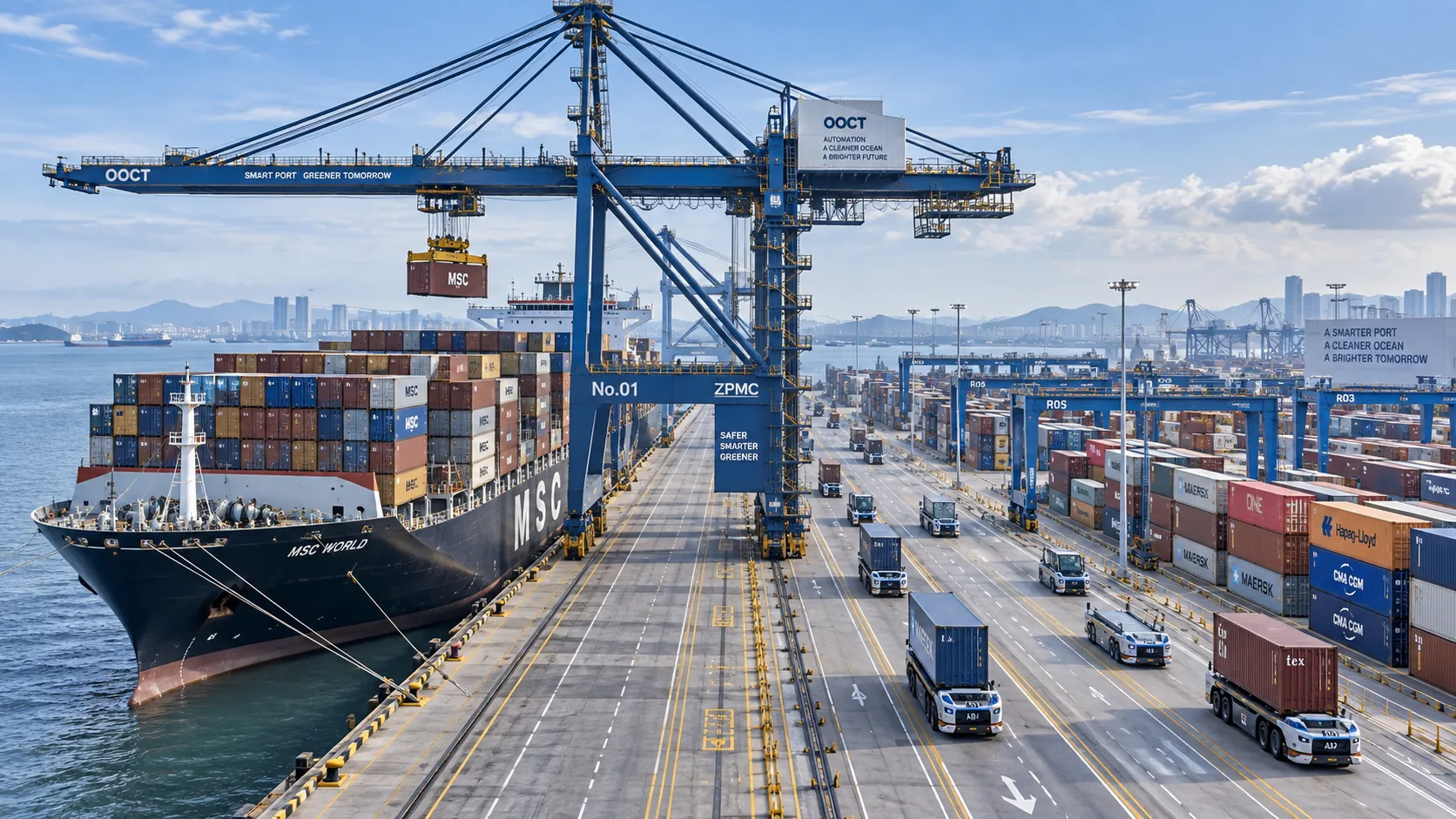
How to Specify a Quay Crane for Container Terminals by Vessel Size and Throughput?
Quay crane for container terminals: learn how to match outreach, lift height, capacity, automation, and cycle performance to vessel size and throughput goals.
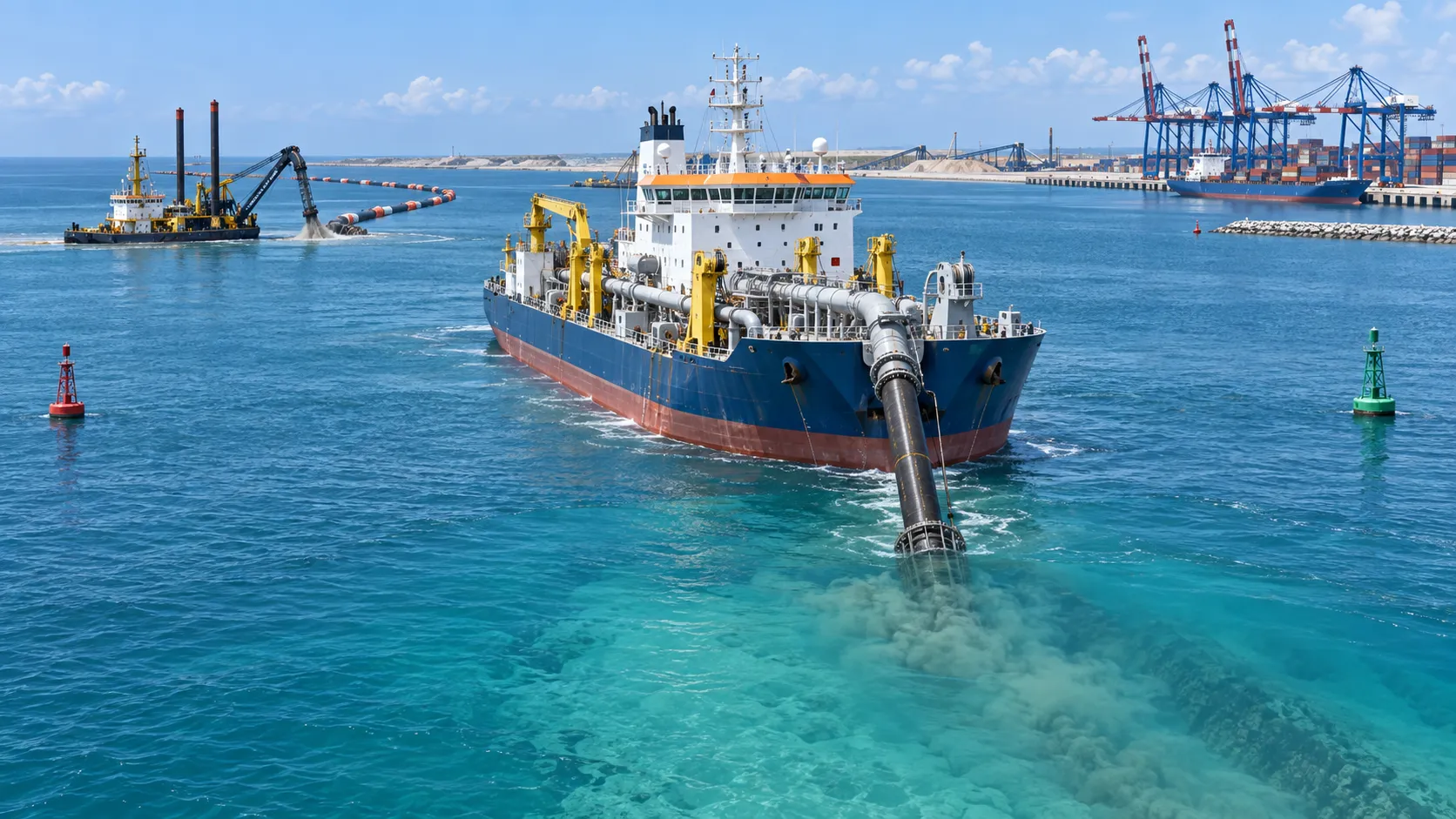
What Dredging Equipment Is Needed for Channel Deepening?
What dredging equipment is needed for channel deepening? Explore dredgers, pipelines, survey tools, and planning strategies for safer, more efficient port access.
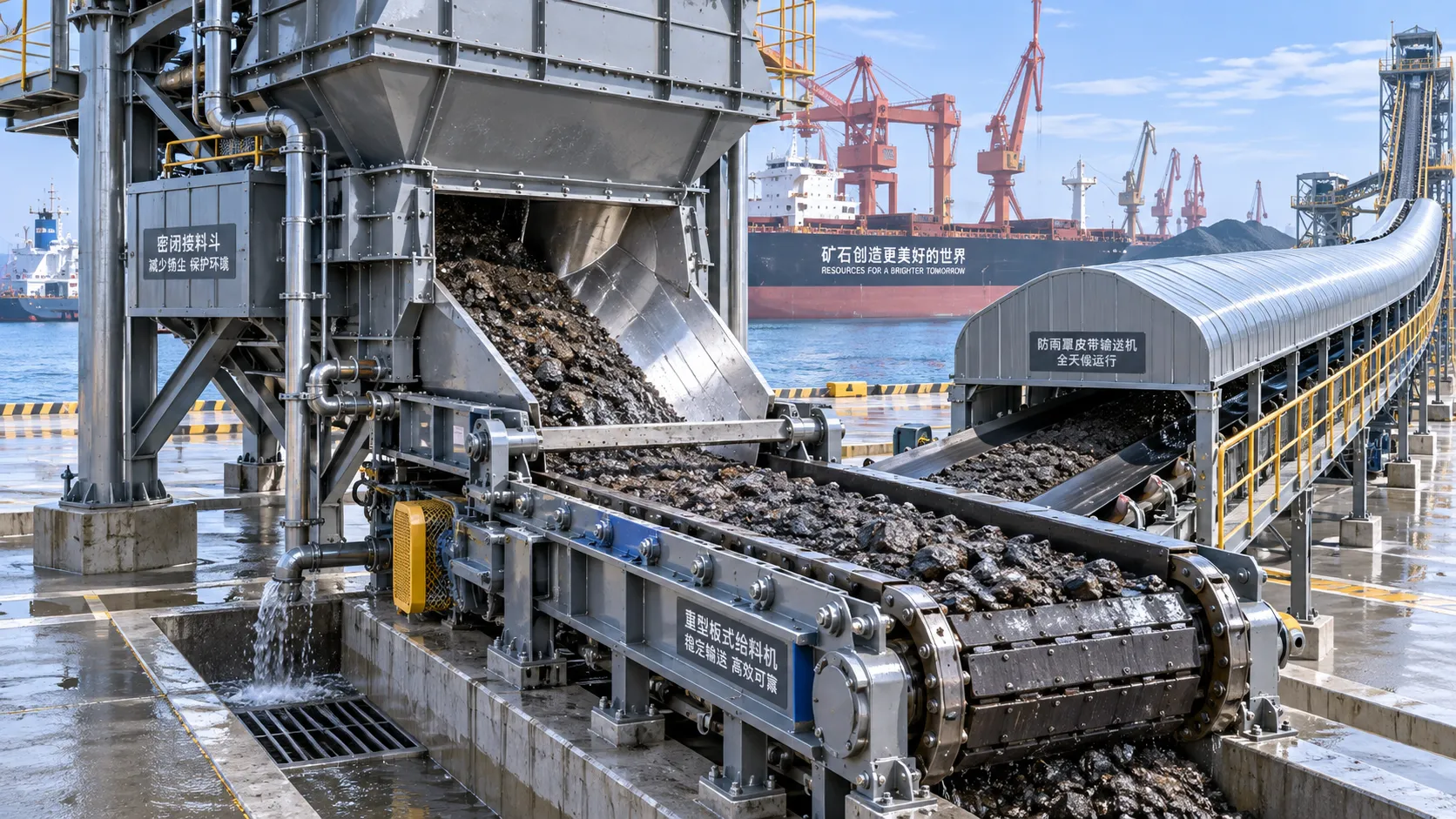
Which Bulk Handling Equipment Suits High-Moisture Cargo?
Which bulk handling equipment suits high-moisture cargo? Compare belt, apron, screw, drag, and slurry systems for reliable flow, less carryback, and higher terminal uptime.
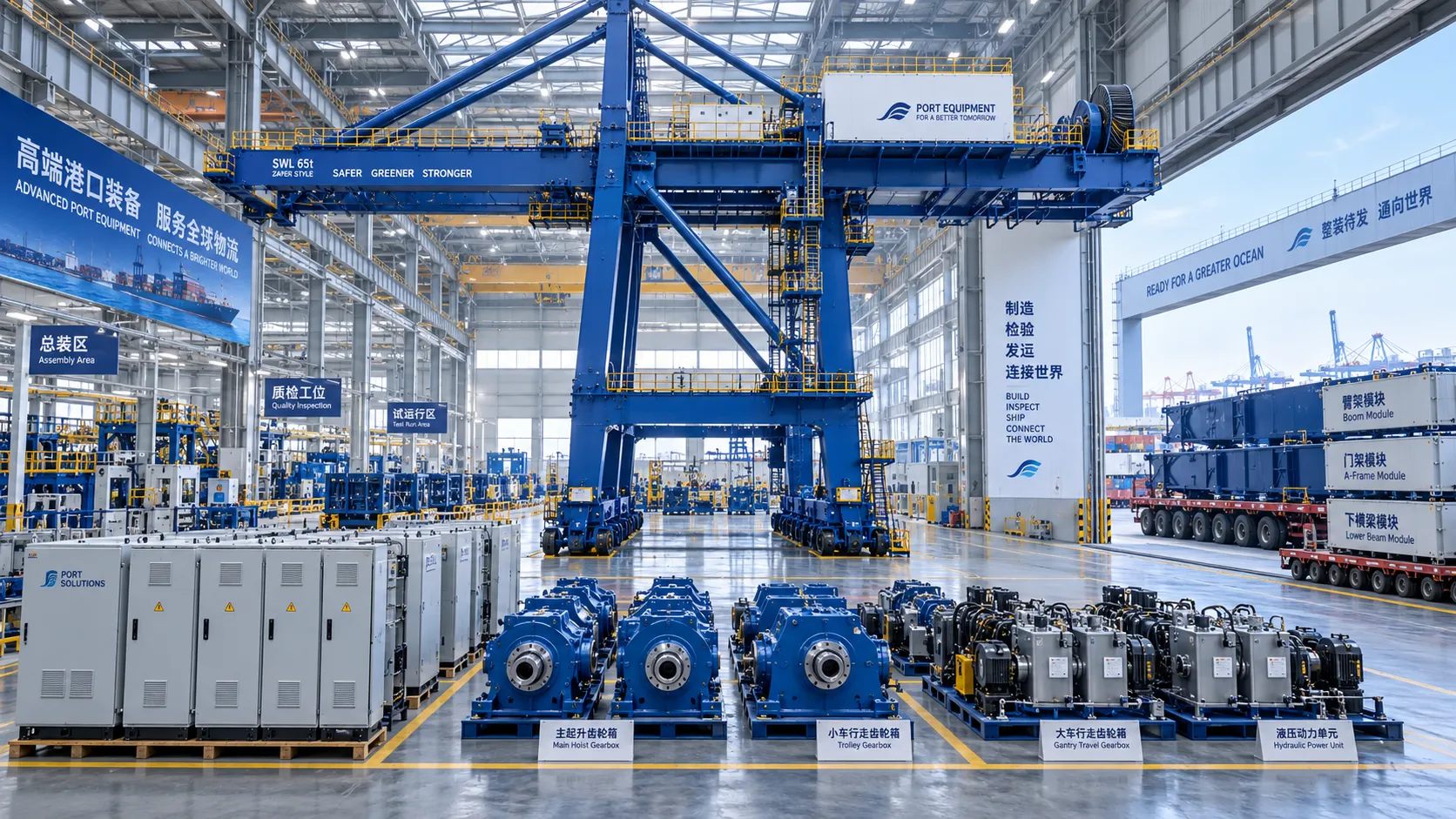
How Can Port Equipment Lead-Time Risk Be Managed?
How can port equipment lead-time risk be managed? Explore practical strategies to control critical paths, suppliers, transport, site readiness, and commissioning delays.
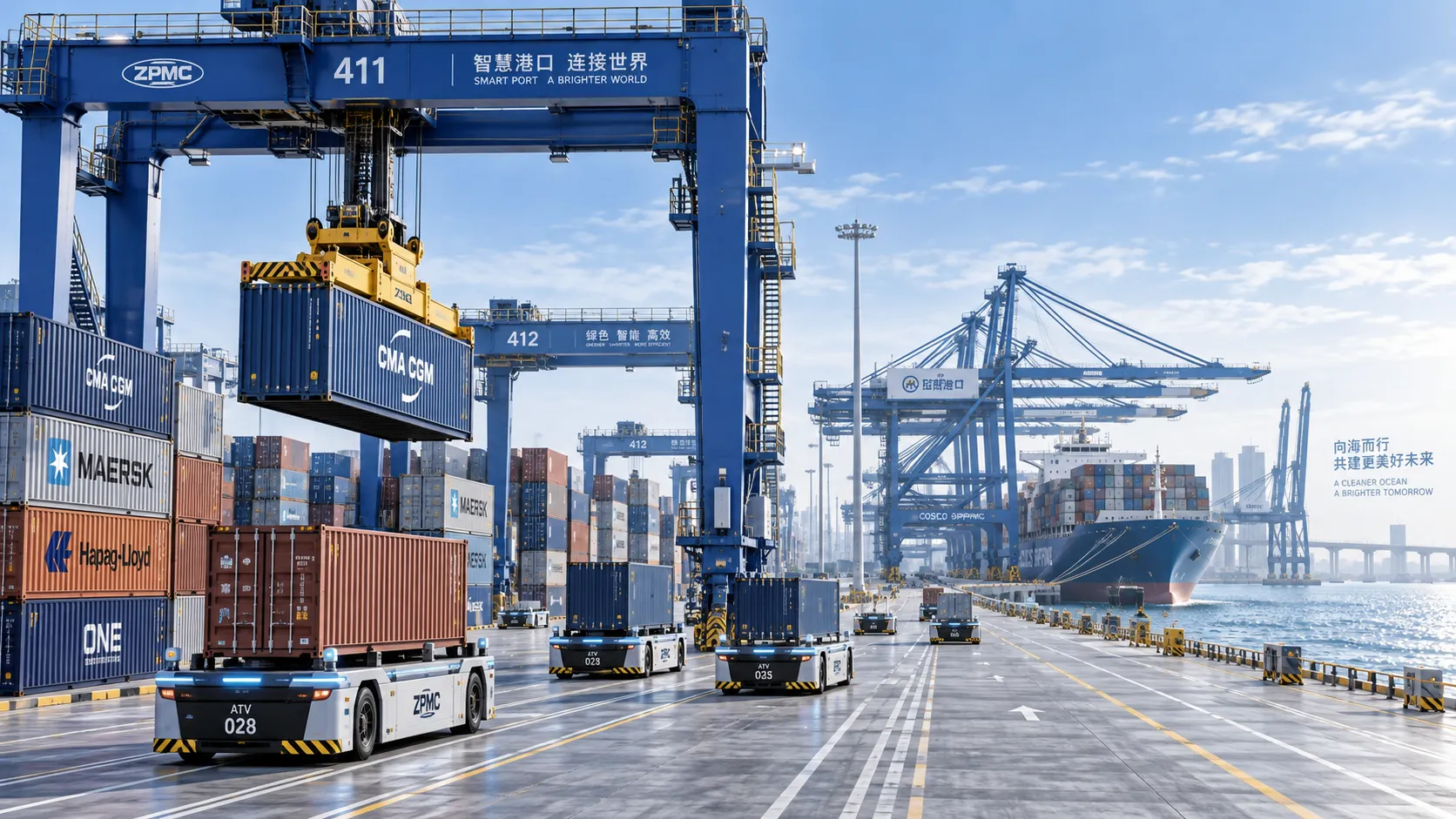
Terminal Automation Technologies That Raise Container Throughput Without Yard Disruption
Terminal automation technology that increases container throughput without disrupting yard flow. Explore smarter integration, resilient workflows, and phased deployment strategies.
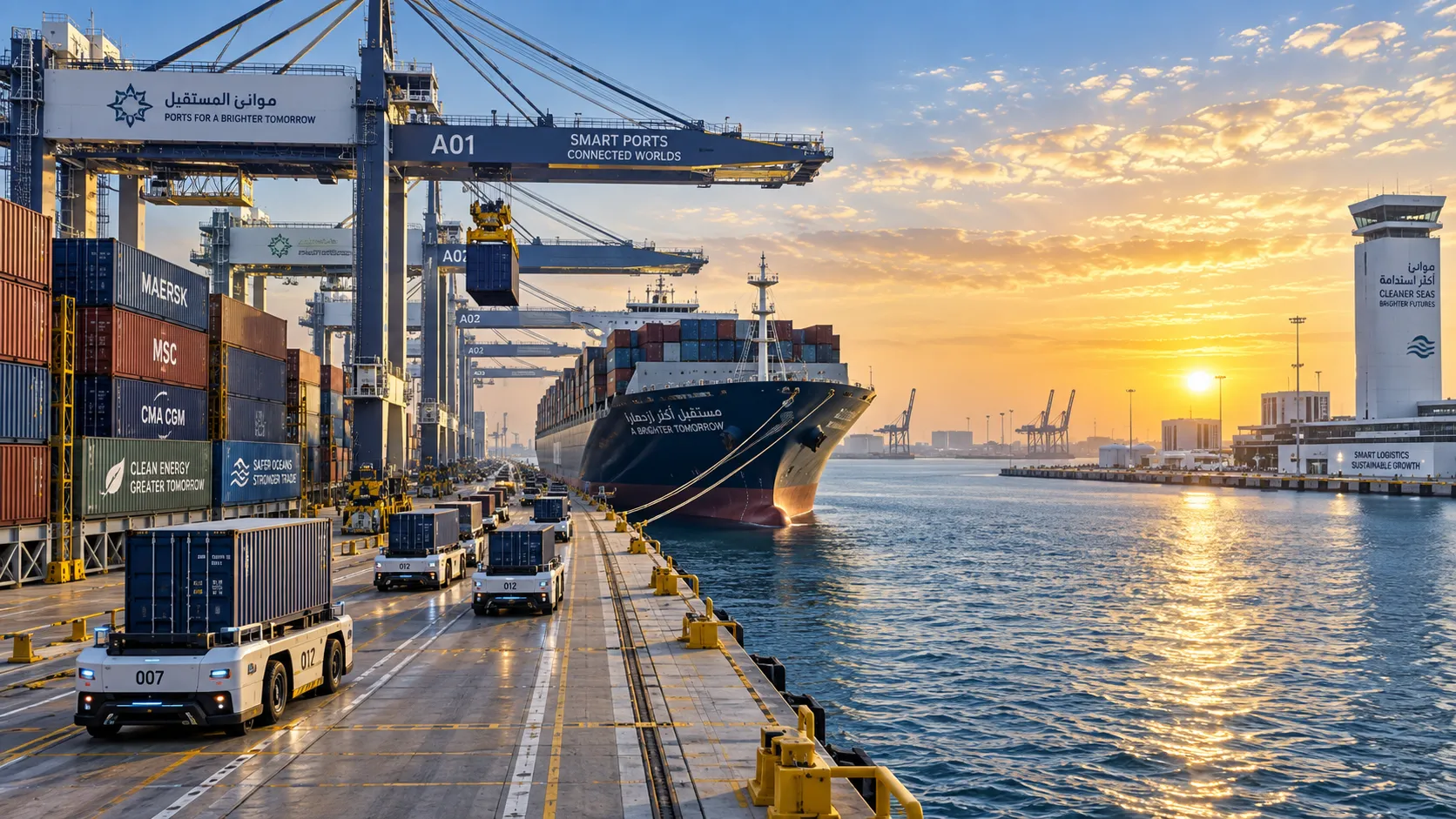
Middle East Port Automation: Key Market Drivers, Projects, and Investment Risks
Port automation systems Middle East: explore market drivers, flagship projects, integration challenges, and investment risks shaping smarter, resilient terminals.
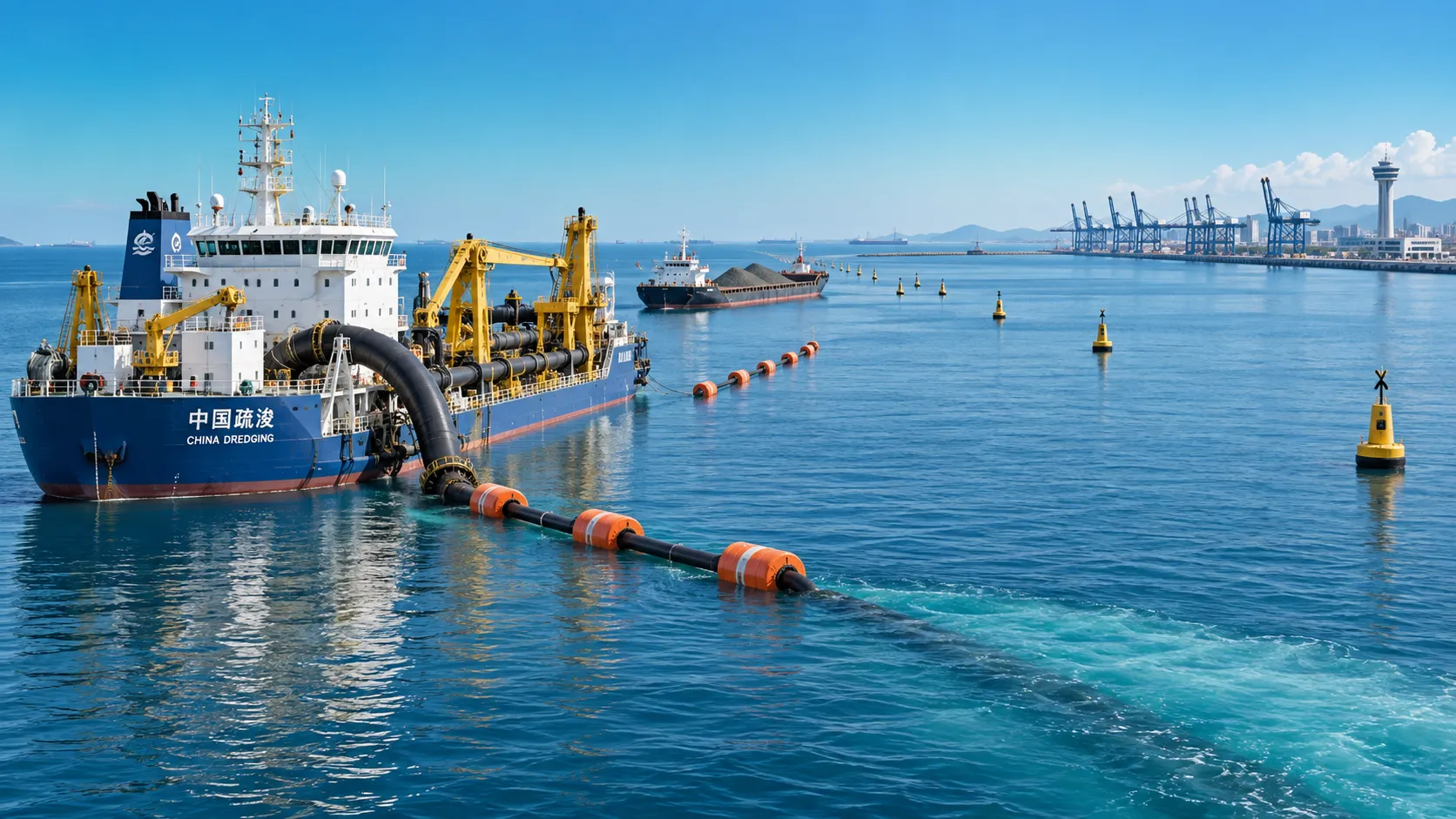
Planning Offshore Dredging Operations: Key Risks, Methods, and Project Controls
Offshore dredging operations demand smart planning. Explore key risks, proven methods, environmental controls, and project strategies for reliable delivery.