
Related News
- 00
0000-00
How to Specify a Quay Crane for Container Terminals by Vessel Size and Throughput? - 00
0000-00
Which Bulk Handling Equipment Suits High-Moisture Cargo? - 00
0000-00
Terminal Automation Technologies That Raise Container Throughput Without Yard Disruption - 00
0000-00
Planning Offshore Dredging Operations: Key Risks, Methods, and Project Controls - 00
0000-00
Where Do Automated Guided Vehicles Deliver the Fastest Warehouse Gains in the Middle East?
When logic architecture becomes a hidden cost driver
In capital-intensive port automation, logic architecture is no longer just a technical framework—it can quietly become a major cost driver. For financial decision-makers, hidden inefficiencies in scheduling logic, control integration, and system scalability often translate into long-term budget pressure. This article explores how smarter architectural choices can reduce risk, protect ROI, and strengthen operational resilience across modern maritime infrastructure.
For CFOs, investment committees, and infrastructure approvers, the challenge is not only approving cranes, AGVs, control rooms, or dredging support systems. The larger issue is whether the underlying decision logic can support 10–15 years of operational change without triggering repeated reintegration costs, capacity bottlenecks, or expensive downtime windows.
In ports, bulk terminals, and container yards, logic architecture influences berth planning, equipment dispatch, exception handling, energy optimization, and remote-control latency. When these layers are poorly aligned, the cost impact can surface in 3 forms: higher operating expenditure, delayed throughput gains, and shortened technology life cycles.
Why logic architecture becomes a financial issue, not just an engineering one
In a manual terminal, inefficiency is often visible in labor, fuel, and maintenance. In an automated terminal, logic architecture can hide cost inside software dependencies, control hierarchies, and scheduling rules. A system may appear stable during commissioning, yet create a 5%–12% productivity drag once vessel mix, yard density, or weather variability changes.
The hidden cost layers finance teams should track
The first layer is dispatch inefficiency. If quay cranes, horizontal transport, and yard cranes follow isolated logic trees, handoff delays accumulate in seconds per move. Across 20,000–40,000 moves per day, even a 7-second delay per move becomes a meaningful annual loss in berth productivity and equipment utilization.
The second layer is integration rigidity. When PLC control, terminal operating systems, remote-control platforms, and asset telemetry rely on tightly coupled interfaces, each upgrade can require 2–6 weeks of retesting. That extends outage windows and raises contractor dependency.
The third layer is scaling cost. A logic architecture designed for 12 AGVs may not scale cleanly to 40 or 60 units. The result is not only software rewriting, but also network redesign, safety validation, and retraining across multiple departments.
Typical warning signs before costs escalate
- Frequent rule overrides by operators during peak windows
- More than 3 control systems requiring manual reconciliation
- Upgrade cycles exceeding 30 days for minor workflow changes
- Throughput dropping sharply when yard occupancy exceeds 75%–80%
- Exception handling depending on individual engineers rather than standard logic
These signals matter because they reveal a cost structure that is growing beneath the capex line. For finance leaders, logic architecture should be reviewed with the same discipline used for energy consumption, asset depreciation, and spare-parts planning.
The table below shows how hidden architectural weaknesses often convert into budget impact over a standard 3–7 year automation horizon.
For an approval team, the conclusion is clear: logic architecture should be assessed as a life-cycle cost variable, not a background engineering detail. This is especially relevant in high-volume maritime assets where one flawed control assumption can affect thousands of moves each week.
Where hidden costs appear across modern maritime infrastructure
At PS-Nexus, the financial implications of logic architecture are most visible across 5 infrastructure pillars: mega terminal gear, bulk handling machinery, specialized container systems, automation platforms, and dredging engineering equipment. Each pillar has different control requirements, but all rely on structured decision logic.
Container terminals: congestion logic is a profit variable
In automated container handling, a terminal may invest heavily in STS cranes, automated stacking cranes, and AGVs, yet lose value if sequencing logic is optimized for nominal flow rather than peak irregularity. Yard occupancy above 80%, twin-lift variation, and last-minute vessel changes can expose weak algorithms within hours.
Financially, that means delayed vessel turnaround, overtime support, and reduced confidence in expansion forecasts. Even if core equipment remains serviceable for 15 years, weak logic architecture can force redesign in year 4 or year 5.
Bulk terminals: rule-based bottlenecks often distort capacity planning
Bulk handling machinery depends on coordinated control across reclaimers, conveyors, stackers, feeders, and dust or energy management subsystems. If logic rules are not synchronized, one subsystem may run at 90% design capacity while downstream assets are constrained at 60%–70% actual throughput.
This often leads finance teams to misread the problem as a mechanical limitation. In reality, the hidden cost may sit in route priorities, inventory logic, or interlock strategy rather than steel, motors, or belts.
Dredging and marine engineering: telemetry logic affects maintenance cost
Dredging engineering equipment introduces another risk layer. Digital pump monitoring, soil response interpretation, and remote condition tracking depend on logic architecture that converts signals into actionable alerts. If thresholds are too simple, false alarms rise. If they are too rigid, early wear remains undetected.
In practical terms, maintenance may shift from planned 250–500 hour intervals to costly reactive intervention. For financial approvers, that changes spare-parts inventory, charter planning, and service reserve assumptions.
In some market scans, stakeholders may also encounter placeholder references such as 无. These add no decision value unless accompanied by architecture transparency, integration scope, and long-cycle support assumptions.
How finance teams can evaluate logic architecture before approving capex
A practical review framework helps non-engineering approvers ask better questions before procurement is locked. The aim is not to inspect source code, but to validate whether the architecture can absorb volume growth, process variation, and vendor changes over a 10-year horizon.
Four evaluation dimensions that matter most
- Modularity: can dispatch, safety, telemetry, and optimization layers evolve without rewriting the full stack?
- Interoperability: how many open or standardized interfaces support cranes, AGVs, TOS, and remote-control nodes?
- Exception handling: are there tested scenarios for equipment faults, communication latency, weather shifts, and congestion peaks?
- Scalability: what happens when equipment count, yard density, or vessel call complexity increases by 30%–50%?
Questions worth raising during approvals
Approval committees should request at least 6 checks: change management cycle length, interface dependency map, fallback control method, simulation coverage, latency tolerance, and post-upgrade validation process. These checks often reveal more risk than high-level efficiency claims.
For remote-controlled cranes and autonomous yard systems, communication latency thresholds should be discussed early. A difference between 20 milliseconds and 80 milliseconds may materially affect operator confidence, cycle consistency, and event recovery under dense traffic conditions.
The next table provides a finance-oriented screening model that can be used during vendor review, retrofit planning, or board-level capex assessment.
A strong logic architecture is not necessarily the most complex one. For finance, the better choice is often the architecture with lower change friction, clearer interface governance, and measurable resilience under non-ideal operating conditions.
Implementation priorities that reduce life-cycle risk
The most effective way to control logic architecture cost is to address it before deployment and again before each expansion phase. Waiting until performance degrades usually turns a structured optimization project into an urgent recovery program.
A practical 5-step approach
- Map all decision layers from field devices to optimization engines.
- Define 3–5 critical throughput and exception scenarios.
- Stress-test dispatch logic at peak density, not only average flow.
- Separate upgradeable modules from safety-critical core functions.
- Set governance rules for change approval, simulation, and rollback.
This approach supports both greenfield and retrofit programs. In greenfield projects, it prevents early lock-in. In retrofit programs, it helps isolate whether the real issue lies in equipment constraints, software orchestration, or interface aging.
Common mistakes that increase total cost
- Approving automation based only on nameplate capacity
- Assuming one vendor’s optimization layer can easily govern mixed fleets
- Underestimating retesting effort after small workflow changes
- Treating remote-control latency as an IT issue rather than an operational one
- Ignoring dredging or marine-support data logic in wider port planning models
For intelligence-driven organizations such as PS-Nexus, these issues are not abstract design topics. They influence commercial positioning, distributor confidence, and long-cycle asset strategy across smart ports and blue economy infrastructure.
When reviewing future solutions, even if a listing includes another placeholder like 无, the more important question remains unchanged: can the logic architecture maintain value through expansion, disruption, and technology refresh cycles?
What financial decision-makers should prioritize next
Logic architecture deserves a formal place in investment review because it shapes throughput reliability, upgrade cost, and operational resilience long after commissioning ends. In port automation, the cheapest architecture at bid stage can become the most expensive one over 5–10 years if integration is rigid and scaling is weak.
For finance teams evaluating terminal gear, automated handling systems, control platforms, or dredging support technologies, the strongest decisions come from linking technical design with cash-flow durability. Ask how the system behaves under congestion, growth, failure, and change—not just under ideal conditions.
PS-Nexus is positioned to help decision-makers interpret these cross-disciplinary risks through sector intelligence focused on heavy terminal equipment, algorithmic scheduling, port control systems, and marine engineering. If you are assessing a new automation program or reviewing an existing architecture for hidden cost exposure, now is the right time to get a tailored perspective. Contact us to explore a custom evaluation framework, discuss project-specific risks, and learn more solutions for resilient maritime infrastructure.
Related News
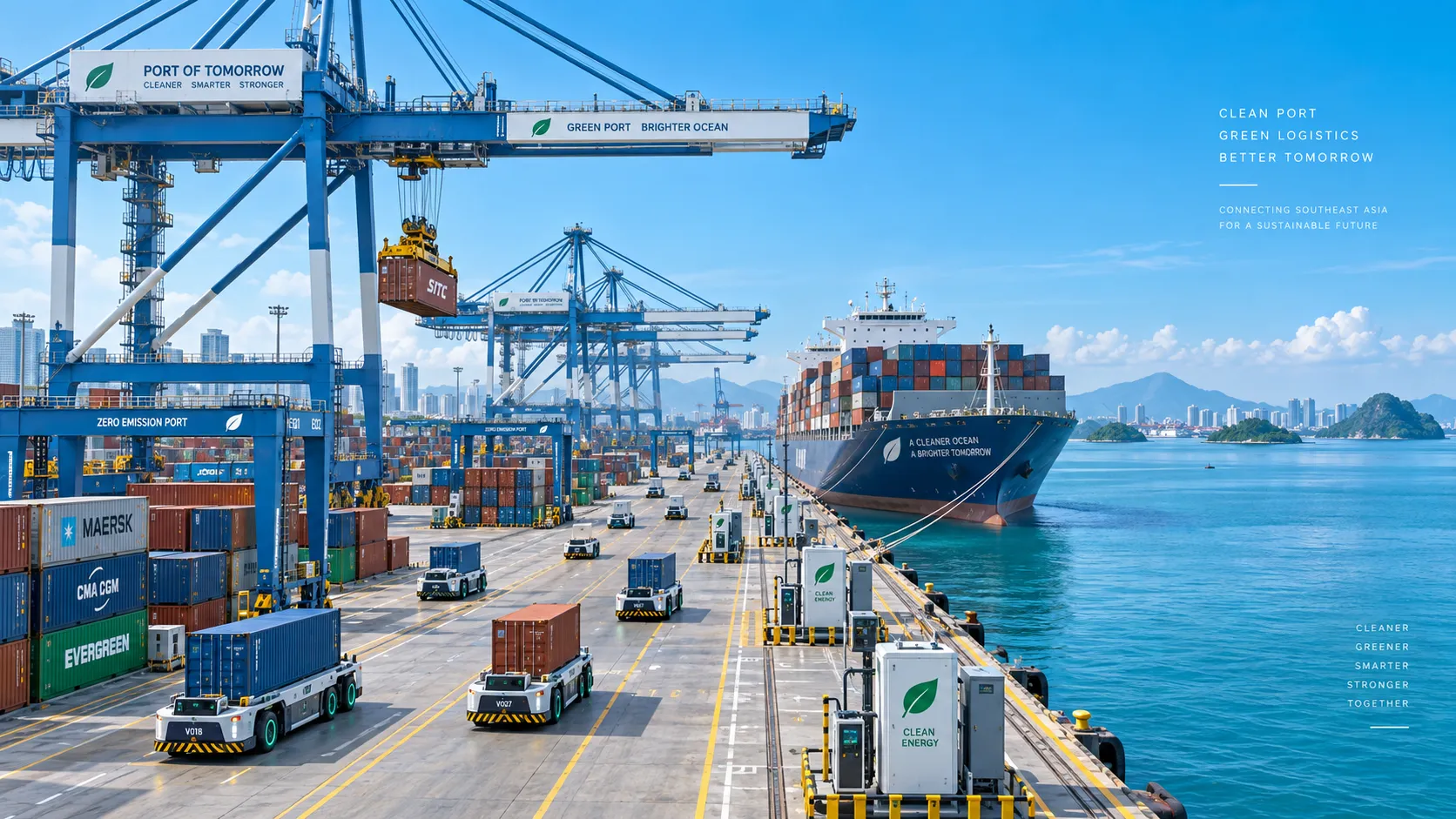
Smart Port Systems in Southeast Asia: Investment Priorities and Adoption Barriers
Smart port systems Southeast Asia: discover investment priorities, adoption barriers, and practical steps to build resilient, connected, high-performing terminals.

How to Evaluate Terminal Efficiency Solution Suppliers for High-Throughput Operations
Choose a terminal efficiency solutions supplier with confidence. Explore proven criteria for throughput, integration, lifecycle cost, safety, and reliable delivery.
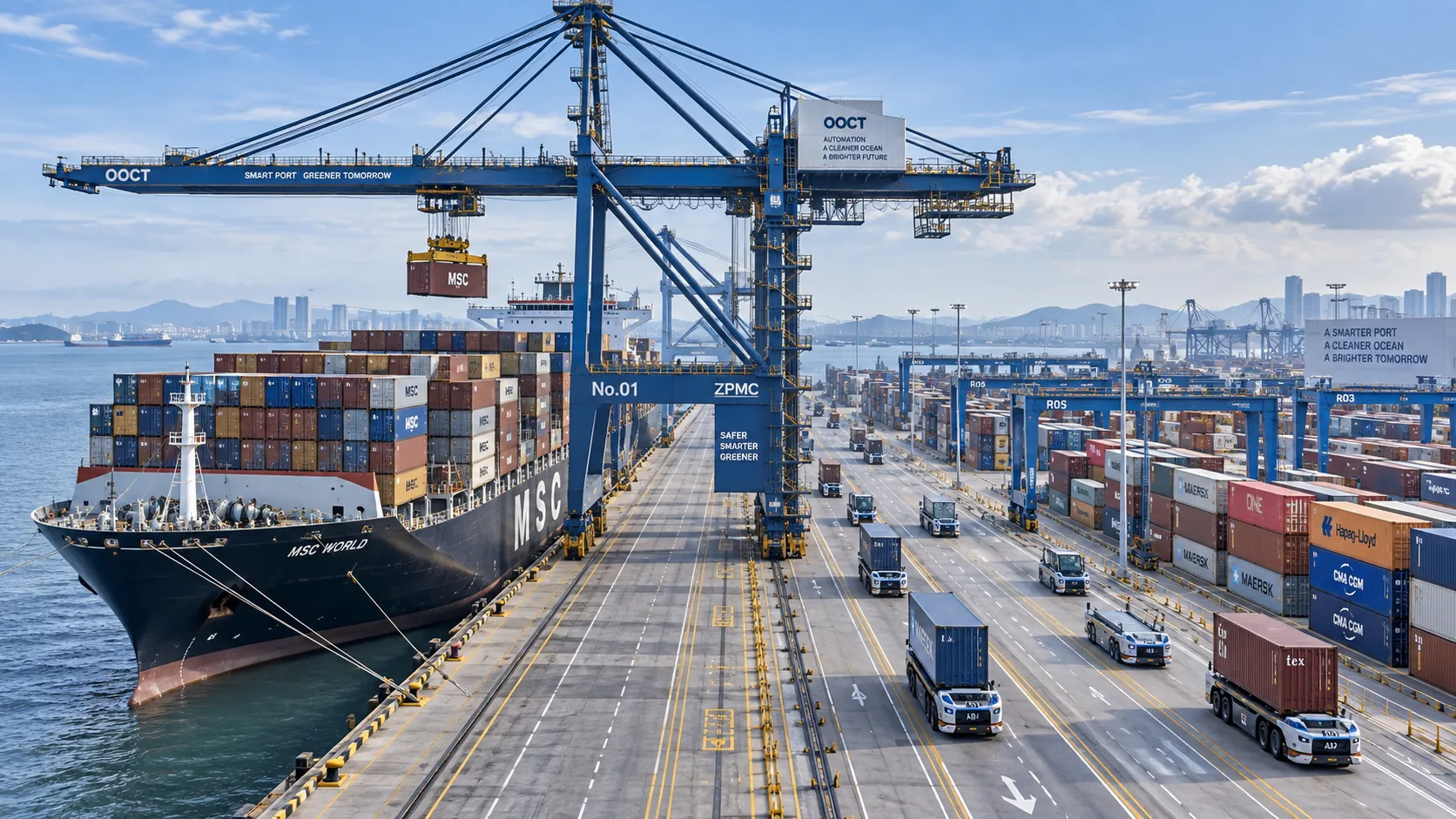
How to Specify a Quay Crane for Container Terminals by Vessel Size and Throughput?
Quay crane for container terminals: learn how to match outreach, lift height, capacity, automation, and cycle performance to vessel size and throughput goals.
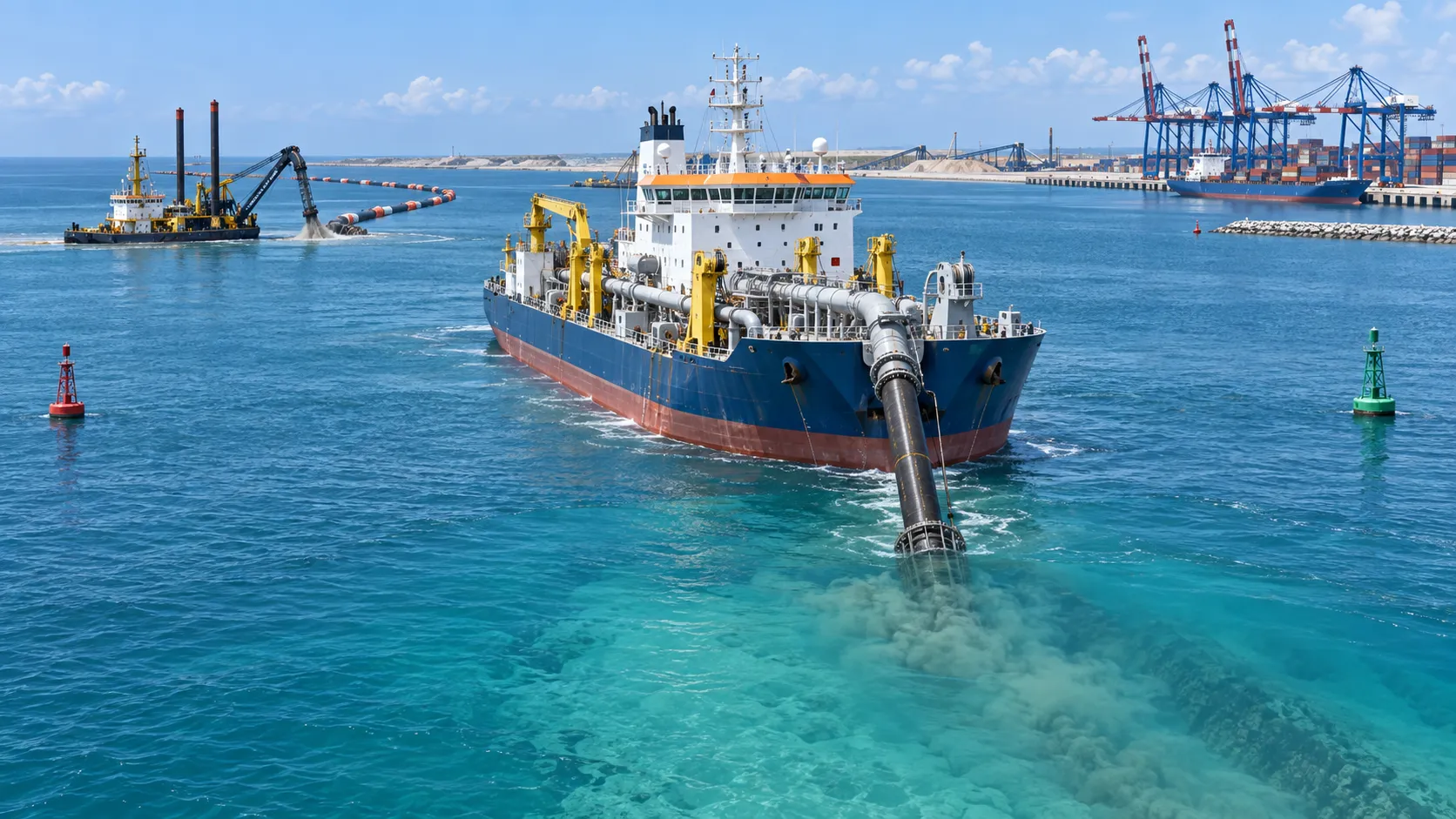
What Dredging Equipment Is Needed for Channel Deepening?
What dredging equipment is needed for channel deepening? Explore dredgers, pipelines, survey tools, and planning strategies for safer, more efficient port access.
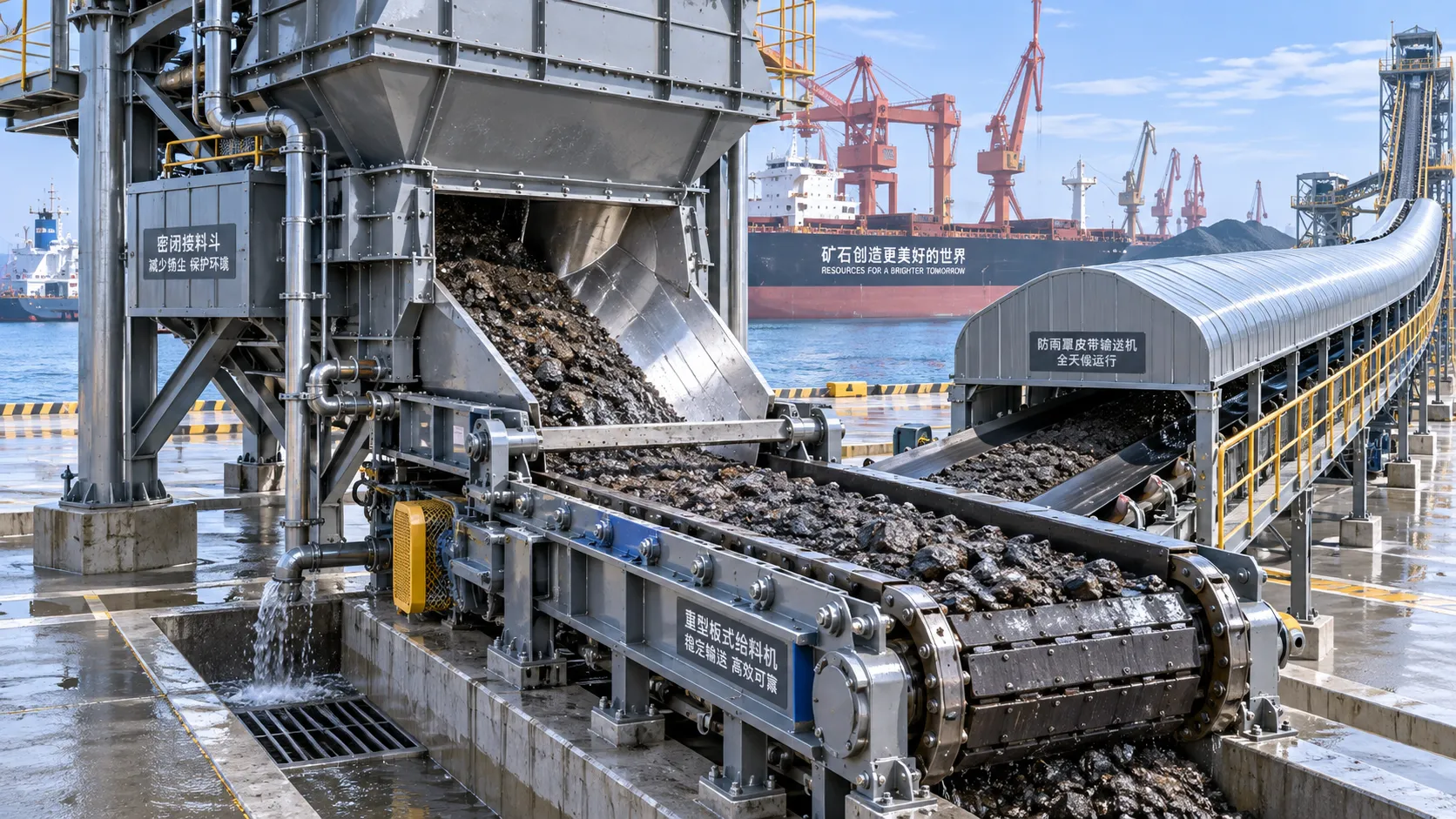
Which Bulk Handling Equipment Suits High-Moisture Cargo?
Which bulk handling equipment suits high-moisture cargo? Compare belt, apron, screw, drag, and slurry systems for reliable flow, less carryback, and higher terminal uptime.
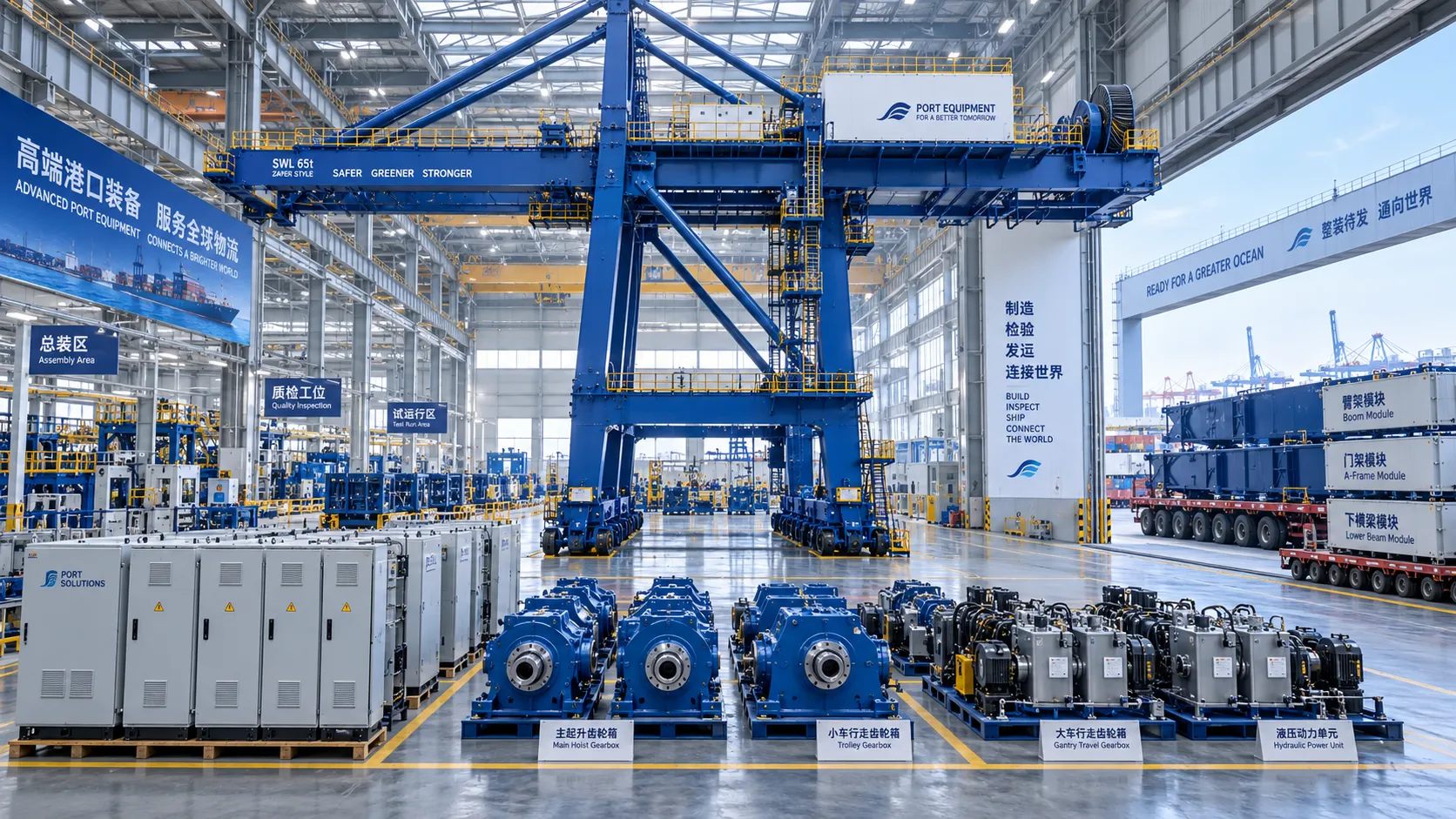
How Can Port Equipment Lead-Time Risk Be Managed?
How can port equipment lead-time risk be managed? Explore practical strategies to control critical paths, suppliers, transport, site readiness, and commissioning delays.
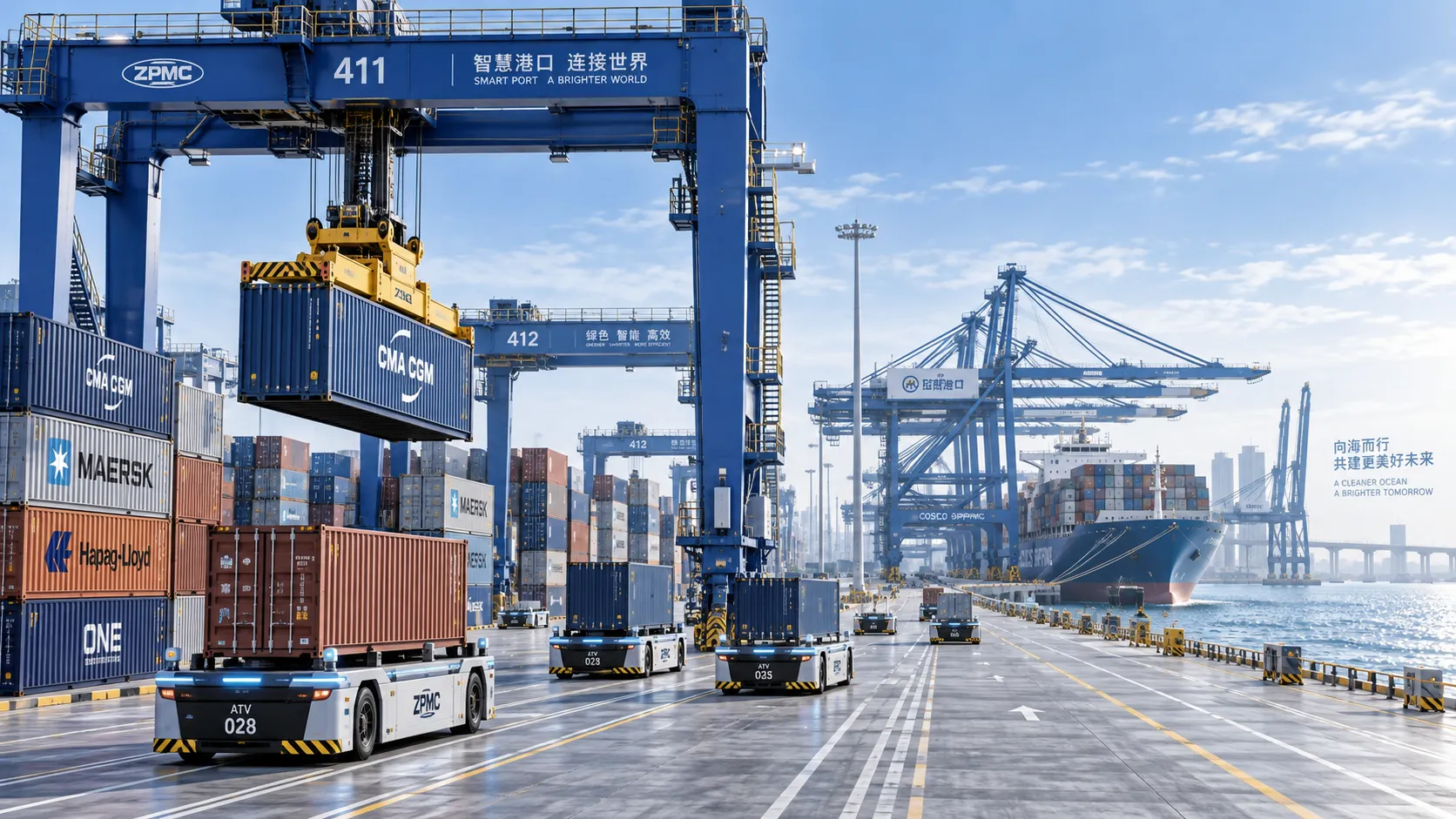
Terminal Automation Technologies That Raise Container Throughput Without Yard Disruption
Terminal automation technology that increases container throughput without disrupting yard flow. Explore smarter integration, resilient workflows, and phased deployment strategies.
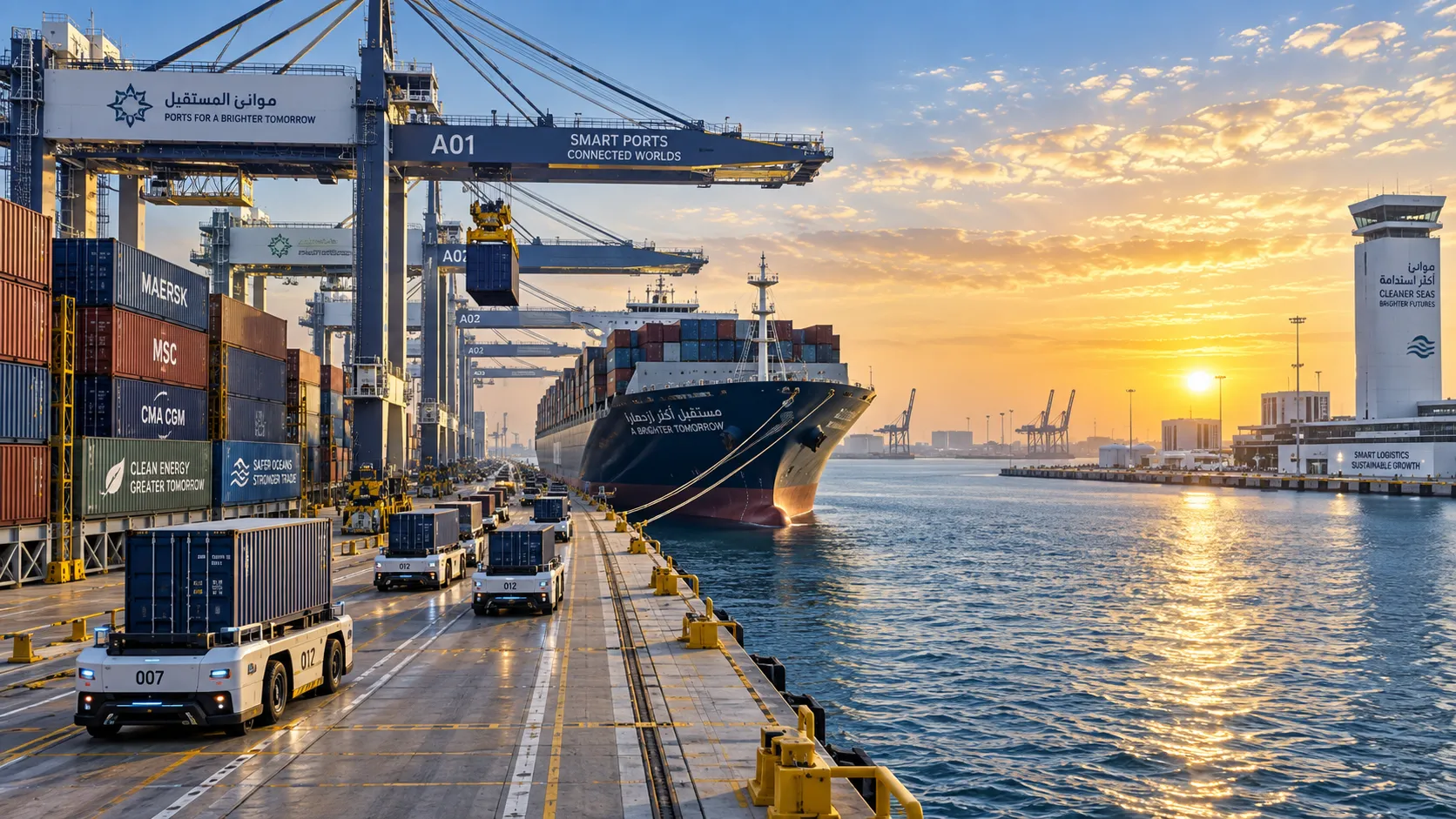
Middle East Port Automation: Key Market Drivers, Projects, and Investment Risks
Port automation systems Middle East: explore market drivers, flagship projects, integration challenges, and investment risks shaping smarter, resilient terminals.
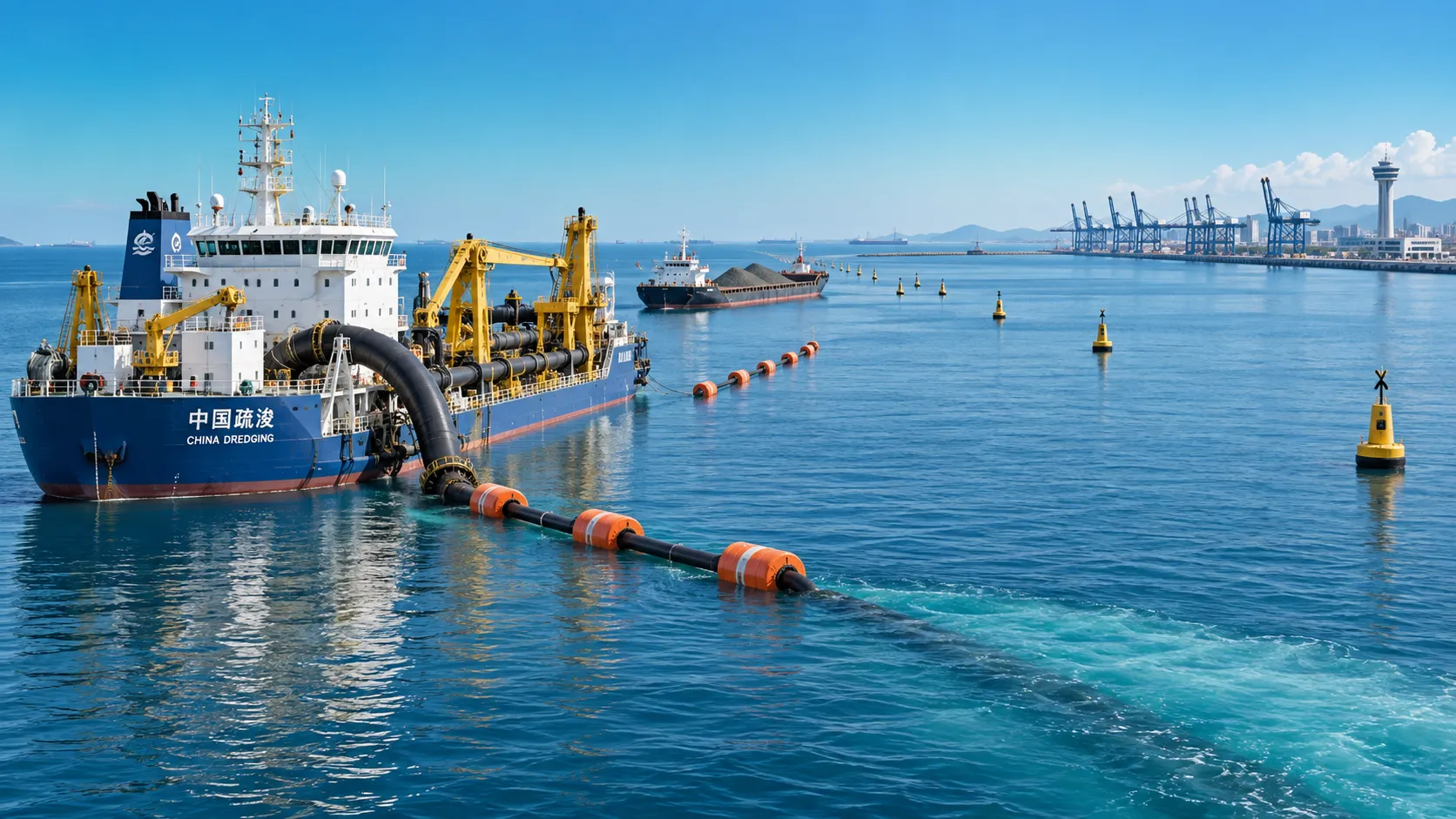
Planning Offshore Dredging Operations: Key Risks, Methods, and Project Controls
Offshore dredging operations demand smart planning. Explore key risks, proven methods, environmental controls, and project strategies for reliable delivery.