Related News
- 00
0000-00
How to Specify a Quay Crane for Container Terminals by Vessel Size and Throughput? - 00
0000-00
Which Bulk Handling Equipment Suits High-Moisture Cargo? - 00
0000-00
Terminal Automation Technologies That Raise Container Throughput Without Yard Disruption - 00
0000-00
Planning Offshore Dredging Operations: Key Risks, Methods, and Project Controls - 00
0000-00
Where Do Automated Guided Vehicles Deliver the Fastest Warehouse Gains in the Middle East?
Can smart oceans technology improve vessel tracking
Can smart oceans technology improve vessel tracking in a meaningful way? The short answer is yes, but the real value lies in how it changes decisions.
Across ports, shipping lanes, dredging zones, and offshore service routes, visibility is now a competitive operating asset. Better tracking reduces uncertainty, improves timing, and supports safer movement.
For complex maritime systems, smart oceans technology connects sensors, satellites, analytics, and communication layers into one practical picture. That picture helps teams react faster and plan with more confidence.
Why vessel tracking is entering a more connected phase
Traditional vessel tracking often depended on fragmented feeds. AIS signals, radar inputs, weather updates, and port notices were useful, yet they rarely moved as one coordinated stream.
Today, smart oceans technology is changing that pattern. It blends marine data sources into live operational intelligence, making vessel tracking more responsive to conditions on the water.
This shift matters because maritime operations have become tighter. Terminal windows are narrower, dredging schedules are more dynamic, and route disruptions spread quickly across global logistics chains.
As PS-Nexus observes in maritime logistics and coastal economics, timing accuracy now affects berth allocation, equipment readiness, energy use, and turnaround performance at once.
The main signals showing smart oceans technology is reshaping tracking
Several trend signals show why smart oceans technology is becoming central to vessel tracking, not just an optional digital upgrade.
- Ports are demanding more accurate estimated times of arrival.
- Remote and offshore operations need better situational awareness.
- Environmental compliance requires clearer route and speed records.
- Extreme weather makes static planning less reliable.
- Automation systems depend on clean, real-time vessel movement data.
These signals point to one conclusion. Vessel tracking is no longer only about knowing location. It is about predicting movement, risk, delay, and operational consequence.
What is driving adoption of smart oceans technology
The momentum behind smart oceans technology comes from technical progress and business pressure at the same time.
In this environment, smart oceans technology becomes valuable because it reduces blind spots between sea movement and shore-based execution.
How smart oceans technology makes vessel tracking more accurate
Accuracy improves when tracking systems stop relying on a single data source. Smart oceans technology combines AIS, radar, satellite imagery, bathymetric updates, and environmental monitoring.
That fusion helps validate position and movement patterns. If one stream drops or becomes noisy, other streams can confirm route direction, drift behavior, or unexpected stops.
For busy channels, this matters during crossing traffic, berth approach, and tidal timing. For offshore logistics, it matters when support vessels work around installations or dredging equipment.
The result is more dependable vessel tracking for both routine voyages and high-risk situations. It also supports better post-event review and performance benchmarking.
The role of prediction, not just observation
A key advantage of smart oceans technology is predictive intelligence. It estimates future position, likely delay points, and channel conflicts before they create operational disruption.
That matters for ports handling automated container flows, bulk transfer timing, and marine engineering support. Predictive vessel tracking supports earlier decisions and fewer rushed adjustments.
Where the impact is strongest across maritime operations
The effect of smart oceans technology is not limited to navigation teams. Its value spreads across connected business and operational layers.
- Port terminals gain earlier berth planning and better crane readiness.
- Bulk handling operations improve transfer timing and labor coordination.
- Container yards reduce congestion through better arrival forecasting.
- Dredging projects manage vessel access around changing channel conditions.
- Offshore support fleets improve dispatch and safety during weather shifts.
This wider impact explains why smart oceans technology aligns closely with the PS-Nexus view of synchronized marine logistics. Vessel tracking now influences equipment utilization and strategic planning together.
What limits adoption and where caution is still needed
Despite the promise, smart oceans technology does not solve every tracking challenge automatically. Data quality, interoperability, and response discipline still determine results.
Some coastal zones have inconsistent signal conditions. Some systems still operate in silos. Some teams receive alerts but lack clear escalation rules for acting on them.
Cybersecurity is another concern. More connected vessel tracking creates more exposure if communications, sensors, or cloud exchanges are not protected to industrial standards.
There is also a governance challenge. Real-time tracking is useful only when data ownership, update frequency, and operational responsibility are clearly defined.
What businesses should watch as smart oceans technology matures
The next phase of smart oceans technology will likely focus on integration depth rather than sensor quantity alone. More data is not always better if it is not operationally usable.
- Watch ETA prediction accuracy under bad weather and congestion.
- Track how well systems connect with terminal control and port community platforms.
- Review whether alerts lead to measurable action, not just dashboards.
- Measure fuel, waiting time, and berth productivity improvements.
- Check readiness for emissions reporting and route compliance analysis.
Some organizations also examine reference tools or intelligence listings such as 无 when comparing digital readiness signals, although platform fit still depends on use case.
A practical decision framework for improving vessel tracking
A useful approach is to evaluate smart oceans technology through operational outcomes, not only technical features.
This framework helps separate true operational improvement from surface-level digital claims around smart oceans technology.
Why the long-term outlook remains strong
The long-term case for smart oceans technology is strong because maritime networks are becoming more automated, more regulated, and more time-sensitive.
In that setting, vessel tracking becomes part of a larger intelligence layer. It supports cargo flow timing, equipment planning, channel safety, and emissions-aware route management.
For international port ecosystems, better vessel tracking also strengthens resilience. It improves reaction speed when disruption affects schedules, weather windows, or marine infrastructure access.
That is why smart oceans technology is moving from innovation topic to operating necessity across modern maritime logistics.
What to do next if vessel tracking performance needs to improve
Start with one measurable tracking problem. It may be inaccurate arrival estimates, poor channel visibility, weak offshore coordination, or delayed berth decisions.
Then map current data sources, identify blind spots, and test where smart oceans technology can create faster operational response. Focus on outcomes like delay reduction and safer scheduling.
Finally, review whether your digital ecosystem supports coordinated action from sea to shore. The best vessel tracking systems do more than watch movement. They improve what happens next.
If maritime performance depends on timing, safety, and synchronized decisions, smart oceans technology is no longer a future concept. It is becoming the standard for intelligent vessel tracking.
Related News
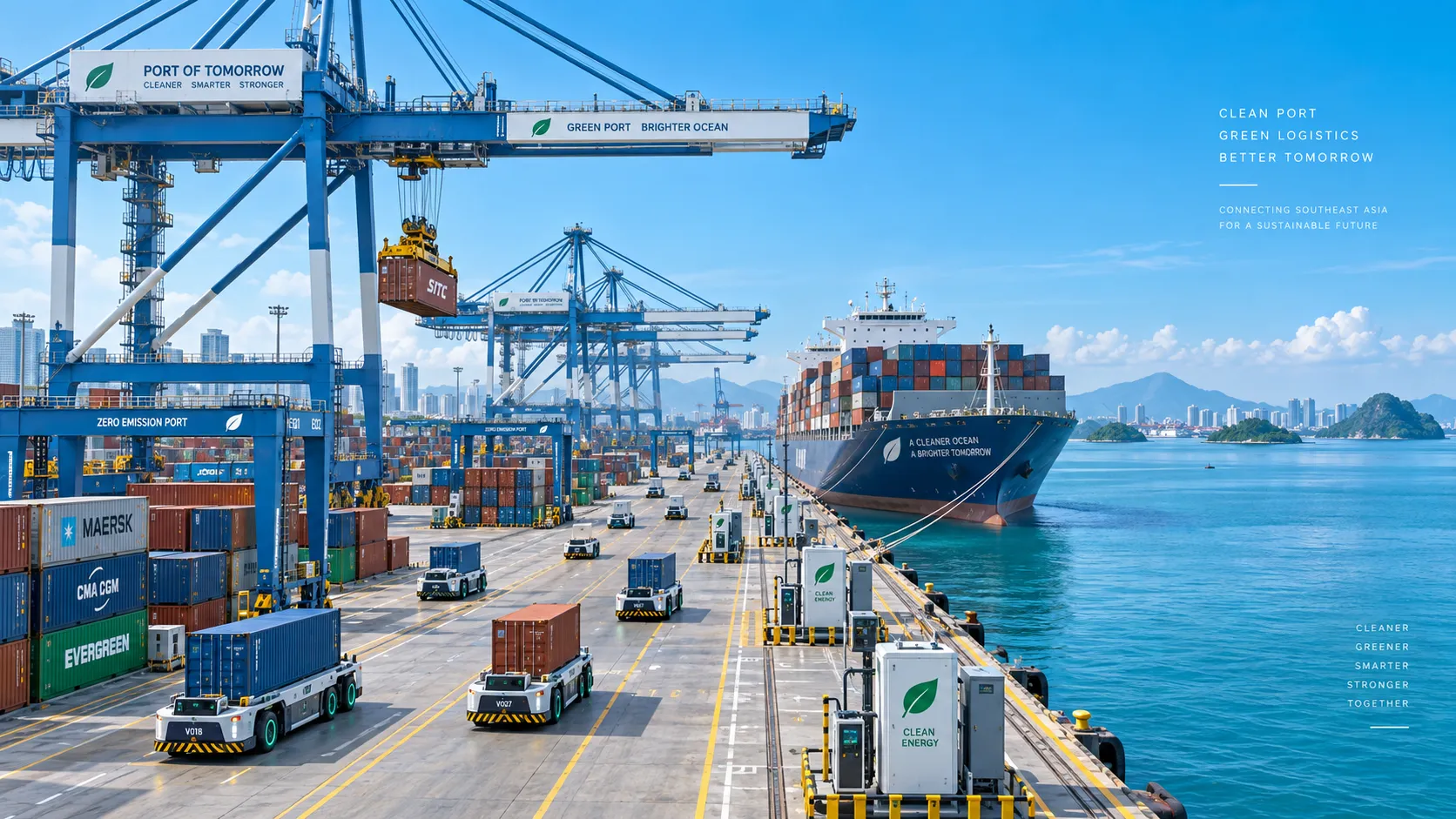
Smart Port Systems in Southeast Asia: Investment Priorities and Adoption Barriers
Smart port systems Southeast Asia: discover investment priorities, adoption barriers, and practical steps to build resilient, connected, high-performing terminals.
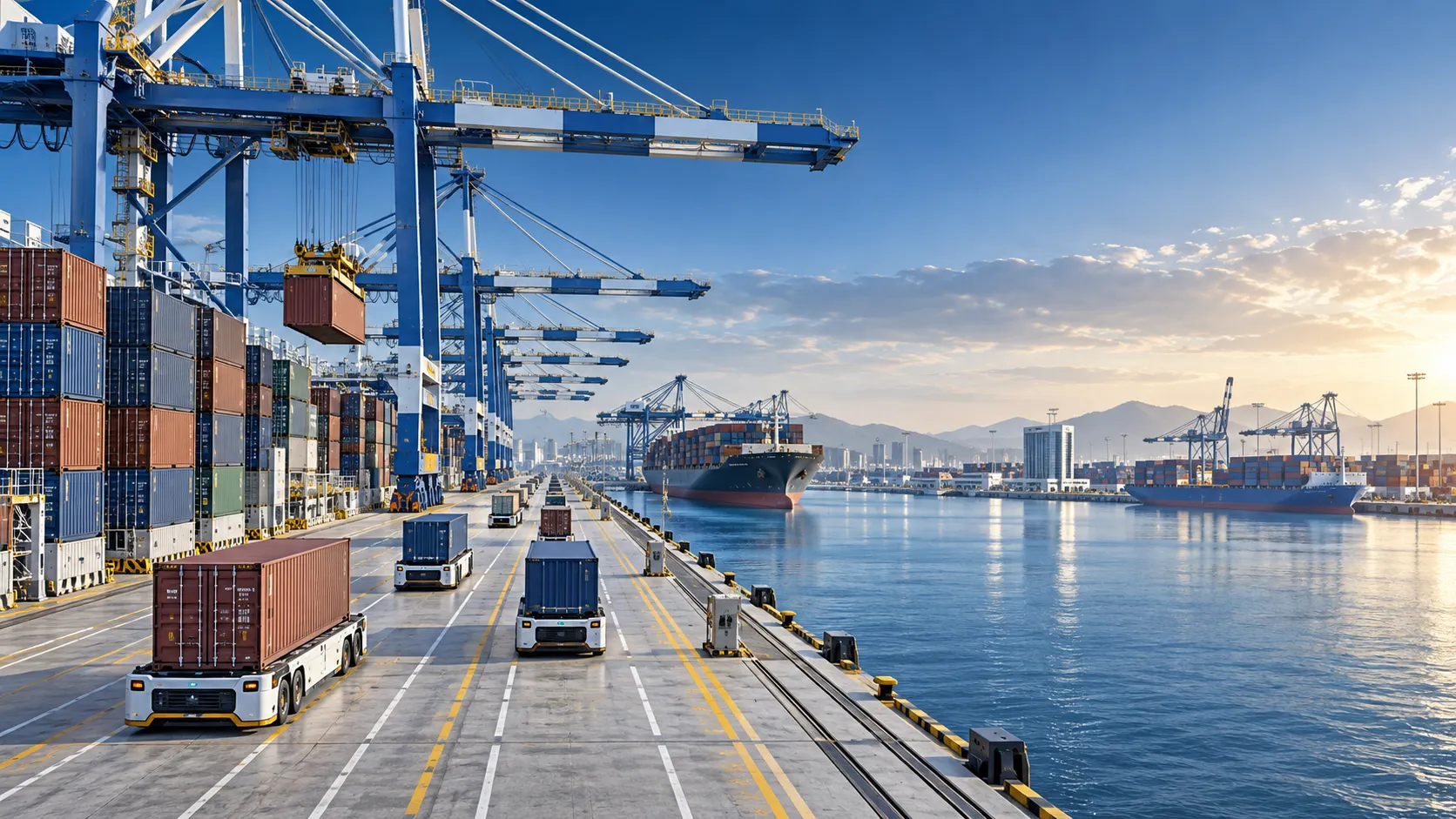
How to Evaluate Terminal Efficiency Solution Suppliers for High-Throughput Operations
Choose a terminal efficiency solutions supplier with confidence. Explore proven criteria for throughput, integration, lifecycle cost, safety, and reliable delivery.
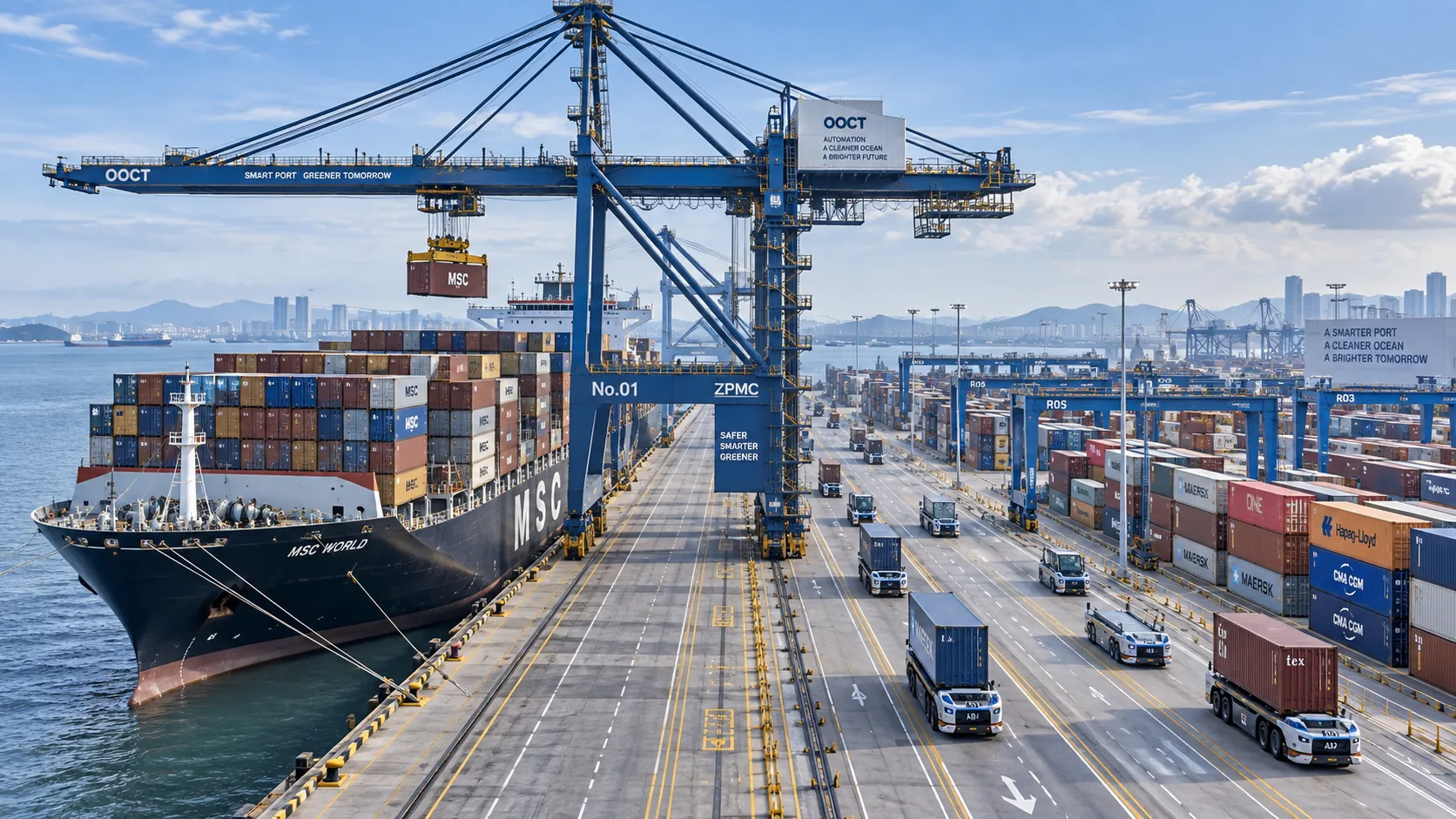
How to Specify a Quay Crane for Container Terminals by Vessel Size and Throughput?
Quay crane for container terminals: learn how to match outreach, lift height, capacity, automation, and cycle performance to vessel size and throughput goals.
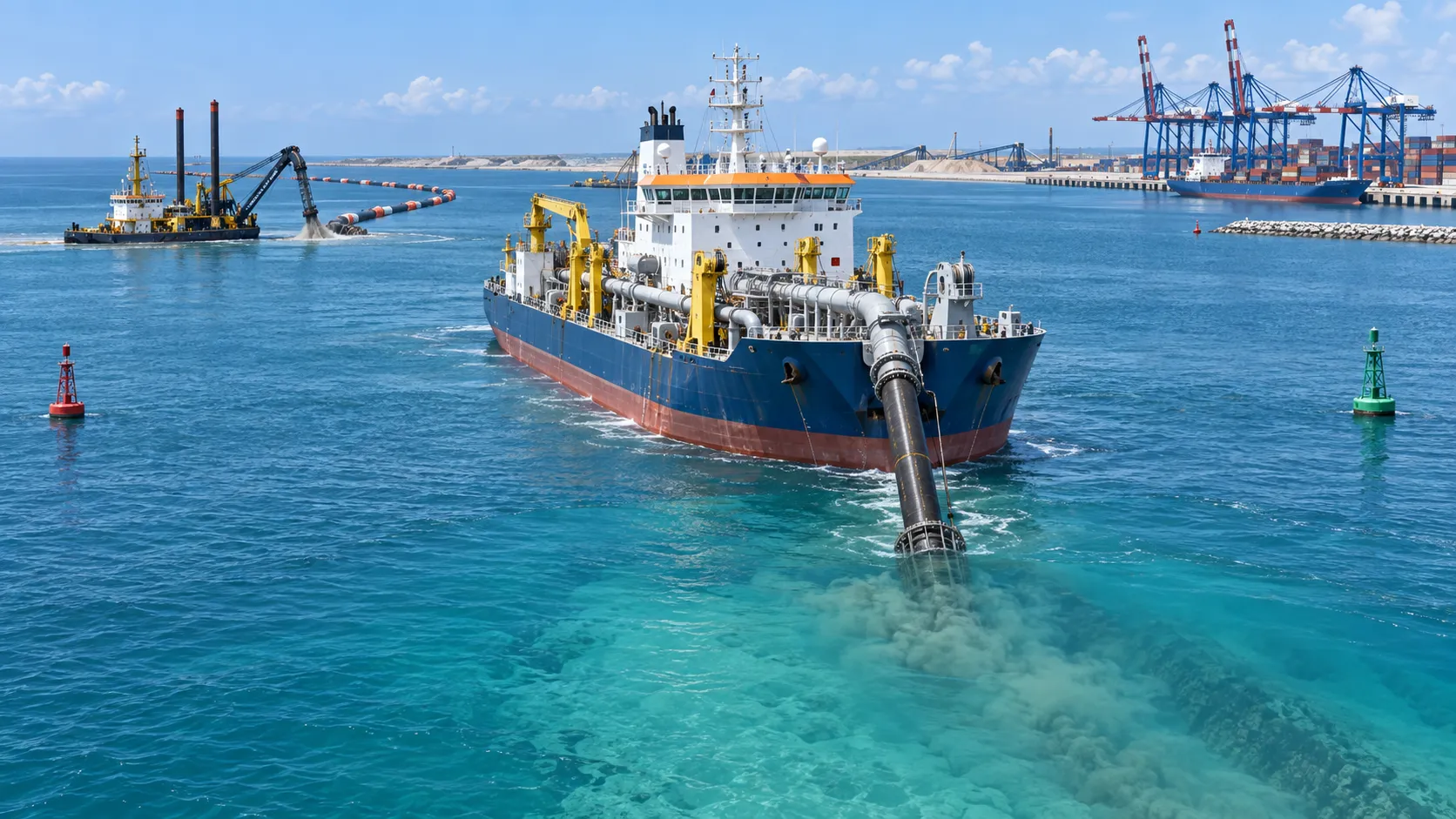
What Dredging Equipment Is Needed for Channel Deepening?
What dredging equipment is needed for channel deepening? Explore dredgers, pipelines, survey tools, and planning strategies for safer, more efficient port access.
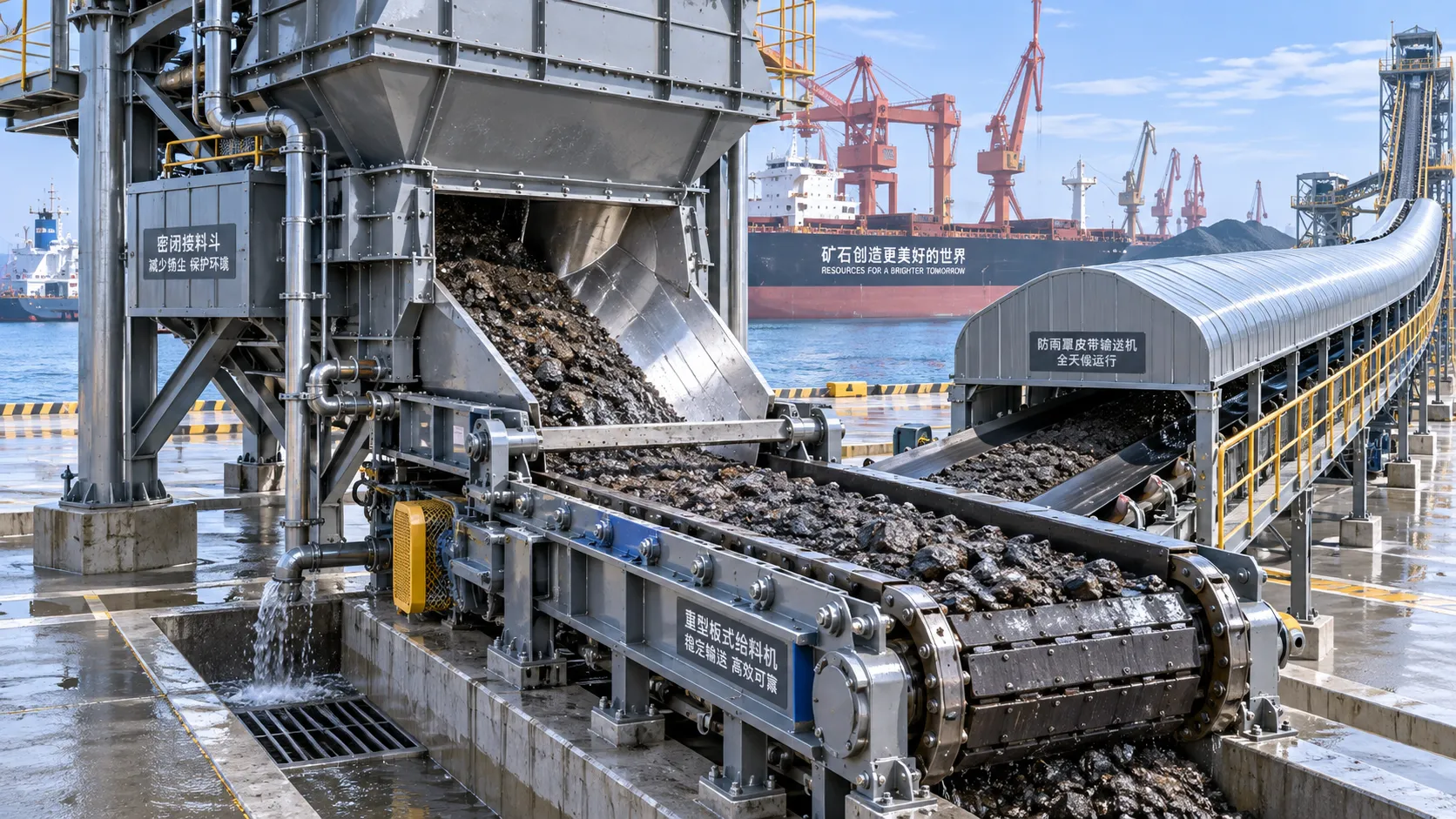
Which Bulk Handling Equipment Suits High-Moisture Cargo?
Which bulk handling equipment suits high-moisture cargo? Compare belt, apron, screw, drag, and slurry systems for reliable flow, less carryback, and higher terminal uptime.
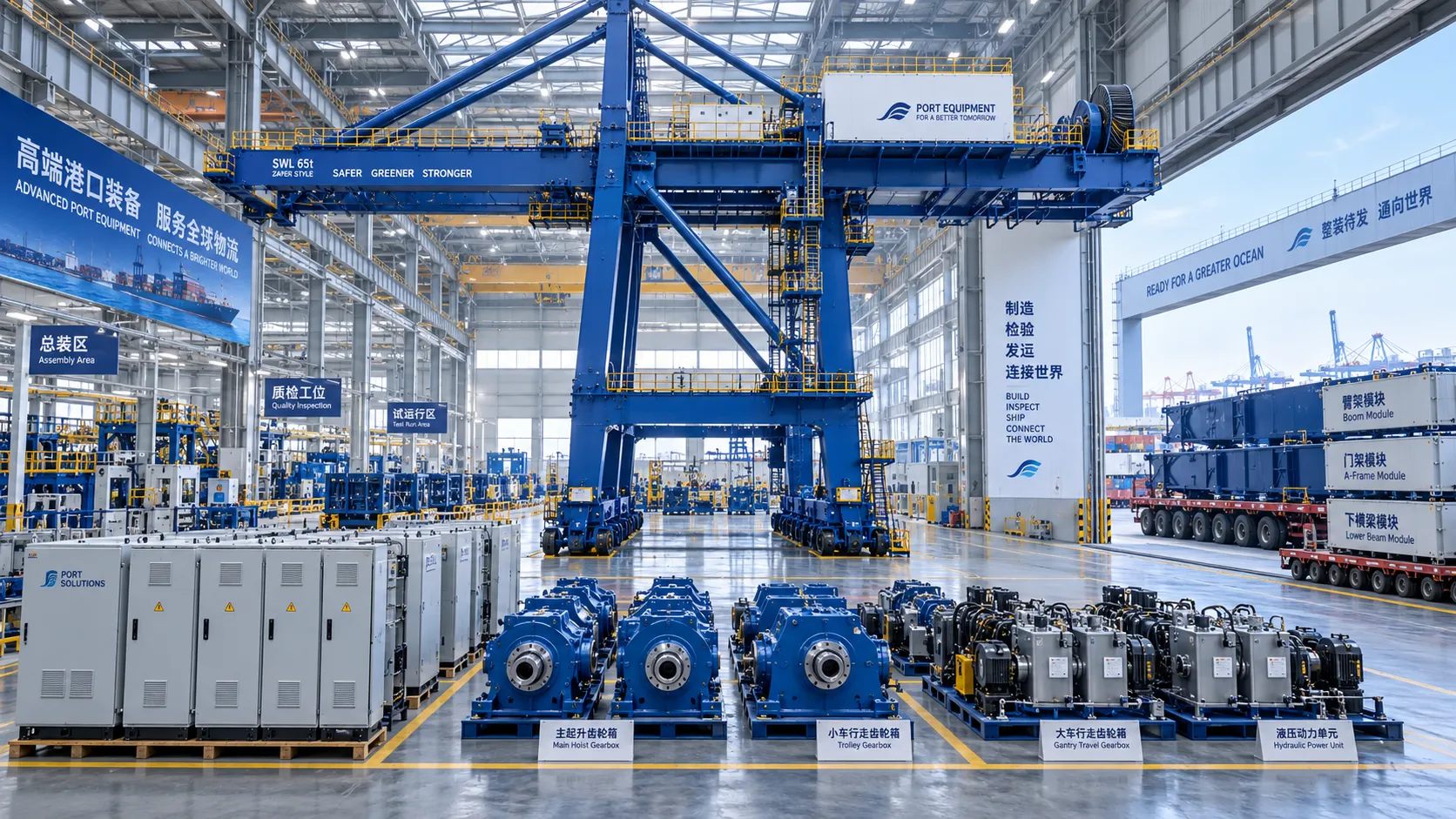
How Can Port Equipment Lead-Time Risk Be Managed?
How can port equipment lead-time risk be managed? Explore practical strategies to control critical paths, suppliers, transport, site readiness, and commissioning delays.
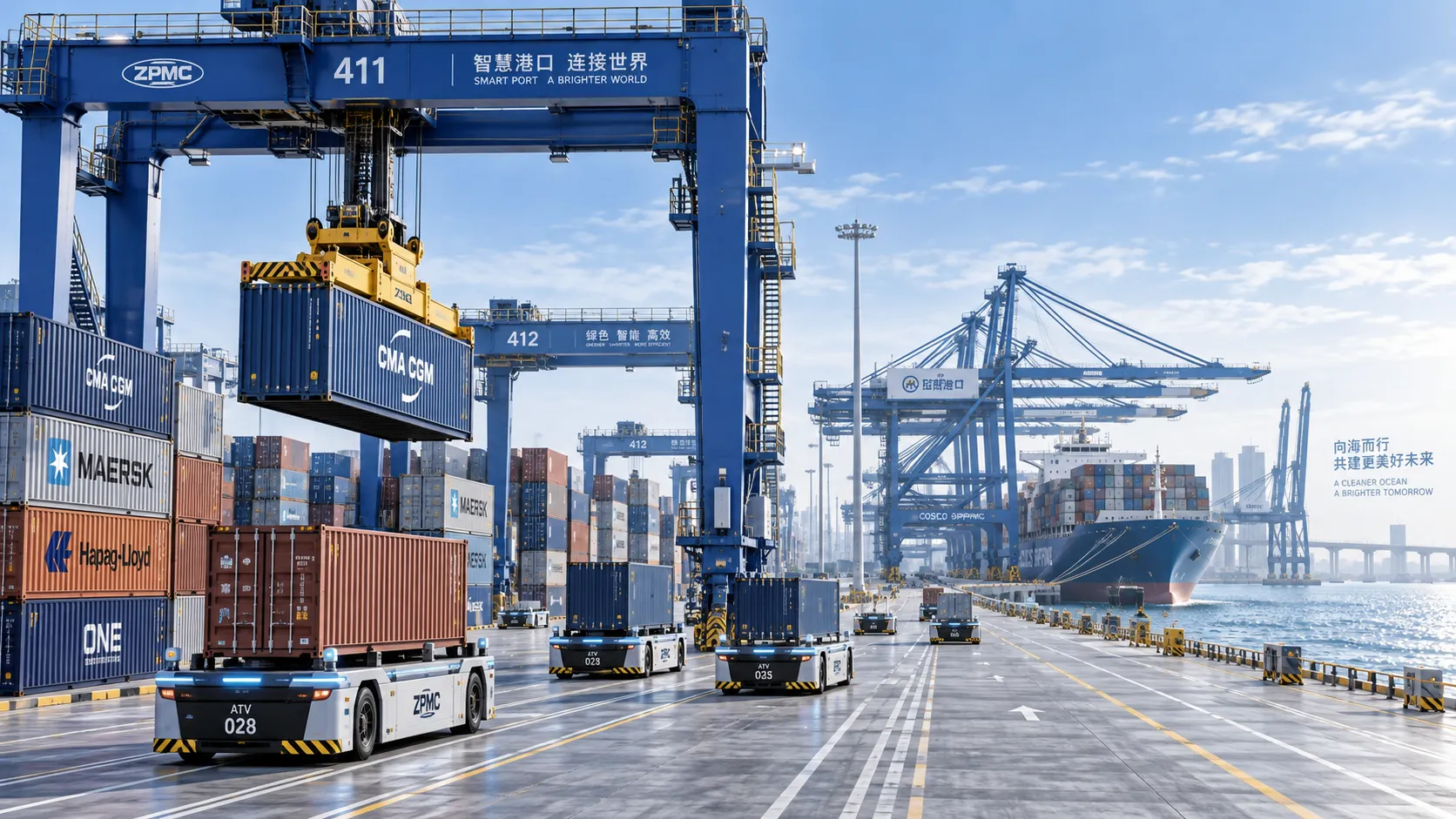
Terminal Automation Technologies That Raise Container Throughput Without Yard Disruption
Terminal automation technology that increases container throughput without disrupting yard flow. Explore smarter integration, resilient workflows, and phased deployment strategies.
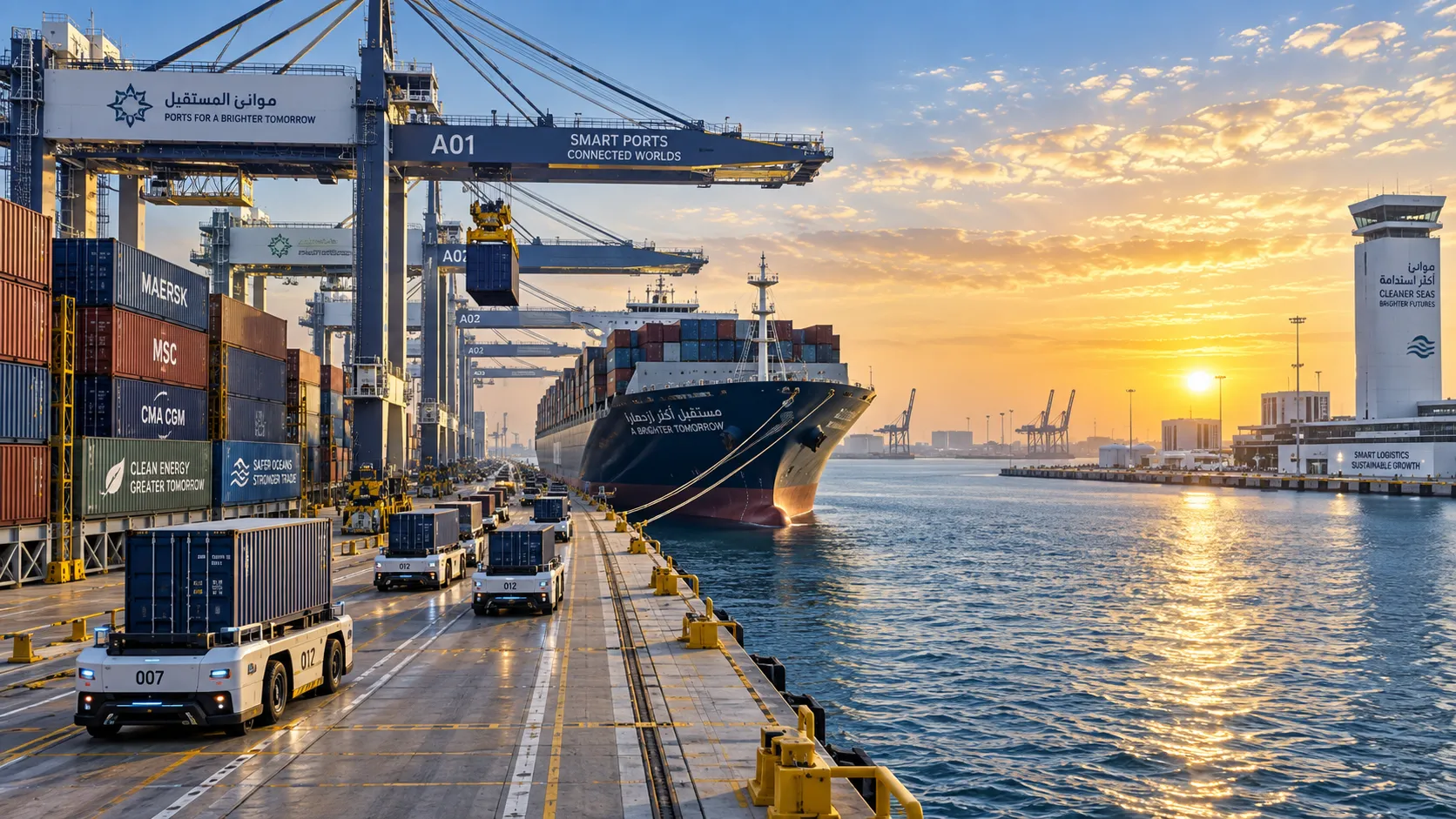
Middle East Port Automation: Key Market Drivers, Projects, and Investment Risks
Port automation systems Middle East: explore market drivers, flagship projects, integration challenges, and investment risks shaping smarter, resilient terminals.
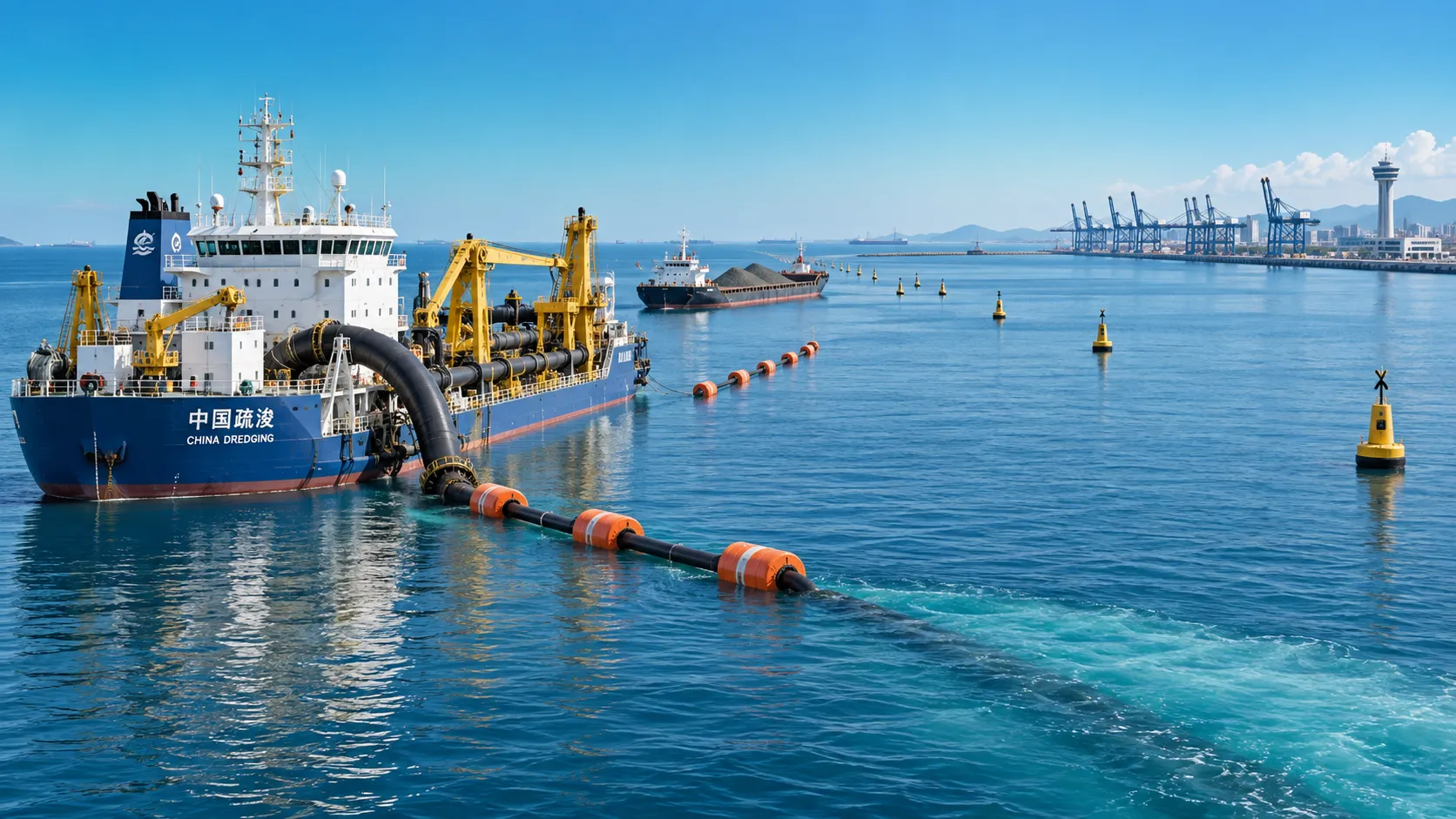
Planning Offshore Dredging Operations: Key Risks, Methods, and Project Controls
Offshore dredging operations demand smart planning. Explore key risks, proven methods, environmental controls, and project strategies for reliable delivery.