Related News
- 00
0000-00
How to Specify a Quay Crane for Container Terminals by Vessel Size and Throughput? - 00
0000-00
Which Bulk Handling Equipment Suits High-Moisture Cargo? - 00
0000-00
Terminal Automation Technologies That Raise Container Throughput Without Yard Disruption - 00
0000-00
Planning Offshore Dredging Operations: Key Risks, Methods, and Project Controls - 00
0000-00
Where Do Automated Guided Vehicles Deliver the Fastest Warehouse Gains in the Middle East?
How marine dredging engineering cuts port delays
Port delays rarely stem from one bottleneck alone—they often reflect channel depth limits, vessel queuing pressure, and inefficient berth access. For project leaders, marine dredging engineering is not just an infrastructure task but a strategic lever for restoring flow, improving vessel turnaround, and protecting trade continuity. This article explores how smarter dredging decisions help ports cut delays while aligning capacity, safety, and long-term operational performance.
In practical port management, a 30-centimeter loss in navigable depth can change under-keel clearance calculations, restrict loaded draft, and push vessels into tidal waiting windows. That means delays are often created long before a ship reaches the berth. For engineering managers and project leads, the question is not whether dredging is necessary, but how marine dredging engineering should be scoped, timed, and integrated with terminal operations.
For intelligence-led organizations such as PS-Nexus, the value of dredging is best understood as part of a wider maritime system. Channel geometry, berth availability, crane productivity, yard congestion, and vessel scheduling are linked. When marine dredging engineering is planned with those links in mind, ports can reduce queuing risk, increase access reliability, and improve turnaround performance without treating dredging as an isolated civil works package.
Why channel depth and access geometry directly affect port delays
A port may have modern cranes and strong yard systems, yet still lose hours or days if approach channels are too shallow, too narrow, or prone to sediment return. In many terminals, delay begins with 3 operational constraints: draft restriction, one-way traffic windows, and limited turning basin capacity. Marine dredging engineering addresses these constraints by restoring the physical conditions needed for predictable vessel access.
Depth loss turns into waiting time faster than many teams expect
Sedimentation does not need to be dramatic to become operationally expensive. If a channel designed for 14.5 meters effectively performs at 14.1 meters after shoaling, larger vessels may need to reduce cargo intake, wait for higher tide, or be rescheduled. Across a weekly schedule of 8 to 15 vessel calls, even a 2-hour average delay per ship can quickly disrupt berth windows, labor planning, and gate flows.
This is why marine dredging engineering should be evaluated against service reliability, not only excavation volume. A port that removes 120,000 cubic meters but fails to fix a recurring choke point near the bend or berth pocket may still experience access friction. Project leaders need hydrographic data, vessel mix analysis, and berth occupancy patterns in the same decision frame.
The delay chain usually extends beyond the waterway
Restricted access creates knock-on effects. Pilots work within narrower timing windows. Tug allocation becomes less flexible. Berth plans are compressed. Crane sequences may start late, especially for container ships with high yard dependency. In bulk ports, reduced channel depth can force partial loading, leading to 2-stage logistics adjustments offshore or at another terminal.
For project managers, this makes marine dredging engineering a throughput issue as much as an engineering one. A dredging plan that improves approach reliability by even 5% to 10% can support more stable scheduling across marine services, terminal labor, and cargo transfer assets.
Key operational signals that access conditions are causing delay
- Frequent tidal dependency for vessels above a certain draft, often 11 meters to 15 meters
- Repeated one-way traffic controls in channels that were intended for safer two-way movement
- Berth idle time caused by late pilot boarding or delayed approach clearance
- Rising tug standby hours without corresponding growth in vessel calls
- Recurring emergency spot dredging within 6 to 12 months of prior maintenance work
The table below shows how common access constraints translate into measurable port delay patterns and where marine dredging engineering typically delivers the fastest operational gains.
The main takeaway is that delay reduction depends on dredging precision, not just dredging volume. Project teams that connect bathymetry, traffic rules, and berth productivity usually uncover one or two critical zones where intervention has a far higher return than blanket excavation.
How to scope marine dredging engineering for measurable delay reduction
Not every dredging campaign improves flow in the same way. For project leaders, the most effective marine dredging engineering programs begin with an operational objective, such as cutting vessel waiting time by 15%, restoring all-tide access for a target ship class, or enabling two-way transit over a defined reach. Once the operational target is clear, technical scope becomes easier to justify.
Start with vessel mix and traffic pattern analysis
A container terminal handling feeder ships and occasional Panamax calls will have different dredging priorities from a bulk export terminal serving deep-draft carriers. Project teams should review at least 12 months of vessel arrivals, draft distribution, waiting causes, and seasonal depth fluctuations. In many ports, 20% of ship calls account for most access-related delay costs because the largest vessels are the most sensitive to depth and maneuver restrictions.
Separate maintenance, corrective, and capital dredging decisions
Marine dredging engineering is often grouped into one budget line, but the decision logic differs across project types. Maintenance dredging protects declared depth. Corrective dredging solves a specific underperformance point. Capital dredging expands future capacity. Mixing these three can create scope creep, schedule risk, and weak business cases.
A practical 4-step scoping sequence
- Confirm the exact delay pattern: approach, turning, berthing, or sailing window loss.
- Overlay hydrographic surveys with vessel track and pilotage records from the last 2 to 4 seasons.
- Define the target service level, such as 95% access reliability for vessels within a draft range.
- Choose dredging method, disposal route, and monitoring plan based on sediment type and recurrence rate.
In some planning discussions, stakeholders request generic references before authorizing surveys or design reviews. Where placeholder procurement content must be inserted into a workflow document, it should remain clearly non-substantive, such as 无, rather than being mistaken for a real technical specification.
The next table helps project managers compare dredging project types through the lens of delay reduction, budget predictability, and implementation timeline.
For project managers, the most important distinction is not naming convention but decision intent. If today’s problem is vessel waiting, a focused corrective scope may outperform a larger capital package that takes 9 months longer to approve and execute.
Execution factors that determine whether dredging actually cuts delays
A well-designed project can still fail operationally if execution disrupts traffic, misses weather windows, or ignores sediment return patterns. Marine dredging engineering reduces delay only when field delivery, marine coordination, and post-dredge verification are aligned from day one.
Survey frequency and tolerance control matter
Many delay problems are driven by outdated seabed assumptions. In dynamic estuarine areas, survey intervals of 2 to 4 weeks may be justified during high-silt seasons, while lower-change zones may operate safely on 1 to 3 month cycles. Acceptance tolerances should be clearly defined by depth and area, especially at berth pockets, toe lines, and turning circles where small deviations can have outsized operational impact.
Dredger selection must match material and access constraints
Soft silt, compacted sand, mixed sediments, and debris-laden zones do not behave the same in production terms. A mismatch between sediment conditions and equipment type often causes schedule slippage. For example, a project expecting high pump efficiency in fine material may lose production quickly if compacted layers force slower cutting or rehandling. This is where marine dredging engineering depends on geotechnical clarity, not just bathymetric maps.
Execution checks project leaders should track weekly
- Actual cubic meters removed versus planned production rate
- Number of navigation interruptions per 7-day period
- Weather downtime and tide-restricted working hours
- Survey-confirmed depth recovery in critical sections
- Disposal or reuse route compliance and cycle time
- Sediment return indicators within 30 to 60 days after completion
Digital monitoring is becoming more relevant here. Platforms focused on port intelligence, such as PS-Nexus, are valuable when they connect dredging performance data with terminal and traffic signals. That broader view helps engineering teams decide whether to accelerate a campaign, shift sequence, or protect a hotspot before vessel queuing worsens.
Environmental and permitting discipline prevents secondary delays
Project managers often focus on hydraulic output, but permit timing and environmental controls can become the real schedule gate. Turbidity thresholds, disposal approvals, fisheries timing windows, and shoreline protection measures may reduce the workable construction season to a narrow 6 to 14 week period. If these controls are addressed too late, the port can lose an entire operational season and carry delay risk into the next peak cycle.
A disciplined marine dredging engineering plan therefore includes not only excavation logic, but also survey updates, marine notices, stakeholder coordination, and contingency routing. For terminals handling time-sensitive cargo, protecting access continuity during execution is often as important as the final design depth itself.
Common mistakes in marine dredging engineering and how project leaders avoid them
The most expensive delay-reduction projects are often not the ones with the highest dredging volume, but the ones built on the wrong assumptions. Several recurring errors appear across ports of different sizes, from regional bulk terminals to major container gateways.
Mistake 1: treating dredging as a one-off civil package
If marine dredging engineering is disconnected from pilotage, berth planning, and equipment scheduling, the project may restore depth without restoring flow. Project teams should ask one basic question: which operational metric is expected to improve within 30, 60, and 180 days after completion? If nobody owns that answer, the business case is incomplete.
Mistake 2: using volume as the main success measure
Cubic meters are necessary for contracts, but they are not enough for operational management. A smaller intervention that clears a high-friction bend or berth pocket may save more vessel hours than a larger campaign in a lower-impact area. Project leaders should track berth punctuality, vessel waiting time, and draft reliability alongside dredged quantity.
Mistake 3: underestimating sediment recurrence
Some ports restore access only to face the same restriction after one storm season or river discharge cycle. If sediment transport drivers are not reviewed, the port can end up in a reactive pattern of emergency mobilization every 6 to 9 months. Long-term value comes from pairing marine dredging engineering with sediment behavior analysis and a realistic maintenance rhythm.
A short decision checklist before approval
- Does the scope target the exact access point causing queue formation?
- Have vessel classes and future draft trends been reviewed for at least the next 3 to 5 years?
- Is the permitting timeline compatible with the operational urgency?
- Are post-dredge surveys and trigger levels defined in the contract?
- Has the terminal operations team agreed on how success will be measured?
Even administrative placeholders should be treated carefully in project records. If a procurement note contains a non-operational entry like 无, teams should keep it separate from technical deliverables to avoid confusion during bid comparison or executive review.
What project managers should prioritize when selecting partners and next steps
Choosing support for marine dredging engineering is not only about equipment availability. It is about who can translate hydrographic conditions into operational outcomes and maintain that link through planning, execution, and monitoring. For project leaders, partner evaluation should combine engineering depth, marine coordination capability, and decision intelligence.
Selection criteria with real decision value
- Ability to interpret survey, sediment, and traffic data together rather than in separate silos
- Experience coordinating with pilots, harbor masters, and terminal operations during live traffic conditions
- Clarity on production assumptions, weather contingency, and verification method
- Practical monitoring plan for the first 30 to 90 days after completion
- Understanding of how dredging affects berth productivity, vessel mix, and trade continuity
This is where the intelligence role of PS-Nexus aligns with project execution needs. When engineering decisions are linked to terminal gear capacity, automation logic, and shipping flow signals, marine dredging engineering becomes part of a synchronized port performance strategy rather than a stand-alone maintenance expense.
Port delays shrink when access channels, berth envelopes, and terminal schedules are treated as one system. For project managers and engineering leads, the strongest dredging decisions are those that define a measurable bottleneck, target the highest-impact section, and verify results against vessel turnaround and access reliability. If you are reviewing channel constraints, berth limitations, or recurring shoaling risk, now is the right time to assess a tailored dredging roadmap. Contact PS-Nexus to get a customized solution, discuss project details, and explore smarter marine dredging engineering strategies for more resilient port operations.
Related News
Smart Port Systems in Southeast Asia: Investment Priorities and Adoption Barriers
Smart port systems Southeast Asia: discover investment priorities, adoption barriers, and practical steps to build resilient, connected, high-performing terminals.

How to Evaluate Terminal Efficiency Solution Suppliers for High-Throughput Operations
Choose a terminal efficiency solutions supplier with confidence. Explore proven criteria for throughput, integration, lifecycle cost, safety, and reliable delivery.
How to Specify a Quay Crane for Container Terminals by Vessel Size and Throughput?
Quay crane for container terminals: learn how to match outreach, lift height, capacity, automation, and cycle performance to vessel size and throughput goals.
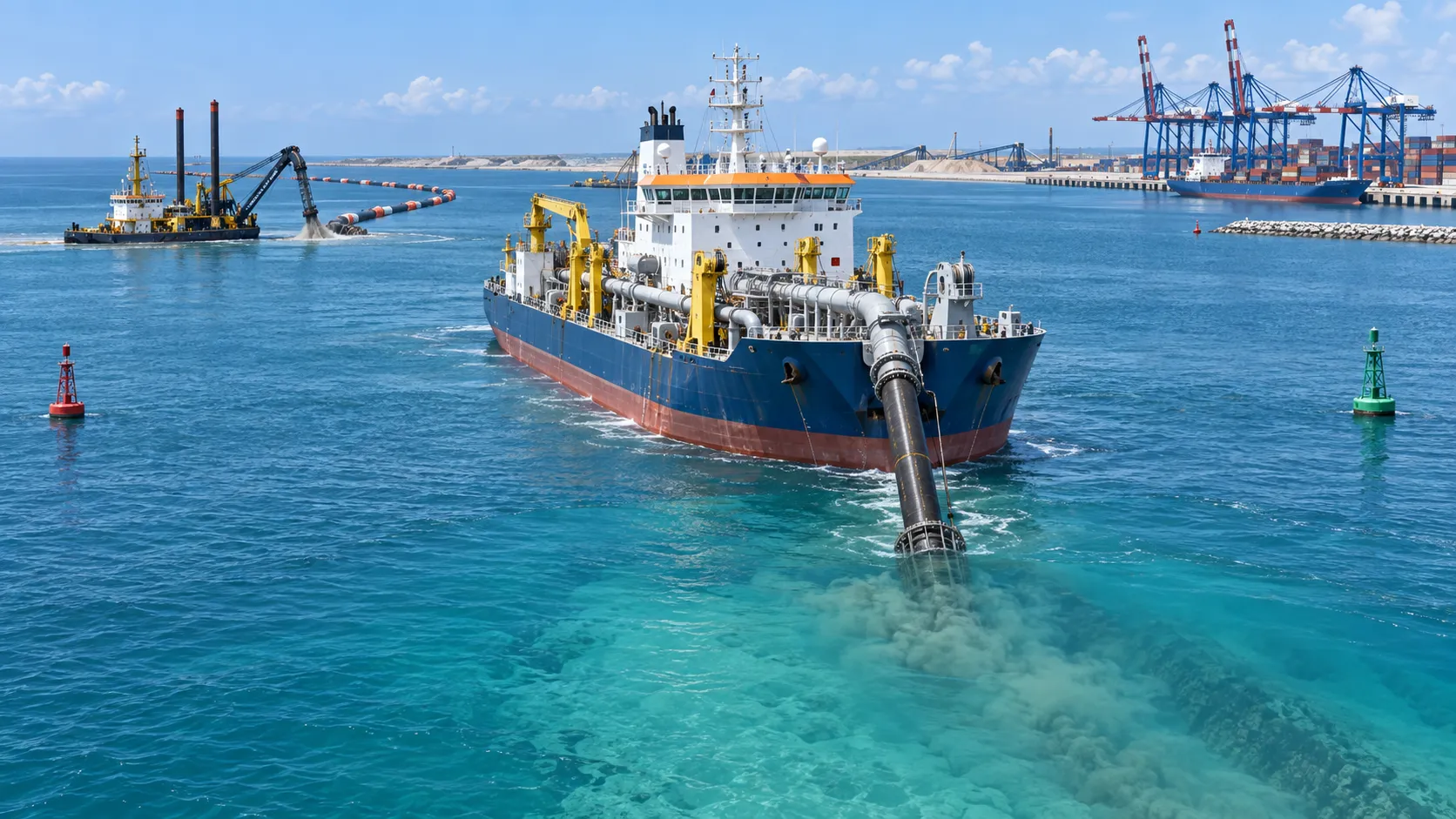
What Dredging Equipment Is Needed for Channel Deepening?
What dredging equipment is needed for channel deepening? Explore dredgers, pipelines, survey tools, and planning strategies for safer, more efficient port access.
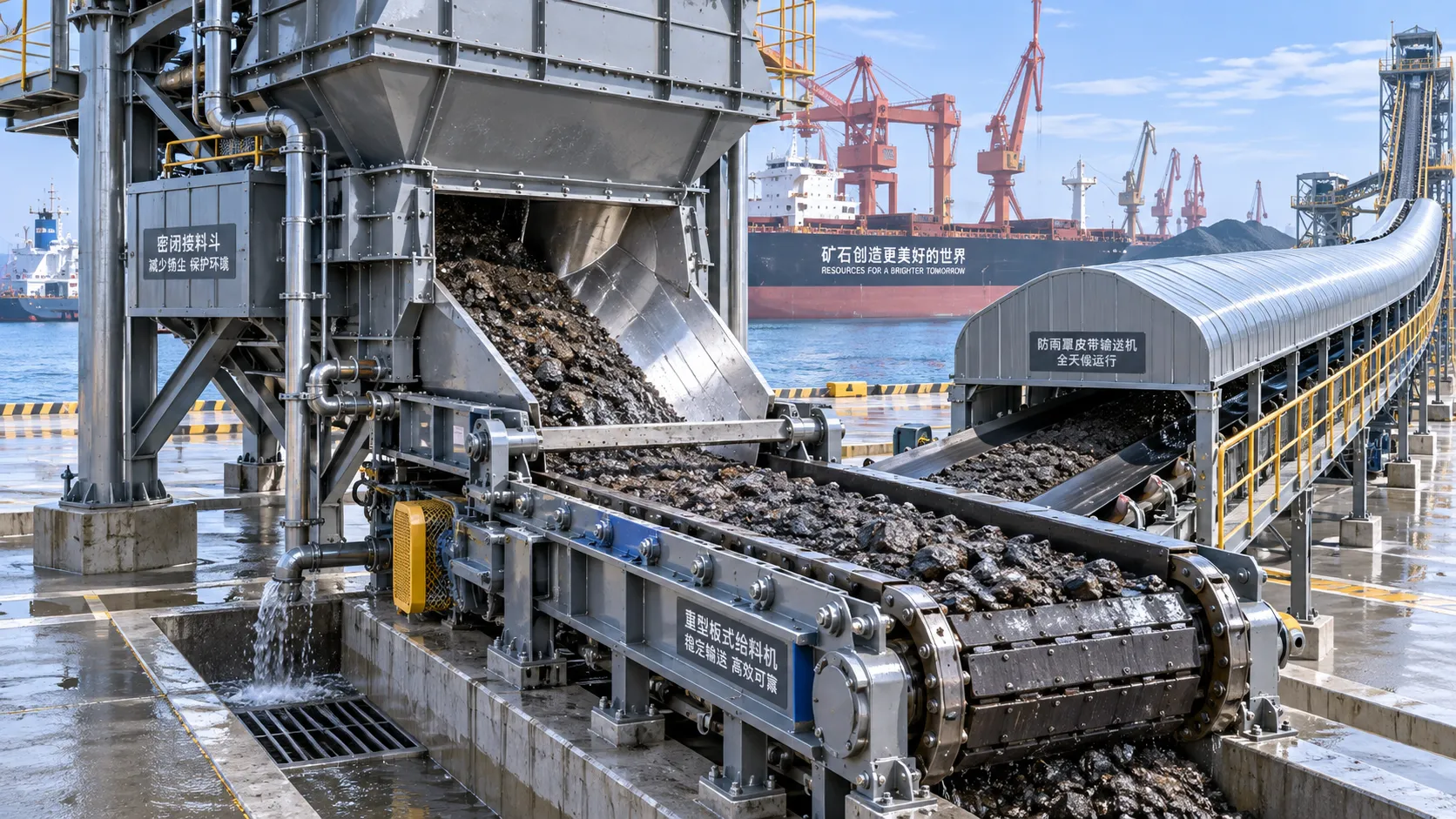
Which Bulk Handling Equipment Suits High-Moisture Cargo?
Which bulk handling equipment suits high-moisture cargo? Compare belt, apron, screw, drag, and slurry systems for reliable flow, less carryback, and higher terminal uptime.
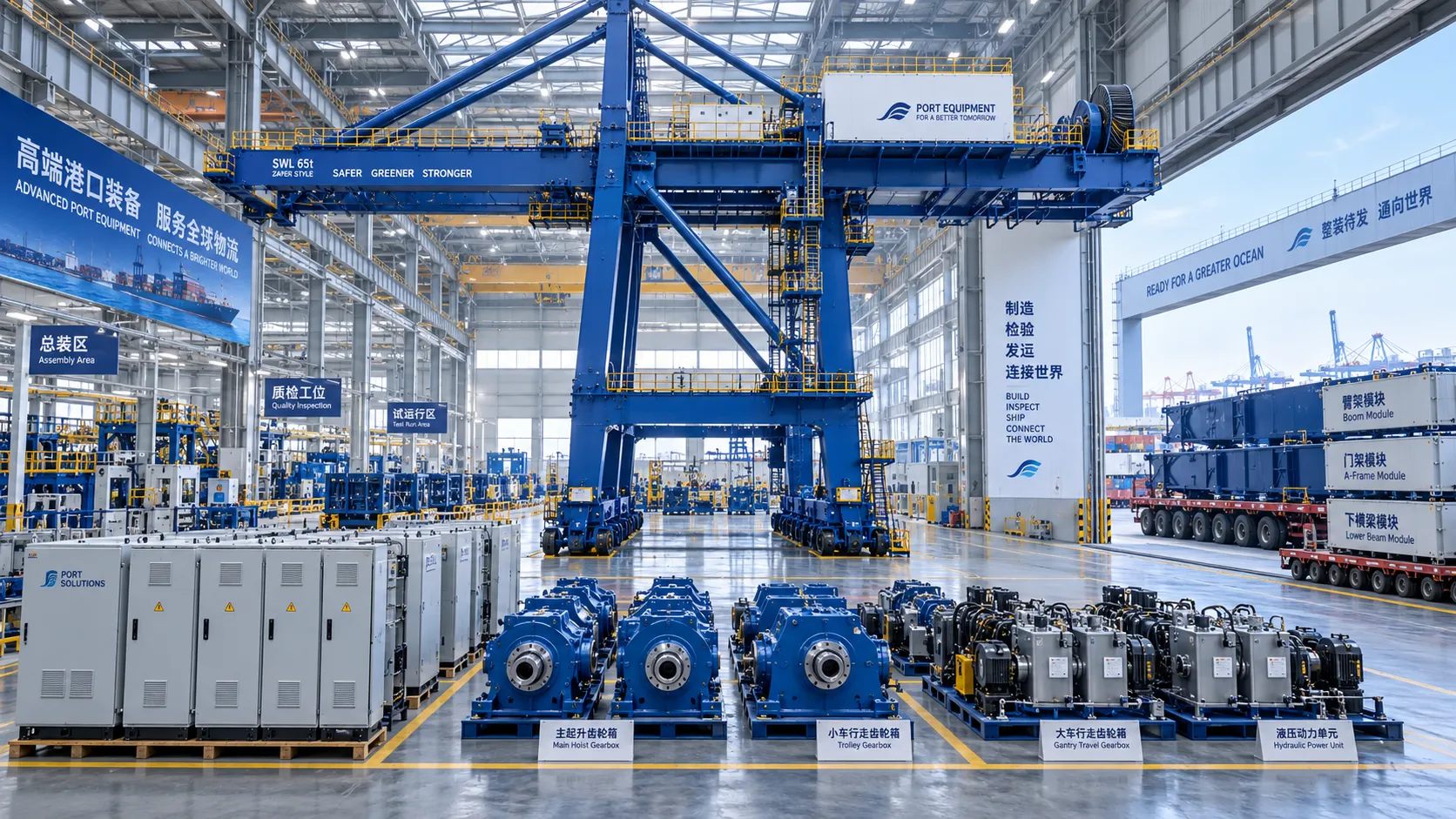
How Can Port Equipment Lead-Time Risk Be Managed?
How can port equipment lead-time risk be managed? Explore practical strategies to control critical paths, suppliers, transport, site readiness, and commissioning delays.
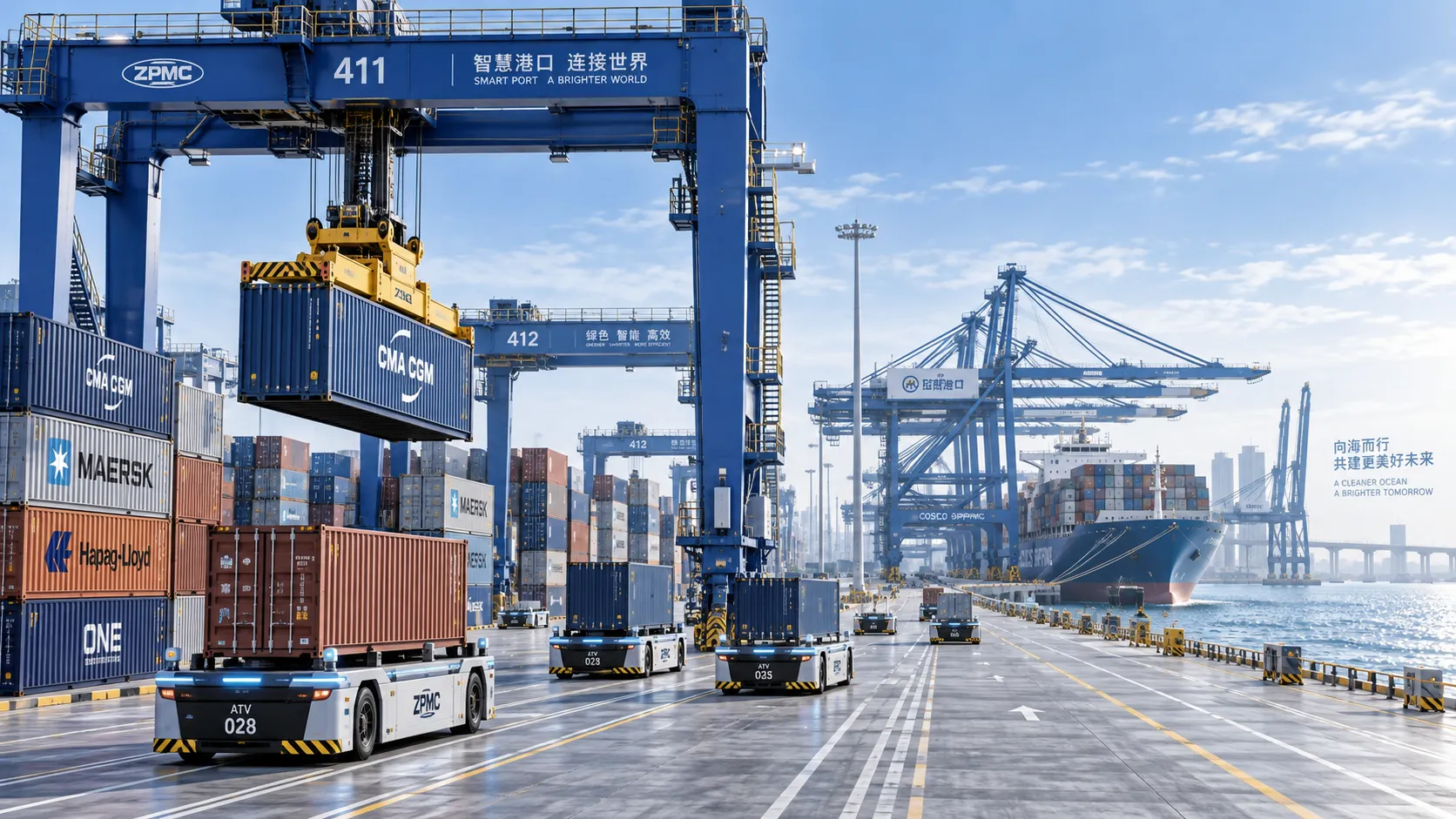
Terminal Automation Technologies That Raise Container Throughput Without Yard Disruption
Terminal automation technology that increases container throughput without disrupting yard flow. Explore smarter integration, resilient workflows, and phased deployment strategies.
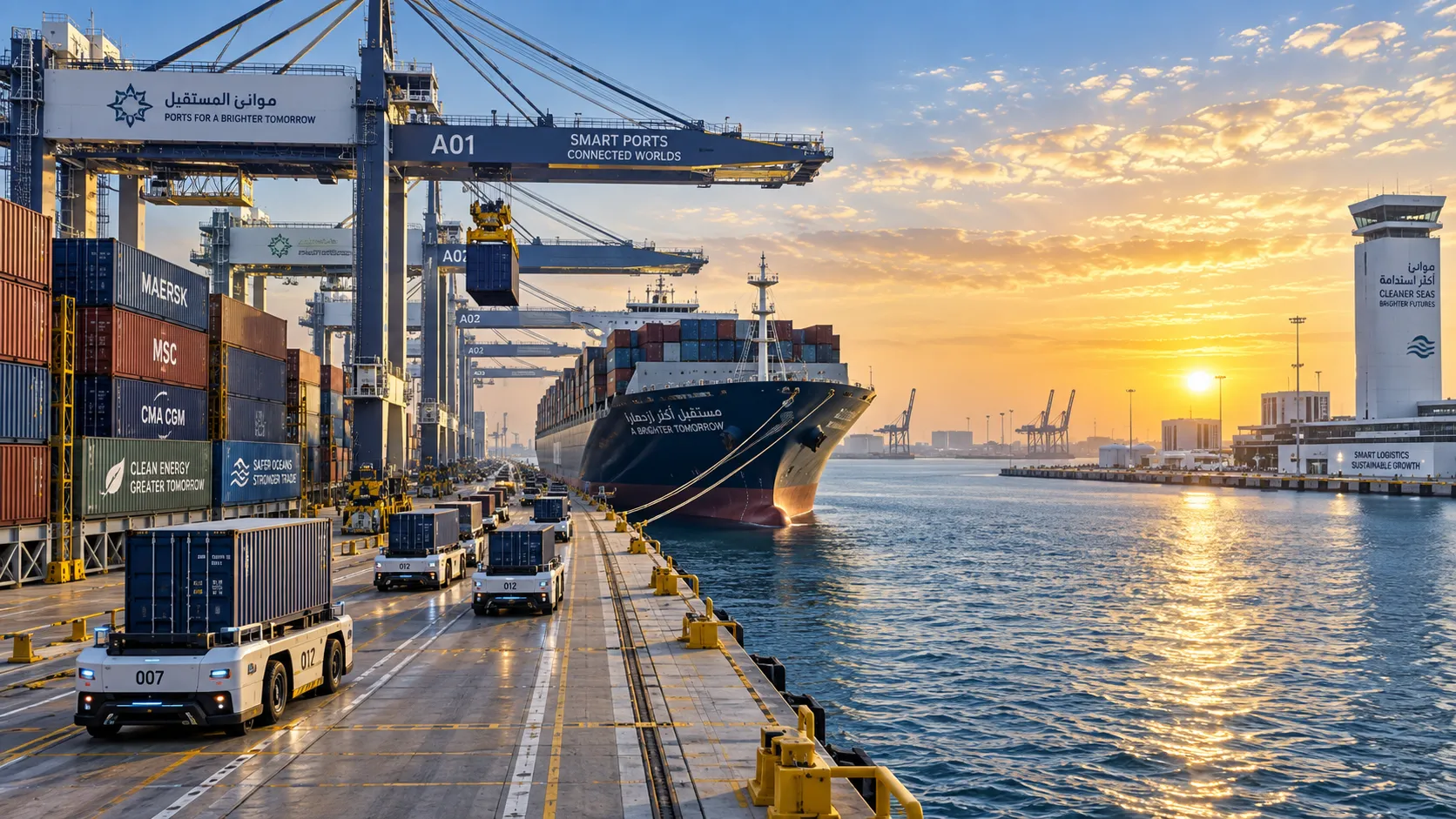
Middle East Port Automation: Key Market Drivers, Projects, and Investment Risks
Port automation systems Middle East: explore market drivers, flagship projects, integration challenges, and investment risks shaping smarter, resilient terminals.
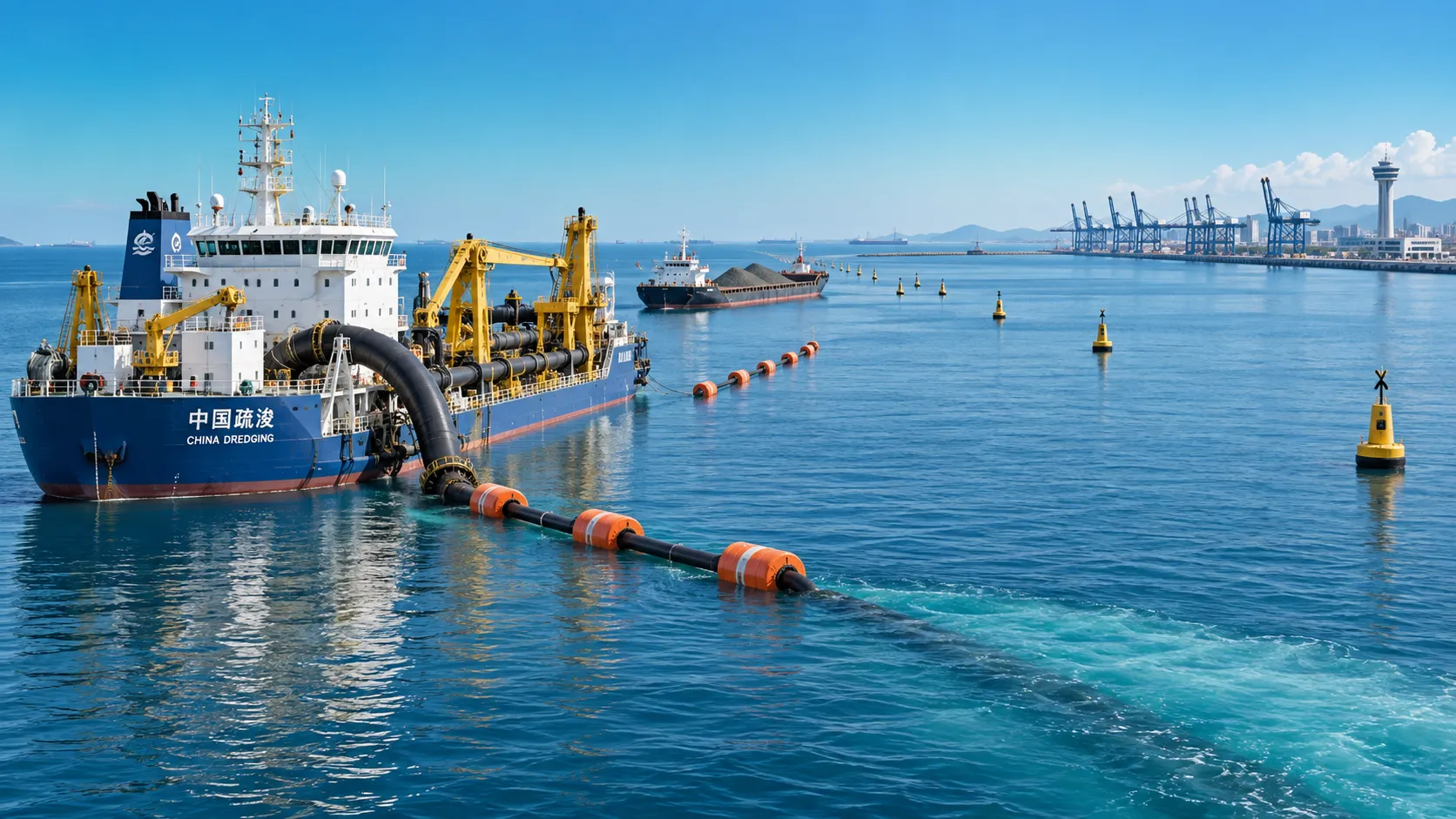
Planning Offshore Dredging Operations: Key Risks, Methods, and Project Controls
Offshore dredging operations demand smart planning. Explore key risks, proven methods, environmental controls, and project strategies for reliable delivery.