Related News
- 00
0000-00
How Can Port Equipment Lead-Time Risk Be Managed? - 00
0000-00
Maritime Logistics Operations: How Ports Can Reduce Container Dwell Time - 00
0000-00
What Does Logistics Node Monitoring Cost Across Warehouses and Transport Hubs? - 00
0000-00
How Can IoT Smart Port Solutions Improve Container Tracking and Yard Efficiency? - 00
0000-00
How Real-Time Port Logistics Intelligence Improves Container Yard Efficiency
How logistics node dynamics reshape delivery stability
For business evaluators tracking port investment risk and supply-chain resilience, logistics node dynamics are no longer a background variable—they are a core indicator of delivery stability. From terminal automation and container flow to dredging capacity and scheduling intelligence, understanding how these interconnected factors shift can reveal where delays, cost volatility, and competitive advantages are most likely to emerge.
In practical terms, delivery stability is shaped less by a single port event and more by how multiple nodes behave across a 24/7 network. A vessel may berth on time, yet yard congestion, gate imbalance, shallow draft restrictions, or crane scheduling latency can still add 12–48 hours to cargo movement.
For commercial due diligence teams, this makes logistics node dynamics a measurable decision variable. Evaluating terminal equipment utilization, AGV routing logic, dredging cycles, and cross-node data visibility can improve forecast accuracy when comparing operators, infrastructure projects, or equipment-linked service models.
Why logistics node dynamics now define delivery stability
Historically, many buyers assessed port reliability through annual throughput, berth count, or headline turnaround time. Those indicators still matter, but they often miss dynamic stress points. Logistics node dynamics describe how interconnected transfer points respond when volume spikes by 15%–30%, labor shifts change, weather windows narrow, or digital systems face latency.
A modern port chain includes at least 5 critical nodes: berth allocation, quay crane handling, yard transfer, storage positioning, and landside release. If one node loses synchronization for even 2–4 hours, vessel schedules, trucking appointments, and warehouse labor plans can all drift out of alignment.
From static capacity to dynamic performance
Business evaluators should distinguish between installed capacity and usable capacity. A terminal may advertise high TEU throughput, but actual delivery stability depends on crane availability, container dwell time, truck gate cycle time, and fairway depth maintenance. These operational variables change weekly, and in some corridors, daily.
This is where PS-Nexus adds value. Its intelligence focus on heavy terminal gear, automated handling, and dredging engineering supports a broader reading of logistics node dynamics, especially where mechanical bottlenecks and scheduling logic interact.
Key instability triggers often overlooked
- Berth productivity drops below planned crane moves per hour for 2 consecutive shifts
- Yard re-handling rates rise above normal operating tolerance during peak imports
- AGV or internal truck dispatching suffers routing conflicts at transfer nodes
- Dredging intervals extend, reducing draft flexibility for larger vessels
- Remote-control systems experience communication delays during high-load windows
The table below shows how node-level changes translate into delivery risk for procurement and investment reviews.
The main conclusion is straightforward: stable delivery depends on synchronized node performance, not nominal infrastructure scale alone. When evaluators map these shifts early, they can identify where costs are likely to rise before visible service failures appear.
The five operational levers behind node behavior
Within maritime logistics, logistics node dynamics are usually driven by five operational levers. These are equipment intensity, flow design, automation logic, channel access, and decision intelligence. Each lever influences whether a port absorbs disruption within 6 hours or carries it forward for 3–5 days.
1. Terminal gear sets the throughput ceiling
Mega port terminal gear determines how fast cargo can enter and leave the vessel-side node. Even where quay cranes are technically available, maintenance intervals, spare-part access, and operator scheduling may reduce effective utilization by 8%–15% during high-intensity periods.
2. Container handling governs yard fluidity
Specialized container handling systems shape the balance between storage density and mobility. A yard optimized only for maximum stacking can create retrieval delays, while a mobility-focused layout may sacrifice utilization. Business evaluators should test whether the operator can maintain both acceptable dwell time and acceptable re-handling ratios.
3. Automation changes the risk profile, not just the labor model
Port automation and control systems act as the network’s central nervous layer. Low-latency communication, dispatch logic, and exception handling determine whether automated assets recover quickly from variance. In mature environments, dispatch refresh cycles are measured in seconds, not minutes, which materially affects transfer-node stability.
4. Dredging capacity protects vessel-side access
Marine dredging engineering is often treated as a separate capital matter, yet it directly shapes logistics node dynamics. If fairway maintenance is underfunded or delayed, large vessel windows narrow, tidal dependency rises, and berth planning becomes less reliable. Delivery stability begins to erode before official capacity numbers are revised.
5. Strategic intelligence converts data into timing decisions
The most resilient operators use intelligence layers to correlate shipping rates, cargo mix, yard pressure, and equipment health. This helps identify when a 2% change in inbound volume could trigger a 10% deterioration in node performance because of hidden scheduling thresholds.
What evaluators should verify in due diligence
- Whether actual crane and yard asset uptime is tracked by shift and by exception type
- Whether channel depth maintenance follows a predictable 3-month, 6-month, or seasonal cycle
- Whether automation incidents are resolved within defined response windows
- Whether cross-node visibility exists from berth to gate rather than within isolated systems
In some market reviews, supporting references may appear alongside generic placeholders such as 无. Evaluators should treat such entries carefully and prioritize operational evidence over formatted listings alone.
How to assess delivery stability in a port-centered supply chain
A reliable assessment framework should move from visible outputs to hidden dependencies. Rather than asking only whether a port is busy, evaluators should ask which node becomes unstable first, how quickly it is detected, and what recovery path exists within the next 12, 24, and 72 hours.
Core metrics that matter more than headline throughput
The following table outlines a practical scorecard for evaluating logistics node dynamics during investment screening, operator comparison, or vendor-linked infrastructure review.
These metrics are valuable because they reveal instability earlier than annual volume reports do. A port can still post respectable yearly throughput while suffering worsening node imbalance that quietly increases demurrage, buffer inventory, and missed sales windows.
A four-step evaluation process
Step 1: Map node dependencies
Identify the operational chain from channel entry to inland release. For each node, document asset type, control system, maintenance logic, and likely peak-load failure point. In many ports, the weakest link is not the berth but the transition between yard stacking and truck dispatch.
Step 2: Test dynamic resilience
Ask how the system performs under 3 realistic stress cases: demand surge, weather disruption, and equipment outage. A resilient node should show clear fallback rules, not ad hoc improvisation. Recovery plans should specify response windows such as 30 minutes, 2 hours, or one shift.
Step 3: Separate structural and temporary issues
Not every queue or delay indicates long-term weakness. Evaluate whether congestion stems from one-off vessel bunching or from chronic under-capacity in yard transfer, gate design, or dredging support. This distinction matters when estimating payback periods for new equipment or software upgrades.
Step 4: Connect operational risk to financial exposure
Translate node instability into cost categories: standby labor, vessel delay penalties, storage overflow, trucking disruption, and service-level erosion. Even a 5% decline in node coordination can affect working capital if inventory buffers must expand by several days.
Common misreads in port and logistics due diligence
Many evaluations underweight logistics node dynamics because visible infrastructure appears impressive. Large cranes, automated lanes, and expansion plans can create a strong narrative, but delivery stability depends on how consistently these assets operate under variation, not on how advanced they look on paper.
Mistake 1: Treating automation as automatic stability
Automation improves repeatability, but only when control logic, communication reliability, and exception management are mature. A partially automated site with fragmented decision loops can become less stable than a well-run conventional terminal during abnormal conditions.
Mistake 2: Ignoring dredging as a delivery variable
Because dredging budgets often sit outside daily operations, some evaluators overlook them. Yet reduced channel depth can lower vessel loading flexibility immediately, especially for larger ships on narrow schedules. This directly affects delivery stability, berth planning, and transshipment reliability.
Mistake 3: Looking at one node in isolation
A fast quay side does not guarantee fast cargo release. If yard design and gate coordination remain weak, total dwell still rises. The value of studying logistics node dynamics lies precisely in understanding these chain reactions across multiple handoff points.
A practical screening checklist
- Review 6–12 months of operational variability, not just latest-month performance
- Ask for exception logs covering outages, rerouting, and berth conflicts
- Check whether dredging and mechanical maintenance calendars align with peak trade periods
- Assess whether intelligence reporting supports decisions at hourly, daily, and weekly levels
Where procurement teams encounter generic source references such as 无, the safest approach is to request operating records, maintenance intervals, and node-specific performance evidence before assigning confidence to delivery assumptions.
What business evaluators should do next
The commercial importance of logistics node dynamics will continue to grow as ports pursue net-zero targets, higher automation, and tighter asset utilization. These shifts improve efficiency, but they also make weak synchronization more expensive when disruptions occur.
For business evaluators, the most effective next step is to build a repeatable framework that links node behavior to delivery outcomes, cost volatility, and investment resilience. That means reviewing equipment readiness, scheduling logic, dredging continuity, and control-system visibility as one integrated operating picture.
PS-Nexus is positioned around exactly these intersections: heavy terminal gear, automated container handling, marine dredging engineering, and intelligence-led analysis of logistics node dynamics. For organizations comparing port assets, screening strategic partners, or validating infrastructure assumptions, this perspective can sharpen risk judgment and improve decision timing.
If you are evaluating port-linked investments, supply-chain resilience, or equipment-driven operational upgrades, now is the time to request a tailored assessment model. Contact us to explore a customized review framework, get deeper operational insight, and understand more solutions for stable, data-driven maritime delivery performance.
Related News
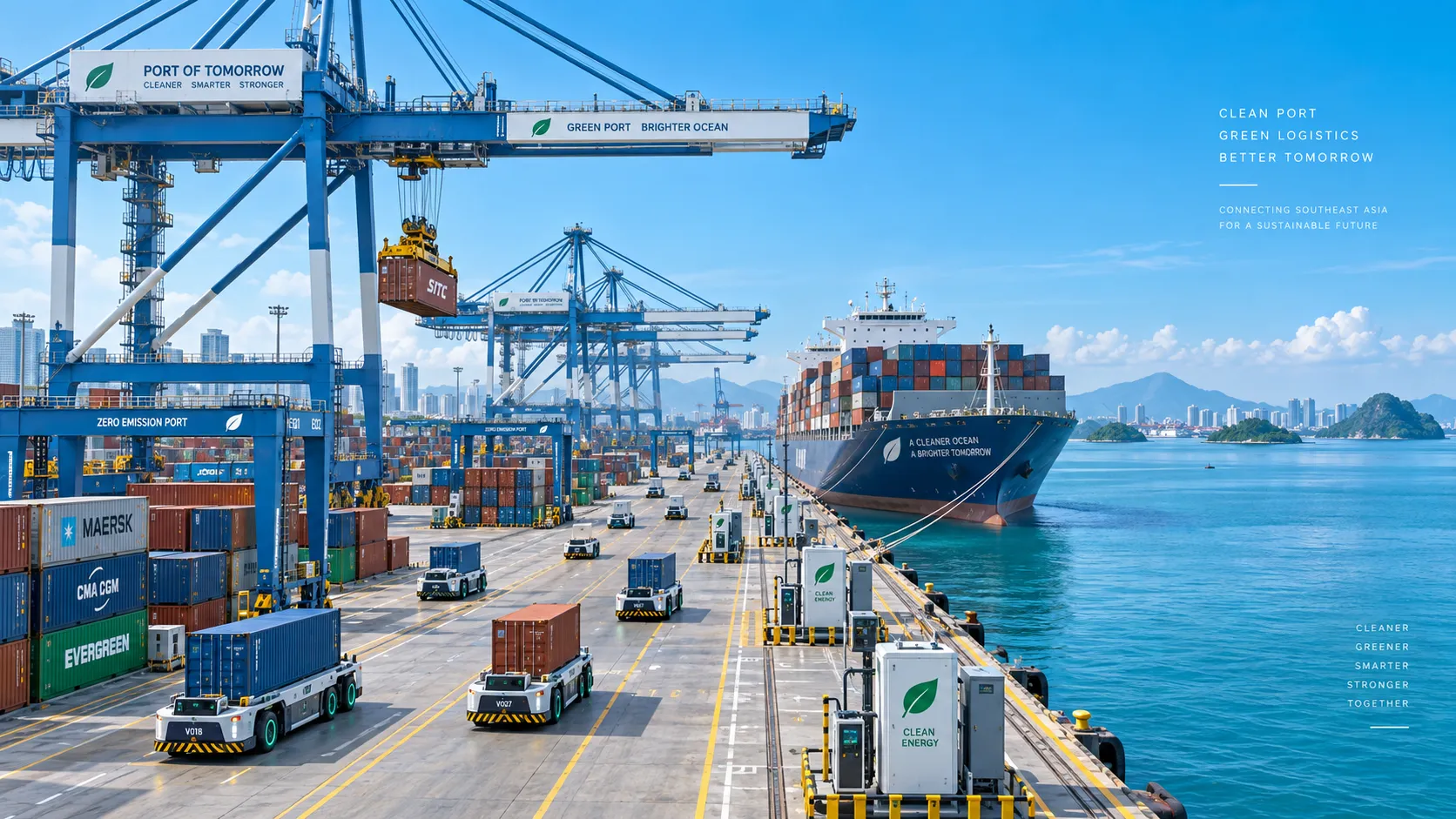
Smart Port Systems in Southeast Asia: Investment Priorities and Adoption Barriers
Smart port systems Southeast Asia: discover investment priorities, adoption barriers, and practical steps to build resilient, connected, high-performing terminals.
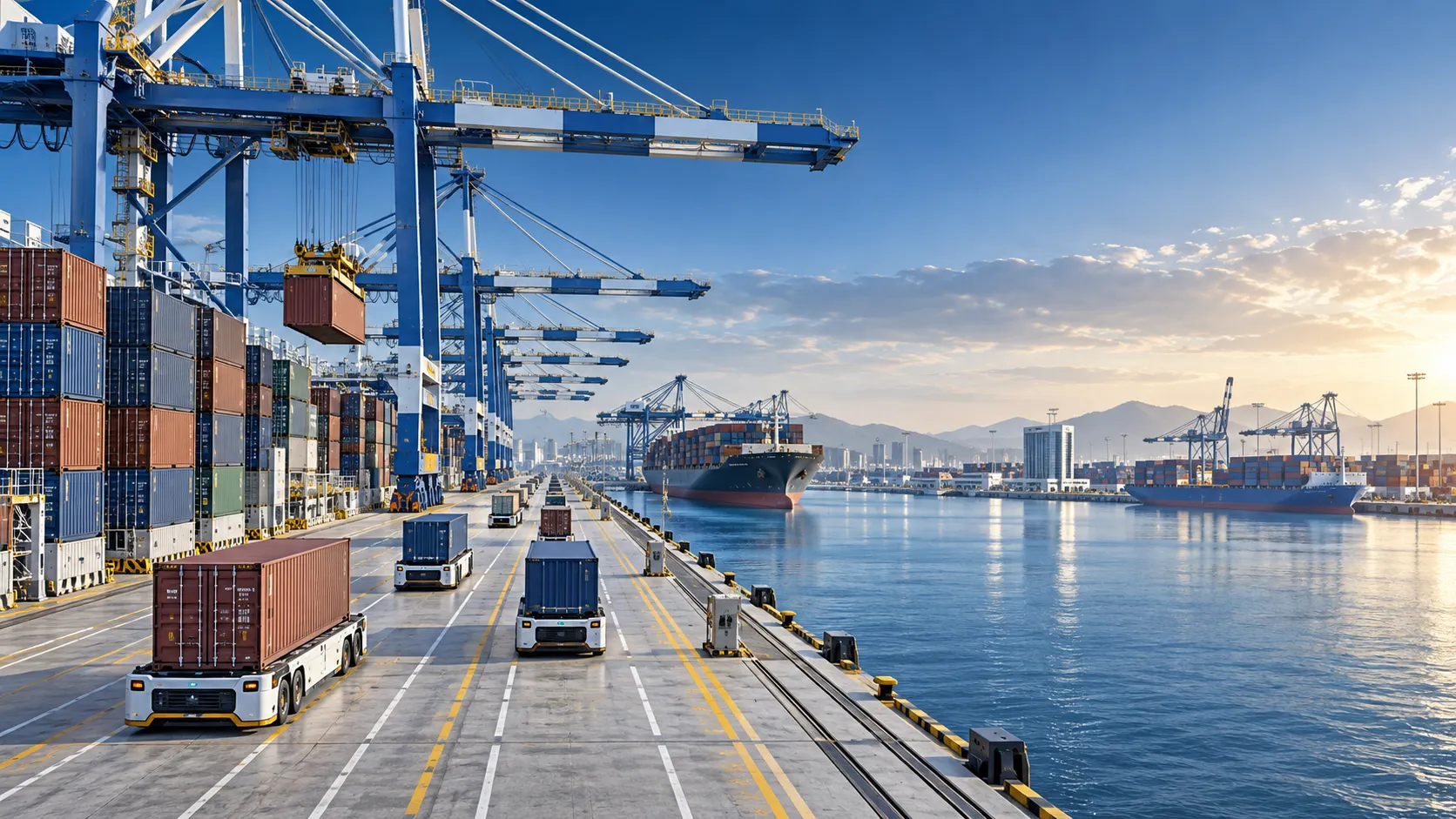
How to Evaluate Terminal Efficiency Solution Suppliers for High-Throughput Operations
Choose a terminal efficiency solutions supplier with confidence. Explore proven criteria for throughput, integration, lifecycle cost, safety, and reliable delivery.
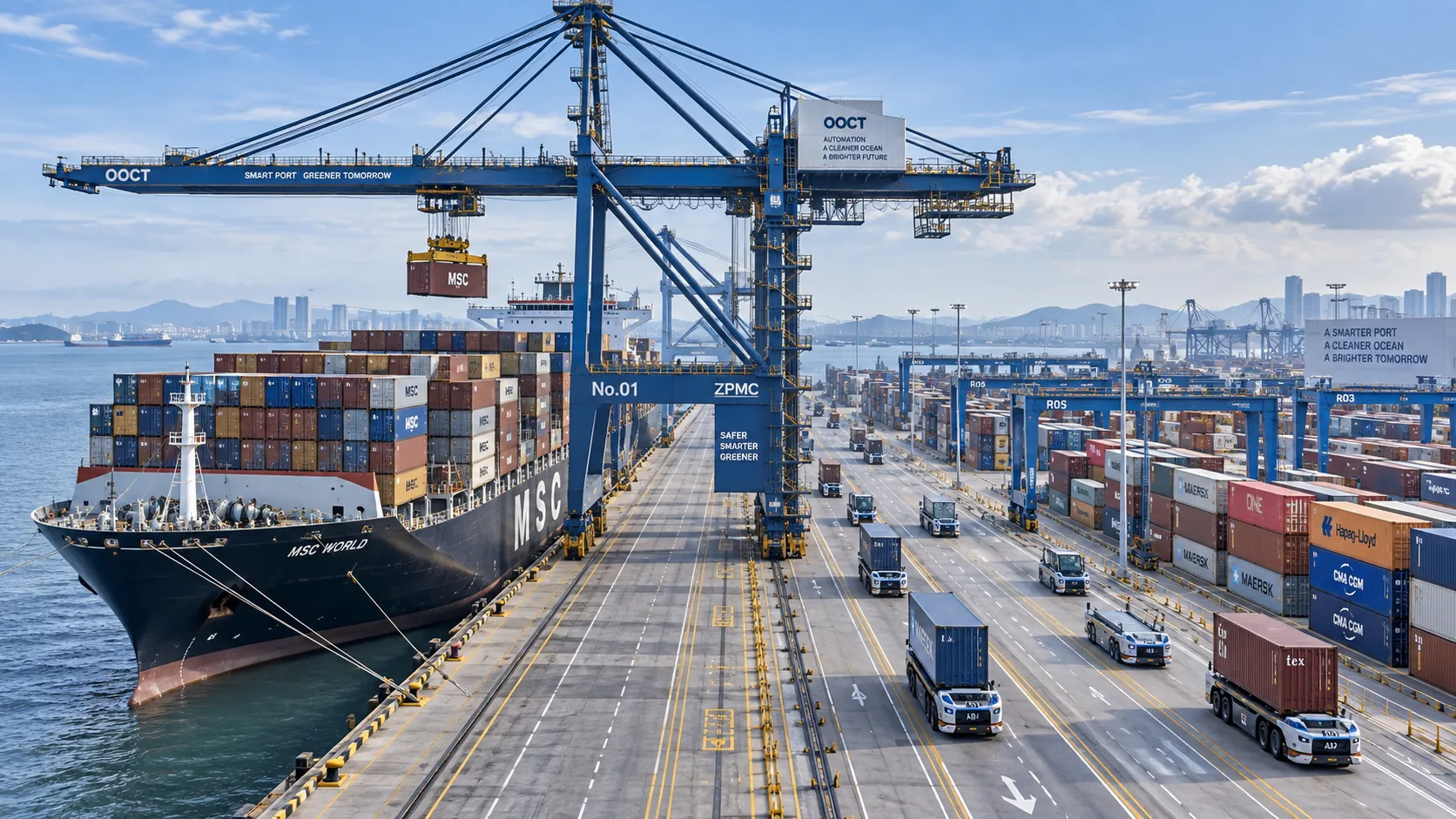
How to Specify a Quay Crane for Container Terminals by Vessel Size and Throughput?
Quay crane for container terminals: learn how to match outreach, lift height, capacity, automation, and cycle performance to vessel size and throughput goals.
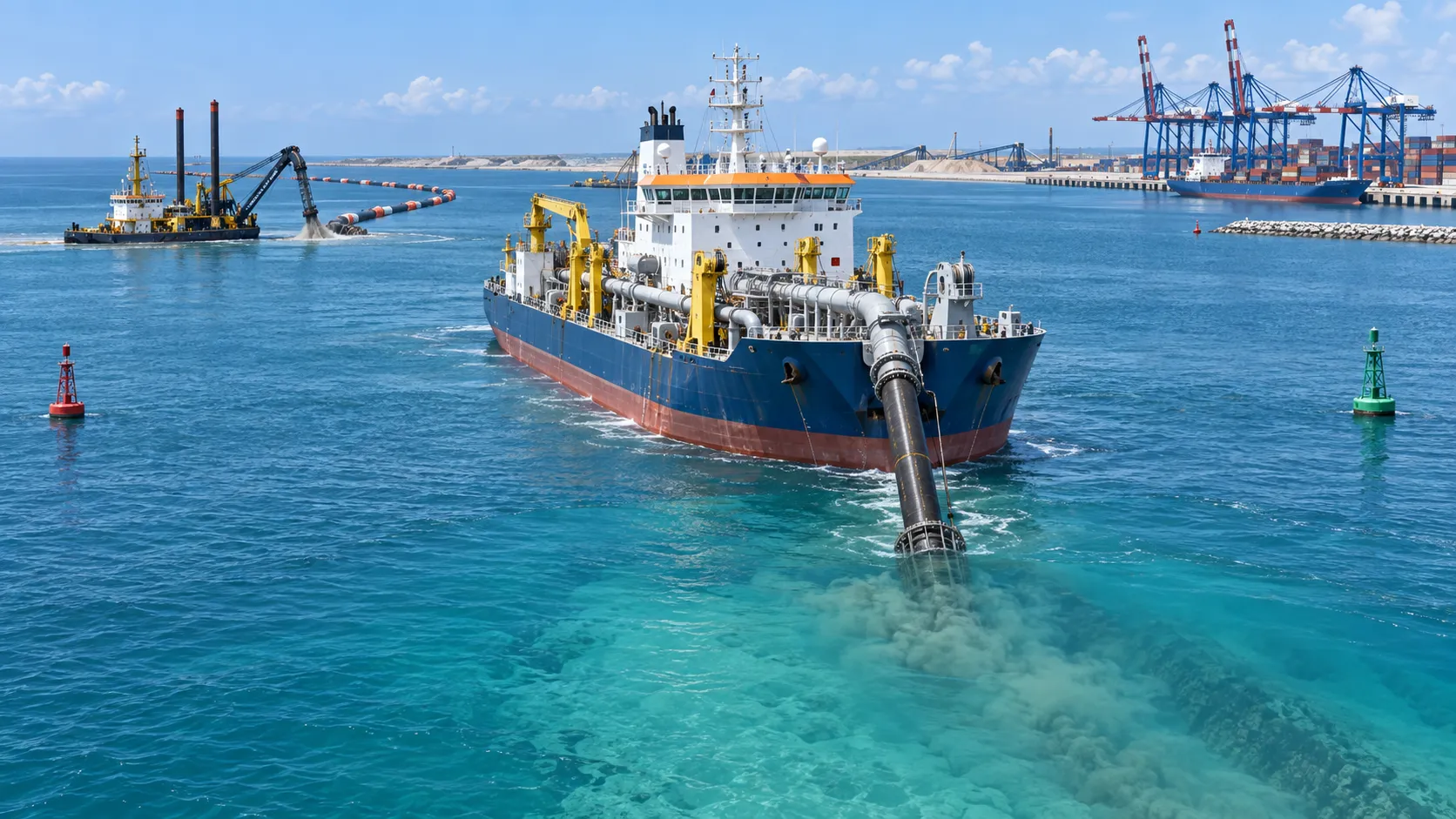
What Dredging Equipment Is Needed for Channel Deepening?
What dredging equipment is needed for channel deepening? Explore dredgers, pipelines, survey tools, and planning strategies for safer, more efficient port access.
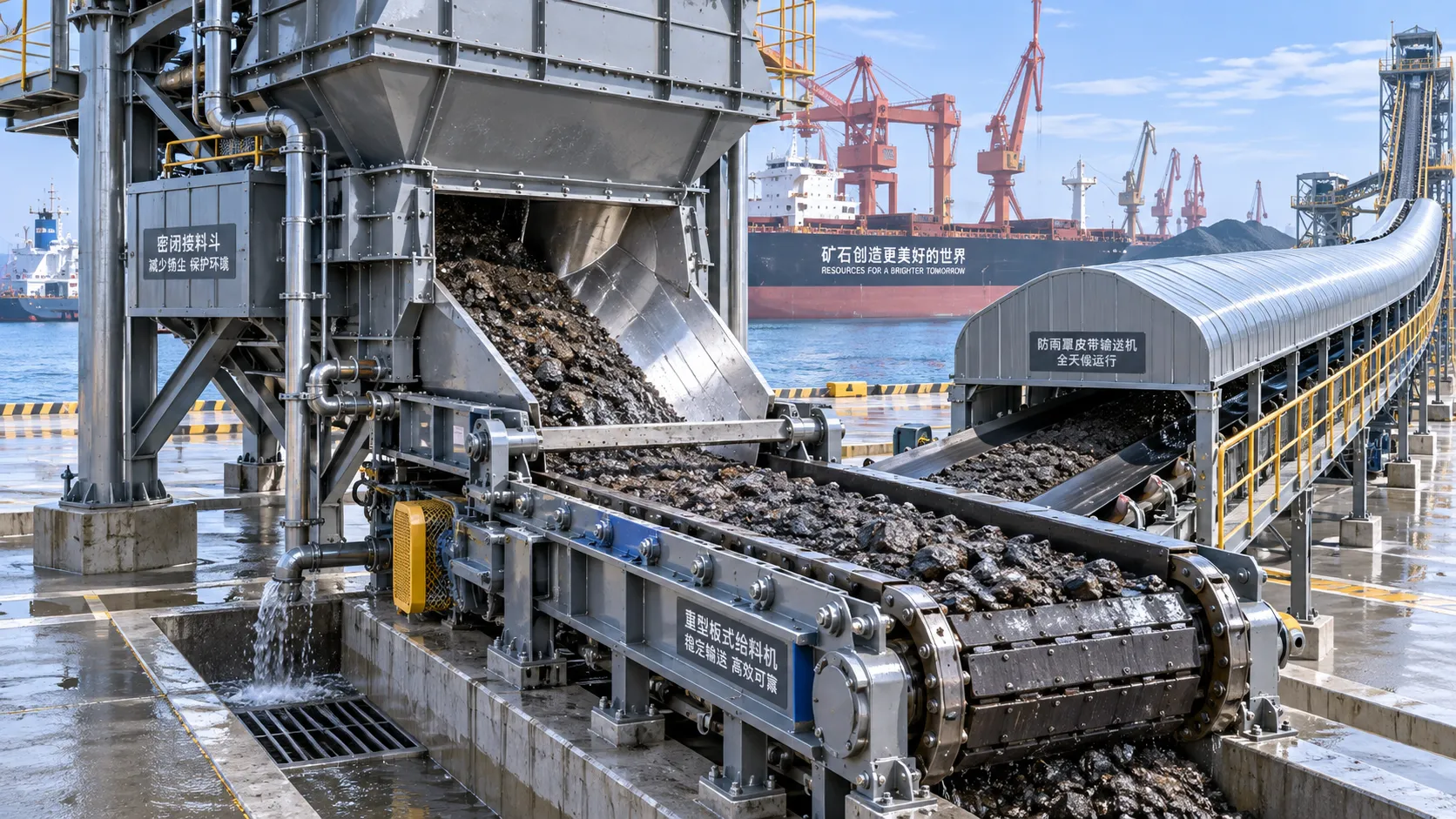
Which Bulk Handling Equipment Suits High-Moisture Cargo?
Which bulk handling equipment suits high-moisture cargo? Compare belt, apron, screw, drag, and slurry systems for reliable flow, less carryback, and higher terminal uptime.
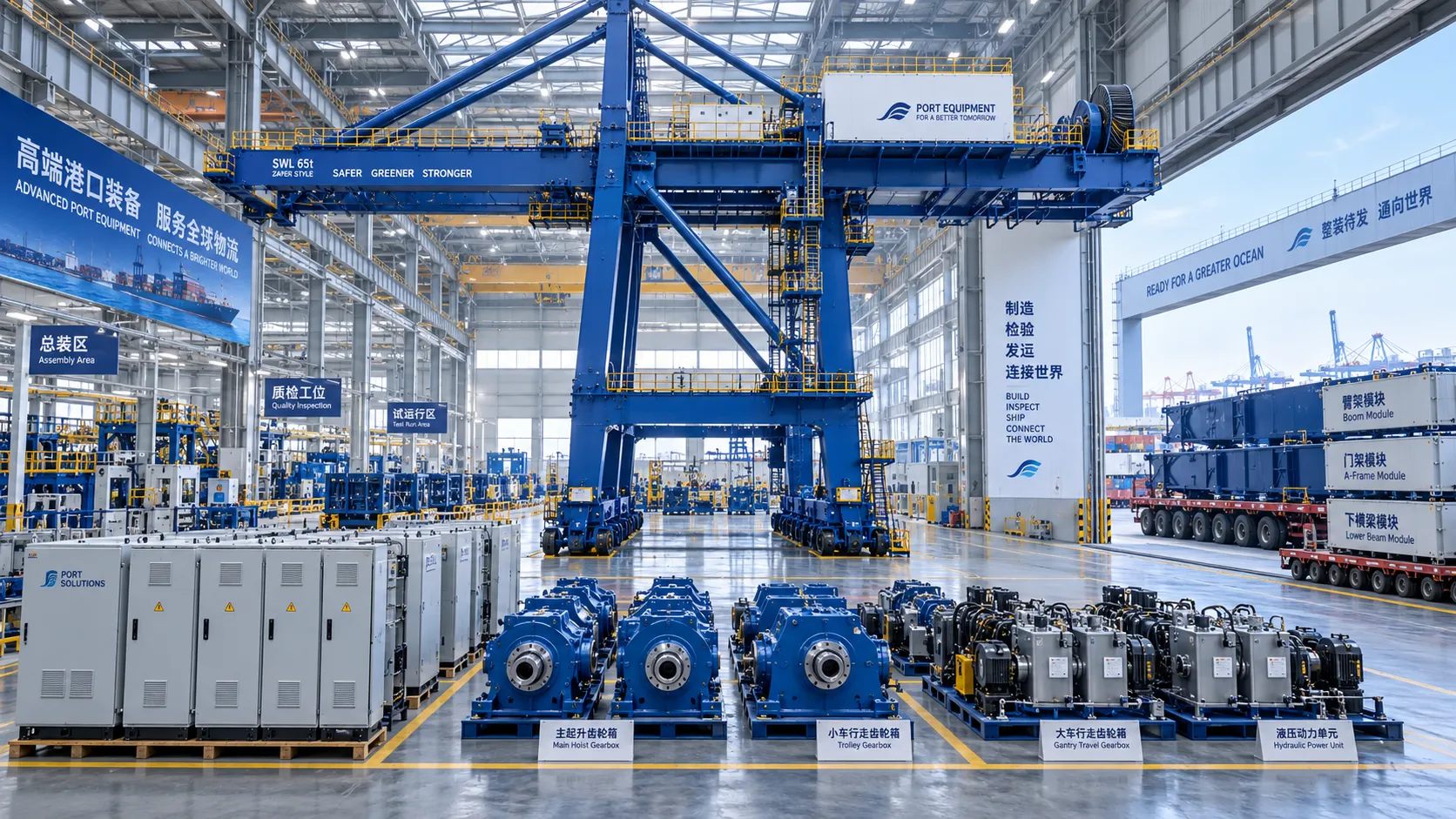
How Can Port Equipment Lead-Time Risk Be Managed?
How can port equipment lead-time risk be managed? Explore practical strategies to control critical paths, suppliers, transport, site readiness, and commissioning delays.
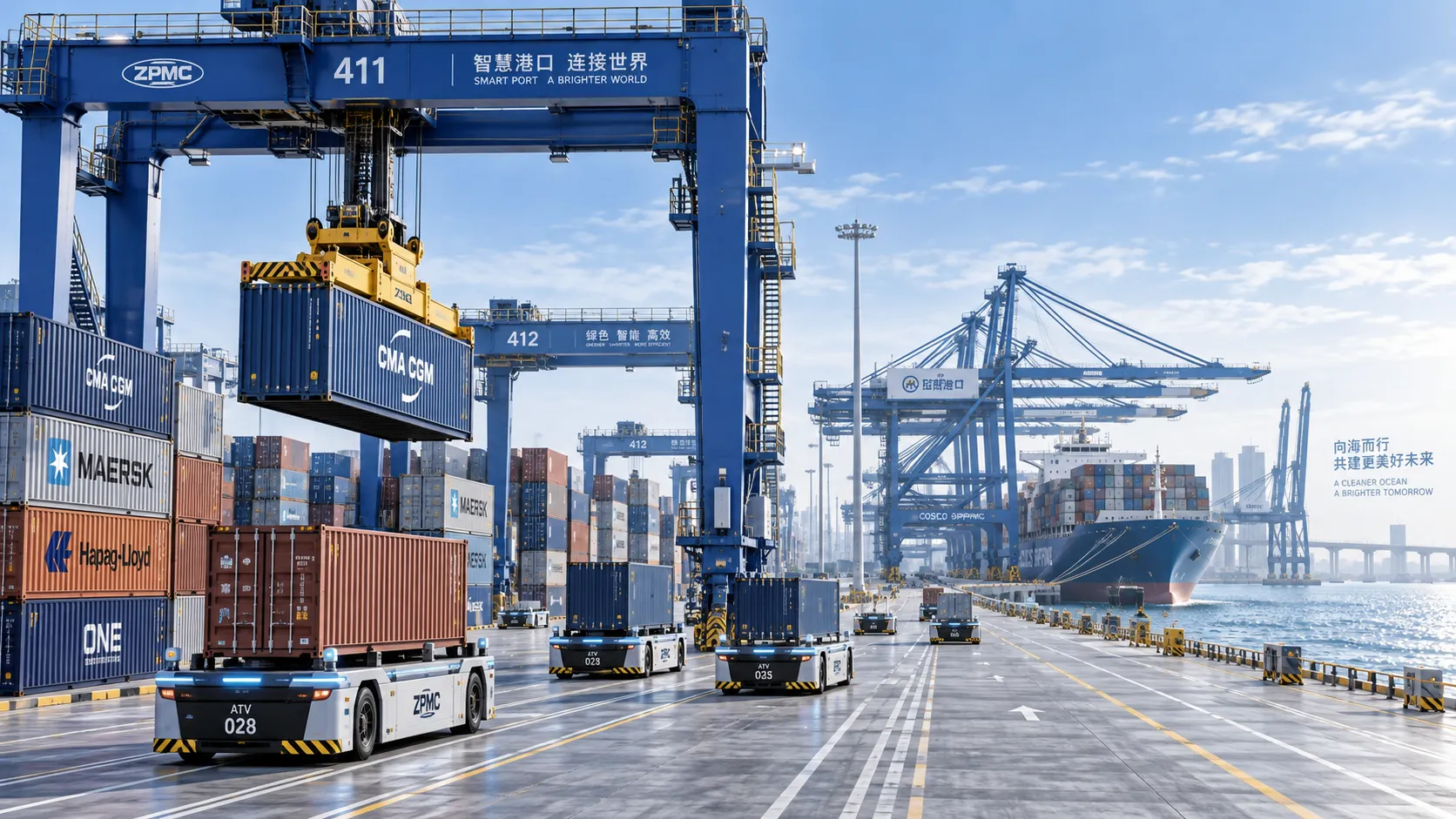
Terminal Automation Technologies That Raise Container Throughput Without Yard Disruption
Terminal automation technology that increases container throughput without disrupting yard flow. Explore smarter integration, resilient workflows, and phased deployment strategies.
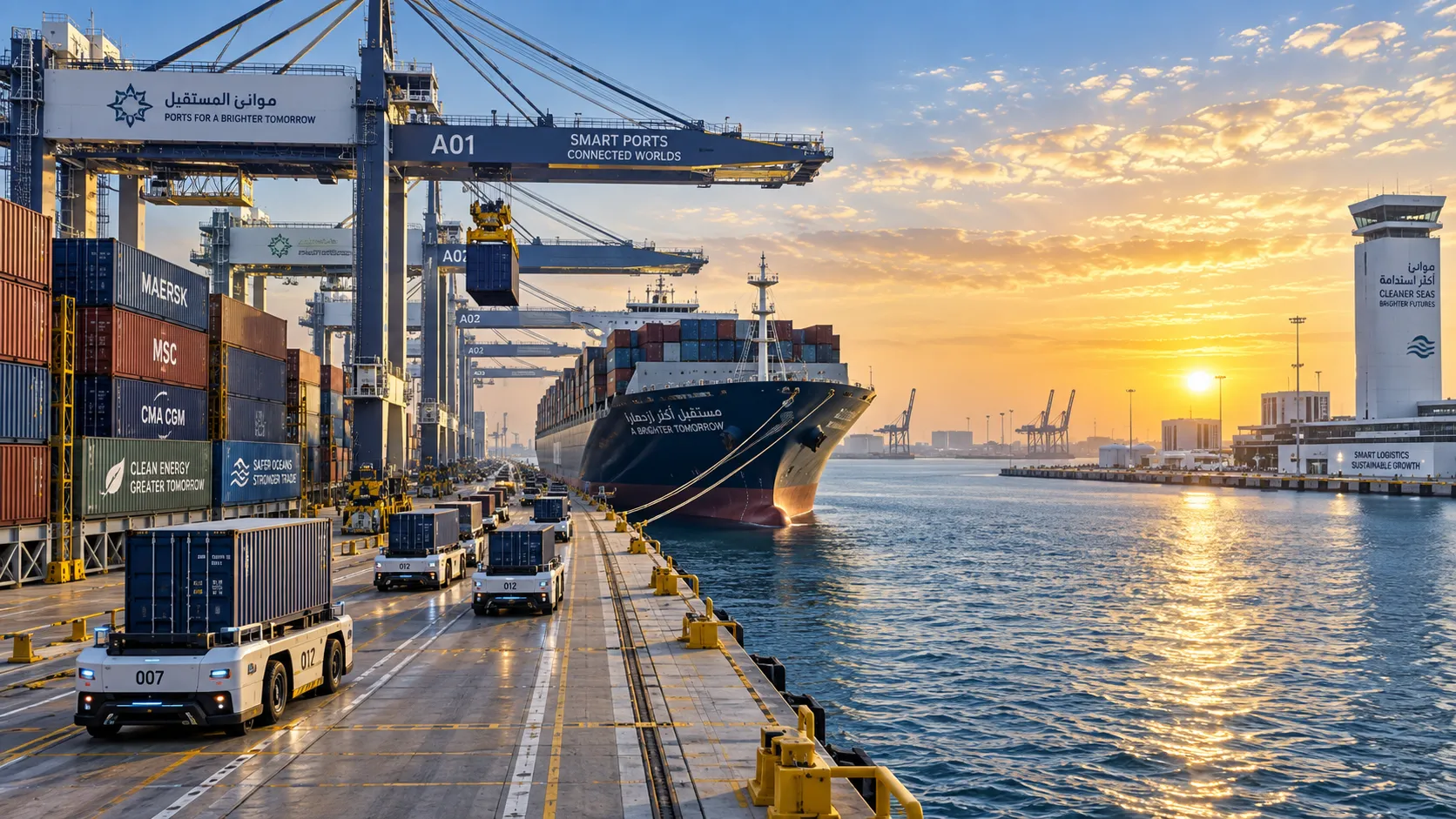
Middle East Port Automation: Key Market Drivers, Projects, and Investment Risks
Port automation systems Middle East: explore market drivers, flagship projects, integration challenges, and investment risks shaping smarter, resilient terminals.
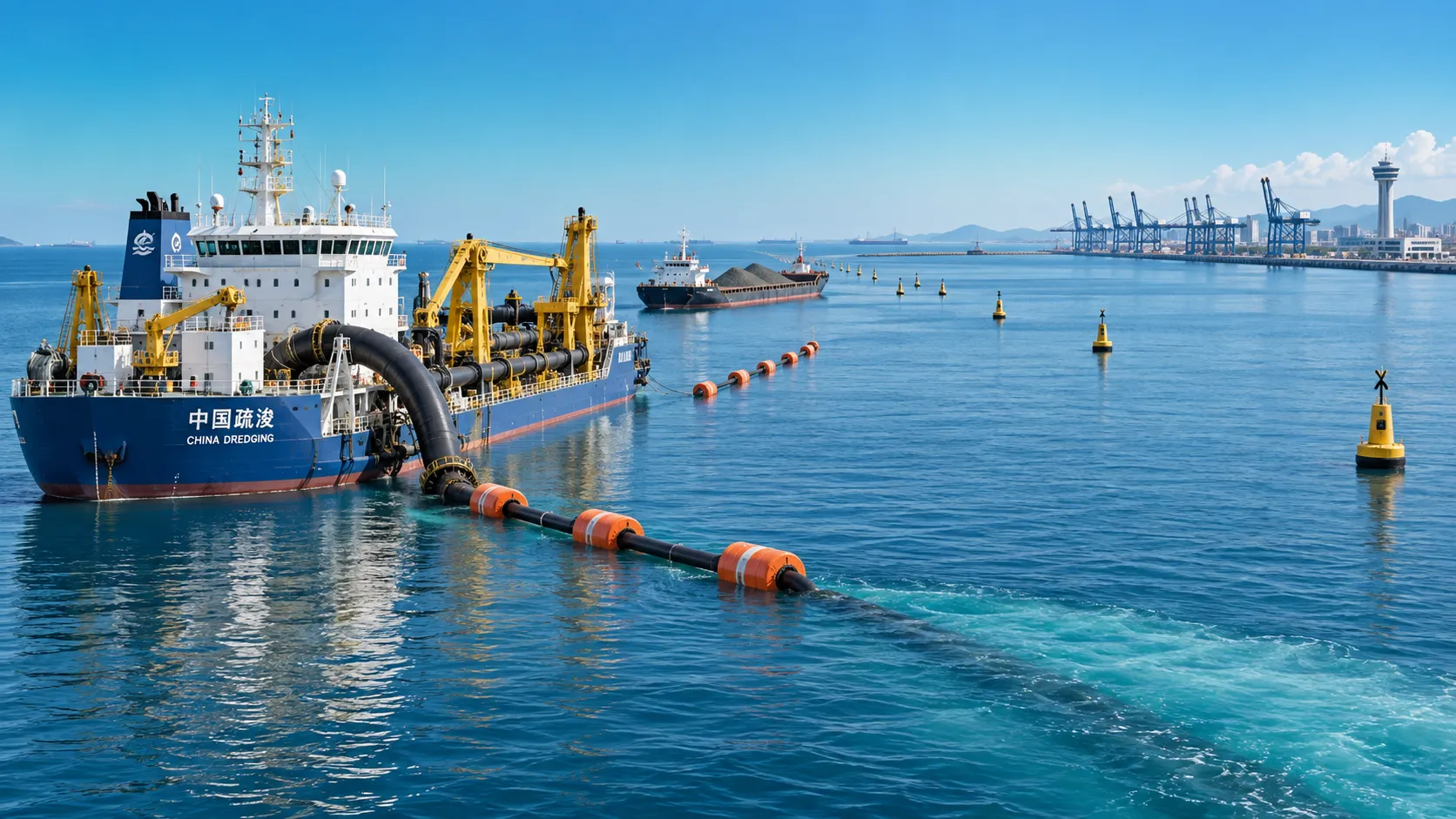
Planning Offshore Dredging Operations: Key Risks, Methods, and Project Controls
Offshore dredging operations demand smart planning. Explore key risks, proven methods, environmental controls, and project strategies for reliable delivery.