Related News
- 00
0000-00
How to Specify a Quay Crane for Container Terminals by Vessel Size and Throughput? - 00
0000-00
Which Bulk Handling Equipment Suits High-Moisture Cargo? - 00
0000-00
Terminal Automation Technologies That Raise Container Throughput Without Yard Disruption - 00
0000-00
Planning Offshore Dredging Operations: Key Risks, Methods, and Project Controls - 00
0000-00
Where Do Automated Guided Vehicles Deliver the Fastest Warehouse Gains in the Middle East?
How to judge harbor structure safety before upgrades
Before planning upgrades, quality and safety teams must verify whether a harbor structure can withstand added loads, vessel impact, corrosion exposure, and changing operational demands. A reliable harbor structure assessment helps identify hidden defects, compliance gaps, and long-term stability risks early, allowing ports to prioritize reinforcement, control project costs, and protect both assets and personnel.
For quality controllers and safety managers, this is not only an engineering question but also a risk-screening task tied to uptime, insurance exposure, contractor scope, and future equipment deployment. A harbor structure that looks serviceable on the surface may still hide section loss, joint fatigue, settlement, or scour conditions that become critical once heavier cranes, deeper drafts, or higher berth productivity are introduced.
In modern port environments, upgrade decisions often involve 3 parallel pressures: handling more tonnage, reducing turnaround time, and meeting stricter safety expectations. That combination makes pre-upgrade assessment essential for quay walls, dolphins, fenders, pile-supported decks, revetments, and adjacent dredging interfaces. The goal is simple: verify what the structure can safely do today, what it can tolerate tomorrow, and what must be repaired before capital work begins.
Why pre-upgrade harbor structure safety checks matter
A harbor structure is exposed to combined actions that are rarely static. Repeated berthing energy, tidal fluctuation, chloride attack, wave loading, and cargo equipment vibration can gradually reduce reserve capacity. When an upgrade adds a 10%–30% increase in operational demand, a previously acceptable deficiency can become an immediate safety issue.
For safety managers, the highest-value question is not whether defects exist, but whether defects affect load path, serviceability, or failure consequence. Hairline cracking in a coping beam may be minor, while corrosion at pile splash zones, anchor rod deterioration, or voids behind a quay wall can indicate a much larger structural problem.
Main risk categories before any upgrade
- Load exceedance from larger cranes, container stacks, or heavier bulk handling equipment
- Marine corrosion causing steel thickness loss of 2 mm–8 mm over long service periods
- Concrete deterioration from chloride ingress, rebar corrosion, and freeze-thaw cycling
- Geotechnical instability such as settlement, lateral movement, and scour near foundations
- Berthing impact beyond original fender design energy or vessel class assumptions
- Compliance gaps between legacy infrastructure and current inspection or safety protocols
Operational triggers that demand review
A detailed harbor structure review is strongly recommended before installing automated stacking interfaces, increasing crane wheel loads, extending berth length, deepening the approach channel, or changing vessel mix. Even a moderate draft increase of 0.5 m–1.5 m can alter hydrodynamic effects, toe stability, and local scour patterns.
For intelligence-led port planning teams such as those following PS-Nexus analysis models, the real benefit is alignment between structural condition and future throughput strategy. A digital control system may optimize yard flow, but it cannot offset a quay deck with limited residual capacity or deteriorated marine piles.
The table below shows how common upgrade plans interact with harbor structure safety concerns and what quality teams should verify first.
The key message is that each upgrade changes a different part of the structural system. Safety teams should therefore avoid single-point inspection logic and instead connect topside condition, underwater condition, and geotechnical context in one review framework.
How to assess a harbor structure before upgrades
A sound assessment combines records review, field inspection, testing, and engineering interpretation. In practice, most ports use a 4-stage process completed over 2–8 weeks, depending on berth length, access conditions, and whether underwater inspection or dredging interface checks are required.
Stage 1: Gather baseline documents
Start by collecting original design drawings, past repair records, inspection reports, dredging history, vessel call data, and load changes over the last 5–15 years. This step often reveals mismatches between original design assumptions and current operations, especially when cargo mix or equipment layout has evolved.
If documents are incomplete, quality teams should flag uncertainty as a project risk rather than filling gaps with assumptions. Unknown pile sections, undocumented repairs, or unverified anchor conditions can significantly affect upgrade feasibility.
Stage 2: Conduct visual and dimensional inspection
The next step is a structured walkdown and marine inspection. Typical checks include crack mapping, spall measurement, corrosion rating, alignment survey, deck deflection observation, fender condition review, and photographic logging. For long berths, dividing the harbor structure into 20 m–50 m zones helps standardize findings.
Underwater review is especially important for piles, toe protection, sheet piles, and scour-prone areas. In many cases, the most severe degradation is below splash level or around low-water zones where visibility from the deck is limited.
What inspectors should record
- Defect type: crack, spall, deformation, corrosion, settlement, leakage, abrasion
- Defect extent: isolated, repeating, continuous, or zone-wide
- Defect severity: cosmetic, serviceability-related, or structural concern
- Defect location: deck, beam, wall, pile, fender line, tie-back, revetment, toe
- Possible trigger: impact, marine exposure, overload, drainage failure, scour
Stage 3: Use targeted testing instead of excessive testing
Not every upgrade needs invasive investigation, but targeted testing improves decision quality. Common options include concrete cover survey, half-cell potential mapping, ultrasonic thickness checks for steel, rebound hammer screening, chloride content sampling, and limited coring where section validation is necessary.
For a steel-supported harbor structure, splash-zone thickness measurement at multiple elevations can show whether corrosion is localized or system-wide. For reinforced concrete, chloride penetration depth and active rebar corrosion are more decision-relevant than surface appearance alone.
The matrix below helps safety teams match the defect observed with a suitable verification method and likely consequence.
A focused testing plan saves both time and budget. It also helps contractors price repair scope more accurately, reducing change-order risk after upgrade work starts.
Stage 4: Evaluate residual capacity and upgrade compatibility
After inspection and testing, engineering teams should compare current condition with future demand. This includes dead load, live load, berthing impact, mooring load, fatigue exposure, corrosion allowance, and foundation response. The critical output is not just a condition score, but a compatibility decision: fit for upgrade, fit with repair, or not fit without strengthening.
As a practical rule, any harbor structure with unresolved movement, advanced section loss, or active geotechnical instability should not proceed directly to upgrade design. Stabilization and repair planning must come first.
Key decision criteria for quality and safety teams
For B2B port operators, the decision is rarely only technical. Quality and safety teams must translate structural findings into budget priorities, shutdown planning, contractor requirements, and operational controls. This means defining a decision framework with measurable thresholds rather than relying on general condition labels.
Four practical approval questions
- Can the harbor structure safely carry future loads with at least one reasonable margin of reserve capacity?
- Will hidden defects likely worsen within the next 12–36 months if upgrades proceed without repair?
- Does the current condition expose personnel, vessels, or cargo systems to unacceptable risk?
- Can inspection evidence support procurement, permitting, and contractor scope definition clearly enough?
Condition ratings should drive action, not just reporting
Many ports use 3 to 5 condition bands. Whatever system is used, each rating should trigger an action window. For example, minor defects may justify a 6–12 month monitoring cycle, moderate defects may require repair design within 3–6 months, and severe defects may need immediate operating restrictions.
This is where intelligence platforms can support decision quality. Sector observers like PS-Nexus help teams connect structural status with equipment trends, automation pathways, and dredging interfaces, improving the timing of both repair and expansion planning. In documentation workflows, some teams also reference archived project notes through 无 when consolidating internal upgrade records.
Common mistakes that delay safe upgrades
- Assuming visual condition equals structural capacity
- Ignoring underwater deterioration because topside areas appear sound
- Using original design loads without checking actual operational changes
- Separating dredging decisions from structural and geotechnical review
- Starting procurement before defect scope is sufficiently defined
These mistakes typically increase project cost by forcing redesign, emergency repair, or access disruption during construction. Early verification is usually cheaper than late correction, especially on live berths where downtime can affect vessel schedules and terminal revenue.
From assessment to action: repair, monitoring, or reinforcement
Once the harbor structure assessment is complete, the next step is to convert findings into an executable plan. In most ports, outcomes fall into 3 categories: immediate repair, conditional upgrade with monitoring, or strengthening before any expansion work proceeds.
Typical response options
Immediate repair may involve patching damaged concrete, replacing fender hardware, coating renewal, cathodic protection updates, pile sleeve repair, or localized scour protection. These are appropriate when damage is defined, accessible, and not yet system-critical.
Conditional upgrade with monitoring works when the harbor structure remains serviceable but requires observation. Common controls include load restrictions, quarterly survey points, annual diver inspection, and trigger thresholds such as crack growth beyond 0.2 mm–0.3 mm or measurable settlement acceleration.
Strengthening is necessary when future demand exceeds residual capacity. Solutions vary by structure type and may include pile addition, tie-back enhancement, deck thickening, beam reinforcement, toe stabilization, or fender system redesign to match a new vessel envelope.
What procurement and safety teams should ask contractors
- What assumptions are being made about hidden conditions?
- Which repairs require shutdown, restricted access, or marine plant support?
- How will quality be verified in splash-zone and underwater areas?
- What monitoring plan is needed for the first 6–24 months after upgrade completion?
Even when no product is specified, record traceability matters. Some port teams maintain revision references or supplier placeholders through 无 in internal review chains to ensure inspection, repair, and upgrade files remain synchronized across departments.
A safe upgrade begins with a realistic understanding of the harbor structure, not with equipment selection alone. When inspection records, testing results, and future load cases are reviewed together, quality and safety teams can separate cosmetic issues from true structural risks, prioritize repairs with better cost control, and protect berth availability over the long term.
If your port is preparing for higher throughput, larger vessels, automation retrofits, or dredging-linked berth changes, a structured pre-upgrade assessment is the most reliable first step. Engage the right engineering and inspection resources early, align findings with your operational roadmap, and use the results to build a practical reinforcement or monitoring plan. Contact your technical partner now to discuss site-specific assessment criteria, request a customized review scope, and explore more solutions for safer harbor upgrades.
Related News
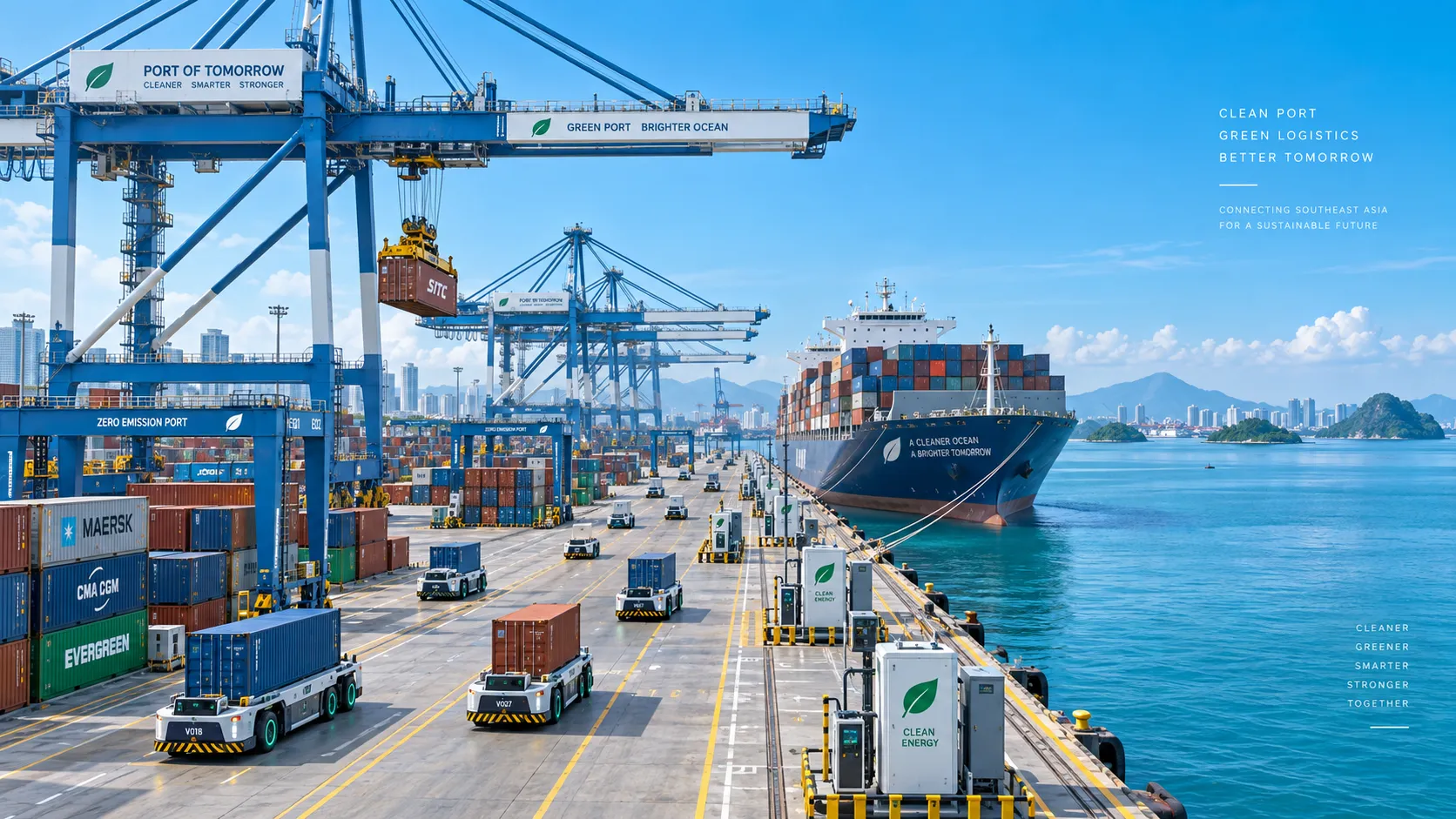
Smart Port Systems in Southeast Asia: Investment Priorities and Adoption Barriers
Smart port systems Southeast Asia: discover investment priorities, adoption barriers, and practical steps to build resilient, connected, high-performing terminals.

How to Evaluate Terminal Efficiency Solution Suppliers for High-Throughput Operations
Choose a terminal efficiency solutions supplier with confidence. Explore proven criteria for throughput, integration, lifecycle cost, safety, and reliable delivery.
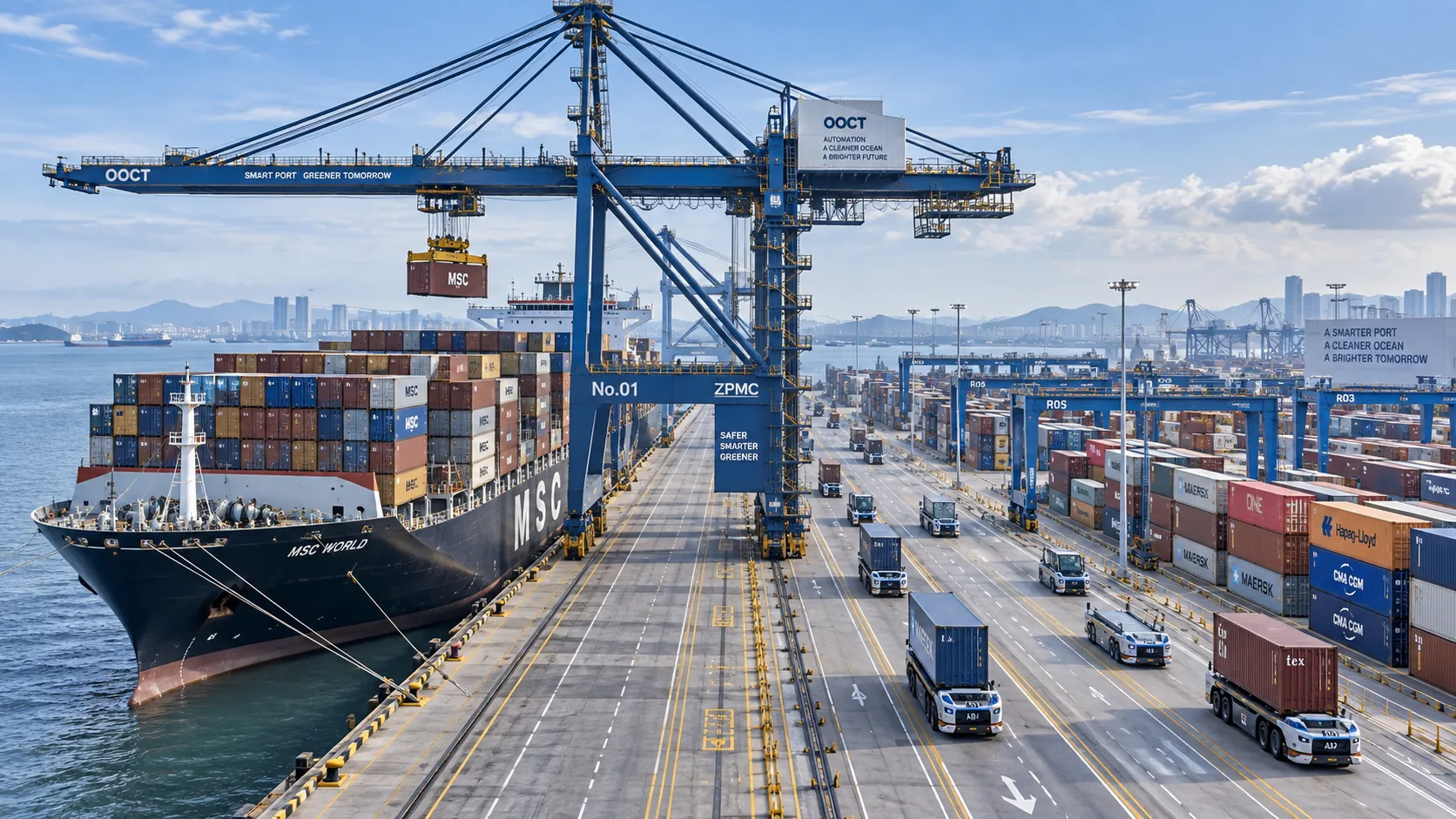
How to Specify a Quay Crane for Container Terminals by Vessel Size and Throughput?
Quay crane for container terminals: learn how to match outreach, lift height, capacity, automation, and cycle performance to vessel size and throughput goals.
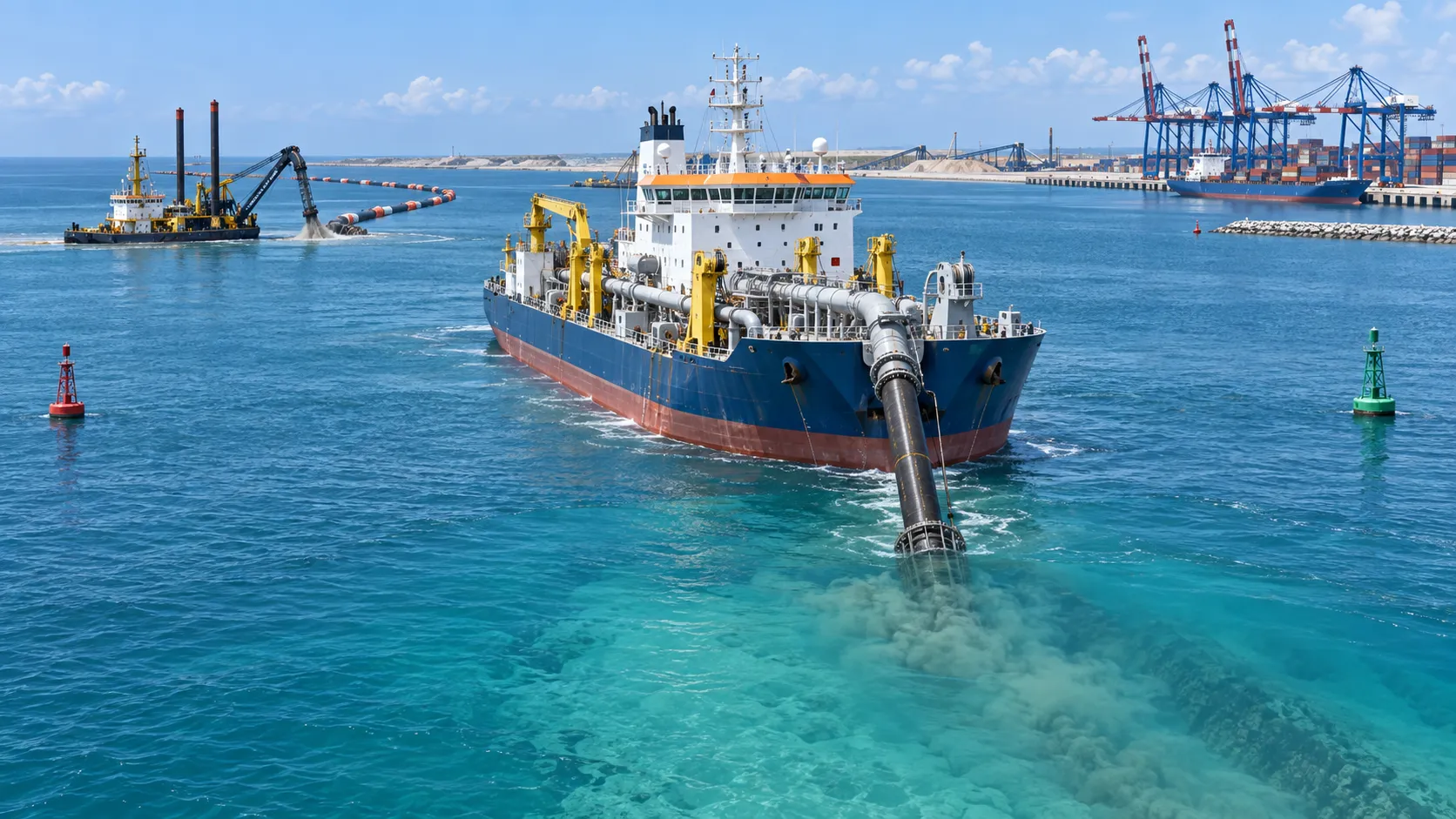
What Dredging Equipment Is Needed for Channel Deepening?
What dredging equipment is needed for channel deepening? Explore dredgers, pipelines, survey tools, and planning strategies for safer, more efficient port access.
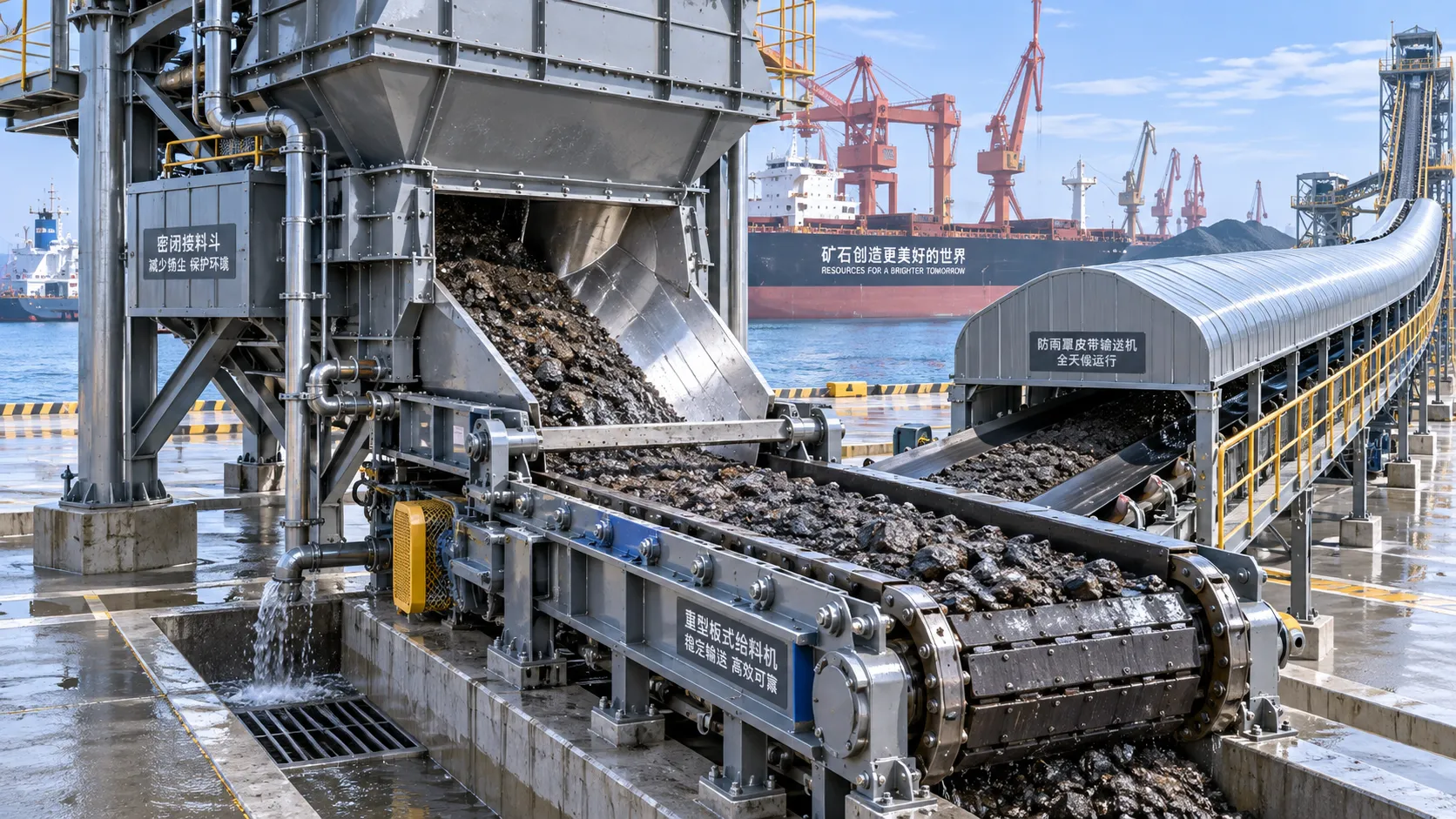
Which Bulk Handling Equipment Suits High-Moisture Cargo?
Which bulk handling equipment suits high-moisture cargo? Compare belt, apron, screw, drag, and slurry systems for reliable flow, less carryback, and higher terminal uptime.
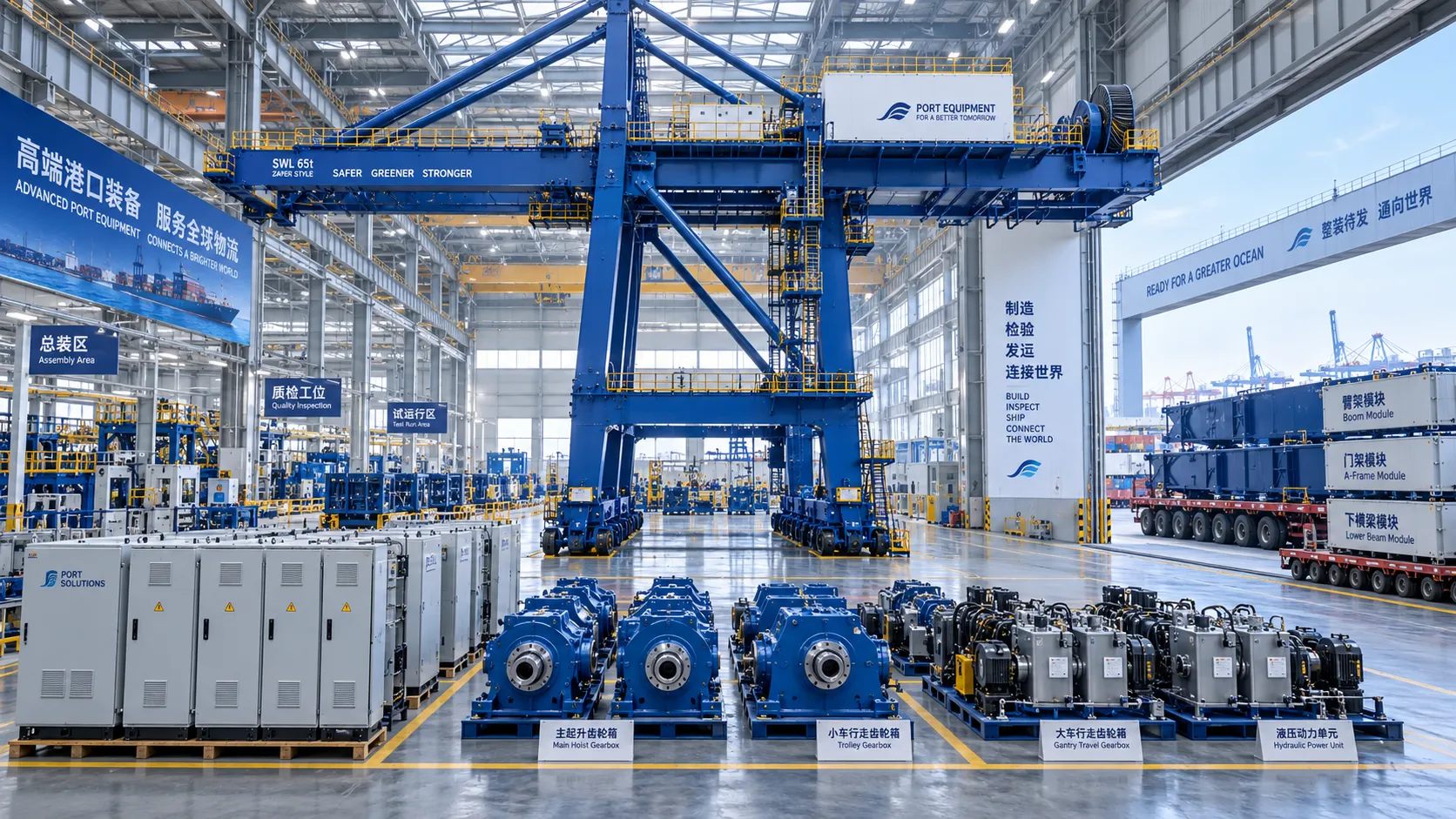
How Can Port Equipment Lead-Time Risk Be Managed?
How can port equipment lead-time risk be managed? Explore practical strategies to control critical paths, suppliers, transport, site readiness, and commissioning delays.
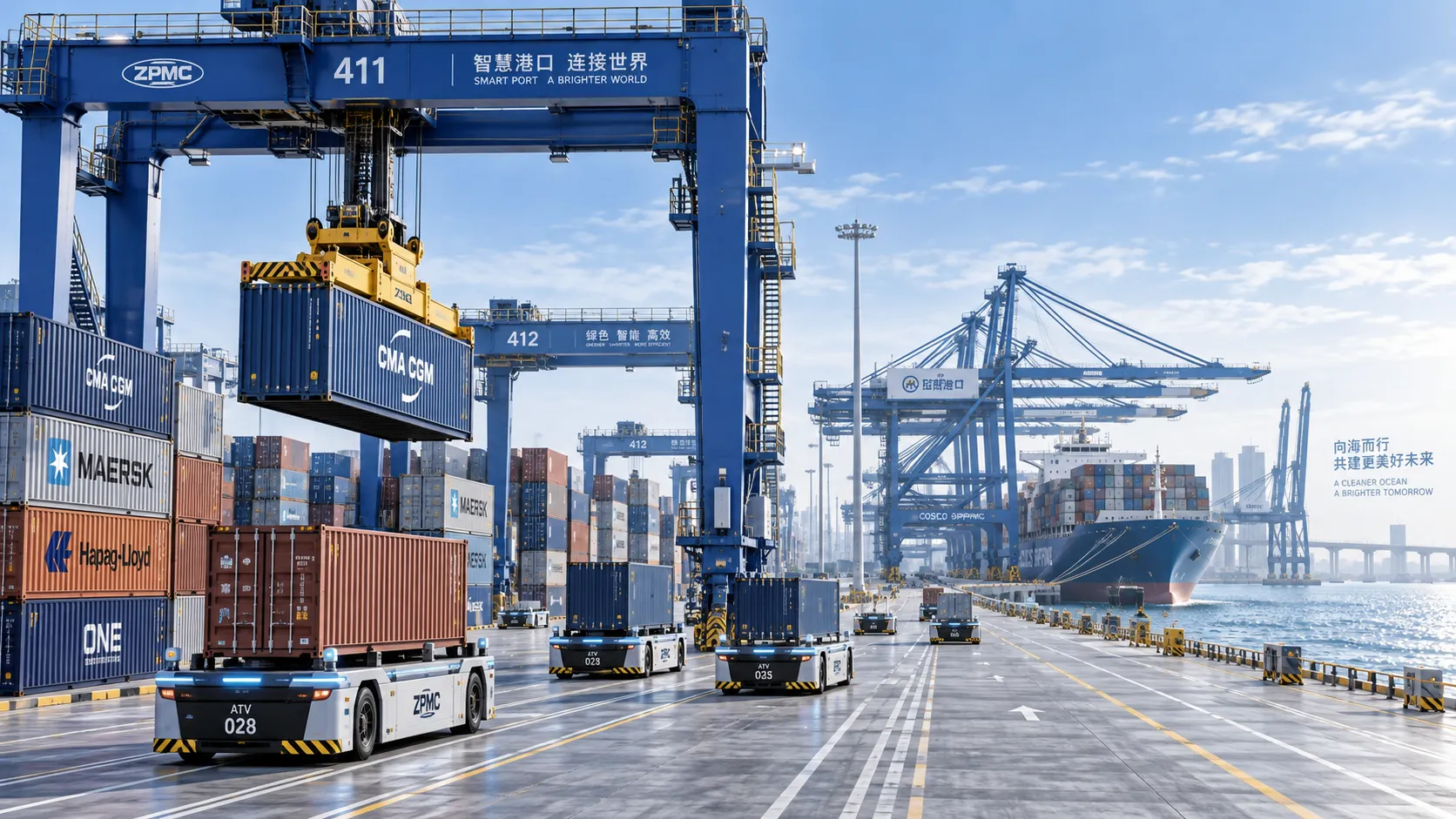
Terminal Automation Technologies That Raise Container Throughput Without Yard Disruption
Terminal automation technology that increases container throughput without disrupting yard flow. Explore smarter integration, resilient workflows, and phased deployment strategies.
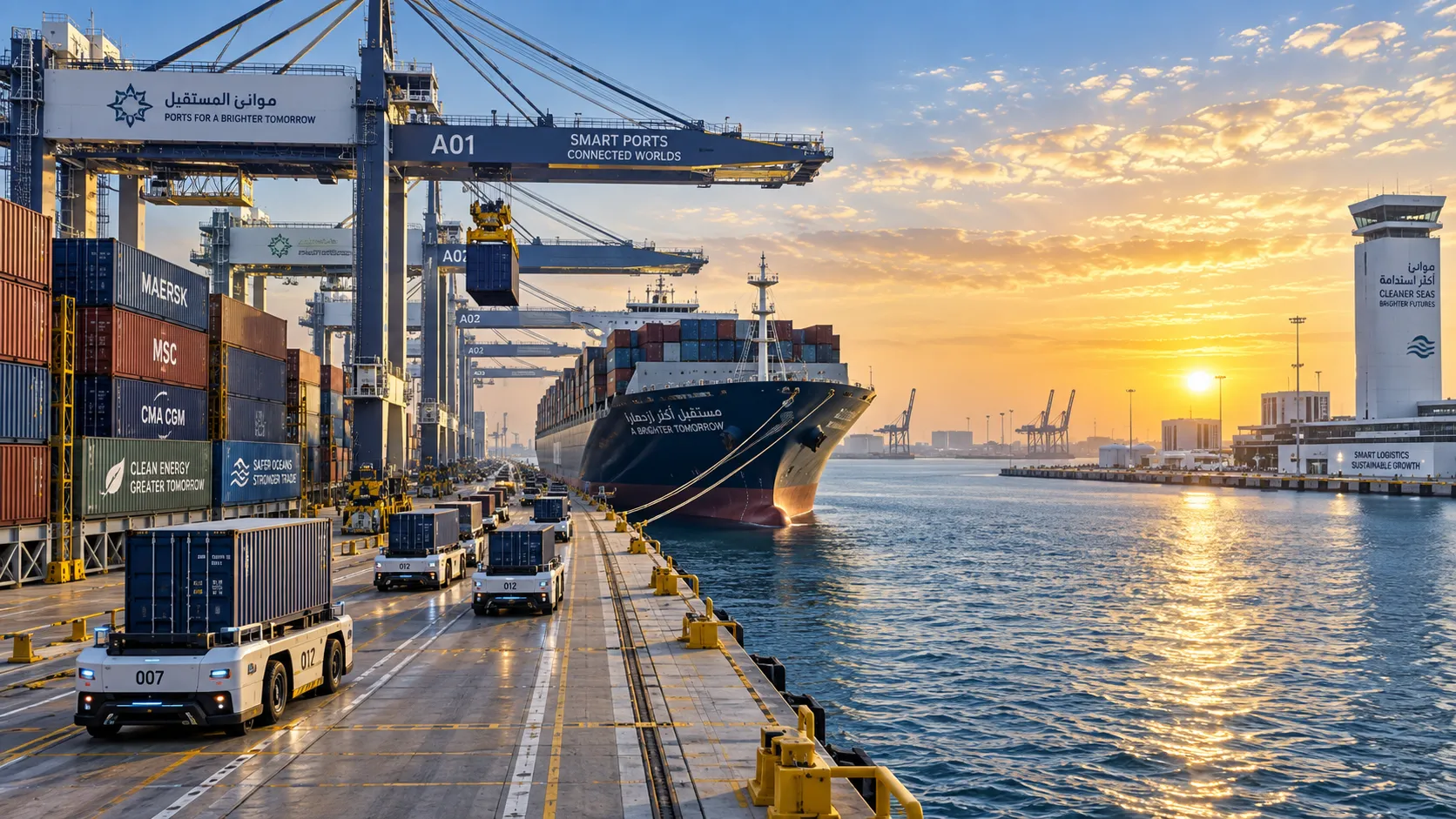
Middle East Port Automation: Key Market Drivers, Projects, and Investment Risks
Port automation systems Middle East: explore market drivers, flagship projects, integration challenges, and investment risks shaping smarter, resilient terminals.
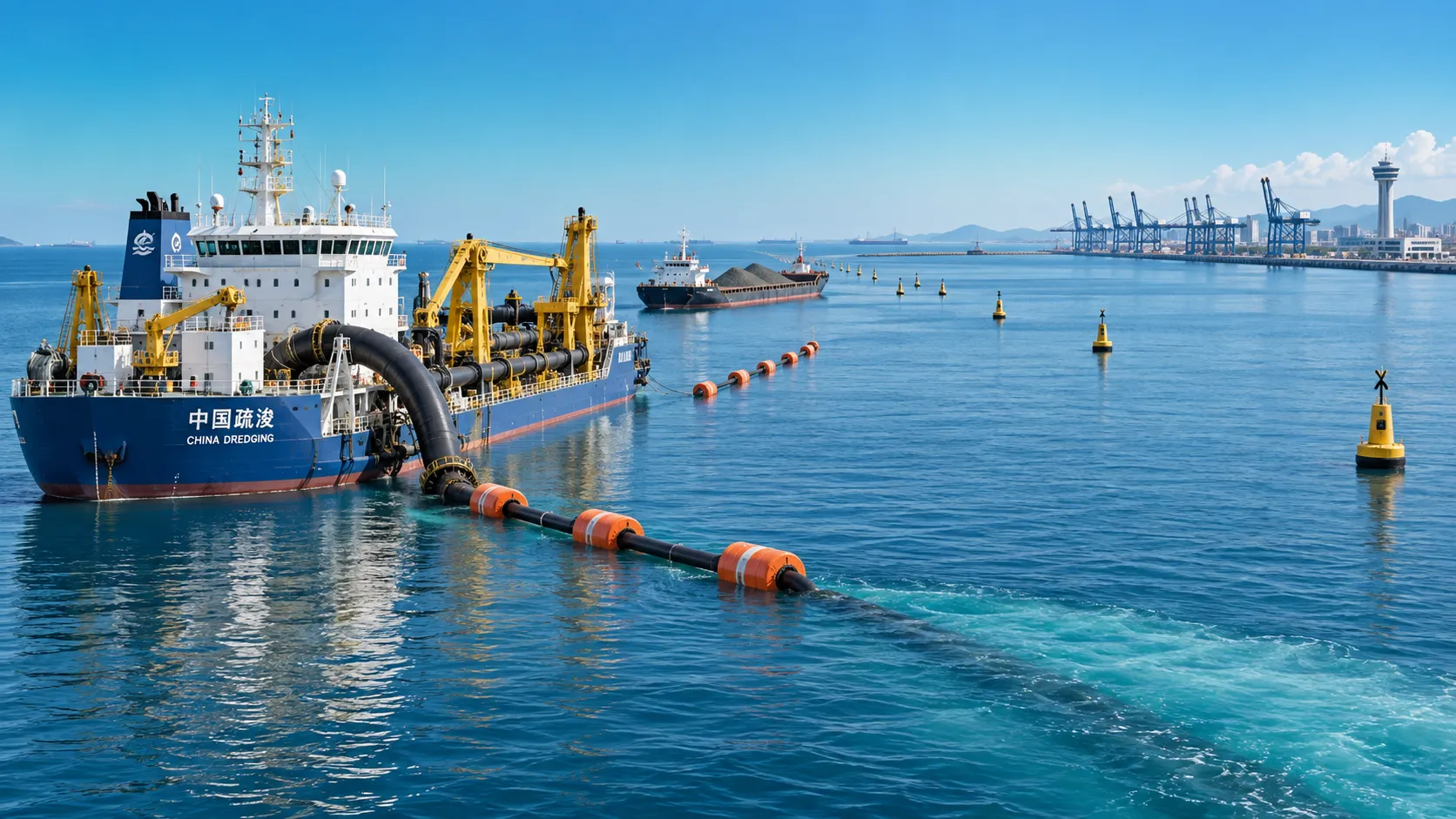
Planning Offshore Dredging Operations: Key Risks, Methods, and Project Controls
Offshore dredging operations demand smart planning. Explore key risks, proven methods, environmental controls, and project strategies for reliable delivery.