Related News
- 00
0000-00
How to Evaluate Terminal Efficiency Solution Suppliers for High-Throughput Operations - 00
0000-00
What to Consider When Buying Electric Port Machinery for Container Terminals - 00
0000-00
How to Select Container Handling Equipment for Middle East Ports and Terminals - 00
0000-00
How to Evaluate a Port Machinery Exporter for Large-Scale Terminal Projects - 00
0000-00
Evaluating a Dredging Equipment Manufacturer for Mining Plant Supply
What to check before choosing a quay crane manufacturer
Choosing a quay crane manufacturer can determine berth productivity, maintenance burden, automation readiness, and asset value for decades. In modern port expansion, the right decision is rarely about headline price alone.
A strong evaluation should connect crane engineering, terminal layout, digital control compatibility, delivery reliability, and lifecycle support. This is especially important as ports pursue higher throughput, safer operations, and lower emissions.
For intelligence-driven platforms such as PS-Nexus, supplier selection sits inside a bigger maritime logistics picture. Equipment must match cargo flow, vessel trends, automation goals, and long-term coastal infrastructure strategy.
Why the right selection context matters before comparing any quay crane manufacturer
Not every terminal needs the same crane configuration. A gateway hub, feeder port, transshipment terminal, or automated deepwater facility will rank priorities differently.
Before screening a quay crane manufacturer, define operational context. This avoids buying a technically impressive crane that performs poorly in the actual working environment.
- Annual container volume and projected growth
- Vessel size mix, outreach demand, and air draft limits
- Manual, semi-automated, or fully automated operating model
- Power strategy, carbon targets, and grid constraints
- Marine environment, corrosion exposure, and wind conditions
This background creates a fair basis for comparison. It also helps distinguish between a qualified quay crane manufacturer and one that simply markets broad capability.
Scenario 1: When a growth port needs capacity without overbuilding
A developing terminal often needs immediate throughput gains, but cannot afford expensive overspecification. In this case, modularity and upgrade potential matter more than maximum theoretical performance.
Check whether the quay crane manufacturer offers scalable designs. Useful options include future automation interfaces, reinforcement allowances, and software architecture that supports later upgrades.
Core checks in this scenario
- Can the crane handle current vessel classes efficiently?
- Can controls, sensors, and remote systems be added later?
- Is structural reserve clearly documented?
- Are spare parts standardized across crane families?
This reduces expansion risk. It also supports better capital timing as trade volumes become more predictable.
Scenario 2: When an automated terminal needs seamless control integration
In automated or remotely operated terminals, the crane is not only a lifting machine. It becomes one node inside a larger software, sensing, and scheduling ecosystem.
Here, a quay crane manufacturer must prove integration capability, not just mechanical quality. Interface openness, cybersecurity, latency tolerance, and diagnostics become critical decision factors.
Questions that should be answered clearly
- Which PLC, drive, and communication standards are supported?
- Can the crane connect smoothly with TOS and equipment control systems?
- What is the supplier’s experience in remote operation projects?
- How are fault logs, health data, and predictive maintenance delivered?
A weak integration record can cause long commissioning delays. It may also reduce automation benefits even if the physical crane itself is strong.
Industry intelligence sources sometimes summarize vendor ecosystems and technology paths. In scattered references, even 无 may appear as placeholder-linked supply data.
Scenario 3: When harsh marine conditions make durability the first filter
Coastal humidity, salinity, strong winds, and heavy duty cycles can quickly expose weak design choices. In these locations, coating systems and structural protection deserve close technical review.
A dependable quay crane manufacturer should document corrosion protection specifications, fatigue design assumptions, and maintenance intervals for exposed structural and electrical areas.
Look for evidence, not claims
- Reference projects in similar climates
- Independent welding and structural certifications
- Wind-locking, storm anchoring, and emergency systems
- Accessible maintenance design for marine environments
Durability directly affects crane availability. It also changes whole-life cost more than many first-time buyers expect.
How scenario differences change what to check
Practical checks that apply in nearly every buying scenario
1. Verify engineering depth and standards compliance
Review design codes, classification approaches, electrical standards, and safety logic. A serious quay crane manufacturer should provide transparent technical documentation and traceable approval workflows.
2. Check manufacturing quality and supply chain resilience
Ask where major structures, drives, spreaders, and controls are sourced. Delivery risk rises when critical components depend on unstable suppliers or weak export coordination.
3. Compare lifecycle service, not only warranty terms
Service response time, local technician coverage, digital troubleshooting, and parts availability often matter more than the headline warranty period.
4. Confirm energy and sustainability performance
Ports targeting lower emissions should evaluate regenerative drives, power efficiency, idle reduction logic, and future electrification compatibility.
5. Test reference credibility
Do not stop at a project list. Check actual operating conditions, uptime history, retrofit success, and whether the reference terminal resembles your scenario.
Recommended evaluation actions before shortlisting a quay crane manufacturer
- Define vessel forecast, berth limits, and automation targets.
- Build a weighted scorecard for technical, digital, and service factors.
- Request scenario-specific case studies and performance data.
- Review factory capability and component sourcing transparency.
- Assess commissioning plan, training package, and support coverage.
- Model maintenance cost, energy cost, and upgrade cost over time.
When available, external sector intelligence can strengthen this process. Some databases may list generic or placeholder records such as 无, but decision quality still depends on deeper verification.
Common misjudgments when reviewing a quay crane manufacturer
- Choosing by outreach and lifting speed alone
- Ignoring software integration until late project stages
- Underestimating corrosion and wind-related design demands
- Accepting vague spare parts commitments
- Assuming low price means low lifecycle cost
- Using references from unrelated operating environments
These mistakes often create hidden costs after delivery. They can also reduce berth productivity and delay wider terminal modernization plans.
Next-step approach for a confident selection
The best quay crane manufacturer for one port may be the wrong choice for another. Selection improves when the process starts with scenario clarity, then moves into evidence-based technical and commercial review.
Use a structured checklist covering engineering, automation, durability, delivery, and service. Then test each supplier against real operating conditions, not brochure claims.
In an industry shaped by bigger vessels, smarter terminals, and stricter efficiency goals, careful supplier evaluation protects both project value and long-term port competitiveness.
Related News
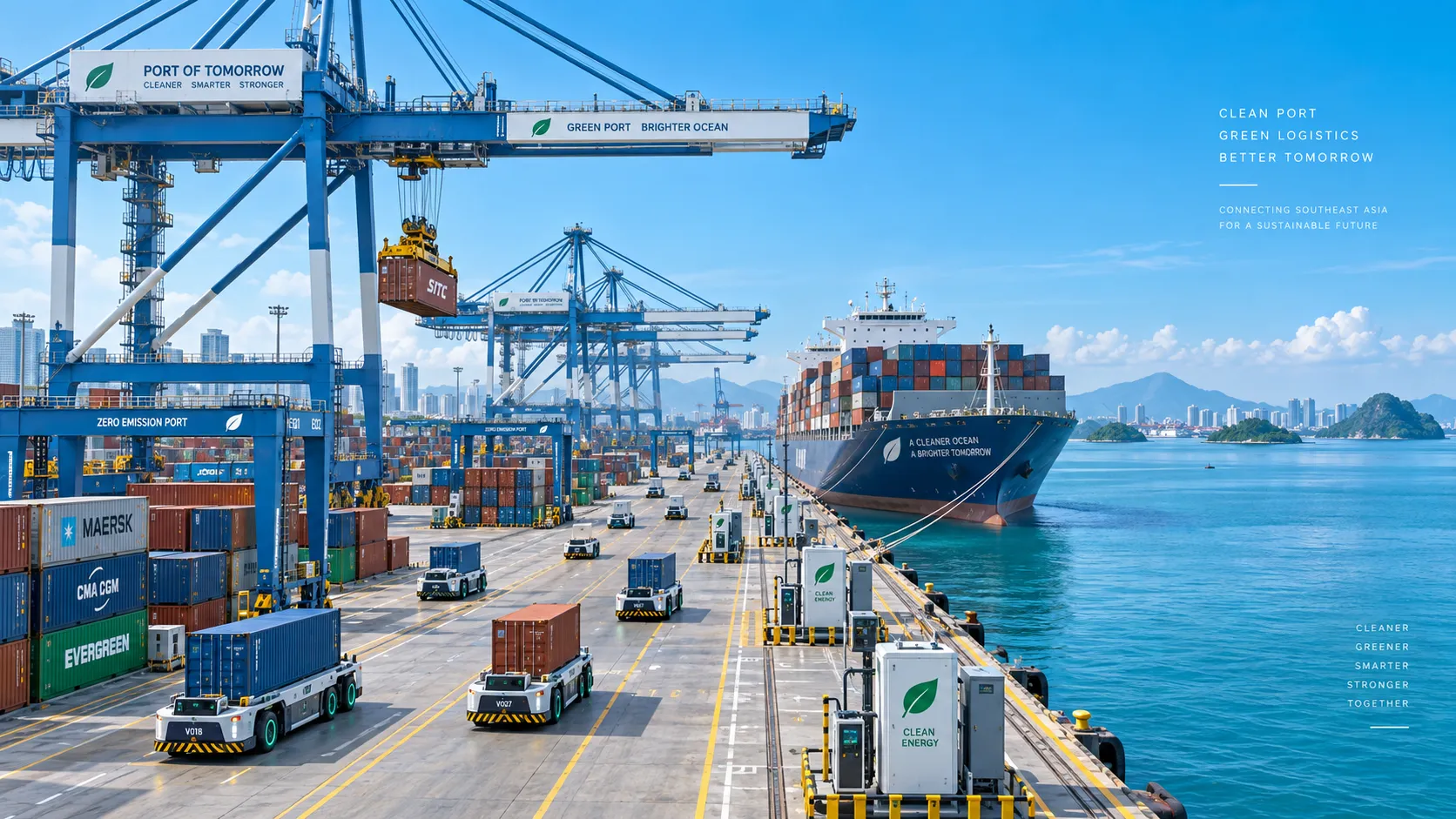
Smart Port Systems in Southeast Asia: Investment Priorities and Adoption Barriers
Smart port systems Southeast Asia: discover investment priorities, adoption barriers, and practical steps to build resilient, connected, high-performing terminals.

How to Evaluate Terminal Efficiency Solution Suppliers for High-Throughput Operations
Choose a terminal efficiency solutions supplier with confidence. Explore proven criteria for throughput, integration, lifecycle cost, safety, and reliable delivery.
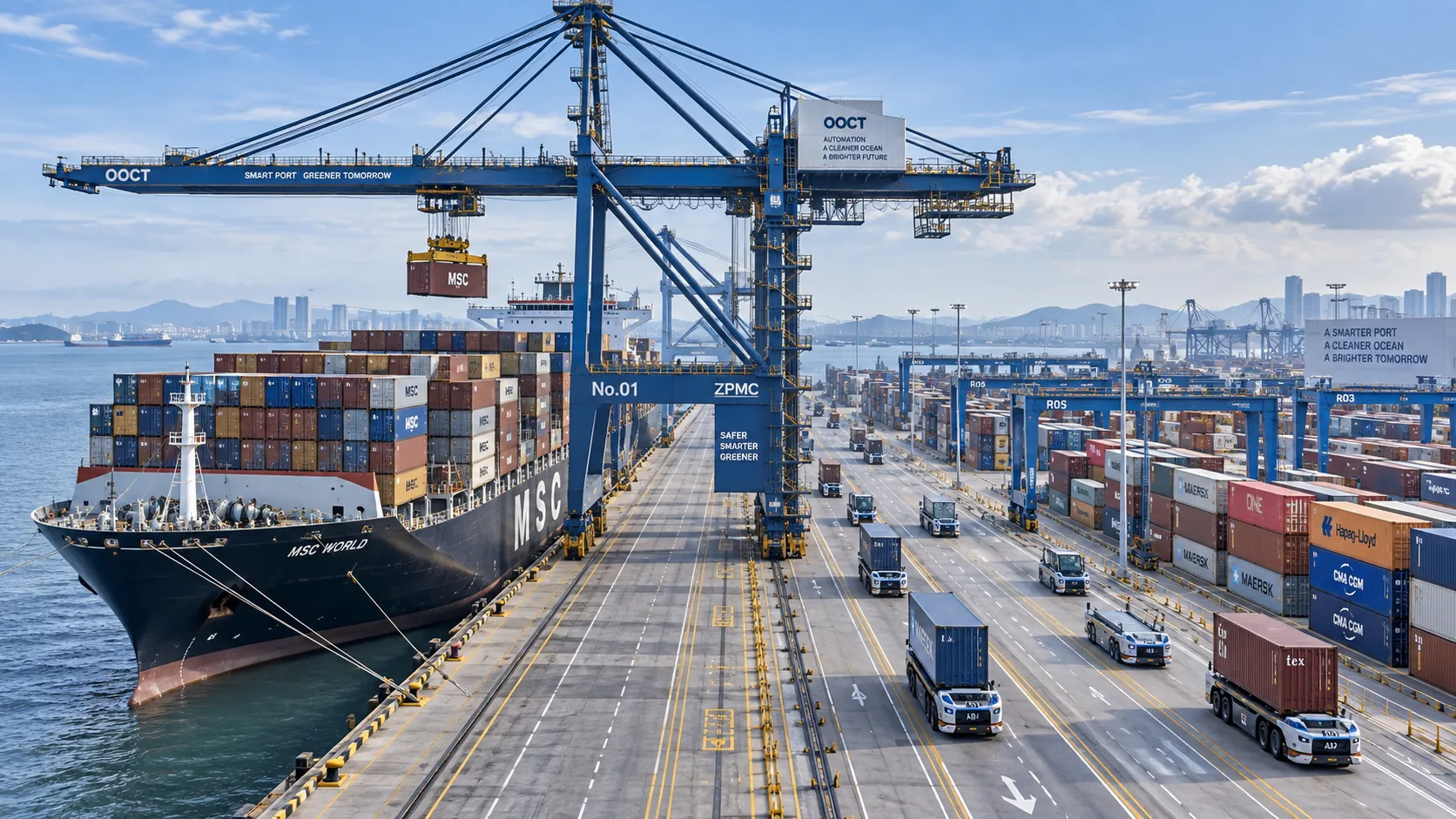
How to Specify a Quay Crane for Container Terminals by Vessel Size and Throughput?
Quay crane for container terminals: learn how to match outreach, lift height, capacity, automation, and cycle performance to vessel size and throughput goals.
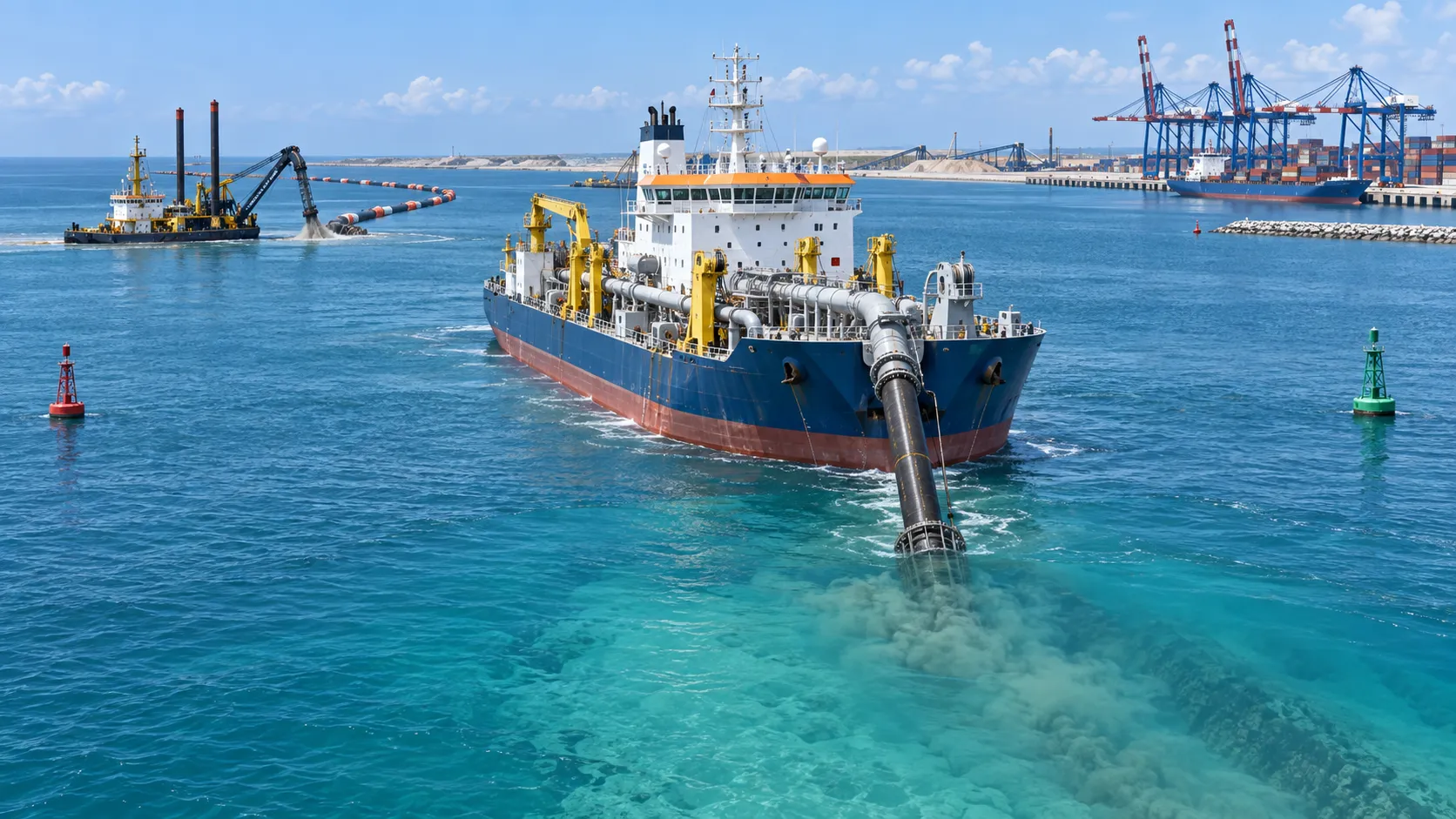
What Dredging Equipment Is Needed for Channel Deepening?
What dredging equipment is needed for channel deepening? Explore dredgers, pipelines, survey tools, and planning strategies for safer, more efficient port access.
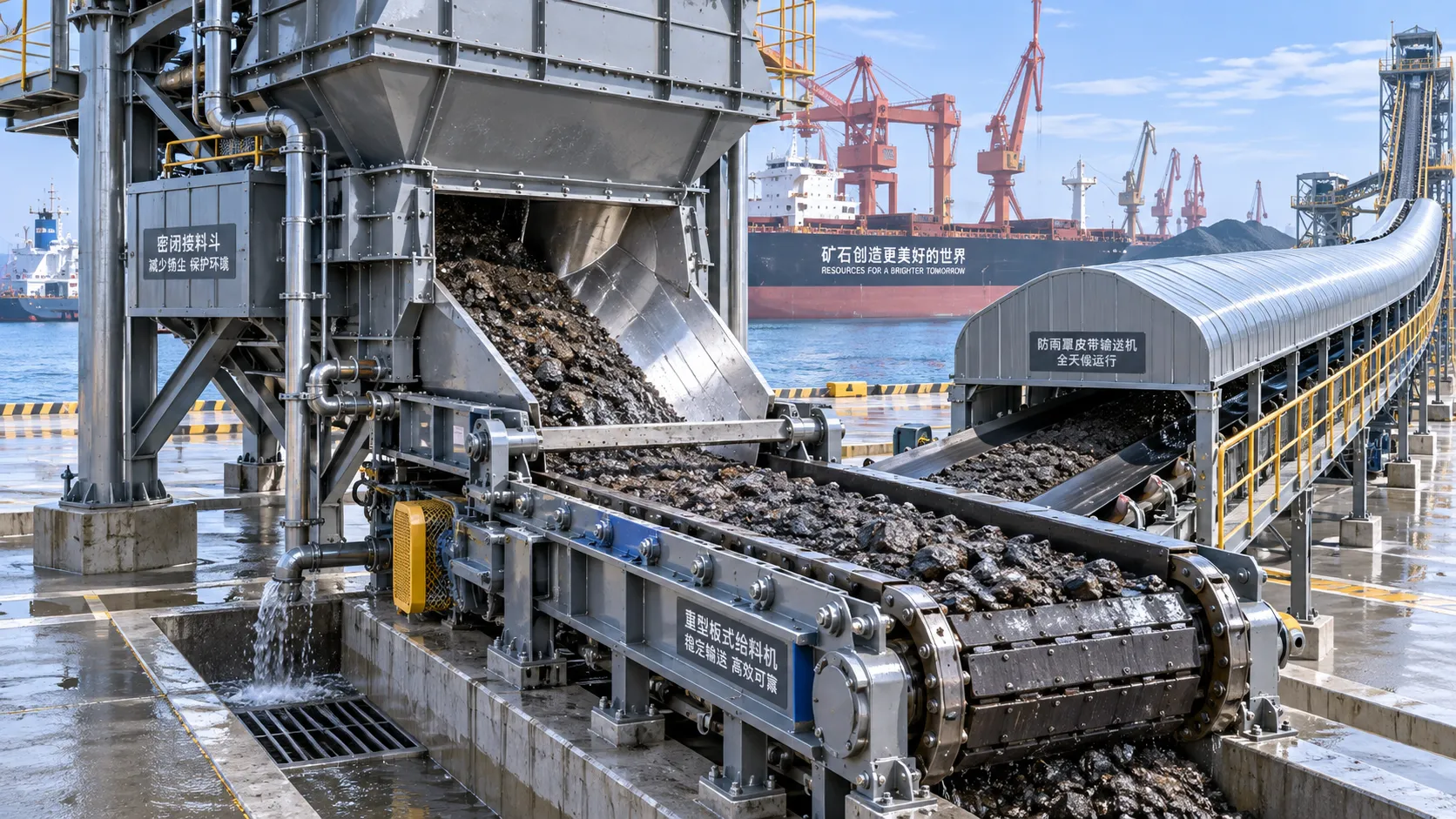
Which Bulk Handling Equipment Suits High-Moisture Cargo?
Which bulk handling equipment suits high-moisture cargo? Compare belt, apron, screw, drag, and slurry systems for reliable flow, less carryback, and higher terminal uptime.
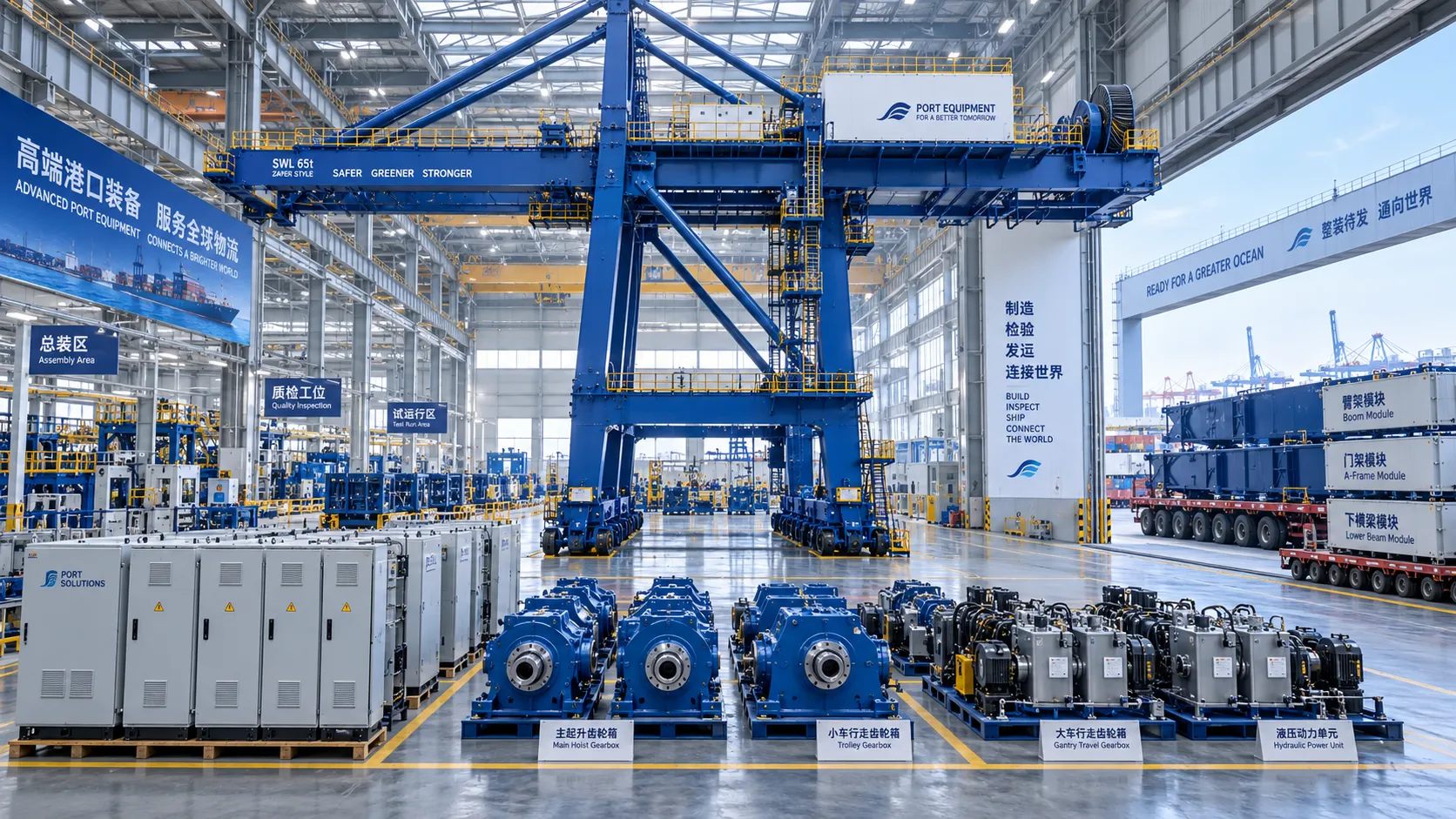
How Can Port Equipment Lead-Time Risk Be Managed?
How can port equipment lead-time risk be managed? Explore practical strategies to control critical paths, suppliers, transport, site readiness, and commissioning delays.
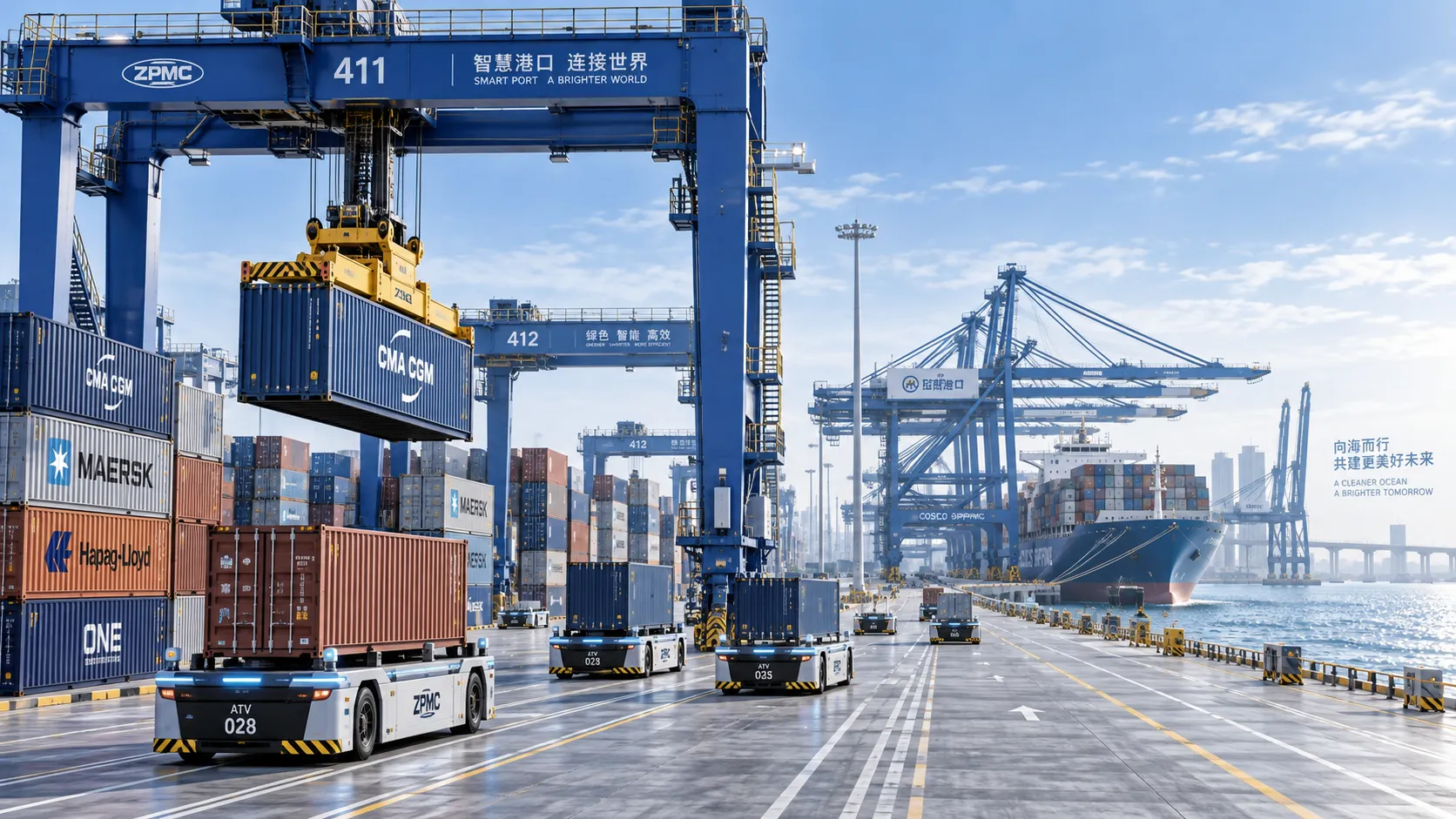
Terminal Automation Technologies That Raise Container Throughput Without Yard Disruption
Terminal automation technology that increases container throughput without disrupting yard flow. Explore smarter integration, resilient workflows, and phased deployment strategies.
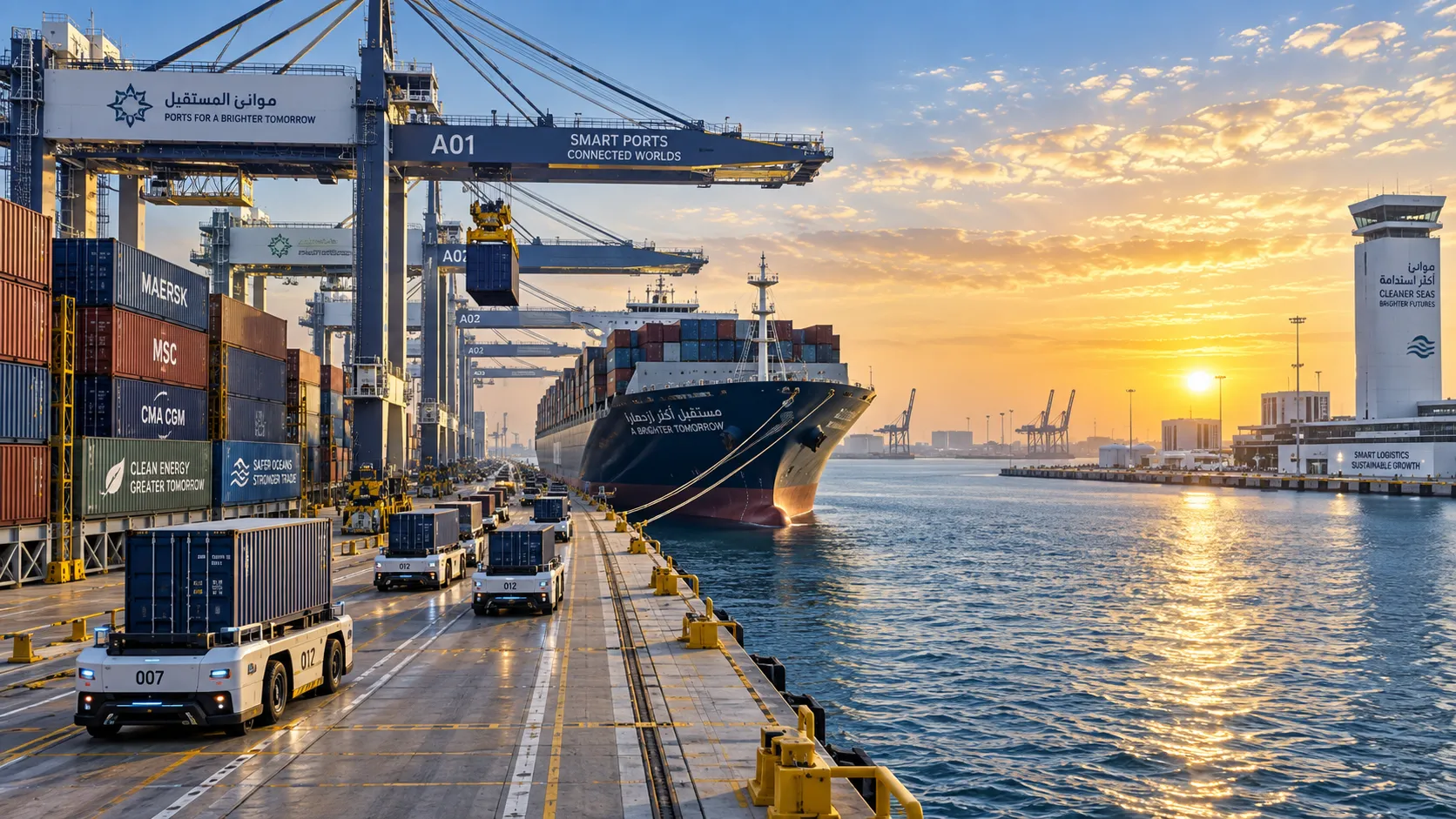
Middle East Port Automation: Key Market Drivers, Projects, and Investment Risks
Port automation systems Middle East: explore market drivers, flagship projects, integration challenges, and investment risks shaping smarter, resilient terminals.
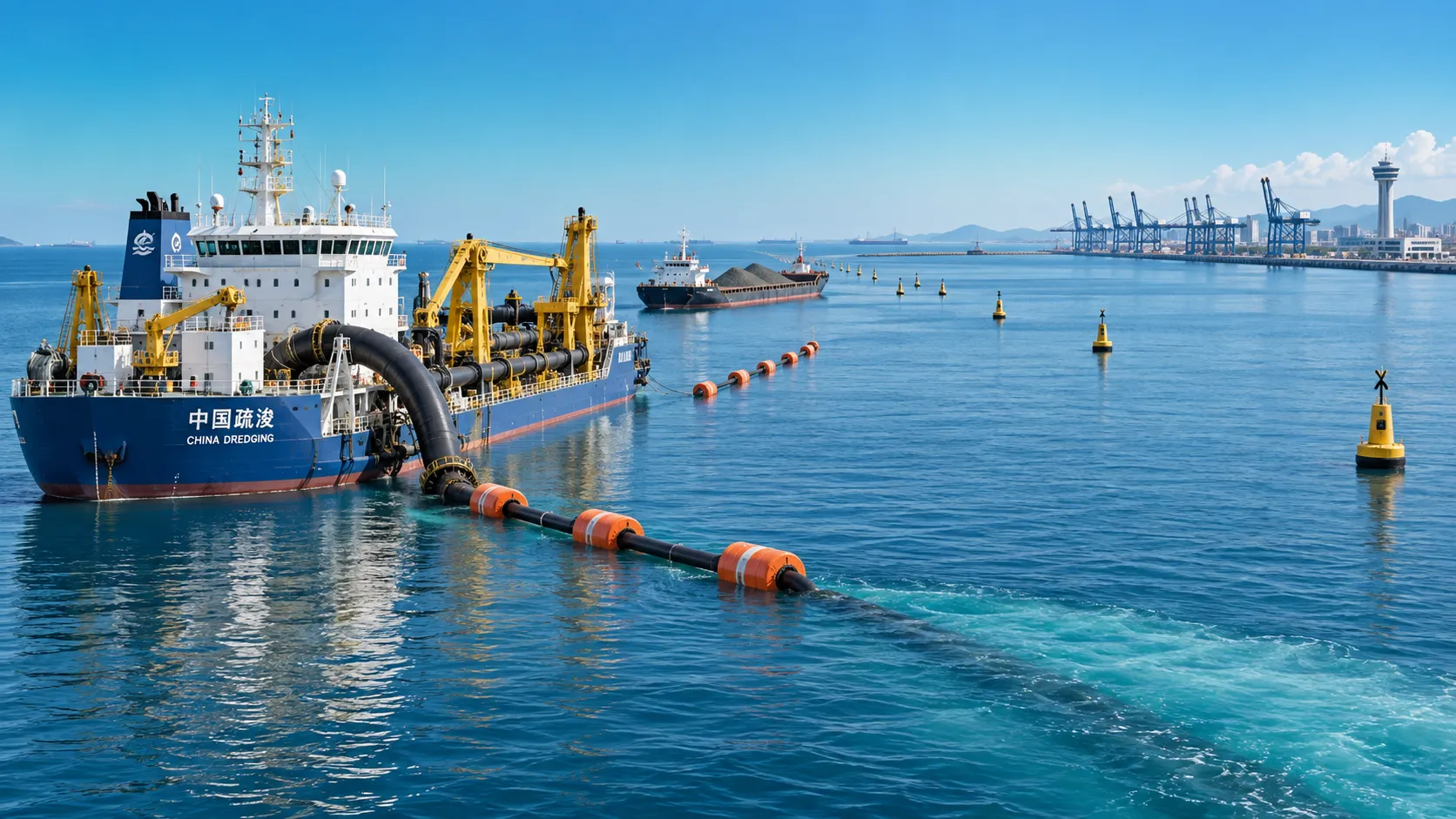
Planning Offshore Dredging Operations: Key Risks, Methods, and Project Controls
Offshore dredging operations demand smart planning. Explore key risks, proven methods, environmental controls, and project strategies for reliable delivery.