Related News
- 00
0000-00
How to Evaluate Terminal Efficiency Solution Suppliers for High-Throughput Operations - 00
0000-00
What to Consider When Buying Electric Port Machinery for Container Terminals - 00
0000-00
How to Select Container Handling Equipment for Middle East Ports and Terminals - 00
0000-00
How to Evaluate a Port Machinery Exporter for Large-Scale Terminal Projects - 00
0000-00
Evaluating a Dredging Equipment Manufacturer for Mining Plant Supply
What to Compare Before Choosing Port Logistics Solutions
Choosing the right port logistics solutions can directly affect procurement cost, cargo throughput, equipment compatibility, and long-term operational efficiency. For buyers evaluating terminal upgrades, automation systems, or integrated handling networks, comparing technical performance, scalability, maintenance support, and intelligence capabilities is essential. This guide outlines the key factors procurement teams should assess before making a strategic port logistics investment.
What should buyers compare first in port logistics solutions?
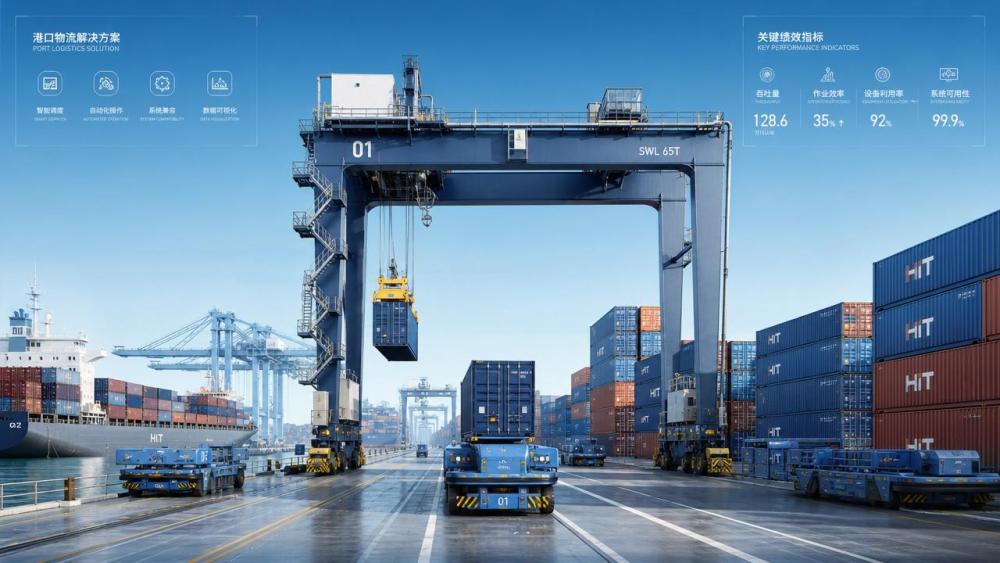
For procurement teams, the first mistake is comparing port logistics solutions only by purchase price. In reality, the lowest upfront quote can create higher lifecycle costs through equipment mismatch, software integration delays, spare parts dependency, or poor yard productivity. A better starting point is to compare operational fit against cargo profile, terminal layout, expected vessel size, and future automation targets.
Port logistics solutions may include quay-side handling systems, yard equipment, bulk transfer machinery, automated guided vehicles, control platforms, dredging support systems, and data intelligence layers. Because these assets interact across one logistics chain, buyers need a cross-functional view that covers mechanical, electrical, digital, and commercial considerations at the same time.
This is where intelligence-led evaluation becomes valuable. PS-Nexus focuses on the five pillars shaping modern maritime trade: mega port terminal gear, bulk handling machinery, specialized container handling, port automation and control systems, and dredging engineering equipment. For buyers, that means decision support can be built not only on supplier claims, but also on market movement, technical evolution, and port-side application logic.
- Compare throughput capability against actual peak-hour demand, not theoretical maximum output.
- Check interface compatibility with existing terminal operating systems, crane controls, and yard traffic logic.
- Review maintenance response model, local parts support, and digital diagnostics before approving procurement.
- Assess whether the solution supports phased expansion, energy transition, and automation upgrades.
A practical comparison framework for procurement teams
Before requesting final quotations, buyers should align internal stakeholders around one scorecard. Operations may prioritize berth productivity, engineering may focus on uptime and power systems, while finance may prioritize depreciation and total cost of ownership. A structured comparison reduces internal conflict and speeds supplier shortlisting.
The table below helps procurement teams evaluate port logistics solutions using metrics that matter during vendor comparison, technical clarification, and investment approval.
A scorecard like this helps buyers move beyond generic marketing language. It also supports more productive discussions with operations, engineering, and finance teams, especially when port logistics solutions involve both heavy mechanical systems and software-driven control layers.
Which application scenario changes the best solution choice?
Not every terminal needs the same port logistics solutions. A container gateway port, a bulk commodity terminal, a coastal feeder hub, and a dredging-supported expansion project all face different operating constraints. Buyers who ignore scenario differences often overbuy advanced features they will not use, or underbuy capacity that becomes a bottleneck within two years.
Common procurement scenarios
- Container terminal modernization: focus on yard density, crane synchronization, AGV routing, and remote operations.
- Bulk terminal efficiency upgrade: prioritize dust control, conveyor continuity, reclaiming speed, and equipment durability.
- Greenfield port development: evaluate master-system architecture, phased deployment, dredging coordination, and future expansion corridors.
- Existing port automation retrofit: compare interface complexity, downtime risk, cybersecurity, and operator retraining needs.
PS-Nexus is particularly relevant in these scenarios because procurement decisions increasingly depend on understanding how equipment, algorithms, and global trade patterns connect. A yard automation plan may fail if shipping lane shifts change volume concentration. A dredging equipment investment may lose value if fairway design does not align with larger vessel trends. Strategic intelligence helps buyers avoid these blind spots.
The next table compares how port logistics solutions should be prioritized across typical operating environments.
This comparison shows why a single benchmark rarely works. Buyers need to match port logistics solutions to operating reality, not just technical brochure claims. Scenario-led selection reduces procurement waste and improves implementation speed.
How to compare technical performance without missing hidden risks
Technical comparison should go beyond horsepower, lifting capacity, or rated speed. In port logistics solutions, true performance depends on how reliably a system performs under weather exposure, shift intensity, mixed cargo patterns, and interface load from connected equipment. Buyers should ask how performance changes at peak congestion, during maintenance windows, and under partial automation.
Performance metrics that matter
- Throughput stability: not just maximum output, but sustained output over a full shift or vessel call.
- Equipment availability: mean time between failures, planned downtime logic, and maintainability in marine conditions.
- Control responsiveness: communication delay, command accuracy, and synchronization across cranes, AGVs, or conveyor nodes.
- Energy performance: electrification path, power quality requirements, idle consumption, and emissions implications.
- Data visibility: alarms, equipment health monitoring, integration with analytics dashboards, and event traceability.
PS-Nexus tracks evolutionary trends such as low-latency communication for remote-controlled cranes, path-planning logic for AGVs, and digital pump monitoring for dredging systems. These are not abstract technology topics. They directly affect whether a buyer chooses a future-ready solution or buys an asset that becomes operationally rigid too soon.
Procurement teams should also confirm testing boundaries. A supplier may state strong cycle performance, but buyers need to know under what conditions that number was achieved. Ask whether figures assume ideal yard geometry, trained operators, limited vessel mix, or specific software versions.
What procurement teams should ask about cost, lifecycle value, and alternatives
Cost comparison in port logistics solutions should be built around total ownership, not only acquisition. Buyers often face pressure to keep capital expenditure low, but the more expensive option may create lower operational cost through reduced labor dependency, better uptime, and more predictable maintenance planning. The key is to break cost into measurable layers.
Main cost layers to compare
- Initial equipment and system procurement, including controls, software licenses, and commissioning support.
- Civil, electrical, and communication infrastructure upgrades required for deployment.
- Operator training, workflow redesign, and temporary productivity loss during changeover.
- Routine service, critical spares, firmware updates, and long-term technical support.
- Energy consumption, compliance upgrades, and expansion cost over the next planning cycle.
A useful alternative comparison is whether to fully replace a subsystem, retrofit selected assets, or add a digital coordination layer first. For example, a terminal may delay full equipment replacement by improving dispatch logic and remote monitoring, then phase in new hardware as traffic grows. In another case, mechanical replacement may be urgent because poor reliability is already hurting berth utilization.
Commercial insight matters here. PS-Nexus monitors structural demand shifts in automated port equipment and long-cycle infrastructure trade, helping buyers evaluate whether current pricing reflects temporary market tightness, longer-term technology transition, or supply-chain constraints affecting delivery and support.
Why standards, compliance, and integration questions should not be left to the end
Many procurement delays happen after technical approval, when teams discover missing compliance documents, interface uncertainty, or unclear site responsibilities. Port logistics solutions often sit at the intersection of marine operations, heavy machinery, electrical systems, and software control. That makes early compliance review essential.
Typical checkpoints before final purchase approval
- Safety design documentation for mechanical systems, electrical interfaces, and remote operation logic.
- Cybersecurity responsibilities for control systems connected to terminal networks.
- Environmental requirements related to emissions, noise, sediment handling, or energy use.
- Acceptance test scope, performance verification method, and warranty trigger conditions.
Where relevant, buyers may reference common international frameworks for machinery safety, electrical installation practice, marine operations, and environmental compliance. The exact applicability depends on country, port authority, project type, and contract structure, so early document review is better than late-stage correction.
Integration questions are equally important. If a supplier cannot clearly define interface ownership between yard systems, terminal software, sensors, and remote-control infrastructure, procurement risk rises sharply. Clarify responsibility for data mapping, field testing, and fault resolution before contract award.
Common mistakes buyers make when evaluating port logistics solutions
Even experienced procurement teams can overlook details when schedules are tight. The most common issue is buying based on isolated equipment performance rather than system outcome. A faster crane, for example, does not improve port flow if yard dispatch, gate rhythm, or software logic remains constrained.
Frequent evaluation errors
- Treating automation as a feature purchase rather than an operating model change.
- Accepting nominal capacity figures without checking real operating assumptions.
- Ignoring spare parts localization and technician availability in remote port regions.
- Underestimating software integration time compared with mechanical installation time.
- Failing to align investment timing with expected trade volume, vessel mix, and expansion plans.
Buyers can reduce these mistakes by combining internal engineering review with external intelligence. PS-Nexus adds value by connecting equipment trends, control architecture developments, and commercial signals across maritime logistics. That broader view is especially useful when procurement decisions have a long asset life and limited room for reversal.
FAQ: what do procurement teams ask most often?
How do I shortlist port logistics solutions quickly without sacrificing quality?
Start with four filters: application fit, throughput target, integration complexity, and support model. If a solution does not fit the cargo profile or cannot connect reliably with existing operations, it should not move forward, even if the price is attractive. A first-round matrix usually removes weak options faster than open-ended vendor discussions.
Are automated port logistics solutions always better than conventional systems?
No. Automation creates value when volume is sufficient, labor structure supports change, and terminal layout allows stable digital coordination. In smaller or mixed-use ports, selective automation or decision-support layers may produce better returns than full autonomous deployment. Buyers should compare operating context before assuming more automation is automatically better.
What should be confirmed before requesting a final quotation?
Confirm site conditions, interface scope, utility requirements, commissioning responsibilities, acceptance criteria, training expectations, spare parts scope, and expected delivery windows. Final quotations become more meaningful when suppliers price against the same technical baseline rather than different assumptions.
How long does implementation usually take?
The timeline varies by scope. Software-led optimization or monitoring upgrades may move faster than large-scale mechanical replacement or dredging-related expansion works. Buyers should separate manufacturing lead time, site preparation, integration testing, and operator ramp-up when comparing project schedules.
Why consult PS-Nexus before finalizing a procurement decision?
Large port investments rarely fail because of one obvious mistake. They fail because mechanical capability, digital control, infrastructure readiness, and market timing are assessed in isolation. PS-Nexus helps procurement teams connect these variables through specialized intelligence covering heavy terminal gear, automated container handling, bulk machinery, port control systems, and dredging engineering.
If your team is comparing port logistics solutions, you can consult PS-Nexus on practical decision points such as parameter confirmation, equipment and system selection logic, likely delivery constraints, phased deployment planning, automation readiness, compliance considerations, and commercial trend interpretation. This is especially useful for buyers managing long-cycle projects where one procurement choice affects operations for years.
Contact PS-Nexus when you need support with solution comparison, technical clarification, project scoping, supplier evaluation, integration questions, or budget-level planning. A stronger decision starts with clearer assumptions, sharper benchmarks, and a better understanding of how port logistics solutions will perform in your real operating environment.
- heavy terminal gear
- automated container handling
- maritime logistics
- mega port terminal
- bulk handling machinery
- specialized container handling
- port automation
- control systems
- dredging equipment
- evolutionary trends
- remote-controlled cranes
- AGVs
- digital pump monitoring
- terminal operating systems
- automated guided vehicles
- terminal efficiency
- port logistics solutions
Related News
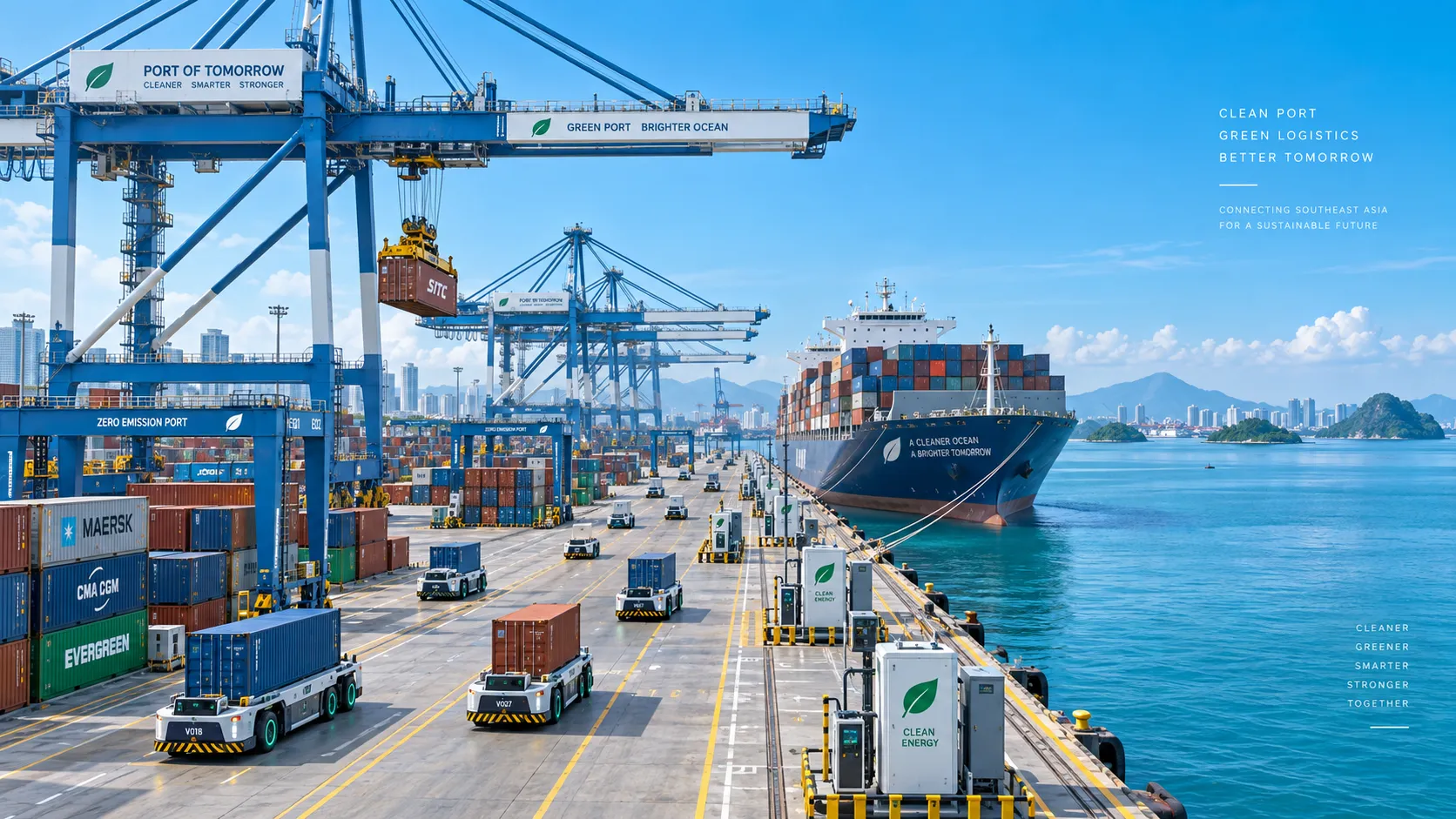
Smart Port Systems in Southeast Asia: Investment Priorities and Adoption Barriers
Smart port systems Southeast Asia: discover investment priorities, adoption barriers, and practical steps to build resilient, connected, high-performing terminals.

How to Evaluate Terminal Efficiency Solution Suppliers for High-Throughput Operations
Choose a terminal efficiency solutions supplier with confidence. Explore proven criteria for throughput, integration, lifecycle cost, safety, and reliable delivery.
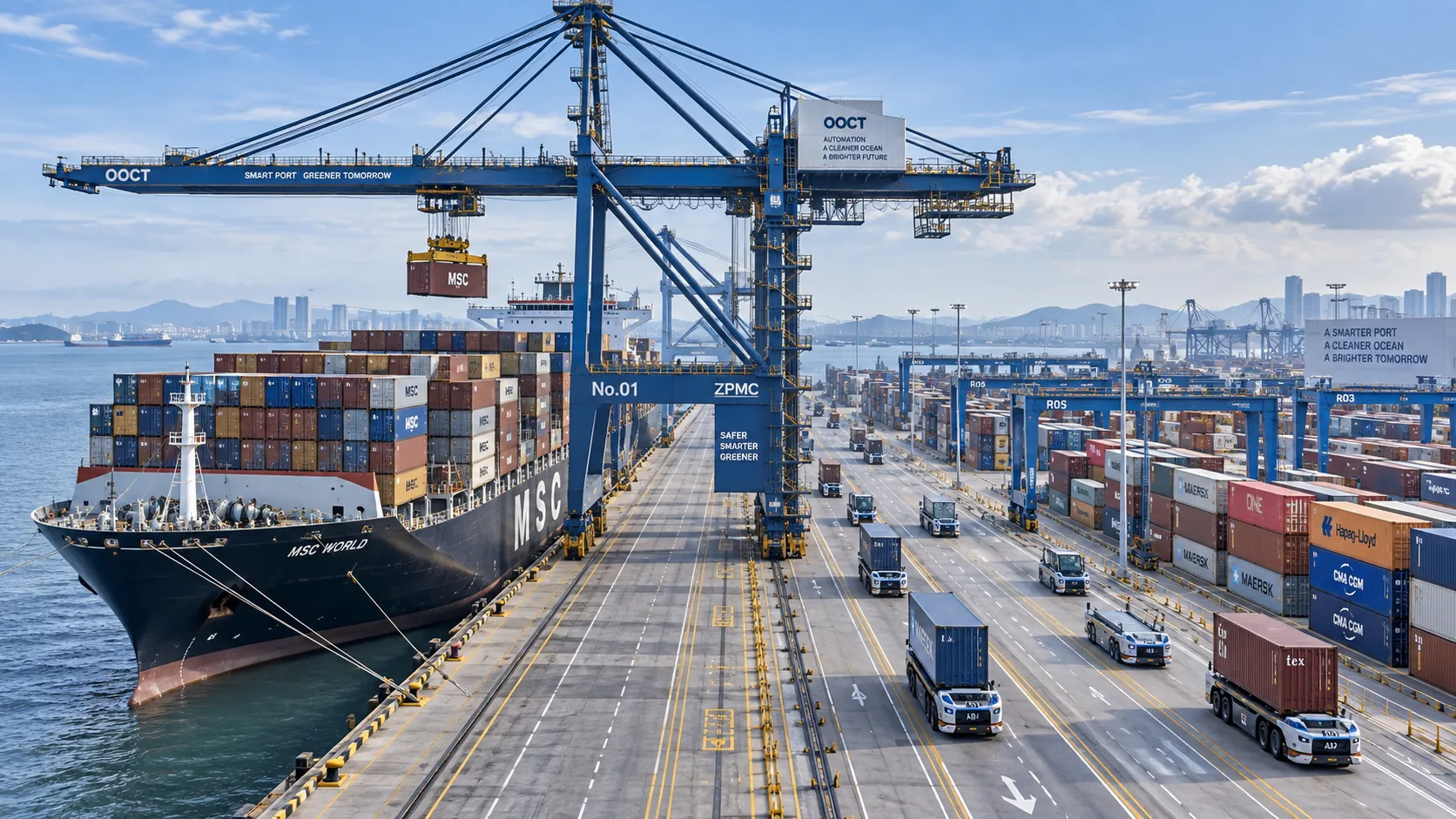
How to Specify a Quay Crane for Container Terminals by Vessel Size and Throughput?
Quay crane for container terminals: learn how to match outreach, lift height, capacity, automation, and cycle performance to vessel size and throughput goals.
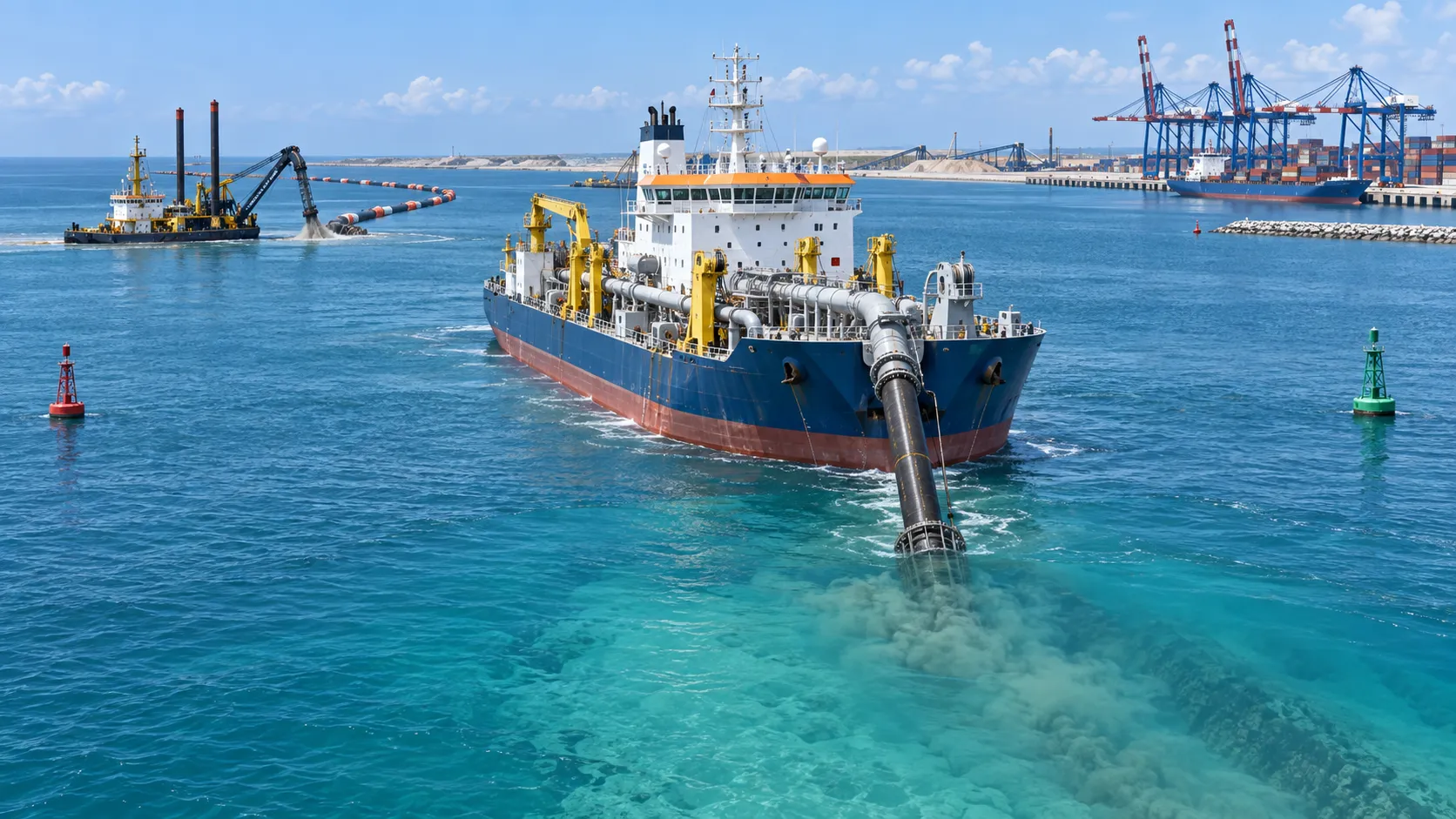
What Dredging Equipment Is Needed for Channel Deepening?
What dredging equipment is needed for channel deepening? Explore dredgers, pipelines, survey tools, and planning strategies for safer, more efficient port access.
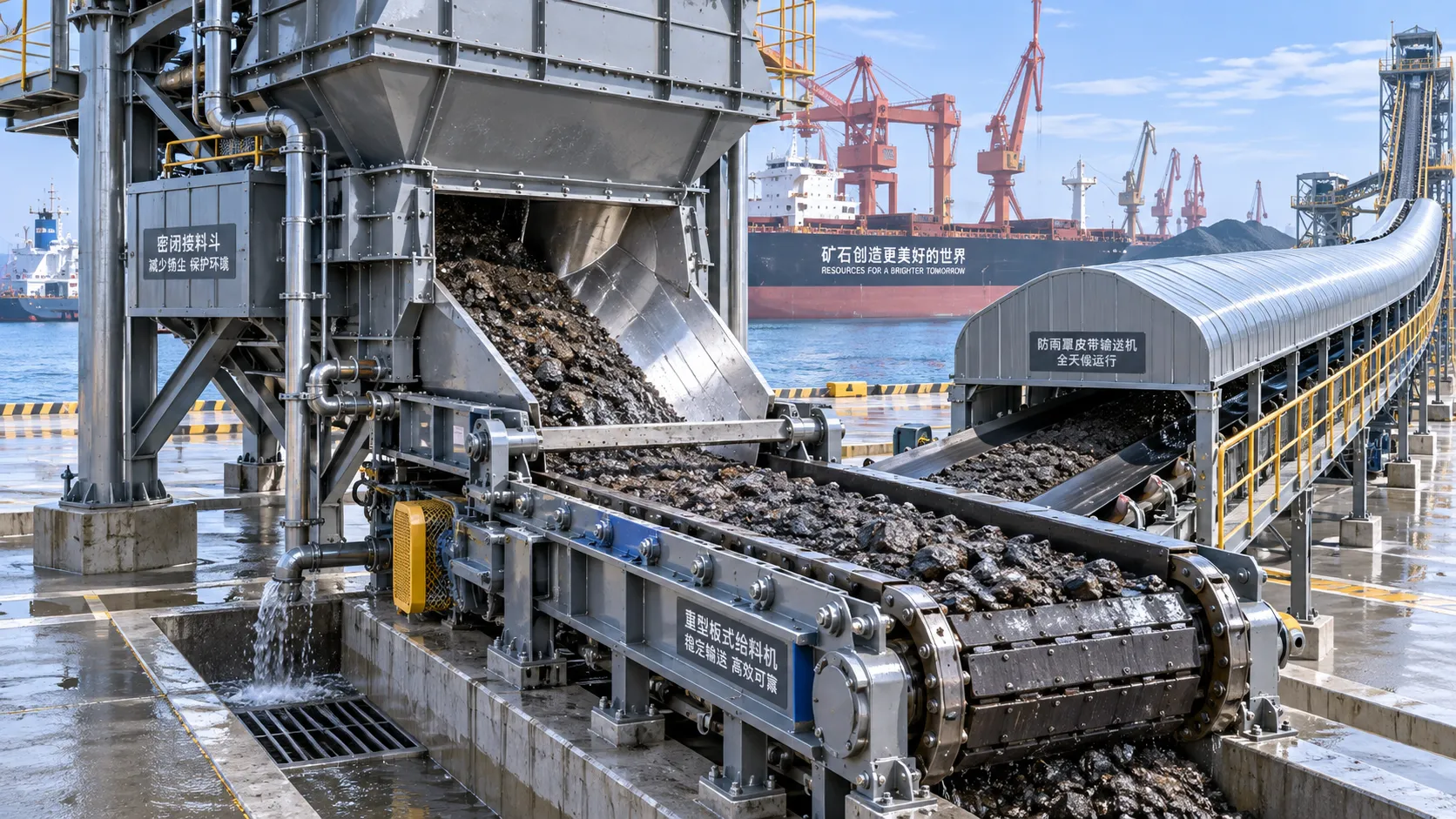
Which Bulk Handling Equipment Suits High-Moisture Cargo?
Which bulk handling equipment suits high-moisture cargo? Compare belt, apron, screw, drag, and slurry systems for reliable flow, less carryback, and higher terminal uptime.
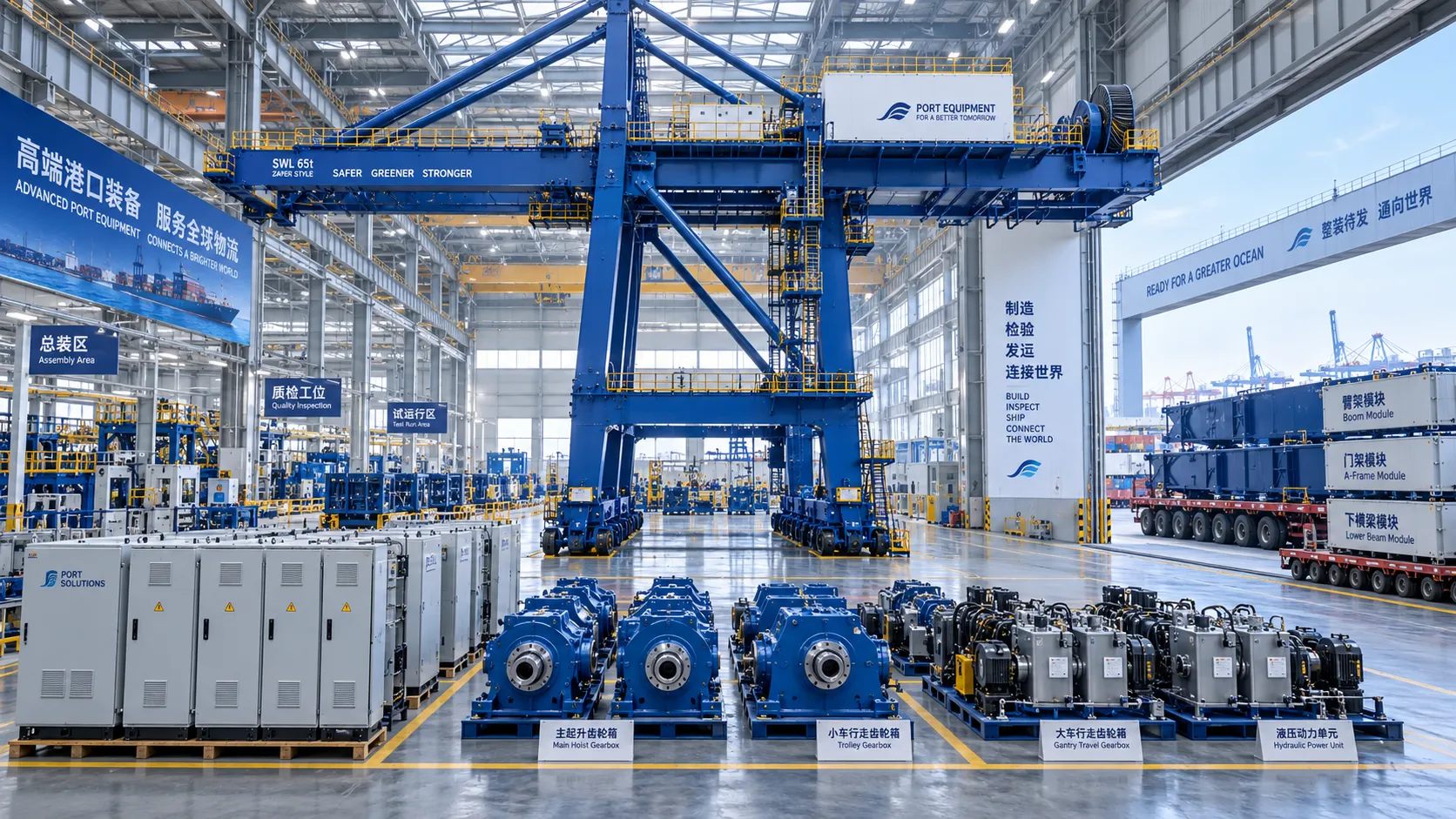
How Can Port Equipment Lead-Time Risk Be Managed?
How can port equipment lead-time risk be managed? Explore practical strategies to control critical paths, suppliers, transport, site readiness, and commissioning delays.
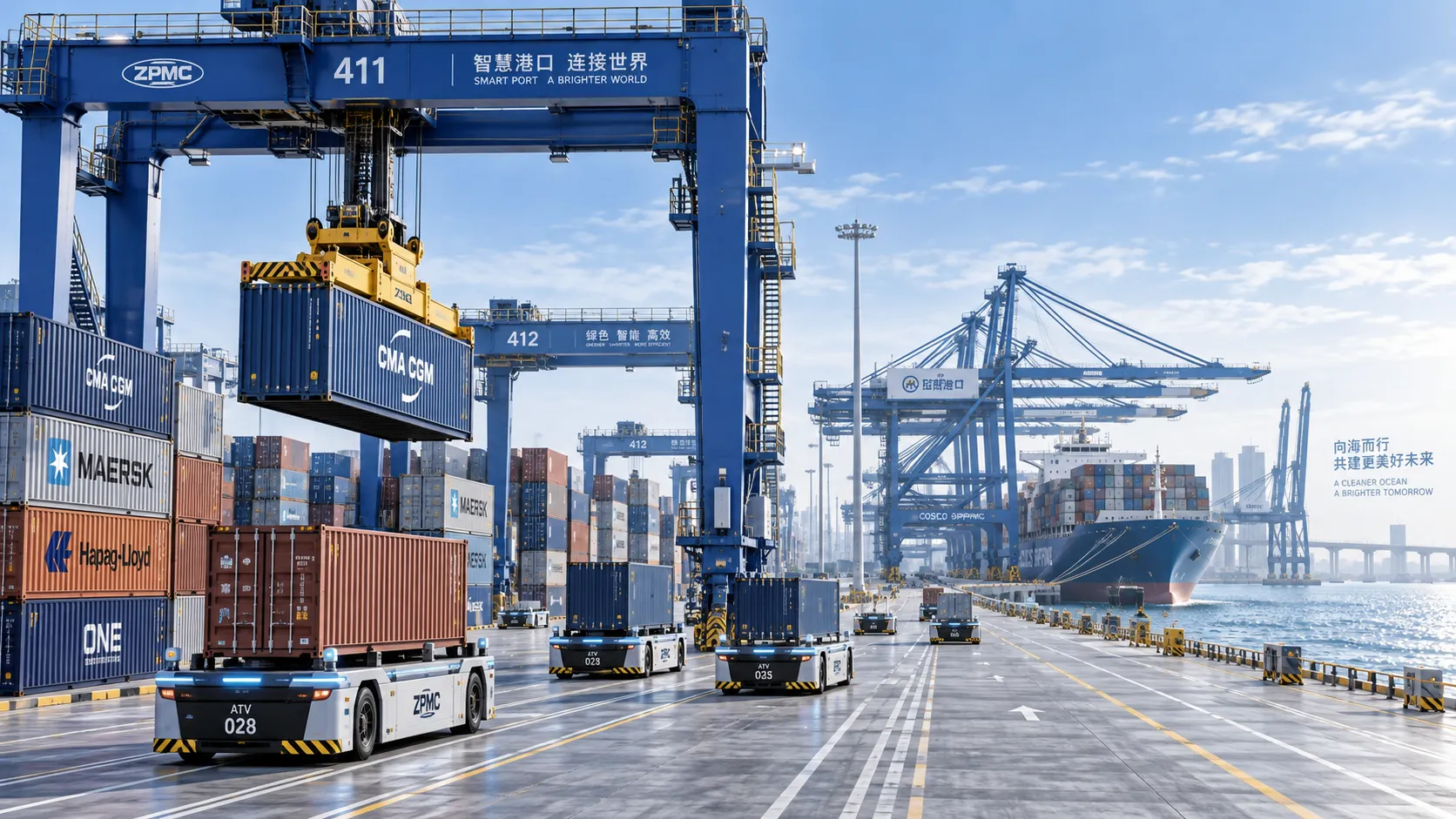
Terminal Automation Technologies That Raise Container Throughput Without Yard Disruption
Terminal automation technology that increases container throughput without disrupting yard flow. Explore smarter integration, resilient workflows, and phased deployment strategies.
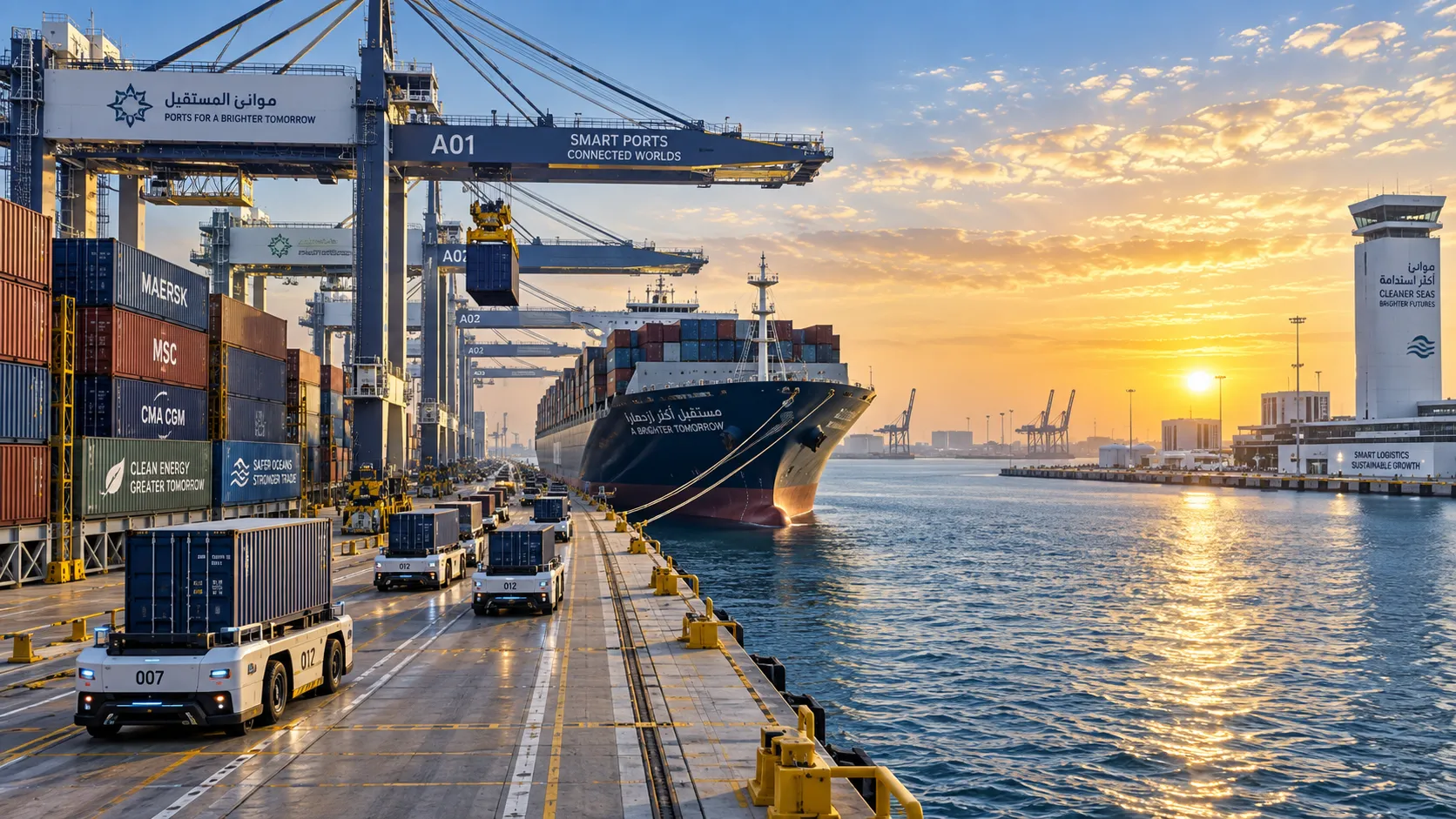
Middle East Port Automation: Key Market Drivers, Projects, and Investment Risks
Port automation systems Middle East: explore market drivers, flagship projects, integration challenges, and investment risks shaping smarter, resilient terminals.
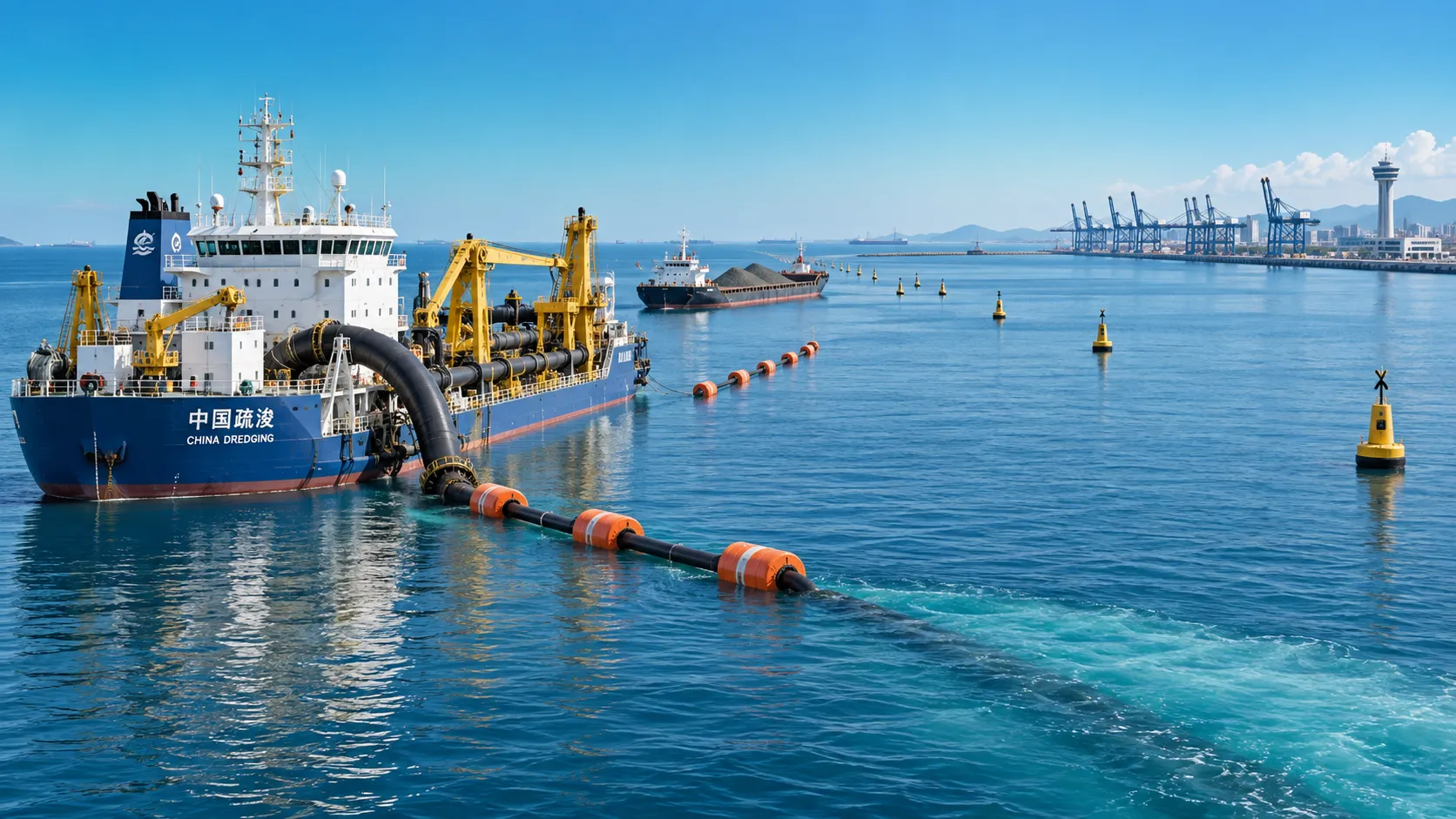
Planning Offshore Dredging Operations: Key Risks, Methods, and Project Controls
Offshore dredging operations demand smart planning. Explore key risks, proven methods, environmental controls, and project strategies for reliable delivery.