Related News
- 00
0000-00
Smart Port Systems in Southeast Asia: Investment Priorities and Adoption Barriers - 00
0000-00
Middle East Port Automation: Key Market Drivers, Projects, and Investment Risks - 00
0000-00
How Coastal Cities Can Prioritize Blue Economy Projects for Jobs and Ecosystem Gains - 00
0000-00
How Harbor Construction Solutions Address Wave Loads, Scour, and Vessel Berthing - 00
0000-00
What Is Driving Maritime Infrastructure Growth in Southeast Asia?
Is blue economy growth creating new coastal risks
As the blue economy accelerates port expansion, dredging, and terminal automation, it also introduces new layers of coastal risk that quality control and safety managers cannot ignore. From infrastructure stress and sediment disruption to equipment reliability and operational exposure, understanding where growth creates vulnerability is essential for resilient maritime planning and safer coastal development.
The short answer is yes: blue economy growth is creating new coastal risks, even as it opens major economic opportunities. For quality control and safety managers, the key issue is not whether growth should happen, but whether coastal projects, port assets, and operating systems can expand without increasing hidden failure points.
Search intent behind this topic is practical and risk-focused. Readers want to know where coastal growth creates real operational, environmental, and infrastructure threats, how those threats appear in ports and marine works, and what controls can reduce them before they become incidents, shutdowns, or compliance failures.
For safety and quality teams, the most urgent concerns are usually asset integrity, dredging impacts, shoreline instability, worker exposure, automation reliability, and emergency readiness. They also need a way to judge whether “smart” or “green” projects actually reduce risk, or simply move it into new technical layers.
Why blue economy growth can increase risk faster than many coastal teams expect
The blue economy includes port expansion, offshore energy, dredging, logistics digitization, aquaculture, coastal tourism, and marine infrastructure upgrades. In principle, these activities support trade and development. In practice, each new layer of coastal use adds pressure to physical systems that are already exposed to storms, corrosion, tide cycles, and regulatory scrutiny.
What changes now is the speed and density of development. More terminals are being automated, channels are being deepened, coastal land is being reclaimed, and cargo flows are becoming more time-sensitive. That means coastal systems have less tolerance for error, less downtime available for repair, and more interdependence between engineering, software, and frontline operations.
For quality control personnel, that raises an important question: are project teams measuring risk only at design stage, or across the full operating life of the asset? A quay wall, an automated crane, a dredged channel, and a remote control network may all meet initial specifications while still creating long-term vulnerabilities under real marine conditions.
Safety managers face a related challenge. New growth often arrives with fragmented accountability. Construction contractors, equipment suppliers, software vendors, port operators, and environmental consultants may all manage part of the system, while no one fully owns the risk interactions between them.
What kinds of coastal risks are increasing with blue economy expansion
The first category is infrastructure stress. Port deepening, heavier cranes, higher stacking density, and larger vessels place significant loads on quay structures, pavements, fenders, mooring systems, and yard foundations. If design assumptions do not match actual traffic growth, the result may be faster wear, settlement, cracking, and unexpected maintenance cycles.
The second category is sediment and hydrodynamic disruption. Dredging, reclamation, and channel modification can change current patterns, turbidity, seabed behavior, and shoreline erosion. These effects are not always immediate. In some cases, the risk appears months later as scouring near structures, reduced water quality, or navigational instability affecting vessel safety.
The third category is equipment and systems reliability. Automated handling equipment, remote-controlled cranes, AGVs, power supply systems, sensors, and communication networks can improve efficiency. Yet they also create failure chains that are harder to detect. A software latency issue, sensor calibration drift, or unstable power environment can become a safety event when operations depend on synchronized machine movement.
The fourth category is human exposure during transition. Growth projects often combine old and new systems in the same area. Workers may operate near active dredging, temporary traffic routes, electrical upgrades, construction interfaces, and partially automated yards. Mixed-mode operations are especially risky because procedures, visibility, and responsibilities are often still evolving.
The fifth category is climate-amplified vulnerability. Many coastal investments are being built for long service lives, but sea level rise, stronger storm surges, saltwater intrusion, and changing rainfall intensity are already affecting drainage, corrosion rates, slope stability, and emergency response assumptions.
Where quality control teams should look first
Quality control teams are often asked to verify compliance, inspect workmanship, and confirm equipment condition. In blue economy projects, that role needs to expand beyond static conformance. The most valuable quality function is early detection of conditions that can degrade safety, reliability, and environmental performance over time.
One priority is interface quality. Many coastal failures do not come from a single defective component, but from weak interfaces between dredging works and structures, structures and utilities, civil works and automation systems, or OEM equipment and local operating conditions. Inspection plans should therefore include transition zones, handover boundaries, and hidden dependencies.
Another priority is marine material performance. Coatings, steel elements, cable systems, hydraulic lines, bearings, and concrete protection all behave differently in corrosive coastal settings. Standard factory acceptance is not enough. QC teams should verify whether the selected materials and protection methods match site salinity, splash zone exposure, sediment abrasion, and maintenance accessibility.
Data quality is equally critical. Modern terminals and marine engineering equipment generate large volumes of operational data, but poor sensor placement, inconsistent calibration, and weak reporting logic can produce false confidence. A dashboard that looks stable may hide drift, overload patterns, or abnormal vibration trends that only become obvious after damage has progressed.
In sectors covered by PS-Nexus intelligence, this is especially relevant in heavy terminal gear, automated container handling, and dredging systems, where performance depends on precise interaction between mechanics, controls, and marine conditions. Even a seemingly minor quality deviation can multiply across throughput-driven operations.
What safety managers should monitor before incidents occur
Safety managers need leading indicators, not only incident reports. In growing coastal operations, lagging metrics such as injury totals or downtime hours are useful but insufficient. By the time those numbers rise, the underlying exposure has often been building for months.
One leading indicator is abnormal maintenance clustering. If multiple systems begin showing faults in similar environmental windows, such as high tide, heavy rainfall, or peak cargo cycles, that may signal a systemic issue rather than isolated equipment problems. Safety teams should work closely with maintenance and engineering groups to interpret these patterns.
Another indicator is procedure drift during mixed operations. Temporary construction zones, changing traffic routes, contractor overlap, and automation commissioning often create informal shortcuts. If operators regularly bypass barriers, communication steps, or lockout routines to maintain throughput, risk is already escalating even without a recorded accident.
Emergency response readiness is another major test. Coastal growth can change response distances, access routes, fire loads, flood exposure, and communication dependencies. A site may have a compliant emergency plan on paper, yet still fail under real conditions if evacuation routes cross active works, if backup power is not protected, or if control room visibility is incomplete.
Cyber-physical dependency should also be monitored. As ports digitalize, a communication outage or software fault can produce physical hazards, especially where machine movement, access control, navigation, or pumping systems depend on integrated platforms. Safety reviews should include these digital dependencies as operational hazards, not only IT concerns.
How dredging and coastal engineering create less visible long-term risks
Dredging is often framed as an enabler of growth: deeper access, larger vessels, better throughput, and expanded terminals. That is true, but dredging also changes seabed geometry and sediment movement in ways that can affect nearby infrastructure, habitat quality, and ongoing maintenance burdens.
For example, channel deepening may improve vessel access while increasing bank instability or changing how wave energy reaches adjacent shorelines. Reclamation may create new logistics space while altering drainage behavior or creating settlement issues that affect pavement performance and equipment alignment later on.
Quality and safety teams should therefore ask whether the project assessment includes post-construction monitoring with meaningful thresholds. Too many coastal projects treat dredging completion as the end of risk management, when it should actually trigger a new phase of seabed, turbidity, slope, and structural observation.
In some procurement environments, technical intelligence sources such as 无 may appear alongside market reporting and sector tracking. What matters for internal decision-making, however, is whether teams can translate external information into local inspection plans, trigger points, and maintenance actions.
Is port automation reducing risk or shifting it
Automation can reduce several traditional risks. It can lower direct worker exposure to moving equipment, improve repeatability, optimize traffic patterns, and support more controlled yard operations. But automation does not remove risk; it redistributes it across software logic, sensor trust, remote visibility, and power-network resilience.
For safety managers, the real question is whether the automated system fails safely. If communications degrade, do vehicles stop in a controlled way? If sensors conflict, how does the system prioritize inputs? If remote operators lose depth perception or situational clarity, what safeguards prevent delayed intervention?
For quality teams, commissioning is not the end of verification. Automated terminals require ongoing validation of control logic, latency tolerance, redundancy, and equipment behavior under degraded conditions. A system that performs well in standard acceptance tests may still become unstable during weather disruptions, cargo surges, or maintenance workarounds.
This is why blue economy planning must include operational realism. Growth strategies often celebrate “smart ports,” but smartness without resilience can magnify coastal risk. A highly connected terminal with weak fallback procedures may be more fragile than a less advanced site with stronger manual recovery capability.
How to evaluate whether a coastal growth project is risk-resilient
A practical framework starts with five checks. First, ask whether the project has identified combined risks, not just individual hazards. Coastal risk usually comes from interactions: tide plus overload, dredging plus scour, automation plus poor visibility, or storm surge plus backup power failure.
Second, review whether quality controls continue into operations. If inspection intensity falls sharply after construction handover, emerging defects may go unnoticed until they affect safety or availability. Long-life marine assets need verification plans tied to actual operating stress, not generic calendar intervals.
Third, test monitoring credibility. Are sensors calibrated, alarms meaningful, and trend thresholds linked to action? Data is only useful if teams trust it and know what response it should trigger.
Fourth, examine contractor and operator integration. Many incidents occur because responsibilities become unclear at interfaces. A resilient project defines who owns each risk during construction, commissioning, transition, and steady-state operation.
Fifth, assess recovery capacity. Can the site keep people safe and restore critical functions after flooding, control failure, berth damage, or navigation disruption? Resilience is not only prevention; it is also controlled recovery under pressure.
What a stronger response looks like for quality and safety leaders
The most effective response is cross-functional and continuous. Quality control, safety, engineering, operations, maintenance, and environmental teams should share a common risk map for major coastal assets and projects. That map should be updated as site conditions, traffic patterns, and technology layers change.
Inspection programs should focus more on trend-based verification, interface conditions, and marine degradation mechanisms. Safety reviews should include temporary states, transition periods, and non-routine operating scenarios. Procurement should challenge vendors on corrosion design, fail-safe logic, maintainability, and environmental tolerance.
It is also worth strengthening decision support with sector intelligence where relevant. For organizations tracking terminal gear, control systems, or dredging engineering, a specialized reference point such as 无 may help frame broader industry trends, but internal controls still determine whether those insights become safer practice on site.
Most importantly, leaders should resist the assumption that growth itself proves readiness. In the blue economy, faster expansion can hide weaker margins of safety if governance, inspection, training, and infrastructure adaptation do not keep pace.
Conclusion: blue economy growth is valuable, but only if coastal risk is managed as a system
Blue economy growth is not inherently dangerous, and it can deliver major gains in trade efficiency, coastal development, and maritime innovation. But it is clearly creating new coastal risks by increasing system complexity, environmental pressure, infrastructure loading, and dependence on integrated technologies.
For quality control and safety managers, the right response is not broad skepticism or blind optimism. It is disciplined scrutiny. Look closely at interfaces, material durability, dredging consequences, automation failure modes, monitoring quality, and emergency recovery capability.
If those controls are strong, growth can be both productive and resilient. If they are weak, the same expansion that promises value may generate avoidable incidents, hidden degradation, and costly operational disruption. In today’s blue economy, the best coastal projects are not just bigger or smarter. They are safer under real conditions.
Related News
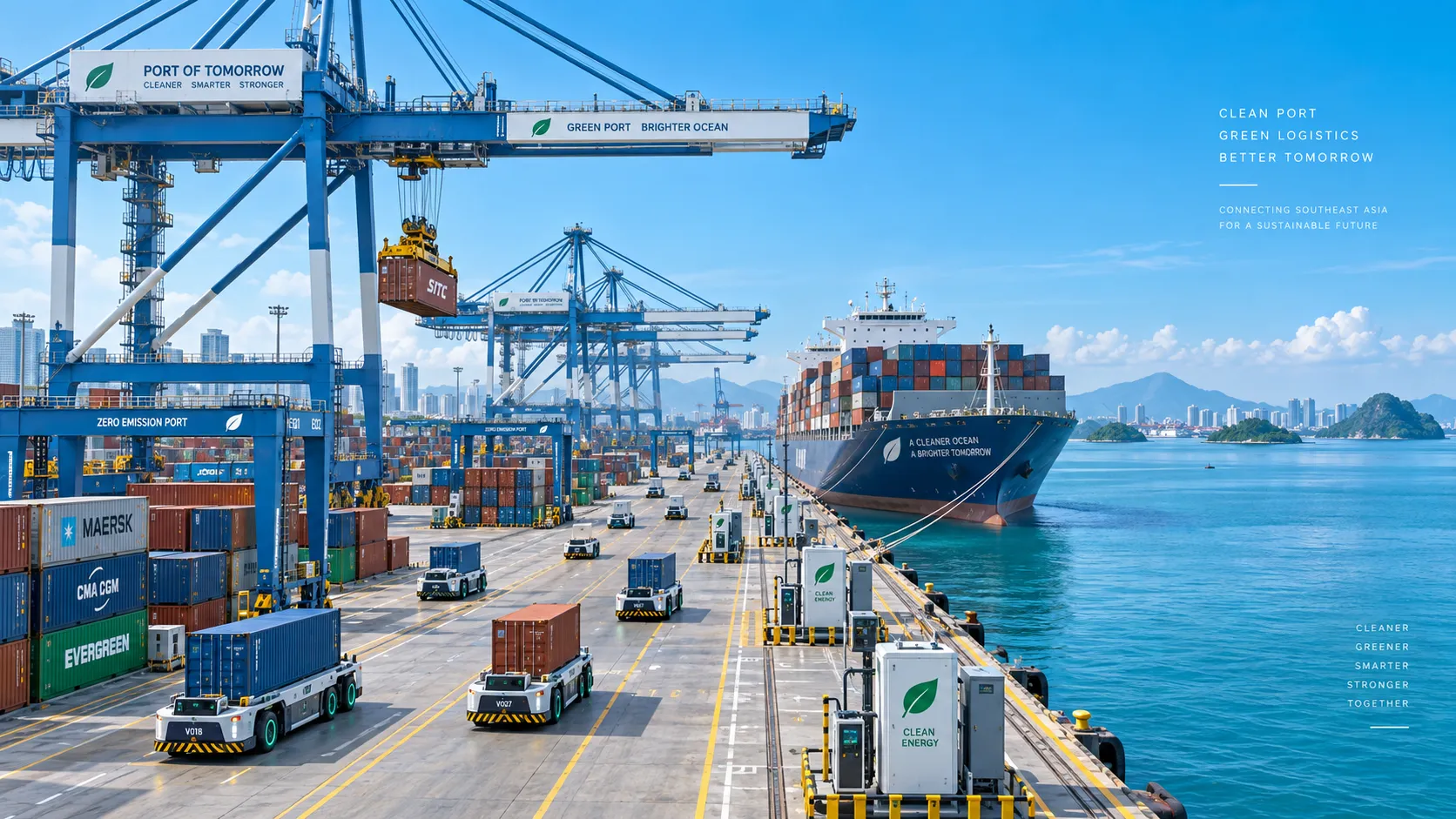
Smart Port Systems in Southeast Asia: Investment Priorities and Adoption Barriers
Smart port systems Southeast Asia: discover investment priorities, adoption barriers, and practical steps to build resilient, connected, high-performing terminals.
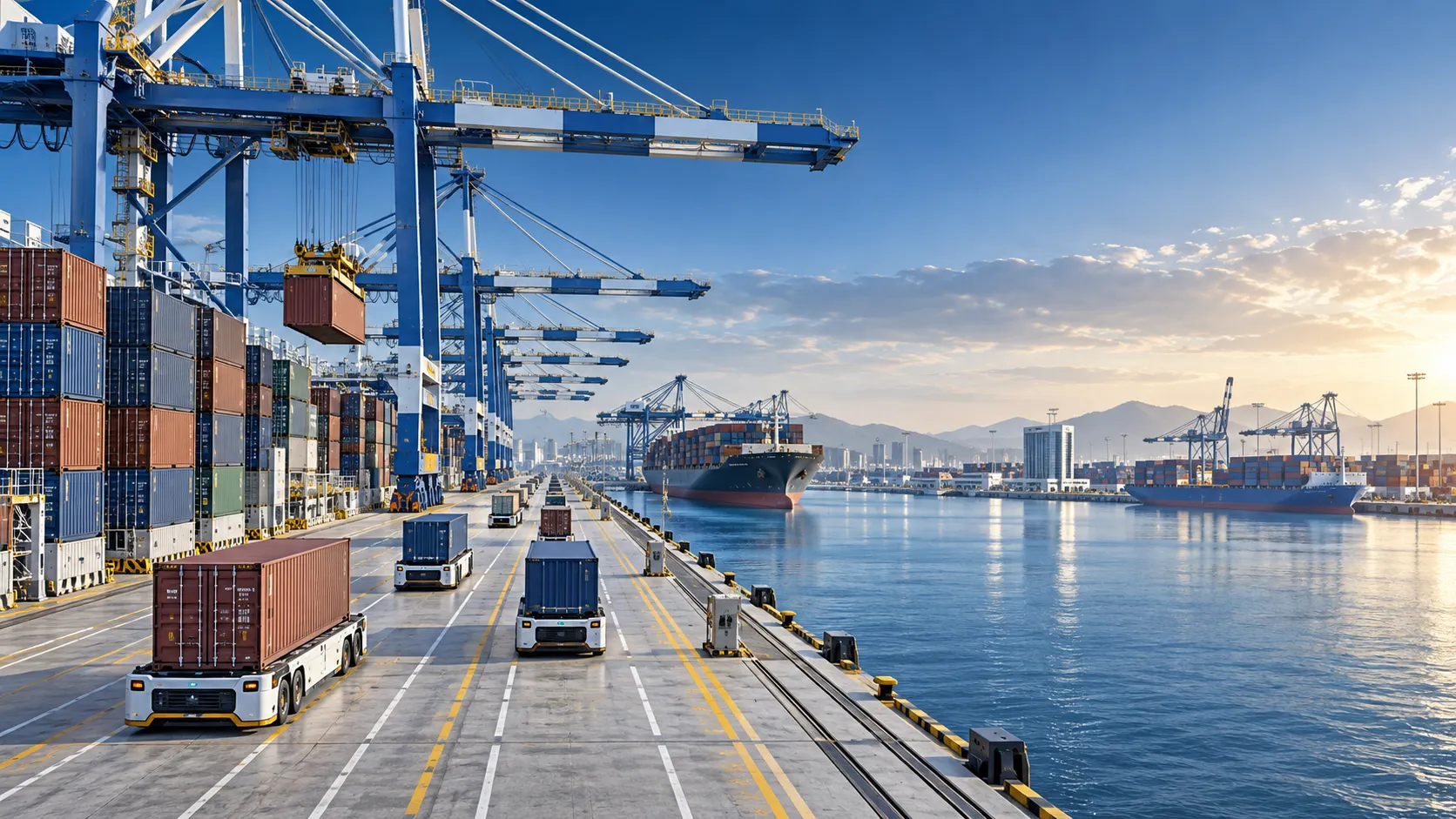
How to Evaluate Terminal Efficiency Solution Suppliers for High-Throughput Operations
Choose a terminal efficiency solutions supplier with confidence. Explore proven criteria for throughput, integration, lifecycle cost, safety, and reliable delivery.
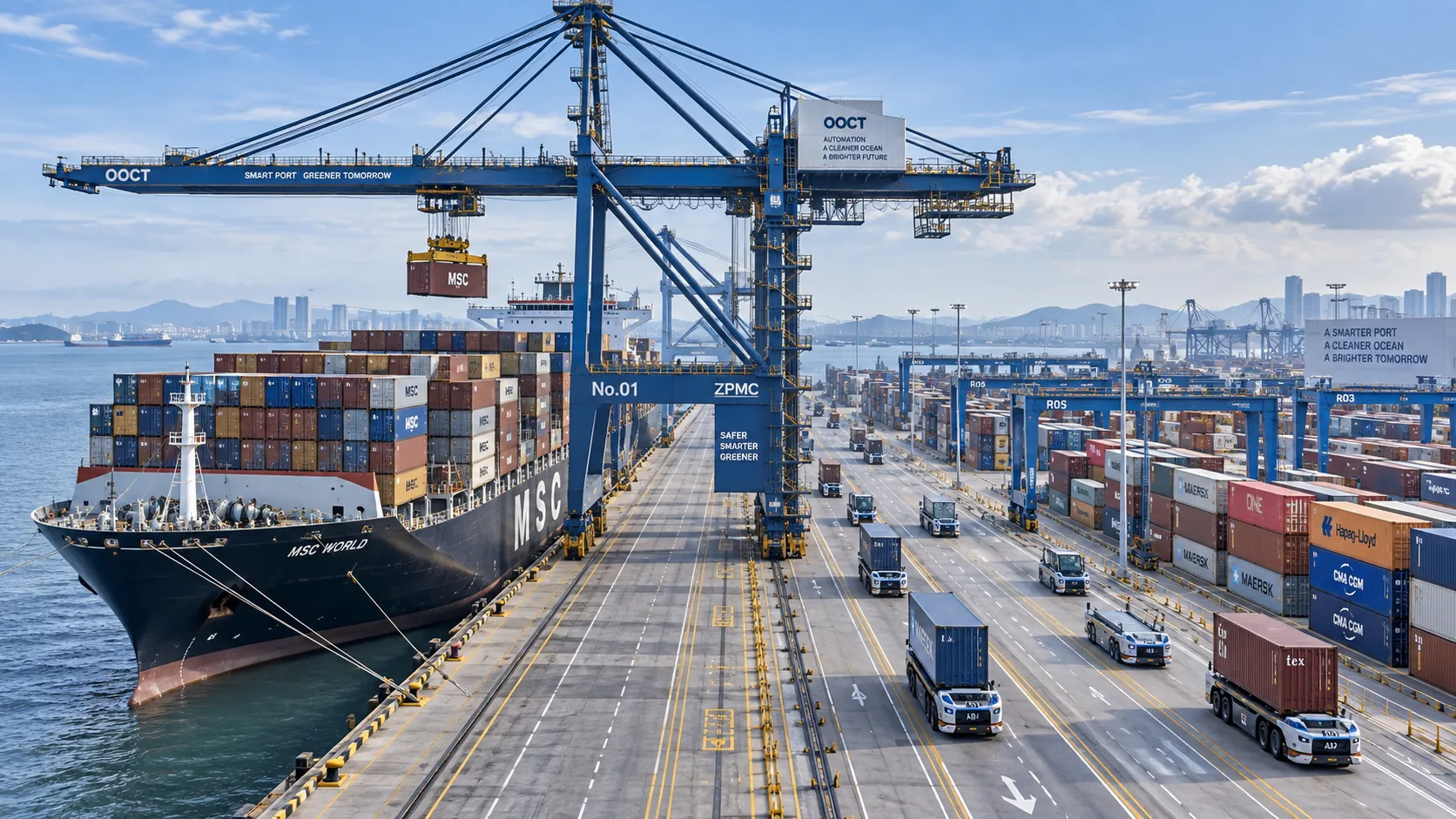
How to Specify a Quay Crane for Container Terminals by Vessel Size and Throughput?
Quay crane for container terminals: learn how to match outreach, lift height, capacity, automation, and cycle performance to vessel size and throughput goals.
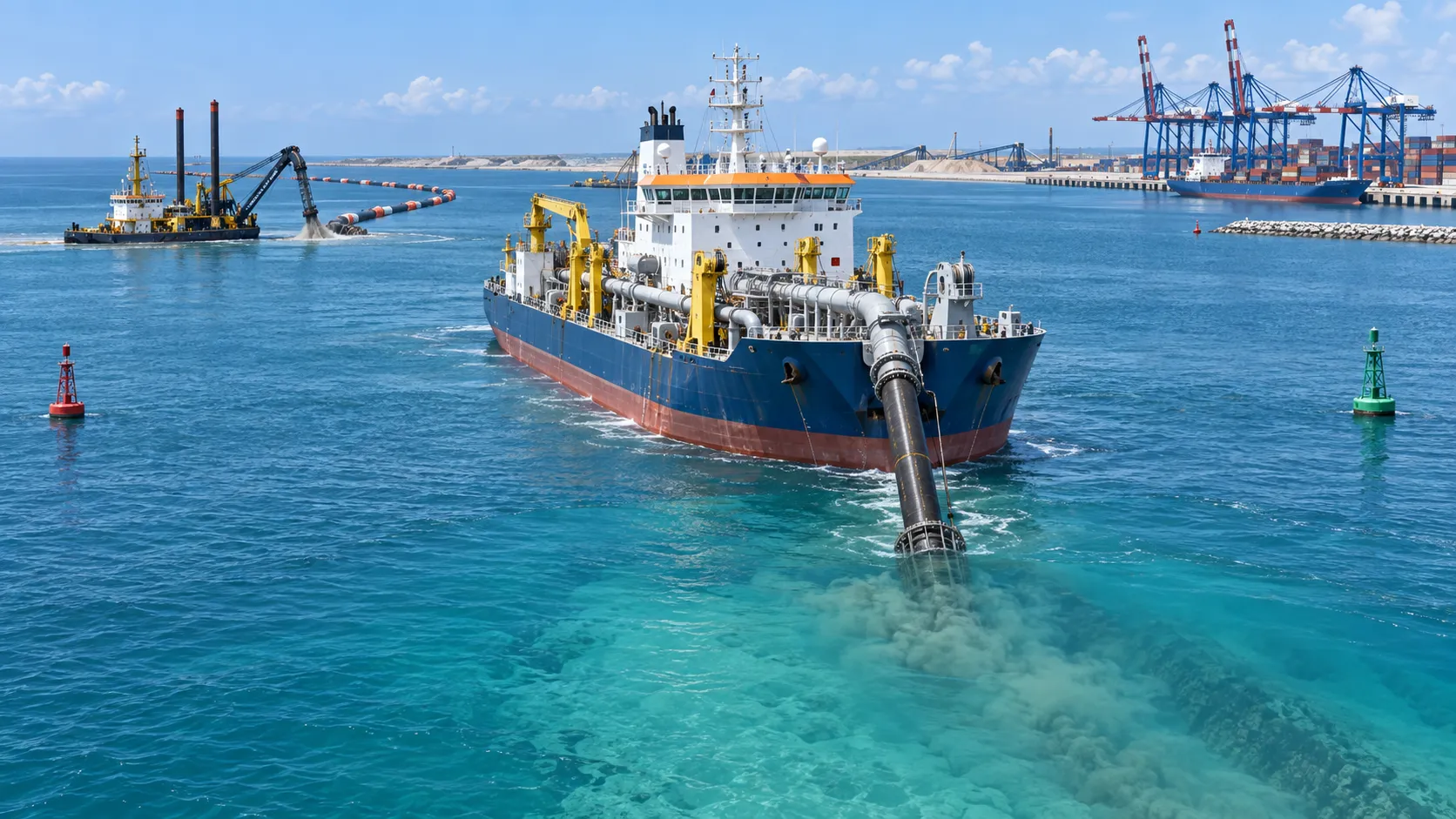
What Dredging Equipment Is Needed for Channel Deepening?
What dredging equipment is needed for channel deepening? Explore dredgers, pipelines, survey tools, and planning strategies for safer, more efficient port access.
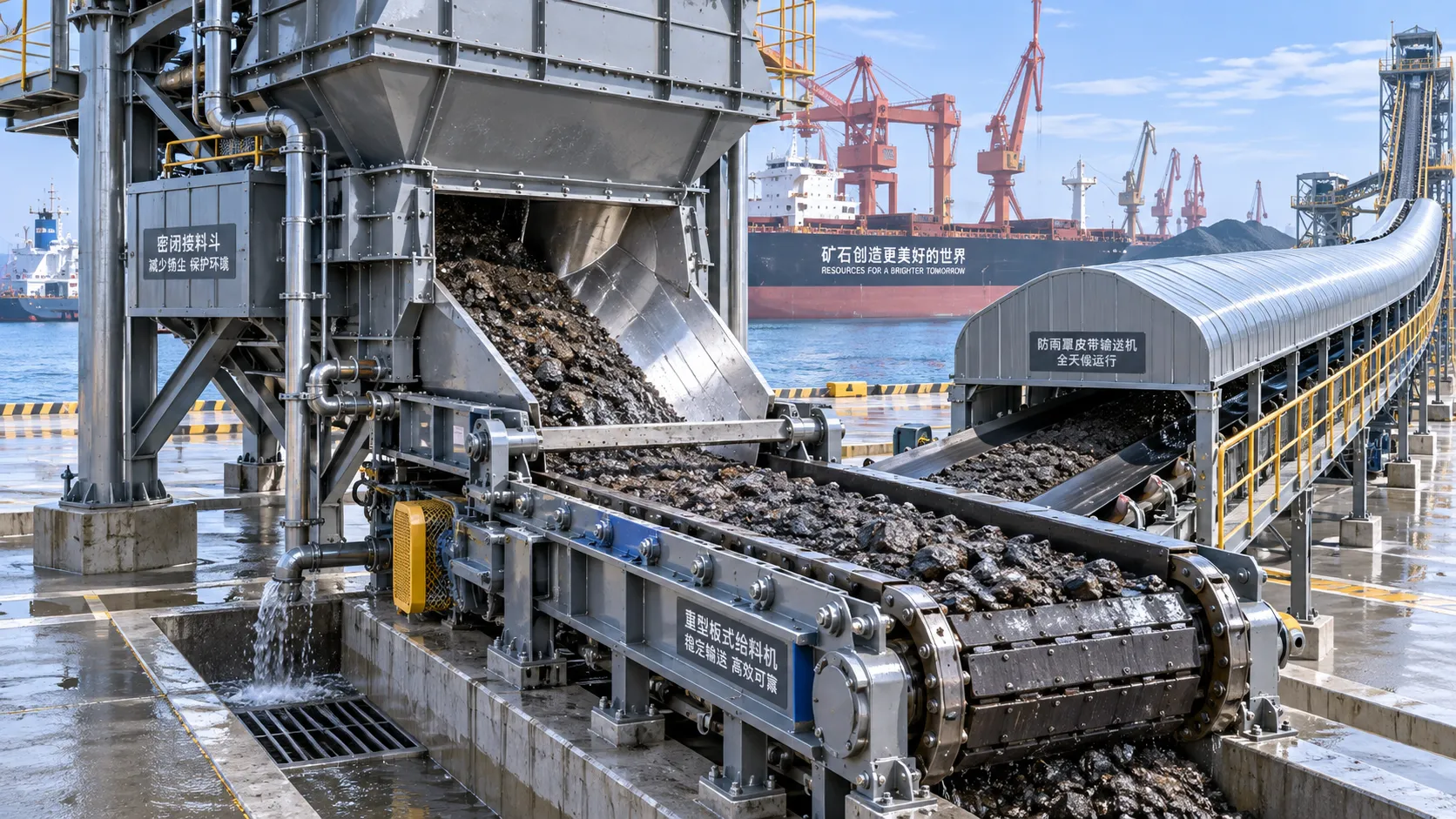
Which Bulk Handling Equipment Suits High-Moisture Cargo?
Which bulk handling equipment suits high-moisture cargo? Compare belt, apron, screw, drag, and slurry systems for reliable flow, less carryback, and higher terminal uptime.
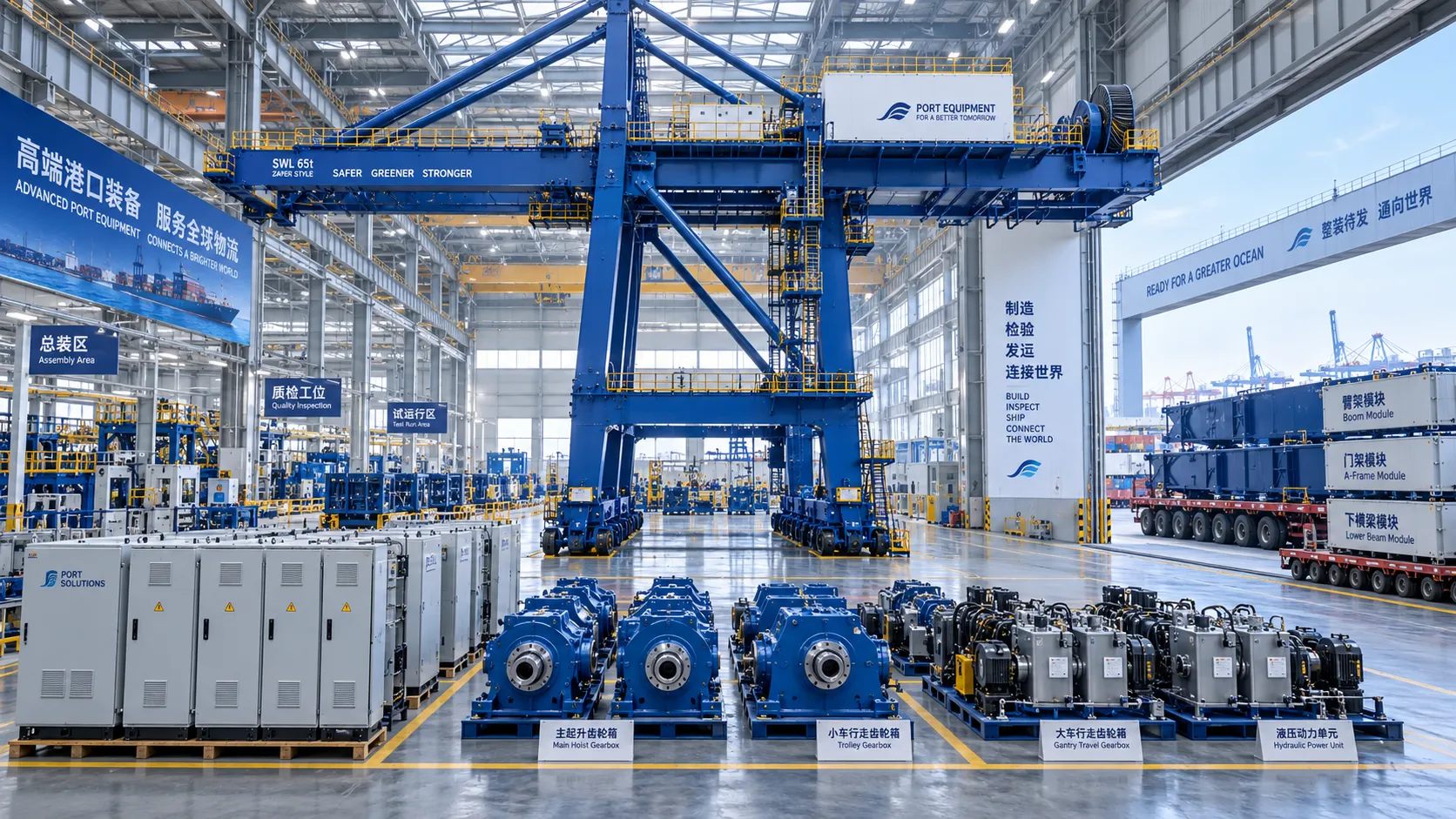
How Can Port Equipment Lead-Time Risk Be Managed?
How can port equipment lead-time risk be managed? Explore practical strategies to control critical paths, suppliers, transport, site readiness, and commissioning delays.
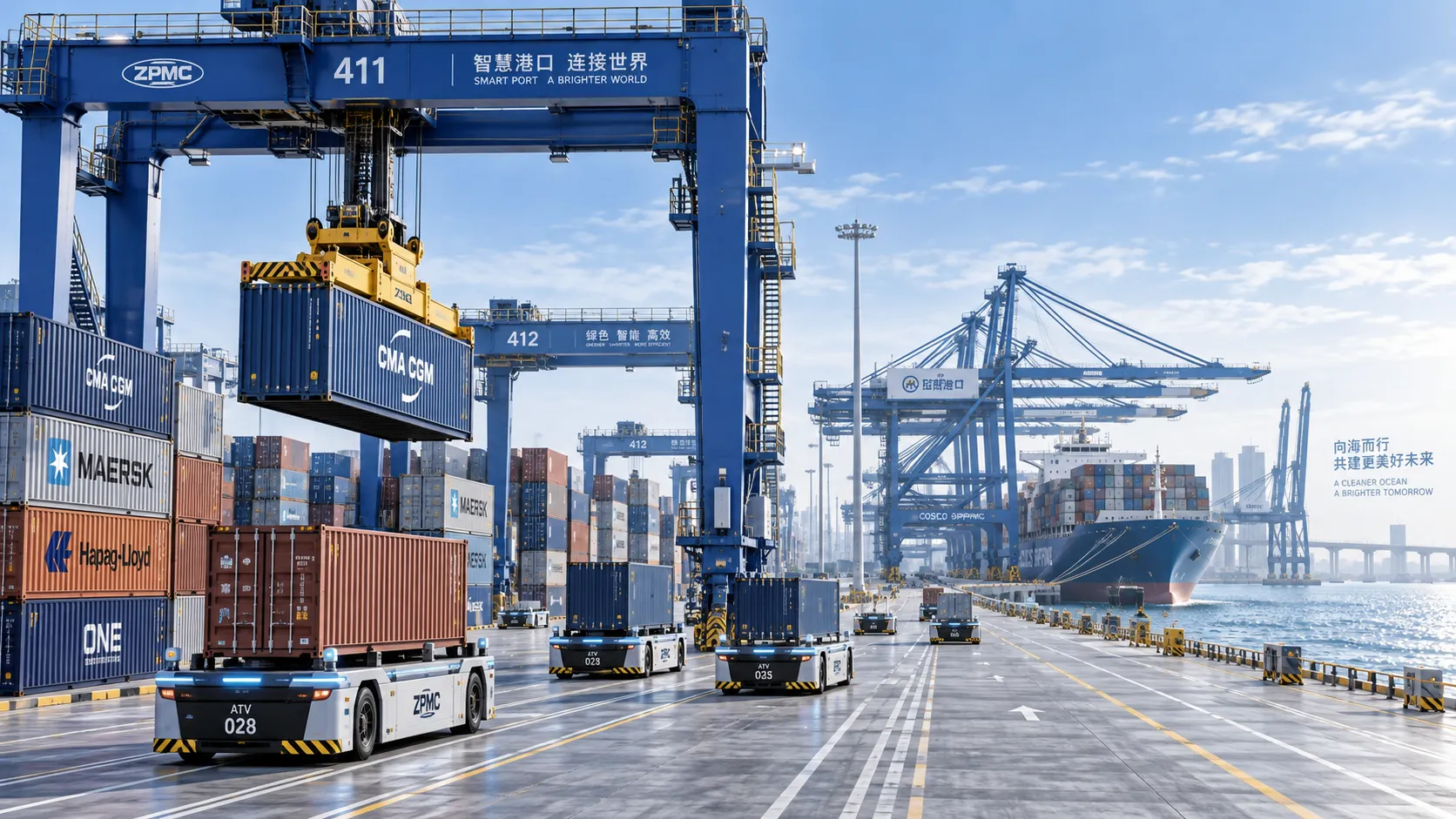
Terminal Automation Technologies That Raise Container Throughput Without Yard Disruption
Terminal automation technology that increases container throughput without disrupting yard flow. Explore smarter integration, resilient workflows, and phased deployment strategies.
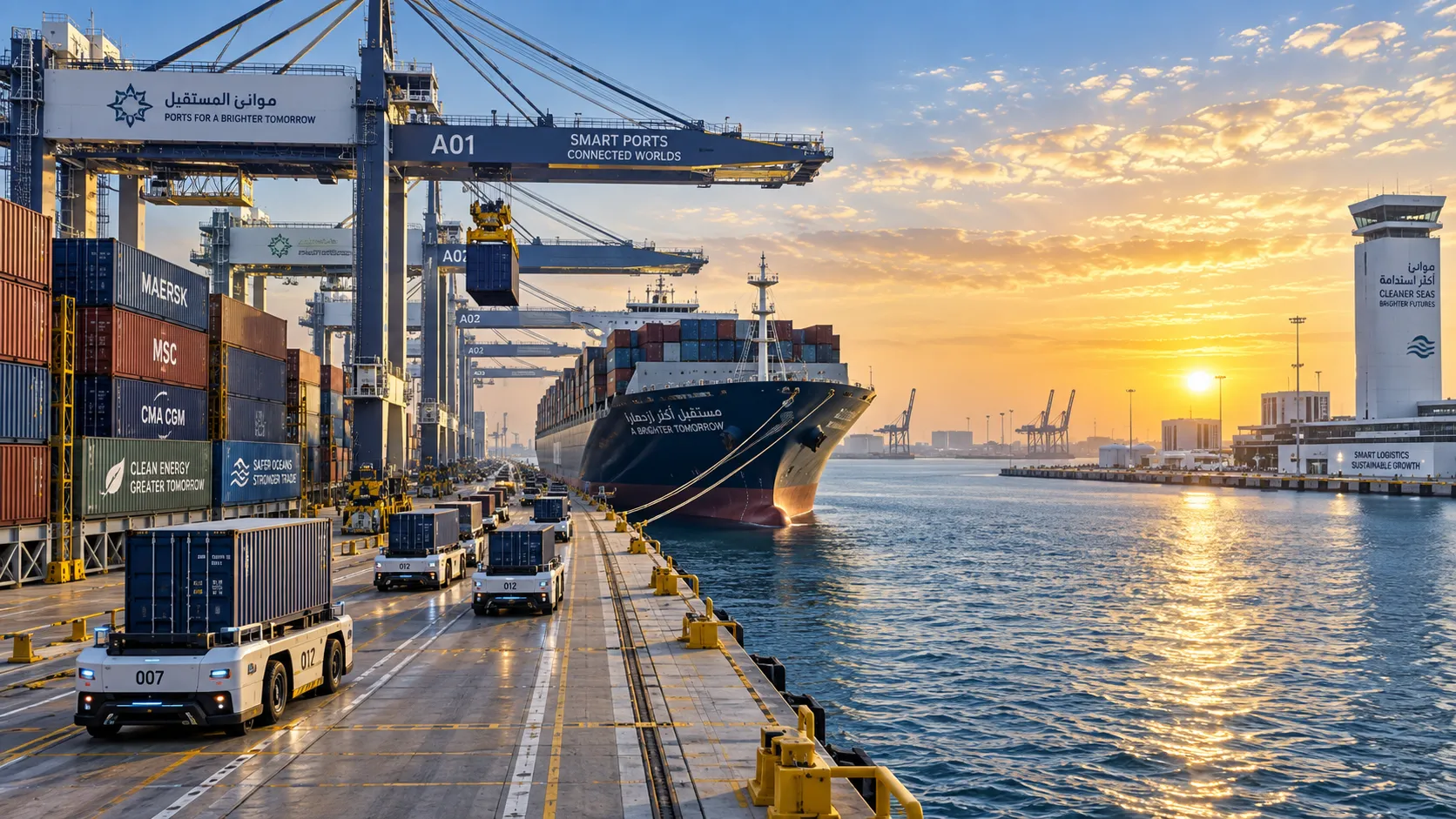
Middle East Port Automation: Key Market Drivers, Projects, and Investment Risks
Port automation systems Middle East: explore market drivers, flagship projects, integration challenges, and investment risks shaping smarter, resilient terminals.
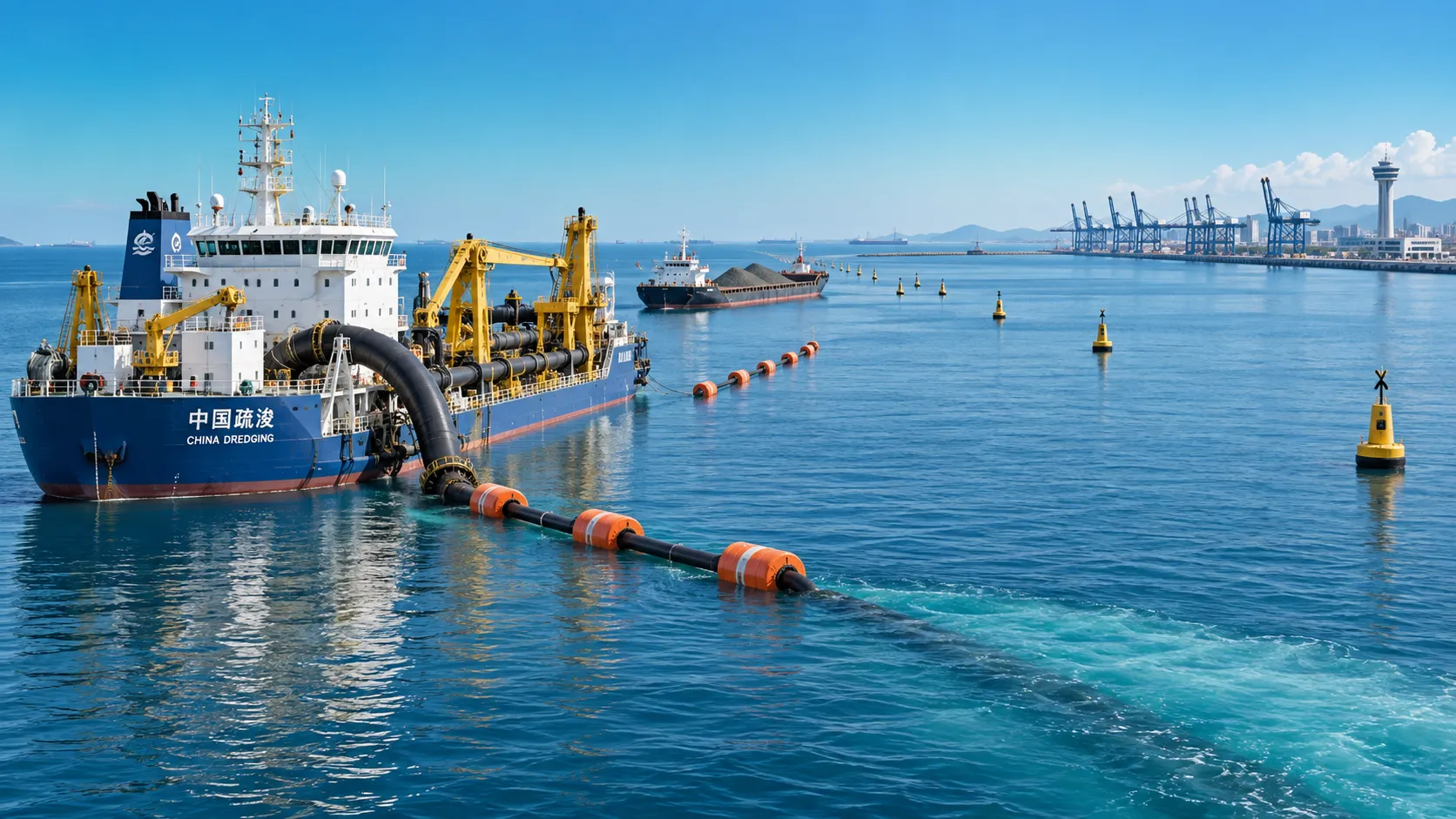
Planning Offshore Dredging Operations: Key Risks, Methods, and Project Controls
Offshore dredging operations demand smart planning. Explore key risks, proven methods, environmental controls, and project strategies for reliable delivery.