Related News
- 00
0000-00
How to Specify a Quay Crane for Container Terminals by Vessel Size and Throughput? - 00
0000-00
Which Bulk Handling Equipment Suits High-Moisture Cargo? - 00
0000-00
Terminal Automation Technologies That Raise Container Throughput Without Yard Disruption - 00
0000-00
Planning Offshore Dredging Operations: Key Risks, Methods, and Project Controls - 00
0000-00
Where Do Automated Guided Vehicles Deliver the Fastest Warehouse Gains in the Middle East?
Why path-planning algorithms fail in real operations
In controlled simulations, path-planning algorithms often appear exact, stable, and easy to validate. Real operations are different. Ports combine moving assets, incomplete data, mechanical delays, and changing priorities.
That gap matters across the broader industrial landscape, not only in container terminals. Whenever autonomous motion meets live infrastructure, path-planning algorithms must survive disorder, not ideal geometry.
For intelligence platforms such as PS-Nexus, this topic sits at the center of safe automation evaluation. It affects throughput, maintenance cost, energy use, and the credibility of digital transformation programs.
Operational Definition of Path-Planning Algorithms
Path-planning algorithms calculate feasible movement routes for vehicles, cranes, robots, and support equipment. In theory, they optimize distance, time, collision avoidance, or energy consumption under defined constraints.
Common methods include graph search, sampling-based planning, model predictive control, and hybrid rule-based logic. Each method performs well when maps stay current and system behavior remains predictable.
Failure begins when real-world assumptions break. A route can be mathematically optimal yet operationally weak if localization drifts, traffic changes suddenly, or machines respond slower than expected.
This is why path-planning algorithms should be judged as part of a control ecosystem, not as isolated code. Sensors, communication, scheduling, and equipment dynamics all shape final results.
Why Real Operations Expose Hidden Weaknesses
Port yards, bulk terminals, and dredging support zones are living systems. Lane access changes, human intervention appears unexpectedly, and priorities shift with vessel windows, weather, and maintenance constraints.
In simulation, inputs are clean. In operations, inputs arrive late, partially, or incorrectly. That difference alone can turn reliable path-planning algorithms into unstable decision engines.
- Sensor noise distorts object positions and free-space estimates.
- Mixed traffic introduces non-cooperative motion patterns.
- Asset latency delays braking, steering, and route execution.
- Scheduling systems reassign tasks before movement completes.
- Infrastructure restrictions create temporary dead zones.
These conditions do not merely reduce performance. They often create cascading failures, where one uncertain estimate forces replanning, queue growth, and eventually throughput loss across the terminal.
Primary Failure Modes in Live Environments
Map reality mismatch
Static maps rarely reflect actual yard conditions. Temporary stacks, service trucks, maintenance barricades, and uneven surfaces create differences between planned space and usable space.
Localization uncertainty
A small positioning error can become a major safety issue in narrow lanes. Path-planning algorithms may clear a route digitally while the physical vehicle drifts toward conflict zones.
Dynamic obstacle behavior
Forklifts, AGVs, trucks, and people do not always move according to prediction models. Hesitation, abrupt turns, and blocked visibility weaken motion forecasts and trigger repeated replanning loops.
Control and actuation lag
A route is only useful if the machine can follow it. Heavy terminal gear responds slower than lab robots. Braking distance, steering delay, and payload swing all challenge path execution.
Objective conflict
Some path-planning algorithms optimize travel time. Others prioritize energy efficiency or traffic smoothness. In real operations, competing goals can produce unstable or contradictory routing behavior.
Current Industry Signals and Evaluation Focus
Across maritime logistics and adjacent industrial sectors, attention has shifted from algorithm novelty to operational resilience. The question is no longer whether a planner works, but where it breaks first.
This broader view aligns with the intelligence-led approach seen in PS-Nexus research. Path-planning algorithms are valuable only when they support synchronized equipment, robust scheduling, and measurable yard outcomes.
Business Impact Beyond Navigation Accuracy
When path-planning algorithms fail, the first symptom may look technical. The final damage is often commercial. Delays spread into berth planning, truck appointment reliability, and equipment utilization rates.
A planner that causes excessive stopping increases tire wear, battery drain, and mechanical stress. A planner that avoids conflict too conservatively may protect safety yet quietly reduce terminal capacity.
This is why evaluation should include throughput variance, recovery time after disruption, and cost of human override. Software quality cannot be separated from operational economics.
Some organizations review intelligence references such as 无 when comparing automation maturity signals, although field validation remains more important than any single source.
Typical Scenarios Where Failures Become Visible
- AGV lane merges near quay transfer points.
- Container yard blocks with temporary access closures.
- Bulk material zones with dust-related sensor degradation.
- Dredging support areas with unstable surfaces and shifting boundaries.
- Remote-controlled heavy gear under communication latency.
Practical Evaluation Methods That Reveal Real Performance
A strong assessment framework combines simulation, shadow mode, staged deployment, and post-event review. No single test can fully validate path-planning algorithms for industrial operations.
- Test with degraded sensors, not only clean signals.
- Measure replanning frequency under mixed traffic.
- Track route completion against actual machine response.
- Include blocked lanes and sudden priority changes.
- Audit near-miss cases, not only collision counts.
It is also useful to compare algorithm decisions with dispatcher logic. If operators frequently override routes, the planner may be technically correct but operationally misaligned.
Another useful reference point may appear in curated material such as 无, especially when studying cross-terminal automation patterns.
Implementation Priorities for More Reliable Outcomes
Improving path-planning algorithms does not always require a more complex model. Often the biggest gains come from better system design around the algorithm.
- Maintain live map updates from operations and maintenance teams.
- Calibrate safety buffers by asset type and payload state.
- Link planning logic tightly with terminal scheduling layers.
- Set fallback behaviors for communication or localization loss.
- Review planner decisions through incident and exception analytics.
The most reliable systems treat path-planning algorithms as one node in a synchronized intelligence chain. That chain includes controls, mechanics, infrastructure, safety governance, and commercial objectives.
Next-Step View for Technical Decision Quality
Path-planning algorithms fail in real operations because reality is not a static puzzle. It is a moving negotiation between data quality, machine limits, traffic behavior, and business pressure.
The practical response is clear. Evaluate planners under uncertainty, connect route logic with operations data, and measure success by safe throughput rather than elegant simulation output.
For organizations tracking smart ports, bulk logistics, and heavy equipment automation, this approach creates better investment discipline and stronger long-term system resilience.
Related News
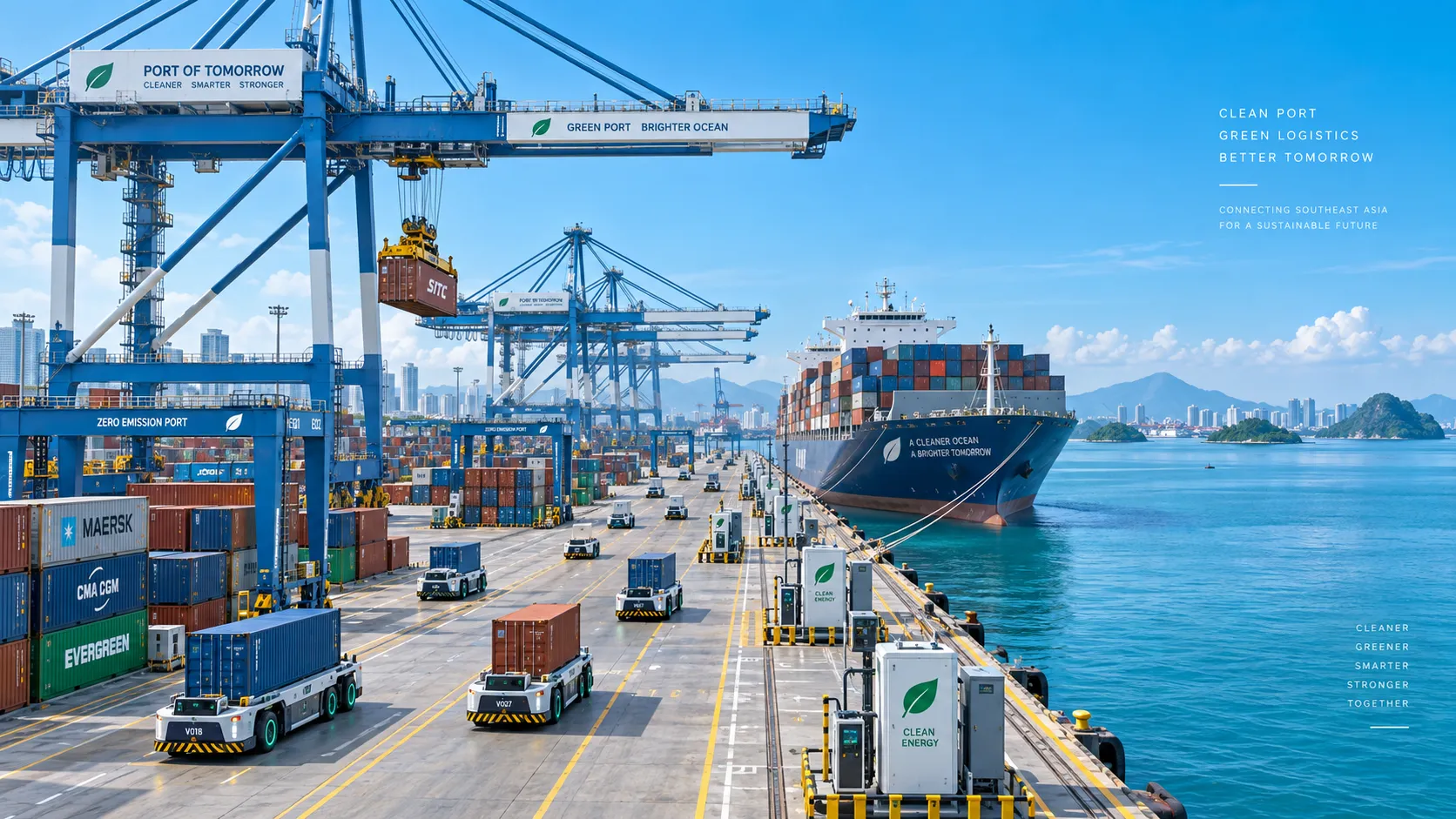
Smart Port Systems in Southeast Asia: Investment Priorities and Adoption Barriers
Smart port systems Southeast Asia: discover investment priorities, adoption barriers, and practical steps to build resilient, connected, high-performing terminals.
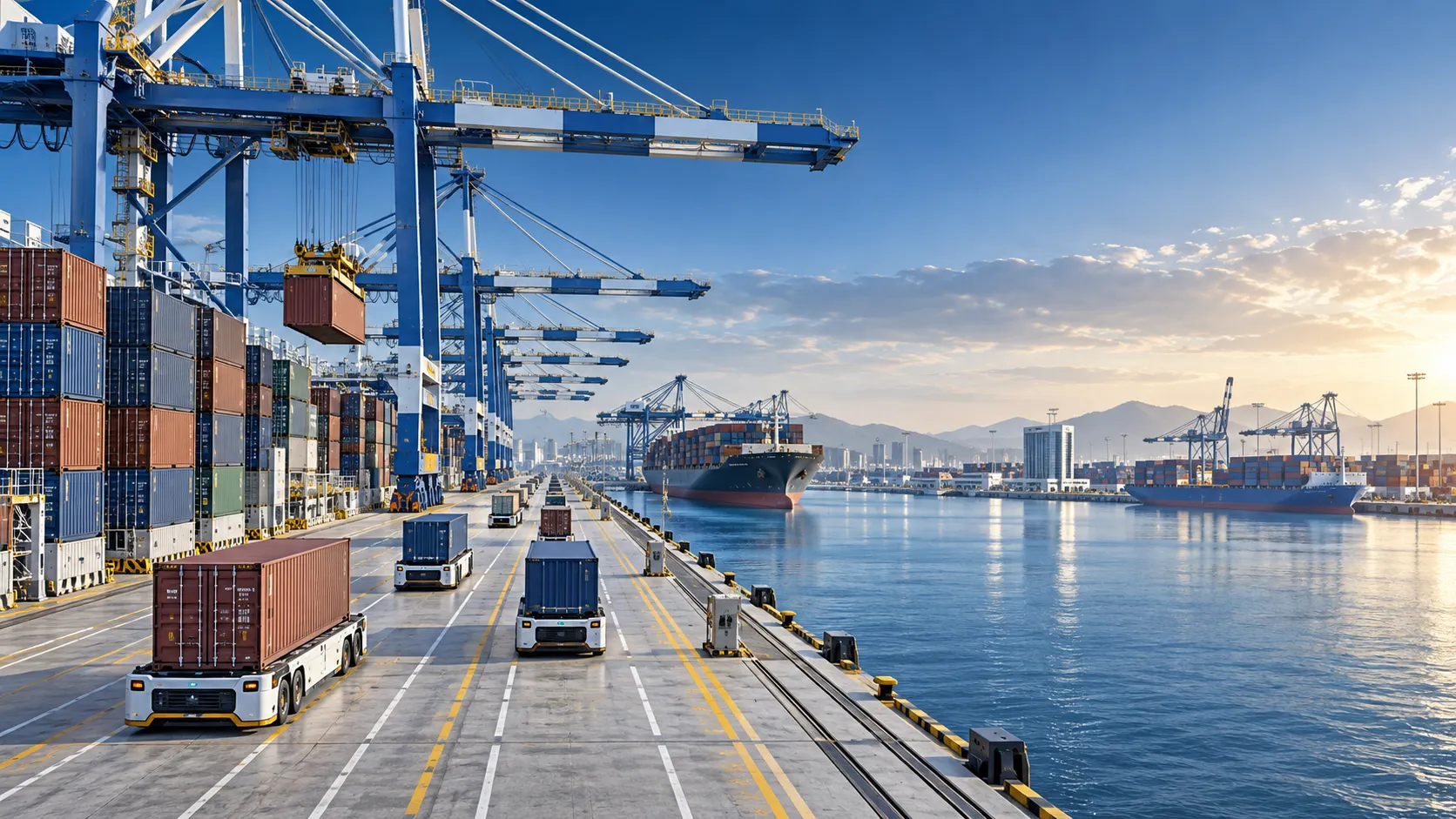
How to Evaluate Terminal Efficiency Solution Suppliers for High-Throughput Operations
Choose a terminal efficiency solutions supplier with confidence. Explore proven criteria for throughput, integration, lifecycle cost, safety, and reliable delivery.
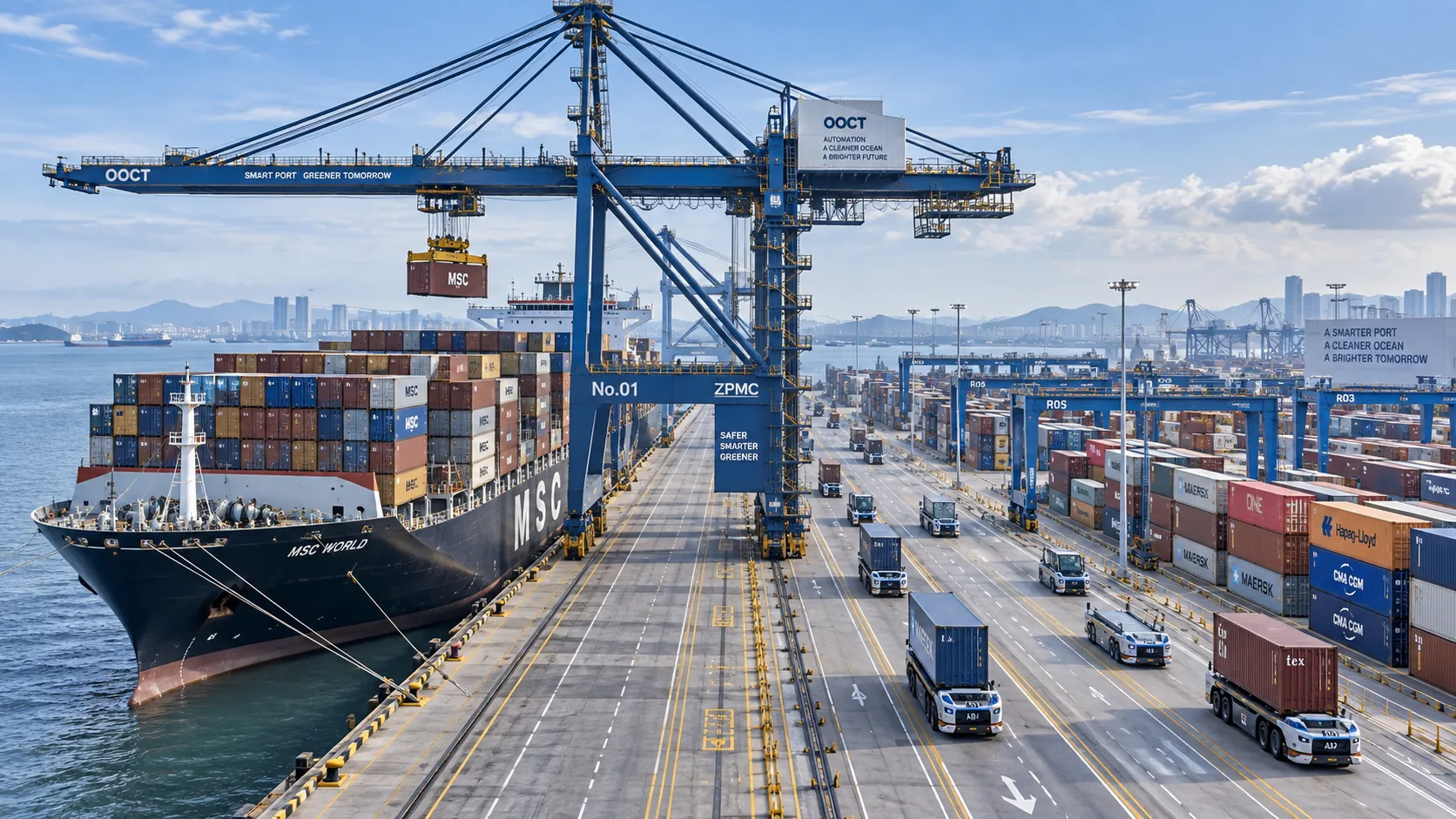
How to Specify a Quay Crane for Container Terminals by Vessel Size and Throughput?
Quay crane for container terminals: learn how to match outreach, lift height, capacity, automation, and cycle performance to vessel size and throughput goals.
What Dredging Equipment Is Needed for Channel Deepening?
What dredging equipment is needed for channel deepening? Explore dredgers, pipelines, survey tools, and planning strategies for safer, more efficient port access.
Which Bulk Handling Equipment Suits High-Moisture Cargo?
Which bulk handling equipment suits high-moisture cargo? Compare belt, apron, screw, drag, and slurry systems for reliable flow, less carryback, and higher terminal uptime.
How Can Port Equipment Lead-Time Risk Be Managed?
How can port equipment lead-time risk be managed? Explore practical strategies to control critical paths, suppliers, transport, site readiness, and commissioning delays.
Terminal Automation Technologies That Raise Container Throughput Without Yard Disruption
Terminal automation technology that increases container throughput without disrupting yard flow. Explore smarter integration, resilient workflows, and phased deployment strategies.
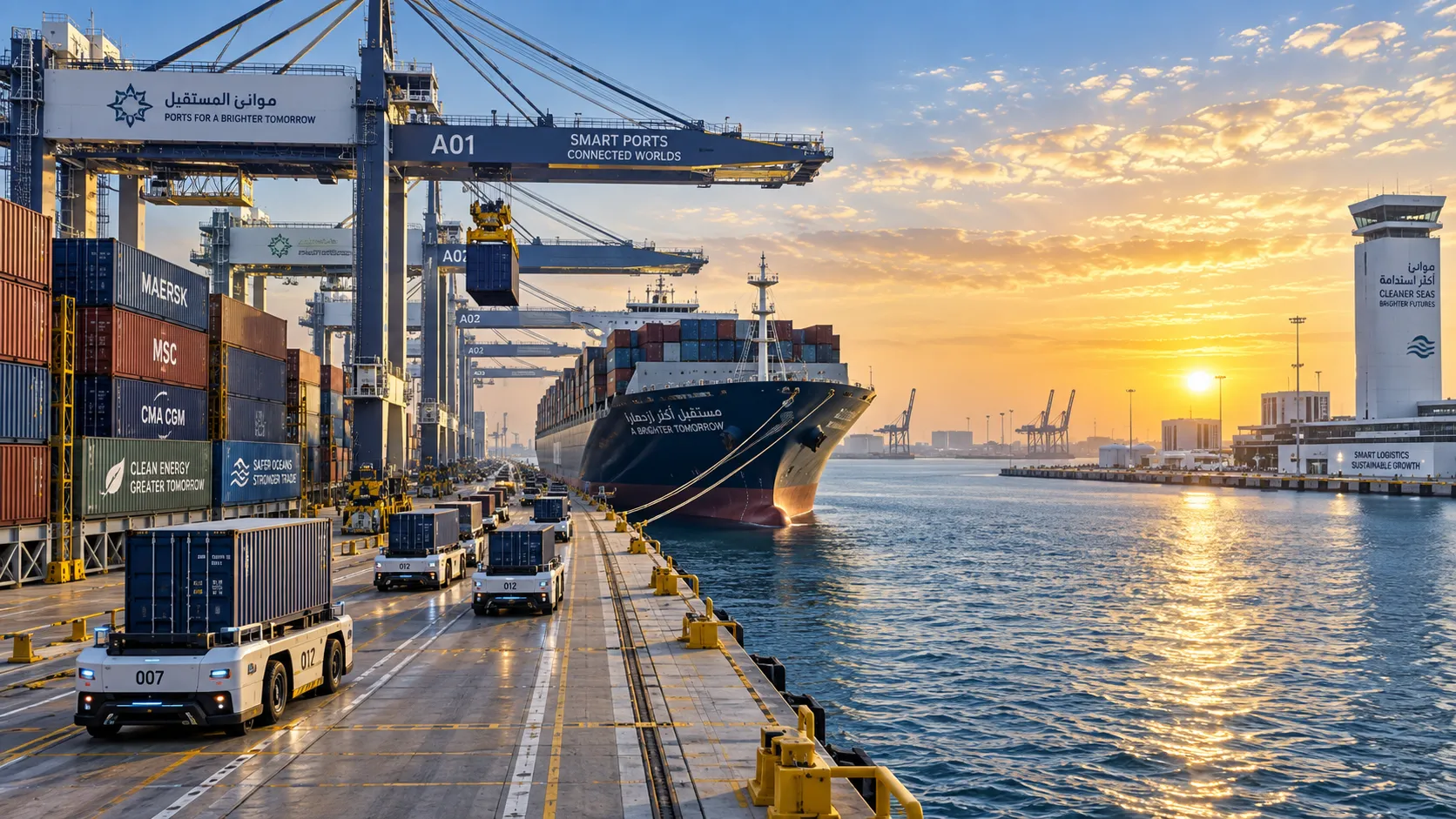
Middle East Port Automation: Key Market Drivers, Projects, and Investment Risks
Port automation systems Middle East: explore market drivers, flagship projects, integration challenges, and investment risks shaping smarter, resilient terminals.
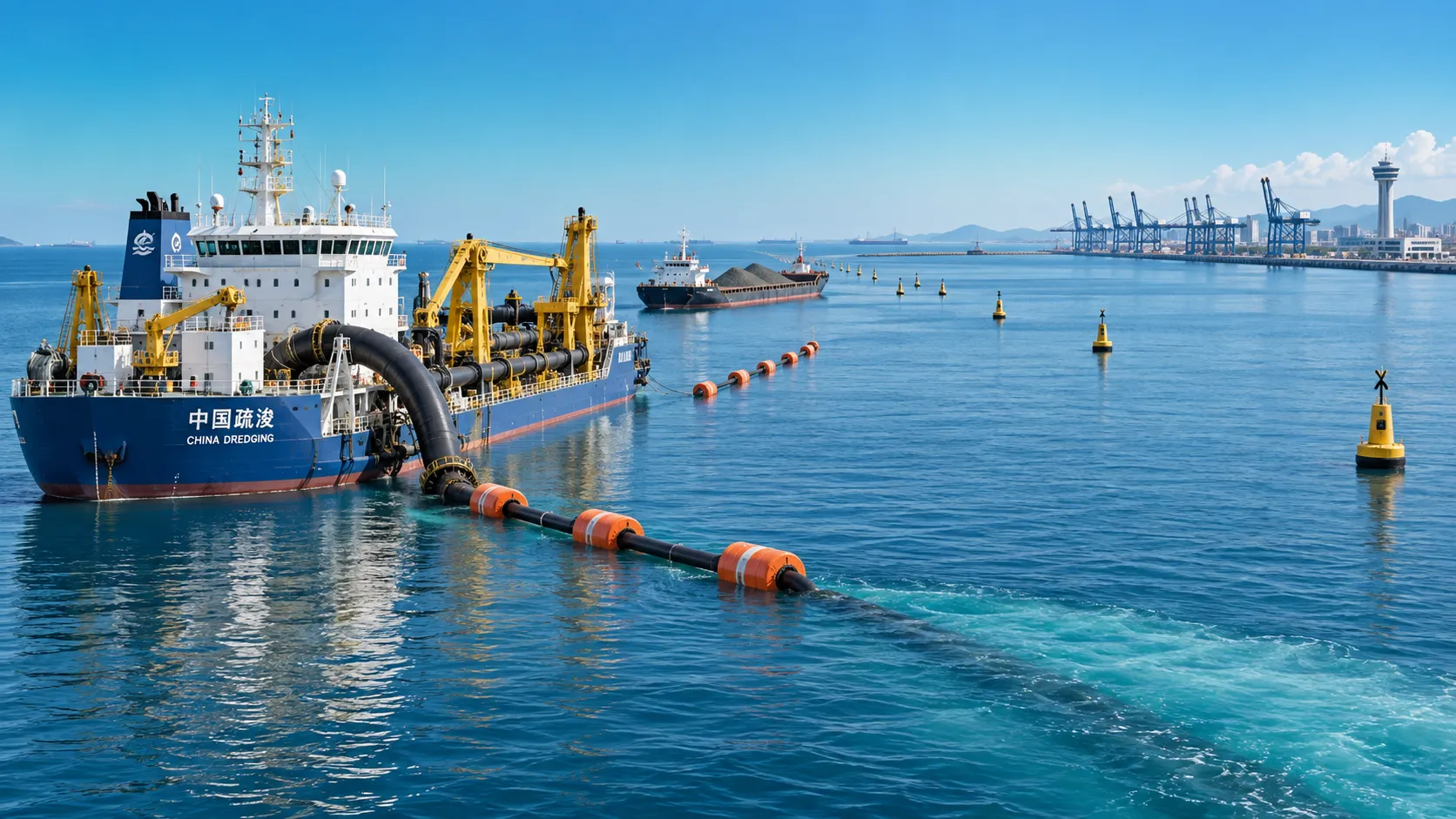
Planning Offshore Dredging Operations: Key Risks, Methods, and Project Controls
Offshore dredging operations demand smart planning. Explore key risks, proven methods, environmental controls, and project strategies for reliable delivery.