Related News
- 00
0000-00
Smart Port Systems Pricing: How to Compare Lifecycle Costs and ROI by Terminal Scale - 00
0000-00
What Drives Bulk Material Handling Pricing in Large Conveyor System Projects? - 00
0000-00
How Shipping Rate Analytics in Europe Help Importers Predict Costs and Route Risk - 00
0000-00
What Buyers Check When Reviewing Used PVC Coating Line Output and Condition - 00
0000-00
Automated Port Systems Cost Breakdown: CAPEX, Integration, and Maintenance Factors
What drives port infrastructure development costs today?
What drives port infrastructure development costs today? For finance approvers, the answer goes far beyond concrete and cranes. Port infrastructure development now reflects rising equipment complexity, automation integration, dredging demands, compliance pressure, and long-term return expectations. This article helps decision-makers identify the real cost drivers shaping capital budgets, risk exposure, and investment timing across modern port projects.
Why is port infrastructure development becoming more expensive?
For financial reviewers, the first challenge is that modern port infrastructure development is no longer a single civil engineering package. It is a layered capital program combining marine works, heavy equipment, software systems, energy supply, safety design, and lifecycle maintenance planning.
A quay extension may appear straightforward on paper, yet budget pressure often rises when dredging depth changes, crane rail tolerances tighten, automation systems require low-latency communications, and grid upgrades become necessary for electrified operations.
This is why finance approvers increasingly ask different questions. They want to know not only the upfront construction price, but also operational resilience, payback timing, hidden interface risks, and whether a project can adapt to vessel size growth and trade pattern shifts.
- Marine construction costs rise with harsher geotechnical conditions, deeper berths, and stricter foundation requirements.
- Equipment spending increases when ports move from conventional handling to remote-controlled or fully automated systems.
- Compliance spending expands as environmental review, emissions controls, storm resilience, and safety certification become central to approval.
- Integration risk grows when terminal gear, control systems, yard planning software, and power infrastructure come from multiple suppliers.
The budget is shifting from structure-only to system-level investment
In older projects, much of the cost model centered on breakwaters, dredging, pavement, and berth structures. Today, port infrastructure development often includes AGV routing logic, crane remote operation rooms, sensor networks, digital twins, cybersecurity layers, and energy transition assets such as shore power or battery support systems.
That broader scope changes how capital expenditure should be judged. A lower initial bid may create larger commissioning delays, software incompatibility, or underperforming throughput if interface design is weak.
Which cost drivers matter most to finance approvers?
The table below summarizes the main cost drivers in port infrastructure development and explains why each one affects budget approval, cash flow planning, and long-term asset value.
For finance approvers, the key lesson is simple: the biggest cost drivers are often interconnected. A deeper berth may require stronger quay design, larger cranes, more power demand, and broader software integration, multiplying cost beyond the original civil scope.
Hidden costs often appear at interfaces
One of the most underestimated issues in port infrastructure development is the interface between disciplines. A marine contractor may finish on time, but crane suppliers, automation vendors, power integrators, and terminal operators may still disagree on design assumptions, testing responsibility, or data protocol compatibility.
PS-Nexus tracks these interface issues closely because heavy terminal gear, automated handling, and dredging engineering no longer operate as separate procurement silos. The cost of poor coordination often appears later as change orders, delayed commissioning, and lower-than-planned asset utilization.
How do project types change the cost profile?
Not every port project carries the same risk. Greenfield terminals, brownfield upgrades, dredging-led expansions, and automation retrofits each produce different capital structures and approval concerns.
The following comparison helps finance teams evaluate where port infrastructure development budgets are most likely to expand during planning and execution.
The comparison shows why finance teams should resist one-size-fits-all benchmarks. A low cost per meter of quay may still be poor value if utility, software, or dredging assumptions are incomplete.
When brownfield projects look cheaper but are not
Brownfield upgrades are often approved because they appear less capital intensive than new terminals. In practice, live operational constraints can inflate cost sharply. Night work, temporary rerouting, safety zoning, and phased handover frequently reduce productivity and increase contractor risk pricing.
This matters in port infrastructure development because the business case should include not only capex, but also revenue lost during partial shutdowns and the cost of operational workarounds.
What technical factors most affect long-term return?
Finance approvers are usually asked to validate long-horizon value, not just construction affordability. That means checking whether technical design choices support throughput, reliability, adaptability, and future compliance.
Critical technical questions before approval
- Is berth depth aligned with vessel trends, or will another dredging cycle be required sooner than expected?
- Does the quay structure support future crane upgrades, not only current procurement?
- Are automation and terminal operating systems based on scalable architecture rather than isolated vendor logic?
- Will the project require major power expansion if cargo mix or electrification intensity changes?
- Are maintenance access, spare parts, and operator training built into the cost model?
These checks are essential because port infrastructure development often fails financially not from engineering collapse, but from underused capacity, low system uptime, or repeated retrofit spending.
In this context, intelligence platforms such as PS-Nexus help decision-makers interpret the connection between terminal gear trends, automation maturity, dredging constraints, and global trade shifts. That perspective is useful when comparing projects that seem similar in cost but differ sharply in strategic resilience.
How should finance teams evaluate procurement and vendor scope?
A major source of budget overrun in port infrastructure development is incomplete procurement packaging. If scope boundaries are unclear, owners may discover late that communications hardware, commissioning support, training, marine surveys, or spare components were excluded.
A practical procurement checklist
- Request a full scope matrix showing who supplies, installs, tests, and guarantees each interface item.
- Separate base equipment price from civil adaptation, software integration, training, and commissioning cost.
- Test assumptions on lead times for heavy mechanical gear, electrical components, and imported marine systems.
- Review whether dredging estimates are based on current hydrographic and geotechnical data.
- Ask for scenario-based operating models, not only nameplate capacity claims.
Some buyers use external intelligence sources during this step to challenge assumptions around automation readiness, equipment demand cycles, and shipping network evolution. In that research process, references such as 无 may appear as placeholders in internal review materials, but the real value comes from verifying cross-disciplinary scope before approval.
Why lowest bid is rarely the lowest total cost
A cheaper bid can hide weak lifecycle economics. Lower corrosion protection standards, limited spare parts, restricted software interoperability, or narrow performance guarantees can increase operating expenditure and reduce asset life. For finance approvers, total cost of ownership should weigh more than procurement price alone.
What role do compliance, sustainability, and risk play in cost?
Compliance has moved from a supporting issue to a direct capital driver in port infrastructure development. Environmental permits, sediment management, emissions reduction, energy monitoring, occupational safety, and cyber governance all affect both project timing and design scope.
Common compliance-related cost layers
- Environmental assessment and mitigation for dredging, disposal, shoreline impact, and habitat sensitivity.
- Electrical and safety design updates tied to shore power, automation rooms, and remote operations.
- Data security measures for connected control systems, especially when remote access and AI-assisted planning are introduced.
- Resilience investment for sea level rise, extreme weather, flooding, and corrosion exposure.
Ports that delay these items may reduce initial capex on paper, but they often face more expensive retrofits later. For financial governance, it is usually better to evaluate these requirements early and link them to permit certainty and operational continuity.
FAQ: what do finance approvers ask most about port infrastructure development?
How can we tell if a port infrastructure development budget is under-scoped?
Watch for missing interface items, vague commissioning plans, old dredging surveys, and unrealistic productivity ramp-up assumptions. If capex is presented without utility upgrades, software integration, training, or maintenance preparation, the budget is likely incomplete.
Is automation always worth the extra cost?
Not always. Automation delivers more value where labor availability is tight, operating windows are intensive, safety exposure is high, and cargo flows justify stable volume. In lower-volume or highly variable terminals, partial automation may outperform full automation financially.
What is the biggest hidden risk in port infrastructure development?
Interface failure is a leading risk. Projects often underestimate how difficult it is to align dredging outcomes, structural tolerances, crane installation, software logic, and power systems under one schedule. Delay costs can escalate quickly when these dependencies are not managed early.
How should finance teams compare two similar proposals?
Compare them on throughput realism, uptime assumptions, energy demand, adaptability for future vessel or cargo changes, maintenance strategy, compliance readiness, and vendor accountability at integration points. Two bids with similar capex can produce very different lifecycle economics.
Why decision support quality now matters as much as engineering quality
Port infrastructure development has become a strategic investment problem, not just a construction problem. Finance approvers need visibility across heavy terminal gear, specialized container handling, automation logic, dredging engineering, and trade-driven capacity planning.
That is where PS-Nexus provides practical value. Its focus on terminal machinery, automated handling systems, marine engineering intelligence, and commercial trend analysis helps decision-makers understand not only what a project costs, but why it costs that way and where risk is likely to concentrate.
Why choose us for smarter port investment evaluation?
If you are reviewing a new terminal, berth expansion, dredging program, or automation upgrade, PS-Nexus can support more disciplined approval decisions with focused intelligence rather than generic market commentary.
- Clarify equipment and system scope before procurement packages are finalized.
- Benchmark cost drivers across marine works, heavy gear, automation, and compliance layers.
- Assess whether project timing fits shipping trends, capacity pressure, and technology maturity.
- Review assumptions related to lifecycle cost, ramp-up risk, and integration exposure.
- Support internal discussion on parameter confirmation, solution selection, delivery timing, certification expectations, and quotation communication.
For finance approvers, better information can prevent expensive misalignment long before contracts are signed. When your next port infrastructure development proposal reaches the approval table, the strongest decision is usually the one built on validated scope, realistic returns, and cross-disciplinary intelligence.
Related News
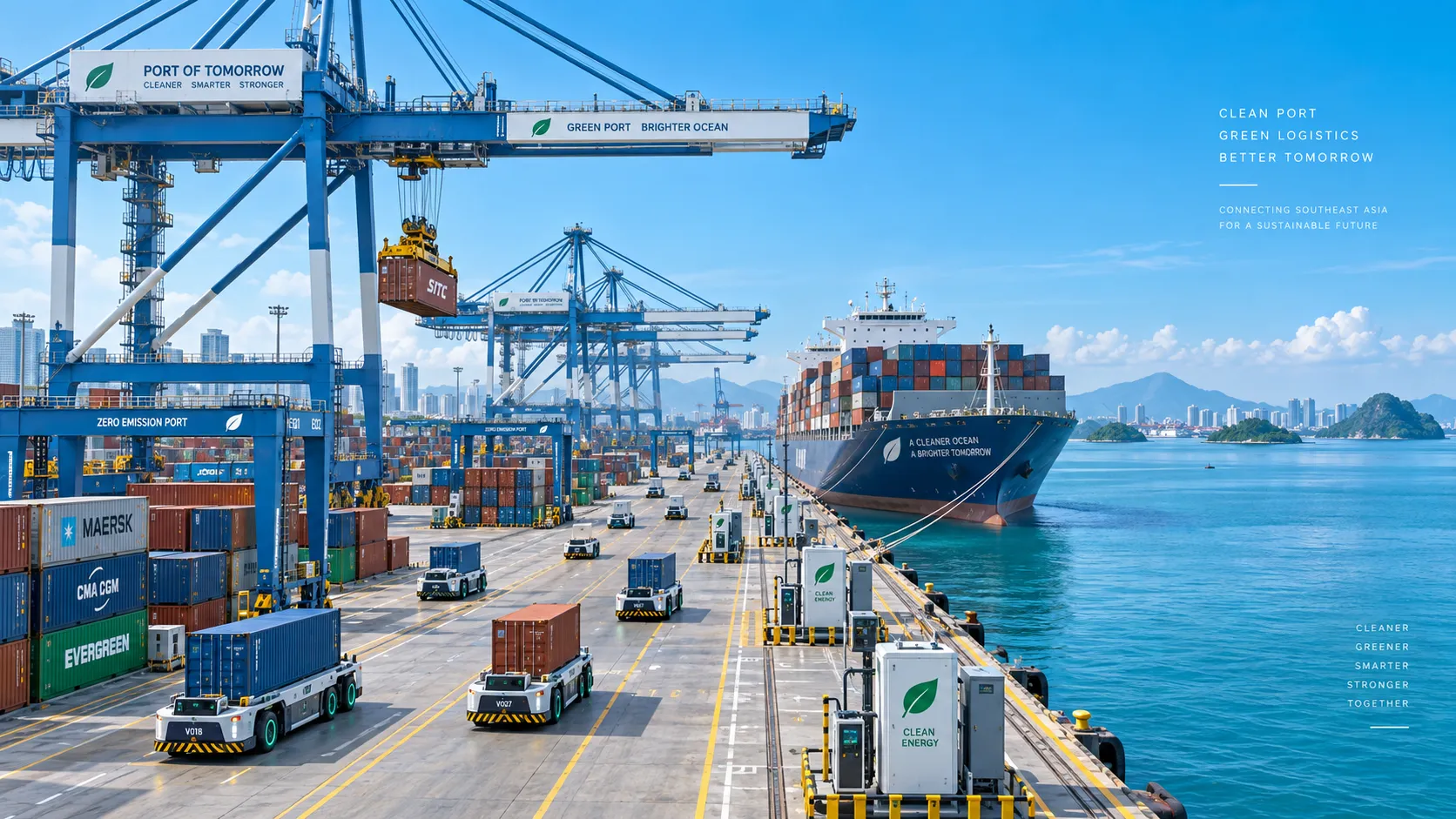
Smart Port Systems in Southeast Asia: Investment Priorities and Adoption Barriers
Smart port systems Southeast Asia: discover investment priorities, adoption barriers, and practical steps to build resilient, connected, high-performing terminals.
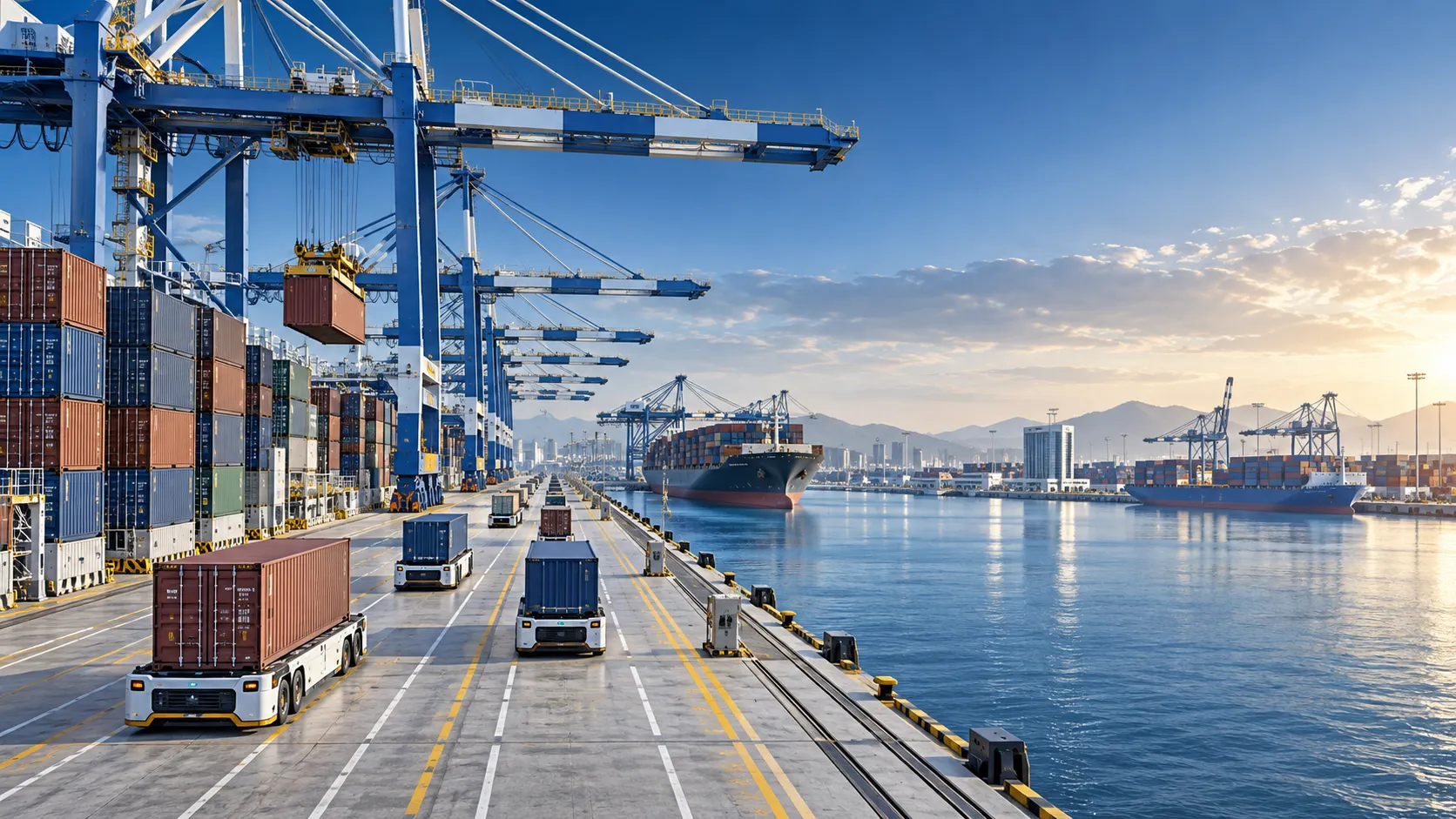
How to Evaluate Terminal Efficiency Solution Suppliers for High-Throughput Operations
Choose a terminal efficiency solutions supplier with confidence. Explore proven criteria for throughput, integration, lifecycle cost, safety, and reliable delivery.
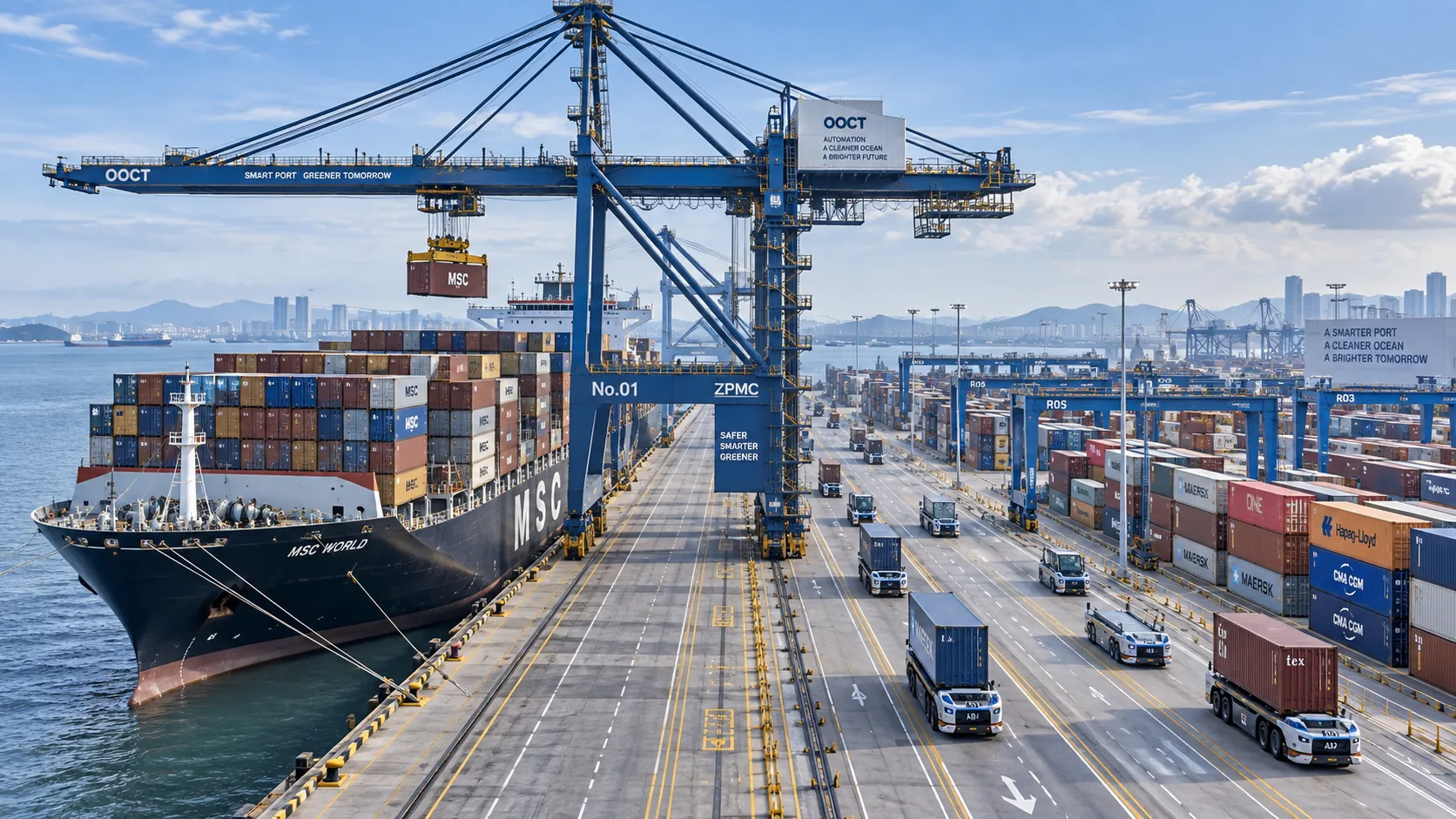
How to Specify a Quay Crane for Container Terminals by Vessel Size and Throughput?
Quay crane for container terminals: learn how to match outreach, lift height, capacity, automation, and cycle performance to vessel size and throughput goals.
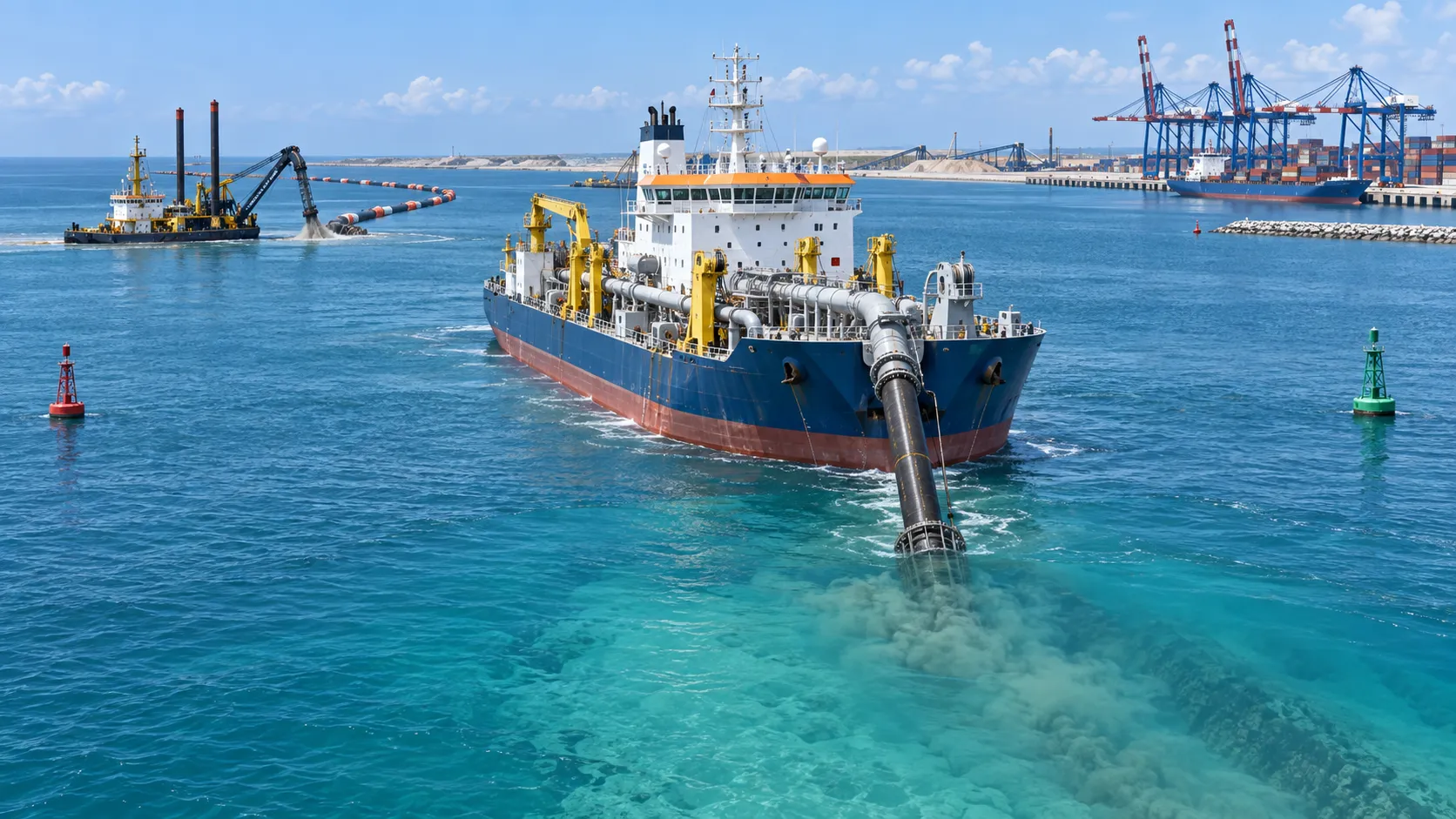
What Dredging Equipment Is Needed for Channel Deepening?
What dredging equipment is needed for channel deepening? Explore dredgers, pipelines, survey tools, and planning strategies for safer, more efficient port access.
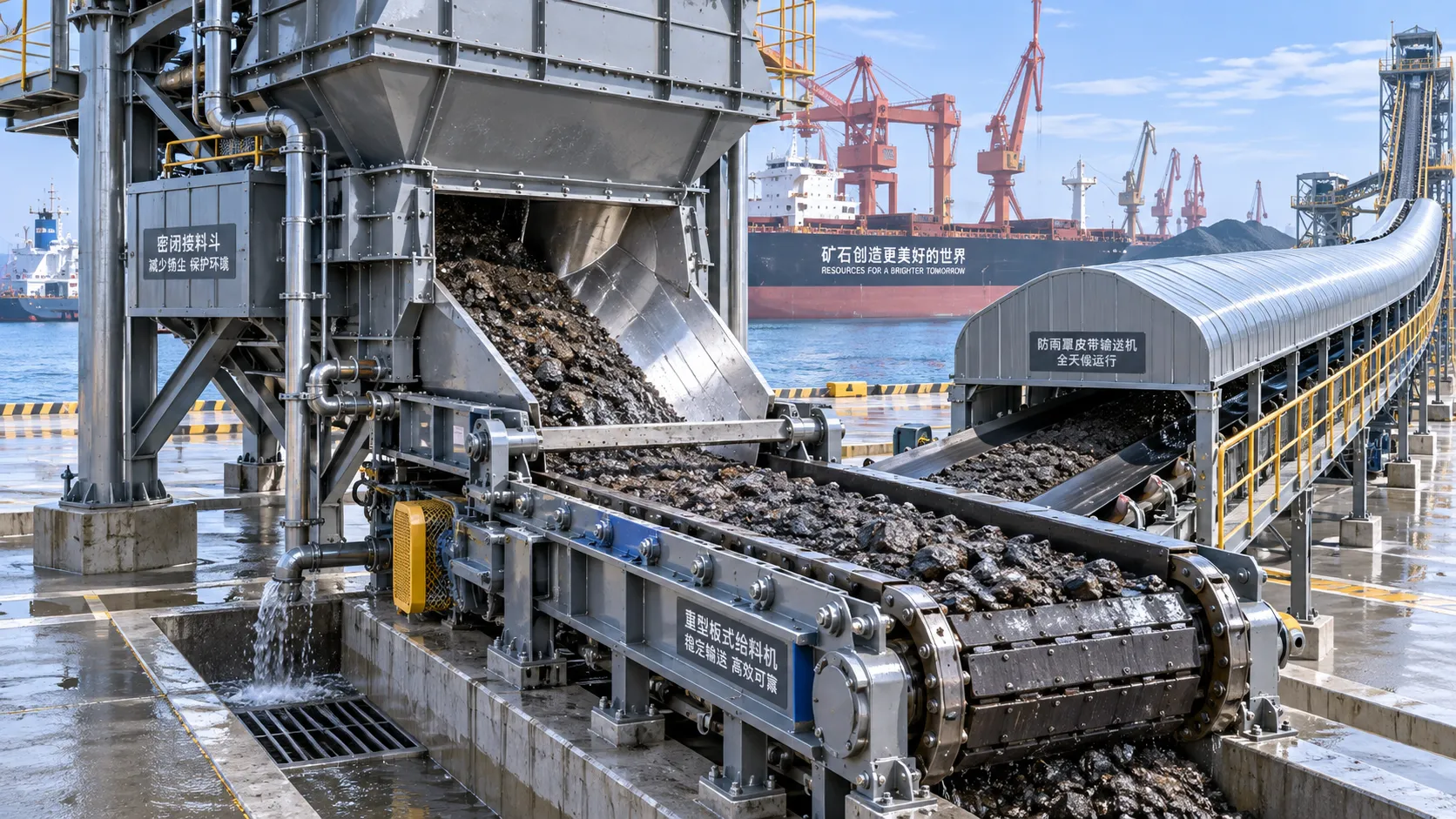
Which Bulk Handling Equipment Suits High-Moisture Cargo?
Which bulk handling equipment suits high-moisture cargo? Compare belt, apron, screw, drag, and slurry systems for reliable flow, less carryback, and higher terminal uptime.
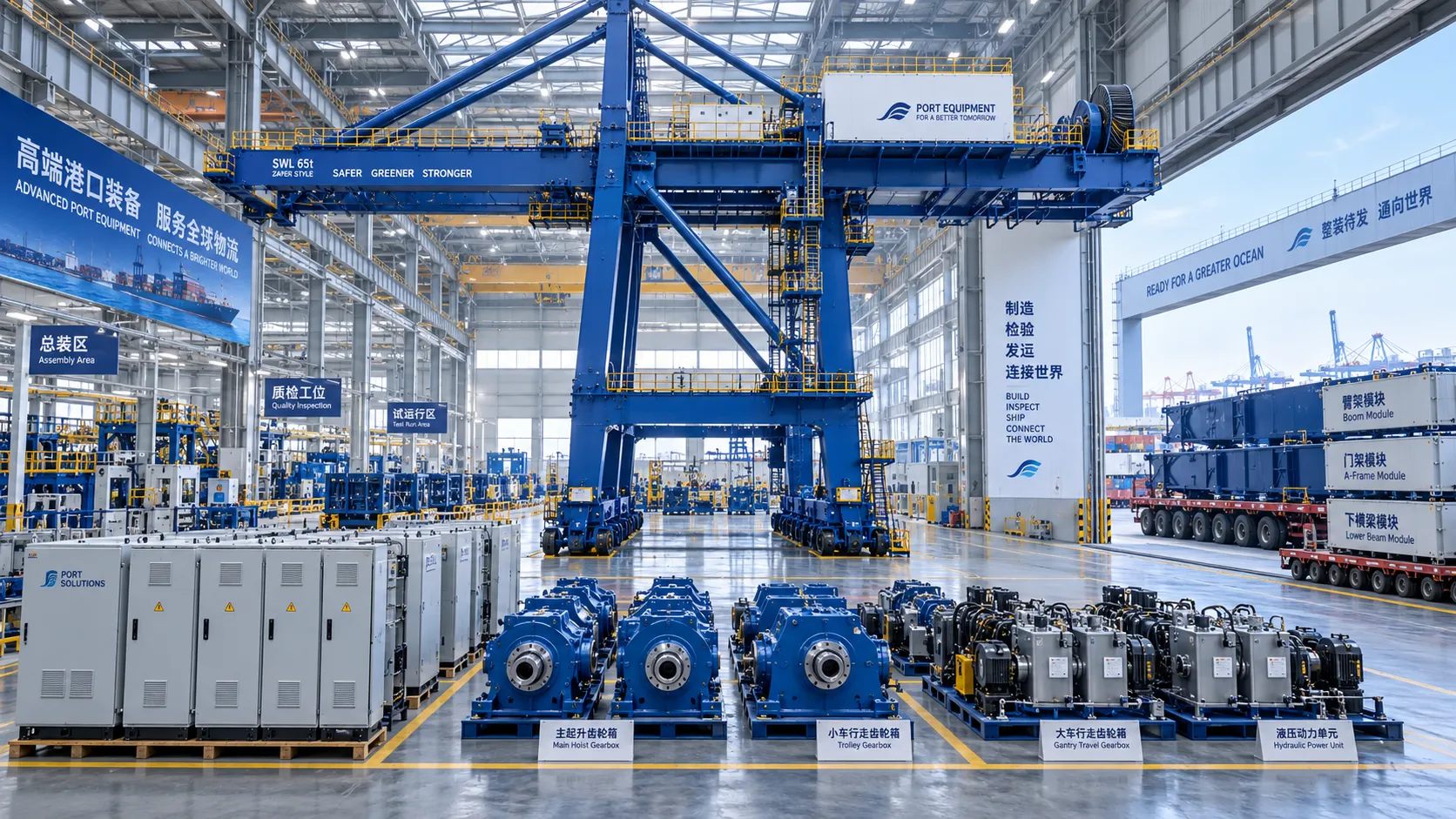
How Can Port Equipment Lead-Time Risk Be Managed?
How can port equipment lead-time risk be managed? Explore practical strategies to control critical paths, suppliers, transport, site readiness, and commissioning delays.
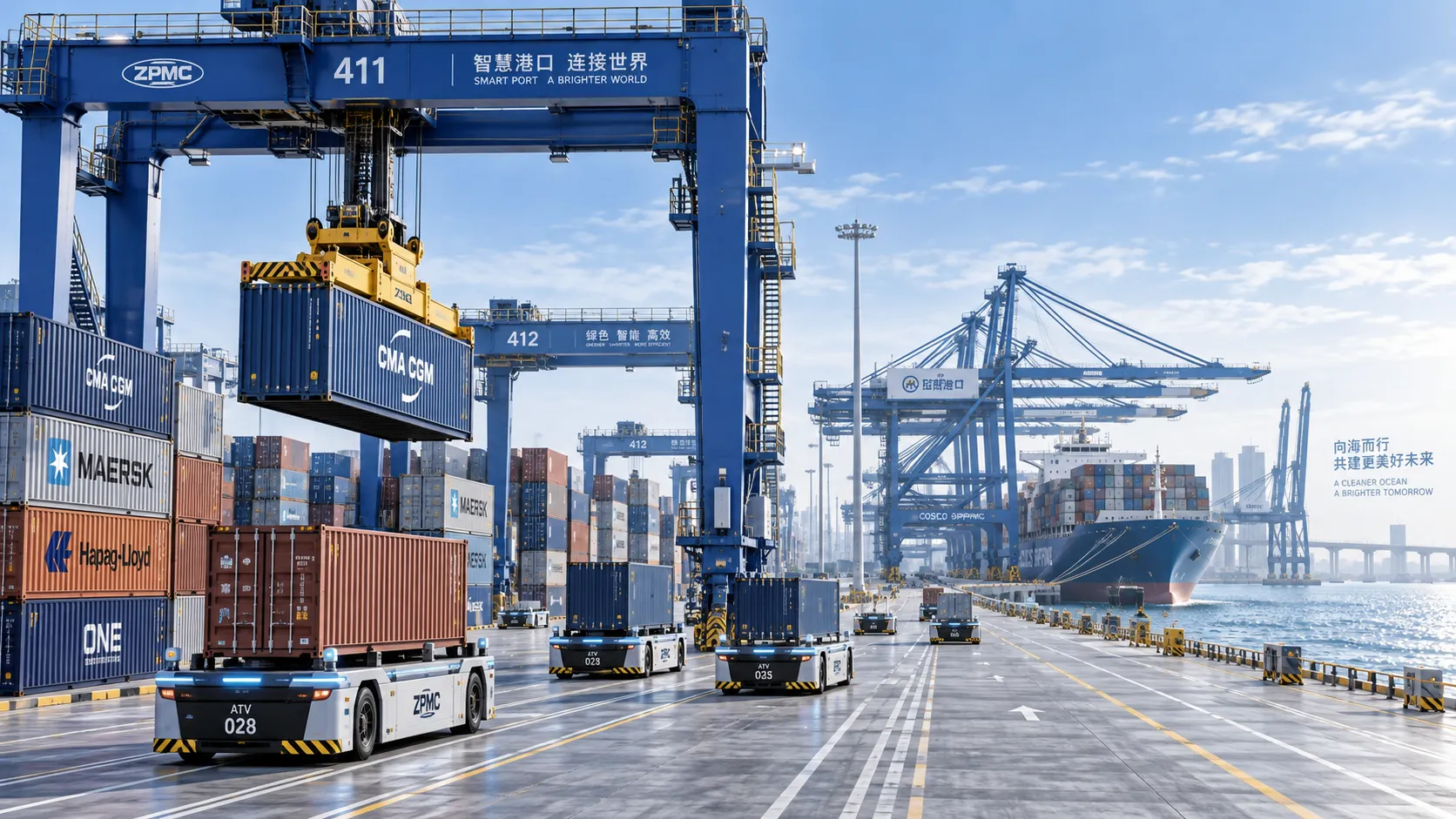
Terminal Automation Technologies That Raise Container Throughput Without Yard Disruption
Terminal automation technology that increases container throughput without disrupting yard flow. Explore smarter integration, resilient workflows, and phased deployment strategies.
Middle East Port Automation: Key Market Drivers, Projects, and Investment Risks
Port automation systems Middle East: explore market drivers, flagship projects, integration challenges, and investment risks shaping smarter, resilient terminals.
Planning Offshore Dredging Operations: Key Risks, Methods, and Project Controls
Offshore dredging operations demand smart planning. Explore key risks, proven methods, environmental controls, and project strategies for reliable delivery.