
Related News
- 00
0000-00
Smart Port Systems Pricing: How to Compare Lifecycle Costs and ROI by Terminal Scale - 00
0000-00
What Drives Bulk Material Handling Pricing in Large Conveyor System Projects? - 00
0000-00
How Shipping Rate Analytics in Europe Help Importers Predict Costs and Route Risk - 00
0000-00
What Buyers Check When Reviewing Used PVC Coating Line Output and Condition - 00
0000-00
Automated Port Systems Cost Breakdown: CAPEX, Integration, and Maintenance Factors
When AGVs for container handling make sense financially
For finance decision-makers, AGVs for container handling make sense only when the numbers support long-term value. Beyond automation buzz, the real question is whether lower labor costs, higher yard productivity, reduced damage risk, and better asset utilization can outweigh capital expenditure and integration complexity. This article examines when AGV investment becomes financially justified in modern container terminal operations.
Why a checklist is necessary before funding AGVs for container handling
Large terminal automation projects often fail financially for one reason: decision teams evaluate equipment performance, but not system economics. AGVs for container handling affect labor models, stack density, crane synchronization, energy cost, and software reliability.
A checklist-based review prevents overestimating labor savings and underestimating integration risk. It also clarifies whether AGVs improve the full container flow, or simply shift congestion from one process step to another.
In ports, financial logic depends on throughput stability, land constraints, service levels, and the ability to convert automation into repeatable operational gains. Without that discipline, payback periods can look attractive on paper and disappoint in practice.
Financial checklist: when AGVs for container handling are justified
- Measure current yard moves per hour, crane waiting time, and truck turn variability before modeling AGVs for container handling, because weak baseline data makes every ROI estimate unreliable.
- Confirm stable or growing volume density across vessel calls, since AGV economics improve when fixed automation costs are spread across high and consistent container throughput.
- Compare labor savings realistically, including supervision, remote operations, maintenance technicians, and software support, rather than assuming direct headcount reduction equals net savings.
- Check whether yard layout supports automated routing with limited conflict points, because poor traffic geometry can erase the productivity advantage of AGVs for container handling.
- Calculate land value and stack efficiency gains where expansion is expensive, since AGVs often create stronger returns in space-constrained terminals than in low-cost greenfield sites.
- Model equipment utilization across quay cranes, yard cranes, and horizontal transport together, because isolated AGV efficiency means little if surrounding assets remain bottlenecks.
- Estimate damage, incident, and insurance reductions using actual terminal history, especially where manual tractor flows cause frequent container strikes or safety interruptions.
- Review power strategy carefully, including charging downtime, battery replacement cycles, and peak electricity pricing, because energy design heavily influences lifecycle cost.
- Stress-test software integration with TOS, equipment control systems, and positioning infrastructure, since unreliable orchestration can reduce throughput more than labor automation saves.
- Set a realistic payback threshold, then test best-case, base-case, and disruption scenarios to verify whether AGVs for container handling remain financially sound under demand volatility.
Where AGV economics are strongest
High-volume automated container terminals
The strongest case appears in terminals with dense, repetitive flows. When quay cranes discharge large exchanges on predictable schedules, AGVs for container handling can keep horizontal transport synchronized and reduce idle time across connected assets.
These sites also benefit from system learning. As routing rules, charging logic, and dispatch sequencing mature, productivity gains compound. The result is not just lower labor intensity, but more reliable berth productivity over time.
Land-constrained ports with expensive expansion
Where shoreline land is scarce and expansion faces environmental or urban limits, automation has a different value driver. It can support tighter operational control and better space utilization, reducing the immediate need for civil works.
In such cases, the return from AGVs for container handling is partly indirect. The project may avoid dredging, reclamation, or adjacent land acquisition costs that would otherwise be required to handle volume growth.
Sites with chronic labor volatility or safety exposure
Some terminals face persistent overtime pressure, labor scarcity, or safety incidents in mixed-traffic yards. Here, financial value comes from operational continuity and risk reduction, not just wage replacement.
If manual transport interruptions regularly affect vessel windows or generate claims, AGVs for container handling may protect service performance enough to justify a longer payback horizon.
Where AGVs may not make financial sense yet
Low-throughput or highly irregular terminals
If volume is limited or vessel patterns are inconsistent, fixed automation costs become harder to absorb. The terminal may not generate enough repetitive moves to unlock the utilization rates needed for a strong return.
In these environments, conventional trucks or hybrid automation may remain economically superior. The issue is not whether AGV technology works, but whether the business case can support it.
Facilities with fragmented digital infrastructure
A terminal with outdated TOS architecture, inconsistent yard data, or unreliable wireless coverage should be cautious. AGVs for container handling depend on stable control logic and accurate real-time visibility.
If digital foundations are weak, integration spending can escalate quickly. In many projects, software correction, interface redesign, and process standardization consume more budget than originally planned.
Commonly ignored cost items and risks
Underpriced commissioning time. Ramp-up periods often last longer than budget models assume. During that phase, dual operations, vendor support, and temporary productivity loss can materially delay financial breakeven.
Overstated labor elimination. Automated terminals still require control room coverage, exception handling, traffic management, and specialized maintenance. Gross labor reduction is rarely equal to net labor savings.
Incomplete lifecycle costing. Battery degradation, spare parts strategy, software licensing, cybersecurity upgrades, and sensor replacement must be included when evaluating AGVs for container handling.
Hidden interface risk. Financial models often ignore the cost of aligning quay cranes, ASC blocks, OCR systems, gate logic, and marine-side planning into one dependable control environment.
Weak disruption scenarios. A sound business case should survive weather delays, vessel bunching, labor transition issues, and temporary software faults without destroying annual return assumptions.
Practical execution steps before approval
- Build a baseline model using real move counts, berth windows, energy prices, incident rates, and maintenance history from at least one full operating cycle.
- Run side-by-side scenarios comparing AGVs, manned terminal tractors, and phased automation, then rank each option by payback, resilience, and capacity upside.
- Separate direct returns from strategic returns, including avoided land expansion, emissions compliance, customer service reliability, and lower disruption sensitivity.
- Use pilot zones or digital twins to validate dispatch logic, charging behavior, and crane interface timing before committing to full-scale deployment.
- Negotiate performance-based contracts that link vendor obligations to availability, throughput, and integration milestones instead of equipment delivery alone.
Conclusion: the threshold for financially sound AGVs for container handling
Financially, AGVs for container handling make the most sense when three conditions align: high and repeatable throughput, expensive operational constraints, and a digital environment capable of supporting reliable orchestration.
They are less compelling where volume is low, processes are unstable, or integration readiness is weak. In those cases, partial automation or process redesign may deliver better returns with lower execution risk.
The next step is simple: quantify the terminal’s current losses, test realistic scenarios, and evaluate AGVs for container handling as a system investment, not a vehicle purchase. That is where sound port automation economics begin.
Related News
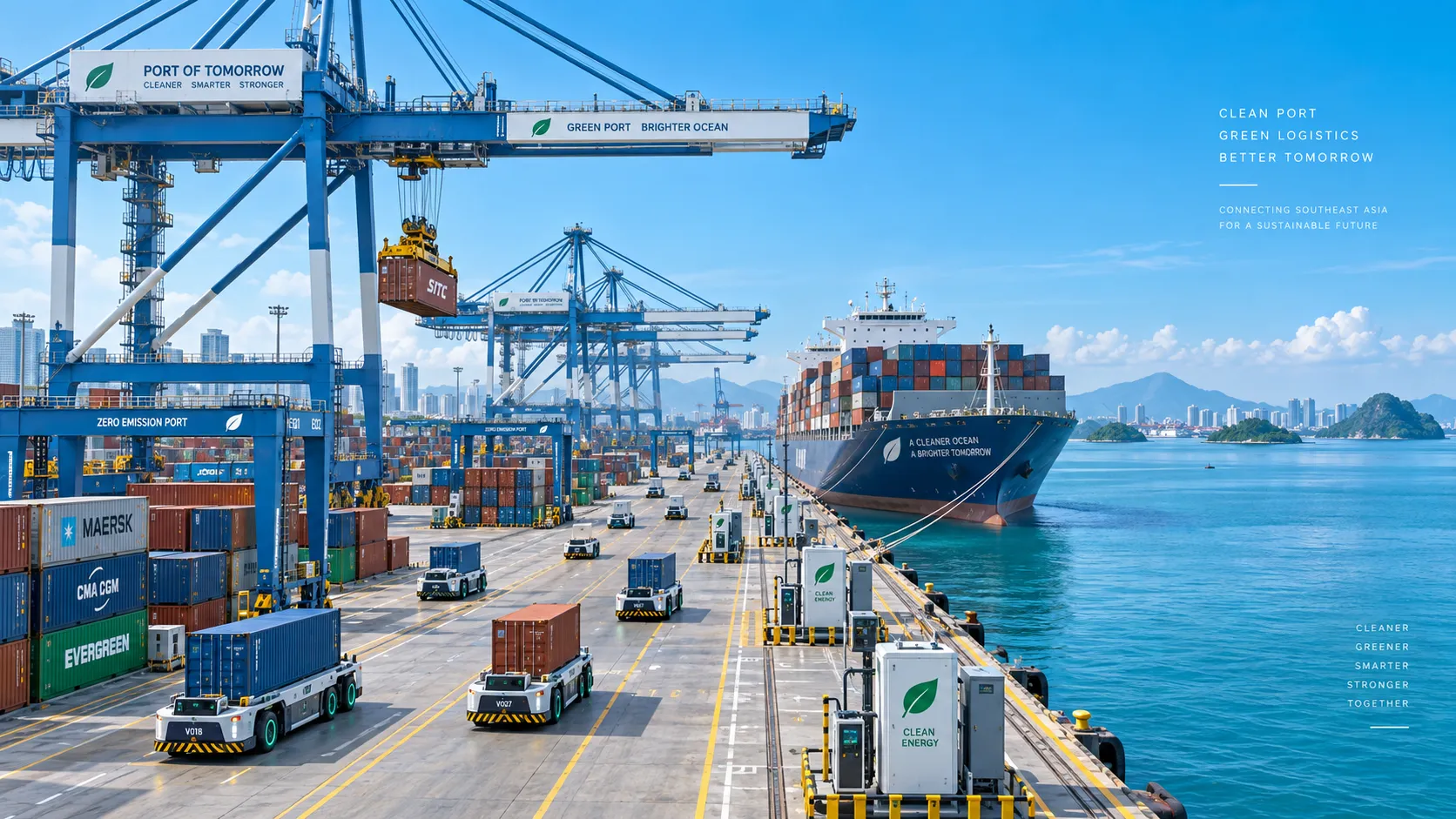
Smart Port Systems in Southeast Asia: Investment Priorities and Adoption Barriers
Smart port systems Southeast Asia: discover investment priorities, adoption barriers, and practical steps to build resilient, connected, high-performing terminals.
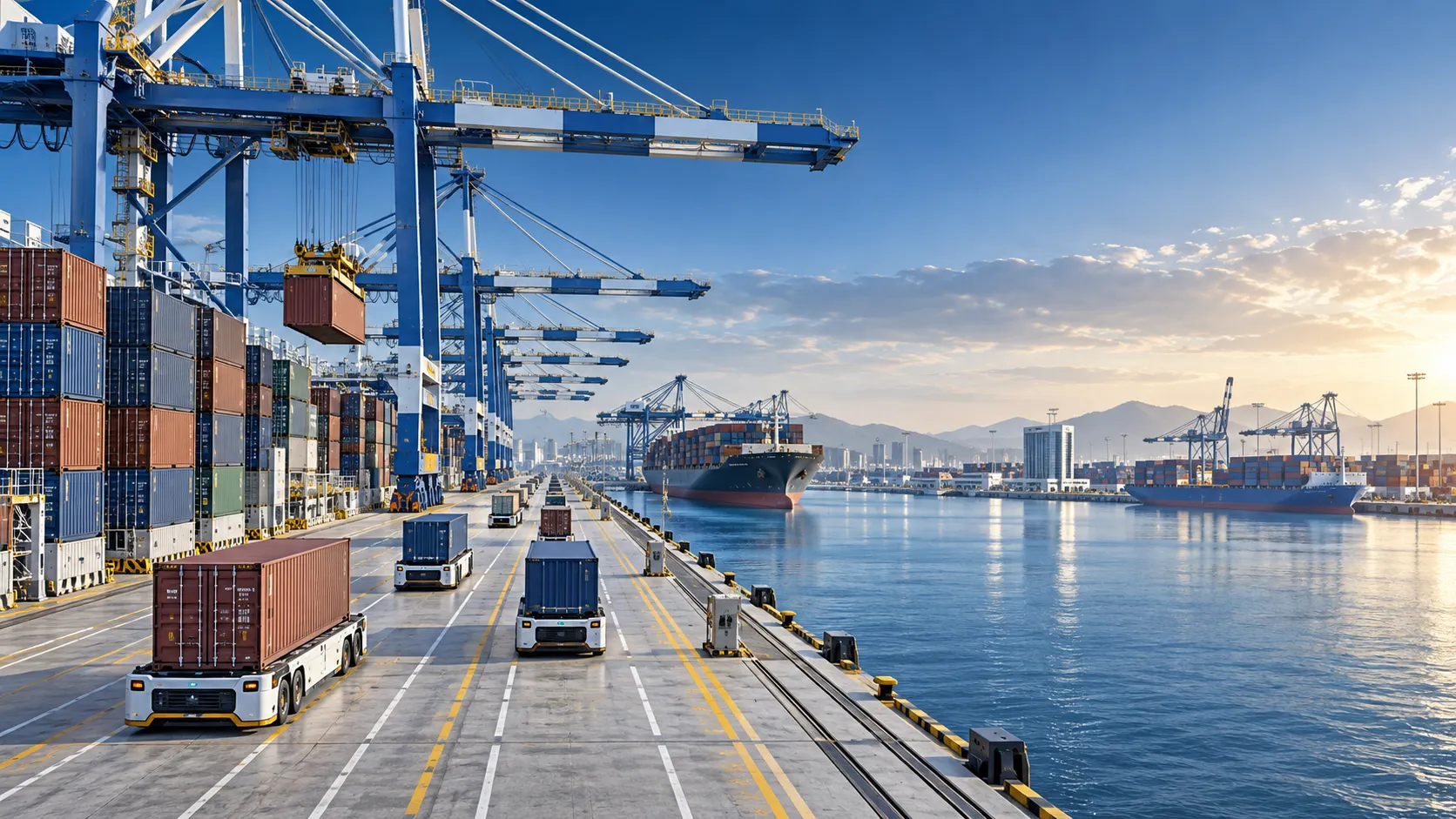
How to Evaluate Terminal Efficiency Solution Suppliers for High-Throughput Operations
Choose a terminal efficiency solutions supplier with confidence. Explore proven criteria for throughput, integration, lifecycle cost, safety, and reliable delivery.
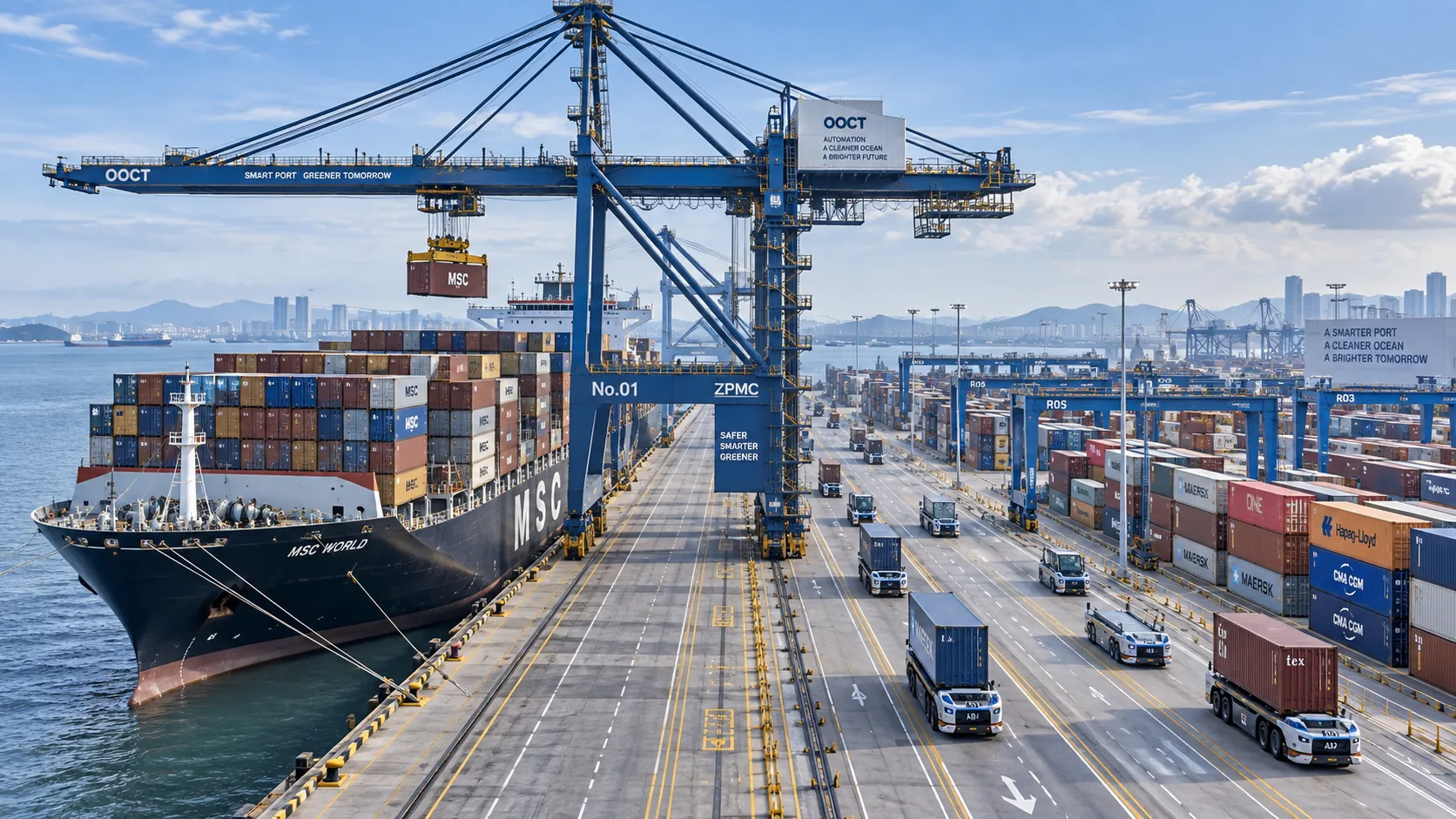
How to Specify a Quay Crane for Container Terminals by Vessel Size and Throughput?
Quay crane for container terminals: learn how to match outreach, lift height, capacity, automation, and cycle performance to vessel size and throughput goals.
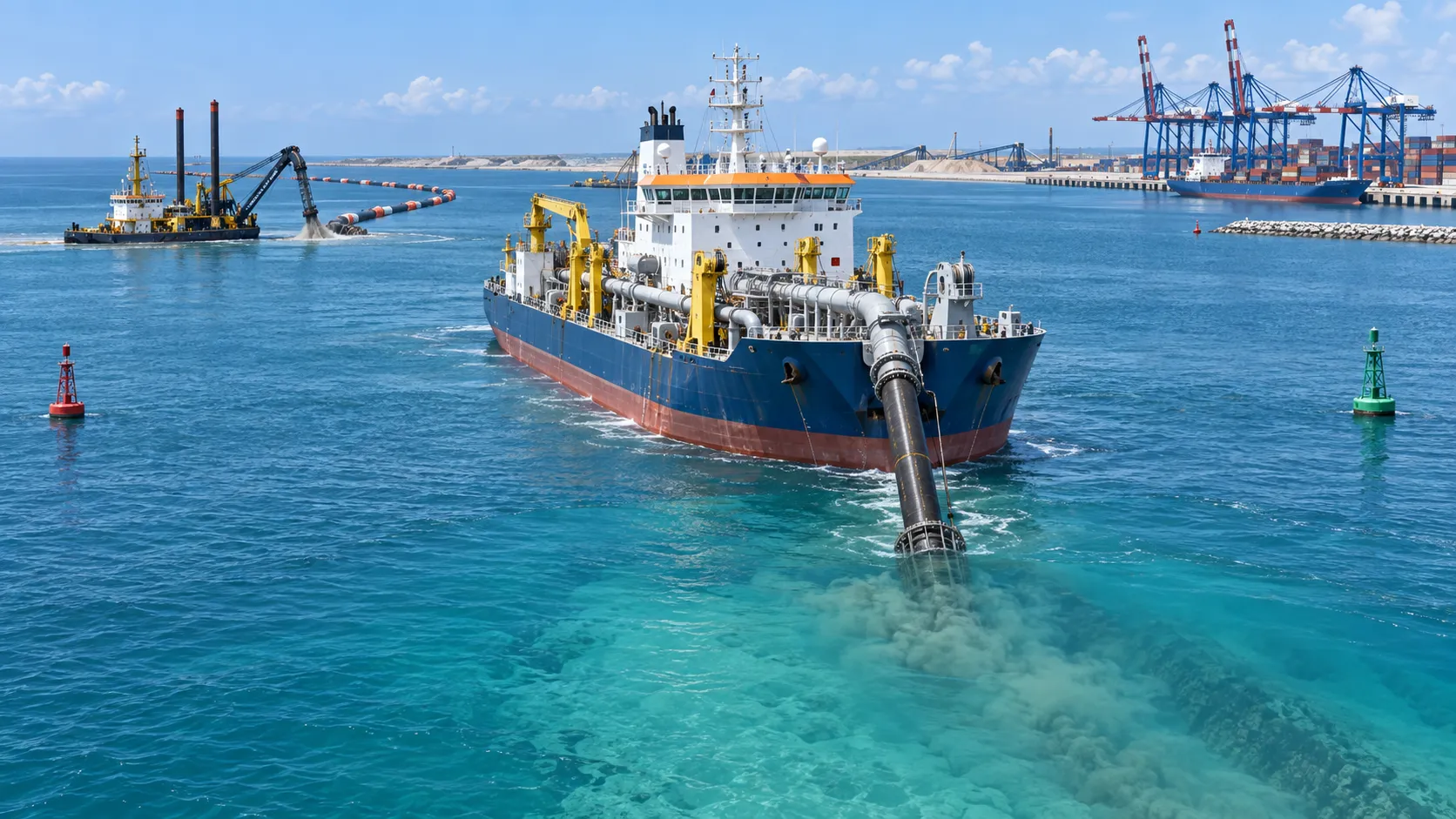
What Dredging Equipment Is Needed for Channel Deepening?
What dredging equipment is needed for channel deepening? Explore dredgers, pipelines, survey tools, and planning strategies for safer, more efficient port access.
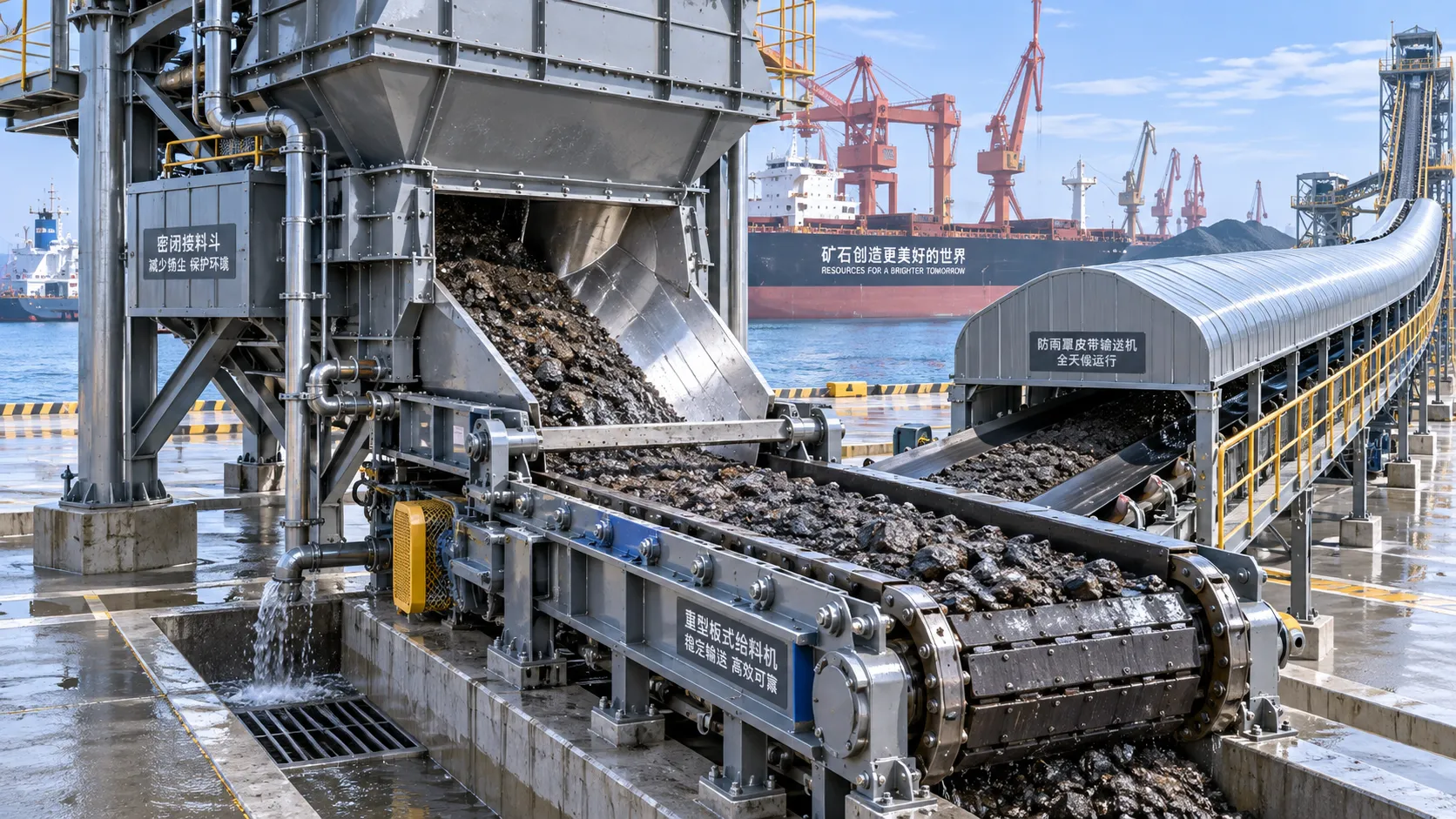
Which Bulk Handling Equipment Suits High-Moisture Cargo?
Which bulk handling equipment suits high-moisture cargo? Compare belt, apron, screw, drag, and slurry systems for reliable flow, less carryback, and higher terminal uptime.
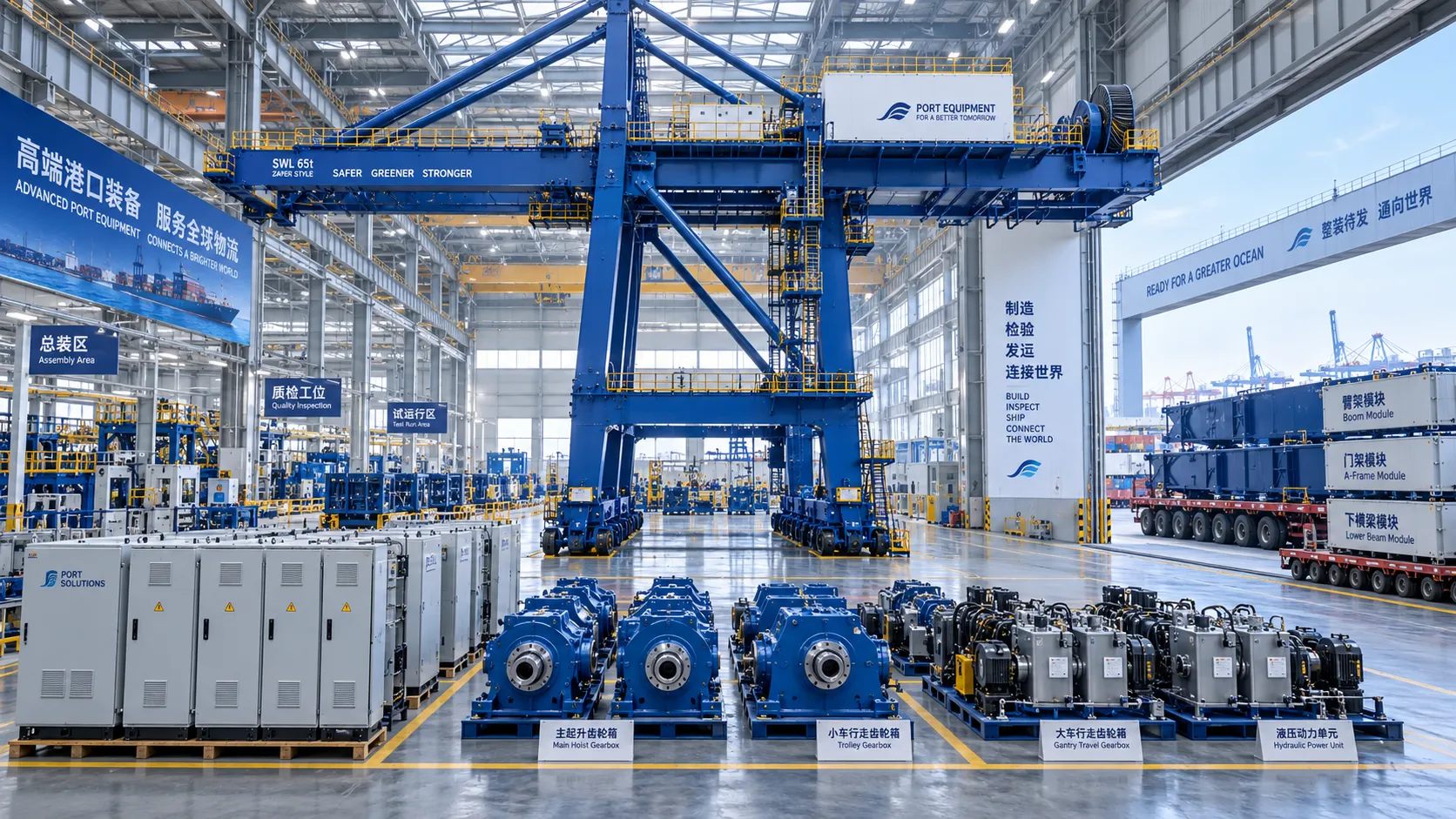
How Can Port Equipment Lead-Time Risk Be Managed?
How can port equipment lead-time risk be managed? Explore practical strategies to control critical paths, suppliers, transport, site readiness, and commissioning delays.
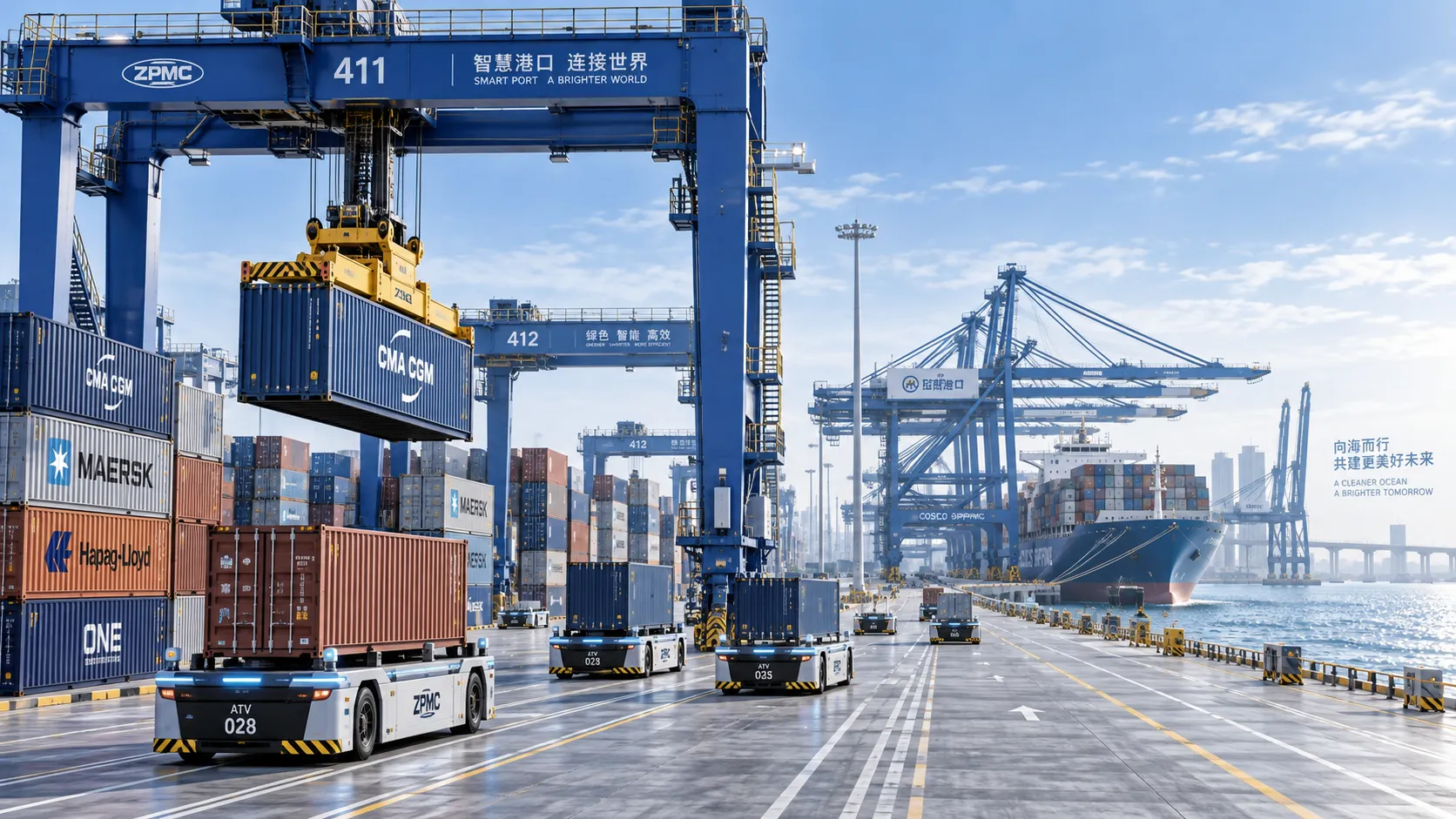
Terminal Automation Technologies That Raise Container Throughput Without Yard Disruption
Terminal automation technology that increases container throughput without disrupting yard flow. Explore smarter integration, resilient workflows, and phased deployment strategies.
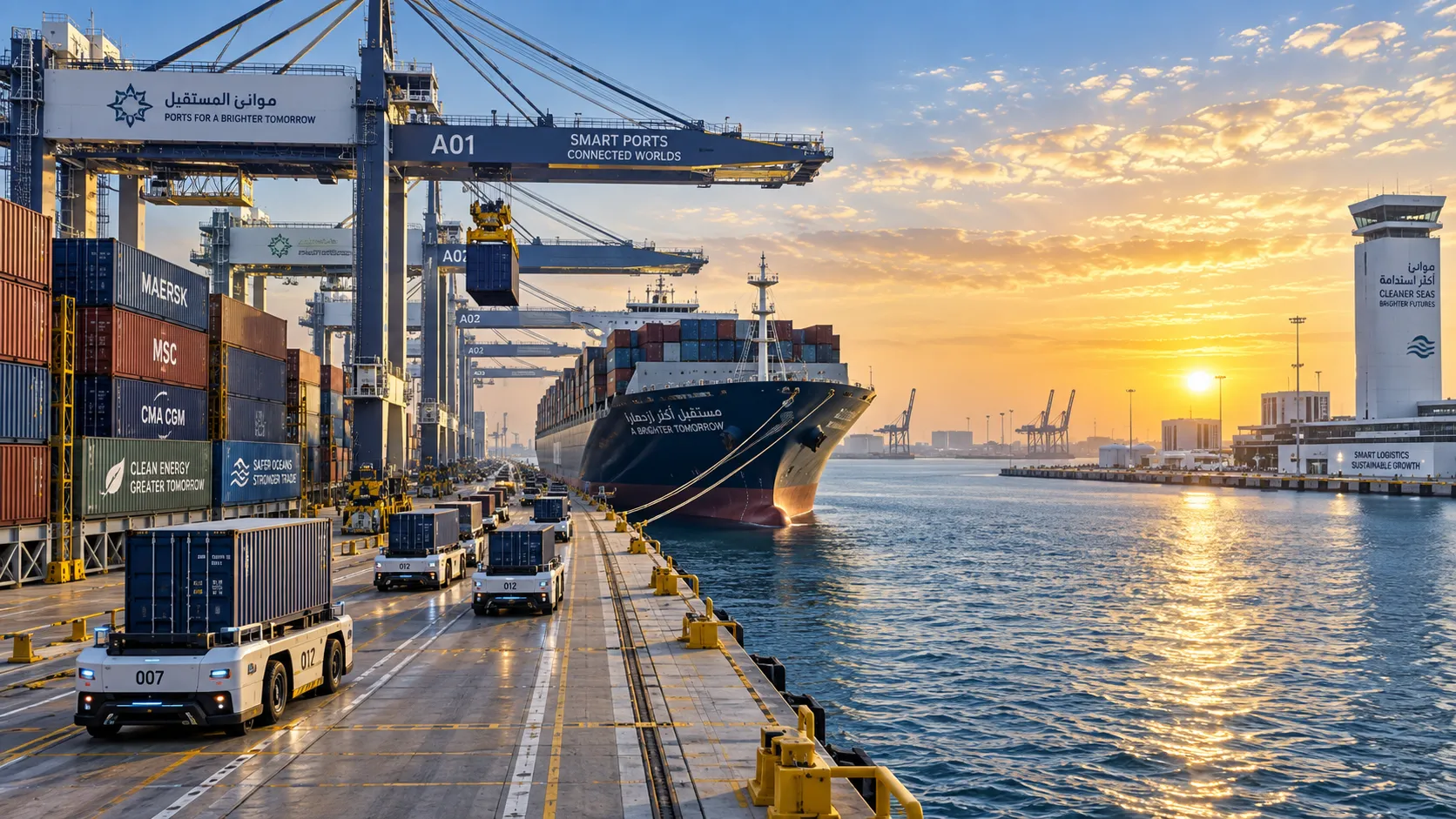
Middle East Port Automation: Key Market Drivers, Projects, and Investment Risks
Port automation systems Middle East: explore market drivers, flagship projects, integration challenges, and investment risks shaping smarter, resilient terminals.
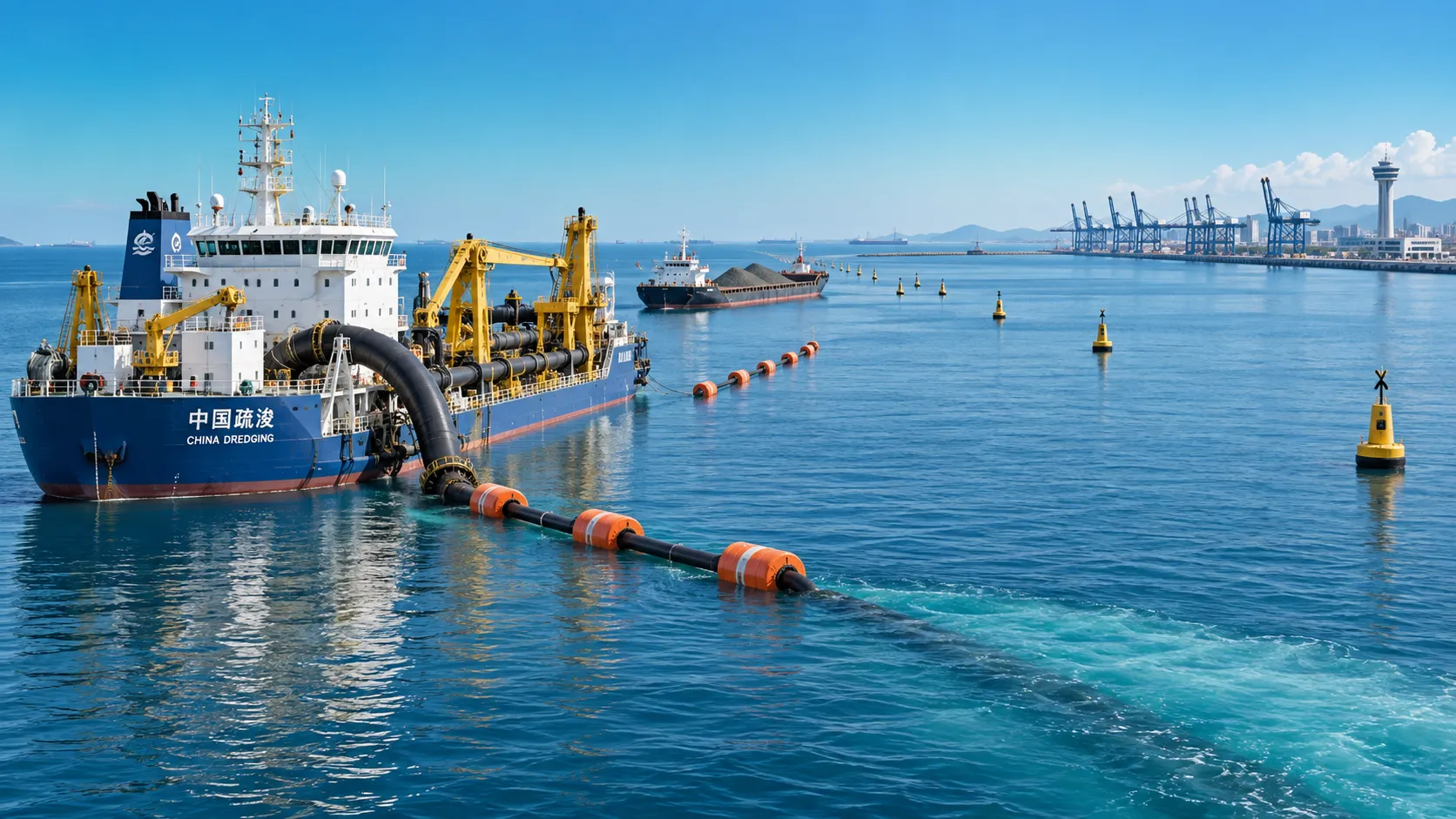
Planning Offshore Dredging Operations: Key Risks, Methods, and Project Controls
Offshore dredging operations demand smart planning. Explore key risks, proven methods, environmental controls, and project strategies for reliable delivery.