Related News
- 00
0000-00
Smart Port Systems Pricing: How to Compare Lifecycle Costs and ROI by Terminal Scale - 00
0000-00
What Drives Bulk Material Handling Pricing in Large Conveyor System Projects? - 00
0000-00
How Shipping Rate Analytics in Europe Help Importers Predict Costs and Route Risk - 00
0000-00
What Buyers Check When Reviewing Used PVC Coating Line Output and Condition - 00
0000-00
Automated Port Systems Cost Breakdown: CAPEX, Integration, and Maintenance Factors
Are smart port solutions worth the cost in 2026?
Are smart port solutions truly worth the investment in 2026? For financial decision-makers facing rising labor costs, tighter emission targets, and pressure to improve asset utilization, the answer depends on measurable ROI, deployment risk, and long-term scalability. This article examines how smart port solutions can affect operating margins, throughput efficiency, and capital planning, helping you assess whether the cost delivers strategic value.
Why smart port solutions are back on every capital review list
In 2026, smart port solutions are no longer discussed only as innovation projects. They are increasingly evaluated as operating margin tools, risk control systems, and long-horizon infrastructure upgrades.
For finance teams, the core question is not whether automation looks modern. It is whether digital control, terminal intelligence, and connected equipment can improve cash flow predictability without creating excessive implementation risk.
This matters across container terminals, bulk cargo facilities, and dredging-linked port expansion. Quay cranes, AGVs, yard systems, remote control stations, energy monitoring, and traffic orchestration all affect capacity, labor intensity, and maintenance exposure.
- Higher labor costs are pushing terminals to reduce repetitive manual intervention in crane operation, yard transfer, and gate processing.
- Emission compliance is making idle time, fuel use, and equipment scheduling inefficiency more expensive than they were five years ago.
- Congestion volatility means that underused assets and delayed vessel turnaround now have clearer financial penalties.
- Boards increasingly expect capital projects to produce both resilience value and auditable productivity gains.
What finance teams usually include under smart port solutions
The term covers more than full terminal automation. In practice, it includes phased investments such as remote crane control, terminal operating system upgrades, AGV routing logic, predictive maintenance layers, berth planning analytics, digital dredging monitoring, and energy optimization.
That distinction matters because the cost profile of smart port solutions depends heavily on scope. A finance-approved answer for one terminal may be selective digitization, not a complete lights-out transformation.
Where the financial value usually comes from
Most investment cases succeed when value is tied to a short list of measurable levers. Smart port solutions rarely pay back on one variable alone. The stronger business cases combine throughput, asset uptime, labor productivity, and energy efficiency.
For budget holders, the right approach is to separate direct savings from avoided losses and strategic upside.
The table shows why smart port solutions are often justified as a portfolio of gains. If one benefit underperforms, others can still protect the investment case. This is especially relevant in long-cycle marine infrastructure where cargo demand shifts over time.
Direct versus strategic returns
Direct returns are easier to model: reduced labor hours, lower fuel or electricity consumption, fewer unplanned maintenance events, and improved moves per hour. Strategic returns are less immediate but often larger: better service reliability, stronger carrier attractiveness, and more scalable capacity without proportional headcount growth.
A good capital review should not mix these categories. It should assign conservative assumptions to strategic upside and let direct operational improvements carry the baseline case.
What makes smart port solutions expensive in 2026
The cost is not just software licenses or control hardware. Total investment usually includes systems integration, equipment retrofitting, cybersecurity hardening, operator retraining, communication network upgrades, testing windows, and temporary productivity disruption during rollout.
For many ports, the hidden cost lies in interoperability. Legacy cranes, mixed fleets, older PLC logic, and fragmented data standards can turn a neat technology proposal into a multi-vendor coordination project.
Common cost categories finance teams should model
- Initial capital expenditure for control systems, sensors, communication layers, edge devices, and operator stations.
- Integration cost for terminal operating systems, crane interfaces, yard management logic, and maintenance databases.
- Change management cost including training, revised workflows, safety procedures, and temporary dual-mode operation.
- Lifecycle cost for support contracts, software updates, cybersecurity reviews, spare parts strategy, and vendor dependency.
This is where market intelligence becomes valuable. PS-Nexus tracks heavy terminal gear, automated container handling, control systems, and dredging engineering as linked operating ecosystems rather than isolated products. That helps financial approvers compare true program cost, not just quoted equipment price.
Which deployment models make the most financial sense?
Not every port should pursue the same automation depth. Smart port solutions can be staged. A phased roadmap often produces a better risk-adjusted return than a single, full-scale transformation.
The comparison below is useful when evaluating budget timing, financing structure, and operational disruption tolerance.
For most financial decision-makers, phased automation is the most defensible route. It protects optionality, makes post-stage ROI review possible, and limits the chance of paying for advanced functionality before data quality and operating discipline are ready.
When full investment is justified
A broader smart port solutions program can be justified when the site has sustained congestion, high annual labor inflation, expansion constraints, or strong pressure to improve berth productivity. It also makes more sense when the port is already planning major civil, dredging, or fleet renewal work.
How financial approvers should evaluate smart port solutions
A common mistake is approving or rejecting smart port solutions based on a vendor pitch deck or a single payback estimate. Better decisions come from a structured screening model that combines operations, finance, engineering, and compliance criteria.
A practical approval checklist
- Define the baseline clearly. Measure current moves per hour, energy intensity, downtime frequency, overtime ratio, and vessel delay cost before discussing savings.
- Separate must-have functionality from optional innovation. Remote operation stability and data integrity usually matter more than advanced dashboards.
- Check integration burden early. Ask how the solution connects to existing TOS, crane controls, maintenance systems, and communications architecture.
- Stress-test implementation assumptions. Include training time, fallback operations, cyber controls, and productivity dip during commissioning.
- Model three financial cases. Use conservative, base, and upside assumptions rather than a single optimistic payback number.
This is where PS-Nexus offers practical value. Its intelligence scope spans mega terminal gear, bulk handling machinery, specialized container handling, control systems, and dredging engineering. That cross-functional view helps finance teams avoid evaluating a control-layer investment in isolation from mechanical and infrastructure constraints.
What standards, compliance, and risk controls should not be ignored?
Smart port solutions bring operational benefits, but they also increase dependence on digital reliability. Financial approvers should ask not only what the system can do, but how it behaves during failure, cyber events, and degraded communications.
Exact certification needs vary by region and project scope, but several compliance themes are broadly relevant across port modernization programs.
Finance teams should treat these controls as investment protection, not overhead. A low-cost proposal that ignores cyber resilience or safe fallback behavior can become the most expensive option after commissioning.
Which port scenarios gain the most from smart port solutions?
The best candidates are not always the largest ports. Smart port solutions tend to create stronger returns where a site has complexity, recurring friction, or expansion pressure that software and automation can meaningfully address.
High-potential scenarios
- Container terminals with variable peaks, where yard congestion and crane coordination reduce effective capacity before physical limits are reached.
- Bulk handling facilities with costly idle machinery, where dispatch logic and condition monitoring can reduce stoppages and transfer delays.
- Ports under emissions pressure, where equipment electrification and digital energy tracking support reporting and operating efficiency.
- Expansion programs linked to dredging or berth redevelopment, where new infrastructure makes it easier to adopt integrated controls from the start.
By contrast, a low-volume site with stable labor cost, simple workflows, and limited congestion may gain more from selective digitization than from deep automation. That is still a valid smart port solutions strategy if it improves reporting discipline and asset visibility.
FAQ: the questions financial approvers ask before signing
How should we calculate ROI for smart port solutions?
Start with current cost per move, labor overtime, downtime loss, and energy intensity. Then model expected changes under conservative assumptions. Include integration cost, commissioning disruption, and support cost. A realistic ROI model also separates direct savings from strategic revenue protection.
Are smart port solutions only for fully automated terminals?
No. Many ports capture value through partial deployment. Remote crane operations, predictive maintenance, traffic orchestration, and energy analytics can all improve economics without converting the entire terminal into a fully automated facility.
What is the biggest hidden risk in procurement?
Underestimating integration complexity. A technically strong solution can still disappoint if it cannot work reliably with legacy equipment, existing terminal software, or current operating procedures. Procurement should define interface responsibility early and in writing.
How long is the typical decision cycle?
The decision cycle varies with scope, but larger smart port solutions programs often need time for operational baseline collection, engineering review, cybersecurity evaluation, and staged budget approval. In practice, disciplined scoping reduces delay more effectively than aggressive launch dates.
So, are smart port solutions worth the cost in 2026?
For many ports, yes—but only when the investment is matched to actual operational bottlenecks and implemented with realistic integration planning. Smart port solutions are worth the cost when they raise throughput quality, reduce handling friction, improve asset uptime, and support emissions discipline in ways that can be measured.
They are less compelling when purchased as image projects, when baseline data is weak, or when legacy constraints are ignored. In 2026, the strongest capital cases are selective, staged, and data-backed.
Why work with PS-Nexus before you commit budget?
PS-Nexus connects intelligence across heavy terminal gear, automated container handling, port control systems, and marine dredging engineering. That matters because the real value of smart port solutions depends on how mechanical assets, scheduling logic, infrastructure constraints, and trade flows interact.
If you are preparing a budget case, you can consult PS-Nexus on practical decision points such as:
- parameter confirmation for control architecture, equipment interfaces, and operational data requirements;
- solution selection across phased digitization, remote operation, and broader automation pathways;
- delivery cycle planning, commissioning risk review, and vendor coordination priorities;
- customized evaluation frameworks for throughput, maintenance, energy, and emissions performance;
- compliance and reporting considerations tied to safety, cybersecurity, and environmental oversight;
- quotation benchmarking and commercial discussions for long-cycle port infrastructure investments.
If your team needs a clearer view of whether smart port solutions fit your terminal economics in 2026, start with a structured review of scope, cost drivers, and deployment sequence. That is usually the fastest way to turn a broad technology discussion into an investment decision with defensible numbers.
Related News
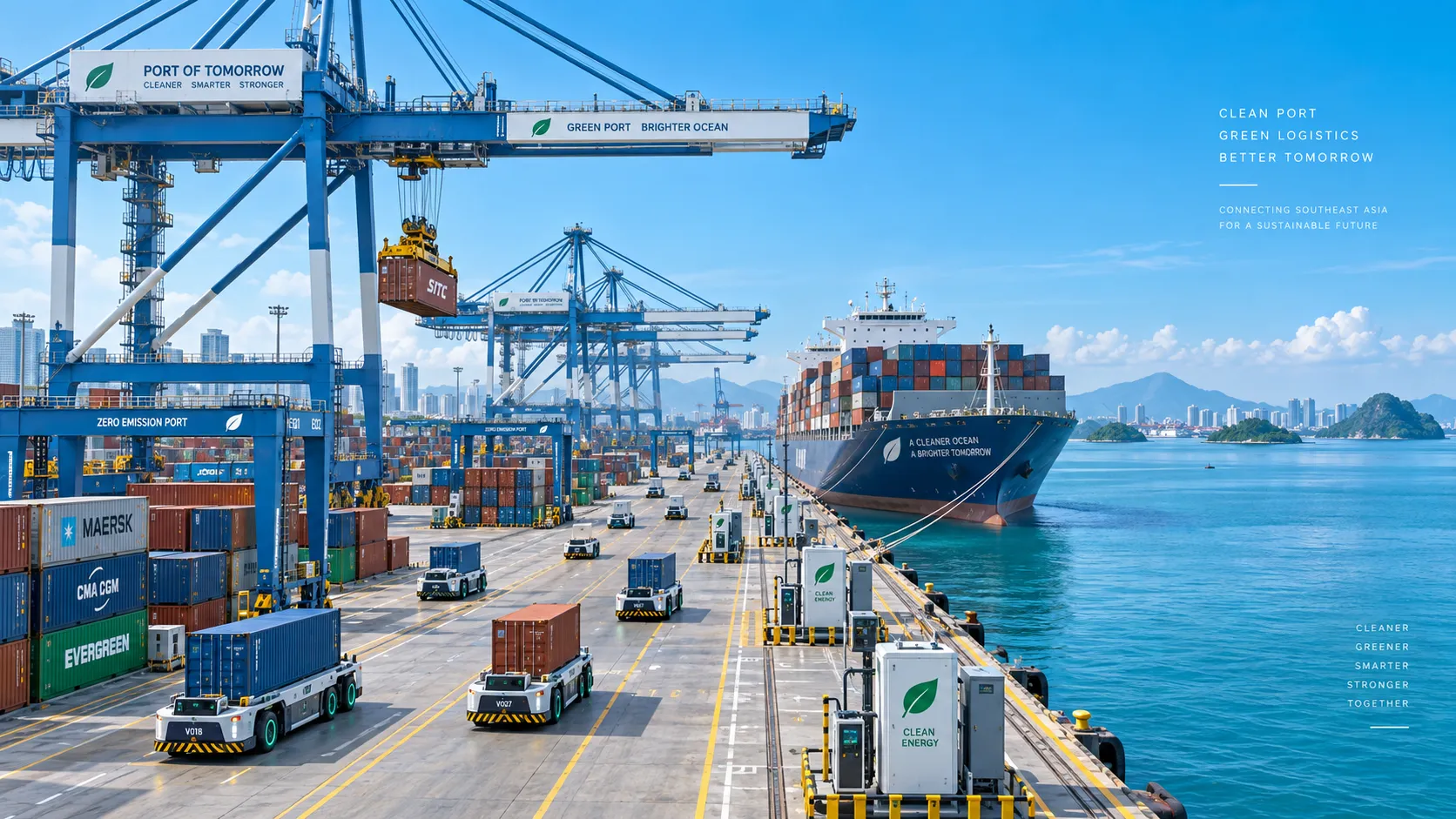
Smart Port Systems in Southeast Asia: Investment Priorities and Adoption Barriers
Smart port systems Southeast Asia: discover investment priorities, adoption barriers, and practical steps to build resilient, connected, high-performing terminals.

How to Evaluate Terminal Efficiency Solution Suppliers for High-Throughput Operations
Choose a terminal efficiency solutions supplier with confidence. Explore proven criteria for throughput, integration, lifecycle cost, safety, and reliable delivery.
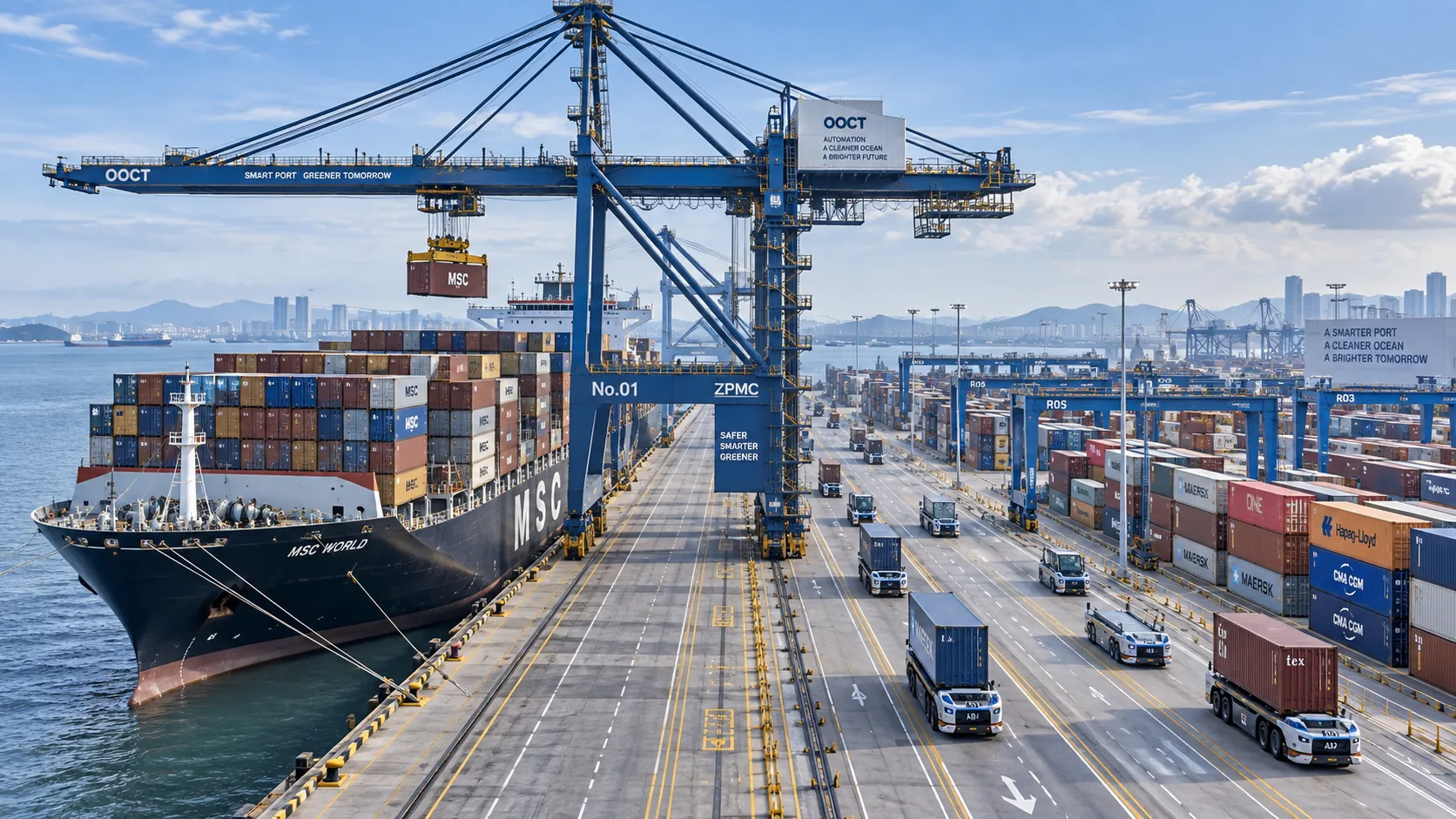
How to Specify a Quay Crane for Container Terminals by Vessel Size and Throughput?
Quay crane for container terminals: learn how to match outreach, lift height, capacity, automation, and cycle performance to vessel size and throughput goals.
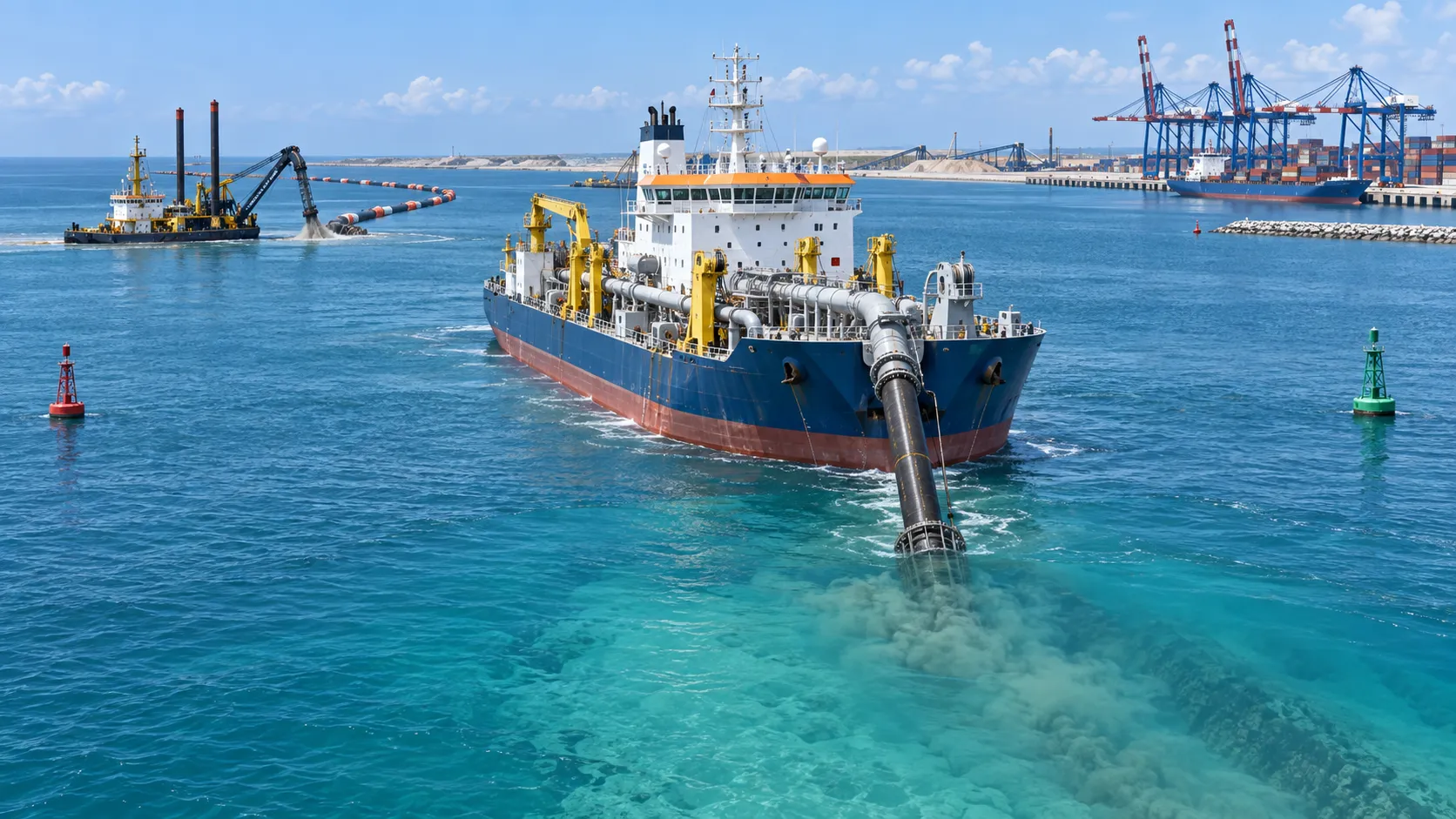
What Dredging Equipment Is Needed for Channel Deepening?
What dredging equipment is needed for channel deepening? Explore dredgers, pipelines, survey tools, and planning strategies for safer, more efficient port access.
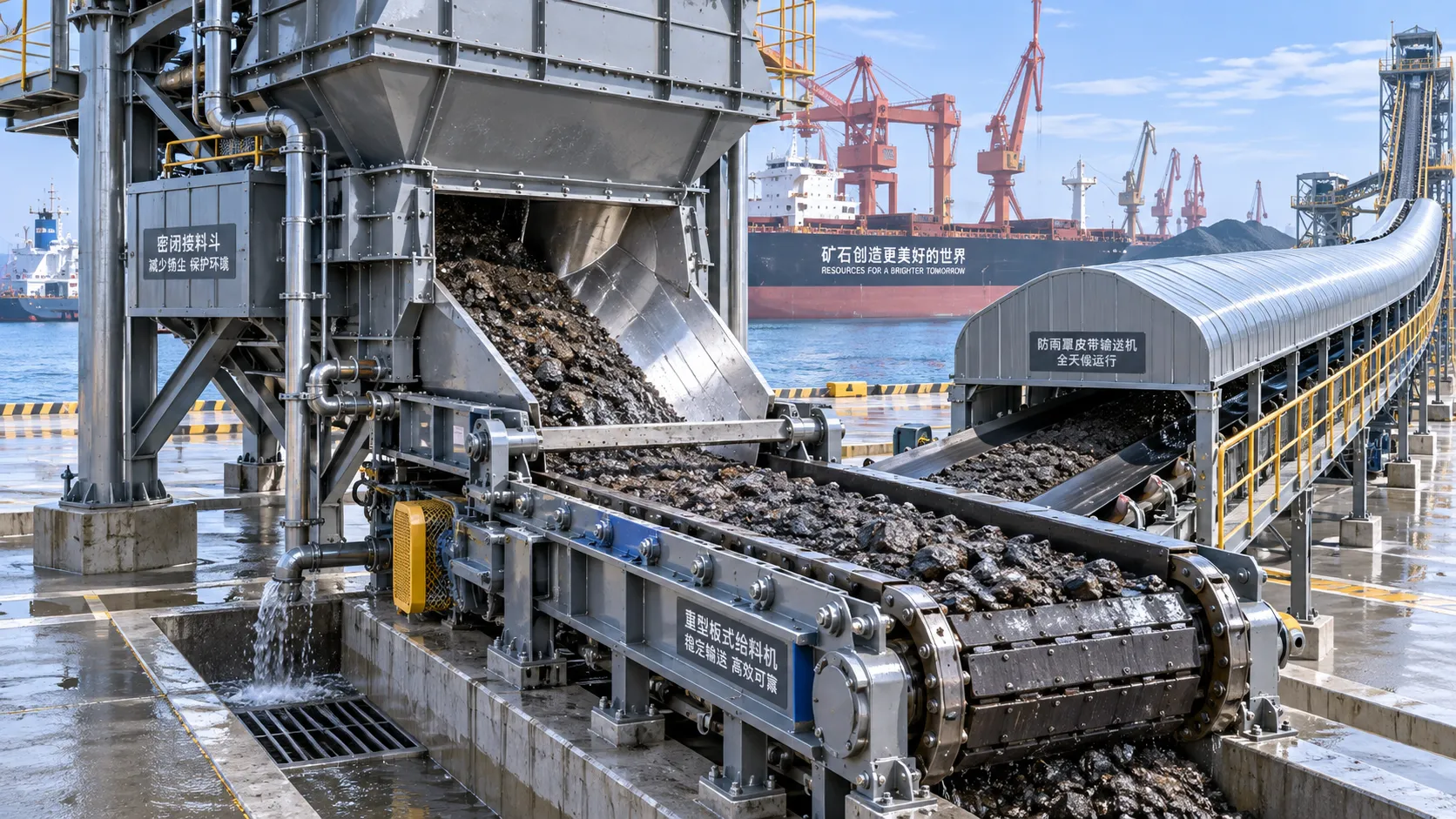
Which Bulk Handling Equipment Suits High-Moisture Cargo?
Which bulk handling equipment suits high-moisture cargo? Compare belt, apron, screw, drag, and slurry systems for reliable flow, less carryback, and higher terminal uptime.
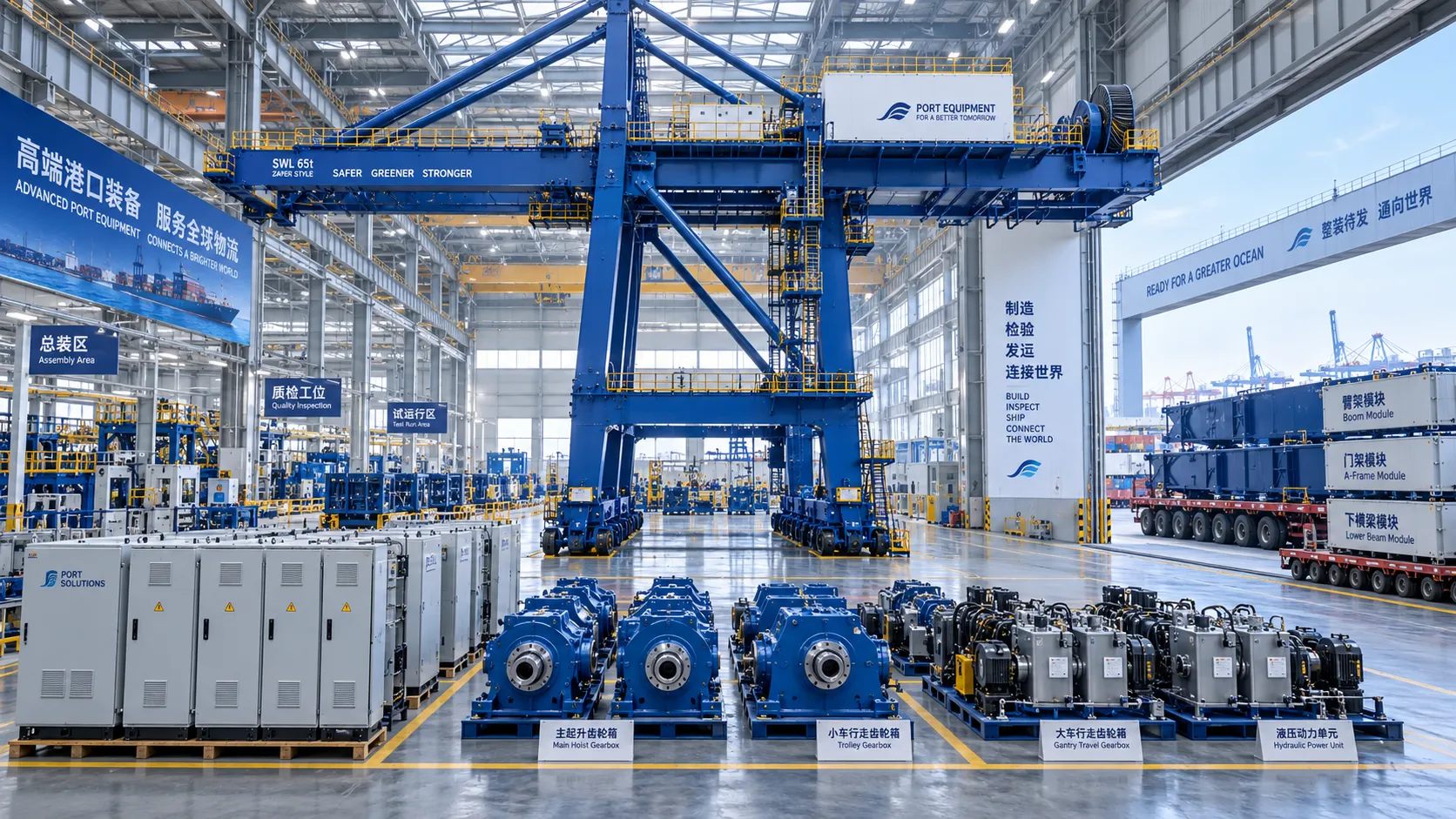
How Can Port Equipment Lead-Time Risk Be Managed?
How can port equipment lead-time risk be managed? Explore practical strategies to control critical paths, suppliers, transport, site readiness, and commissioning delays.
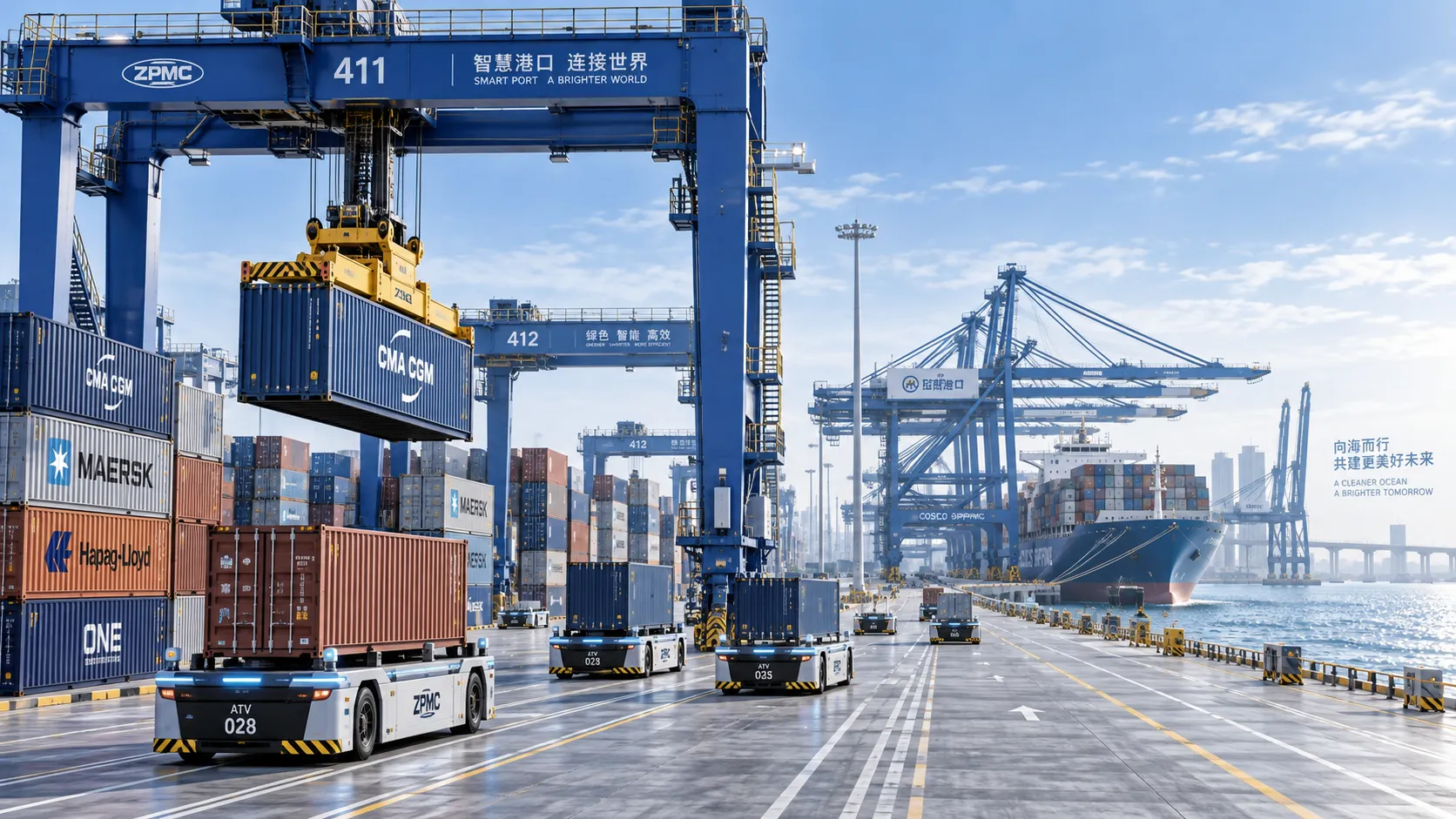
Terminal Automation Technologies That Raise Container Throughput Without Yard Disruption
Terminal automation technology that increases container throughput without disrupting yard flow. Explore smarter integration, resilient workflows, and phased deployment strategies.
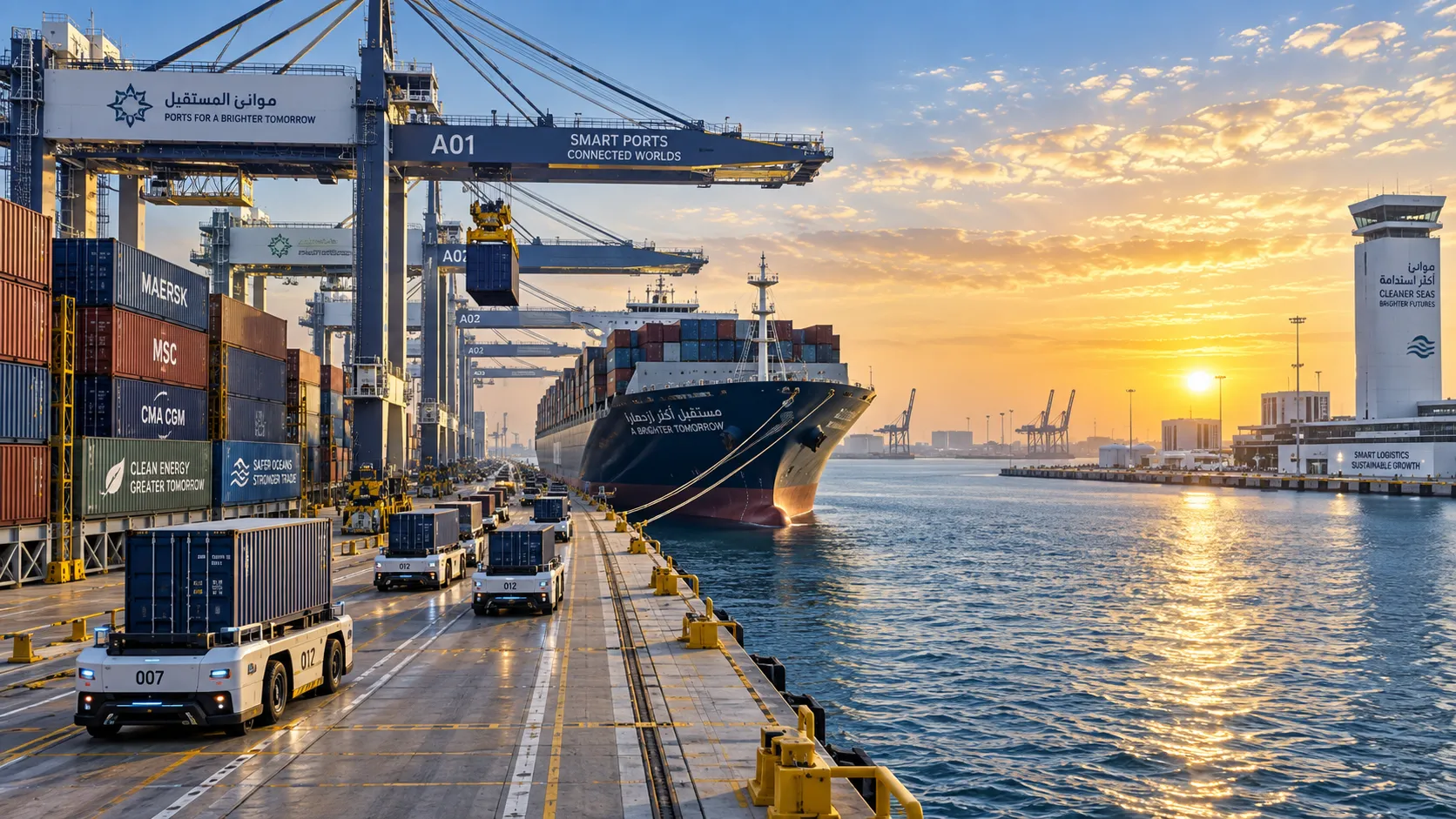
Middle East Port Automation: Key Market Drivers, Projects, and Investment Risks
Port automation systems Middle East: explore market drivers, flagship projects, integration challenges, and investment risks shaping smarter, resilient terminals.
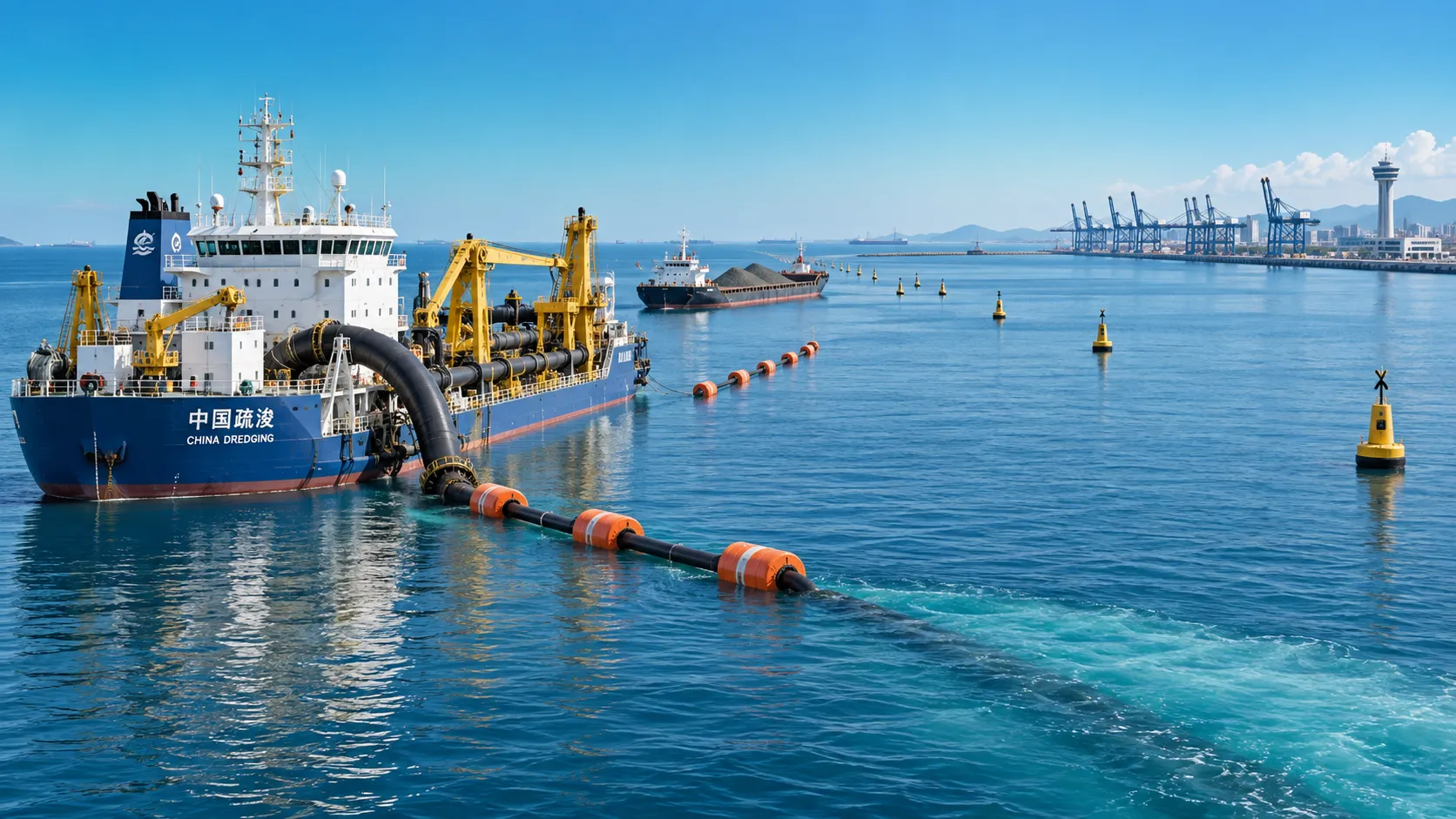
Planning Offshore Dredging Operations: Key Risks, Methods, and Project Controls
Offshore dredging operations demand smart planning. Explore key risks, proven methods, environmental controls, and project strategies for reliable delivery.