Related News
- 00
0000-00
Smart Port Systems Pricing: How to Compare Lifecycle Costs and ROI by Terminal Scale - 00
0000-00
What Drives Bulk Material Handling Pricing in Large Conveyor System Projects? - 00
0000-00
How Shipping Rate Analytics in Europe Help Importers Predict Costs and Route Risk - 00
0000-00
What Buyers Check When Reviewing Used PVC Coating Line Output and Condition - 00
0000-00
Automated Port Systems Cost Breakdown: CAPEX, Integration, and Maintenance Factors
Is port equipment automation worth the upfront cost?
For procurement teams, the real question is not whether port equipment automation is innovative, but whether it delivers measurable returns against high upfront investment. From labor efficiency and yard productivity to safety, uptime, and long-term operating costs, the value case depends on more than purchase price alone. This article examines how buyers can assess port equipment automation through total cost, risk control, and strategic competitiveness.
Why procurement teams ask whether port equipment automation is worth it
In port investment planning, automation rarely fails because the technology is immature. It fails when the buying team evaluates it like a stand-alone machine purchase instead of a multi-year operating model. That is why port equipment automation must be reviewed across capex, integration complexity, labor structure, throughput targets, and risk exposure.
For container terminals, bulk facilities, and hybrid port operators, the answer depends on cargo profile, vessel call patterns, labor conditions, yard density, and digital readiness. A terminal with stable volumes and chronic labor shortages may justify automation faster than a smaller facility facing seasonal demand swings and limited systems maturity.
PS-Nexus tracks this decision from a wider maritime intelligence perspective. The economics of port equipment automation are linked to quay productivity, remote-control logic, AGV path planning, maintenance visibility, dredging support for expansion, and the broader pressure to deliver safer and lower-emission port operations.
- Buyers need to compare not only equipment prices, but also software licensing, interface development, testing, and operator retraining.
- Operational leaders want proof that automation improves berth moves, yard flow, and asset availability under real terminal conditions.
- Finance teams need a realistic payback window, not a theoretical model built on perfect utilization.
What costs are included in port equipment automation beyond the initial quotation?
A common procurement mistake is to compare manual and automated systems using only supplier quotations for cranes, stacking equipment, or control modules. In reality, port equipment automation includes a wider cost architecture that can materially change the business case.
The table below helps procurement teams separate visible capital costs from indirect or delayed costs that often surface during deployment.
This wider view often changes supplier rankings. A cheaper automation offer can become more expensive if it requires heavy third-party integration, lacks stable diagnostics, or depends on expensive proprietary upgrades. Procurement should therefore build a total landed cost model rather than compare only capex lines.
How to calculate the real return
Return on port equipment automation should be measured through a combination of direct savings and protected revenue. Direct savings may come from labor optimization, lower incident frequency, lower fuel or energy use, and better preventive maintenance. Protected revenue comes from avoiding congestion, vessel delay penalties, missed windows, and service unreliability.
- Estimate baseline moves per hour, truck turn time, yard rehandle rate, and unplanned downtime.
- Model the expected improvement under conservative, not ideal, utilization assumptions.
- Add transition costs such as phased commissioning, labor adaptation, and temporary dual operations.
- Stress-test the payback period against lower volume, software delays, and spare parts lead time.
Which port scenarios justify automation faster than others?
Not every terminal should automate at the same pace. Procurement teams need to ask where port equipment automation can unlock structural gains rather than incremental improvements. The strongest cases usually combine repetitive workflows, constrained labor availability, growing throughput pressure, and a clear need for safer or more consistent execution.
The following comparison shows where automation often has the clearest procurement logic.
Greenfield and major expansion projects often see better economics because civil, network, power, and control systems can be aligned early. Retrofitting an old terminal may still make sense, but procurement must budget for compatibility issues, temporary shutdowns, and workarounds around legacy equipment.
Application areas buyers should evaluate separately
- Quay crane remote operation, where safety and stable crane cycles can improve without full terminal automation.
- Yard automation, where stack utilization and transport coordination often drive the strongest productivity gains.
- Gate and truck flow control, where data visibility can reduce congestion even with limited mechanical automation.
- Bulk handling and dredging support monitoring, where digital control and predictive maintenance may deliver faster returns than fully unmanned operation.
What should buyers compare: manual, semi-automated, or fully automated?
Port equipment automation is not a single decision. It is a maturity ladder. Many procurement teams get better value from semi-automated architecture than from an immediate full-autonomy target. The best option depends on site readiness, labor context, and the terminal’s tolerance for commissioning risk.
This comparison can support internal alignment between procurement, operations, and finance.
For many existing terminals, semi-automation is a practical first step. Remote-controlled cranes, digital dispatch, anti-collision systems, and maintenance analytics can solve urgent pain points while preserving room for future expansion. Procurement should resist buying a full automation package if the organization is not ready to operate it at value.
How to assess technical and operational risk before purchase
A strong business case can still fail in execution if technical assumptions are weak. Port equipment automation sits at the intersection of mechanics, controls, communications, software logic, and field conditions. The procurement role is not to engineer every subsystem, but to ensure that supplier claims are tested against the terminal’s operating reality.
Key risk points to verify during evaluation
- Interface compatibility with existing terminal operating systems, ERP links, gate systems, weighbridges, and maintenance platforms.
- Communication stability for remote control, especially where low latency is required for crane operations or vehicle dispatch.
- Environmental resilience under wind, corrosion, dust, heat, rain, or vibration typical of marine operations.
- Cybersecurity governance, user access control, patching responsibility, and incident response process.
- Fallback procedures when automation degrades, including manual override, degraded mode operation, and recovery time.
PS-Nexus follows these issues closely because port performance is increasingly shaped by control intelligence rather than steel alone. Low-latency communication, algorithmic task sequencing, and machine condition visibility are now procurement concerns, not only engineering concerns.
Relevant standards and compliance questions
Specific compliance requirements vary by port, country, and asset type, but procurement teams should ask suppliers how they address common industrial frameworks for machinery safety, electrical systems, functional safety, network security, and marine operating conditions. It is also wise to clarify local certification, acceptance testing, and documentation responsibilities before contract award.
A procurement checklist for selecting the right automation partner
The best supplier is not always the one with the broadest product catalog. For port equipment automation, the better partner is the one that can align equipment, control logic, commissioning discipline, service support, and expansion planning with your cargo and infrastructure reality.
What procurement should ask before issuing the final order
- What operational bottleneck are we solving first: berth productivity, yard congestion, labor exposure, or maintenance instability?
- Can the solution be phased, or does it require a full-site cutover to create value?
- Which data points and KPIs will be contractually tracked during commissioning and ramp-up?
- Who owns interface engineering, cybersecurity hardening, spare parts planning, and software updates after handover?
- How will the supplier support operator transition, troubleshooting, and future scaling?
This is where a sector intelligence platform adds value. PS-Nexus does not treat automation as an isolated machine feature. It connects procurement decisions to terminal workflows, global equipment trends, marine infrastructure evolution, and commercial timing across long-cycle port investments.
Common misconceptions about port equipment automation
“Higher capex automatically means poor payback”
Not necessarily. A higher upfront budget can still be justified if the solution materially reduces labor dependence, improves berth reliability, supports denser yard use, and lowers incident-related cost over time. Payback is shaped by utilization and execution quality, not by purchase price alone.
“Full automation is always better than semi-automation”
In many retrofit settings, that assumption is risky. Semi-automated port equipment automation may create a better balance between return, disruption, and operational acceptance. Procurement should buy the maturity level the terminal can absorb and run effectively.
“Automation is mainly a labor reduction project”
Labor economics matter, but the bigger value often comes from process consistency, safety control, maintenance visibility, and better use of expensive assets and land. In congested ports, improved flow control may be more valuable than headcount changes.
FAQ: what procurement teams still need to know
How do we know if port equipment automation fits our terminal size?
Terminal size alone is not the main indicator. Buyers should focus on move repetition, labor availability, safety exposure, growth plans, and system readiness. A smaller terminal with chronic staffing pressure and clear process bottlenecks may justify partial automation earlier than a larger but less constrained operation.
What procurement data should be collected before supplier comparison?
Gather current throughput, peak-hour performance, rehandle rates, downtime history, labor structure, maintenance cost, energy use, and existing software architecture. Without a reliable baseline, the return model for port equipment automation will be too subjective to support capital approval.
How long does implementation usually take?
Timing varies with scope, retrofit complexity, civil works, software interfaces, and testing requirements. Buyers should ask suppliers to separate equipment lead time, integration preparation, factory testing, on-site commissioning, and ramp-up. The practical go-live window is often longer than manufacturing alone suggests.
What is the biggest hidden risk after contract award?
Poor integration ownership is one of the most common risks. If responsibilities for interfaces, data quality, legacy equipment interaction, or acceptance criteria are vague, delays and disputes can erode the value case. Procurement should lock down these points early in the technical and commercial schedule.
Why many buyers use PS-Nexus before making automation decisions
Port equipment automation decisions sit inside a larger maritime economics picture. Vessel size, trade lane shifts, yard pressure, dredging needs, emission targets, and digital control maturity all influence whether an automation project will perform as planned. PS-Nexus helps procurement teams read those signals with a sector-specific lens.
Because PS-Nexus tracks mega terminal gear, specialized container handling, bulk machinery, automation control systems, and dredging engineering, buyers can connect equipment selection with broader operational strategy. That is especially useful when building phased automation plans rather than making isolated purchases.
Contact us for procurement-focused automation evaluation
If your team is reviewing port equipment automation, PS-Nexus can help you structure the decision around real procurement variables instead of sales assumptions. You can consult us on equipment scope definition, solution comparison, control architecture questions, delivery timeline risks, and phased upgrade strategy.
We also support discussions around parameter confirmation, supplier screening logic, automation readiness, integration checkpoints, certification and compliance questions, maintenance visibility, and budget communication for long-cycle port infrastructure projects. For buyers who need a clearer path from technical complexity to commercial confidence, that guidance can shorten decision time and reduce avoidable risk.
Related News
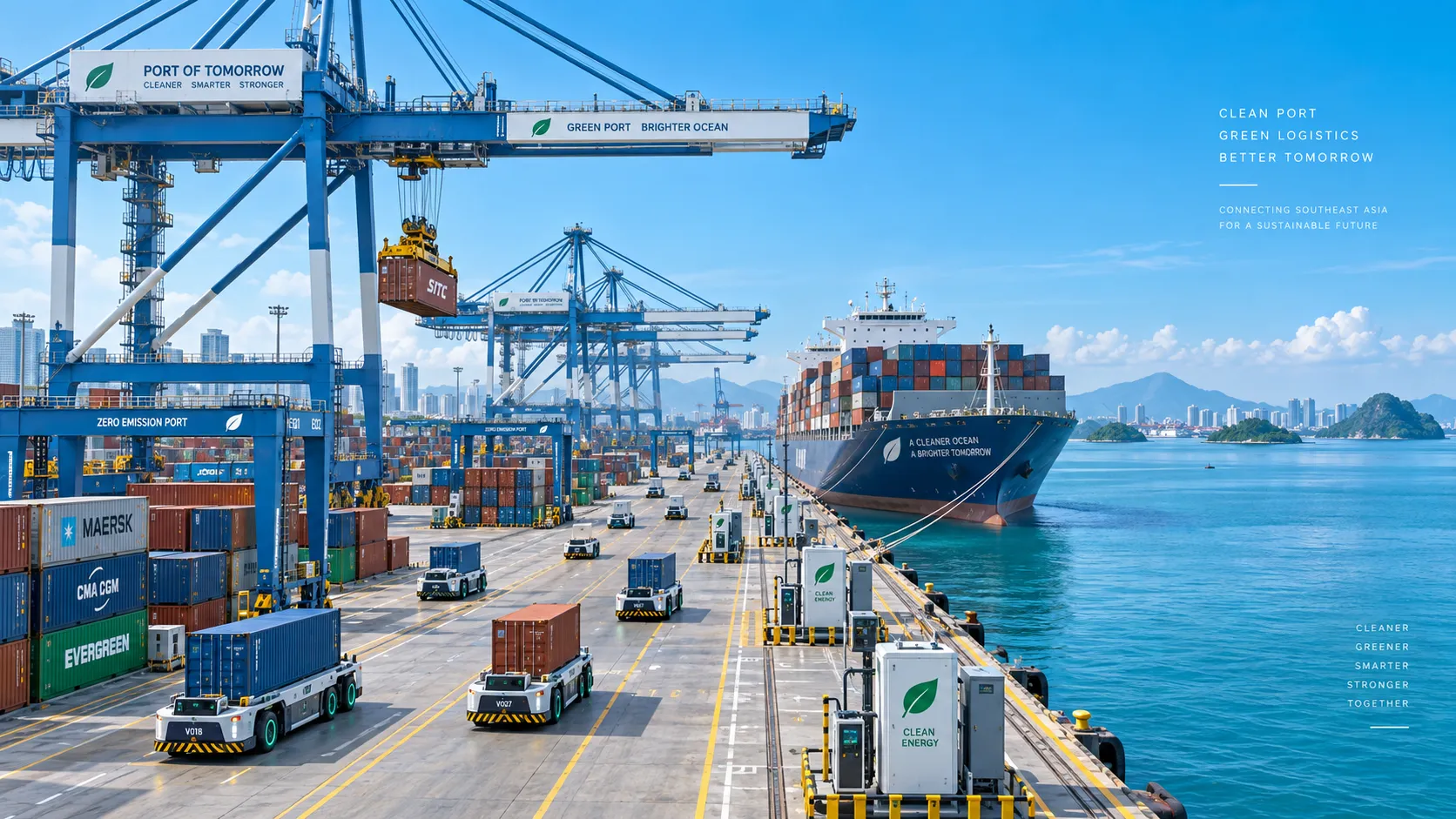
Smart Port Systems in Southeast Asia: Investment Priorities and Adoption Barriers
Smart port systems Southeast Asia: discover investment priorities, adoption barriers, and practical steps to build resilient, connected, high-performing terminals.
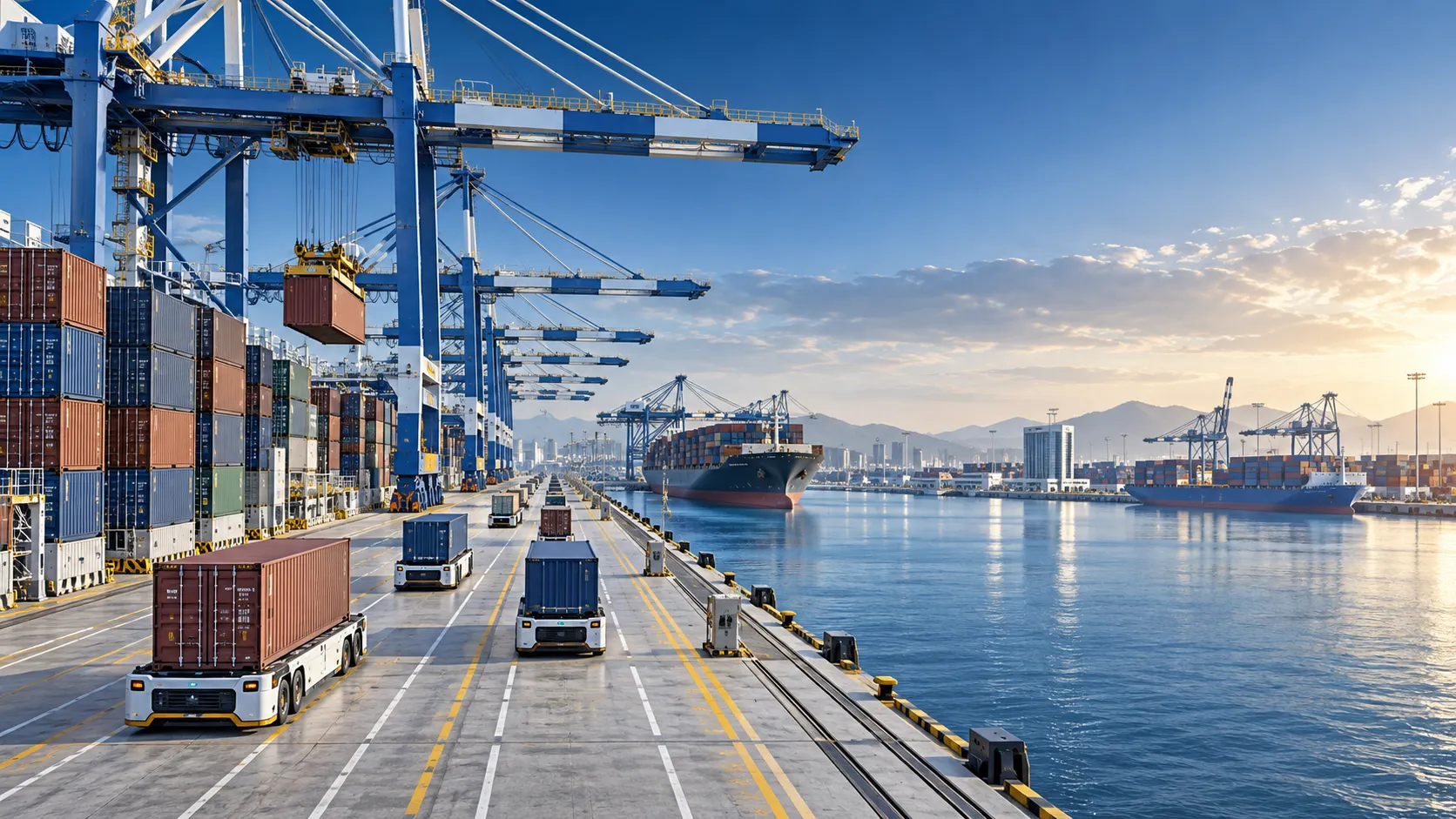
How to Evaluate Terminal Efficiency Solution Suppliers for High-Throughput Operations
Choose a terminal efficiency solutions supplier with confidence. Explore proven criteria for throughput, integration, lifecycle cost, safety, and reliable delivery.
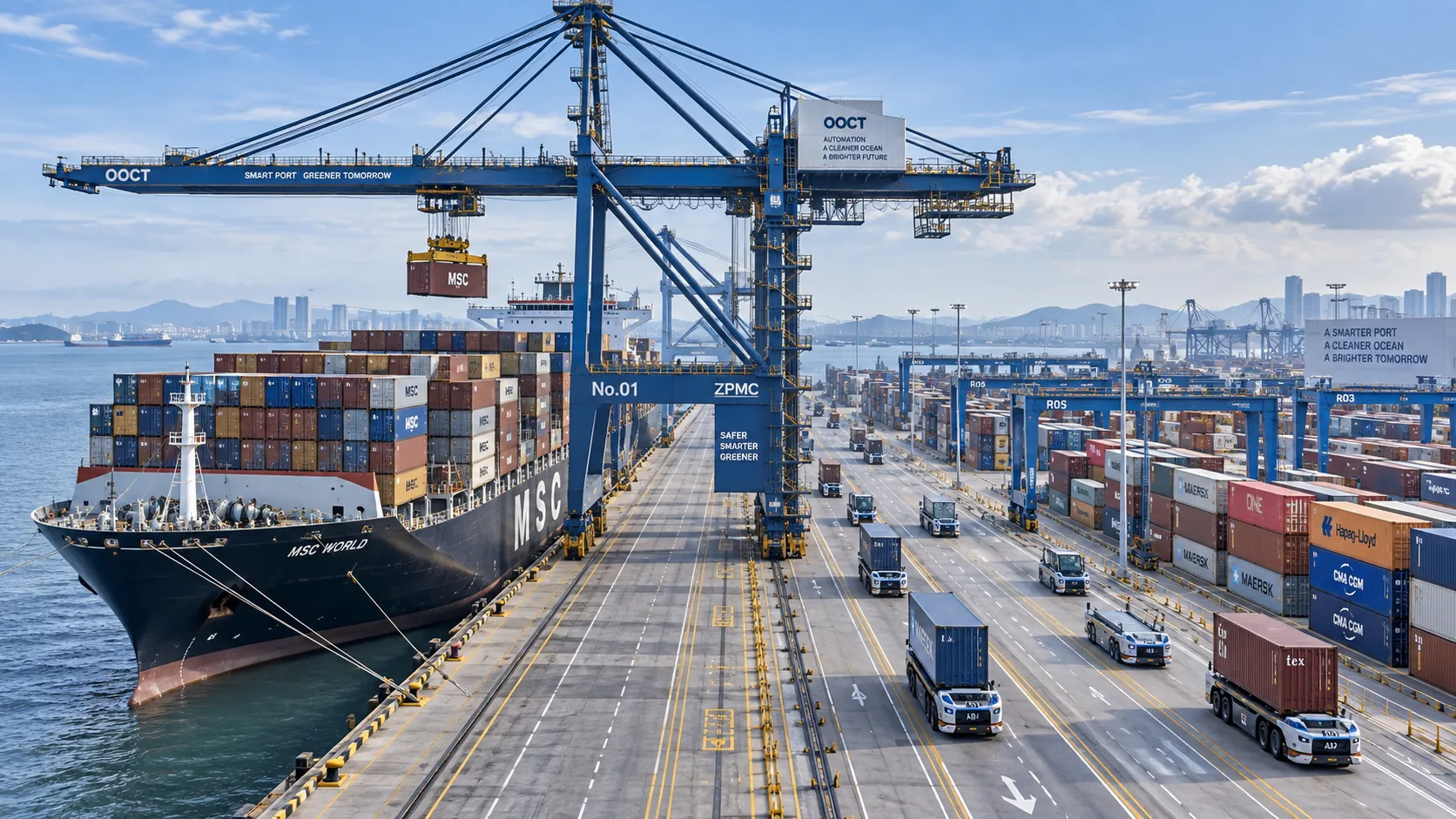
How to Specify a Quay Crane for Container Terminals by Vessel Size and Throughput?
Quay crane for container terminals: learn how to match outreach, lift height, capacity, automation, and cycle performance to vessel size and throughput goals.
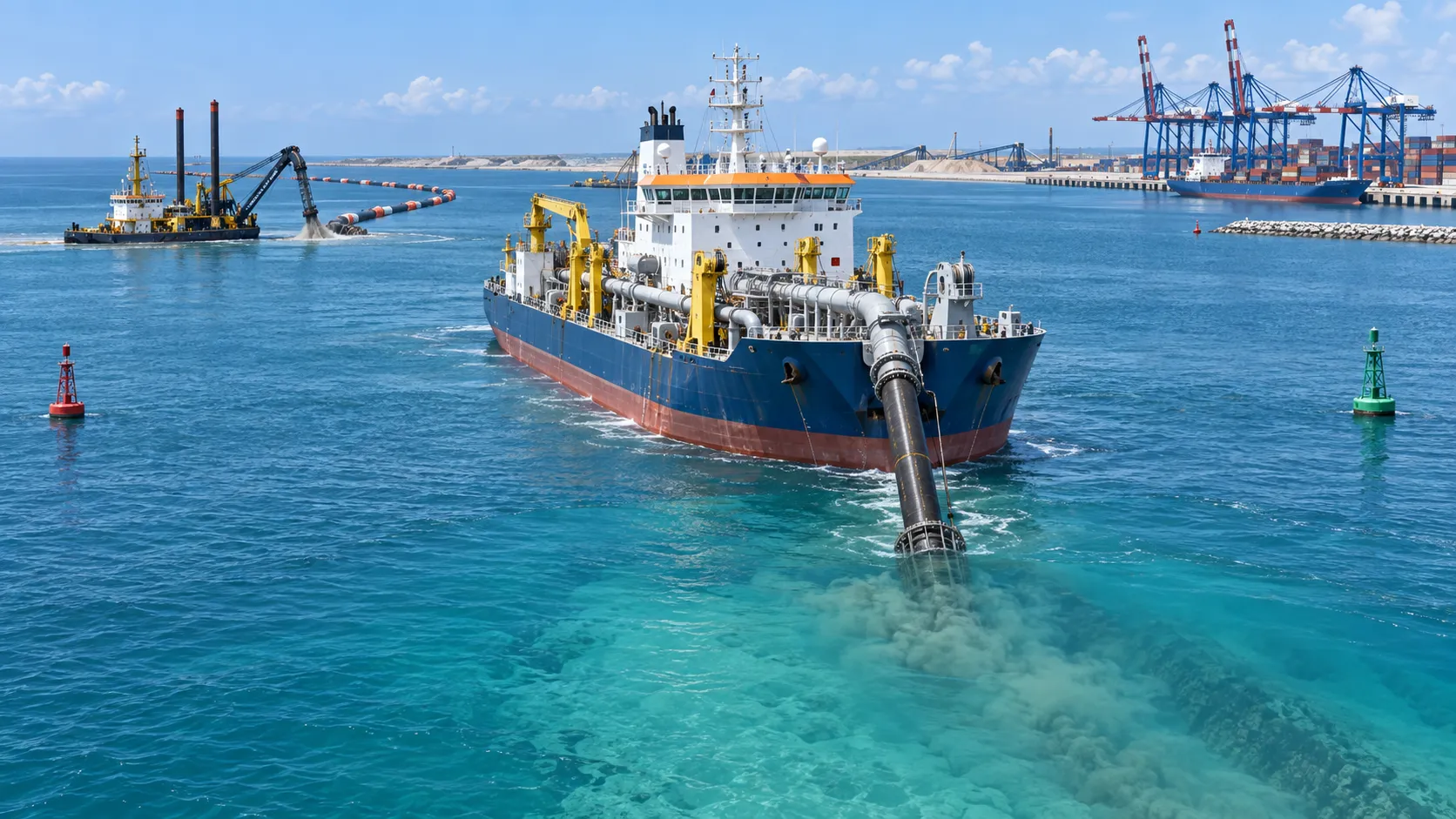
What Dredging Equipment Is Needed for Channel Deepening?
What dredging equipment is needed for channel deepening? Explore dredgers, pipelines, survey tools, and planning strategies for safer, more efficient port access.
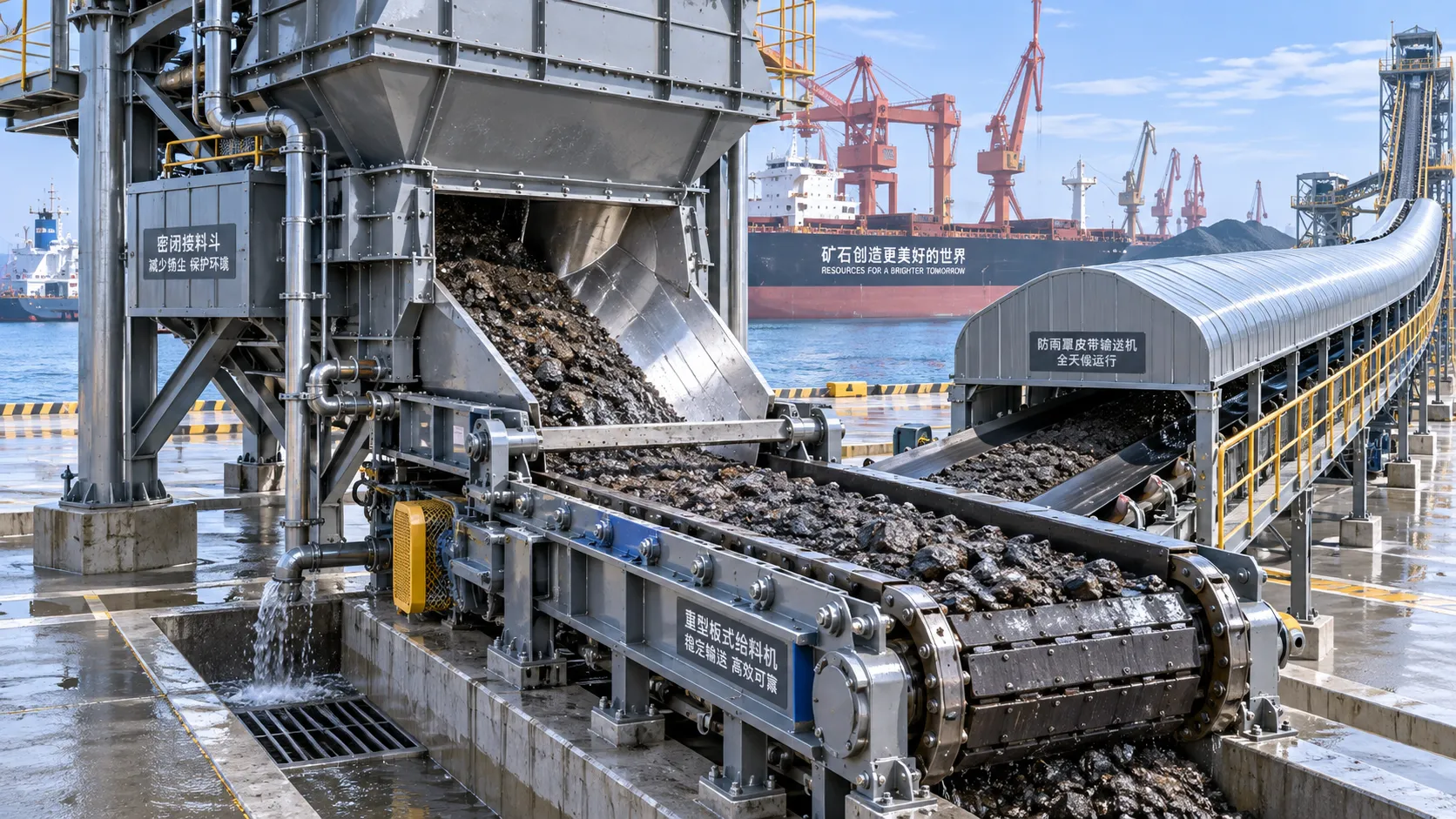
Which Bulk Handling Equipment Suits High-Moisture Cargo?
Which bulk handling equipment suits high-moisture cargo? Compare belt, apron, screw, drag, and slurry systems for reliable flow, less carryback, and higher terminal uptime.
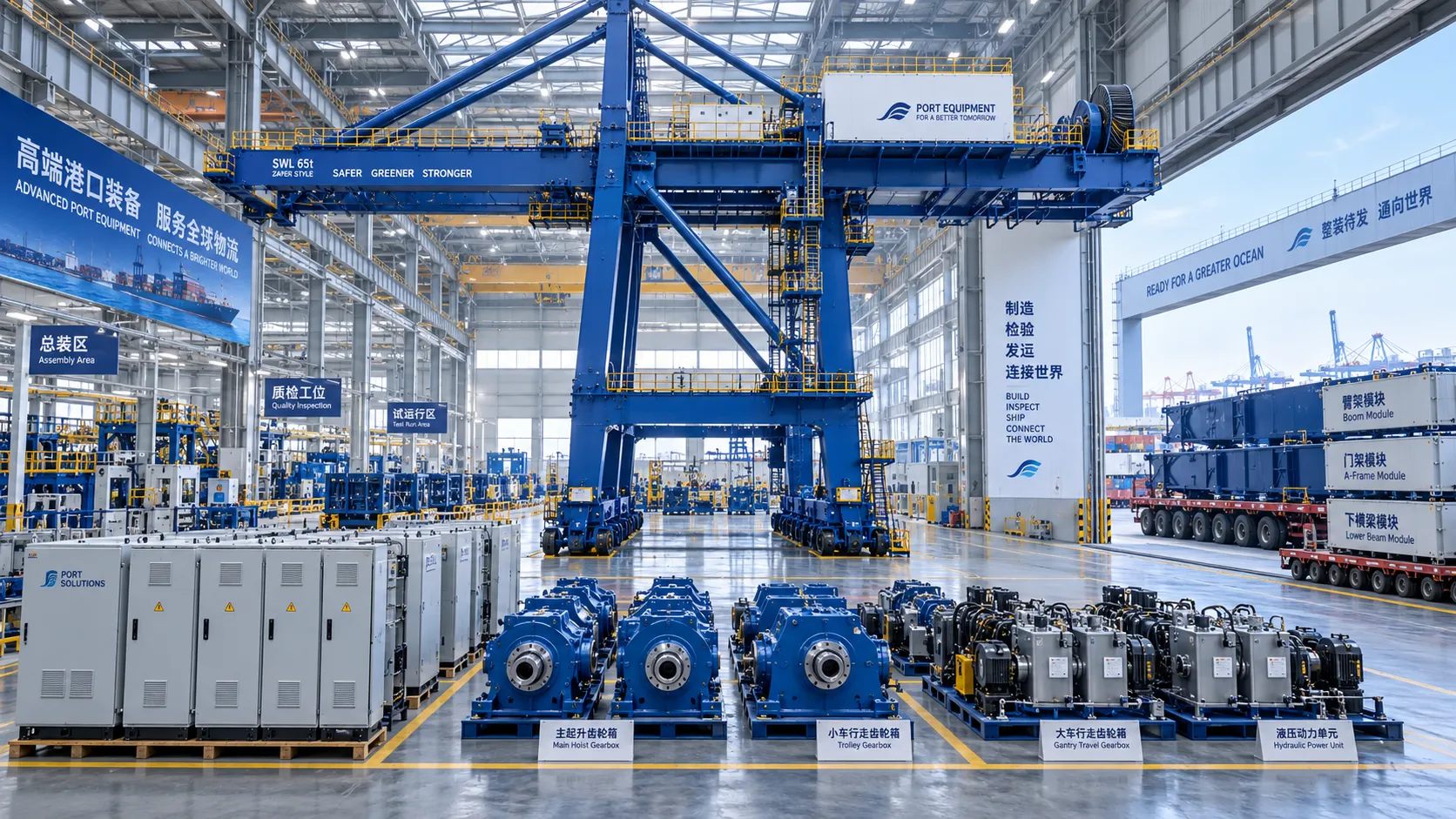
How Can Port Equipment Lead-Time Risk Be Managed?
How can port equipment lead-time risk be managed? Explore practical strategies to control critical paths, suppliers, transport, site readiness, and commissioning delays.
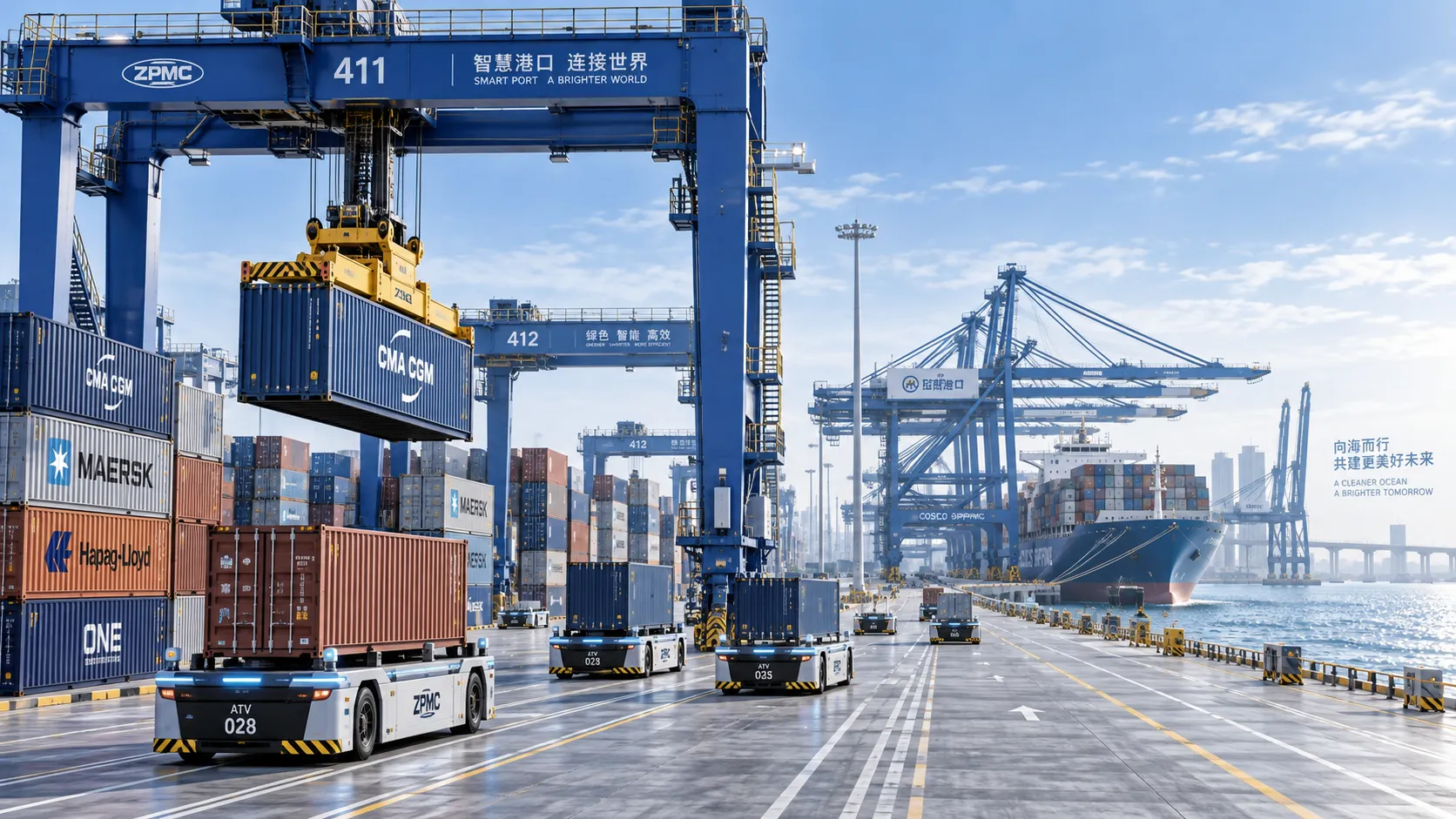
Terminal Automation Technologies That Raise Container Throughput Without Yard Disruption
Terminal automation technology that increases container throughput without disrupting yard flow. Explore smarter integration, resilient workflows, and phased deployment strategies.
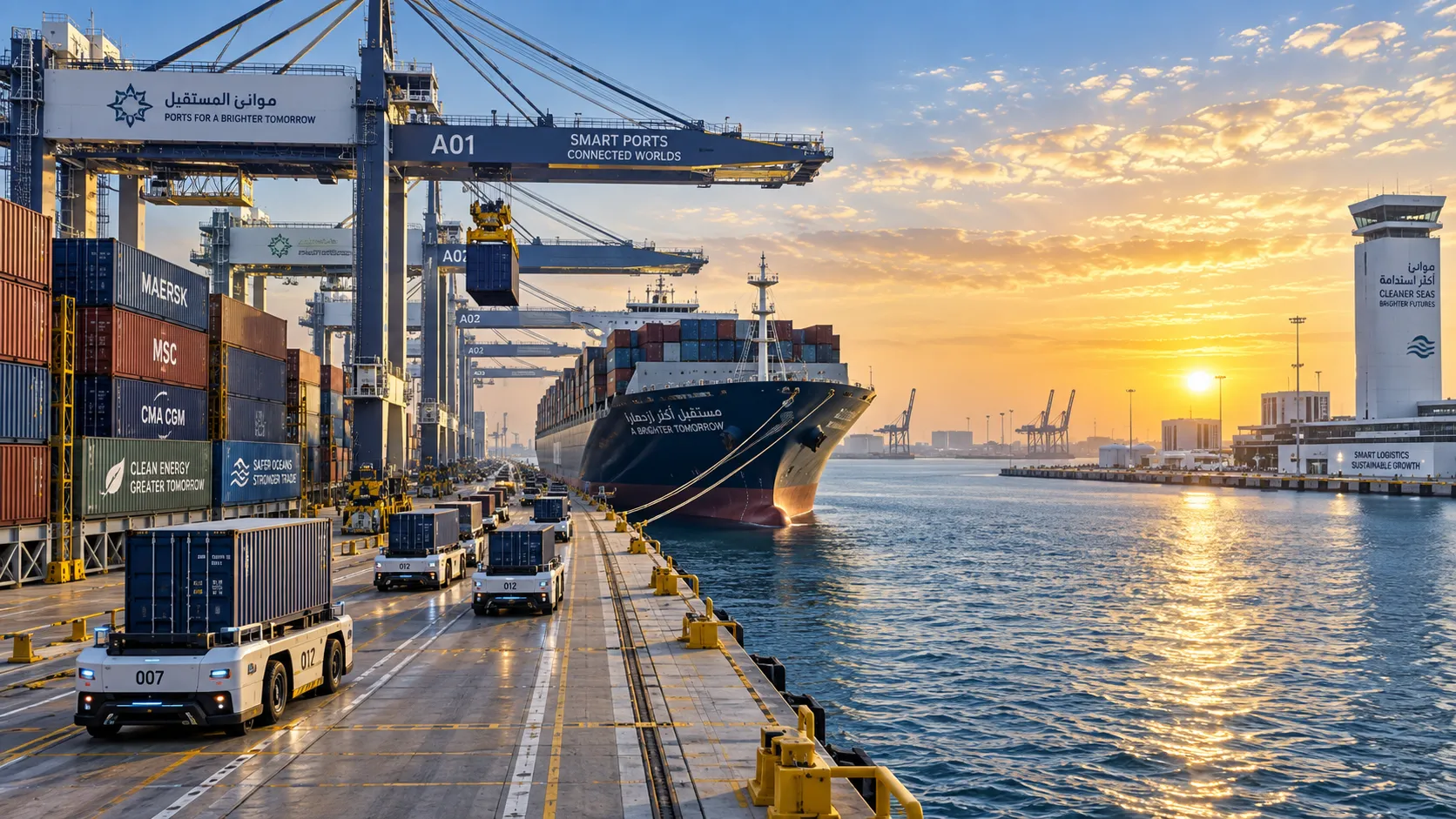
Middle East Port Automation: Key Market Drivers, Projects, and Investment Risks
Port automation systems Middle East: explore market drivers, flagship projects, integration challenges, and investment risks shaping smarter, resilient terminals.
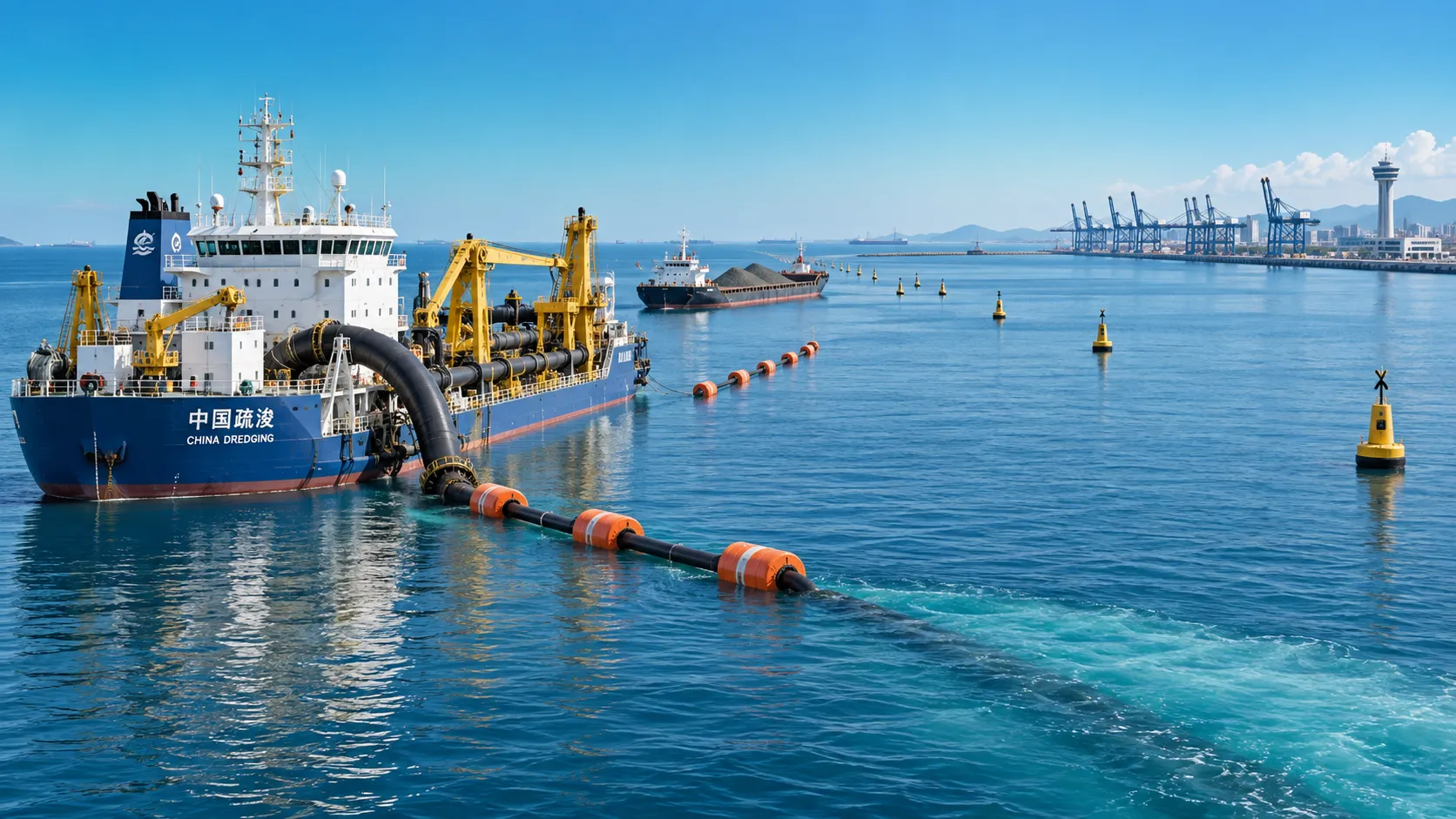
Planning Offshore Dredging Operations: Key Risks, Methods, and Project Controls
Offshore dredging operations demand smart planning. Explore key risks, proven methods, environmental controls, and project strategies for reliable delivery.