Related News
- 00
0000-00
Smart Port Systems Pricing: How to Compare Lifecycle Costs and ROI by Terminal Scale - 00
0000-00
What Drives Bulk Material Handling Pricing in Large Conveyor System Projects? - 00
0000-00
How Shipping Rate Analytics in Europe Help Importers Predict Costs and Route Risk - 00
0000-00
What Buyers Check When Reviewing Used PVC Coating Line Output and Condition - 00
0000-00
Automated Port Systems Cost Breakdown: CAPEX, Integration, and Maintenance Factors
Are AGVs for container handling worth the upfront cost?
For finance decision-makers, the case for AGVs for container handling starts with economics, not novelty.
The upfront bill is large, often including vehicles, navigation systems, chargers, software, and yard redesign.
Yet ports now face labor volatility, tighter emissions targets, denser yards, and pressure for predictable throughput.
That is why AGVs for container handling are moving from pilot projects toward strategic capital decisions.
The real question is simple: do these systems create durable value across a full operating lifecycle?
Why the cost debate around AGVs for container handling is intensifying
Container terminals are under pressure to lift volume without endlessly expanding land, labor, and energy use.
At the same time, vessel peaks are becoming sharper, making yard coordination more important than raw equipment count.
In this setting, AGVs for container handling promise repeatable transport cycles and better synchronization with cranes.
They also fit the wider automation logic seen across remote cranes, digital twins, and terminal operating systems.
However, the investment case is no longer judged by technical capability alone.
Boards increasingly compare automation against cash flow timing, resilience, cybersecurity exposure, and redeployment flexibility.
The strongest trend signals supporting automation investment
Several market signals explain why AGVs for container handling keep gaining attention despite high capital intensity.
- Higher labor costs and tighter staffing availability across key port regions.
- Demand for 24/7 consistency during weather windows and vessel bunching periods.
- Pressure to cut diesel consumption and align with net-zero terminal strategies.
- Improved software maturity for routing, traffic control, and battery management.
- Rising value of data visibility for asset utilization and cycle-time optimization.
These trends do not guarantee returns, but they make the status quo more expensive and less predictable.
What actually drives the return on AGVs for container handling
The business case depends on more than vehicle price.
Returns emerge from a network effect between equipment, software, traffic logic, maintenance discipline, and yard design.
Labor savings are real, but only part of the picture
Many evaluations overfocus on headcount reduction.
A better model looks at labor flexibility, recruitment risk, overtime exposure, training load, and safety incident costs.
AGVs for container handling often perform best where repetitive horizontal transport dominates operating expenses.
Throughput gains matter most when the yard is the constraint
If quay cranes already wait on transport equipment, automation can unlock hidden capacity.
If the main bottleneck is customs release, berth allocation, or stack strategy, returns may arrive more slowly.
Where the upfront cost of AGVs for container handling can disappoint
Not every terminal should expect fast payback.
High capital cost becomes harder to justify under certain operating conditions.
- Low annual container volume with weak asset utilization.
- Frequent layout changes that reduce routing stability.
- Limited digital maturity in terminal control systems.
- Unclear maintenance capability for batteries, sensors, and control software.
- Financing structures that penalize long payback projects.
In these cases, AGVs for container handling may still fit long-term strategy, but not immediate return targets.
The hidden cost layers that shape true lifecycle economics
A serious investment review must move beyond sticker price.
Lifecycle economics depend on cost categories that are often underestimated early in planning.
- Software integration with TOS, crane systems, and traffic management.
- Charging infrastructure, grid upgrades, and energy peak management.
- Spare parts strategy, sensor calibration, and diagnostic tooling.
- Cybersecurity, patching, and operational technology governance.
- Downtime risk during commissioning and workflow transition periods.
- Asset obsolescence if software architecture becomes closed or outdated.
For this reason, the ROI of AGVs for container handling should be modeled over ten to fifteen years.
Short horizon analysis can exaggerate pain or hide strategic gain.
How the impact spreads across port operations and related business functions
The value of AGVs for container handling is not isolated to transport lanes.
Their impact reaches yard planning, energy management, maintenance workflow, and service reliability.
This broader effect is why some projects succeed even when direct labor savings alone look modest.
What deserves the closest attention before approving capital
Before deciding, several checkpoints can sharpen the quality of the investment judgment.
- Measure current bottlenecks with real cycle-time data, not assumptions.
- Test whether AGVs for container handling solve the dominant operational constraint.
- Review software openness, integration standards, and vendor lock-in exposure.
- Model battery replacement timing and residual asset value.
- Include commissioning disruption and ramp-up learning curves in financial analysis.
- Compare full automation with phased deployment or hybrid fleet scenarios.
A practical decision framework for judging whether AGVs are worth it
A balanced approach helps separate strategic fit from technology enthusiasm.
The likely direction of the next investment cycle
The economics of AGVs for container handling should improve as software interoperability and battery systems mature.
Standardized interfaces, better fleet orchestration, and stronger predictive maintenance will reduce avoidable downtime.
That said, competitive advantage will still depend on execution quality, not merely equipment ownership.
The ports that benefit most will be those aligning automation with layout logic, data governance, and commercial strategy.
So, are AGVs for container handling worth the upfront cost?
For high-volume terminals with clear transport bottlenecks, digital readiness, and long planning horizons, often yes.
For sites lacking those conditions, the answer may be not yet, or only through phased deployment.
The most effective next step is a full lifecycle model combining throughput data, integration cost, energy planning, and operational risk.
That evidence-based view gives AGVs for container handling a fair test against both today’s cost pressures and tomorrow’s port strategy.
Related News
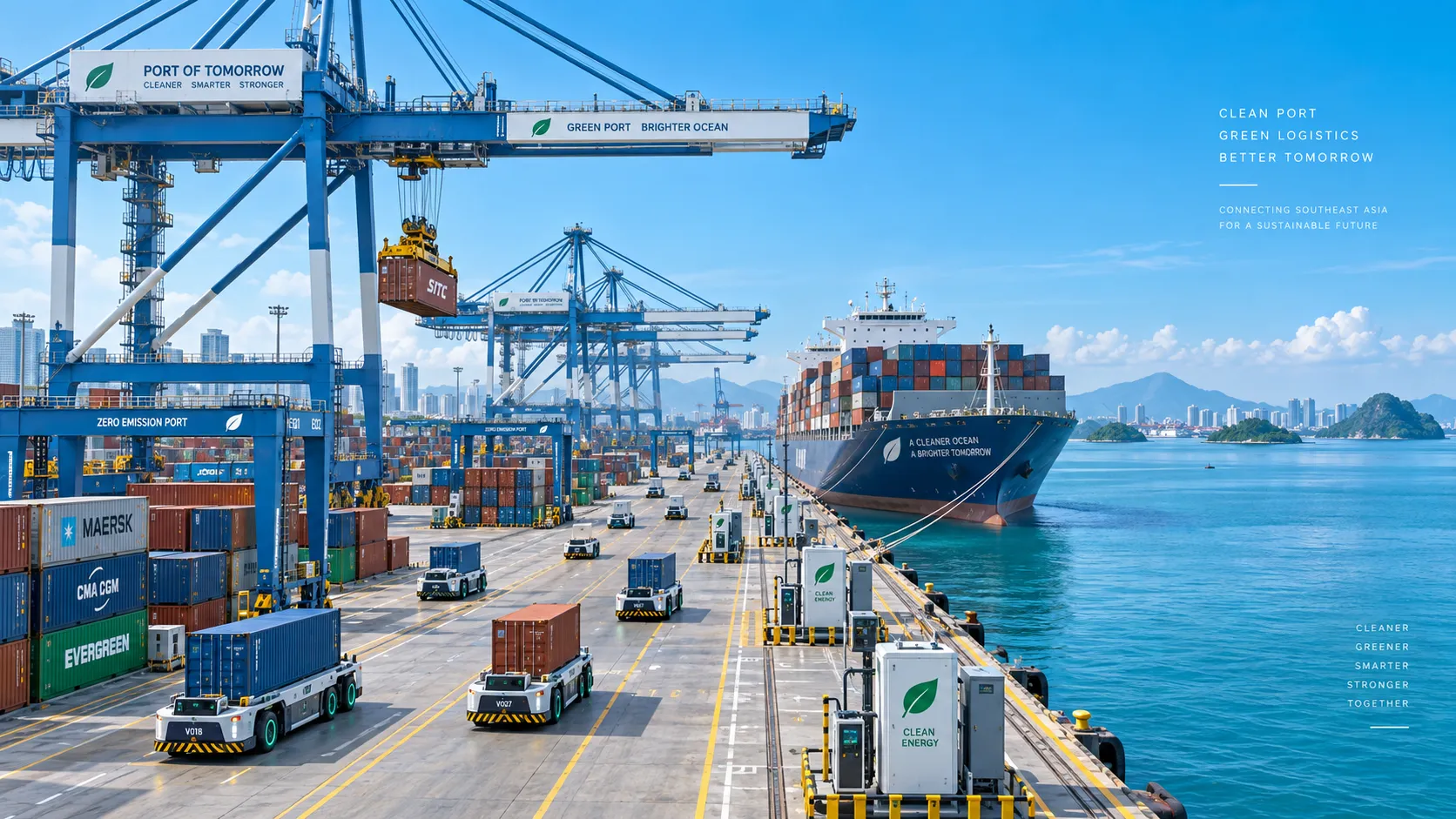
Smart Port Systems in Southeast Asia: Investment Priorities and Adoption Barriers
Smart port systems Southeast Asia: discover investment priorities, adoption barriers, and practical steps to build resilient, connected, high-performing terminals.
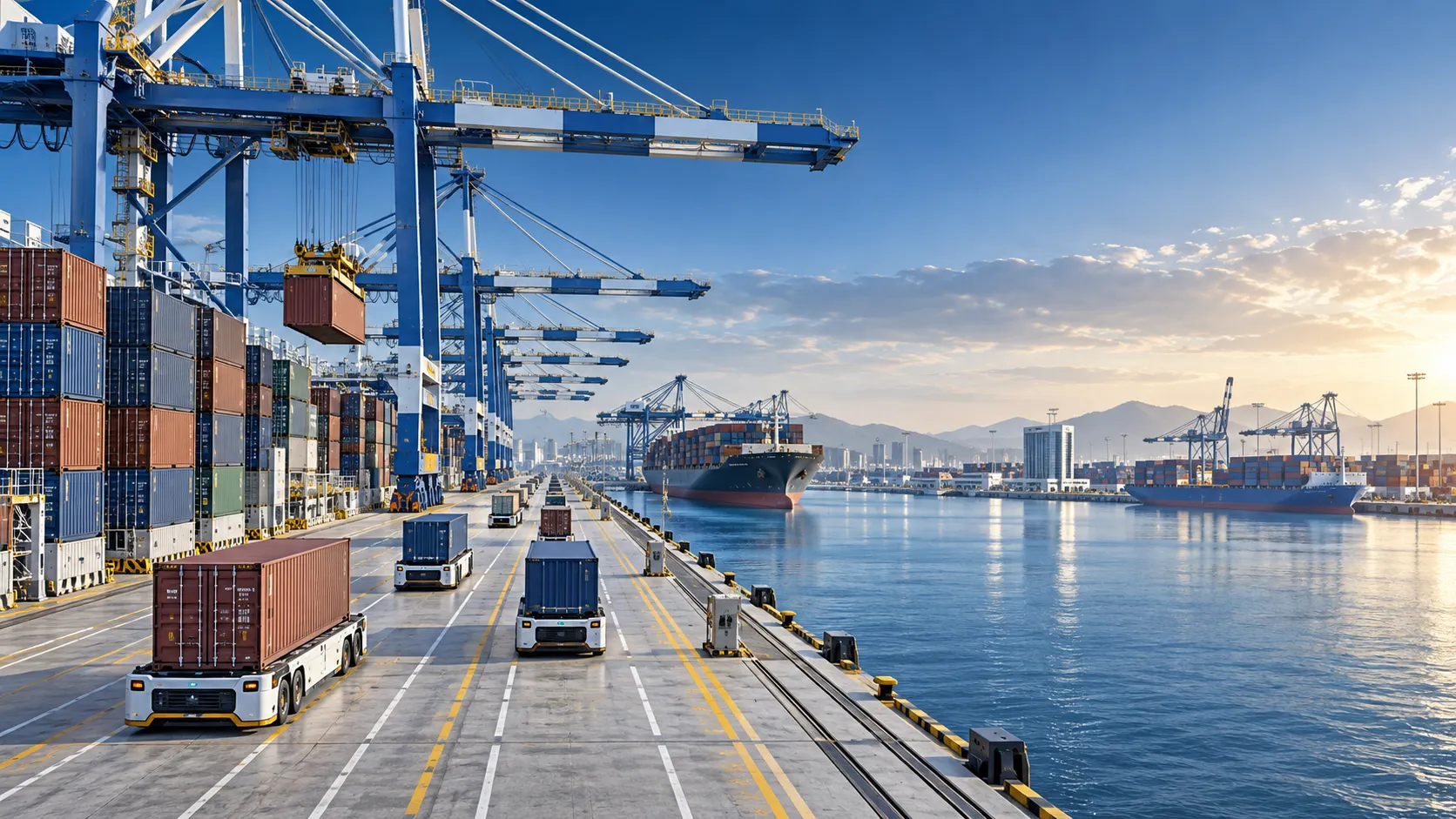
How to Evaluate Terminal Efficiency Solution Suppliers for High-Throughput Operations
Choose a terminal efficiency solutions supplier with confidence. Explore proven criteria for throughput, integration, lifecycle cost, safety, and reliable delivery.
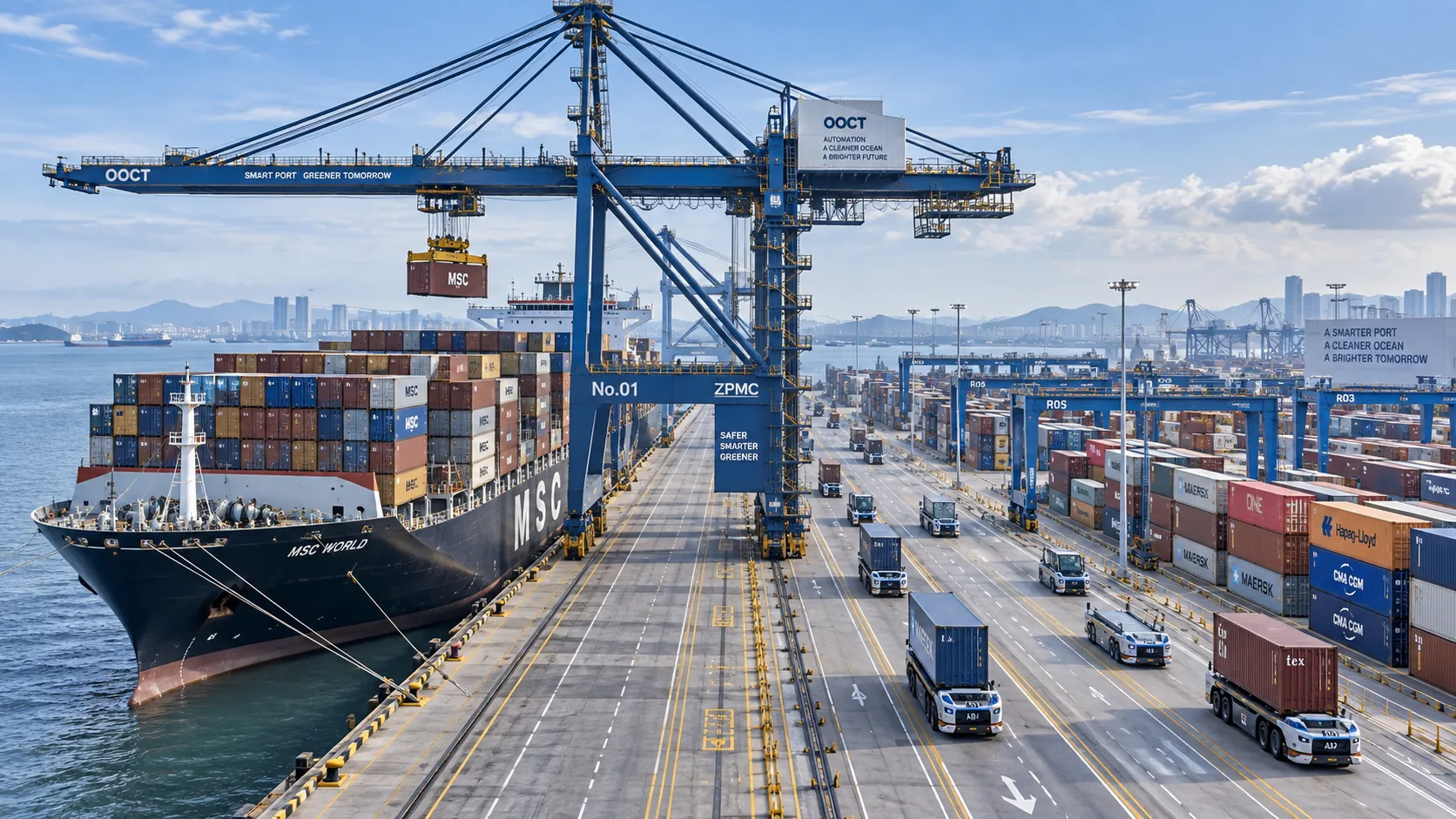
How to Specify a Quay Crane for Container Terminals by Vessel Size and Throughput?
Quay crane for container terminals: learn how to match outreach, lift height, capacity, automation, and cycle performance to vessel size and throughput goals.
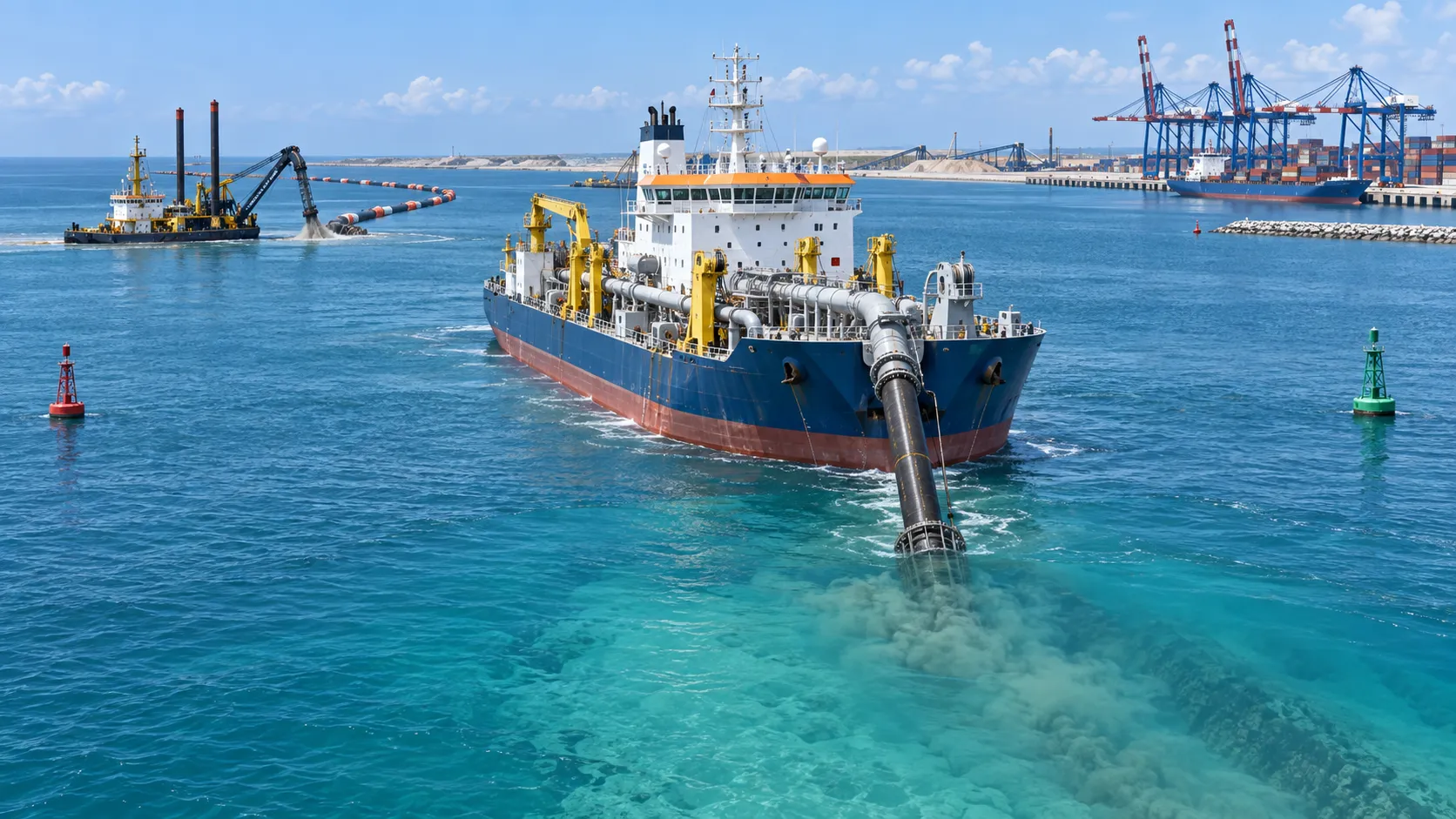
What Dredging Equipment Is Needed for Channel Deepening?
What dredging equipment is needed for channel deepening? Explore dredgers, pipelines, survey tools, and planning strategies for safer, more efficient port access.
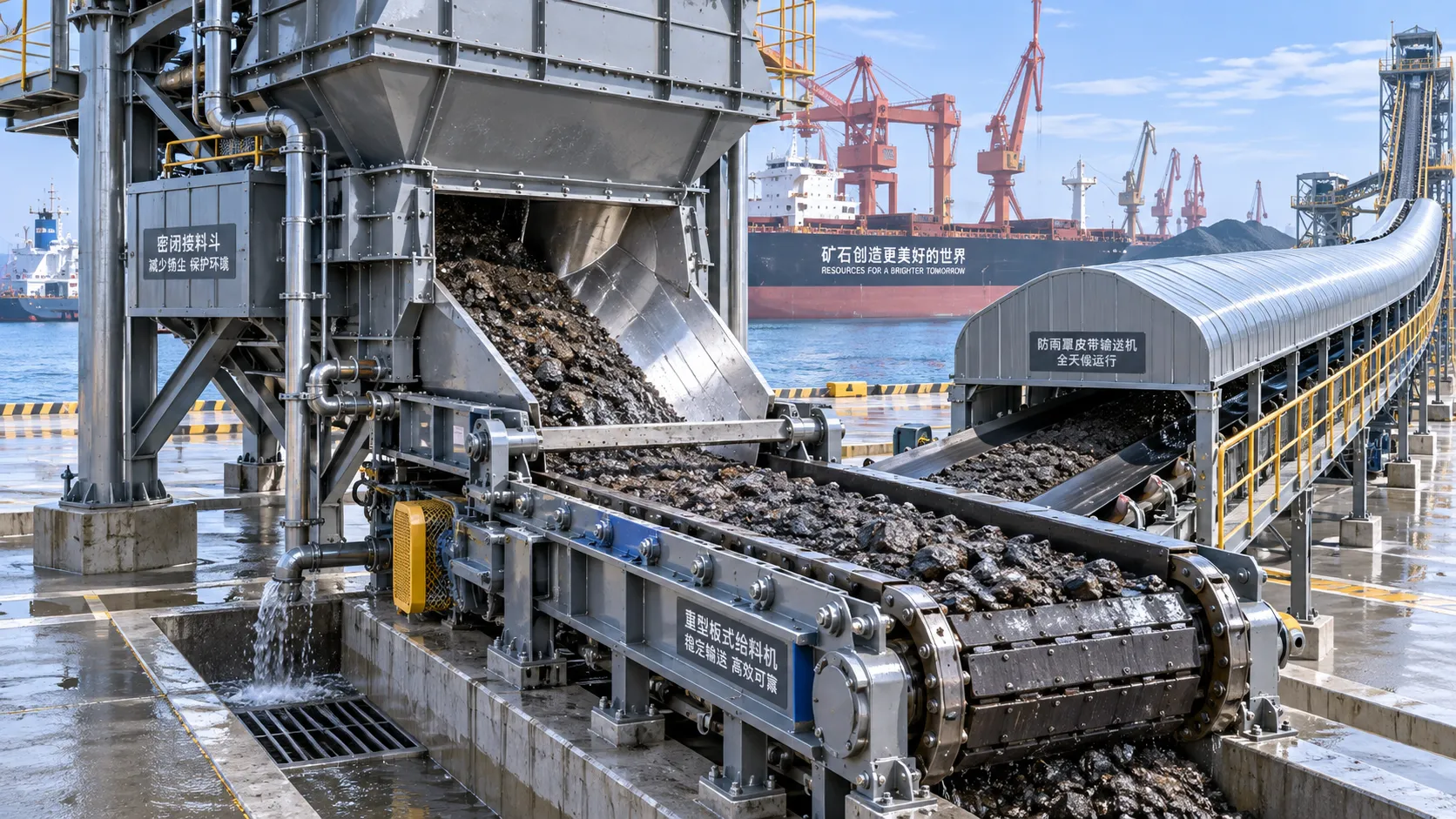
Which Bulk Handling Equipment Suits High-Moisture Cargo?
Which bulk handling equipment suits high-moisture cargo? Compare belt, apron, screw, drag, and slurry systems for reliable flow, less carryback, and higher terminal uptime.
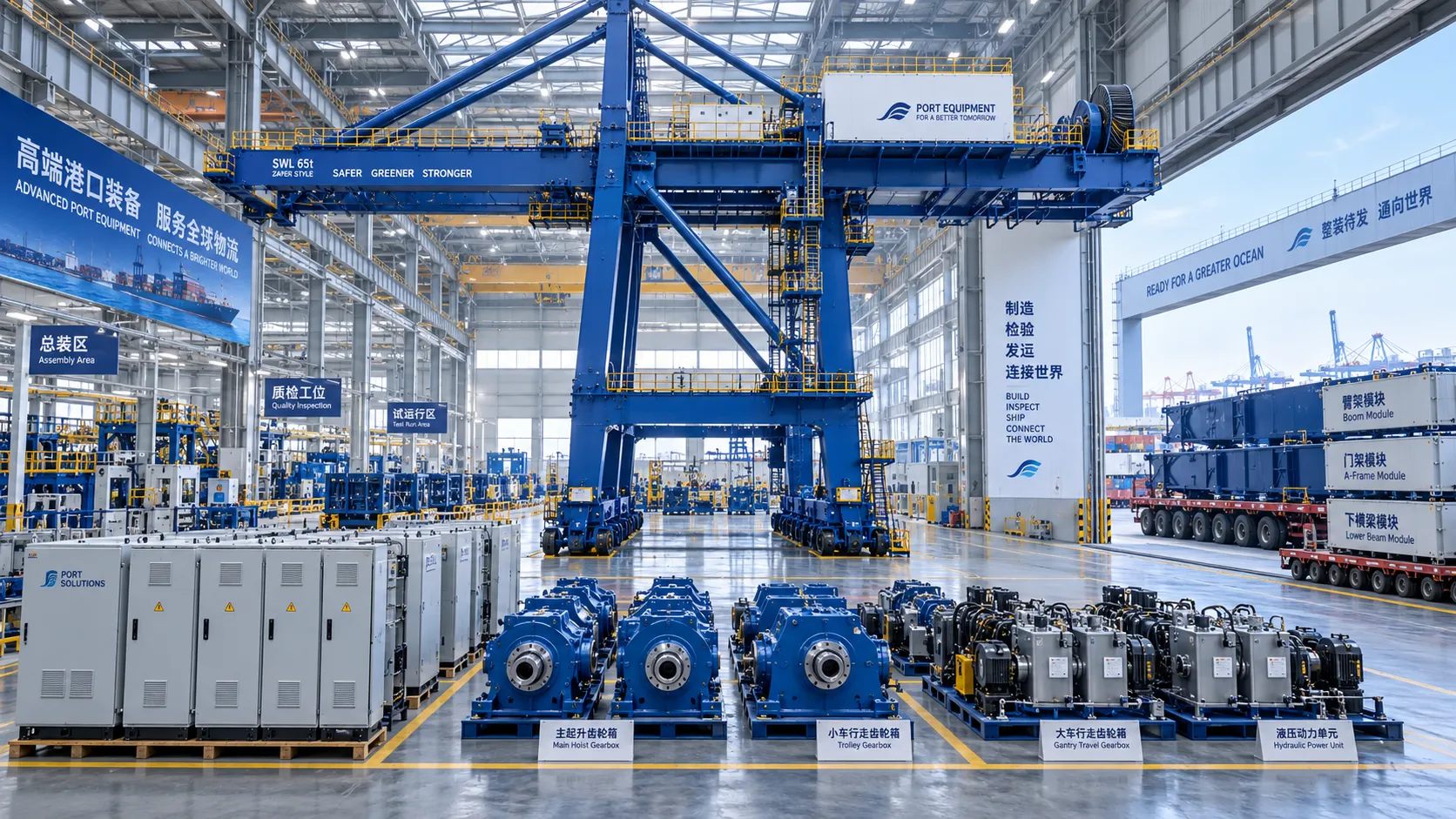
How Can Port Equipment Lead-Time Risk Be Managed?
How can port equipment lead-time risk be managed? Explore practical strategies to control critical paths, suppliers, transport, site readiness, and commissioning delays.
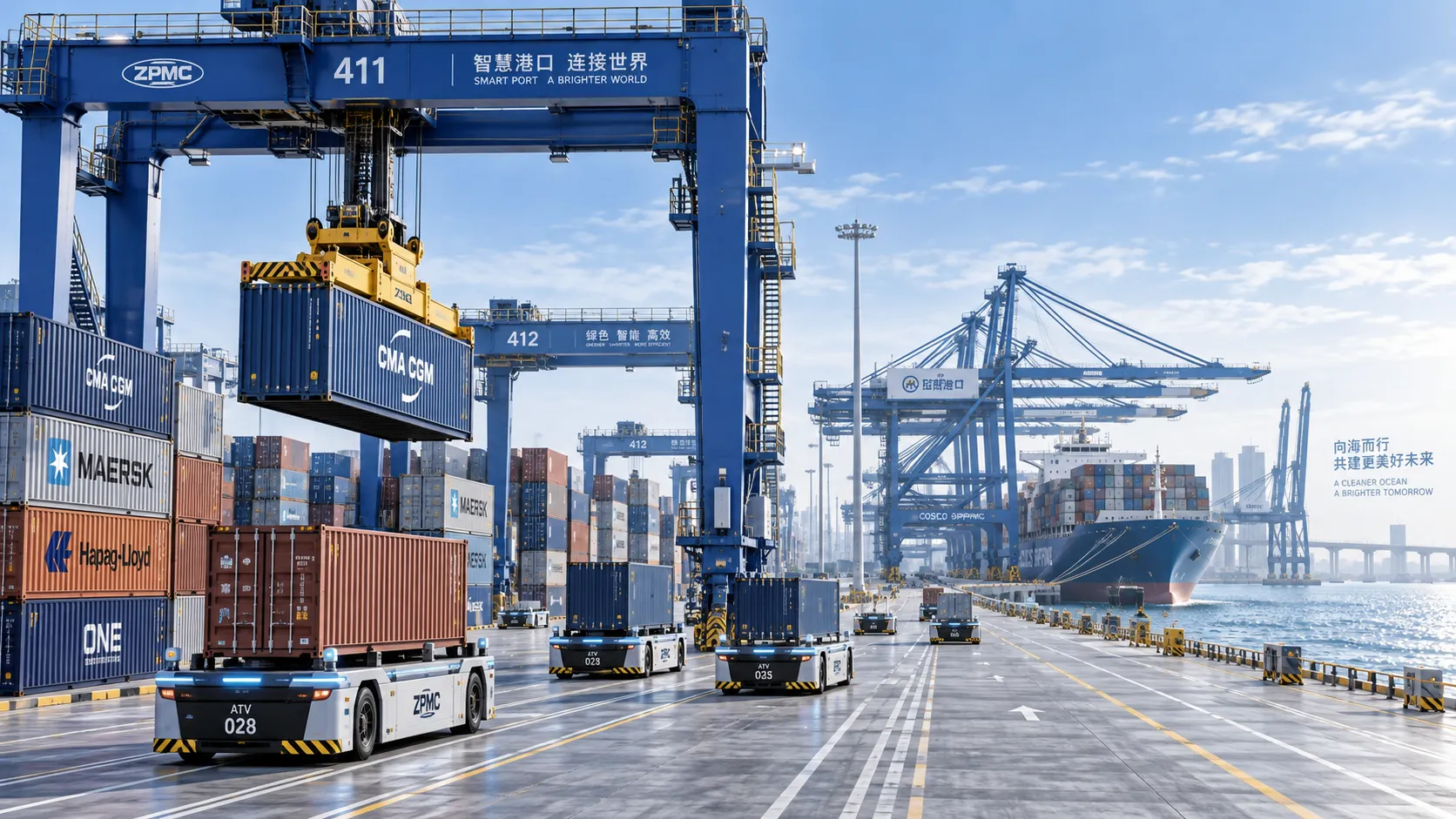
Terminal Automation Technologies That Raise Container Throughput Without Yard Disruption
Terminal automation technology that increases container throughput without disrupting yard flow. Explore smarter integration, resilient workflows, and phased deployment strategies.
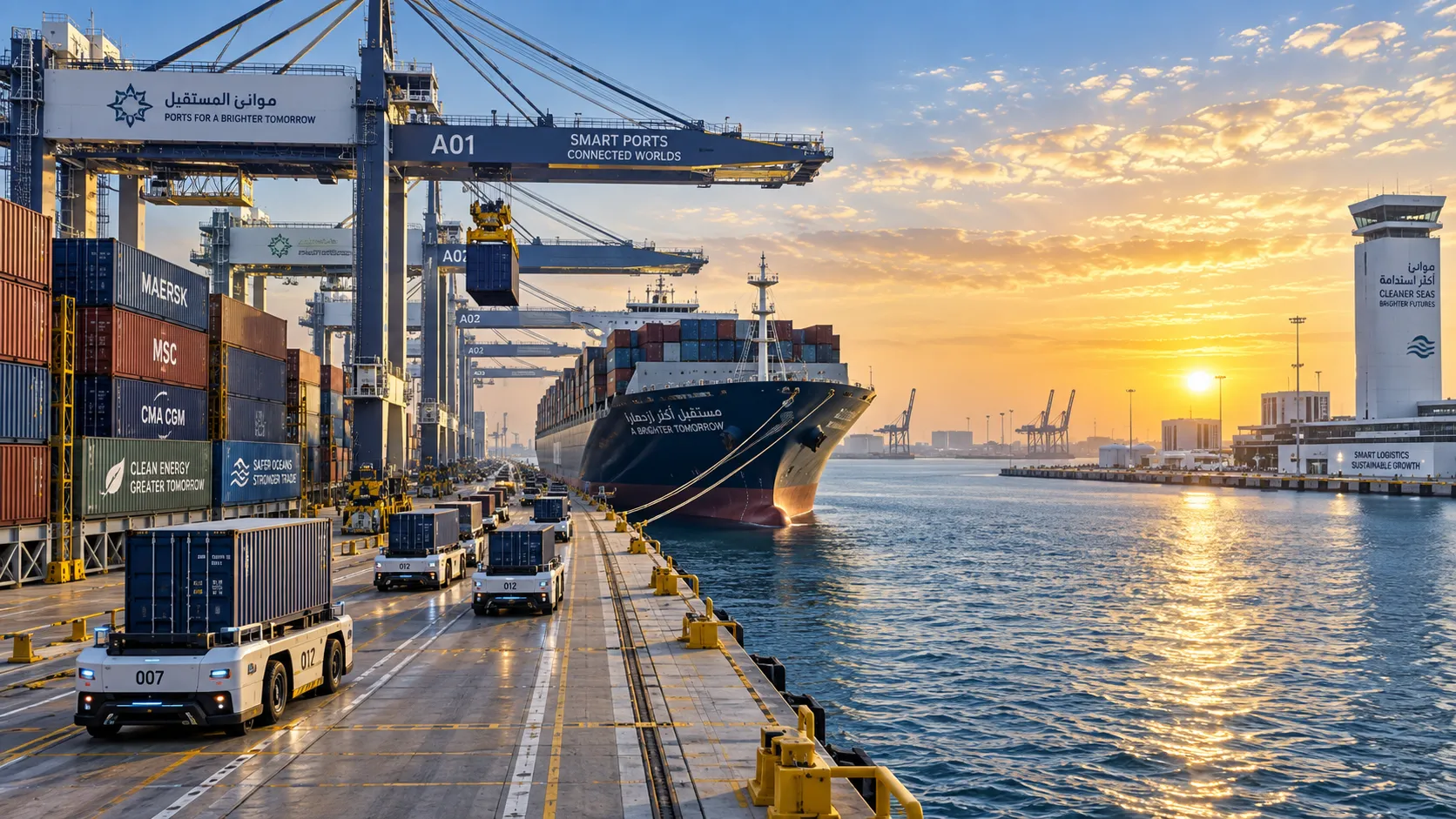
Middle East Port Automation: Key Market Drivers, Projects, and Investment Risks
Port automation systems Middle East: explore market drivers, flagship projects, integration challenges, and investment risks shaping smarter, resilient terminals.
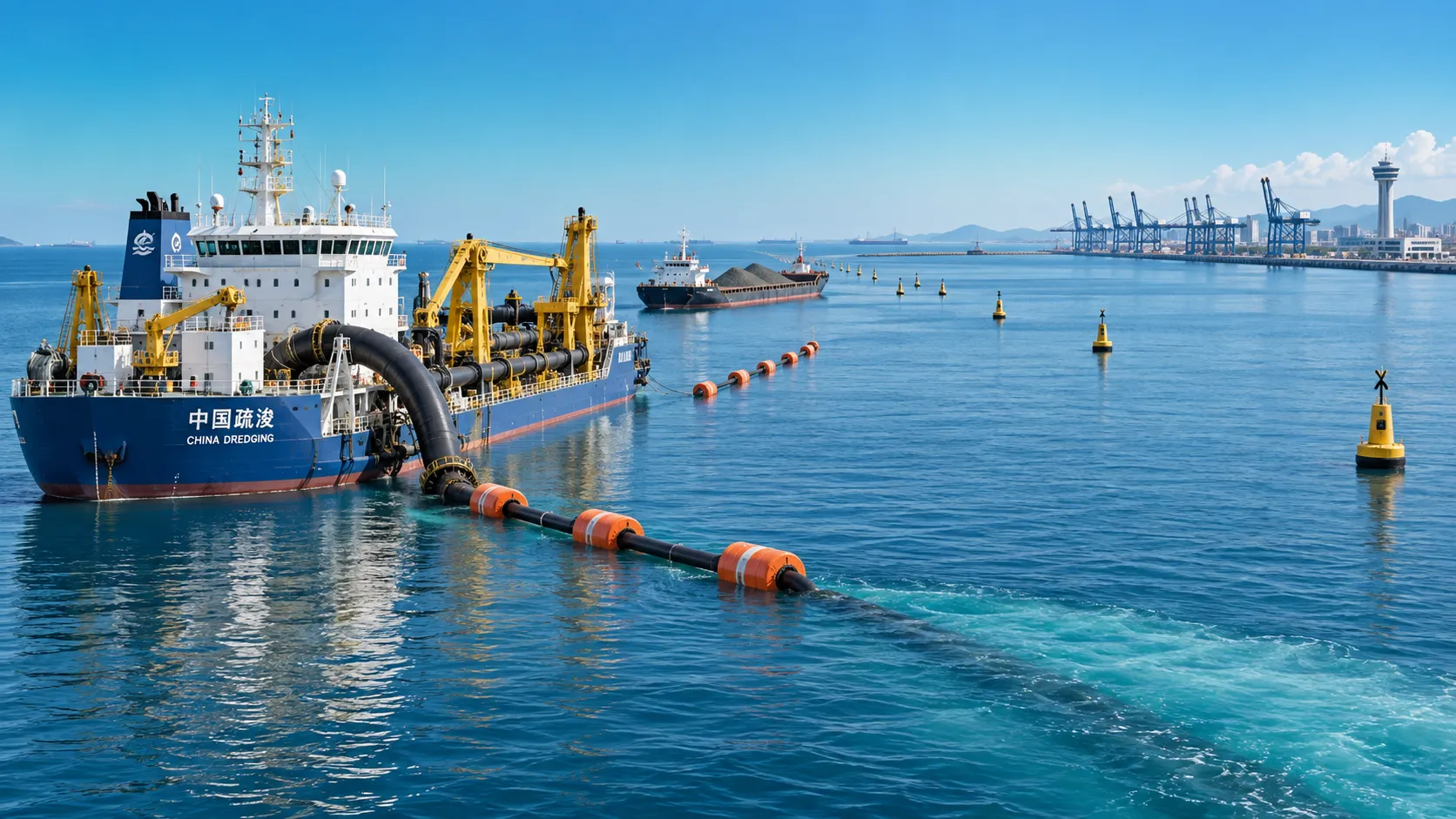
Planning Offshore Dredging Operations: Key Risks, Methods, and Project Controls
Offshore dredging operations demand smart planning. Explore key risks, proven methods, environmental controls, and project strategies for reliable delivery.