Related News
- 00
0000-00
Smart Port Systems in Southeast Asia: Investment Priorities and Adoption Barriers - 00
0000-00
Middle East Port Automation: Key Market Drivers, Projects, and Investment Risks - 00
0000-00
How Coastal Cities Can Prioritize Blue Economy Projects for Jobs and Ecosystem Gains - 00
0000-00
How Harbor Construction Solutions Address Wave Loads, Scour, and Vessel Berthing - 00
0000-00
What Is Driving Maritime Infrastructure Growth in Southeast Asia?
Which evolutionary trends are reshaping ports in 2026?
In 2026, evolutionary trends are reshaping ports through measurable changes in capacity, resilience, automation, and carbon performance. These shifts now influence investment timing, terminal design, equipment strategy, and network competitiveness.
For PS-Nexus, the issue is not trend watching alone. It is understanding where heavy terminal gear, AI scheduling, remote control systems, and dredging engineering create practical advantage across different port operating scenarios.
Why evolutionary trends matter differently across port scenarios
Not every port faces the same pressure in 2026. A transshipment hub, an energy bulk gateway, and an emerging coastal logistics node each respond to evolutionary trends in different ways.
The right judgment starts with scenario context. Throughput constraints, berth depth, labor availability, inland connectivity, and emissions rules all shape which trend delivers real value first.
This is why evolutionary trends should be read as operating signals. They show where to automate, where to expand channel depth, where to digitize control, and where to protect margins.
Scenario 1: Mega container hubs where automation becomes a throughput defense
For large container ports, the leading evolutionary trends center on integrated automation. Quay cranes, yard cranes, AGVs, and gate systems increasingly depend on one scheduling logic layer.
In this scenario, automation is no longer a prestige project. It becomes a defense against vessel bunching, labor volatility, and rising customer expectations for schedule reliability.
Core judgment points in this scenario
- Whether crane productivity is limited by equipment speed or by poor task orchestration.
- Whether AGV routing can absorb peak discharge waves without yard congestion.
- Whether remote operations reduce downtime while preserving safety and consistency.
- Whether data latency blocks real-time decisions across terminal subsystems.
The most relevant evolutionary trends here include low-latency communications, AI berth planning, predictive maintenance, and digital twins for equipment movement simulation.
Scenario 2: Bulk and energy gateways where mechanical uptime defines trade continuity
Bulk terminals face a different reality. Their priority is often uninterrupted flow for coal, ore, grain, or energy cargo rather than container cycle precision.
Here, evolutionary trends focus on robust machinery, condition monitoring, conveyor intelligence, and asset reliability across long-duty operating windows.
Core judgment points in this scenario
- Whether stackers, reclaimers, and ship loaders are causing hidden bottlenecks.
- Whether digital monitoring can predict gearbox, belt, or hydraulic failures early.
- Whether dust, energy, and safety controls meet stricter environmental expectations.
- Whether berth utilization suffers from poor cargo sequence planning.
For these gateways, evolutionary trends reward disciplined modernization. Incremental upgrades in control systems can unlock strong returns without full terminal redesign.
Scenario 3: Expanding coastal ports where dredging and access depth shape growth
Some ports in 2026 are defined less by yard technology and more by marine access. Without reliable fairway depth, larger vessels cannot call efficiently.
In these cases, evolutionary trends in dredging engineering become commercially decisive. Channel widening, sediment intelligence, and pump monitoring directly affect trade potential.
Core judgment points in this scenario
- Whether draft restrictions are limiting vessel class and frequency.
- Whether maintenance dredging cycles are reactive instead of predictive.
- Whether sediment data supports better cost control and environmental compliance.
- Whether shoreline expansion aligns with future berth and yard demand.
These evolutionary trends show that port growth is not only a crane issue. Marine geotechnics and access engineering can determine whether downstream automation investments ever pay back.
Scenario 4: Mid-sized regional terminals where selective digitization wins
Many regional ports cannot justify full automation in one step. Their best response to evolutionary trends is targeted digitization with fast operational impact.
This often means smarter TOS integration, remote crane assistance, energy monitoring, gate optimization, and maintenance analytics before major equipment replacement.
The key is sequencing. Regional terminals benefit when technology follows the most visible bottleneck rather than copying the model of the world’s largest hubs.
How scenario needs differ under the same evolutionary trends
Practical adaptation strategies for 2026 port planning
A useful response to evolutionary trends starts with diagnosis, not procurement. Ports should map operational constraints in the order they damage network performance.
- Measure where delay begins: berth, crane, yard, gate, channel, or maintenance.
- Check whether the issue is physical capacity or decision latency.
- Prioritize technologies with measurable effects on throughput and resilience.
- Link automation plans with energy and emissions performance targets.
- Use pilot zones before scaling across the terminal or marine corridor.
For PS-Nexus sectors, this means evaluating heavy gear and software together. Terminal machinery without orchestration leaves value trapped. Algorithms without reliable equipment produce unstable results.
Common misjudgments when reading evolutionary trends
One common error is assuming every port should pursue full autonomy immediately. In many scenarios, partial remote control and better scheduling create stronger returns.
Another mistake is isolating dredging from terminal strategy. If access depth remains constrained, investment in advanced quay systems may underperform for years.
A third risk is treating emissions compliance as separate from productivity. In 2026, energy optimization, electrification, and smart asset control increasingly support both cost and sustainability outcomes.
Ports also misread evolutionary trends when they collect data without creating action rules. Visibility alone does not improve flow unless operating decisions change in real time.
What the strongest port responses look like
The strongest responses combine engineering depth with intelligence stitching. They connect terminal gear, control architecture, and marine infrastructure into one investment logic.
That is why evolutionary trends should be evaluated across equipment life cycles, cargo patterns, labor models, and coastal constraints. The most durable advantage comes from coordinated upgrades.
For organizations tracking maritime logistics and coastal economics, 2026 is the year to translate evolutionary trends into scenario-based action. The question is not whether ports will change, but where change creates the next strategic edge.
Next step: turn trends into a scenario roadmap
Start with a simple framework: identify the port scenario, rank the bottlenecks, match the relevant evolutionary trends, and define a phased upgrade path.
PS-Nexus supports this process by connecting intelligence on mega port terminal gear, specialized container handling, automation systems, and dredging engineering into one operational picture.
When evolutionary trends are interpreted through real port scenarios, decisions become clearer, risks become visible, and infrastructure spending aligns more closely with future trade performance.
Related News
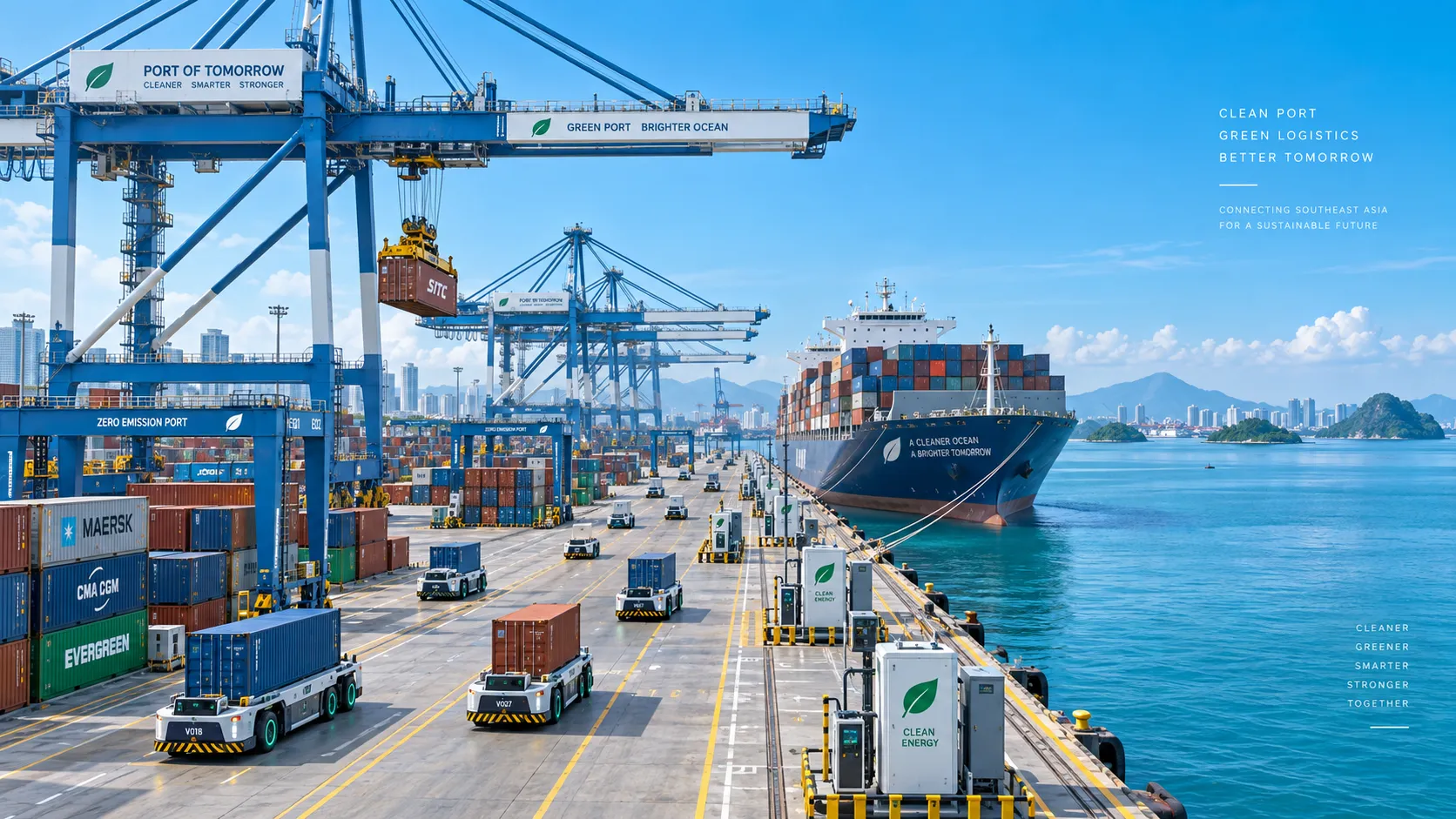
Smart Port Systems in Southeast Asia: Investment Priorities and Adoption Barriers
Smart port systems Southeast Asia: discover investment priorities, adoption barriers, and practical steps to build resilient, connected, high-performing terminals.
How to Evaluate Terminal Efficiency Solution Suppliers for High-Throughput Operations
Choose a terminal efficiency solutions supplier with confidence. Explore proven criteria for throughput, integration, lifecycle cost, safety, and reliable delivery.
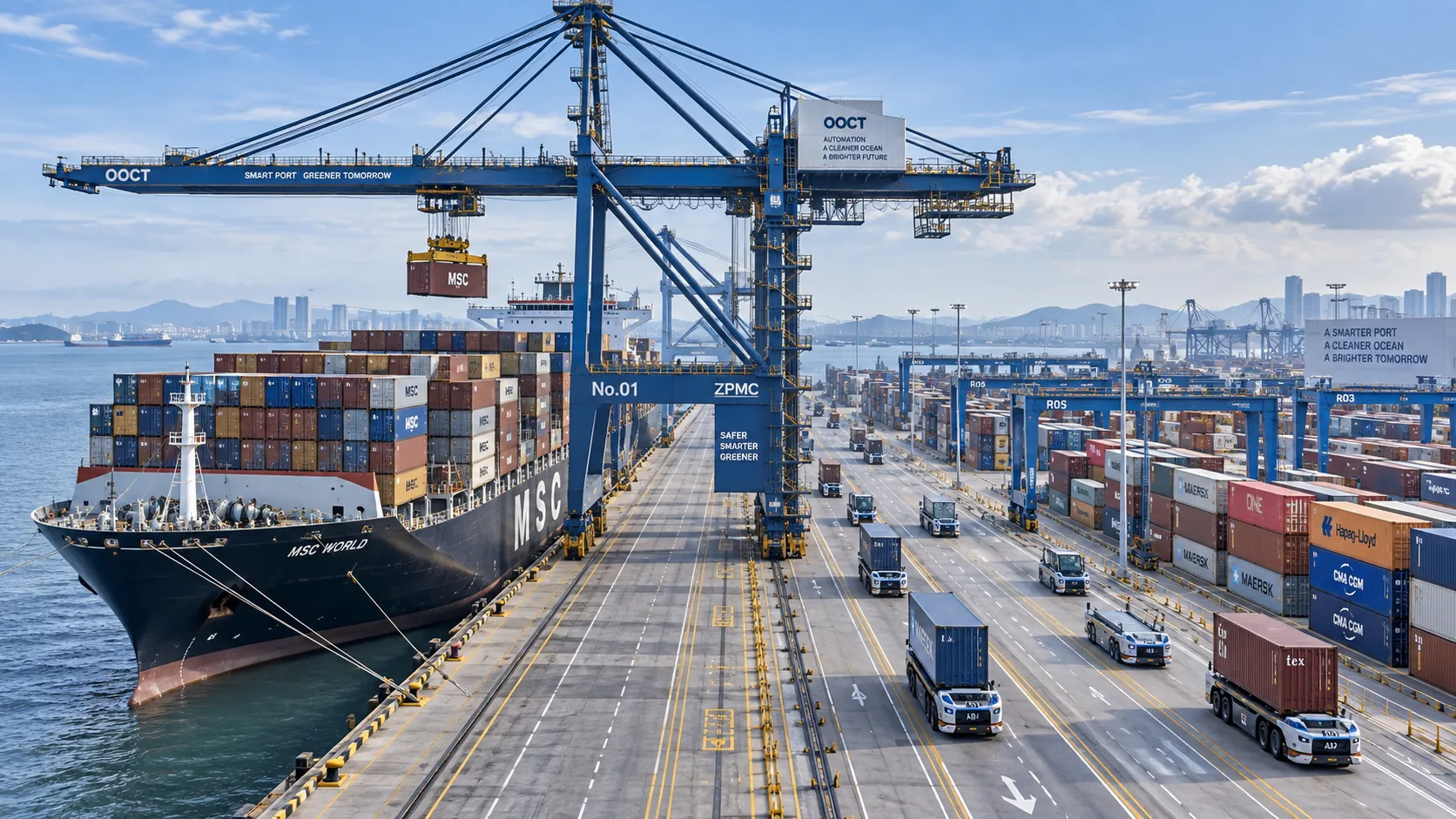
How to Specify a Quay Crane for Container Terminals by Vessel Size and Throughput?
Quay crane for container terminals: learn how to match outreach, lift height, capacity, automation, and cycle performance to vessel size and throughput goals.
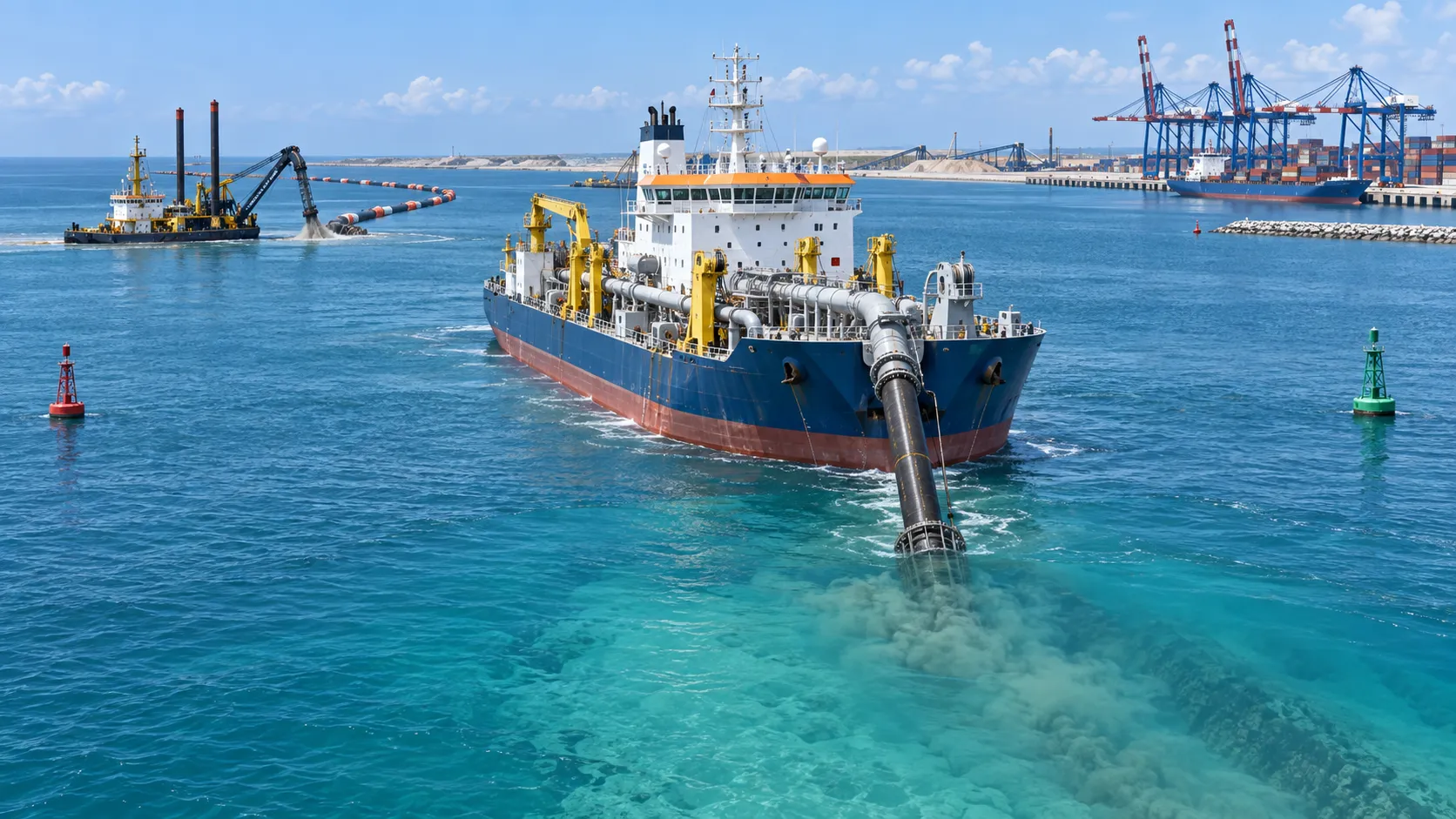
What Dredging Equipment Is Needed for Channel Deepening?
What dredging equipment is needed for channel deepening? Explore dredgers, pipelines, survey tools, and planning strategies for safer, more efficient port access.
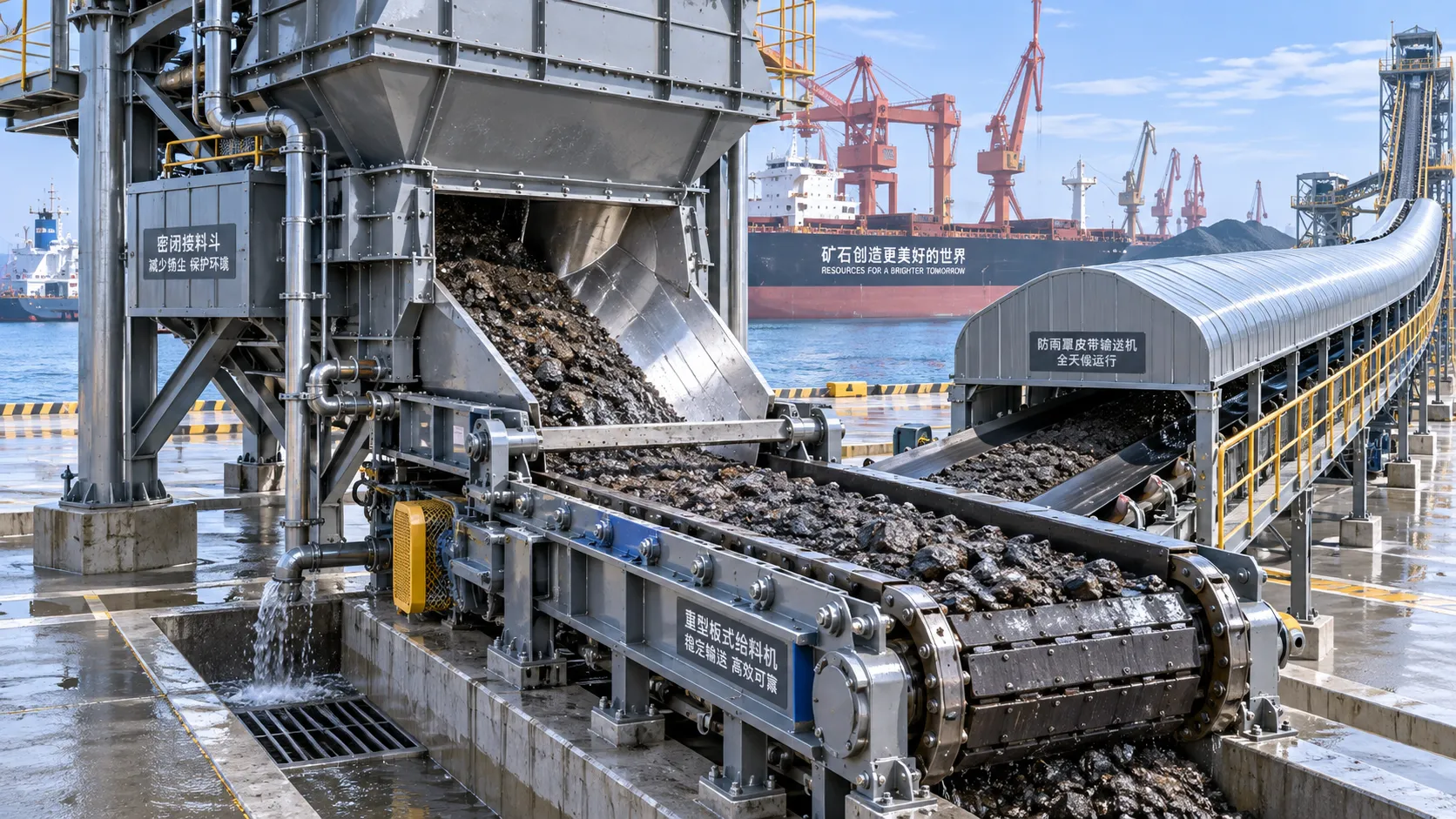
Which Bulk Handling Equipment Suits High-Moisture Cargo?
Which bulk handling equipment suits high-moisture cargo? Compare belt, apron, screw, drag, and slurry systems for reliable flow, less carryback, and higher terminal uptime.
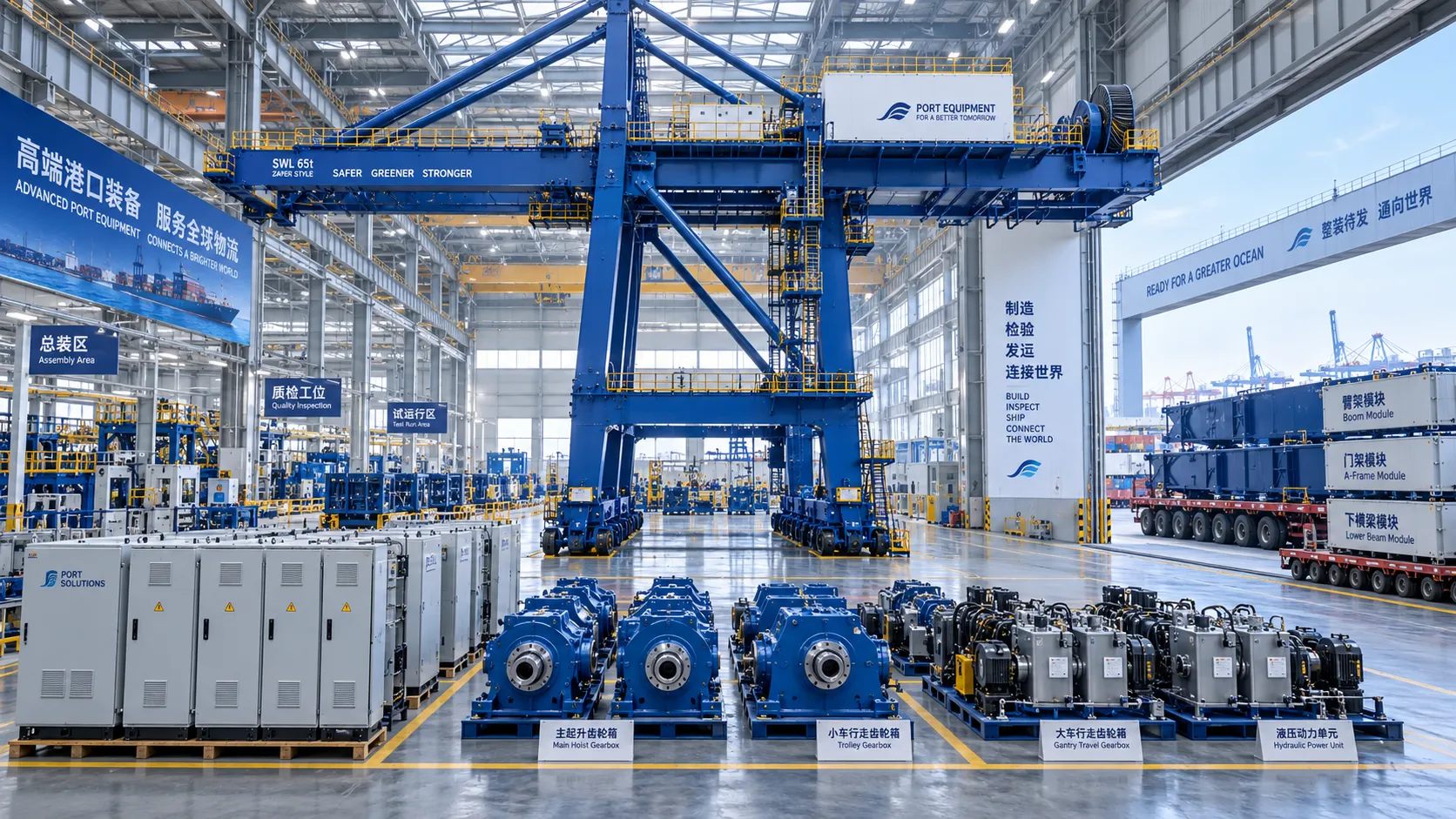
How Can Port Equipment Lead-Time Risk Be Managed?
How can port equipment lead-time risk be managed? Explore practical strategies to control critical paths, suppliers, transport, site readiness, and commissioning delays.
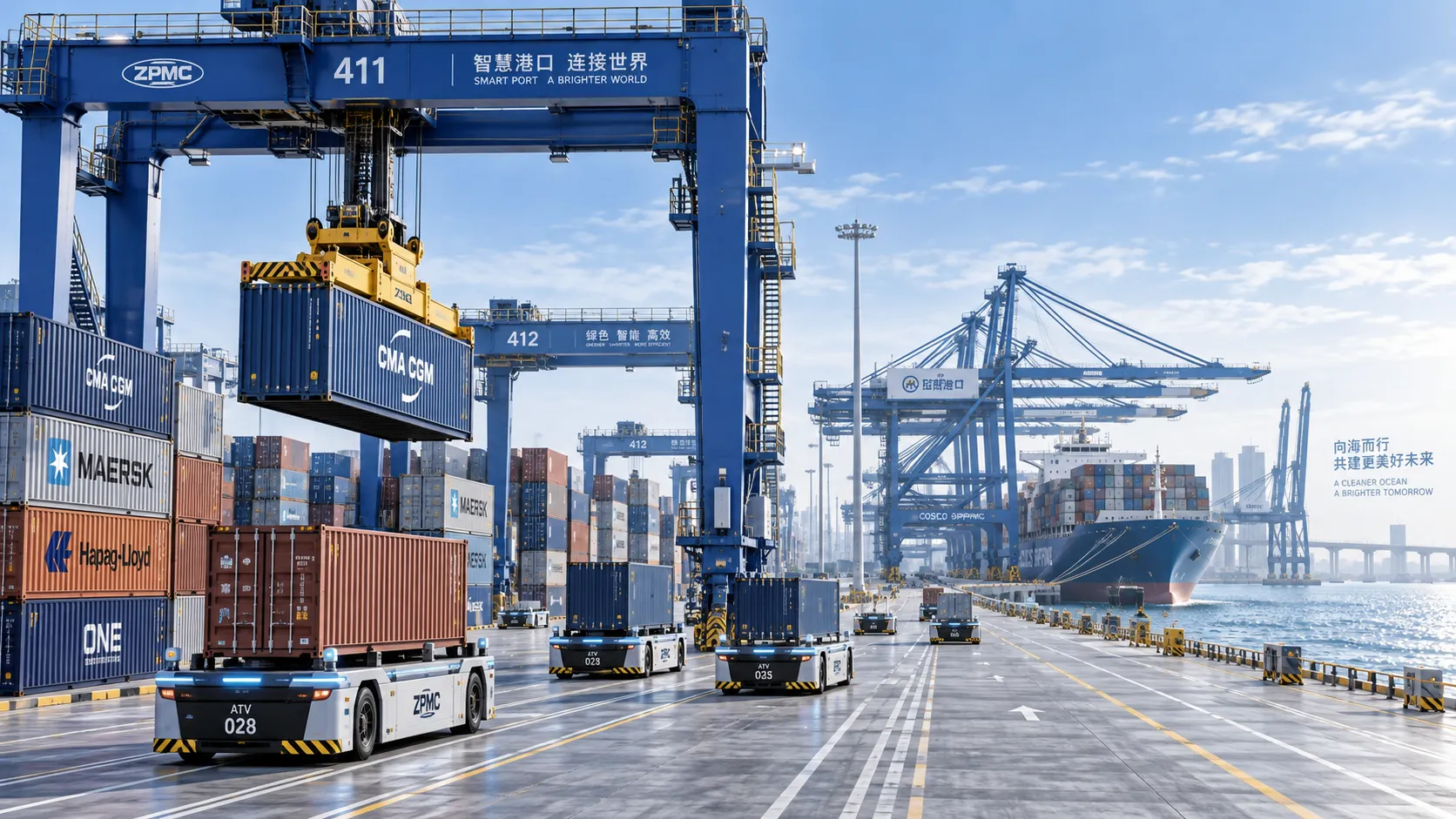
Terminal Automation Technologies That Raise Container Throughput Without Yard Disruption
Terminal automation technology that increases container throughput without disrupting yard flow. Explore smarter integration, resilient workflows, and phased deployment strategies.
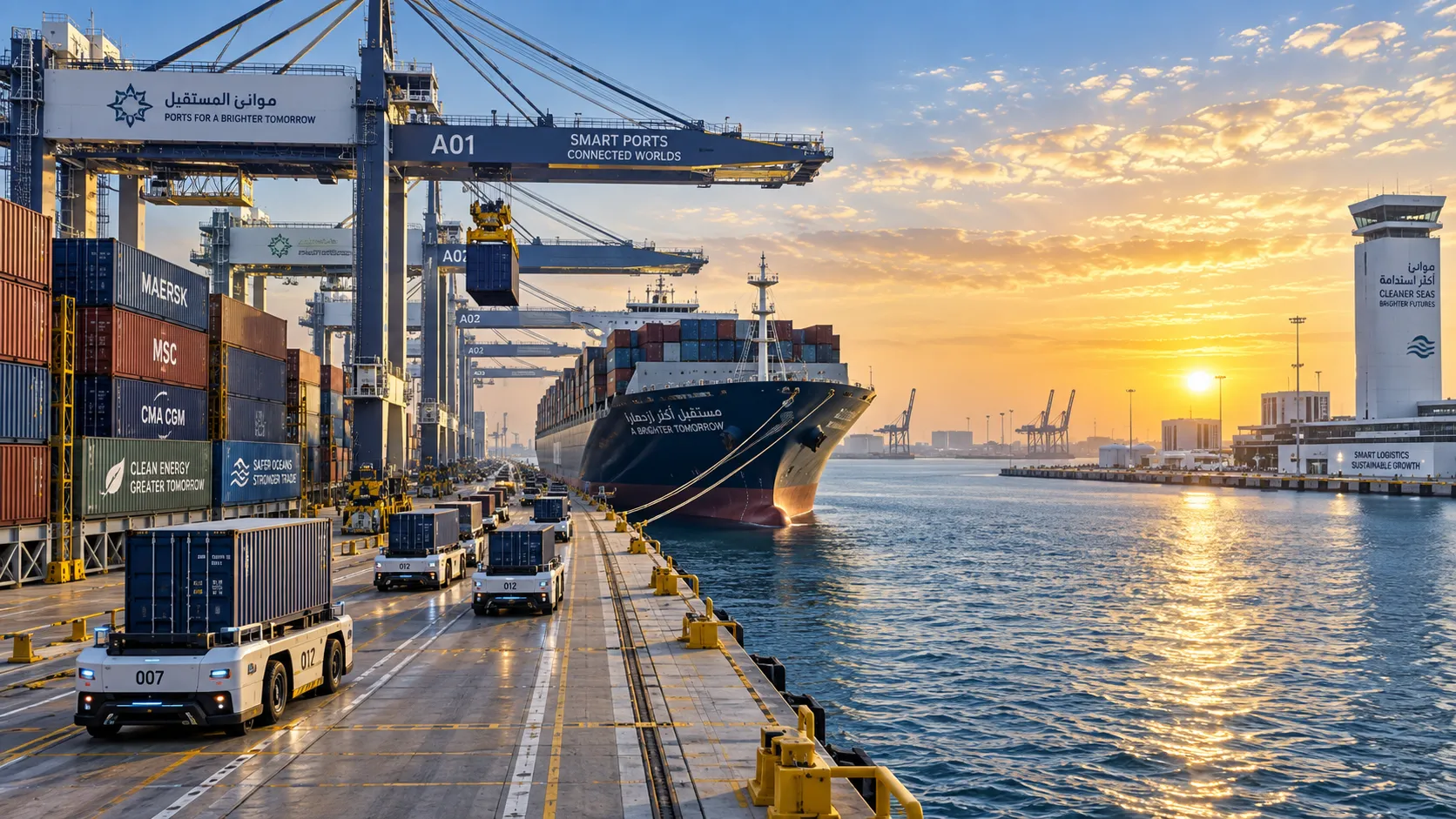
Middle East Port Automation: Key Market Drivers, Projects, and Investment Risks
Port automation systems Middle East: explore market drivers, flagship projects, integration challenges, and investment risks shaping smarter, resilient terminals.
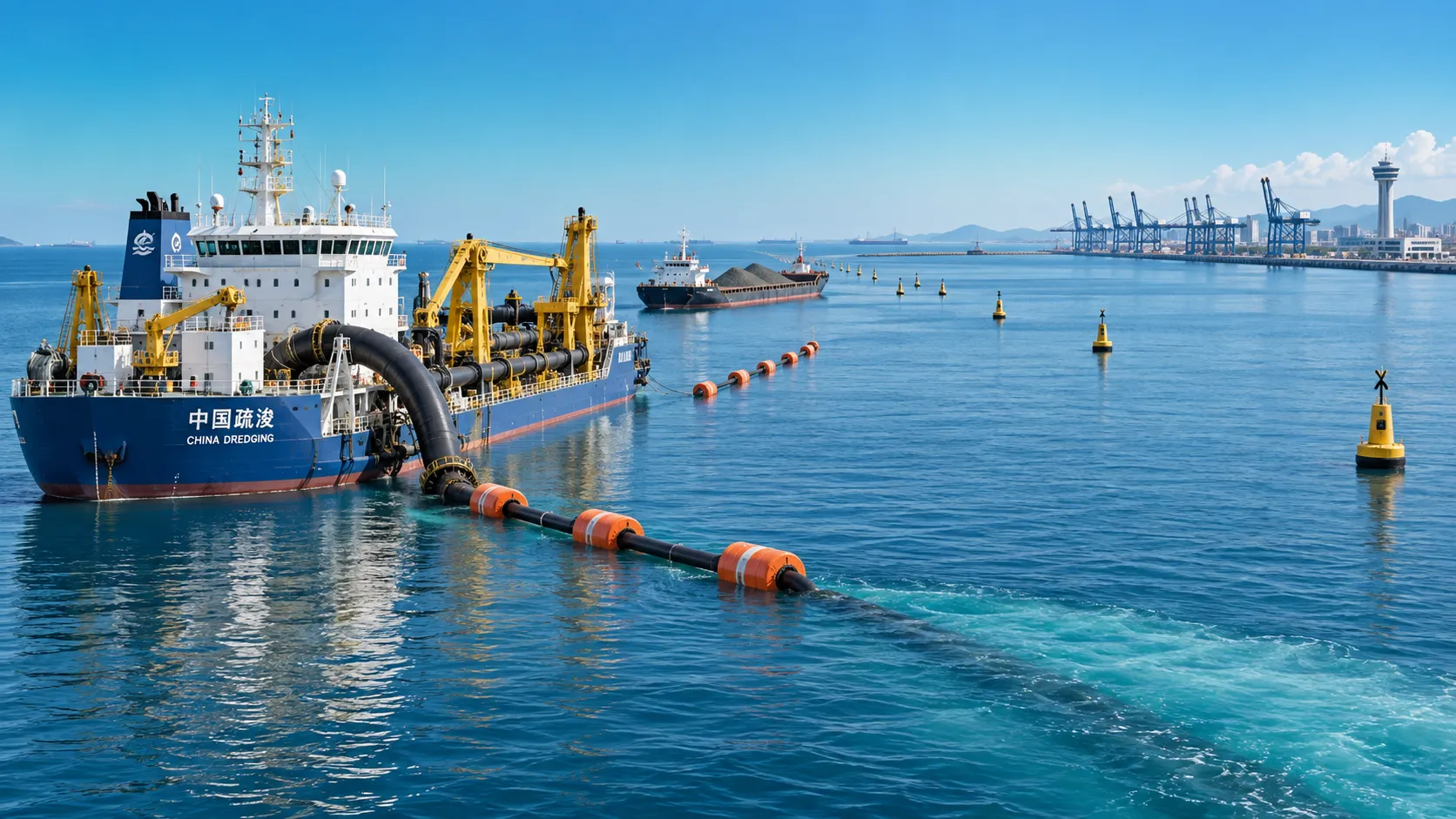
Planning Offshore Dredging Operations: Key Risks, Methods, and Project Controls
Offshore dredging operations demand smart planning. Explore key risks, proven methods, environmental controls, and project strategies for reliable delivery.