Related News
- 00
0000-00
Smart Port Systems in Southeast Asia: Investment Priorities and Adoption Barriers - 00
0000-00
Middle East Port Automation: Key Market Drivers, Projects, and Investment Risks - 00
0000-00
How Coastal Cities Can Prioritize Blue Economy Projects for Jobs and Ecosystem Gains - 00
0000-00
How Harbor Construction Solutions Address Wave Loads, Scour, and Vessel Berthing - 00
0000-00
What Is Driving Maritime Infrastructure Growth in Southeast Asia?
What slows port infrastructure development the most today?
Port infrastructure development is being slowed today less by engineering limits than by a collision of capital pressure, regulatory complexity, land constraints, supply chain volatility, and digital transition demands. For enterprise decision-makers, the central issue is not whether ports can be expanded, automated, or modernized, but which obstacles will delay returns, increase project risk, or weaken long-term competitiveness. The most useful way to assess this question is to look at the bottlenecks not as isolated issues, but as interconnected barriers that affect project timing, cost, and strategic viability.
For companies involved in terminals, equipment, automation, logistics, dredging, or port-linked investment, the real challenge is prioritization. A project may appear technically sound, yet stall because environmental approvals take years, grid upgrades are unavailable, dredging permits are contested, or financing assumptions break under inflation and trade uncertainty. That is why understanding what slows port infrastructure development the most today requires a business lens as much as an engineering one.
The Short Answer: Capital and Permitting Now Delay More Projects Than Construction Itself
If one factor must be identified as the biggest drag on port infrastructure development today, it is the combination of capital risk and regulatory delay. In many regions, ports are no longer slowed primarily by lack of technical capability. They are slowed because large projects now require larger upfront investment, longer approval cycles, more stakeholder alignment, and stronger justification under environmental, social, and trade-policy scrutiny.
That combined pressure matters because it multiplies delay. When approvals stretch, costs rise. When costs rise, financing becomes harder. When financing weakens, procurement slows. When procurement slows, equipment delivery windows shift. In practice, the biggest slowdown is often not one issue, but a chain reaction triggered by permitting and capital uncertainty.
For decision-makers, this means project feasibility should be judged less by design readiness alone and more by approval resilience, funding flexibility, and the ability to absorb schedule shocks without destroying the business case.
Why Regulatory Complexity Has Become a Strategic Bottleneck
Regulation has always shaped port expansion, but the level of complexity has increased sharply. Modern port projects can involve coastal zoning, dredging approvals, habitat protection, emissions compliance, labor consultation, customs infrastructure coordination, and utility integration. Each process may be valid on its own, yet together they can extend timelines far beyond original planning assumptions.
Environmental review is especially influential. Deepening channels, reclaiming land, expanding berths, or building new storage yards can trigger intense scrutiny over sediment movement, water quality, wetlands, fisheries, and shoreline resilience. In many cases, the challenge is not that approvals are impossible, but that the evidence threshold is higher, the review path is longer, and legal objections are more likely.
For enterprise leaders, the implication is clear: regulatory planning must begin before engineering is finalized. Waiting until design is complete to engage agencies or communities often creates expensive redesign cycles. Early-stage permitting strategy is now part of competitive advantage in port infrastructure development.
Capital Intensity Is Rising Faster Than Many Project Models Assume
Ports are expensive by nature, but several forces are making them more capital-intensive. Construction materials remain volatile. Marine civil works are exposed to labor shortages and contractor concentration. Specialized terminal equipment, grid connections, and digital control systems carry long procurement timelines and higher price sensitivity. At the same time, investors want stronger visibility on throughput demand and payback periods.
This is particularly important for automated and low-emission terminals. Electrified equipment fleets, smart yard systems, remote operations architecture, and energy infrastructure can improve long-term efficiency, but they raise initial capital needs. If cargo growth is uncertain or concession terms are short, project sponsors may hesitate, even when the strategic logic is strong.
Many projects slow because stakeholders agree on the need but not on the funding logic. Public agencies may expect private operators to invest. Private operators may expect public support for dredging, roads, rail, or power upgrades. Lenders may require demand certainty that current market conditions cannot provide. As a result, project momentum weakens long before ground is broken.
Land, Access, and Hinterland Connectivity Are Now Harder Constraints Than Berth Design
One of the most underestimated barriers in port infrastructure development is not the waterfront itself, but everything behind it. A terminal can add cranes, deepen channels, or improve yard layout, yet still underperform if road, rail, inland depot, and customs interfaces remain congested. In other words, berth capacity without corridor capacity creates limited real throughput gain.
Land scarcity is an equally serious issue. Major ports are often surrounded by dense urban development, protected coastlines, or industrial land with competing uses. Expanding storage areas, truck gates, intermodal links, or logistics parks can become politically and commercially difficult. Even when water access is available, landside limitations can cap project value.
For business decision-makers, this changes how port opportunities should be evaluated. A project that looks attractive on marine metrics alone may carry hidden delay if land assembly, access permitting, or rail coordination are unresolved. The better question is not simply “Can the port expand?” but “Can the entire logistics ecosystem scale with it?”
Supply Chain Volatility Is Undermining Long-Term Planning Confidence
Port projects depend on long horizons, but global trade signals are far less stable than they were in earlier planning eras. Shipping alliances shift, manufacturing geography changes, sanctions alter cargo patterns, and commodity cycles remain unpredictable. A port designed around one trade lane or cargo mix can face new uncertainty before construction is even completed.
This volatility slows development because investors and operators become more cautious. If projected volume growth is uncertain, terminal upgrades may be phased more slowly. If vessel deployment trends are changing, quay design assumptions may need revision. If global sourcing patterns are moving toward regionalization, some large-scale expansion plans may be reassessed altogether.
The result is not necessarily project cancellation, but decision deferral. Boards ask for more scenarios. Lenders demand stronger downside protection. Governments revisit strategic priorities. In that environment, even well-conceived projects can lose speed because confidence in future demand is weaker than in the past.
Decarbonization Requirements Are Necessary, but They Add Complexity and Cost
Decarbonization is now central to modern port strategy. Shore power, equipment electrification, cleaner fuels, energy storage, microgrids, and emissions reporting are becoming standard elements of new development. These investments are essential for regulatory compliance, customer alignment, and long-term competitiveness, but they also complicate planning.
Many ports face a basic constraint: they cannot electrify at scale without significant power upgrades. Utility infrastructure may be insufficient, grid expansion may take years, and energy pricing may weaken investment assumptions. In some regions, the ambition to create low-emission terminals is moving faster than the supporting energy system can realistically support.
For executives, decarbonization should not be treated as a side package added late in the project cycle. It affects layout, equipment selection, operational design, and financing. Ports that fail to integrate emissions strategy early often face redesign costs, procurement mismatch, or stranded asset risk later.
Automation Promises Efficiency, but Organizational Readiness Often Slows Deployment
Automation is frequently discussed as a solution to port constraints, yet it can also be a source of delay when implementation planning is weak. Automated container handling, remote crane control, yard orchestration software, and AI-driven scheduling require not only hardware and software, but process redesign, cybersecurity controls, workforce transition, and systems integration.
In practice, digital transition often slows because organizations underestimate the governance challenge. Legacy terminal operating systems may not integrate easily with new automation layers. Data quality may be inconsistent. Cybersecurity requirements may delay commissioning. Labor stakeholders may demand phased implementation or role guarantees. These are not technical footnotes; they can materially alter project schedules.
For enterprise leaders, the key question is not whether automation is beneficial. In many cases it clearly is. The real question is whether the port ecosystem is operationally mature enough to absorb it without causing a multi-year execution drag. Successful automation-led port infrastructure development usually depends on staged deployment, integration discipline, and realistic change management.
Dredging and Marine Engineering Remain Critical, but They Are Increasingly Entangled With Policy Risk
Dredging, breakwater strengthening, reclamation, and channel deepening remain foundational to many expansion strategies. Larger vessels, tidal reliability needs, and resilience requirements make marine engineering central to capacity growth. However, these works now face more scrutiny because they alter coastal systems and often trigger cross-agency review.
This is especially true where climate adaptation intersects with development. Ports may need deeper channels and stronger coastal defenses, but those same interventions can raise concerns around erosion, habitat loss, sediment disposal, and long-term shoreline change. As a result, marine engineering projects may become politically sensitive even when they are economically justified.
From a business standpoint, this means dredging should be viewed not only as a technical work package, but as a stakeholder and policy workstream. Timelines depend as much on environmental acceptability and public legitimacy as on fleet availability or engineering design quality.
Labor and Social License Are More Important Than Many Models Recognize
Port infrastructure development does not happen in a vacuum. Local communities, unions, regulators, logistics operators, and political leaders all influence project speed. Developments linked to automation, land expansion, truck traffic, emissions, or waterfront change can attract resistance if stakeholders believe benefits are unevenly distributed or risks are poorly managed.
Labor is especially important in modern port transitions. Automation may improve safety and productivity, but if workforce impacts are not addressed early, disputes can delay implementation. Likewise, communities may support trade growth in principle while resisting specific projects that worsen congestion, noise, or environmental pressure.
For executives, social license is not a communications exercise after investment approval. It is part of delivery strategy. Projects that build transparent benefit cases, local engagement pathways, and credible workforce transition plans tend to move faster than those that rely purely on technical or economic arguments.
How Decision-Makers Should Assess Where the Real Delay Risk Sits
For enterprise decision-makers, the practical issue is identifying which risks are truly schedule-critical. Not all barriers matter equally. Some raise cost but are manageable. Others can freeze a project for years. The strongest assessment framework usually examines five dimensions: permitting exposure, capital structure resilience, supply chain dependency, landside integration, and organizational readiness.
If a project scores weakly on more than two of those dimensions, delay risk is usually structural rather than incidental. For example, an expansion with unresolved dredging approvals, no clear grid capacity, and uncertain rail access is not simply facing execution friction. It is facing a business model challenge disguised as an engineering project.
Leaders should also separate visible risks from hidden ones. Equipment lead times are visible. Inter-agency coordination failure is less visible. Construction inflation is visible. Data architecture immaturity is less visible. The projects most likely to slow are often the ones where hidden interdependencies were never priced into the original schedule.
What Actually Helps Accelerate Port Infrastructure Development
There is no universal fix, but several patterns consistently improve outcomes. The first is front-loaded alignment: bringing regulators, utilities, marine engineers, terminal operators, and logistics partners into planning earlier than traditional models allow. The second is phased design: building capacity in modular steps rather than betting everything on a single expansion event.
Third, successful projects increasingly connect physical and digital planning from the start. A berth expansion without yard logic, automation compatibility, power strategy, and data integration planning is more likely to face rework. Fourth, resilient financing structures matter. Projects move faster when they can absorb inflation, scope adjustment, and approval delays without immediate capital withdrawal.
Finally, the most resilient ports plan beyond infrastructure alone. They build ecosystems. That means aligning quay, yard, gate, rail, energy, software, and inland logistics in one operating vision. In today’s environment, fragmented upgrades often create less value than integrated programs, even if the integrated approach appears more complex at the beginning.
Conclusion: The Biggest Slowdown Is Fragmentation Across Capital, Policy, and Operations
So, what slows port infrastructure development the most today? The most accurate answer is not a single technical obstacle. It is fragmentation: fragmented approvals, fragmented funding responsibility, fragmented logistics networks, and fragmented transition planning for automation and decarbonization. These fractures turn manageable challenges into prolonged delays.
For enterprise decision-makers, that insight matters because it changes how opportunities should be evaluated. The strongest port projects are not simply those with the biggest cranes, deepest channels, or most advanced automation concepts. They are the ones with coordinated permitting strategy, credible funding, scalable landside access, realistic digital integration, and stakeholder support.
In the current market, port infrastructure development succeeds when leaders treat expansion as a system-level transformation rather than a construction exercise. Those who understand that distinction will make better investment decisions, manage risk more effectively, and position their organizations for the next phase of maritime trade and coastal economic growth.
Related News
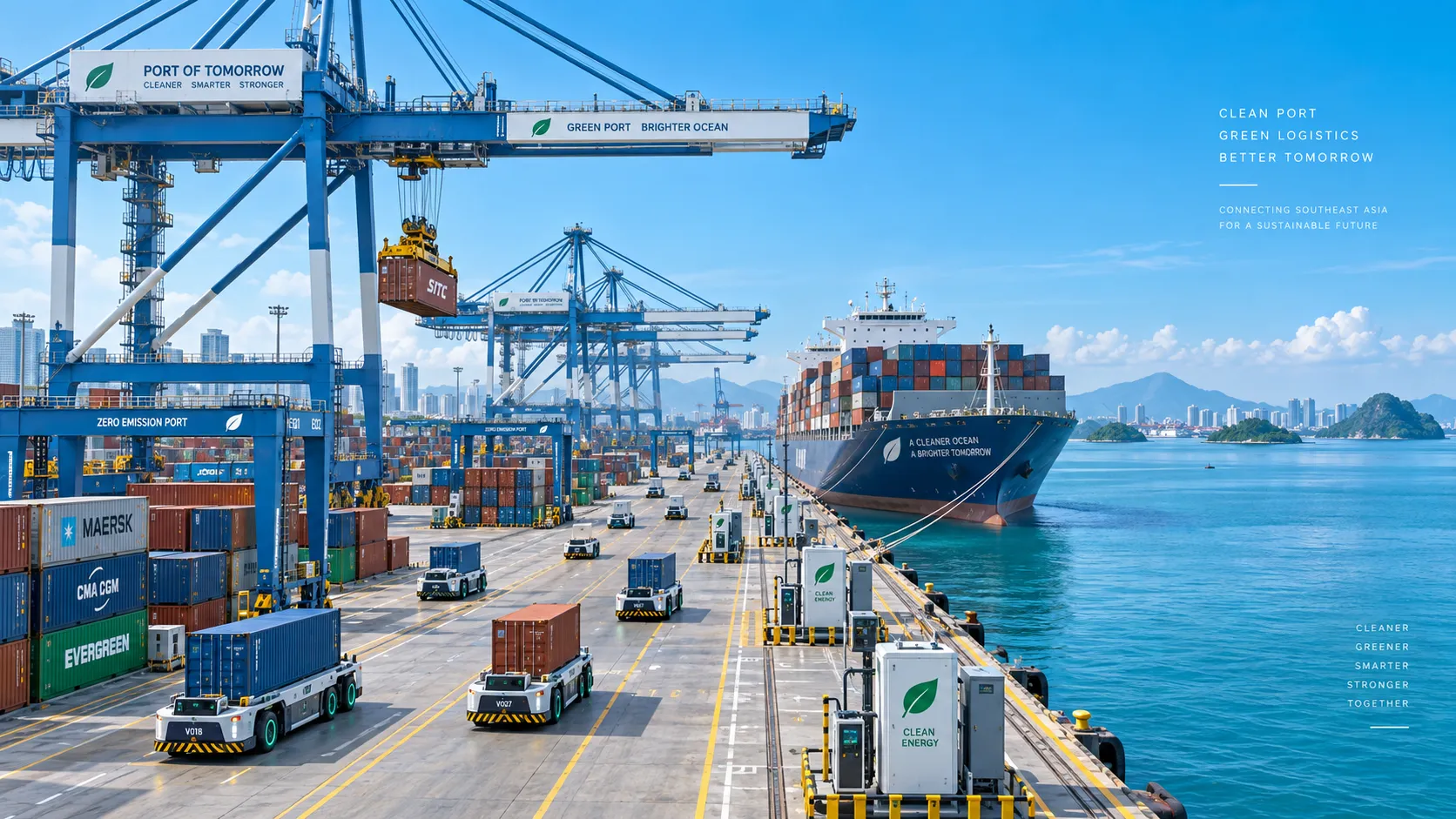
Smart Port Systems in Southeast Asia: Investment Priorities and Adoption Barriers
Smart port systems Southeast Asia: discover investment priorities, adoption barriers, and practical steps to build resilient, connected, high-performing terminals.
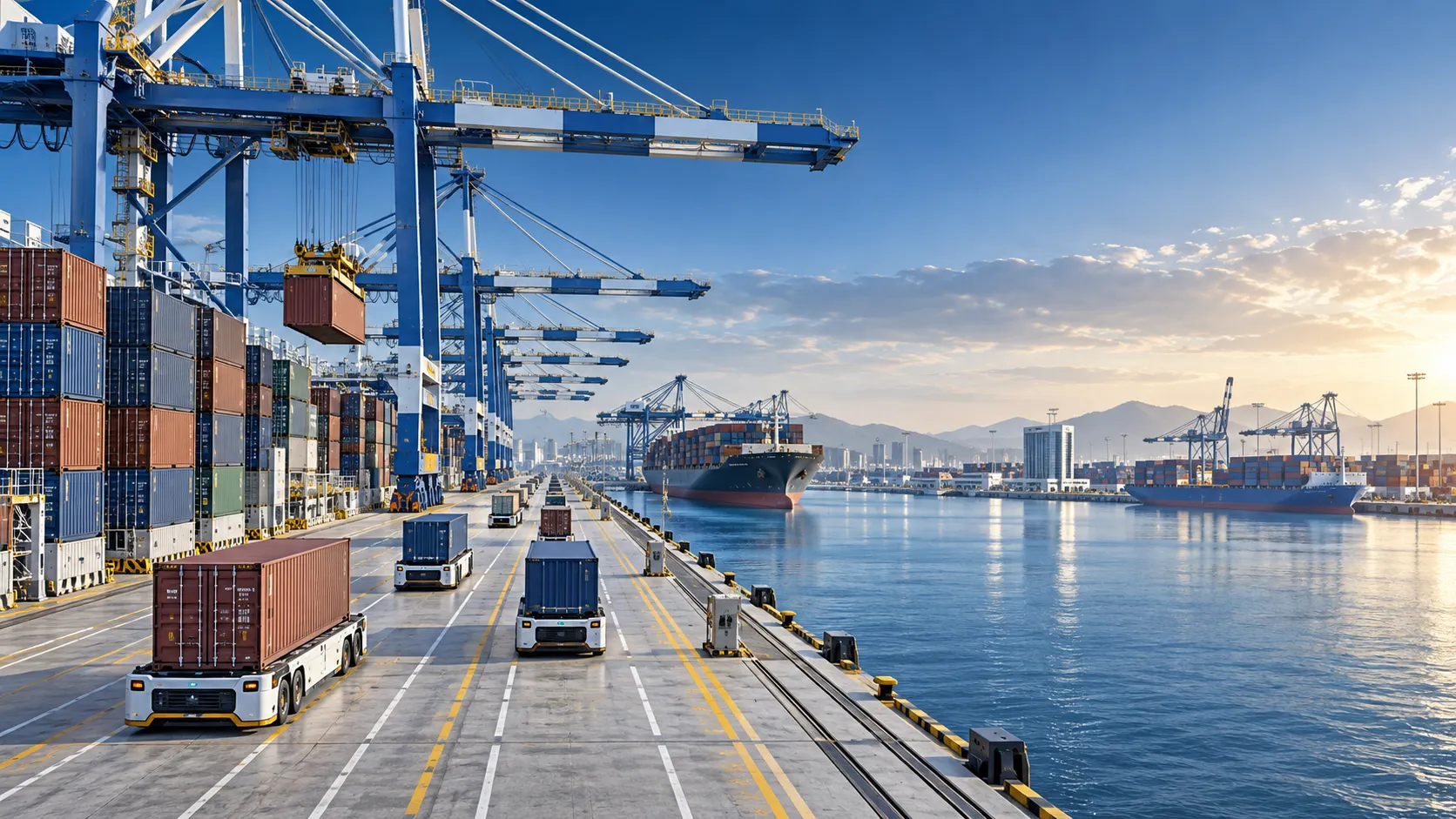
How to Evaluate Terminal Efficiency Solution Suppliers for High-Throughput Operations
Choose a terminal efficiency solutions supplier with confidence. Explore proven criteria for throughput, integration, lifecycle cost, safety, and reliable delivery.
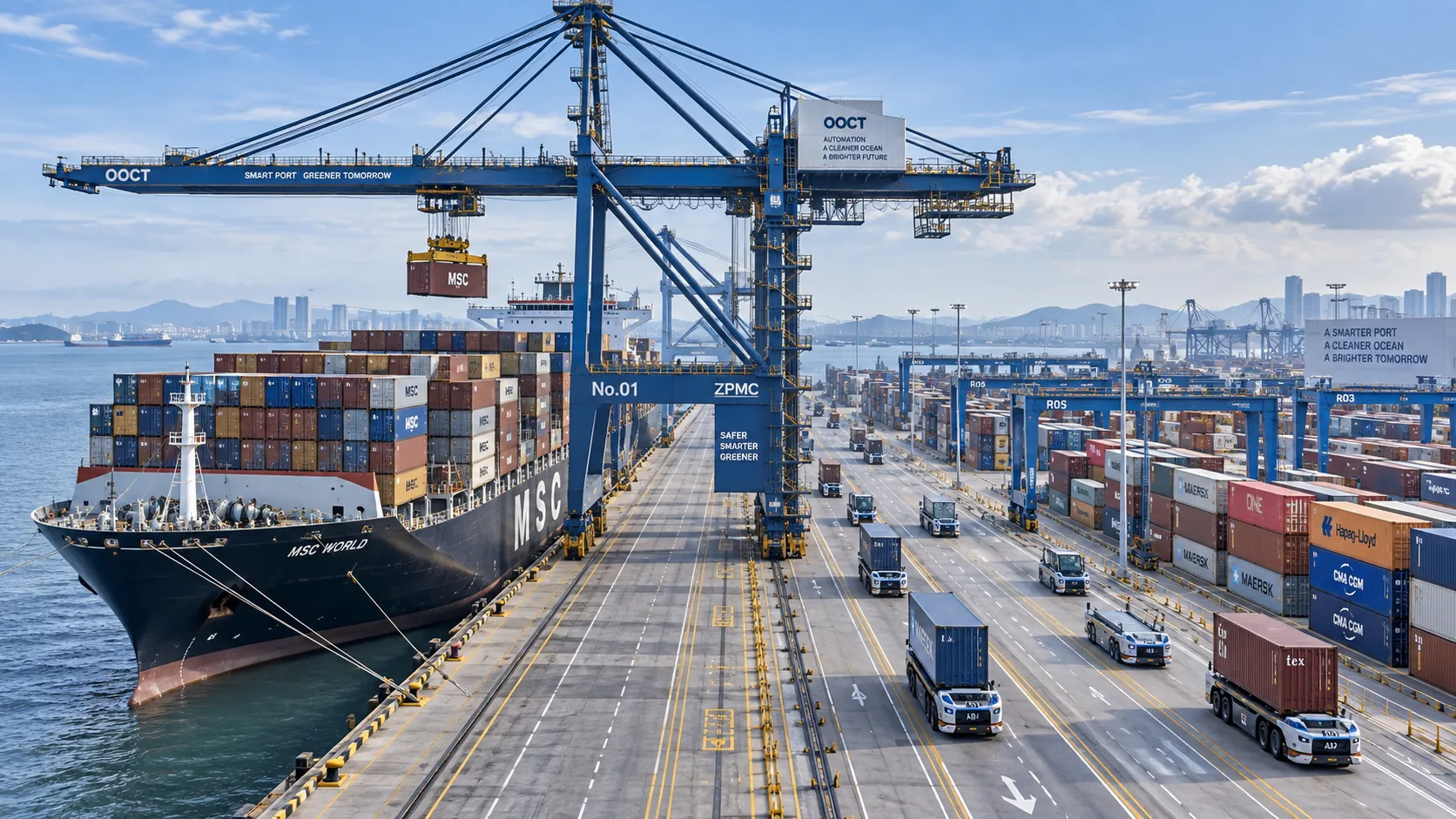
How to Specify a Quay Crane for Container Terminals by Vessel Size and Throughput?
Quay crane for container terminals: learn how to match outreach, lift height, capacity, automation, and cycle performance to vessel size and throughput goals.
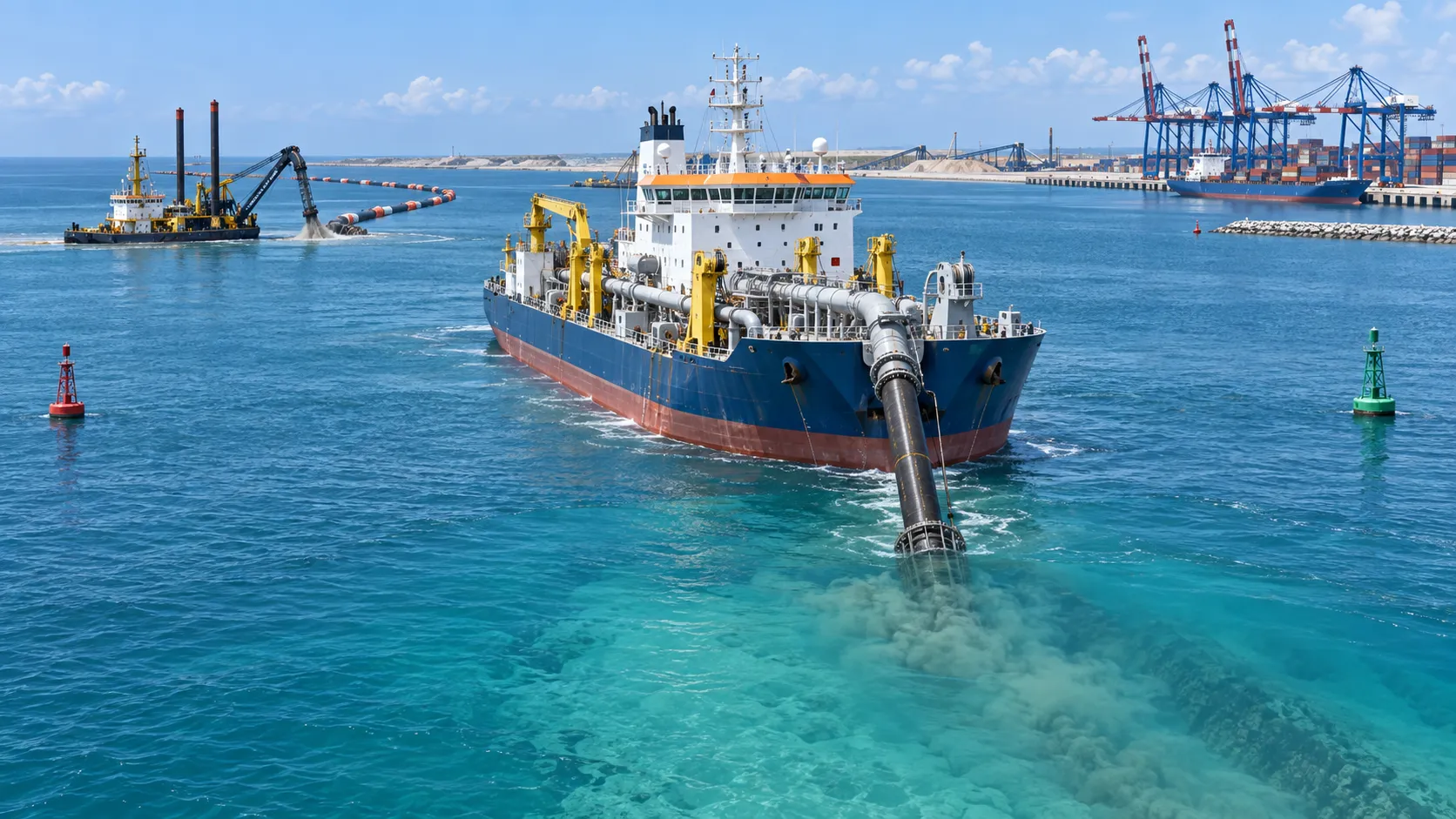
What Dredging Equipment Is Needed for Channel Deepening?
What dredging equipment is needed for channel deepening? Explore dredgers, pipelines, survey tools, and planning strategies for safer, more efficient port access.
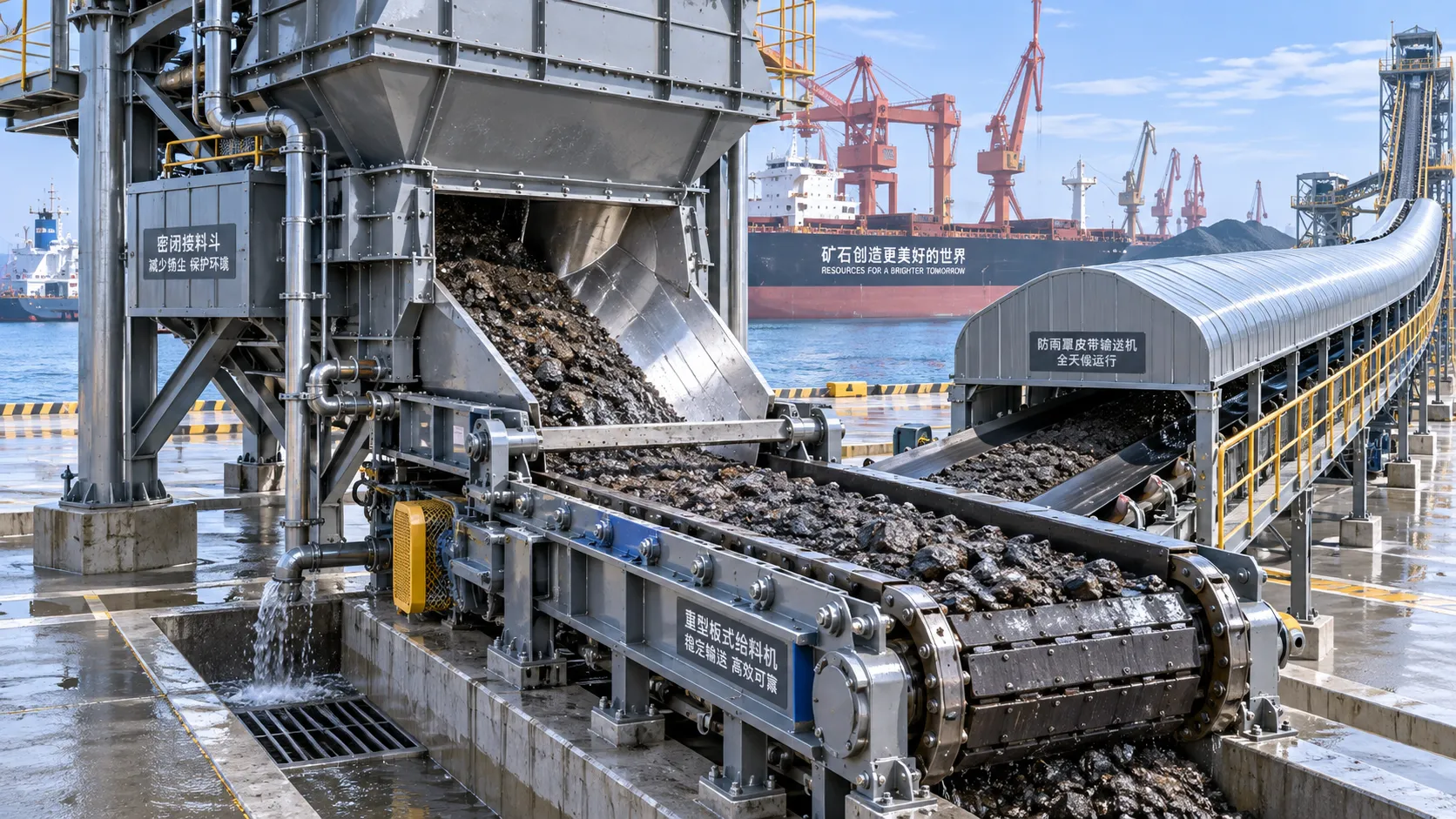
Which Bulk Handling Equipment Suits High-Moisture Cargo?
Which bulk handling equipment suits high-moisture cargo? Compare belt, apron, screw, drag, and slurry systems for reliable flow, less carryback, and higher terminal uptime.
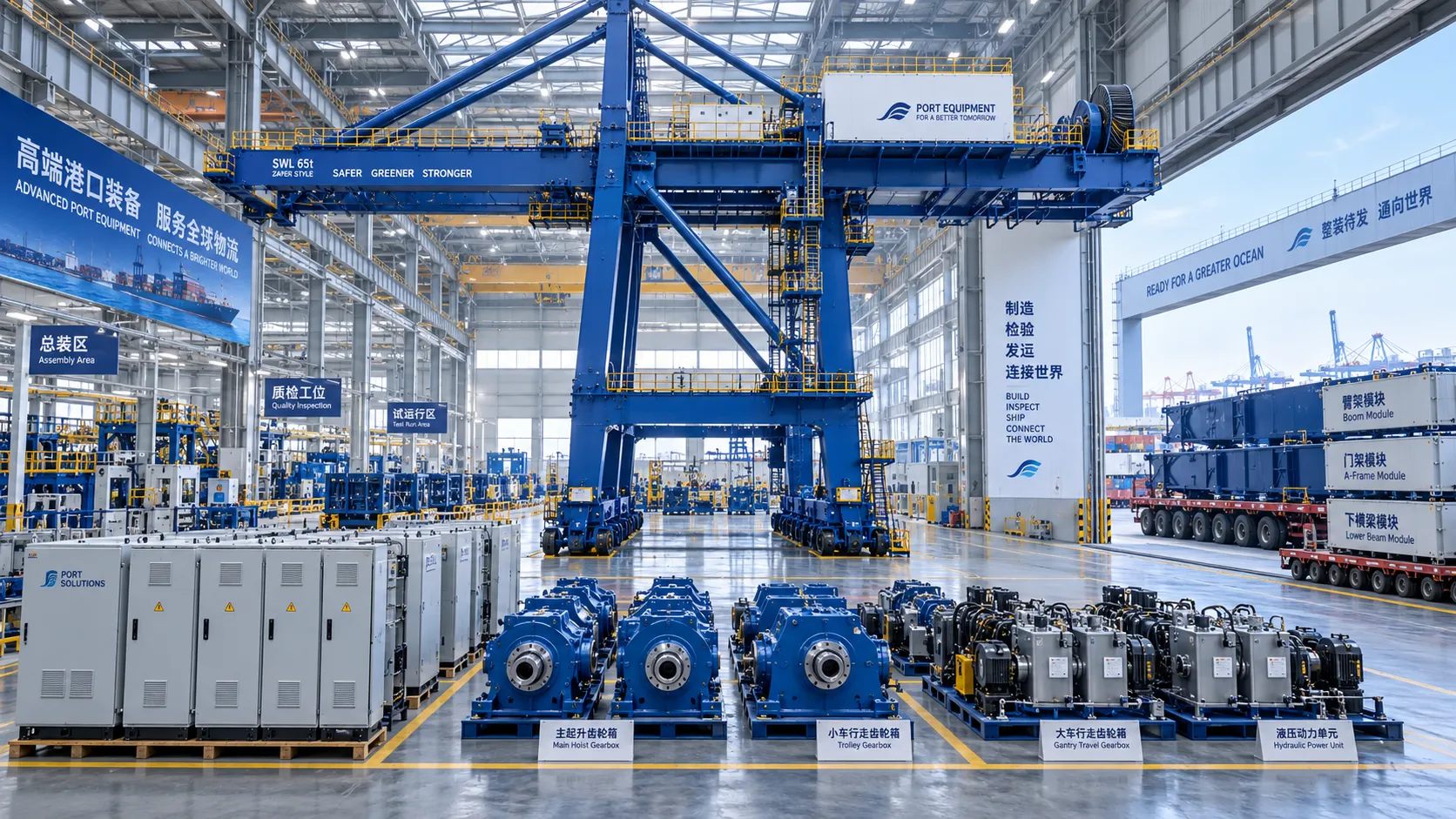
How Can Port Equipment Lead-Time Risk Be Managed?
How can port equipment lead-time risk be managed? Explore practical strategies to control critical paths, suppliers, transport, site readiness, and commissioning delays.
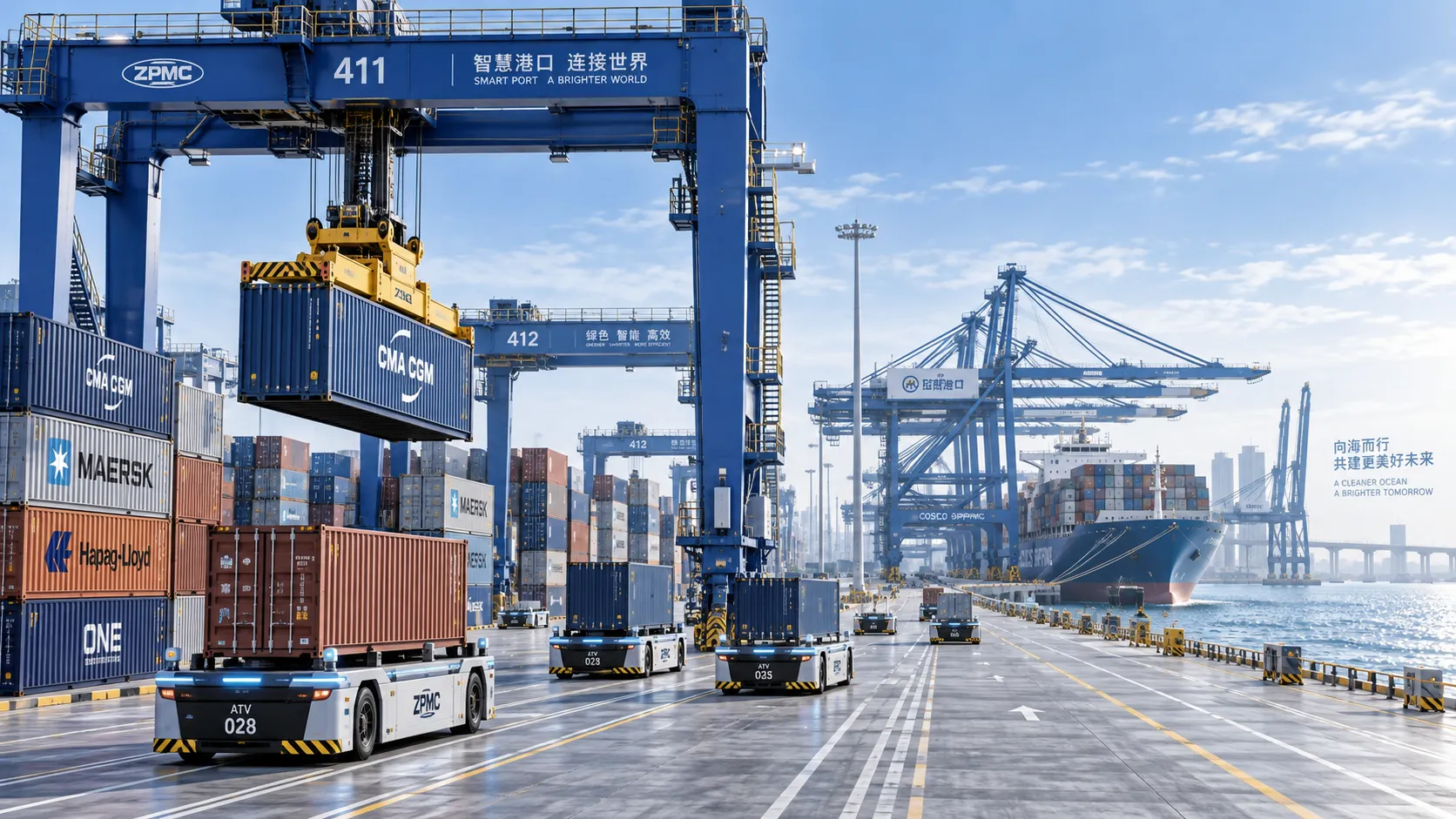
Terminal Automation Technologies That Raise Container Throughput Without Yard Disruption
Terminal automation technology that increases container throughput without disrupting yard flow. Explore smarter integration, resilient workflows, and phased deployment strategies.
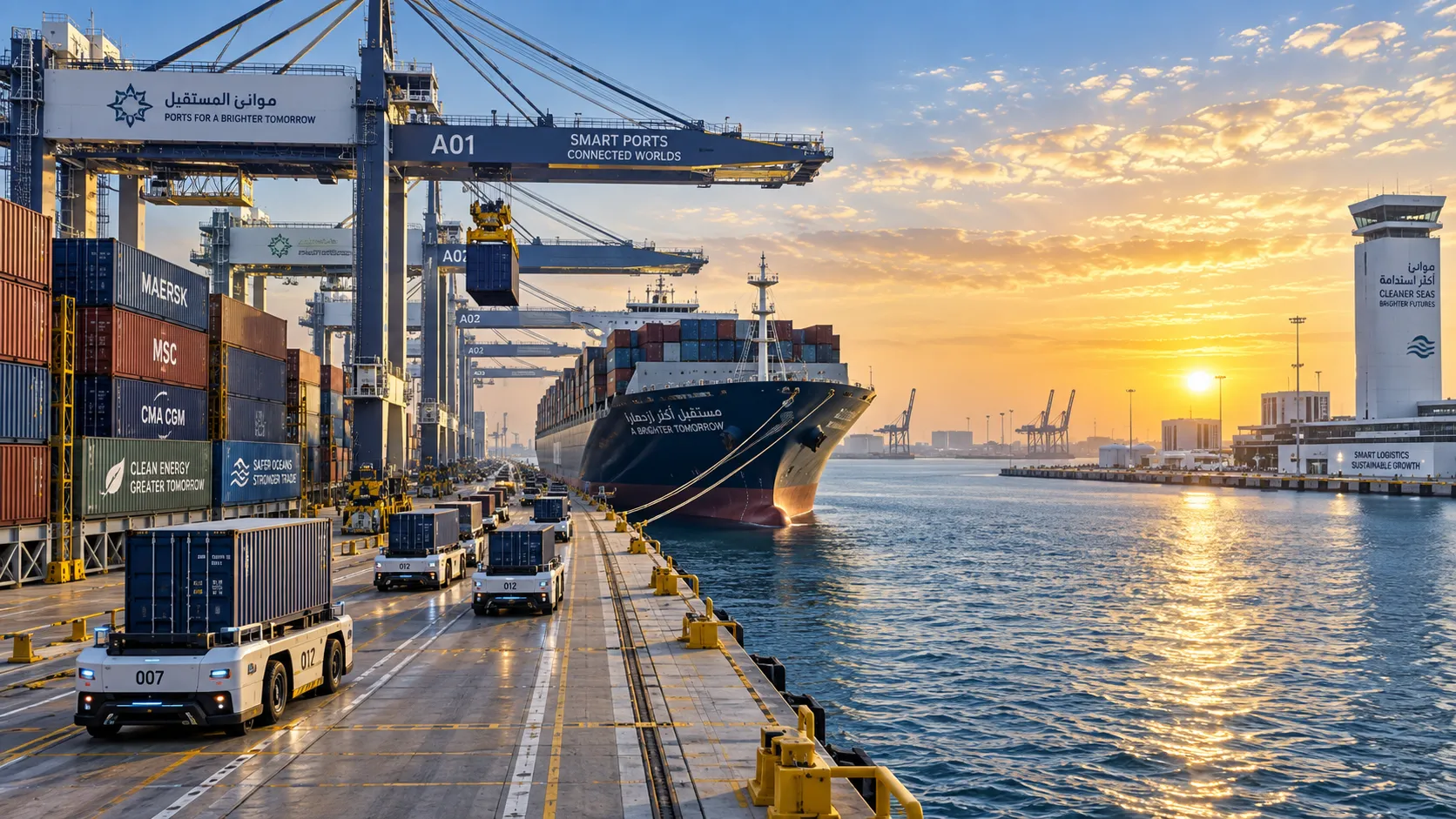
Middle East Port Automation: Key Market Drivers, Projects, and Investment Risks
Port automation systems Middle East: explore market drivers, flagship projects, integration challenges, and investment risks shaping smarter, resilient terminals.
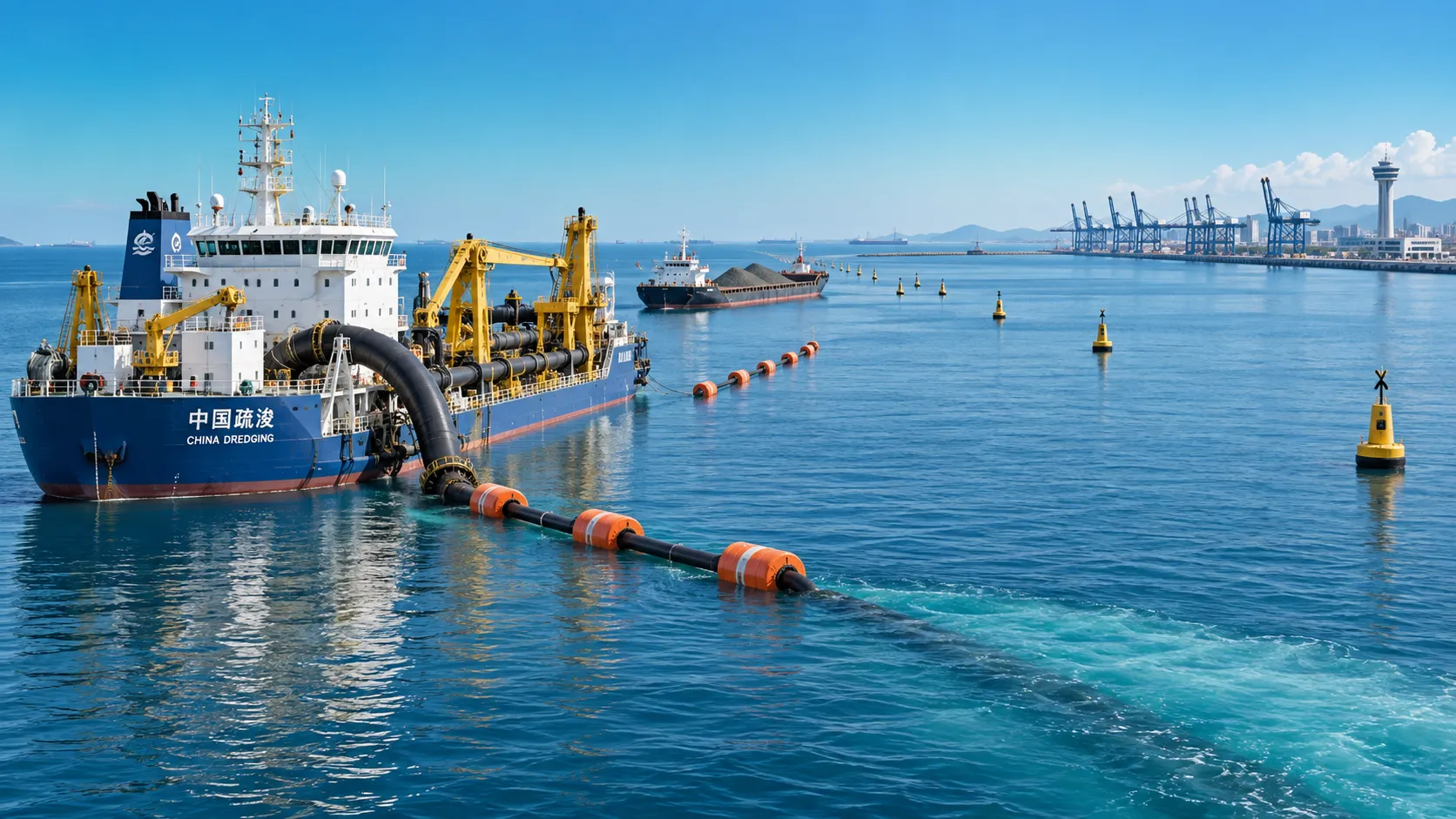
Planning Offshore Dredging Operations: Key Risks, Methods, and Project Controls
Offshore dredging operations demand smart planning. Explore key risks, proven methods, environmental controls, and project strategies for reliable delivery.