Related News
- 00
0000-00
Smart Port Systems in Southeast Asia: Investment Priorities and Adoption Barriers - 00
0000-00
Middle East Port Automation: Key Market Drivers, Projects, and Investment Risks - 00
0000-00
How Coastal Cities Can Prioritize Blue Economy Projects for Jobs and Ecosystem Gains - 00
0000-00
How Harbor Construction Solutions Address Wave Loads, Scour, and Vessel Berthing - 00
0000-00
What Is Driving Maritime Infrastructure Growth in Southeast Asia?
Port technology trends that may reshape terminal budgets
Port technology trends are moving from technical discussion into board-level budget planning. For terminals, each digital or mechanical upgrade now affects cash flow, resilience, labor models, and long-term competitiveness.
The latest port technology trends include automation software, remote equipment control, electrified machinery, predictive maintenance, dredging intelligence, and stronger data connectivity. These shifts can alter capex timing and opex assumptions.
For intelligence platforms such as PS-Nexus, the issue is not only what technology exists. The more useful question is which innovations are most likely to reshape terminal budgets over the next planning cycle.
A practical definition of port technology trends
In budget terms, port technology trends are innovations that change asset productivity, cost visibility, equipment life, compliance exposure, or service capacity. Not every new system deserves immediate investment attention.
The most influential port technology trends usually share three features. They create measurable operational gains, they affect multiple asset classes, and they require planning beyond one department.
This matters across integrated maritime operations. Quay cranes, yard systems, AGVs, control towers, bulk conveyors, and dredging fleets increasingly depend on connected decisions rather than isolated upgrades.
Why budget impact is now broader
Terminal budgets once focused on steel, engines, and civil works. Today, software licensing, cybersecurity, sensors, telecom architecture, and energy infrastructure are becoming material budget lines.
That shift expands evaluation criteria. Financial planning must now consider interoperability, data quality, training loads, system uptime, and vendor support maturity alongside purchase price.
Current signals shaping terminal investment priorities
Several market signals explain why port technology trends are commanding more attention in budget cycles. These signals come from trade volatility, labor pressures, environmental policy, and operational risk.
These signals show that port technology trends are not abstract forecasts. They are practical drivers of how terminals prioritize upgrades, sequence spending, and define acceptable payback periods.
Technology areas most likely to reshape terminal budgets
Not every innovation will transform terminal economics equally. The following port technology trends have the strongest potential to change budget structure and investment logic.
Automation and orchestration platforms
Terminal operating systems are becoming broader orchestration environments. They connect cranes, gates, yard equipment, and planning modules into one execution layer.
Budget impact appears in software integration, middleware, digital twins, testing, and workflow redesign. The cost is not only buying the platform. It is also stabilizing the ecosystem around it.
Remote control and low-latency communications
Remote-operated cranes and vehicles rely on stable, low-latency networks. Private wireless infrastructure, edge computing, and backup communication layers can become significant capital items.
These port technology trends may reduce exposure to labor shortages and improve safety. However, they also require spending on control rooms, visual systems, and cybersecurity safeguards.
Predictive maintenance and digital condition monitoring
Sensors on cranes, conveyors, pumps, and dredging equipment can convert maintenance from reactive repair into planned intervention. This changes both spare-parts budgeting and downtime assumptions.
For PS-Nexus-relevant heavy equipment, monitoring can cover motors, wire ropes, hydraulic systems, bearings, and structural stress. Better failure visibility supports more realistic lifecycle funding.
Electrification and energy management
Electrified RTGs, shore power, battery systems, and smart charging are among the most visible port technology trends. They often require supporting grid upgrades, not just equipment replacement.
Budget pressure can rise upfront, yet energy optimization may lower operating costs over time. The true calculation depends on local power pricing, emissions targets, and utilization intensity.
AI-assisted scheduling and yard optimization
Advanced planning algorithms are changing how terminals assign moves, route AGVs, and balance yard density. This software can unlock capacity without equivalent concrete expansion.
Among port technology trends, this one often delivers value through hidden efficiency. Budget teams should track gains in truck turn time, crane productivity, rehandle reduction, and berth reliability.
Dredging intelligence and waterway monitoring
For channels and basins, digital bathymetry, pump monitoring, and sediment data platforms are becoming more relevant. They support smarter dredging cycles and better use of marine engineering assets.
These port technology trends matter because berth accessibility directly affects revenue capacity. Better depth intelligence can prevent emergency dredging costs and improve infrastructure planning confidence.
Business value beyond simple cost reduction
Terminal budgets should not view port technology trends only through labor savings. Many projects create value by improving throughput consistency, reducing service disruptions, and strengthening contract attractiveness.
- Higher asset utilization without proportional expansion spending
- Lower unplanned downtime for critical terminal gear
- Better compliance with environmental and safety requirements
- Faster incident response through integrated visibility
- Improved forecasting for maintenance and replacement cycles
This broader view is important in integrated logistics settings. A technology investment can influence berth windows, yard velocity, hinterland coordination, and customer service quality at the same time.
Typical budget scenarios across terminal environments
Different facilities will experience port technology trends in different ways. Budget logic depends on cargo mix, physical layout, asset age, digital maturity, and environmental obligations.
Practical evaluation points before committing capital
Because port technology trends often span hardware and software, budgeting should test each project with practical filters rather than headline promises.
- Map the technology to a specific operational bottleneck.
- Estimate full lifecycle cost, including integration and support.
- Check compatibility with legacy equipment and control systems.
- Define measurable KPIs before project launch.
- Stress-test cybersecurity and network redundancy needs.
- Phase implementation where uncertainty is still high.
A strong business case should also separate fast-return upgrades from strategic platform investments. Some port technology trends pay back in months. Others protect future competitiveness over years.
Common budgeting mistakes
- Underestimating data cleansing and integration effort
- Ignoring operator training and process redesign costs
- Comparing technologies only on equipment price
- Skipping resilience planning for communication failures
- Assuming automation value without throughput baseline metrics
A grounded next step for terminal planning
The most useful response to port technology trends is a structured review of where budget pressure and operational friction already overlap. That is where investment signals are usually strongest.
Start with an asset-and-process map covering terminal gear, yard flows, energy systems, control architecture, and dredging dependencies. Then rank opportunities by risk reduction, scalability, and measurable return.
For organizations following PS-Nexus intelligence, the advantage lies in linking mechanical assets, algorithms, and trade conditions into one planning view. That approach makes port technology trends easier to evaluate with discipline.
In the coming years, the terminals that budget best may not be the ones buying the most technology. They may be the ones choosing the right port technology trends at the right operational moment.
Related News
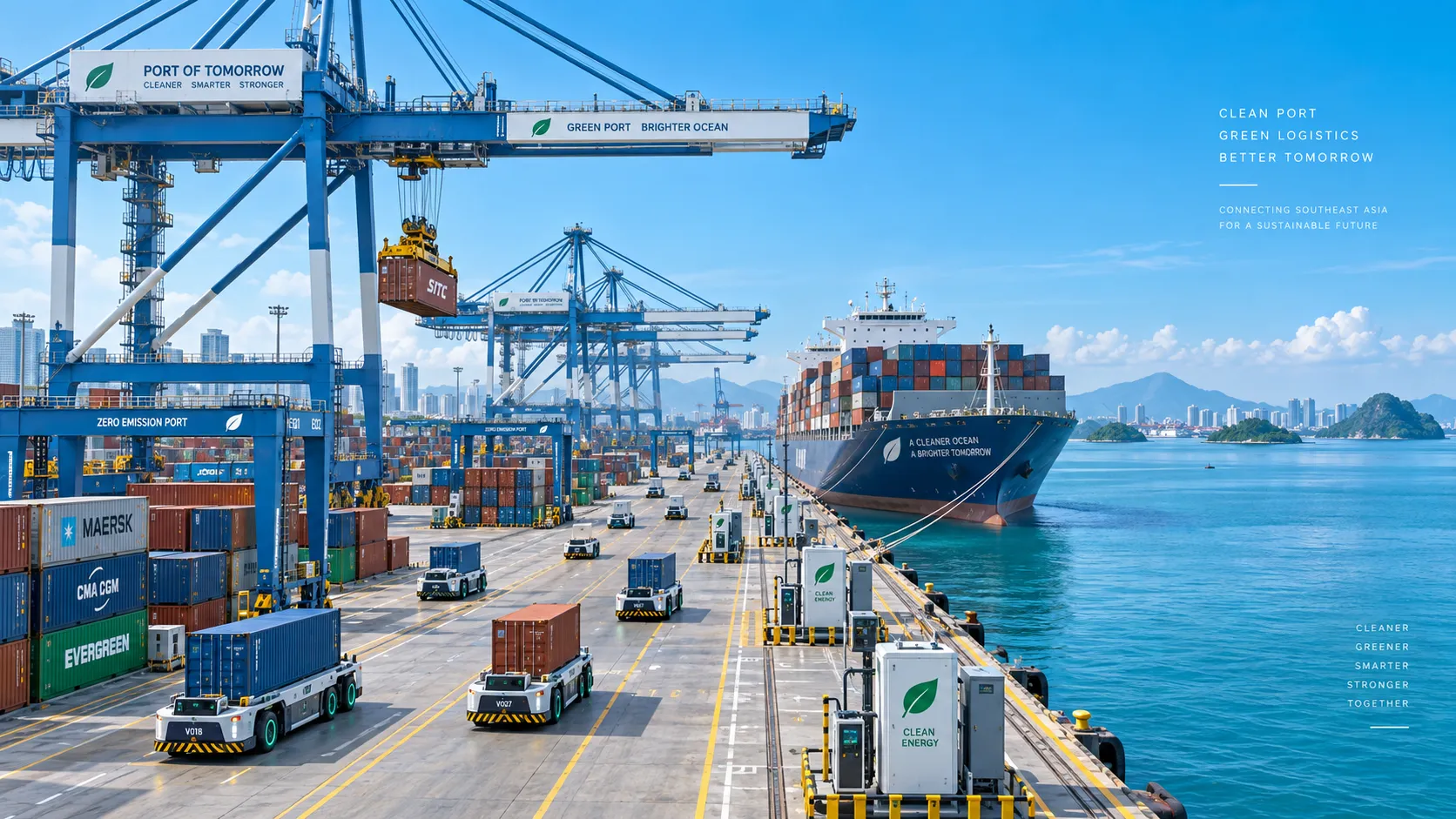
Smart Port Systems in Southeast Asia: Investment Priorities and Adoption Barriers
Smart port systems Southeast Asia: discover investment priorities, adoption barriers, and practical steps to build resilient, connected, high-performing terminals.
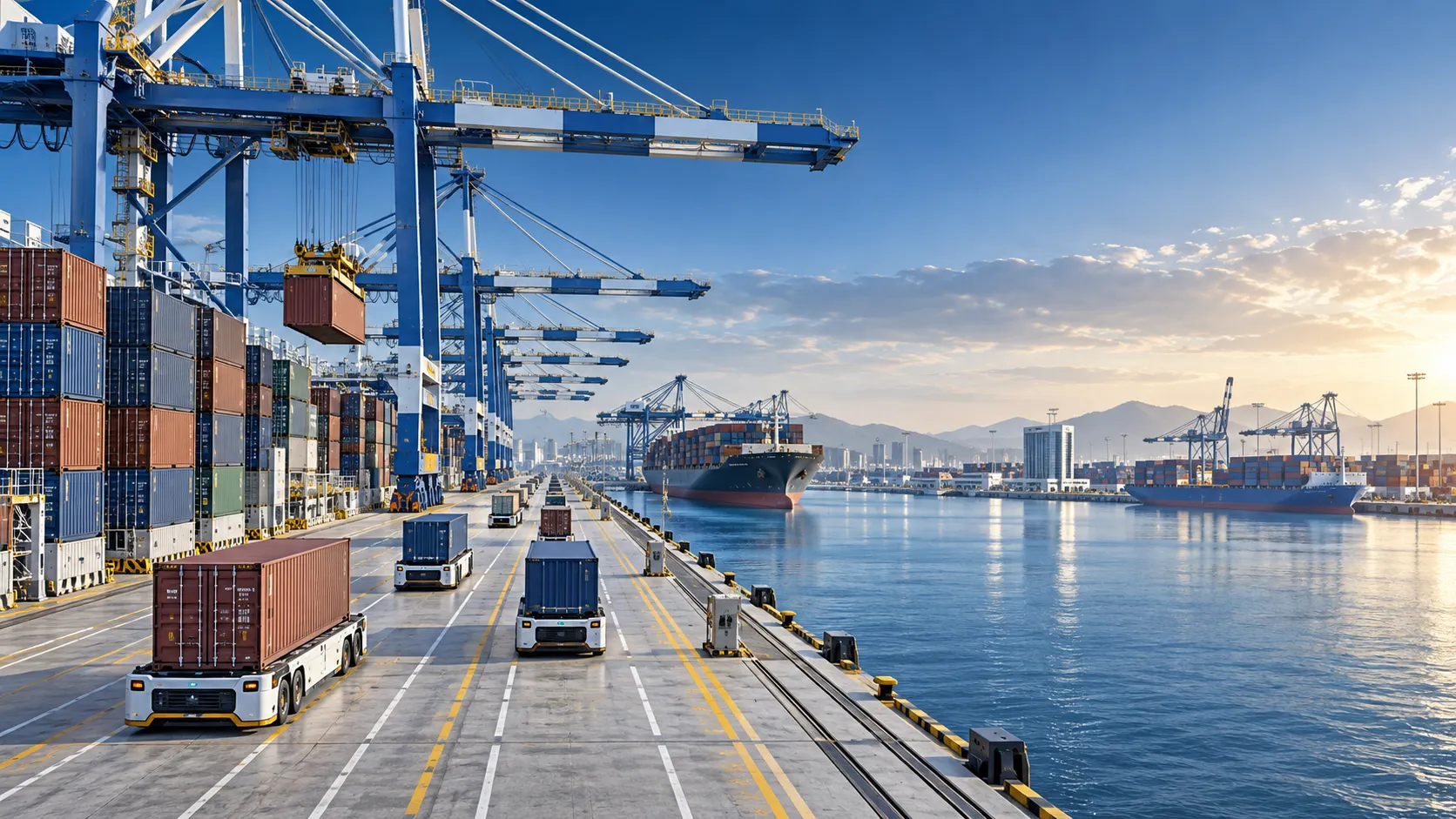
How to Evaluate Terminal Efficiency Solution Suppliers for High-Throughput Operations
Choose a terminal efficiency solutions supplier with confidence. Explore proven criteria for throughput, integration, lifecycle cost, safety, and reliable delivery.
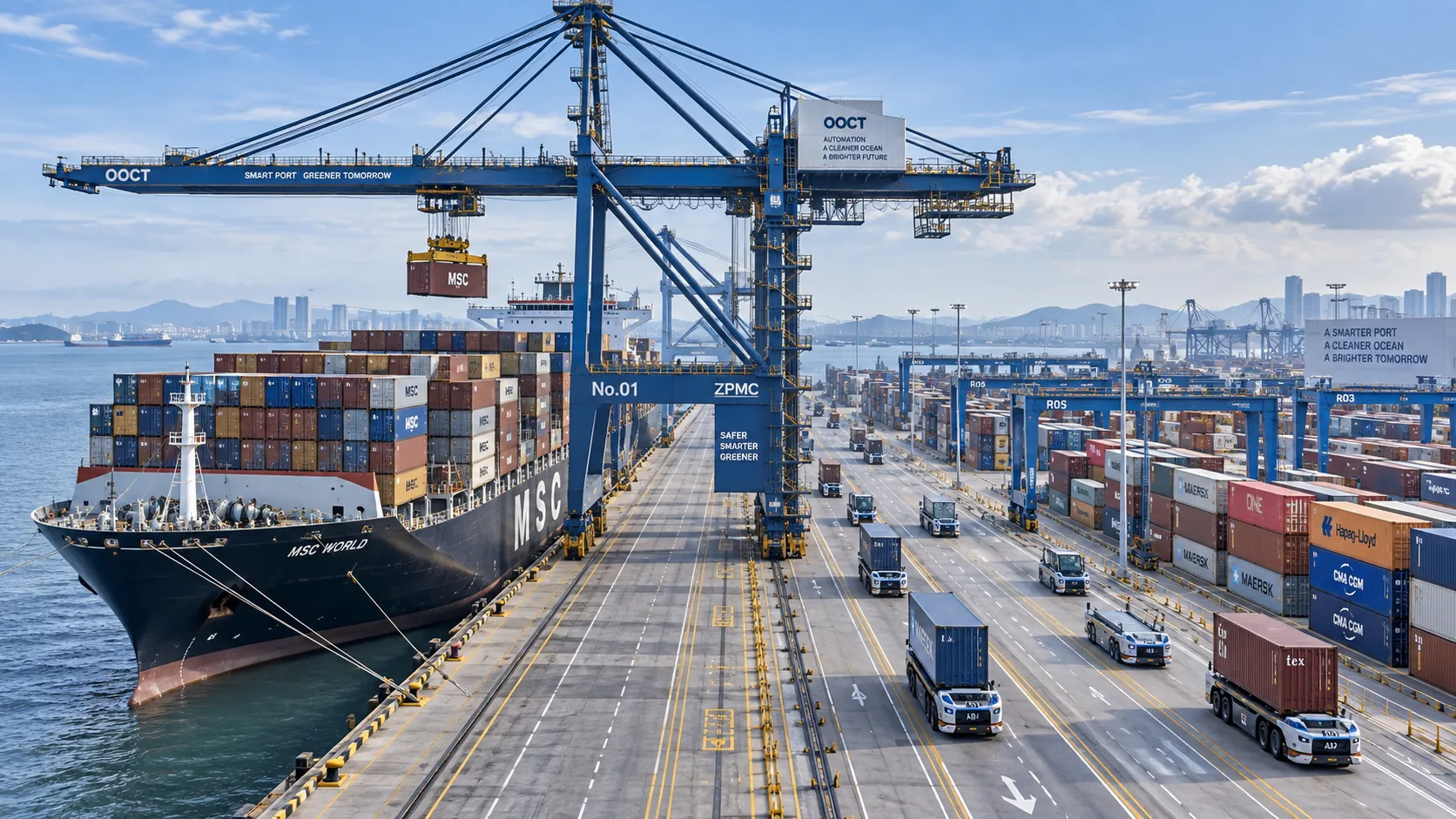
How to Specify a Quay Crane for Container Terminals by Vessel Size and Throughput?
Quay crane for container terminals: learn how to match outreach, lift height, capacity, automation, and cycle performance to vessel size and throughput goals.
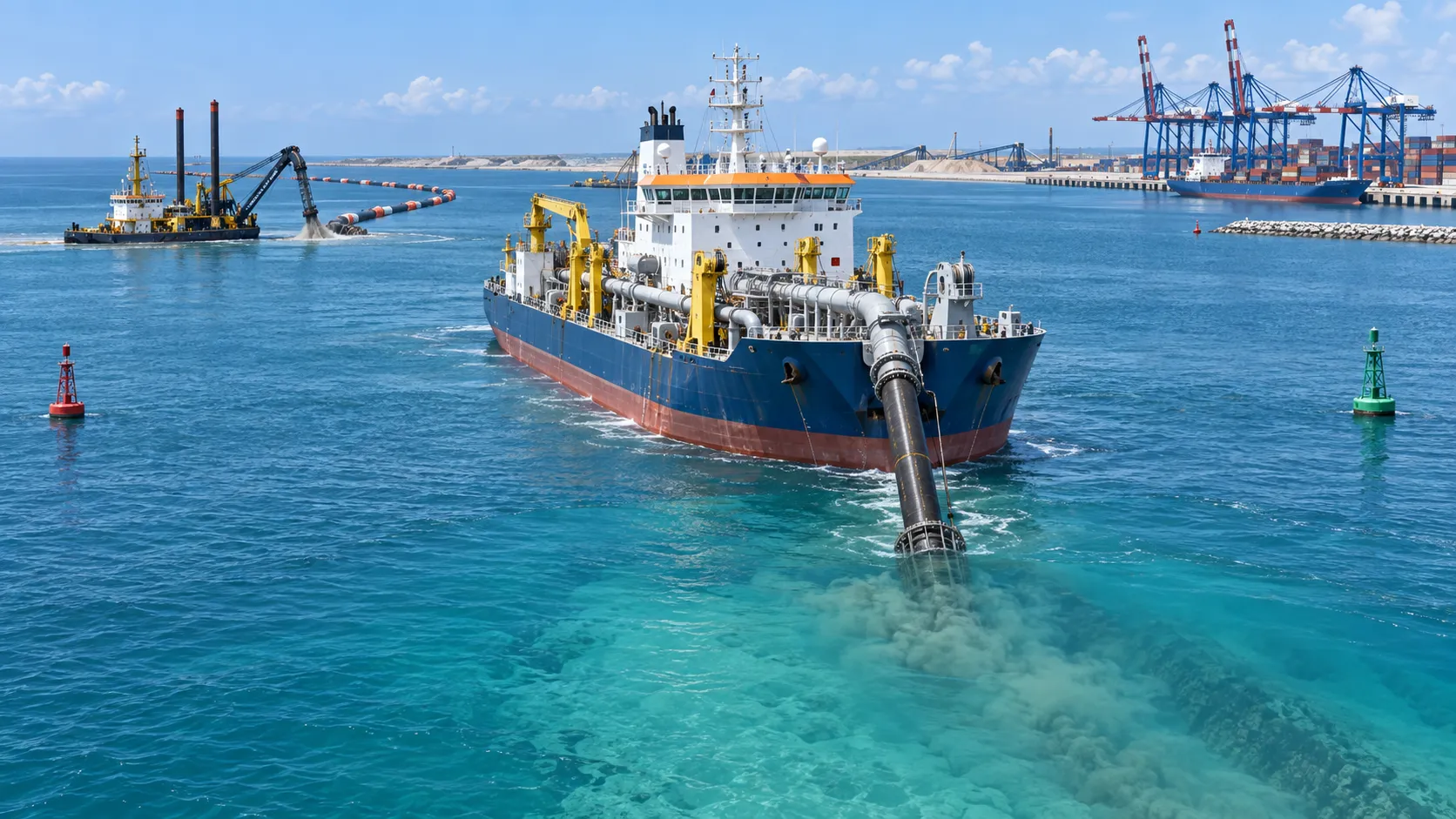
What Dredging Equipment Is Needed for Channel Deepening?
What dredging equipment is needed for channel deepening? Explore dredgers, pipelines, survey tools, and planning strategies for safer, more efficient port access.
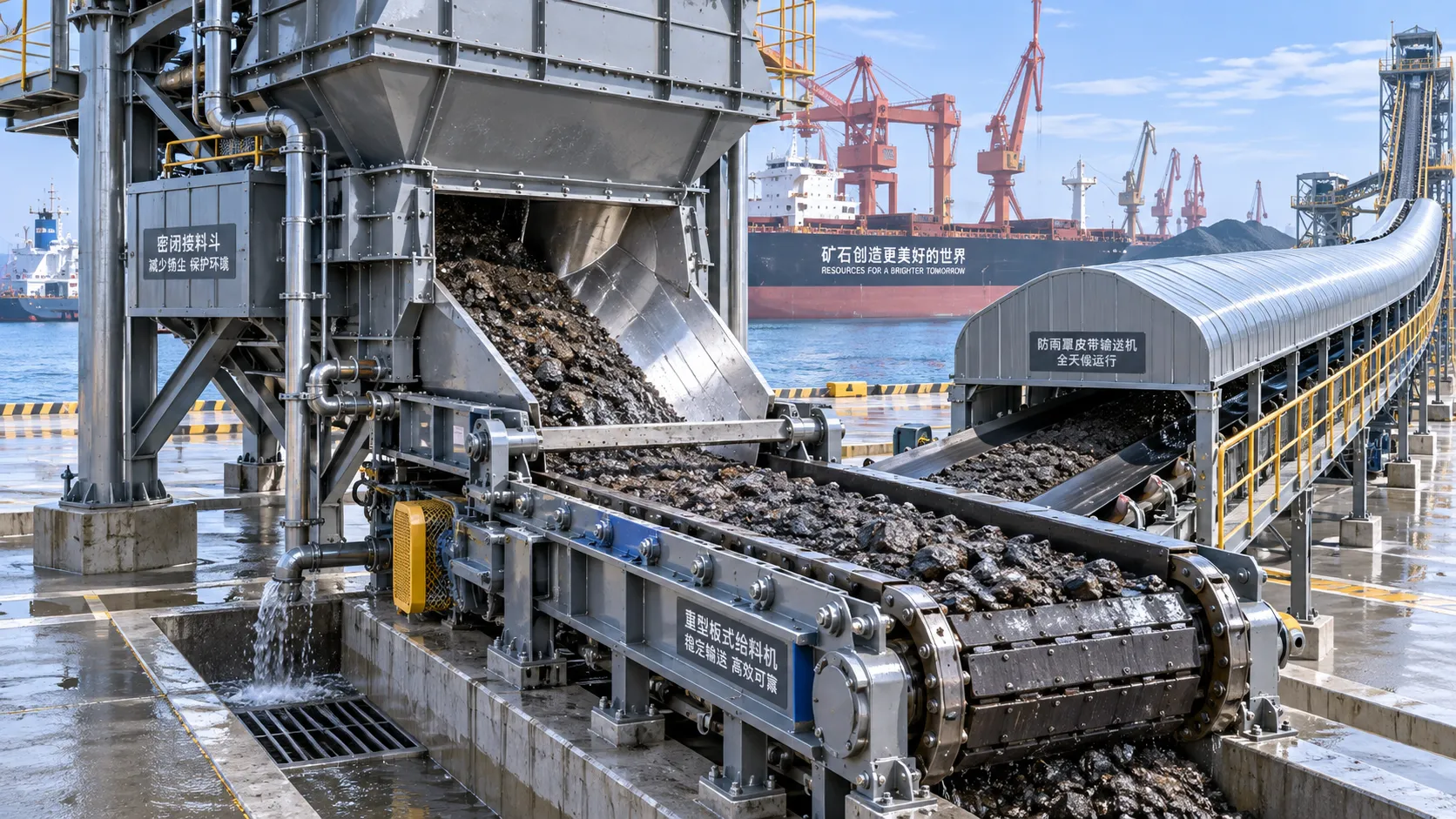
Which Bulk Handling Equipment Suits High-Moisture Cargo?
Which bulk handling equipment suits high-moisture cargo? Compare belt, apron, screw, drag, and slurry systems for reliable flow, less carryback, and higher terminal uptime.
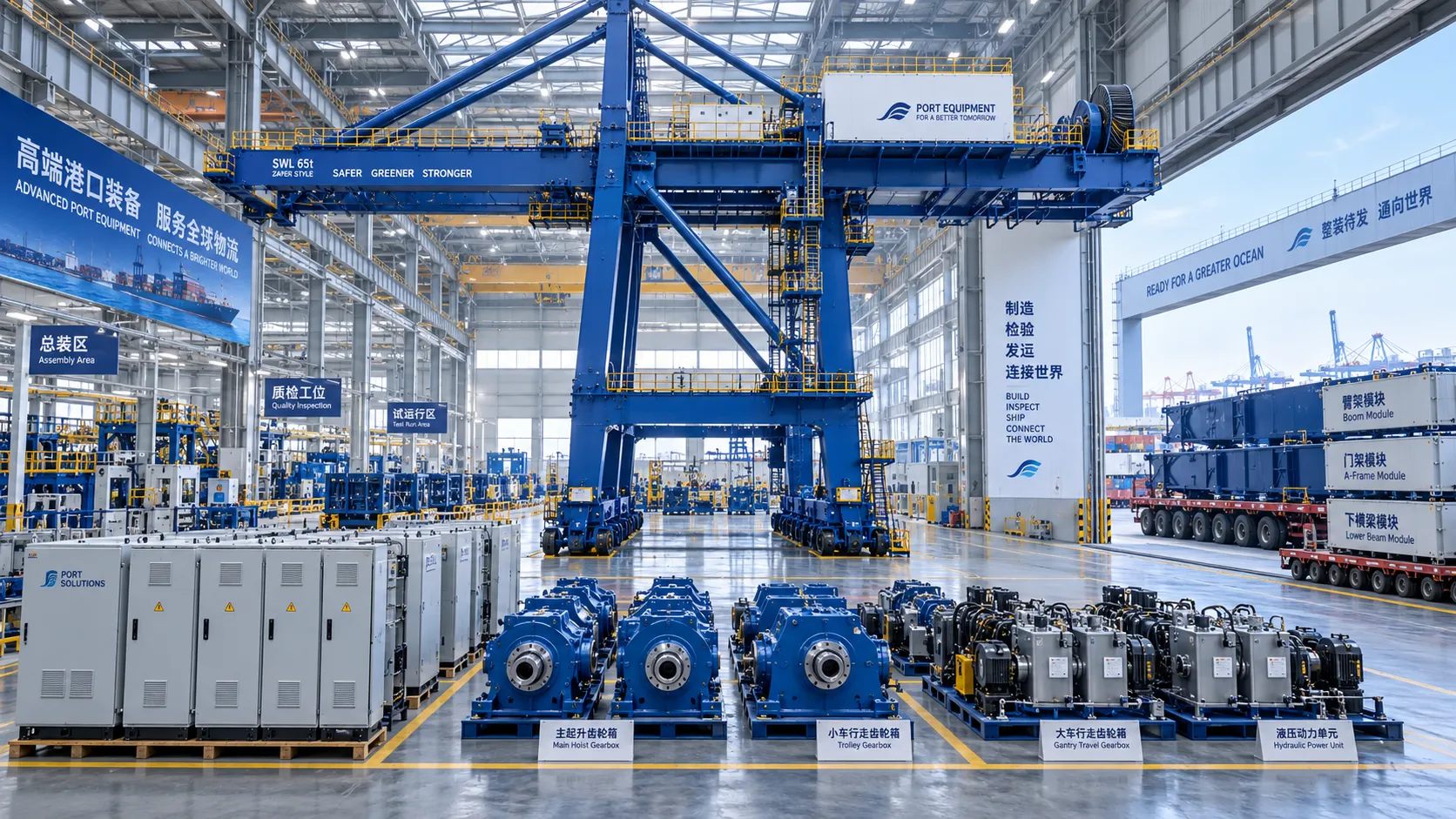
How Can Port Equipment Lead-Time Risk Be Managed?
How can port equipment lead-time risk be managed? Explore practical strategies to control critical paths, suppliers, transport, site readiness, and commissioning delays.
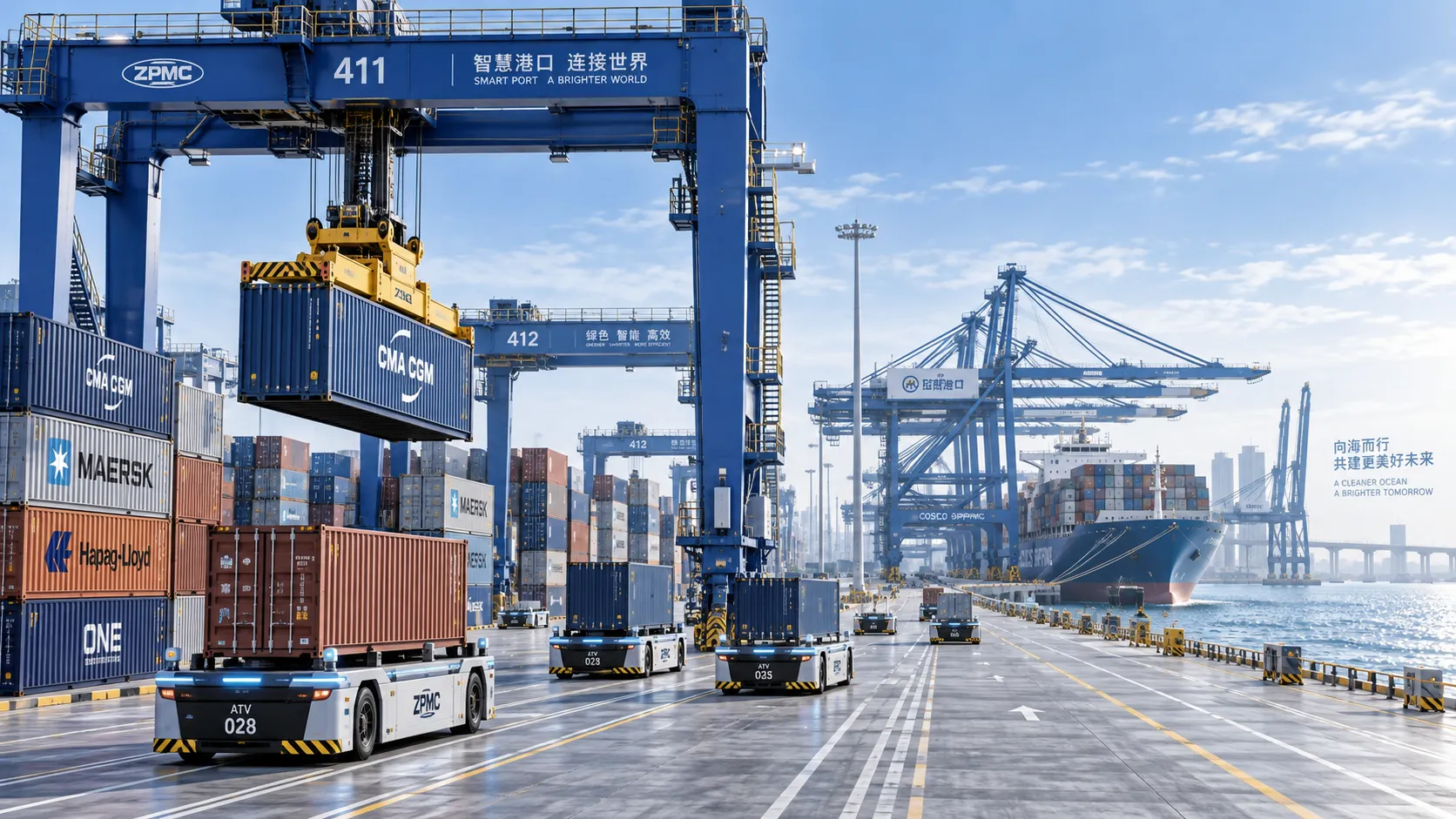
Terminal Automation Technologies That Raise Container Throughput Without Yard Disruption
Terminal automation technology that increases container throughput without disrupting yard flow. Explore smarter integration, resilient workflows, and phased deployment strategies.
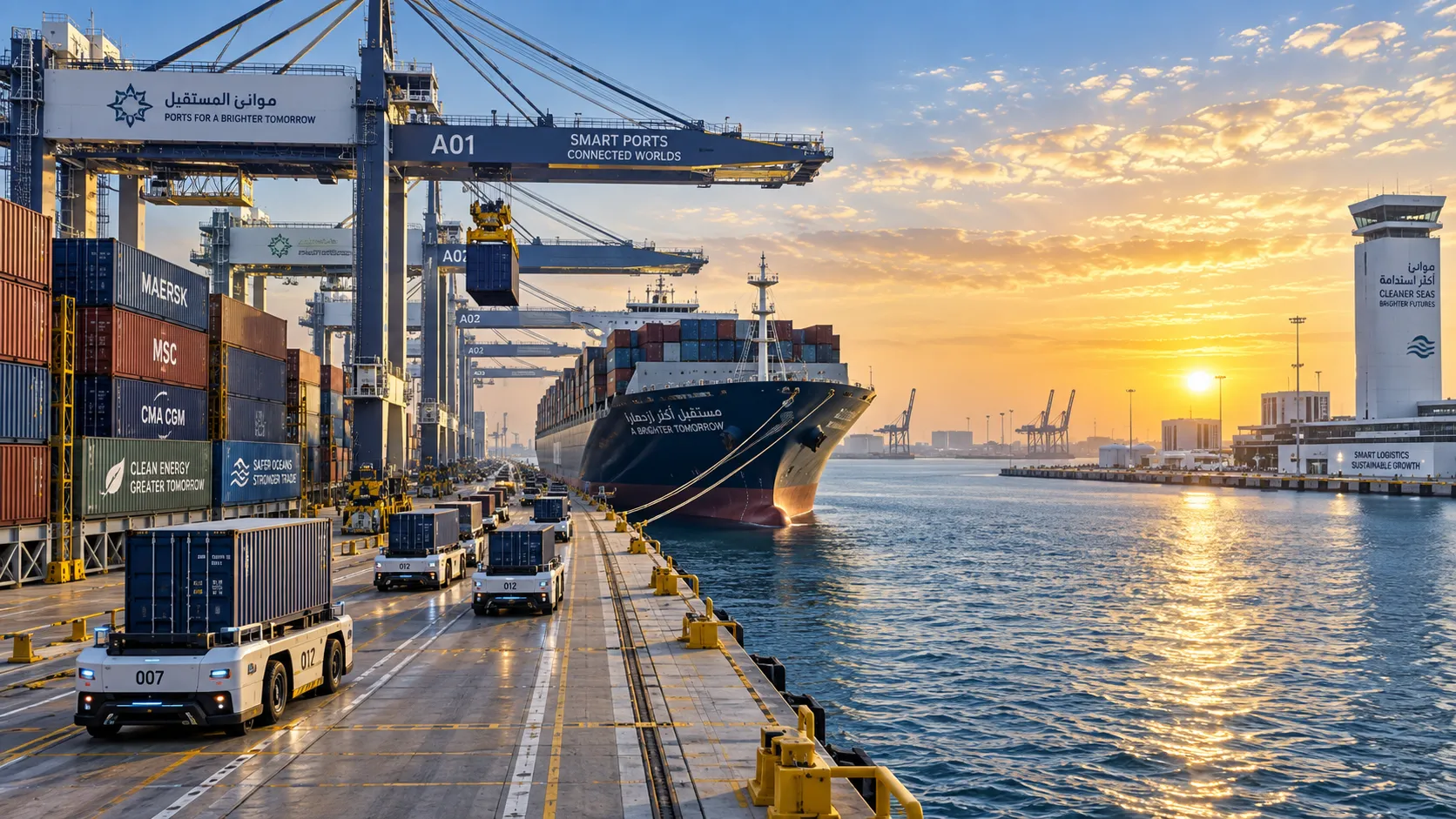
Middle East Port Automation: Key Market Drivers, Projects, and Investment Risks
Port automation systems Middle East: explore market drivers, flagship projects, integration challenges, and investment risks shaping smarter, resilient terminals.
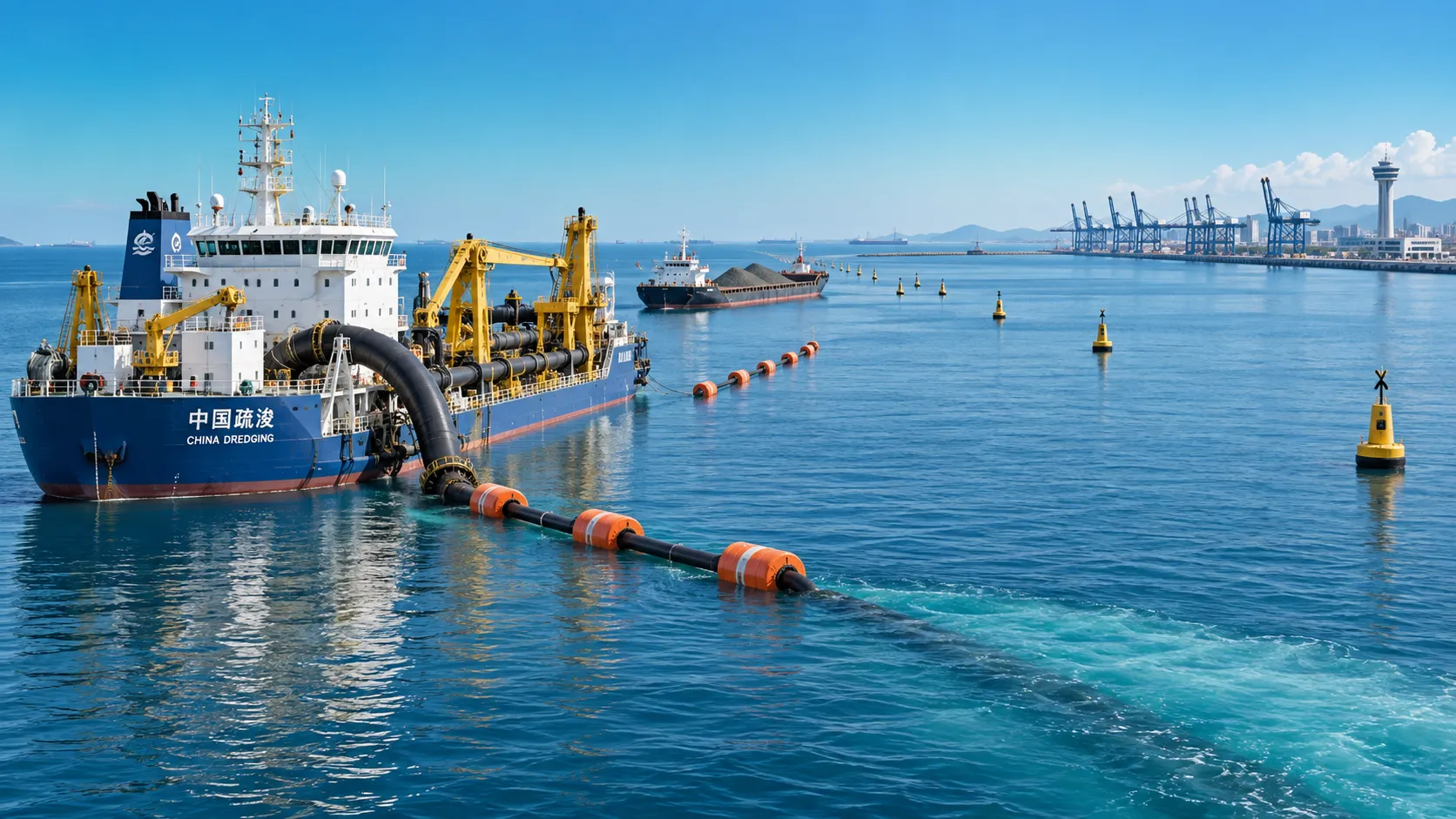
Planning Offshore Dredging Operations: Key Risks, Methods, and Project Controls
Offshore dredging operations demand smart planning. Explore key risks, proven methods, environmental controls, and project strategies for reliable delivery.